 تخطي إلى المحتوى

إذا كان معدل إرجاع خيامك القابلة للنفخ يتجاوز ما يمكن لهامش ربحك تحمّله، فهناك سؤال واحد يستحق الطرح بعمق: لماذا احتفظ نموذج ما قبل الإنتاج بالهواء طوال عطلة نهاية الأسبوع، بينما تسرّب دفع الإنتاج بقيمة 50,000 دولار بالفعل بعد المعسكر الثاني؟ عادةً ما يكون رد المورّد القياسي — أضرار التعامل أو خطأ المستخدم — خاطئاً. الفجوة الحقيقية تكمن بين الموافقة على العيّنة وتحملات جودة خط الإنتاج الضخم.
بالنسبة للخيام القابلة للنفخ، تُعزى حوالي 67% من شكاوى التوريد إلى عيوب المواد واللحام. عندما تفشل هاتان المنطقتان، تنفصل الخياطات تحت الضغط، وتقشّر الطبقة، وتتسرّب مقاعد الصمامات. لهذا السبب لا تكمن الحل في تقليل تكلفة مواد البضائع، بل في بروتوكول مراقبة جودة يكتشف إخفاقات محددة تلك قبل مغادرة الحاوية للمصنع. المورّد الذي يقلّل معدل إرجاعك يقدم أقل تكلفة إجمالية، وليس بالضرورة أقل سعر FOB.
تغيير العملية الذي يحدث الفرق بسيط: إجراء اختبار انخفاض الضغط لمدة 24 ساعة على كل شعاع هوائي، وليس فقط عيّنة ما قبل الإنتاج. هذه الخطوة الواحدة اكتشفت إخفاقات التسرب قبل الشحن وقلّلت معدل إرجاع خط تجزئة واحد من 8.6% إلى 2.1% — أي انخفاض بنسبة 75%. يوضح المثال أدناه ترقية المواد التي جعلت ذلك يثبت، وقائمة تدقيق مراقبة جودة المورّد التي تبقيه قابلاً للتكرار.
الخلفية: بائع تجزئة يواجه ارتفاع عوائد الخيام القابلة للنفخ
بدأ انخفاض معدل الإرجاع بنسبة 75% بنفس المشكلة التي يواجهها كل بائع تجزئة: وعد منتجات منتفخة تلتقي بسلسلة توريد دون المواصفات المطلوبة.
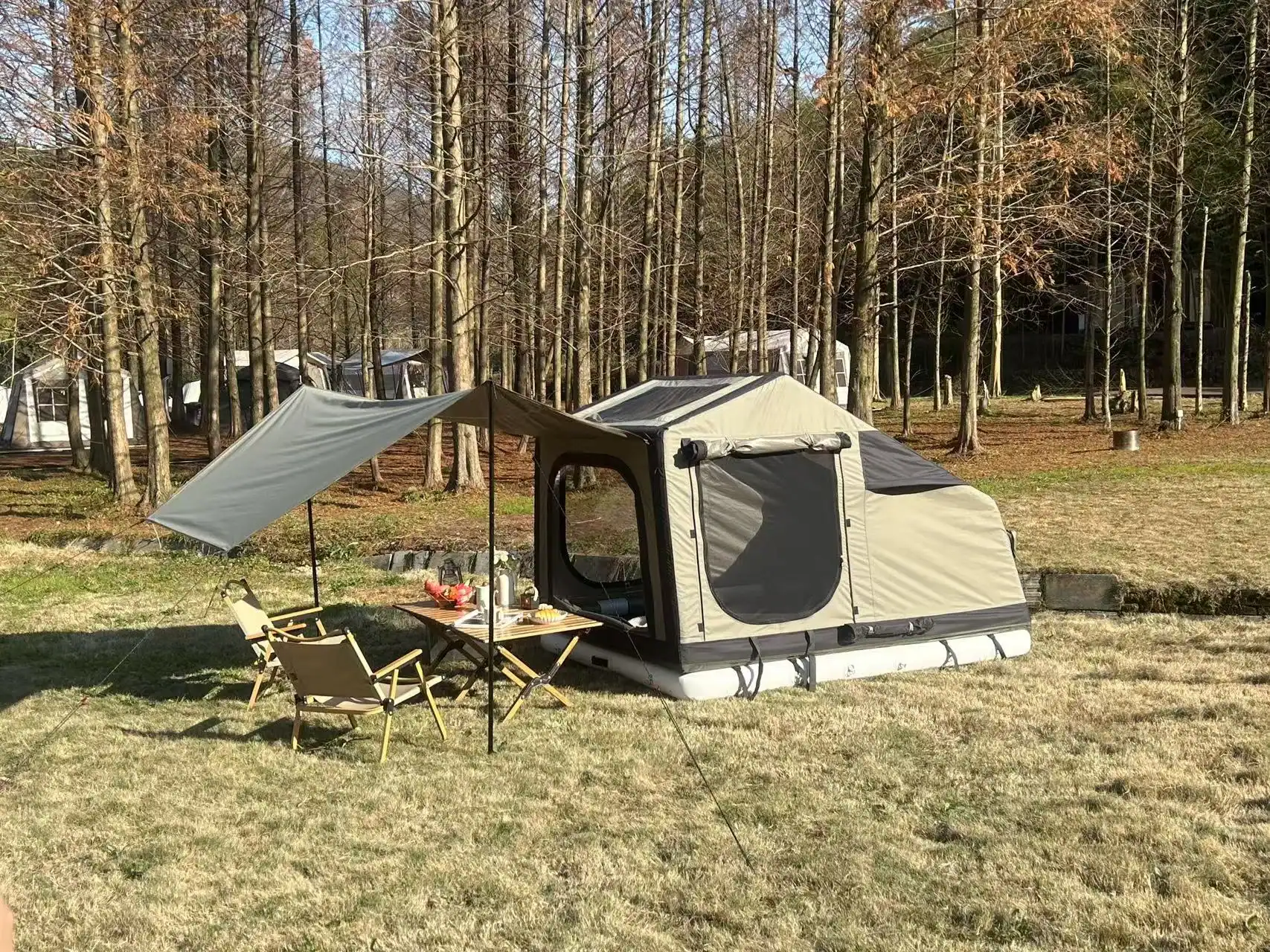
كان بائع تجزئة للعتاد الخارجي بمتوسط حجم يبيع خياماً قابلة للنفخ منذ موسمين. غطى الخط خياماً عائلية ذات قبة ومآوٍ بنمط التخيّل الفاخر، بسعر يستهدف معسكري عطلات نهاية الأسبوع في أمريكا الشمالية وأوروبا. كانت المستخدمين المستهدفين عائلات مع أطفال، مما يعني أن الخيمة يجب أن تكون سهلة النفخ، وتحتفظ بالهواء ليلاً، وتتصدى لفرع غريب أو كرسي مُسقَط دون أن تنهار.
كان المفهوم صحيحاً. نمت مبيعات الحجم بانتظام مع تحول الخيام القابلة للنفخ إلى بديل عملي للنماذج المعتمدة على الأعمدة. لكن المشكلة كانت تشغيلية. كان بائع التجزئة يمتص تكاليف الإرجاع، ومطالبات أضرار الشحن، والتقييمات السلبية التي بدأت تسحب هامش الفئة الإجمالي للأسفل.
معدل الإرجاع قبل التغييرات
بلغ معدل إرجاع خط الخيام القابلة للنفخ 8.6% عبر الموسم الأول. هذا أعلى بكثير من الحد التقليدي للأونصة الواحد للعتاد الخارجي وهو ما يعادل تقريباً ضعف ما يعتبره معظم بائعي التجزئة مقبولاً للسلع الموسمية الكبيرة. لم يكن معظم الوحدات المُرجعة بسبب تغيير المشترين لآرائهم. كانت الخيام تعود مع تسربات، أو أشعة هوائية معطلة، أو أضرار طلاء ظهرت بعد بضع استخدامات.
For a supply chain manager, the 8.6% number was only part of the cost. Each return triggered freight, inspection, restocking, and a refurbishment decision. On a tent with a seasonal shelf life, many of those units ended up written off rather than resold. The category was still growing, but the return rate was quietly eroding the margin that made the growth worthwhile.
المشكلة: ما كان يفشل فعلياً
67% of inflatable tent sourcing complaints trace back to material or welding defects, not design.
When the retailer’s quality team broke down the 8.6% return rate into defect categories, three failure modes dominated. None were random malfunctions. All three traced back to production variables that should have been caught during factory inspection. The failure wasn’t in the tent design — it was the gap between the approved sample and the mass production run.
Air Beam Seam Failures
Air beams are the structural skeleton of an inflatable tent, usually formed by RF-welding or hot-air welding TPU or PVC tube material into shape. If welding temperature or pressure drifts during a long production run, the molecular bond forms incompletely. The beam holds air during the factory test but starts leaking after repeated inflation cycles. Production lines certified under ISO 9001:2015 document welding parameters for every batch precisely because weld repeatability controls the seam failure rate.
انفصال طلاء القماش
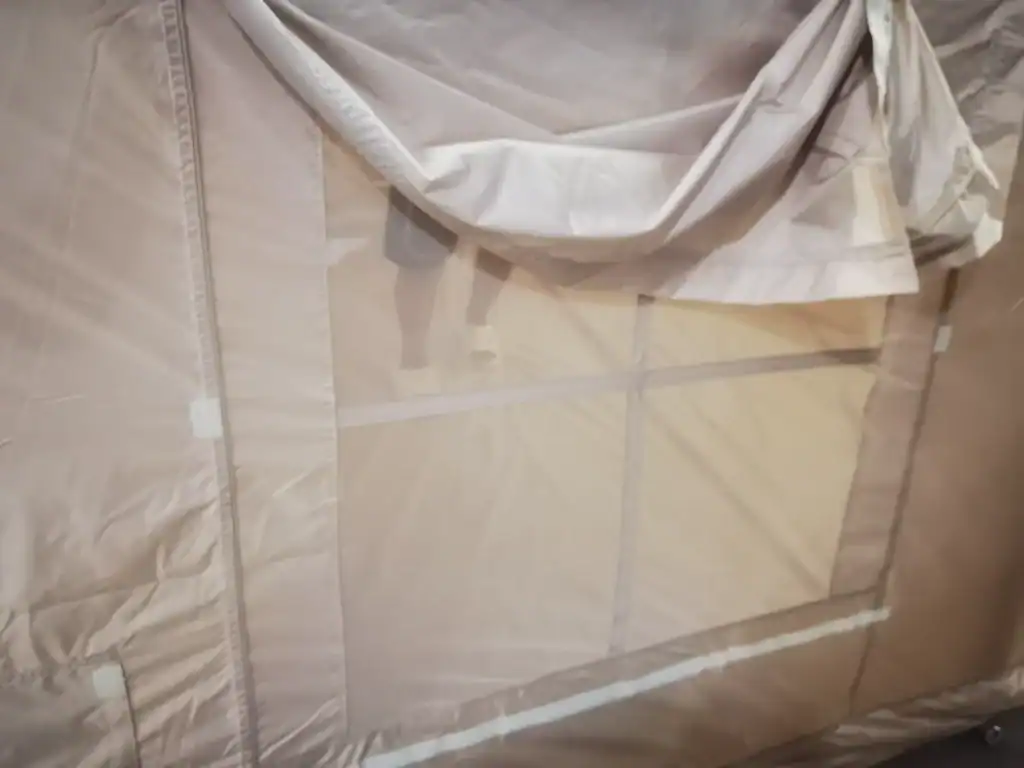
The second failure cluster hit the canopy and floor. The original spec used 150 g/m² Oxford polyester with a PU. Under UV exposure and humidity, the coating separated from the base fabric, producing visible peeling and water penetration through the tent walls. Customers read delamination as a clear manufacturing defect. The root cause sat in the lamination process at the fabric mill, not in the tent assembly line.
Valve Leaks at the Inflation Point
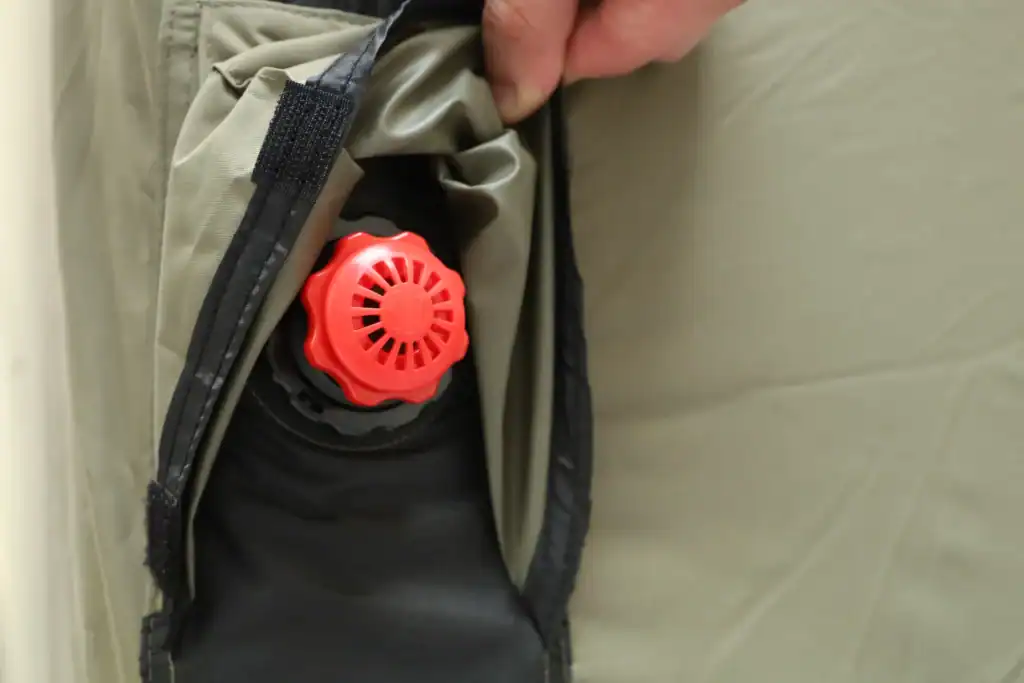
The third failure mode was slow air loss around the inflation valve. The valve flange bonds into the beam wall, making it the highest-stress joint on the tent. A poorly seated flange leaks gradually — enough that a tent sags overnight. A customer who wakes up at 2 a.m. in a collapsing tent doesn’t wait for the trip to end. The return lands within days, and that buyer doesn’t reorder.
All three failure modes shared one root cause: they were invisible at the sample approval stage and surfaced only after repeated field use. Leak detection requires a 24-hour pressure-drop test, not a quick inflation check. Coating bond strength requires a peel test, not a visual scan. Closing that gap demands a material upgrade and a different QC protocol on every production batch.
الحل: ترقية المواد وتغييرات عملية المورّد
The 24-hour pressure-drop test caught leak failures before customers ever inflated a tent.
The fix started with a material reality: 150 g/m² Oxford is a cost-saving compromise, not a durability standard. It abrades on the floor after repeated setups, and its coating breaks down under UV pooling. The upgraded build uses 650 g/m² PVC tarpaulin for both floor and canopy. That is roughly four times the material weight, with a plasticized surface that handles ground friction and rain far better.
PVC Tarpaulin Floor and Canopy
The floor takes the most abuse in a family tent sold at retail. Sharp ground debris, gravel, repeated folding — lightweight Oxford chews through all of it. PVC tarpaulin resists that wear and stays waterproof longer. The canopy benefits too: heavy PVC sheds water instead of letting it soak through the coating. Kelyland’s core tent factory in Ningbo, Zhejiang runs this material spec under ISO 9001 production controls.
0.7mm TPU Air Beams with Reinforced Welds
Air beam seam failures rarely start as punctures. The weld line gives way after repeated inflation cycles, especially when the material is too thin. 0.7mm TPU gives the weld more material to grip, and the reinforced weld pass increases the bonding surface. That combination prevents the slow leaks customers report after a season of weekend use.
24-Hour Air Retention Test on Every Beam
The most effective change was also the simplest to miss. The supplier added a 24-hour pressure-drop test to 100% of the air beams. Each beam inflates to working pressure, sits for 24 hours, and gets checked for pressure loss. Anything that fails the tolerance is pulled before final assembly. Leak failures get caught at the factory gate instead of in a customer’s yard.
-
- المادة: 150 g/m² Oxford replaced with 650 g/m² PVC tarpaulin for floor and canopy.
- Air beams: Switched to 0.7mm TPU with reinforced welds to extend seam fatigue life.
- QC protocol: 24-hour pressure-drop test added to 100% of production beams.
The sourcing lesson: 67% of inflatable tent complaints trace back to material or welding defects. That matches the failure pattern here. Fabric and welds were the problem, so material and QC upgrades delivered the largest return. Spending on accessories or packaging would not have moved the return rate.
| Change Area | Before | بعد | الميزة الرئيسية |
|---|---|---|---|
| Floor & Canopy Fabric | 150 g/m² Oxford fabric | 650 g/m² PVC tarpaulin | Eliminates coating delamination and floor punctures; far higher tear and weather resistance |
| Air Beam Construction | Standard thin-wall TPU/PVC beams with basic welds | 0.7mm TPU with reinforced welds | Prevents air beam seam failures; maintains structural integrity under repeated inflation cycles |
| Quality Control Protocol | Visual inspection and random sample testing | 24-hour air retention pressure-drop test on every batch | Catches valve and weld leaks before shipping, reducing consumer-facing failures at the source |
النتائج
From 8.6% returns to 2.1% — the category went from a margin leak to a profit driver in one season.
The headline result — 8.6% returns down to 2.1% — is a 75% reduction in inflatable tent returns. That shift moved the line from a margin drag to a growth product. The mechanism was simple: the supplier added a 24-hour pressure-drop test on every air beam, catching leak failures before shipping rather than after the end consumer inflated the tent at a campsite.
Return Rate: 8.6% → 2.1%
-
- Return rate: Dropped from 8.6% to 2.1% — a 75% reduction in claims within one sales season.
- Primary failure source: Material and welding defects account for roughly two-thirds of inflatable tent sourcing complaints. The 24-hour retention test targets both.
- Cost shift: Leak detection moved from the end consumer to pre-shipment, eliminating the most expensive failure moment in the supply chain.
The same QC structure that produced these results is standard practice at Kelyland Outdoors’ partner factories — a network that includes dedicated tent production in Ningbo with 800,000 units of annual capacity and ISO 9001:2015 certification. Inspections run at every production stage, with reports available on request.
Net Promoter Score Improvement
NPS followed the return rate down. When air retention issues stop dominating the complaint mix, the customer conversation changes — from demand for refunds after a deflated night to questions about setup and storage. That is a lighter support burden, and it shows up in both NPS and post-purchase review scores.
Reorder Volume Impact
The margin math drove the reorder. At 8.6%, returns diluted category contribution enough to make the line look marginal to the buying committee. At 2.1%, the buyer committed to a larger order for the next season and locked in the upgraded specification. A return rate below 3% changes the internal conversation from risk management to scale planning.
دروس لمستوردي وسلاسل التوريد
A 24-hour pressure-drop test on every beam cut inflatable tent returns from 8.6% to 2.1%.
The cost structure of an inflatable tent shows exactly where return risk lives. In a typical bill of materials, 45% goes to material, 30% to welding, and 25% to accessories. When a quote lands noticeably below market, the corner-cutting almost always happens in the first two lines.
Cheaper film or lower-denier fabric saves pennies per unit but creates coating delamination and seam failures. Accessories like valves and zippers are visible and easy to test. Material quality and weld integrity remain invisible until the buyer inflates the tent — which is precisely when they fail.
Sample approval is not production approval
A العينة قبل الإنتاج is hand-assembled by a senior technician, usually over the course of a day. Production-line units come off a high-speed welding machine with a daily output target. The gap between those two realities is what generated the original 8.6% return rate. Sample approval confirms design intent; it does not confirm production consistency.
The fix that closed this gap was a 24-hour air retention test on every beam produced. Each beam gets pressurized, held for 24 hours, and checked for pressure drop. Leaks that would have been found in a customer’s garden were caught at the factory instead.
Spend inspection budget where the risk sits
Across inflatable tent sourcing complaints, 67% trace back to material or welding defects. That makes the allocation obvious: inspect material at intake and beams after welding, rather than spreading the same budget thinly across every station.
-
- Material intake: Verify fabric weight and coating thickness against the spec sheet before cutting. Batch certificates only matter if someone physically checks them.
- ١. بعد اللحام: ٢. يُجرَى ٣. اختبار هبوط الضغط لمدة ٢٤ ساعة ٤. على عينة من كل دفعة من العوارض. فالعينة العشوائية تفوّت الأعطال المتقطِّعة.
- المراجعة النهائية: ٥. يُفحَص unit واحد لكل صندوق، وليس unit واحد لكل حاوية، عندما يتجاوز الطلب ١٠٠٠ قطعة.
٦. تلتزم مصانع الشريك المعتمدة وفق ISO 9001:2015 بإجراء فحوصات في كل مرحلة إنتاجية وتقدّم تقارير عند الطلب. استعن بهذه الطبقة التقريرية لتأكيد أن اختبار الساعات الـ 24 أُجري فعلاً لكل دفعة. إذا لم يستطع المورد إظهار سجل هبوط الضغط،عاملة الاختبار كغير مُنفَّذ.
كيفية إدارة مشروع ترقية مواد مماثل
٧. الترقية وحدها لن تقلّل نسبة إعادة الخيام المنتفخة.
٨. الخطوة ١: أسّس أسباب الإعادة الحالية
٩. اجمع بيانات الإعادة من آخر ١٢-١٨ شهراً وصنّفها حسب نمط العطل. بالنسبة للخيام المنتفخة، يعود ٦٧٪ من شكاوي التوريد إلى عيوب في المادة أو اللحام، لذا نادراً ما تبرّر تسرّب الصمامات وتلف التغليف تغيير المادة بالكامل. ذلك التقسيم الأساسي يحدّد حيث تنفق الميزانية على نسيج أثقل أو على ضوابط عملية اللحام.
١٠. حدّد عتبة: إذا شكّلت أعطال اللحامات أو الطلاء معظم حالات الإعادة، فانتقل إلى الترقية. وإلا، أصلح السبب الفعلي أولاً.
١١. الخطوة ٢: عرّف مواصفات المادة والاختبار
١٢. اكتب مواصفات المادة بدقة قبل مخاطبة الموردين. استخدام قماش أكسفورد بوزن 150 جم/م² للأرضيات التي تُعبأ وهي رطبة خطأ شائع؛ بينما offering بلاستيك PVC المقوى بوزن 650 جم/م² متانة أعلى ومقاومة أفضل للاحتكاك والماء. بالنسبة للعوارض الهوائية، انتقل إلى ١٣. TPU بسمك ١٤. 0.7مم مع لحامات مقوّاة، وحدد أقصى هبوط في الضغط خلال 24 ساعة.
-
- ١٥. الأرضية/السطح: 650 g/m² PVC tarpaulin with coated finish.
- Air beam: 0.7mm TPU, reinforced weld seams.
- QC gate: 24-hour air retention test on every beam before packing.
Step 3: Run a pilot batch before full production
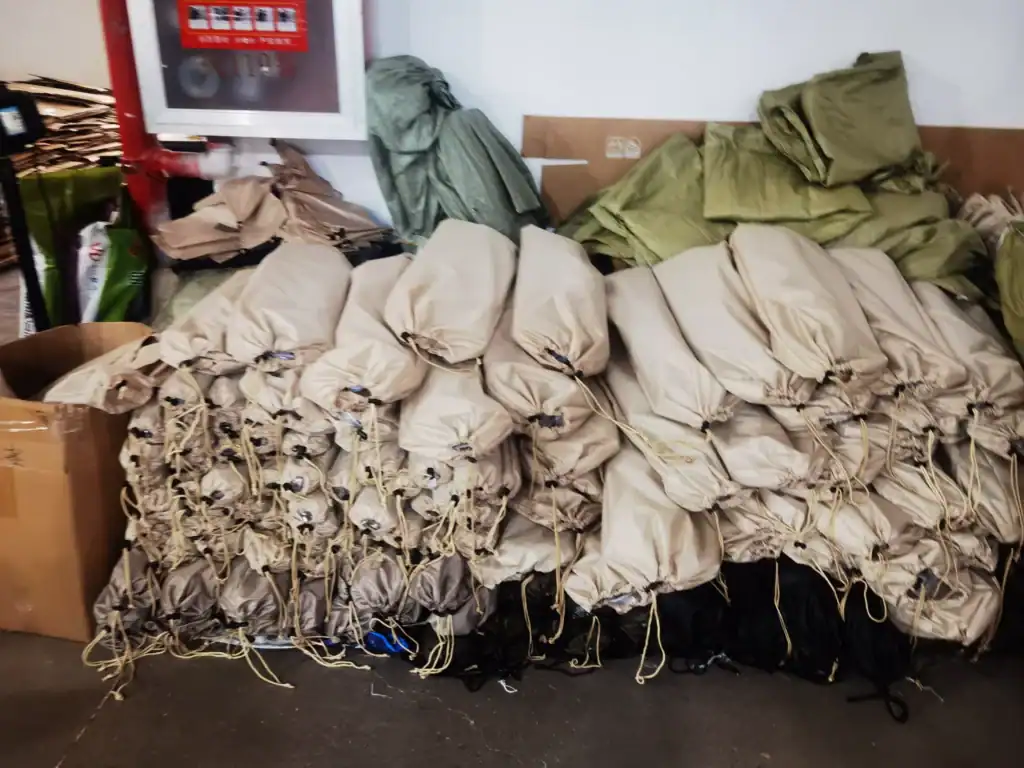
A single sample tent can hide production variables. Run a pilot batch of at least 50-100 pieces, the MOQ threshold some Kelyland Outdoors lines use, and have the partner factory follow the same welding temperature and QC steps as mass production. ISO 9001:2015 certified plants will document those settings and provide inspection reports at each stage.
Step 4: Track after-sales data for one season
Compare return rates after the season. The ٣. اختبار هبوط الضغط لمدة ٢٤ ساعة catches leak failures before shipping, so the first noticeable drop should appear in seam and leak returns. Track three months after the last shipment, not immediately after delivery, to give users time to set the tent up in the field.
| الخطوة | Core Actions | Quality Control Focus | Success Metric |
|---|---|---|---|
| Step 1: Baseline Your Current Return Reasons | Audit return data, warranty claims, and customer feedback; categorize failures by seam, coating, and valve defects. | Prioritize material and welding defects, which drive 67% of inflatable tent sourcing complaints. | Accurate baseline return rate and ranked root-cause list |
| Step 2: Define Material & Test Specifications | Upgrade to 650 g/m² PVC tarpaulin for floor and canopy; switch air beams to 0.7mm TPU with reinforced welds. | Add a 24-hour air retention pressure-drop test on every beam before shipping. | Finalized spec sheet; production line matches approved samples |
| Step 3: Run a Pilot Batch Before Full Production | Produce a pilot lot on the exact production line and tooling; compare output against approved samples. | Inspect weld seams, valve seating, and fabric coating adhesion at each production stage. | Pilot defect rate below 2%; sample-to-production consistency confirmed |
| Step 4: Track After-Sales Data for One Season | Monitor return rate, Net Promoter Score, and reorder volume across a full retail season. | Require monthly supplier reporting and corrective-action follow-ups for any defect trend. | Return rate reduced from 8.6% to 2.1%; higher NPS and repeat order volume |
الخاتمة
An 8.6% return rate on inflatable tents was draining margin long before complaints reached the category desk. The fix required upgrading to 650 g/m² PVC tarpaulin for the floor and canopy, switching air beams to 0.7mm TPU, and running a 24-hour pressure-drop test on every batch. That combination treated the two root causes — material and welding defects — and cut the return rate to 2.1%.
- Return rate dropped from 8.6% to 2.1% after the material and QC upgrade.
الأسئلة الشائعة
What causes high inflatable tent return rates?
تعود معظم المرتجعات إلى أعطال في خياطة حزم الهواء، وتلف طبقة الطلاء القماشي، وتسرب الصمامات في نقطة النفخ. وتشكل عيوب المواد وال لحام 67% من شكاوي التوريد، لذا يجب معالجة تلك القضايا قبل إعادة التصميم. ابدأ بتسجيل أسباب المرتجعات حسب كل نمط عطل.
How did Kelyland cut inflatable tent returns?
أدت دراسة الحالة إلى خفض التكاليف من 8.61 دولاراً لكل متر مربع إلى 2.11 دولاراً، وذلك بالانتقال إلى قماش البولي فينيل كلوريد PVC بوزن 650 غراماً للمتر المربع، وأعمدة الهواء TPU بسمك 0.7 ملم، مع فحص جودة الاحتفاظ بالهواء على مدار 24 ساعة على كل دفعة. كان المفتاح هو التنفيذ. طبّق نفس ترقيات المواد وفحوصات الجودة على خط إنتاجك.
What QC should be added for inflatable tents?
Add a 24-hour air retention test to every batch and inspect welds at each production stage. That catches valve and seam leaks before customers inflate the tent, which is where most returns start. Hold the pilot batch to the same test standard.
ما المواد التي تقلل من مرتجعات الخيام القابلة للنفخ؟
Switching to 650 g/m² PVC tarpaulin for floor and canopy and 0.7mm TPU air beams with reinforced welds directly reduces returns. Budget about 45% of cost to materials and 30% to welding to. Confirm material spec matches production, not just the sample.
كيف يمكن لتاجر التجزئة البدء بمشروع ترقية المواد؟
Start by baselining your return reasons, then define material and test specs, run a pilot batch, and track after-sales data for one season. Inspection frequency matters, so sample quality must match production-line quality before. Start with a pilot batch before full production.

 English
 Español
 Deutsch
 Français
 Português do Brasil
 Русский
 العربية
 한국어
 日本語