 تخطي إلى المحتوى
5 أخطاء في توريد المعدات الخارجية وكيفية تجنبها هي أول نقطة تفتيش يجب على المشترين تأمينها قبل الموافقة على المورد أو الميزانية أو جدول الإنتاج. معظم أخطاء توريد المعدات الخارجية لا تُعلن عن نفسها في مرحلة العينات. إنها تصل في حاوية — مثل 1,200 كرسي تخييم جالس في مستودع في لوس أنجلوس، بعد ستة أسابيع من الموافقة على العينة. بدت عينة ما قبل الإنتاج مثالية: خياطة نظيفة، لحامات صلبة، لون قماش صحيح. وصلت دفعة الإنتاج الضخم بشعارات غير محاذية، وطلاء مسحوق مختلف، وهياكل تنحني تحت حمولة 100 كجم. تحول ذلك الطلب البالغ 50,000 دولار إلى مطالبة جودة، وفُقد موسم الذروة.
تكشف تجمعات المصانع في تشجيانغ وهوبي وقوانغدونغ السبب الجذري نفسه مرارًا وتكرارًا: حدد المشتري نتيجة، وليس عملية. الموافقة على العينة ثبتت مظهرًا — وليس سمك جدار الـ PVC بمقدار 0.4 مم داخل المرتبة الهوائية، وليس درجة قماش الأكسفورد 600D، وليس شريط إغلاق اللحامات على الخيمة. عندما يغيّر المصنع مصادر المواد لحماية هامش الربح، ينحرف تفاوت الجودة. لا يكتشفه أحد حتى ترسو الحاوية. غالبًا ما تخفي أسعار FOB التي تبدو حادة في عرض الأسعار تلك الاستبدالات.
بالنسبة لعلامة تجارة إلكترونية تتسابق نحو موسم، تعني تلك الفجوة مخزونًا ميتًا، وفواتير متنازعًا عليها، وقوائم تجمع مراجعات بنجمة واحدة حول الخياطة والثبات. يتلخص تجنب ذلك في خمسة قرارات تُتخذ قبل تحويل الدفعة المقدمة. المعيار الذي يجب التمسك به: حدود أدنى لكمية الطلب تتراوح بين 50-100 قطعة على أصناف مختارة، ونافذة إنتاج من 30-45 يومًا، وموافقة فحص ما قبل الشحن قبل ذلك.

لماذا يفشل معظم توريد المعدات الخارجية
المورد الذي لا ينشر قائمة مصانعه هو شركة تجارة، وليس مصنعًا.
تعود معظم حالات فشل توريد المعدات الخارجية إلى سبب جذري واحد: عدم تناظر المعلومات. يرى المشتري الأجنبي موقعًا إلكترونيًا نظيفًا، وموظف مبيعات سريع الاستجابة، وصورًا لأرضية مصنع كبيرة. الواقع خلف تلك الصور غالبًا ما يكون مكتبًا يسمي نفسه مصنعًا ويرفع كل شيء بنسبة 15-30٪.
هذا الترميز ليس الجزء الأسوأ. الجزء الأسوأ هو ما يُفقد بين مكتب التجارة وخط الإنتاج الفعلي. اختيار المواد الخاطئ، وتفاصيل التخصيص المفقودة، وتأخيرات التسليم — كلها تحدث عندما لا يمكن لأي شخص في جانب المشتري التحقق من المعدات الحقيقية للمصنع وموظفيه وعملية الفحص.
سلسلة الفشل في الممارسة العملية
يمكن لطلب بقيمة 50,000 دولار أن يتعطل عند مرحلة الموافقة على العينة. تمر عينة ما قبل الإنتاج، ثم يتحول تشغيل الإنتاج الضخم إلى قماش أرخص أو سماكة أرق. يكتشف المشتري الفرق فقط بعد وصول الحاوية. تلك اللحظة تحول المخزون إلى بضاعة راكدة وتطلق مطالبات استرجاع.
- اختيار المواد: جدار مرتبة هوائية من PVC بسمك 0.4 مم يتحمل الاستخدام العادي؛ وسمك 0.6 مم مناسب للتعامل الأقسى. المشترون الذين لا يحددون سمك الجدار يحصلون على ما هو متوفر في مصنع المخزون.
- تفاصيل التخصيص: خطأ في موضع الطباعة، أو مواصفات الملصق، أو لون السحاب يتحول إلى حاوية كاملة من المنتج المنتجات التي لا تستطيع قناتك بيعها.
- تأخيرات التسليم: الشركات التجارية تضيف طبقة عازلة إلى كل جدول زمني. يتأخر الإنتاج، ثم يتأخر الشحن البحري، ثم يضيع الموسم.
الحل ليس تفاوضًا أذكى. الحل هو التحقق من المصنع قبل أن تنفق دولارًا واحدًا. وهذا يعني طلب الاسم القانوني للمصنع، والشهادات، والإنتاج السنوي، ومراجع العملاء. يمكن لشريك التوريد الذي يمتلك 17 مصنعًا استراتيجيًا أساسيًا أن يذكر اسم المصنع، ويعرض الشهادة، ويضع الجدول الزمني للإنتاج كتابيًا.
أحد مصانع الخيام الأساسية في هذه الشبكة ينتج 800,000 وحدة سنويًا بشهادة ISO 9001:2015. ومصنع المراتب الهوائية في الشبكة نفسها ينتج 2.5 مليون وحدة سنويًا. القدرة الإنتاجية المنشورة بهذا الشكل هي الترياق لمشكلة المصانع المزيفة.
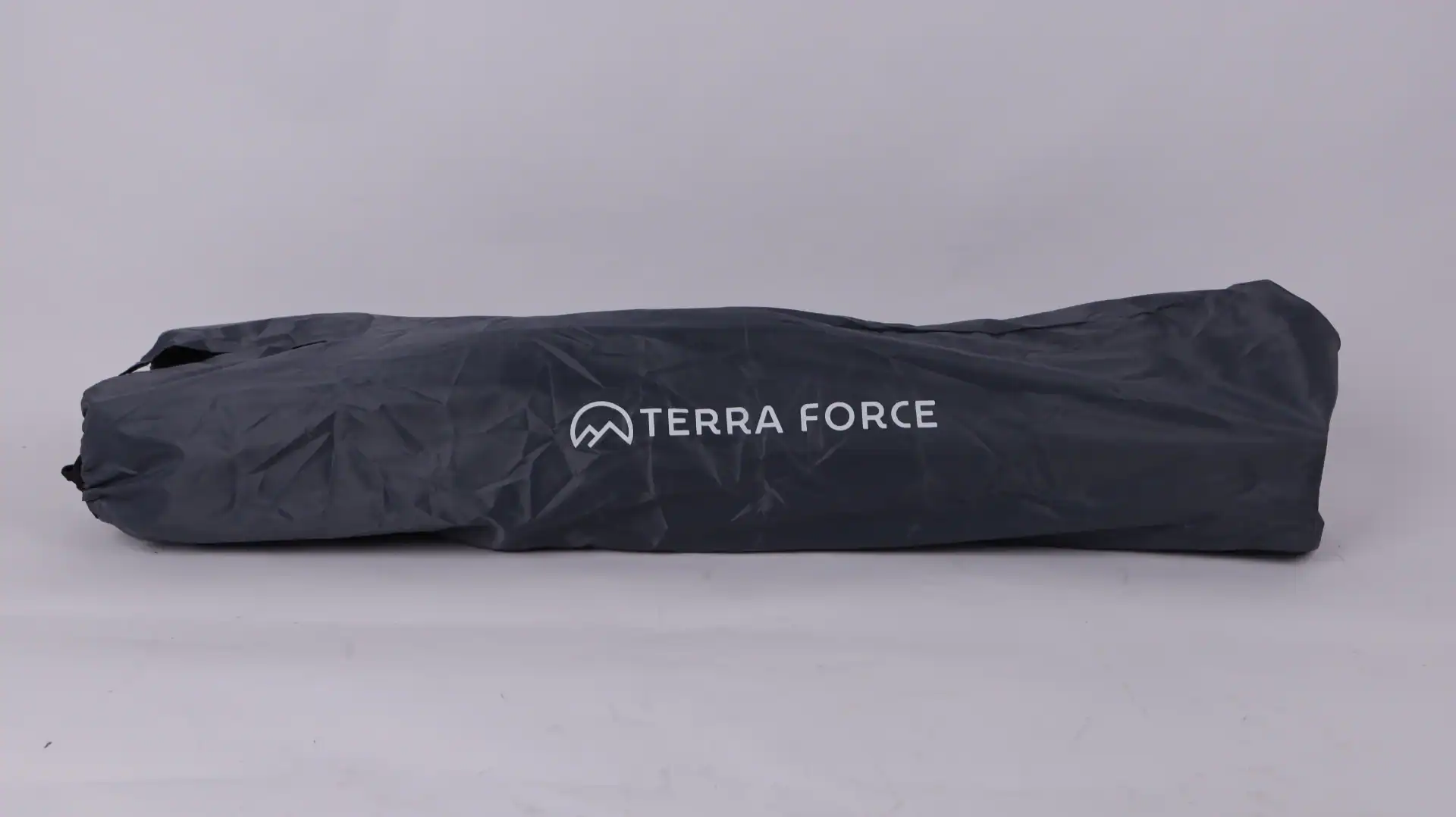
فخاخ الحد الأدنى لكمية الطلب وتفصيل التكاليف الخفية
الحد الأدنى لكمية الطلب المذكور هو مجرد السطر الافتتاحي.
معظم المشترين يطاردون أقل حد أدنى لكمية الطلب وكأنه السعر النهائي. وهو ليس كذلك. الطلب المكون من 100 قطعة لا يزال قد يحمل تكاليف القوالب للأجزاء المصبوبة حسب الطلب، والحدود الدنيا للتغليف التي تعمل بشكل منفصل عن المنتج، ورسوم العينات التي تختفي فقط بعد وصول طلب بالجملة. الحد الأدنى لكمية الطلب في ورقة العرض هو الرقم الافتتاحي، وليس الالتزام الكامل.
تحليل التكلفة الحقيقي يتكون من خمس طبقات: العينة، القوالب، سعر الوحدة، الشحن، والجمارك. كل طبقة تخفي فخها الخاص. رسوم العينات تتراوح بين 30 و150 دولارًا — وهذا معقول، ولكن تأكد عند الموافقة على العينة ما إذا كانت تلك الرسوم تُحتسب ضمن الطلب بالجملة. القوالب المخصصة والقوالب المعدنية تُستهلك عبر فترة الإنتاج؛ وفي الكميات المنخفضة، قد يتجاوز إطفاء تكلفة القالب هامش ربح المصنع. التغليف المطبوع يحمل أيضًا حدًا أدنى خاصًا به، لذا فإن إنتاج 200 قطعة قد يتطلب 500 صندوق.
فخ الخمسة آلاف قطعة
الحد الأدنى لكمية الطلب البالغ 5,000 قطعة لا ينجح إلا إذا كان معدل البيع مثبتًا. الالتزام المبكر يعني أنك تدفع تكاليف التخزين، وتقيّد رأس المال العامل، وتفقد القدرة على إصلاح عيوب التصميم بعد وصول أول تقييمات العملاء. التكلفة الأعلى قليلاً لكل وحدة مع حد أدنى أقل لكمية الطلب عادة ما تكون المسار الأرخص. حماية هامش الربح تبدأ بمرونة رأس المال، وليس بأقل سعر لكل وحدة.
أين تقع أرقام كيلاند
شبكة كيلاند المكونة من 17 مصنعًا استراتيجيًا أساسيًا وأكثر من 200 شريك تصنيع تُبقي الحدود الدنيا للطلبات (MOQs) واقعية. تبدأ بعض العناصر المختارة من 50 إلى 100 قطعة؛ وتتراوح النماذج القياسية من 300 إلى 1,000 قطعة. مدة الإنتاج من 30 إلى 45 يومًا، مع دفع 30% كدفعة مقدمة و70% قبل الشحن للطلبات التي تتجاوز US$3,000. خط المراتب الهوائية يأتي من مصنع ينتج 2.5 مليون وحدة سنويًا مع شهادات CE وETL وISO 9001 — حتى الدفعات الصغيرة ما تزال تُنتج على معدات صناعية، وليس بأدوات من درجة الهواة.
- رسوم العينة: $30-$150؛ قم بتأكيد قابلية الاسترداد مقابل الطلب بالجملة كتابيًا.
- الأدوات والقوالب: تكاليف القوالب المخصصة لمرة واحدة تُستهلك على مدى الإنتاج — ففي الكميات المنخفضة قد تتجاوز هامش الوحدة.
- تسعير FOB: سعر FOB لا يشمل الشحن البحري، والتخليص الجمركي، والنقل البري الداخلي. اطلب توقعًا كاملًا للتكلفة الإجمالية حتى الوصول.
- شروط الدفع: الطلبات الجديدة التي تتجاوز US$3,000: 30% دفعة مقدمة، و70% قبل الشحن. يمكن للعملاء المتكررين التفاوض.
| مكون التكلفة | التوقع النموذجي | كيلي لاند بنش مارك | فخ خفي يجب تجنبه |
|---|---|---|---|
| رسوم العينة | $30–$150 لكل عينة مدفوعة | عينات مدفوعة؛ الرسوم قابلة للاسترداد بعد تأكيد الطلب بالجملة | “عروض ”العينة المجانية» غالبًا ما تخفي شحنًا مبالغًا فيه أو تفرض طلبًا تجريبيًا كبيرًا |
| موك | المعيار الصناعي: 300–1,000 قطعة | 50–100 قطعة على عناصر مختارة؛ الموديلات القياسية 300–1,000 | الحد الأدنى المنخفض لكميات الطلب يختفي بمجرد إضافة ألوان أو قوالب أو تغليف مخصص |
| مدة الإنتاج | 40–60 يومًا من الطلب إلى الشحن | 30–45 يومًا للطلبات المخصصة القياسية | الطلبات المتأخرة تفرض الشحن الجوي، مما قد يمحو 15–30٪ من هامش الربح الإجمالي |
| شروط الدفع | دفعة مقدمة 30%، و70% قبل الشحن | Same terms for new orders above US$3,000; repeat clients can negotiate | Suppliers demanding 100% upfront or PayPal-only terms create chargeback risk |
| Tooling & Customization | Unquoted tooling and mold fees baked into unit price | Custom injection molding, fabric dyeing, and tooling costs quoted transparently | Low quoted unit price often hides mold, packaging, or labeling surcharges |
| Freight & Customs | 2–4 weeks ocean freight plus clearance | Export paperwork and customs guidance handled end-to-end | Vague Incoterms shift demurrage, duties, and customs delays onto the buyer |
| QC Inspections | Buyer pays for third-party inspection and still faces rejects | 10-step QC process with pre-shipment inspection reports on request | Skipped mid-production QC allows defects to compound across the full batch |
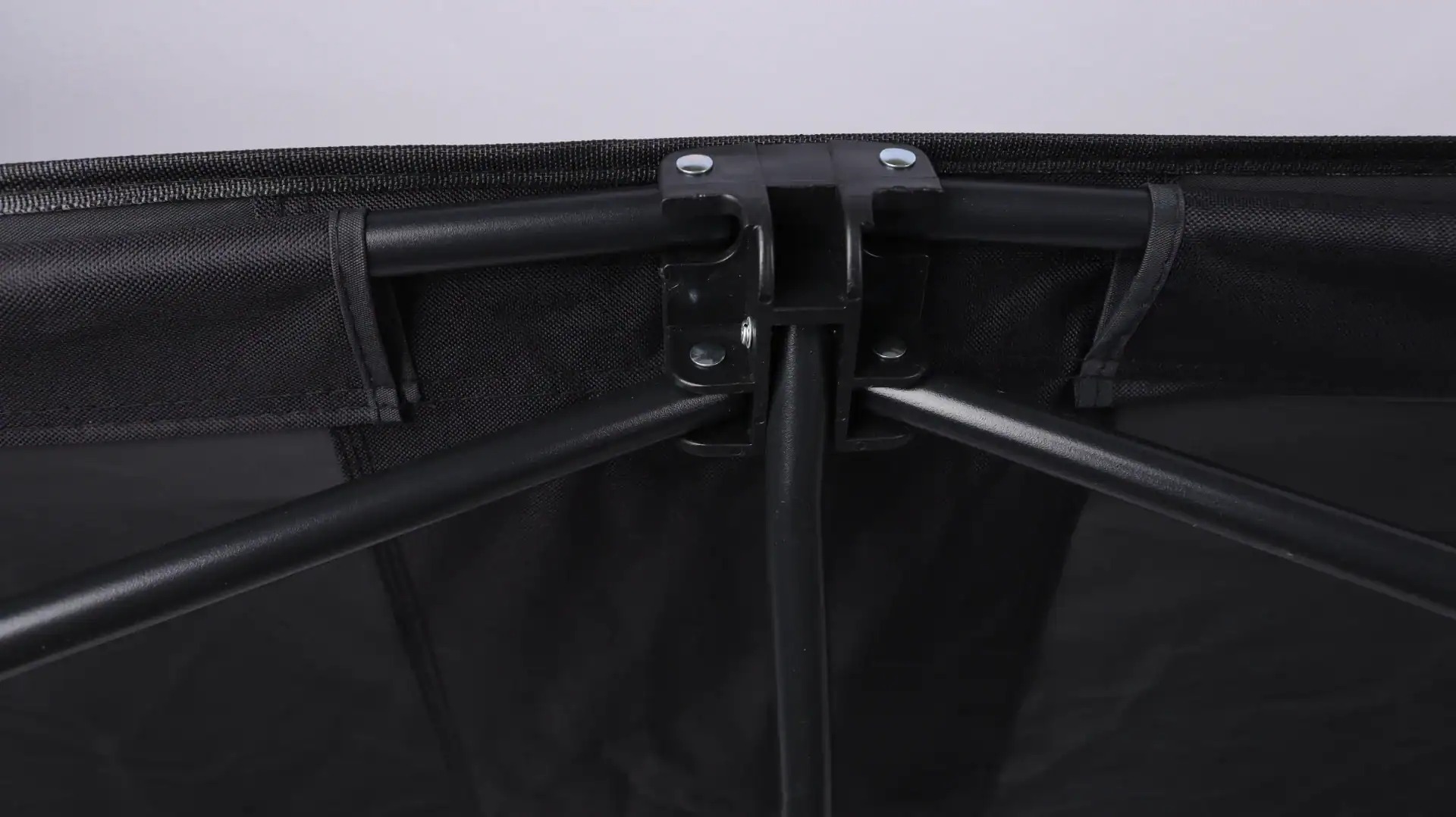
مخاطر المصنع المباشر مقابل شركة التجارة
A trading company quote can hide a 15-30% markup behind factory-direct language.
The core difference is not communication — it’s transparency. A trading company in Hangzhou can quote you a tent made in Ningbo, a camping chair made in Jinhua, and a sleeping bag made in Zhenjiang. You see one supplier, one contact, one invoice. Somewhere in that chain, 15-30% disappears as middleman margin, and you still don’t know which workshop actually stitched your product.
Trading companies do hold one real advantage: responsive communication. They answer within hours, manage the process, and smooth over language gaps. But that convenience comes straight out of your gross margin — the same margin you need to keep above 30% to sustain an Amazon listing. A direct factory relationship keeps that money inside your landed cost, which is exactly what matters when sourcing camping gear from China.
Verify the Factory, Not the Story
Real factories prove their status with three things: current certifications, verifiable production capacity, and client references. كيلي لاند آوتدورز works through 17 core strategic factories, most of them ISO 9001:2015 certified. The air mattress plant in Xiangyang produces 2.5 million units per year with CE and ETL marks; the tent factory in Ningbo runs 800,000 units annually. Those numbers survive a follow-up call.
- الشهادات: Request current ISO 9001:2015, CE, or BSCI documents with the factory’s legal entity name, not the sales desk’s name. A certified facility can arrange a live audit; a trading company typically cannot.
- Production capacity: Ask for annual output per product line. Vague answers on capacity usually mean no factory behind the quote. Published figures — 2.5 million air mattresses, 800,000 tents — are only credible when tied to a named facility.
- Client references: Buyers from Ace Hardware and Lucid have publicly endorsed this supply network through multi-year partnerships. Ask any other supplier for the same depth of reference before you commit sample fees.
What Bypassing the Middleman Actually Buys
Sample approval happens on the actual production line, not in a showroom. Pre-shipment inspection covers your batch, not a lookalike. Payment terms run 30% deposit with 70% due before shipment for new orders above US$3,000 — standard, transparent, and negotiated with the production owner. That is the difference between paying for a supply chain and paying for a middleman’s overhead.

نقاط تفتيش مراقبة الجودة للخيام والمراتب الهوائية والأثاث
Check incoming material, check the line mid-run, check finished units before loading.
Pre-production samples are built slowly. Mass production is not. At Kelyland’s tent factory, the line runs 800,000 units per year, and consistency depends on staged inspections, not sample luck.
The Three Inspection Gates
Material check happens before cutting, when wrong fabric can be swapped at the bolt. Mid-production inspection catches stitching and weld defects while corrections are cheap. Pre-shipment inspection is the last chance to reject before container loading.
- Material gate: Verify fabric weight, coating type, and wall thickness against the approved sample. Lock the Pantone reference before cutting.
- Mid-production gate: Check seams, welds, and pump installation from the live line, not the showroom sample.
- Pre-shipment gate: Run the product-specific checklist on finished units. Kelyland’s partner factories follow ISO 9001:2015 and supply inspection reports on request.
- Air mattress: Wall thickness must be 0.4-0.6mm PVC/TPU; measure with a caliper. Built-in pumps need CE/ETL certification. Beam structure — coil, I-beam, or drop-stitch — must match the approved sample.
- Camping cot: Load rating must be 120-250kg depending on frame design. Inspect welds for full fusion; powder coating hides pitting, so check joints visually and tap-test.
- Tent: No water penetration after a 1-hour seam-sealing test. Coating — PU, silicone, or black — must be uniform without pinholes. Pole thickness and material must match the approved spec; an unannounced switch from aluminum to fiberglass changes wind behavior.
Product-Specific Checkpoints

الجدول الزمني للتوريد: واقع الإنتاج خلال 30-45 يومًا
Order 10-12 weeks before your season.
Kelyland’s partner factories hold a standard production window of 30-45 days for custom orders. Ocean freight and customs clearance add another 2-4 weeks before inventory lands. That gives you a real 60-75 day door-to-door timeline. Place orders 10-12 weeks before your target season, not when the first pre-orders appear.
What happens inside the 45 days
The production window follows a 10-step sequence: demand collection, design, sample approval, mass production agreement, material sourcing, quality control, packaging design, pre-shipment inspection, global shipping, then post-sale support. Sample approval is where buyers lose the most time. Approve the color, fabric weight, logo placement, and packaging upfront so production can start without clarification loops.
- الموافقة على العينة: Lock fabric weight, color, and logo placement before mass production. Revisions after tooling starts add cost and days.
- Material sourcing: Custom fabric dyeing and molded parts require lead time. Confirm material stock early, especially for standard 300-1,000 piece orders.
- Pre-shipment inspection: Final QC before the container ships. Skipping it means defects surface after customs, when replacement costs multiply.
The air freight trap
Rushed orders don’t make the factory faster. They move cargo to air freight. Air freight costs a multiple of ocean freight, and that premium can erase the gross margin you protected during negotiation. The 30-45 day production window exists for a reason: core partner factories run at scale, like the Xiangyang air mattress plant producing 2.5 million units a year. Forcing that schedule doesn’t cut cost — it shifts cost into logistics and rushed QC.
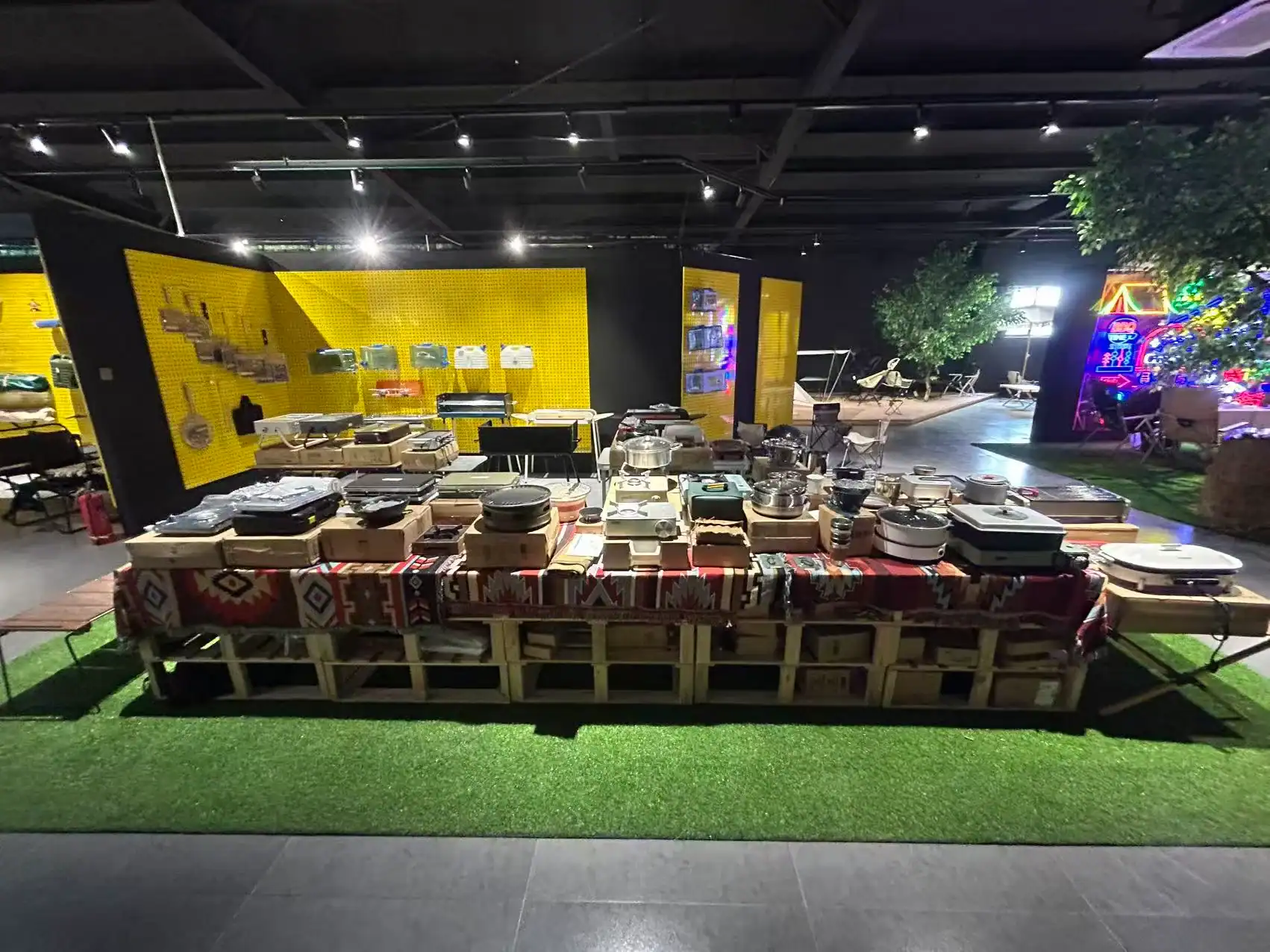
كيفية فحص مصنع معدات التخييم
Certifications Prove an Audit Happened — Not That Your Order Is Safe
Most buyers ask for certifications and a quote, then call it vetting. Certificates only confirm the factory passed an audit on a specific day. They don’t confirm the air mattress walls in your shipment will match the 0.4mm spec you paid for, or that the tent seams will hold after a season of use. That’s why the vetting process needs to go deeper than a PDF.
Ask for measurable production data. Kelyland’s core air mattress factory holds CE, ETL, and ISO 9001 certifications and produces 2.5 million units per year. A trading company hiding behind factory-direct language usually can’t point to a specific facility with published annual output. If a supplier hesitates to share those numbers, treat it as a red flag.
- ISO 9001: 2015 certification — the baseline for process control. Most of Kelyland’s 17 core strategic factories hold it.
- Product-specific certificates — CE/ETL for air mattress pumps, EN1860 for charcoal grills, LFGB for cookware.
- Annual production capacity — published output per factory, like 2.5M air mattresses or 800K tents per year, filters out middlemen.
Sample Approval and Pre-Shipment Inspection: The Two Gates Buyers Skip
The sample you approve is the reference standard for the entire batch. But a sample alone doesn’t guarantee the production run matches it. That requires two separate controls: a formal sample approval process and a pre-shipment inspection report. Without both, you’re trusting a salesperson’s promise.
For tents, inspect seam sealing and pole thickness. For air mattresses, verify the wall thickness sits within the 0.4-0.6mm PVC/TPU spec. For camping cots, check that the load rating matches the 120-250kg range you specified. The factory side should be able to provide mid-production and pre-shipment inspection reports for every product category.
Packaging design is part of QC, not an afterthought. A custom package that fails in transit destroys your margin and your brand. Confirm the factory can produce retail-ready packaging with accurate labels, washing instructions, and tags — and inspect a pre-production sample before mass production starts.
Payment Terms: 30/70 Is Standard. Asking for More Is a Warning Sign.
For new clients or orders above US$3,000, the industry standard is 30% deposit and 70% due before shipment. That’s exactly what Kelyland offers. Repeat clients can negotiate better terms. If a supplier demands 50% or 100% upfront from a new buyer, they’re either unprepared for your order size or managing cash flow problems.
Vet the factory’s payment flexibility gently. A supplier who won’t discuss terms shows little interest in a long-term relationship. One who locks in 30/70 while offering a clear roadmap to better terms is a partner worth testing with a small order.
Finally, design for your actual end-user, not the gear reviewer’s dream setup. The most common gear-buying mistake is purchasing for the skill level you aspire to, not the one you have. In sourcing, that translates to over-specifying materials — paying for 0.6mm PVC when 0.4mm is enough for your market. That extra spec eats your COGS and misses the retail price point. Match the build to your buyer, not to an award-winning review.
الخاتمة
Skip factory vetting and the 30-45 day production window doesn’t protect you; it locks in the mistake. Approving a pre-production sample that never gets compared against the mass run means the container that lands on day 45 carries defects you already paid for. The $50K order fails because a checkpoint was missing, not because the factory wanted it to fail.
- One core air mattress plant produces 2.5M units per year under CE, ETL, and ISO 9001.
- MOQs start at 50-100 pieces on select items, but custom colors and molds push volumes toward the 300-1,000 piece range.
- Order 10-12 weeks before your season: 30-45 days production plus 2-4 weeks freight and customs.
- Air mattress walls run 0.4-0.6mm; cots rate 120-250kg; verify both at pre-shipment inspection before your deposit converts to cargo.
Start with the category that kills margins first: air mattresses. Compare the published specs — wall thickness, pump certifications, MOQ thresholds, lead time — against your target landed cost, then request a paid sample and run it through the same QC checklist before you approve tooling. Factories with published annual output and certification lists have nowhere to hide. Browse the air mattress product page to see how detailed a direct supplier’s spec sheet should be before sending your next RFQ.
الأسئلة الشائعة
ما هو الخطأ الأكثر شيوعًا عند شراء المعدات؟
شراء المعدات للمستوى المهاري الذي تطمح إليه، وليس للمستوى الذي تمتلكه. في مجال B2B، يخلق ذلك منتجات مفرطة في التصميم ترفع التكلفة النهائية دون تحسين المبيعات. خصص المواصفات لمستخدمك النهائي الفعلي، وليس للعميل المثالي.
ما هي الأخطاء الشائعة التي يرتكبها الناس عند اختيار معدات التنزه؟
Taking too much gear, ignoring terrain, and not understanding waterproof or warmth ratings. In sourcing, those same gaps show up as wrong materials and missed spec checks. Match each item to the trail conditions and the user’s experience level.
لماذا تختلف الكميات الدنيا للطلب (MOQ) لمعدات التخييم بشكل كبير بين الموردين؟
تعتمد الحدود الدنيا للطلب (MOQs) على المخزون المادي، والأدوات، وتخصص المصنع. يمكن لشركة Kelyland إنتاج 50-100 قطعة لبعض المنتجات المختارة، بينما تتراوح النماذج القياسية بين 300-1000 قطعة. اسأل عن العوامل التي تحدد الحد الأدنى للطلب قبل التفاوض على تخفيضه.
ما هي شروط الدفع التي يجب أن يتوقعها المستورد الجديد من الموردين الصينيين؟
للعملاء الجدد أو الطلبات التي تزيد عن 3,000 دولار أمريكي، تكون الشروط القياسية 30% دفعة مقدمة و70% قبل الشحن. ويمكن أن تصبح الشروط أكثر مرونة بعد سجل من الطلبات المتكررة. خصص ميزانية للدفعة المقدمة واحمِ الرصيد بفحوصات مراقبة الجودة.
كم يجب أن أبكر في طلب معدات التخييم الموسمية من الصين؟
ضع الطلبات قبل 10-12 أسبوعًا من موسمك: 30-45 يومًا للإنتاج بالإضافة إلى 2-4 أسابيع للشحن البحري. التخصيص يضيف وقتًا، لذا ثبّت المواصفات قبل الإنتاج. احسب الوقت بالرجوع إلى تاريخ وصول المنتج إلى الرفوف وأضف هامشًا إضافيًا.

 English
  Español
  Deutsch
  Français
  Português do Brasil
  Русский
  العربية
  한국어
한국어  日本語
日本語