 تخطي إلى المحتوى
Most buyers start a luftzelt oder stangenzelt comparison by looking at setup speed and price. For a supply chain manager, the real question is how each structure fails in the field. One buyer lost a $50K order because the العينة قبل الإنتاج matched the spec sheet, but the mass production run carried a different quality tolerance — the kind of gap that never shows up in a photo, only in warranty claims.
Air beams and poles fail in fundamentally different ways. Air beams burst — silently, suddenly, often in sustained winds above 30 mph. There’s no warning, no gradual sag, just a flat tent and an unhappy customer. Poles fail gradually. A 7001-T6 aluminum pole bends 30 degrees before permanent deformation, and it creaks loudly while doing it. That audible warning buys the user seconds, and seconds are the difference between a campsite repair and a product return.
This is why repair logistics matter more than FOB pricing. A snapped pole is a 10-minute field fix with a splint, restoring 80% of the load capacity. A burst air beam takes 30-plus minutes with a patch kit and a spare pump. Factory QC data tells you which failure modes are actually under control — measured weld failure rates, pressure retention test results, cycle-tested ferrules. Without that evidence, you’re sourcing on marketing claims.
How Air Beams Fail: The Silent Burst
Air beams don’t warn you.
Air beam failures are not gradual. A pole tent creaks before it collapses. An air beam at 8 PSI is a pressurized membrane with no warning system. One cut or seam failure and the structure goes flat in under a second. For a supply chain manager, that means a return, a warranty claim, and a brand reputation hit.
Puncture: The Slit That Ends Everything
Rocks, sticks, and zipper teeth are the obvious threats. The TPU or PVC layer slits instantly. There’s no visible abrasion first, no slow leak to catch. The membrane has zero redundancy at the moment of impact. A pole tent can bend and absorb a hit; a beam just bursts.
Wall thickness is the only meaningful defense. Kelyland’s air mattress line uses 0.4–0.6mm TPU/PVC, and that floor should apply to air beams as well. Some factories go thinner to cut cost. If a quote looks too good, ask for the exact film thickness in writing.
ترهل الضغط في الطقس البارد
ينخفض الضغط حوالي 12% لكل انخفاض في درجة الحرارة بمقدار 10°م. عارضة 8 PSI عند 20°م تقرأ 7 PSI عند 10°م. عند التجمد، تلين البنية بشكل مرئي. تبدأ الخيمة بالترنح، وتلتوي الصمامات، ويفقد الهيكل بأكمله شكله الهندسي. لا كمية جودة قماش تصلح الفيزياء.
هذا ليس تسربًا. إنه قيد تصميمي. إذا كان عملاؤك يخيمون في درجات حرارة تحت التجمد، فإن الخيام الهوائية تصبح تمرين مراقبة. يحتاجون إلى فحص الضغط وإعادة النفخ. إذا لم تكن تلك تجربة ميدانية مقبولة، فإن الخيام ذات الأعمدة هي وحدة SKU الأكثر أمانًا.
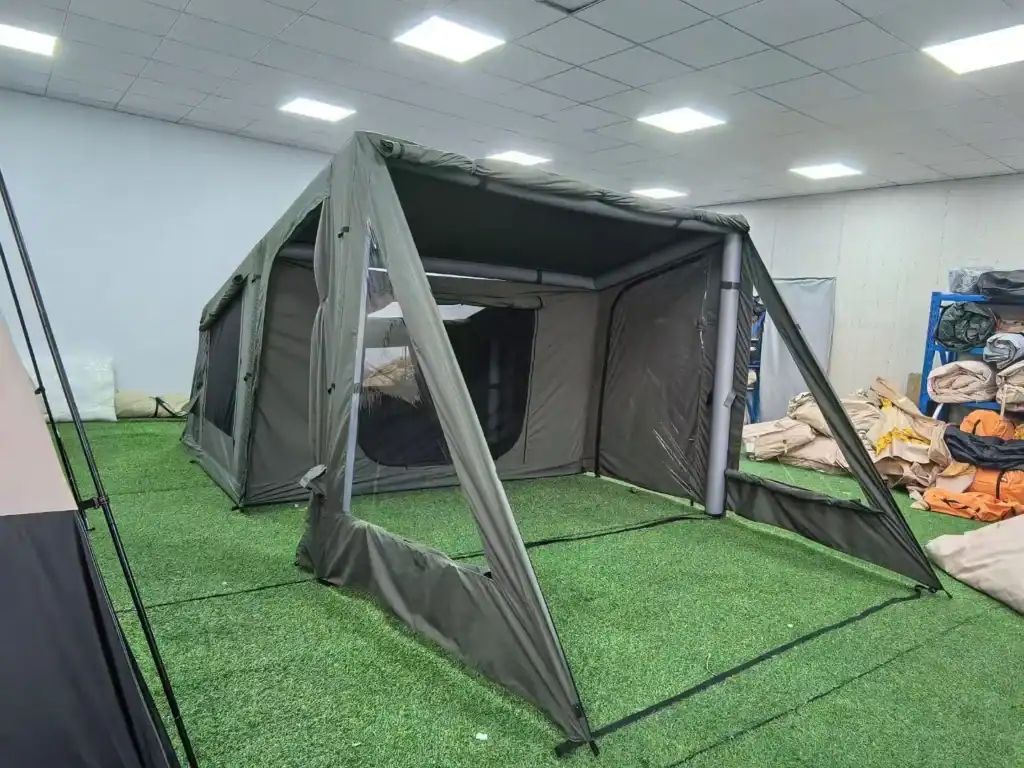
اللحامات الملحومة: القاتل الخفي
الثقوب تحظى بالانتباه، لكن التفكك المجهري في اللحامات عالية التردد يسبب أكبر عدد من الأعطال. الهواء يتسرب على مدار ساعات، وليس ثوانٍ. تبدو الخيمة سليمة عند النصب، وتترهل بحلول الساعة 3 فجرًا، وتُسجَّل كخلل. اختبار الاحتفاظ بالضغط لمدة 24 ساعة يكتشف هذه التسريبات. معظم المصانع لا تجريه.
تعمل Kelyland عبر مصانع شريكة معتمدة وفق ISO 9001:2015، مع فحوصات في كل مرحلة إنتاج. تُظهر بيانات مراقبة الجودة لدى Kelyland على أكثر من 500,000 خيمة هوائية معدل فشل في لحامات الدرزات يبلغ 0.8%. يأتي هذا الرقم من اختبار 100% من العوارض عند 1.5 ضعف ضغط العمل، وليس من عينة لكل دفعة. بدون نفس الدليل، افترض أن معدل العيوب أسوأ.
-
- معيار مراقبة الجودة — مقاومة الثقب: ابحث عن سماكة جدار TPU/PVC لا تقل عن 0.4–0.6 مم في المواصفات المكتوبة.
- معيار مراقبة الجودة — الطقس البارد: خطط لفقدان ~12% رطل لكل بوصة مربعة لكل انخفاض 10°م؛ وتأكد من توافق المضخة لإعادة النفخ.
- معيار مراقبة الجودة — سلامة الدرزات: اطلب بيانات اختبار الاحتفاظ بالضغط لمدة 24 ساعة؛ تسجل Kelyland 0.8% من فشل لحام الدرزات عبر 500,000 وحدة.
How Pole Tents Fail: The Creak and Snap
الأعمدة تفشل بصوت عالٍ وبشكل تدريجي.
الخيام ذات الأعمدة لا تفشل دون إنذار. يصرخ الإطار، وينحني القسم، وعندها فقط ينكسر شيء. هذا التسلسل هو بالضبط سبب تفضيل العديد من مديري سلسلة الإمداد للهيكل ذي الأعمدة في أساطيل التأجير وخطوط الإنتاج عالية الدوران. الفشل الذي يمكنك سماعه هو فشل يمكنك إصلاحه قبل أن يتحول إلى مرتجع.
حدود الانحناء: الألومنيوم مقابل الألياف الزجاجية
أعمدة الألمنيوم 7001-T6 تنحني حتى 30 درجة قبل التشوه الدائم. أعمدة الألياف الزجاجية تحت نفس الضغط تتشظى دون أي تحذير — لا صرير، لا انحناء تدريجي، فقط جزء مكسور داخل الجلبة. بالنسبة للمستخدمين النهائيين، هذا فرق في السلامة. بالنسبة لسجل ما بعد البيع الخاص بك، فهو الفرق بين عميل يبلغ عن عمود منحنٍ بعد عاصفة وعميل يعيد خيمة مدمرة.
-
- سلوك التحذير: الألمنيوم 7001-T6 يصدر صريرًا تحت الحمل قبل التشوه. الألياف الزجاجية لا تعطي أي إشارة صوتية قبل التشظي.
- النتيجة الميدانية: العمود المصنوع من الألمنيوم المنحني يمكن غالبًا إعادة تقويسه وإعادة استخدامه. الجزء المتشظي من الألياف الزجاجية يموت في مكانه.
الجلبة: أضعف حلقة ميكانيكية
الجلبة — الموصل المعدني الذي يربط قسمي العمود — تفشل عند 15-20% من قوة الشد المقدرة للعمود. وهي أول مكوّن ميكانيكي يتعطل، قبل وقت طويل من انهيار جدار العمود. يحدد تفاوت الجودة في عصر الجلبة ما إذا كانت الخيمة تتحمل 300 دورة نصب/تفكيك أو تتجاوز 800.
أظهر اختبار كيليلاند الداخلي للدورات على خيام الأعمدة تآكلًا مرئيًا في الجلبة فقط بعد 800+ دورة نصب/تفكيك. الخط الأساسي الشائع لدى المصنّعين الأصليين (OEM) يبلغ حوالي 300 دورة. تعود الفجوة إلى سماكة جدار الجلبة، وتعزيز العصر، ومدى تطابق تفاوت الجلبة مع القطر الداخلي للعمود. عند تدقيق مورد خيام بأعمدة، اطلب ورقة مواصفات الجلبة — وليس قطر العمود فقط. المورد الذي لا يستطيع إنتاج تلك البيانات يخمّن.
الإصلاح الميداني: الجبيرة لمدة 10 دقائق
لا يجب أن يؤدي انكسار قسم العمود إلى مطالبة بقطع غيار. الجبيرة الميدانية — جلبة ألمنيوم ملفوفة بشريط لاصق — تستعيد حوالي 80% من قدرة تحميل العمود وتدوم من 3 إلى 5 ليالٍ من الاستخدام العادي. هذا يزيل الضغط لتخزين أقسام أعمدة احتياطية لكل وحدة تخزين (SKU). قارن ذلك بثقب عارضة هوائية: أكثر من 30 دقيقة مع عدة إصلاح ومضخة وسطح نظيف وجاف.
بالنسبة لمدير سلسلة التوريد، وقت الإصلاح هو تكلفة الضمان. عشر دقائق مع جبيرة $5 تعني أن العميل يبقى في الموقع ويحتفظ بالخيمة. ثلاثون دقيقة من الترقيع وإعادة النفخ والانتظار حتى يجف المادة العازلة تعني احتمالًا أكبر لعودة الوحدة كمرتجع. إذا كنت تقارن أسعار FOB بين مصنعي خيام، فإن قصة الإصلاح تفصل بينهما أسرع من تكلفة الهيكل.
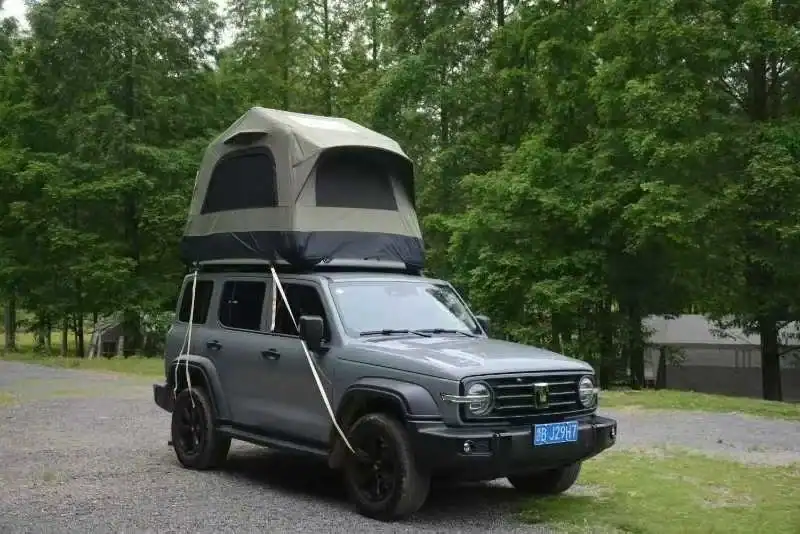
5 Real-World Scenarios: Which Tent Wins?
الخيام الهوائية تفشل بشكل كارثي.
ضع خمس خيام في نفس الموقع، والفائز في البنية يعتمد على قاعدة واحدة: كيف يعلن الهيكل عن فشله. تنفجر العارضة الهوائية في هبة واحدة. ينحني العمود، ويصدر صريرًا، ويمنحك وقتًا للرد. بالنسبة لمدير سلسلة التوريد، يتحكم هذا الفرق في معدلات الإرجاع ومطالبات الإصابات والأضرار بالعلامة التجارية.
تخييم على الشاطئ العاصف
الخيام ذات الأعمدة تتفوق في هذا الموقع. مع شدادات التثبيت المناسبة، يتحمل الهيكل الصلب الرياح المستمرة التي تتجاوز 50 ميلاً في الساعة؛ بينما تنحني الحزم الهوائية ثم تنهار بمجرد تجاوز الرياح 30 ميلاً في الساعة. أعمدة الألياف الزجاجية تتشظى دون أي إنذار مسموع. ألمنيوم 7001-T6 يصدر صريرًا تحت الإجهاد قبل أن ينحني حتى 30 درجة، مما يمنح المخيمين نافذة تحذير حقيقية. خطر الفشل: هوائي 4، عمودي 2.
عطلة نهاية أسبوع عائلية سريعة
الخيام الهوائية تفوز بسباق النصب. مضخة واحدة ترفع الهيكل في أقل من 10 دقائق، دون حلقات وصل لضبطها أو أقسام لربطها. تقدر العائلات هذه السرعة. المقابل هو إطار مرن يعتمد على بقاء الضغط مناسبًا طوال الرحلة. خطر الفشل: هوائي 2، عمودي 3.
التخييم تحت الصفر
خيمة الأعمدة فقط. تفقد الحزم الهوائية ضغطها الهيكلي عندما تنخفض درجات الحرارة — انخفاض درجة الحرارة بمقدار 10 درجات مئوية يقلل حوالي 12% رطلًا لكل بوصة مربعة. تحت درجة التجمد، تضع الحزم المترهلة ضغطًا على الصمامات واللحامات. أضف تسربًا بطيئًا وستجد نفسك ترقع بالقفازات بينما تنكمش الخيمة. خطر الفشل: هوائي 5، عمودي 2.
Glamping Festival
Air tents take the aesthetic win. No poles crossing the living space creates a smooth, high-end silhouette. In light festival wind, both frames work fine; the air version simply matches the premium look customers pay for. Failure risk: Air 2, Pole 2.
Long-Term Base Camp
Reliability over weeks points to poles. There is no pressure monitoring, no slow leak at a welded seam, and no pump to carry. A pole frame either holds or bends with warning. Air beams need attention on every setup, and a pinhole leak that empties overnight turns a base camp into a warranty claim. Failure risk: Air 4, Pole 1.
-
-
- Windy beach: Pole wins. Air 4, Pole 2.
- Quick family weekend: Air wins. Air 2, Pole 3.
- Sub-zero backpacking: Pole only. Air 5, Pole 2.
- Glamping festival: Air wins. Air 2, Pole 2.
- Long-term base camp: Pole wins. Air 4, Pole 1.
-
For OEM planners, the scoring matters less than factory evidence. Kelyland’s core tent facility tests 100% of air beams at 1.5x working pressure and logged a 0.8% seam-weld failure rate across 500,000 units. Most factories skip that step and ship beams that fail in the field. ISO 9001-certified welding processes and 24-hour pressure retention checks catch the leaks before your container leaves.
-
- Choose air if: Setup speed and a clean frame matter more than long-term field reliability.
- Choose pole if: Your customers camp in wind, cold, or multi-week trips where gradual failure is acceptable.
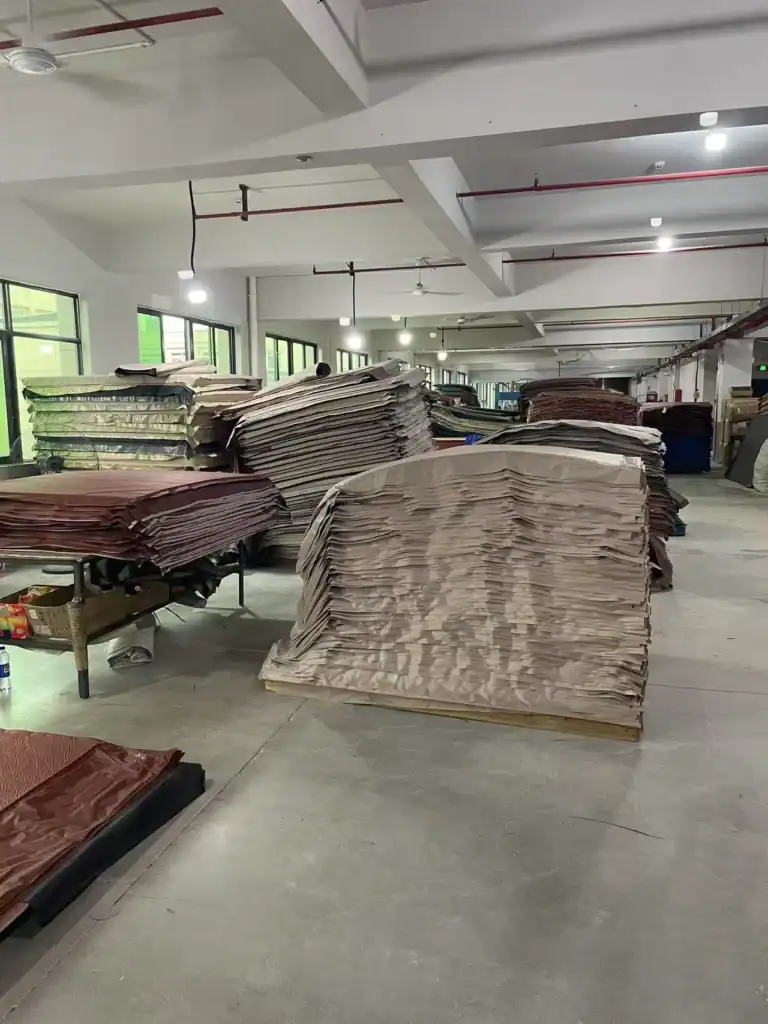
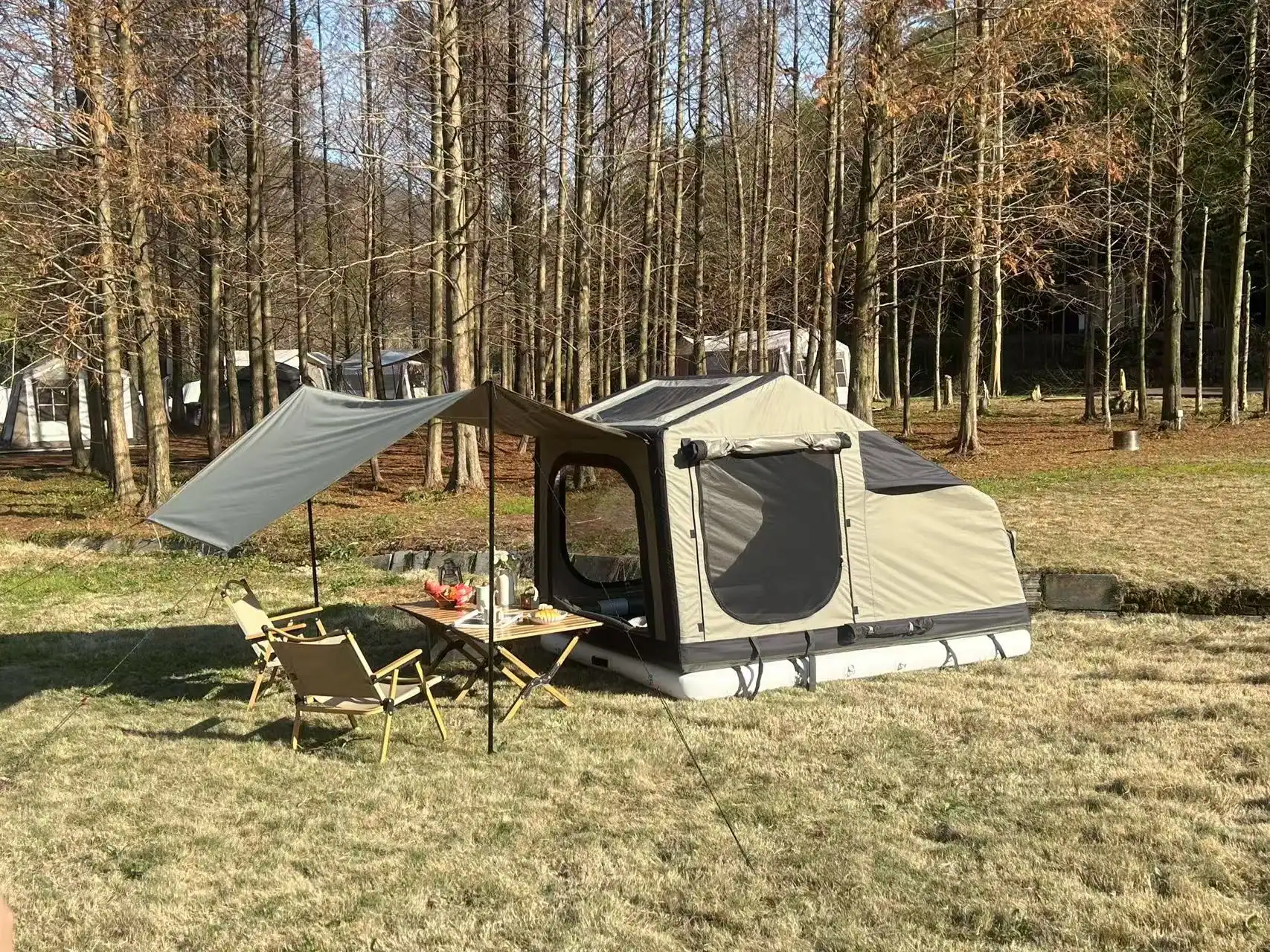
Sourcing Decision: What to Look for in an OEM Factory
Demand 24-hour pressure retention data.
معظم OEM tent quotes look similar on paper: same fabrics, same coatings, similar pricing. The difference shows up in test data. Ask for the QC logs behind each component before you approve a single sample. That is where the real supplier gets separated from the trading company.
Air Beam QC Must-Haves
Air beams fail in three places: the weld seam, the TPU wall, and the valve. A factory that can’t document test results on all three is passing risk to your warranty line. The cost of catching a bad beam inland is cents. The cost of replacing it in the field is the product margin plus a customer complaint.
-
-
- 24-hour pressure retention: Demand batch-level retention tests. Microscopic delamination at high-frequency welds bleeds air overnight and shows up as a sagging tent by morning.
- 100% inflation at 1.5x working pressure: Beams should be inflated at 1.5x working pressure before packing; sample testing only catches the obvious failures.
- TPU wall thickness: Specify 0.6mm minimum wall thickness for TPU beams. Below that, puncture resistance drops sharply on rocky or sandy campsites.
- Pump and valve: Confirm the pump matches the valve fitting and that spare valves are available. A proprietary valve turns a simple field fix into a replacement order.
-
Pole Supplier Stringent Specs
Mechanical failure is the pole tent’s version of a leak. The most important specs are alloy grade, pole diameter, and ferrule construction. If the supplier cannot name the alloy and show a ferrule cross-section, keep looking.
-
-
- Alloy grade: حدد 7001-T6 aluminum. It bends roughly 30° before permanent deformation; fiberglass splinters at the same load without an audible warning.
- Pole diameter: Set 9mm as the minimum for main poles. Anything thinner flexes too much under wind load and accelerates ferrule wear.
- Ferrule: Ask for reinforced ferrules and cycle-test data showing more than 500 setup/teardowns without visible wear. Kelyland’s factory network logged 800+ cycles before ferrule wear appeared.
-
Kelyland’s Manufacturing Edge
Kelyland Outdoors runs air-beam production through an ISO 9001:2015-certified core tent factory. Every beam is inflated at 1.5x working pressure before packing, and batch samples go through 24-hour retention checks. That process produced a 0.8% seam-weld failure rate across 500,000 air tents. Most factories skip this step and hope the leaks surface after the warranty expires.
-
- الاختبار: 100% air beam pressure testing at 1.5x working pressure, plus 24-hour retention checks on batch samples.
- التصديق: ISO 9001:2015-certified production and welding processes across the core partner factory network.
- الحد الأدنى لكمية الطلب (MOQ): Custom tent orders can start at 50 pieces, so you can validate quality before scaling.
- وقت التسليم: Production runs 30-45 days, with export and customs documentation handled by the sourcing team.
Take this list to your next sample approval meeting. Define a written quality tolerance for seam separation, pressure drop, and ferrule wear before signing the production agreement. A factory that can produce the test reports on request is lowering your lifetime warranty cost. A factory that cannot is making you the insurance carrier.
الخاتمة
Air beams burst without warning; poles show a detectable sequence of symptoms before they break. Your warranty liability depends on which failure mode you can predict and repair faster. The difference comes down to minutes and data: a 10-minute pole splint restores 80% of load capacity, while an air patch needs 30-plus minutes plus a spare pump.
-
- Does the factory pressure-test air beams at 1.5x working pressure for 24 hours before shipment?
- Is the pole spec locked to 7001-T6 aluminum with reinforced ferrules audited past 800 setup cycles?
- Can a snapped pole be splinted in under 10 minutes, or does repair require a patch kit and spare pump?
Run these three questions past your current supplier before you commit to another production run. A factory that cannot document pressure retention tests or ferrule cycle data is carrying hidden warranty risk on your behalf. For a benchmark, review the air and pole tent spec sheets on Kelyland’s smart tent sourcing page .
الأسئلة الشائعة
ما هو الفرق الرئيسي بين الخيمة القابلة للنفخ والخيمة ذات الأعمدة؟
الفرق الرئيسي هو الهيكل: الخيام القابلة للنفخ تستخدم عوارض هوائية مضغوطة، بينما خيام الأعمدة تستخدم أعمدة صلبة. العوارض الهوائية تفشل بصمت وبشكل كارثي، بينما الأعمدة تصدر صريرًا وتتشظى قبل الانهيار التدريجي. دع نمط الفشل هذا يوجه تخطيط الضمان والإصلاح الميداني لديك.
هل تتسرب الهواء من الخيام القابلة للنفخ طوال الليل؟
يمكن أن تفقد الضغط بين عشية وضحاها، لكن التسرب الكامل أقل شيوعًا من الترهل المرتبط بدرجة الحرارة. ينخفض الضغط بنحو 12% لكل انخفاض في درجة الحرارة بمقدار 10 درجات مئوية، لذا فإن الخيمة تُنفخ عند 20 درجة مئوية. اضبط الضغط المستهدف عند الطرف الأكثر برودة من نطاقك الليلي المتوقع.
ما هي مدة بقاء أعمدة الخيمة القابلة للنفخ قبل أن تتسرب؟
مع أعمدة TPU أو PVC عالية الجودة والعناية المناسبة، يمكن أن تدوم لسنوات، لكن لحامات التماس هي نقطة الضعف. تُظهر بيانات المصنع معدل فشل لحامات التماس بنسبة 0.8% على 500,000 خيمة هوائية. حدد اختبار الاحتفاظ بالضغط لمدة 24 ساعة قبل الموافقة على دفعة الإنتاج.
هل يمكنك إصلاح عمود خيمة مكسور في الميدان؟
نعم، يمكن إصلاح العمود المكسور عادةً في حوالي 10 دقائق باستخدام جبيرة وشريط لاصق. هذه هي الميزة العملية للخيام ذات الأعمدة: فهي تصدر تحذيرًا مسموعًا. أما بالنسبة للخيام الهوائية، فخطط لاستخدام أطقم الإصلاح وطريقة نفخ احتياطية بدلاً من ذلك.
أي نوع من الخيام أفضل للظروف العاصفة؟
خيام الأعمدة هي generally الخيار الأكثر أمانًا في الرياح العالية لأنها تعطي تحذيرًا مسموعًا قبل الانهيار.

 English
  Español
  Deutsch
  Français
  Português do Brasil
  Русский
  العربية
  한국어
한국어  日本語
日本語