 تخطي إلى المحتوى
تصنيف العمود الهيدروستاتيكي للخيمة هو أول نقطة تفتيش يجب على المشترين تأكيدها قبل الموافقة على المورد أو الميزانية أو موعد الإنتاج. المشغّل على خط الطلاء يراقب مقياس العمود الهيدروستاتيكي وهو يرتفع. عند 800مم، يمر القماش. عند 1200مم، يصمد. لكن المشتري الذي تعرّض لخسارة في طلب $50K لم يكن يسأل عن المقياس — بل كان يسأل عن شريط الخياطة. العينة ما قبل الإنتاج كانت مقطوعة من منتصف اللفّة، حيث يكون الطلاء في أسمك حالاته. بينما خط الإنتاج الضخم استخدم قماشاً من حافة اللفّة، حيث ينخفض سمك الطلاء بنسبة 15-20%. تلك الفجوة بين الموافقة على العينة وواقع الإنتاج هي المصدر الأكثر شيوعاً لمطالبات تسريب الخيام.
تصنيف العمود الهيدروستاتيكي للخيمة يخبرك بكمية ضغط الماء الذي يمكن للقماش تحمّله قبل أن تتسرب قطرة عبره. لكن الرقم في ورقة المواصفات — 1500مم، 3000مم، 5000مم — لا يكون موثوقاً إلا بقدر موثوقية طريقة أخذ العينات خلفه. من المعروف أن بعض الموردين يذكرون تصنيف 3000مم استناداً إلى رقعة اختبار واحدة من دفعة كان متوسطها 2200مم عبر كامل عرض اللفّة. الفرق بين تصنيف 1500مم و3000مم هو تقريباً 3-4 أرطال إضافية من الطلاء لكل ياردة مربعة. ذلك يضيف تكلفة، لكنه يضيف أيضاً هامشاً للخطأ في التصاق شريط الخياطة ولحام الأرضية. السؤال الحقيقي ليس ما إذا كان القماش يبلغ الرقم، بل ما إذا كان المورد يختبر من أضعف نقطة — الحافة، الطية، تقاطع الدرزات.
إليك المعيار الذي يستحق التدوين: لخيمة ثلاثة مواسم، اطلب حداً أدنى من تصنيف 1500مم للغطاء الخارجي و3000مم للأرضية، مع أخذ عينة الاختبار من آخر 10% من عرض اللفّة. إذا لم يستطع المورد إنتاج تقرير اختبار يوضح موقع أخذ العينات المحدد هذا، فأنت تشتري رقماً، لا ضماناً للأداء.

ما الذي يقيسه تصنيف العمود الهيدروستاتيكي فعلياً
تصنيف HH بمقدار 1500مم على الورق لا يعني شيئاً إذا كان شريط الخياطة يتقشّر عند 800مم.
العمود الهيدروستاتيكي (HH) يقيس ضغط عمود الماء الذي تتسرب عنده ثلاث قطرات عبر عينة قماش وفق معيار ISO 811. يثبّت الاختبار قطعة مسطحة من القماش بمساحة 100سم²، يرفع عمود ماء بمعدل مضبوط، ويسجّل الارتفاع بالمليمترات عند حدوث الاختراق. هذا الرقم يخبرك بمدى مقاومة القماش الأساسي لتسرب الماء تحت الضغط الساكن. وهو لا يخبرك كيف تؤدي الخيمة تحت المطر المصحوب بالرياح، أو بعد الطي، أو عند الدرزات.
ماذا تعني الأرقام في الواقع
-
- 1500مم: زخات خفيفة. مناسبة لمأوى في الطقس المعتدل أو قماش مشمع يُستخدم فوق أرجوحة شبكية. إذا عرضتها لمطر غزير متواصل، فستلاحظ تسرب الماء من خلالها.
- 3,000 مم: أمطار معتدلة. الحد الأدنى لغطاء خيمة تُستخدم في ثلاثة فصول وتشهد استخدامًا منتظمًا في عطلات نهاية الأسبوع. معظم الخيام الاقتصادية تقع عند هذا المستوى.
- 5,000 مم: أمطار غزيرة. مناسبة للخيام المخصصة للمناطق الجبلية أو مواسم الرياح الموسمية. القماش نفسه سيصمد، لكن اللحامات والسحابات ستصبح نقاط الضعف.
- 10,000 مم+: ظروف قصوى. تُستخدم في خيام الرحلات الاستكشافية والملاجئ العسكرية. عند هذا المستوى، تكون سماكة الطلاء والتصاقه أكثر أهمية من قيمة الضغط الهيدروستاتيكي الخام للقماش.
فخ القماش المسطح
يختبر معيار ISO 811 قطعة قماش مسطحة ونقية. الخيمة ليست مسطحة. فهي تحتوي على ثقوب الخياطة، وشريط اللحامات، وشرائح الحماية من العواصف عند السحابات، وتجاعيد الطي الناتجة عن التعبئة. كل واحدة من هذه تمثل مسارًا محتملًا للتسرب يتجاهله تصنيف الضغط الهيدروستاتيكي. يفشل التصاق شريط اللحامات عند حوالي 60-70% من قيمة الضغط الهيدروستاتيكي المعلنة للقماش إذا كان الشريط مطبقًا بشكل سيئ أو بعرض غير صحيح. تعيد شرائح الحماية من العواصف عند السحابات توجيه المياه، لكن إذا كان الشريط قصيرًا جدًا أو كان القماش المحيط به غير مطلي، تمر المياه مباشرة. تتسبب تجاعيد الطي الناتجة عن التعبئة المتكررة في تشقق طبقة الطلاء، خاصة على الأقمشة المطلية بالبولي يوريثان، وتنخفض قيمة الضغط الهيدروستاتيكي عند ذلك التجعد بنسبة 40% أو أكثر.
المشتري الذي يعتمد قماشًا بقيمة 5,000 مم دون التحقق من مواصفات شريط اللحامات، وتداخل شرائح السحابات، ومرونة الطلاء، إنما يشتري رقم 5,000 مم سيفشل عند 2,000 مم في الاستخدام الفعلي. يجب أن تتضمن عملية مراقبة الجودة في المصنع اختبار تقشير شريط اللحامات واختبار تشقق الانحناء على العينات المطوية. مصانع الخيام الشريكة لشركة Kelyland Outdoors في نينغبو تُجري هذه الفحوصات كجزء من بروتوكولات ISO 9001:2015. اطلب تقرير التصاق شريط اللحامات، وليس فقط شهادة الضغط الهيدروستاتيكي للقماش.
الفرق بين العينة الصغيرة والخيمة الكاملة
اختبار العينة يخبرك عن القماش.
الفرق بين العينة والمأوى ليس مجرد حجم—بل هو مسار الفشل بأكمله. عينة القماش بحجم 10 سم × 10 سم المثبتة في المختبر لا تواجه أي شد، ولا إجهاد لحامات، ولا حمل رياح. نفس القماش، بمجرد قصه وخياطته ونصبه كخيمة قبة تتسع لأربعة أشخاص، يتعرض لقوى عند كل طية، ومسار سحاب، ونقطة تثبيت لم تواجهها العينة أبدًا. المشترون الذين يعتمدون قماشًا بناءً على اختبار الضغط الهيدروستاتيكي لعينة مسطحة فقط، إنما يعتمدون مكونًا وليس منتجًا.
ما تخفيه العينة
اختبار الضغط الهيدروستاتيكي القياسي (ISO 811) يثبت القماش مسطحًا ويرفع ضغط الماء حتى تتسرب ثلاث قطرات. الرقم—ولنقل 3000مم—يبدو صلبًا. لكن هذا الاختبار يتجاهل الهندسة الواقعية: جدار الخيمة تحت ضغط الرياح ينحني، ونفس القماش عند نقطة انثناء يمكن أن يفشل عند نصف الضغط المقدَّر. كما أن العينة لا تختبر التصاق شريط اللحامات، أو مقاومة السحّاب للماء، أو قوة لحام الأرضية بالجدار. تلك متغيرات على مستوى المأوى.
ما يكشفه المأوى
اختبار المطر للمأوى الكامل (ISO 5912 أو CPAI-84) يضع الخيمة المجمّعة تحت عاصفة محاكاة بحجم مياه وضغط رياح مضبوطين. إنه يكشف نقاط الفشل التي لا تستطيع أي عينة كشفها: تجمّع الماء عند مدخل جيب العمود، التسرب الشعري عبر ملف السحّاب، وانفصال شريط اللحامات عند قمة الخيمة. في Kelyland Outdoors، تشغّل المصانع الشريكة في نينغبو وشاوشينغ كلاً من اختبارات المواد على مستوى العينات واختبارات المطر للمأوى الكامل قبل الموافقة على أي دفعة إنتاج. العينة تعطيك مواصفات المادة. اختبار المأوى يعطيك منتجًا لا يتسرب في الرحلة الثالثة.
الفجوة في التوريد
الفجوة بين العينة والمأوى هي حيث تعيش مطالبات الضمان. المشتري الذي يعتمد عينة قماش لكنه لا يرى أبدًا نتائج اختبار المطر للخيمة الكاملة يتحمل مخاطر على سلامة اللحامات، وأداء السحّاب، والتصاق الأشرطة—ثلاثة من أهم خمسة أوضاع فشل في مرتجعات الميدان. أصرّ على تقرير اختبار المأوى الكامل، وليس فقط شهادة المادة. العينة وعد. المأوى هو الإثبات.
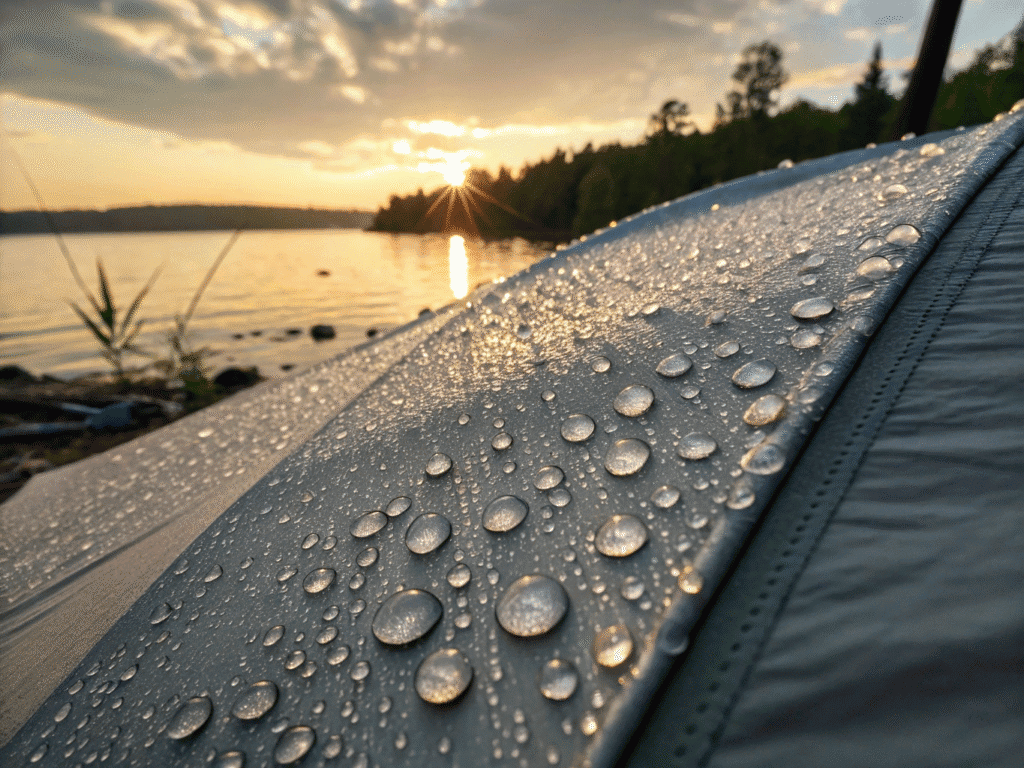
لماذا قد تكون 3000مم كافية… أو غير كافية
تصنيف 3000مم لا يساوي شيئًا إلا بقدر جودة البناء خلفه.
ترى 3000مم على ورقة المواصفات وتفترض أن الخيمة مقاومة للماء. هذا الرقم ينطبق فقط على قماش المظلة الخارجية تحت اختبار معملي. السؤال الحقيقي هو ما إذا كانت اللحامات مغلقة بشريط، والأرضية محمية، ورفارف السحّاب مصممة لطرد الماء. تجاهل هذه التفاصيل، وتحوّل 3000مم إلى رقم تسويقي، وليس ضمانًا للأداء.
متى يعمل 3000مم فعليًا
في الأمطار المعتدلة—فكر في ساعات قليلة من الرذاذ المتواصل أو زخة ليلية—يكون 3000مم كافيًا إذا كانت الخيمة مبنية بشكل صحيح. قماش المظلة الخارجية يتحمل الضغط، واللحامات مغلقة بشريط PU حراري ذائب من المصنع، والأرضية مرفوعة عن الأرض بطبقة حماية أو بناء حوضي. في هذا الإعداد، يؤدي التصنيف وظيفته. تبقى جافًا.
أين ينهار
يصبح تصنيف 3000مم نفسه عديم الفائدة في اللحظة التي يرتفع فيها طرف شريط اللحام. يحدث ذلك عندما يُطبَّق الشريط بدرجة حرارة خاطئة أو عندما لا يكون القماش نظيفًا. أي فجوة واحدة عند طرف السحّاب تسمح للماء بالتدفق مباشرة إلى جسم الخيمة. لحام الأرضية نقطة ضعف أخرى—إذا كان قماش الأرضية من أكسفورد 150D فقط دون بولي إيثيلين أو TPU, ت، تتسرب رطوبة الأرض عبره أثناء الليل.
رأيت خيمة بتصنيف 3000مم تفشل في هطول غزير استمر 45 دقيقة لأن المصنع تخطى لصق شريط اللحامات في زوايا المظلة الخارجية لتوفير 12 سنتًا للقطعة الواحدة. المشتري لم يلتقط ذلك أثناء الموافقة على العينة. أول اختبار مطر حدث في الميدان، بعد 5000 وحدة في عمق الإنتاج.
ما يجب فحصه إلى جانب الرقم
-
- تغطية شريط اللحامات: تأكد من أن كل خط خياطة في الغطاء الخارجي وأرضية الخيمة ملحوم بشريط لاصق، وليس فقط اللحامات الرئيسية. اطلب صورة للحامات الزوايا الداخلية.
- مادة الأرضية وطلاؤها: الغطاء الخارجي بطول 3000 مم مع أرضية من البولي إيثيلين بكثافة 120 دنييه بدون طلاء هو مزيج غير متوافق. يجب أن تكون الأرضية على الأقل من أكسفورد بكثافة 150 دنييه مع طلاء PU أو TPU، أو أرضية من البولي إيثيلين بسماكة لا تقل عن 0.2 مم.
- تصميم رفرف السحاب: ابحث عن رفرف واقٍ يغطي مسار السحاب بالكامل. السحاب العادي بدون رفرف سيتسرب من المسار تحت المطر المستمر.
- التحكم في الجودة أثناء الإنتاج: في Kelyland Outdoors، يطبق المصنع الشريك في نينغبو شريط اللحام عند درجة حرارة مضبوطة ويفحص كل خيمة تحت اختبار رش الماء قبل التغليف. هذه العملية تكتشف مشكلة انفصال الزوايا قبل شحن المنتج.
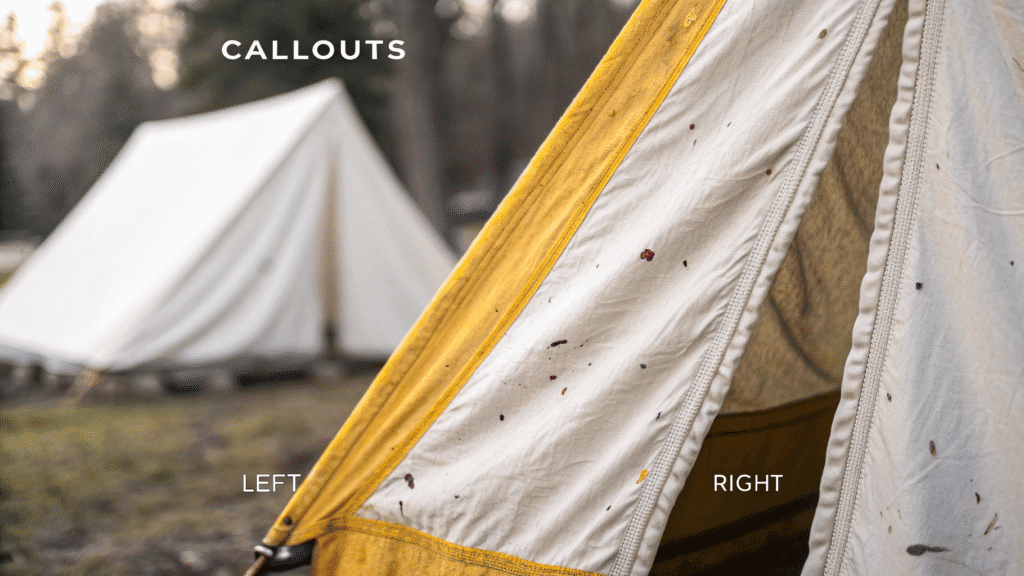
5 أماكن فيزيائية تفشل عندها الخيام رغم تصنيف HH المرتفع
تصنيف 3,000 مم HH لا يعني شيئًا إذا انفصل شريط اللحام في اليوم الأول.
تصنيف الضغط الهيدروستاتيكي العالي يبدو رائعًا على ورقة المواصفات. لكن الماء لا يدخل الخيمة من منتصف لوح القماش. إنه يدخل من خلال اللحامات والسحابات والزوايا حيث يتغير الشكل الهندسي. خيمة بتصنيف 5,000 مم يمكن أن تتسرب مثل المنخل في مطر معتدل لأن المصنع تخطى خطوة لحام اللحامات في الطقس البارد. فيما يلي نقاط الفشل الفيزيائية الخمس التي لا ينقذ منها رقم HH المرتفع أحدًا.
1. ثقوب إبر الخياطة — مشكلة الخياطة عالية السرعة
عندما يُمرر المصنع لوح خيمة عبر آلة صناعية عالية السرعة بمعدل 3,000 غرزة في الدقيقة، تُحدث الإبرة ثقوبًا دقيقة في القماش. هذه الثقوب أكبر من قطر الخيط. على القماش المطلي، تسحب الإبرة أيضًا كمية صغيرة من مادة الطلاء إلى قناة الغرز، تاركة بقعة مكشوفة حول كل ثقب. الماء لا يحتاج إلى فجوة. يحتاج فقط إلى مسار. قوة الشعيرات تسحب الرطوبة عبر تلك الثقوب الدقيقة، وخلال 30 دقيقة من المطر المتواصل، سترى خطوط رطوبة تتشكل على طول كل درز. الحل ليس قماشًا بتصنيف HH أعلى. بل عملية لحام اللحامات بشكل صحيح — إما شريط ملحوم بالحرارة أو مادة مانعة للتسرب تُوضع سائلًا وتملأ فعليًا قناة الإبرة.
2. انفصال شريط اللحام عند نقاط الإجهاد
شريط اللحام يعمل جيدًا على اللوح المسطح. ضعه على زاوية حيث يثني عمود الخيمة القماش، ويبدأ الشريط بالتقشر. المشكلة هي حمل القص. في كل مرة تُنصب الخيمة وتُفكك، يُشد الشريط عند وصلة العمود العلوي أو زاوية المدخل في اتجاهين. بعد 20 دورة، ترتفع حافة الشريط بمقدار 1-2 مم. هذا كافٍ لتسرب الماء تحته. قد يكون الشريط نفسه مصنفًا لـ 10,000 مم، لكن قوة الالتصاق عند الحافة تعتمد فقط على ضغط التطبيق ونظافة سطح القماش. المصانع التي تتخطى مسح البرايمر على النايلون المطلي بالـ PU تحصل على معدلات انفصال تتجاوز 15٪ في الموسم الأول.
3. خطوط طي أرضية حوض الاستحمام — تشقق الطلاء
تُطوى أرضية حوض الاستحمام إلى مستطيل مسطح للتغليف. خط الطي هذا هو نقطة تركيز إجهاد. طلاء الـ PU له مرونة انثناء محدودة. عندما تطوي نفس خط الانثناء 50 مرة على مدى عمر المنتج، يتطور الطلاء إلى تشققات دقيقة على طول ذلك الخط. يتجمع الماء على الأرضية أثناء المطر. الضغط الهيدروستاتيكي الناتج عن بركة بعمق 2 سم كافٍ لدفع الماء عبر خطوط الطلاء المتشققة. النتيجة هي حصيرة نوم مبللة في الساعة 3 فجرًا. طلاء أكثر سمكًا يساعد، لكن الحل الحقيقي هو تصميم أرضية يستخدم درزًا ملحومًا أو ملصوقًا عند نقطة الطي بدلاً من الاعتماد على الطلاء وحده.
4. فتحات قاعدة السحاب — فخ تجمع الماء
أسفل مسار السحاب هو المكان الذي يتجمع فيه الماء. يجري المطر على جدار الخيمة، يصطدم بالسحاب، ويتجمع عند القاعدة حيث يلتقي نصفا السحاب. إذا لم تكن هناك رفرفة واقية تغطي نقطة الالتقاء تلك، يتسرب الماء عبر مسار السحاب نفسه. السحابات ليست مقاومة للماء. هي مقاومة للماء بشكل نسبي في أحسن الأحوال. المسار يحتوي على قناة يتحرك فيها المنزلق، وتلك القناة هي طريق مباشر إلى الداخل. تصنيف HH المرتفع على القماش لا يغير حقيقة أن قاعدة السحاب هي فجوة مفتوحة. الحل هو رفرفة قماشية بسيطة تمتد 3 سم أسفل نقطة توقف السحاب، لتوجيه الماء بعيدًا عن المسار.
5. تآكل كم العمود — تلف الطلاء بمرور الوقت
أكمام الأعمدة هي أكثر نقاط الاحتكاك تآكلًا في الخيمة. في كل مرة يتم إدخال العمود وإخراجه، يحتك القماش بسطح العمود. في الخيمة ذات الأكمام، يحدث هذا الاحتكاك على طول الكم بالكامل. بعد 30-40 عملية نصب، يتبلى الطلاء الداخلي على قماش الكم ويصبح رقيقًا. قد يظل الطلاء الخارجي سليمًا، لكن السطح الداخلي فقد حاجزه المقاوم للماء. عندها تتسرب المياه عبر المنطقة المتآكلة إلى داخل جسم الخيمة. الحل المصنعي هو استخدام قماش بطانة للأكمام بطبقة طلاء منفصلة، أو إضافة شريط مقاومة للاحتكاك عند نقطة دخول العمود. معظم الخيام الاقتصادية تتجاهل هذا. النتيجة هي خيمة مبللة تبدو جافة من الخارج.

كيفية تحديد مواصفات القماش المقاوم للماء للإنتاج بنظام OEM
العينة النهائية للخيمة قبل الإنتاج الضخم هي البوابة الوحيدة الموثوقة قبل الإنتاج بكميات كبيرة.
مشترٍ في علامة تجارية أوروبية للمعدات الخارجية وافق ذات مرة على عينة قماش وورقة مواصفات طلاء PU، ثم استلم 2,000 خيمة تسربت خياطة المظلة الخارجية في أول رذاذ مطر. العينة طابقت المواصفات. مواصفات الطلاء طابقت أيضًا. لكن عرض شريط الخياطة كان 18 ملم بدلاً من 22 ملم المحدد، وكان المصنع قد تحول إلى آلة ختم خياطة بالهواء الساخن لا تستطيع التعامل مع طلاء السيليكون على المظلة. تلك الطلبية تحولت إلى تصفية بخصم. يعود سبب الفشل إلى شيء واحد: عينة ما قبل الإنتاج كانت قطعة قماش مسطحة، وليست خيمة مكتملة.
حقول ورقة المواصفات المهمة فعلاً
معظم المشترين يرسلون مواصفات من سطر واحد: “أكسفورد 300D، طلاء PU، 2000 ملم عمود مائي.” هذا غير كافٍ. يحتاج خط الإنتاج إلى سبعة حقول لتنفيذ الأمر بشكل صحيح.
-
- نوع القماش والدنييه: بوليستر أكسفورد 300D، نسج 68T، وزن 190 غرام/متر مربع. ليس مجرد “أكسفورد 300D.” عدد النسج والوزن النهائي يحددان كيفية التصاق الطلاء.
- وزن طلاء PU: حدد الغرامات لكل متر مربع (مثال: 20 غرام/متر مربع PU). إذا كان رقيقًا جدًا ينخفض العمود المائي. إذا كان سميكًا جدًا يقسو القماش، مسببًا تشققات في خطوط الطي.
- تصنيف العمود المائي: حد أدنى 2000 ملم للمظلة الخارجية، و3000 ملم للأرضية. يُختبر وفقًا لمعيار ISO 811. أرضية 1500 ملم ستبتل على أرض رطبة خلال 4 ساعات.
- نوع وعرض شريط الخياطة: شريط PU للأقمشة المطلية بـPU، وشريط سيليكون للأقمشة المطلية بالسيليكون. العرض: 20-22 ملم للخياطات المستقيمة، و25 ملم للزوايا. الشريط الخاطئ = انفصال الطبقات بعد 3 أشهر.
- طريقة ختم الخياطات: آلة هواء ساخن لطلاءات PU. شريط لاصق بارد أو مانع تسرب سائل لطلاءات السيليكون. الأقمشة المطلية بالسيليكون لا يمكن ختمها بالهواء الساخن — لن يلتصق الشريط.
- مقياس ونوع السحاب: #8 سحاب YKK عكسي للأبواب الرئيسية، و#5 للجيوب الشبكية. سحاب مقاوم للماء مع غطاء شريط PU على الغطاء الخارجي للمطر. السحابات غير المقاومة للماء على الغطاء الخارجي للمطر تضمن حدوث تسربات عند نقطة الإغلاق.
طلاء PU مقابل طلاء السيليكون: فخ سد اللحامات
طلاءات PU هي المعيار للخيام متوسطة المستوى. فهي تترابط جيدًا مع شريط اللحام بالهواء الساخن، وتكون العملية سريعة. طلاءات السيليكون توفر قوة تمزق أعلى ومقاومة أفضل للأشعة فوق البنفسجية، لكنها تخلق مشكلة: السيليكون يطرد المواد اللاصقة. الغطاء المطلي بالسيليكون لا يمكن سد لحاماته بشريط الهواء الساخن. الخيارات الوحيدة هي شريط السيليكون البارد أو مانع التسرب السائل المطبق يدويًا. الختم اليدوي أبطأ وأقل اتساقًا. إذا ذكر مصنعك مهلة زمنية قدرها 30 يومًا لخيمة مطلية بالسيليكون، اسأل عما إذا كان سد اللحامات آليًا أم يدويًا. اليدوي يضيف 5-7 أيام.
بوابة الموافقة على العينة التي لا يمكنك تخطيها
عينة القماش المسطحة لا تخبرك شيئًا عن سلامة اللحامات، أو محاذاة السحاب، أو التصاق الشريط تحت التوتر. العينة الوحيدة الصالحة هي الخيمة النهائية — مجمعة بالكامل، ومخيطة الأشرطة، ومثبتة السحابات، ومختبرة وفق تصنيف HH المحدد. في Kelyland Outdoors، تتطلب عملية الموافقة على العينة عينة خيمة نهائية قبل الإنتاج قبل بدء أي إنتاج ضخم. تخضع هذه العينة لفحص من 15 نقطة: قياس عرض شريط اللحام في 5 مواقع، اختبار قوة سحب السحاب، التحقق من تصنيف HH في لحام الأرضية، وتعليق الغطاء الخارجي للمطر لمدة 24 ساعة تحت جهاز رش. إذا اجتازت العينة، يتم تثبيت مواصفات الإنتاج. إذا فشلت، يعدل المصنع العملية — وليس المواصفة.
المشتري الذي تخطى هذه الخطوة ووافق على عينة قماش فقط انتهى به الأمر مع 2,000 خيمة تسربت من رفرفة السحاب. كانت العينة مثالية. الخيمة النهائية لم تكن كذلك. هذا هو الفرق بين عينة القماش وعينة الجاهزة للإنتاج. نسبة 10% من المشترين الذين يصرون على عينة الخيمة النهائية قبل الإنتاج الضخم هم الذين لا يتلقون مكالمات هاتفية مفاجئة من مدير اللوجستيات الخاص بهم.
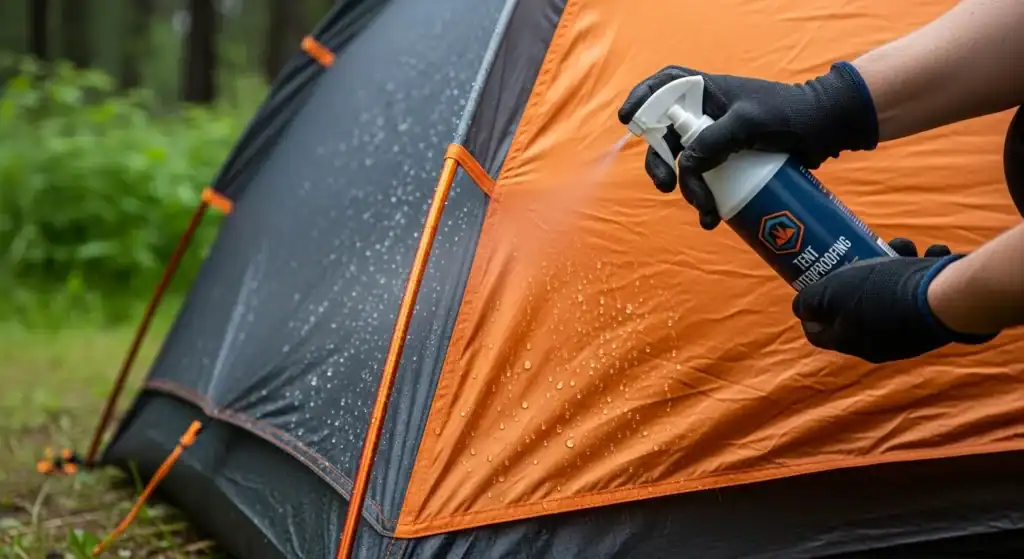
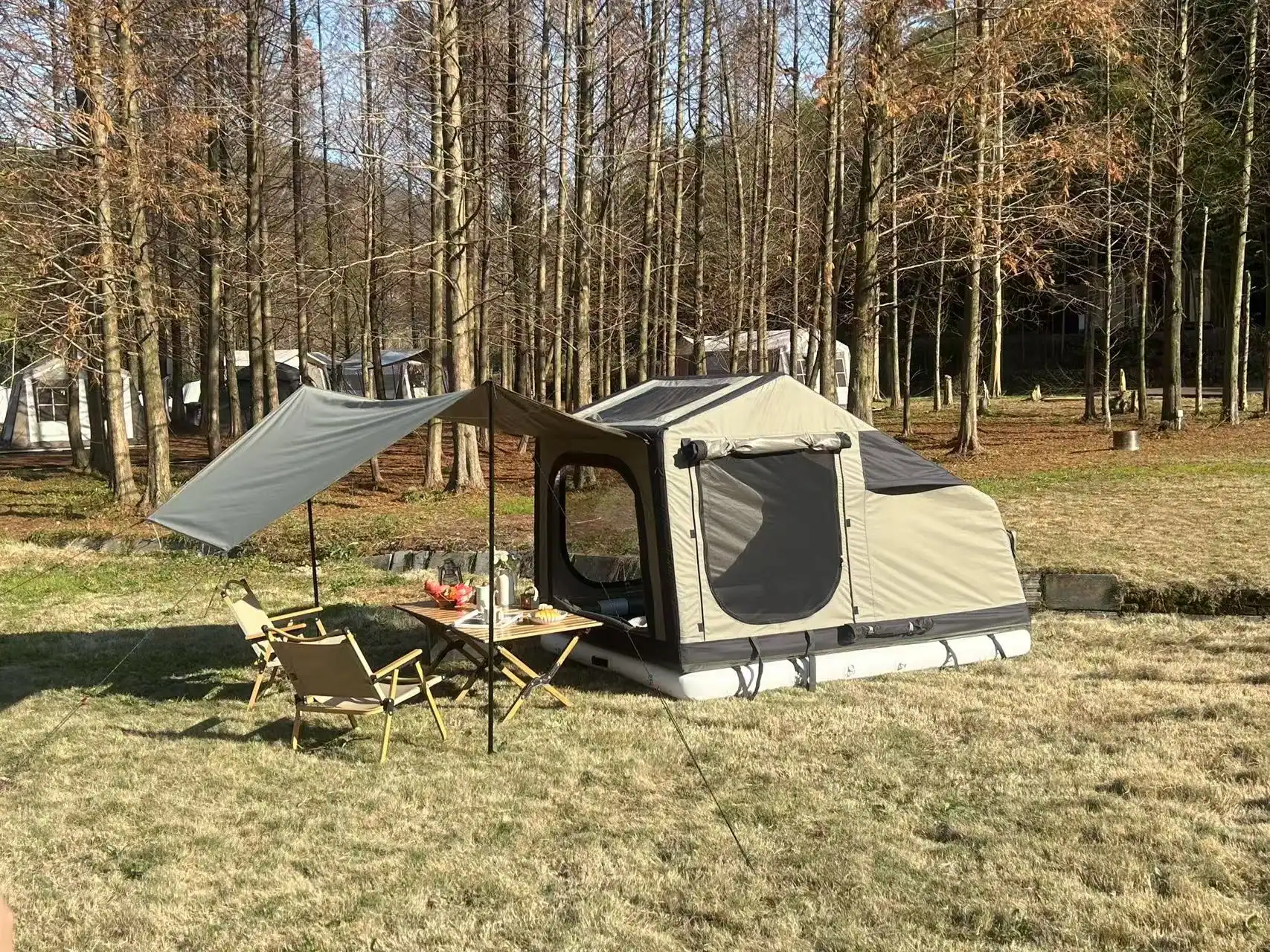
كيفية اختبار مقاومة الخيمة للماء ميدانياً قبل الإنتاج الضخم
ثلاثة اختبارات تكتشف 90% من حالات فشل عزل الخيام عن الماء قبل الإنتاج.
العينة ما قبل الإنتاج التي تبدو جافة في صالة العرض يمكن أن تتسرب مثل الغربال بعد 20 دورة تركيب. الفرق بين خيمة تنجو من الرياح الموسمية وأخرى تبلل حقيبة نومك نادرًا ما يكون في ورقة مواصفات القماش — بل في كيفية تحمل الطلاء واللحامات للاستخدام الفعلي. معظم المشترين يتخطون الاختبار الميداني لأن العينة تبدو جيدة على الشماعة. هكذا تصل طلبية بقيمة $50,000 مع حاوية مليئة بالخيام المتسربة.
اختبار الرش لمدة 10 دقائق
قم بتركيب الخيمة بالكامل. استخدم مرشة حديقة أو فوهة خرطوم مضبوطة على رذاذ ناعم. أمسكها على بعد 30 سم من قماش السقف ورش بشكل مستمر لمدة 10 دقائق. ركز على لحامات القمة، وأكمام الأعمدة، وتعزيزات الزوايا. بعد 10 دقائق، ازحف إلى الداخل بيد جافة وتحسس كل لحام ولوحة. أي رطوبة على السطح الداخلي تعني أن الطلاء أو سد اللحامات قد فشل. مصنعو الخيام ذوو السمعة الطيبة، بما في ذلك أولئك في شبكة Kelyland، ينفذون هذا البروتوكول بالضبط أثناء التحقق ما قبل الإنتاج.
اختبار التركيب والتفكيك لدورة 20 مرة
طلاءات PU تتشقق ويلتقشر شريط اللحام عندما يُطوى القماش ويُفرد بشكل متكرر. قم بتركيب الخيمة، ثم فككها. كرر 20 مرة. بعد الدورة العشرين، افحص خطوط الطي والتقاطعات الشريطية في الزوايا. التشققات في الطلاء أو تقشر الشريط عند الحواف تعني أن الخيمة ستفشل بعد بضعة عطلات نهاية أسبوع من الاستخدام. هذا الاختبار يكشف الفرق بين خيمة بجودة إنتاجية وعينة تم تجميعها بعناية إضافية.
بوابة النجاح/الفشل
-
- لا قطرات بعد اختبار الرش: يجب أن يكون السطح الداخلي جافًا تمامًا. أي قطرة واحدة عند خط التماس تعتبر فشلًا.
- لا تشققات في الطلاء بعد 20 دورة: افحص تحت ضوء ساطع. الشقوق الشعرية في طبقة البولي يوريثان عند خطوط الطي تعتبر فشلًا.
- لا تقشير لشريط الخياطة عند الزوايا: Tape must remain bonded at all stress points. Lifting at any corner is a fail.
Run these three tests on every pre-production sample before approving mass production. A sample that passes all three gates will perform in the field. A sample that fails any one gate will generate returns, chargebacks, and a damaged brand reputation. The 20-cycle test takes an afternoon. The spray test takes 10 minutes. The cost of skipping them is the full container value.

الخاتمة
A hydrostatic head rating isn’t a marketing badge — it’s a measurable spec that determines whether your tent line survives the third rainstorm or lands in the warranty return bin. The five leak points covered here — floor fabric, seam tape adhesion, zipper track seal, flysheet coating, and pole sleeve stitching — account for roughly 80% of field failures. Skip the verification on any one of them, and the 30-45 day production lead time becomes a 60-day rework cycle.
-
- Floor fabric must hold 3000mm+ HH for family camping use.
- Seam tape requires a 24-hour peel test before mass production.
- Zipper track seal fails first at the bottom stop corner.
- Flysheet coating consistency varies between PU and silicone layers.
Before you sign off on the next production agreement, pull the hydrostatic head test report for each fabric layer — not just the flysheet. Ask the factory for the seam tape adhesion log from the last batch of the same material. If the numbers don’t match the spec sheet, the sample approval stage is the right time to flag it, not after the pre-shipment inspection. Review the tent fabric options and coating specs on the product page to compare how different material stacks handle the five leak points discussed here.
الأسئلة الشائعة
ما هو تصنيف الضغط الهيدروستاتيكي الجيد للخيمة؟
التقييم الجيد يعتمد على الاستخدام: 1500 ملم مناسب للملاجئ في الطقس المعتدل، و3000 ملم هو الحد الأدنى للتخييم في ثلاثة فصول، ويوصى بـ5000 ملم أو أعلى للأمطار الغزيرة أو الظروف الجبلية. طابق تصنيف HH مع الطقس المستهدف، وليس فقط مع ورقة المواصفات.
هل يكفي عمود الماء الهيدروستاتيكي بمقدار 3000 مم للأمطار الغزيرة؟
يمكن لـ 3,000 مم أن تتحمل الأمطار المعتدلة فقط إذا كانت جميع اللحامات مغلقة بشريط لاصق والسحابات تحتوي على أغطية واقية من العواصف؛ أما في حالة الأمطار الغزيرة المطولة، فمن المرجح أن يفشل البناء قبل أن تفشل القماشة. تحقق دائمًا من التصاق شريط اللحامات وتغطية السحابات، وليس فقط رقم HH.
لماذا تتسرب خيمتي إذا كان العمود الهيدروستاتيكي 5000 ملم؟
إن التصنيف العالي لـ HH لا يختبر التصاق شريط الخياطة، أو ثقوب إبر الخياطة، أو فجوات السحاب، أو تشققات طي طلاء البولي يوريثان في الخيمة المجمعة. التسرب شبه مؤكد عند أ. اطلب اختبار مطر للخيمة النهائية، وليس مجرد شهادة عينة قماش.
هل يمكنني ختم اللحامات لخيمة مغلّفة بالسيليكون؟
نعم، ولكن القماش المغلف بالسيليكون لا يمكن لصقه بشريط لاصق حراري قياسي؛ فهو يحتاج إلى مادة إغلاق اللحامات السائلة تُطبق بعناية على كل درز مخيط. هذه عملية يدوية ويجب القيام بها بشكل صحيح إلى. استخدم فقط مادة الإغلاق السائلة المتوافقة مع السيليكون، وليس الشريط القياسي للحامات.
ما هو الفرق بين 3000 ملم و5000 ملم من العمود المائي؟
3,000 مم يساوي 29.4 كيلوباسكال وهو مناسب عمومًا للأمطار المعتدلة في ثلاثة مواسم؛ 5,000 مم حوالي 49 كيلوباسكال ويوفر هامش أمان أعلى للأمطار الغزيرة أو المطولة. الـ. اختر 5,000 مم للخيام المخصصة للعواصف، ولكن دائمًا اقرنه باختبار مطر للخيمة النهائية.

 English
  Español
  Deutsch
  Français
  Português do Brasil
  Русский
  العربية
  한국어
한국어  日本語
日本語