 تخطي إلى المحتوى
“لماذا اجتازت عينة ما قبل الإنتاج كل فحوصات الجودة، بينما يفشل الإنتاج الضخم في حدود تفاوت الجودة في كل مرة؟” هذا هو السؤال الذي يهمس به المشتري بعد أن تصل طلبية توريد خيام ذكية $50K إلى المستودع وتبدأ شرائح LED بالوميض داخل كومة المرتجعات. بدا اعتماد العينة مثاليًا على الطاولة — الخياطة محكمة، ومركز الطاقة الشمسية متوهج، وموضع الشعار مضبوط تمامًا. لكن الحاوية روت قصة مختلفة. انحرف وزن القماش. تشبثت السحابات. انخفض ناتج الضوء عن ورقة المواصفات. تعلّم مالك العلامة التجارية بالطريقة الصعبة أن العينة وعد وليست ضمانًا للشحنة، وأن الفجوة بينهما يمكن أن تبتلع هامش موسم بأكمله.
تستعرض دراسة الحالة هذه كيف تجنبت علامة تجارية أخرى للتجارة الإلكترونية دوامة الموت تلك من خلال التعامل مع اعتماد العينة كبوابة جودة أولى، وليست الأخيرة. الفرق؟ شريك شحن نماذج أولية مجانية لاختبار السوق (بتكلفة الشحن فقط) ودعم كل وحدة إنتاج بتقرير فحص كامل وفق ISO 9001:2015 من مصنع الخيام في نينغبو. أصبح ذلك التقرير هو المعيار: إذا كان مورّد الخيام الذكية لا يستطيع تسليمك سجل اختبار مركز الطاقة الشمسية المعتمد من CE و تدقيق قوة الخياطة قبل أن تطلق دفعة الرصيد المتبقية، فإن ميزة سعر FOB لا تعني شيئًا. استخدم هذا السطر في مكالمتك القادمة مع المورد.
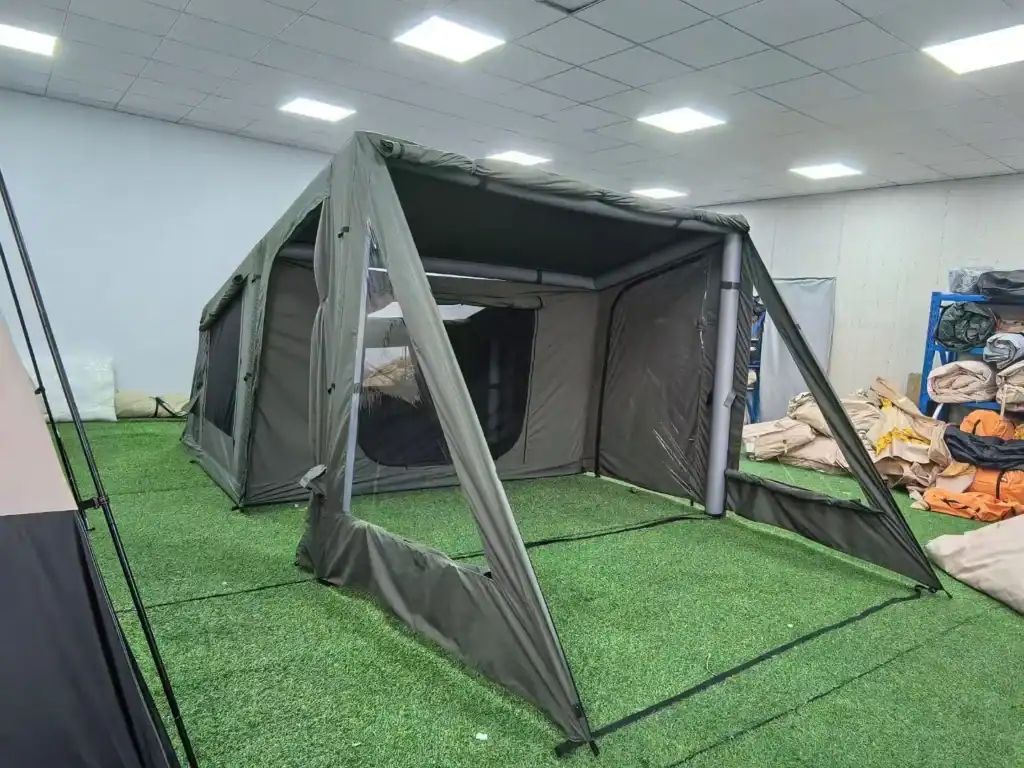
رؤية العلامة التجارية: خيمة ذكية لمحاربي عطلة نهاية الأسبوع
معظم حالات فشل الخيام الذكية تعود إلى تخطي محادثة صعبة واحدة في أول مكالمتين.
جاءت العلامة التجارية إلينا بفجوة في المنتج، وليست بورقة مواصفات. كانت قد شاهدت إطلاق منافسها للخيمة الشمسية وجمع تقييمات 4.2 نجوم على أمازون، لكن المراجعات صرخت بوجود فرصة. اشتكى المشترون من شرائح LED الخافتة التي تموت بعد ثلاث رحلات، وألواح شمسية تستغرق 12 ساعة لشحن هاتف نصف شحنة، ومراكز تحكم ليست مقاومة للماء حتى. محارب عطلة نهاية الأسبوع الذي يشتري هذه الخيمة لا يريد قراءة دليل تعليمات. يريد إخراجها من صندوق السيارة، ونصبها، وأن تعمل الإضاءة ومنفذ USB من المرة الأولى، وفي كل مرة.
هنا تفصل مرحلة جمع الطلبات بين وكيل التوريد ومعالج الطلبات. لم نسأل ‘أي خيمة تريد؟’ بل سألنا عن التقييمات بنجمة واحدة التي يريدون القضاء عليها. كانت الإجابة متسقة: موثوقية تكامل الإلكترونيات، وليس الخيمة نفسها. هيكل القماش كان كمية معروفة — مصنعنا في نينغبو ينتج 800,000 وحدة سنويًا معتمد BSCI و ISO 9001:2015. المتغير كان جعل التقنية تبدو مثبتة في المصنع، وليست ملصوقة بعد ذلك.
-
- نقطة السعر المستهدفة: $42-$48 FOB — وهو ما يعني أن كل اختيار للمكوّنات يجب أن يجتاز بوابة الهامش. لا مواد غريبة لا يمكن توسيع نطاقها.
- مواصفات الجمهور المستهدف: رحلات نهاية الأسبوع لشخصين، الحد الأقصى 2-3 ليالٍ. لا حاجة لطقس قاسٍ. الوزن أقل من 5.2 كجم عند التعبئة.
- عوامل التجربة الحرجة: يجب أن يتحمل شريط LED أكثر من 200 دورة طي دون مناطق ميتة. ويجب أن توفر اللوحة الشمسية شحنًا فعليًا، وليس مجرد قوة تسويقية. ويجب أن يكون منفذ USB بتصنيف IPX4 كحد أدنى.
ملاحظة سريعة حول تسعير FOB وتحمل الجودة لأي شخص يشتري الخيام الذكية لأول مرة. عندما تضيف إلكترونيات إلى منتج قماشي، فإنك تكتسب معيارين للجودة، لا معيارًا واحدًا. تخضع الخيمة لمعايير فحص المنسوجات — عدد الغرز، تقييمات مقاومة الماء على قماش الأكسفورد المطلي بـPU، محاذاة الأعمدة. وتتبع الإلكترونيات منطق فحص مختلف تمامًا — سلامة لحام الوصلات، تسرب الماء إلى الموصلات، دورات شحن وتفريغ البطارية. إذا تعامل موردك مع الوحدة بأكملها على أنها ‘مجرد خيمة’، فستحصل على خيمة تبدو رائعة ولكن أضواءها ميتة بحلول الاستخدام الثالث. لقد رأينا ذلك. العينة ما قبل الإنتاج التي تجتاز اختبار الخياطة بسهولة لا تخبرك شيئًا عن جودة لوحة الدوائر المطبوعة داخل الوحدة المركزية.
مرحلة التصميم التزمت بهذا الواقع المزدوج المسار. فريق منتجات Kelyland — نايجل لو يتولى التطوير مع مهندسي المصنع — حدد مسار الأسلاك الكهربائية قبل الانتهاء من أنماط الأقمشة. تم خياطة قناة شريط LED في قمة السقف ككم مخصص، وليس جيبًا لاحقًا. تم تعزيز نقاط توصيل اللوحة الشمسية بمواضع جروميت محكمة الغلق بحيث يمكن توجيه الأسلاك داخليًا إلى جسم الخيمة دون كابلات مكشوفة تتعرج عبر مسارات السحابات. على الورق، هذه قرارات تصميم صغيرة. في الممارسة العملية، هي ما يفصل منتجًا بتقييم 4.5 نجوم عن منتج بتقييم 3.8 مع معدل إرجاع 12%.
كانت كمية الطلب الأولي للعلامة التجارية متحفظة — 500 وحدة عبر نوعين من وحدات SKU (لثلاثة أشخاص ولأربعة أشخاص). كانت سياسة العينات هنا حاسمة. قدمت Kelyland العينة النموذجية مجانًا، مع تحمل العلامة التجارية تكلفة الشحن فقط. بالنسبة لبائع التجارة الإلكترونية الذي يختبر شهية السوق، هذا تقليل حقيقي للمخاطر. استلموا العينة ما قبل الإنتاج، واختبروا الإلكترونيات بشكل مستقل بتشغيل مستمر لمدة 72 ساعة، ووافقوا على التغليف، وانتقلنا إلى اتفاقية الإنتاج. إجمالي الوقت من أول مكالمة إلى الموافقة على العينة: 11 يومًا.
من النموذج الأولي إلى الإنتاج الضخم
شريط LED رخيص يفشل خلال 3 عطلات نهاية أسبوع ممطرة — ثم يختفي تقييمك البالغ 4.5 نجوم.
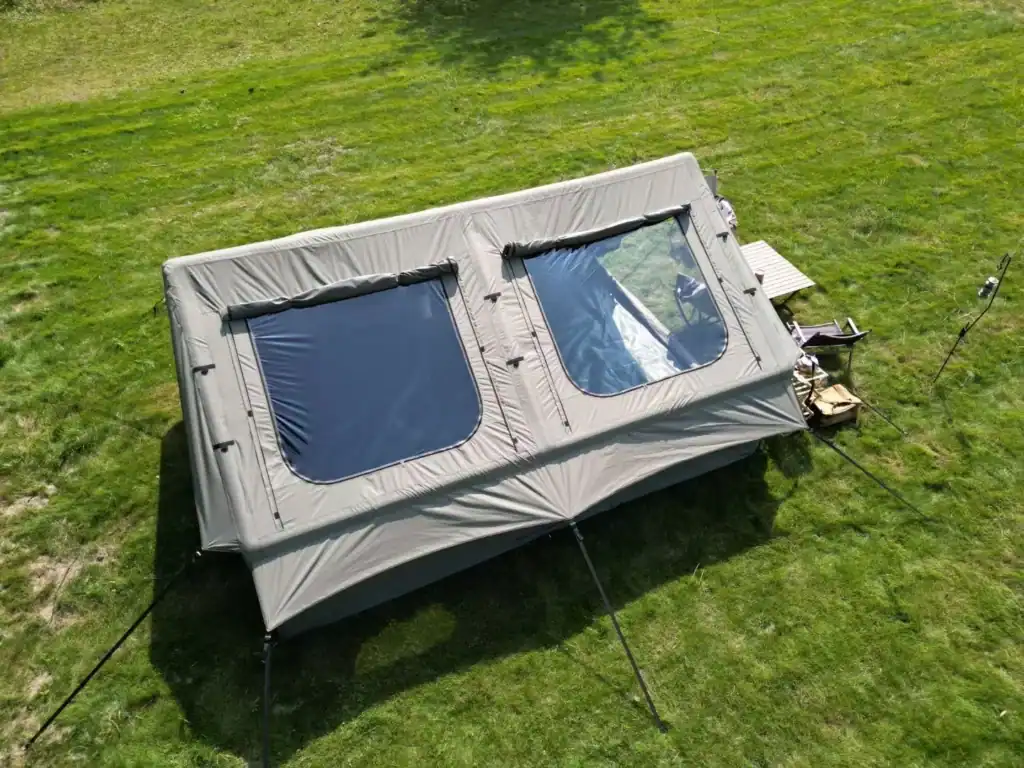
دمج وحدة تحكم شمسية وشريط LED في خيمة ليس مجرد خياطة ضوء على القماش. إنه مشروع إلكترونيات منخفض الجهد يجب أن يتحمل الطي والمطر والحرارة داخل صندوق السيارة. العلامة التجارية في هذه الحالة أرادت لوحة شمسية متعددة البلورات قابلة للفصل تشحن بنك طاقة بسعة 5,000 مللي أمبير في الساعة مخفيًا في جيب مقاوم للماء، مع شريط LED مرن يمتد على طول حافة السقف. القرار الهندسي الفوري: استخدام مصابيح COB بدلاً من SMD القياسية، لأن COB يعطي خطًا واحدًا متواصلًا من الضوء — بدون نقاط ساخنة — ويتحمل إجهاد الانحناء بشكل أفضل عند انهيار الخيمة.
قام فريق OEM بتوريد اللوحة من مصنع إضاءة في نينغبو حاصل على شهادة ISO 9001:2015. تم تثبيت المواصفات على خرج 5V/1.2A، باستخدام تصفيح ETFE بدلاً من PET — ETFE يكلف حوالي 18% أكثر ولكنه لن يتفكك بعد 100 دورة طي. حصل صندوق التحكم على ثلاثة مستويات سطوع وخرج USB-A ليتمكن المخيمون من شحن الهاتف طوال الليل. استخدم كل اتصال موصلات JST مقاومة للماء، لأن وصلات اللحام المكشوفة داخل بيئة خيمة مليئة بالتكثف تعني إرجاعات الضمان.
-
- اللوحة الشمسية: 5 فولت 6 واط متعدد البلورات، تصفيح ETFE، IP67، حلقات كارابينر مدمجة للتثبيت على الخيمة.
- بنك الطاقة: بطارية ليثيوم بوليمر 5,000mAh، غلاف بتصنيف IP65، حماية من الشحن الزائد/قصر الدائرة، مخرج USB-A.
- شريط LED: إضاءة COB 5V أبيض دافئ، PCB مرن بعرض 8mm، ظهر لاصق من 3M، طلاء سيليكون بتصنيف IP65، قابل للقص كل 5cm.
- التوصيلات: كابل بعزل سيليكون 22AWG، موصلات JST SM ثنائية الأطراف، قنوات إدارة كابلات مدمجة في خياطة الخيمة.
تم التخصيص للعلامة التجارية على بنك الطاقة وصندوق شريط LED. حصلت العلامة على نقش شعارها بالليزر على هيكل الألمنيوم لبنك الطاقة وطباعة نقل حراري على شريط LED السيليكوني — بدون ملصقات لاصقة تتقشر مع الحرارة. هذا المستوى من التخصيص هو المعيار القياسي عند التعامل مع الشركة المصنعة الصينية للخيام الشمسية OEM التي تدير عمليات الحقن والطباعة داخليًا، وليس مجرد التجميع.
لم تبدأ فحوصات الجودة عند الخيمة النهائية. يقوم مصنع الشريك بإجراء فحص الجودة الخطي على الإلكترونيات قبل دخول الخيمة حتى إلى مرحلة الخياطة. يخضع كل بنك طاقة لدورة شحن وتفريغ مدتها 48 ساعة؛ وتحصل شرائط LED على فحص بصري بنسبة 100% للكشف عن رقائق LED التالفة. بمجرد دمج الإلكترونيات في جسم الخيمة، يخضع التجميع النهائي لاختبار وظيفي: توصيل اللوحة، والتحقق من جميع مستويات السطوع، وفحص خرج USB تحت الحمل، ثم الطي والفتح 10 مرات لاكتشاف نقاط الضغط في التوصيلات. سحب فحص ما قبل الشحن عينة عشوائية بنسبة 20% من الوحدات لاختبار رش الماء — برذاذ بضغط IPX5 على الخيمة المغلقة بالسحاب لمدة 3 دقائق، ثم فحص فوري للتشغيل. أي وحدة تظهر وميضًا يتم إيقاف دفعة الإنتاج بالكامل.
لم تكن شهادة CE مجرد تحديد خانة. تقع اللوحة الشمسية ضمن توجيه الجهد المنخفض (LVD) 2014/35/EU وتوجيه التوافق الكهرومغناطيسي (EMC) 2014/30/EU. قدم المصنع تقارير مختبرات خارجية — وليس مجرد إعلان ذاتي من المورد. بالإضافة إلى ذلك، تم اختبار قماش الخيمة وشريط LED للامتثال للوائح REACH لأن رائد الأعمال الإلكتروني الذي يبيع إلى الاتحاد الأوروبي لا يمكنه تحمل سحب منتج بسبب الفثالات. أظهر تقرير الفحص أن العناصر الثلاثة — اللوحة، بنك الطاقة، شريط LED — تفي بالمعايير المنسقة EN 62368-1 وEN 55015. حصلت العلامة على ملف PDF الكامل، وليس مجرد صفحة غلاف، وهو ما تحتاجه فعليًا لإظهاره لأمازون أو لشركة تأمين المسؤولية الخاصة بك.
تخطّ هذا المستوى من مراقبة الجودة ولن تحصل على تقييمات سيئة فقط. بل ستحصل على مخزون عالق. فشل دفعة واحدة على منتج إلكتروني مدمج يكلف في المتوسط 12,000–18,000 دولار في الشحن والتخلص والمبيعات المفقودة لطلب من 500 وحدة، دون حساب الضرر لمقاييس حساب البائع الخاص بك. هذه هي التكلفة الحقيقية لاختيار مورد يعامل علامة CE كملصق.
| المرحلة | المواصفات الرئيسية | الجودة والامتثال | الميزة التجارية |
|---|---|---|---|
| الموافقة على العينة | نموذج أولي مجاني مع تحمل العميل لتكاليف الشحن فقط؛ عينات منخفضة التكلفة متاحة | حلقة مراجعة ما قبل الإنتاج تضمن تطابق التصميم بدقة | اختبار السوق بدون مخاطرة قبل الالتزام بطلب بالجملة |
| اتفاقية الإنتاج | عقد تفصيلي يغطي الحد الأدنى لكمية الطلب (حتى 50 وحدة)، دفعة مقدمة 30%، 70% قبل الشحن | شروط شفافة متوافقة مع معايير مصنع ISO 9001:2015 | مناسب للتدفق النقدي للشركات الناشئة في التجارة الإلكترونية مع مرونة في توسيع الحجم |
| توريد المواد والتخصيص | قماش مطابق لـ Pantone، ومركز طاقة شمسية مخصص، ودمج شرائط LED، وتغليف يحمل العلامة التجارية | التوريد فقط من موردي مواد خارجية معتمدين | التمايز الكامل في التصنيع الأصلي (OEM) يخلق عرض بيع فريدًا على أمازون والمنصات الأخرى |
| مراقبة الجودة والاعتماد | عمليات فحص أثناء الخط في كل مرحلة، وفحوصات AQL قبل الشحن، واعتماد CE للإلكترونيات | مصنع شريك معتمد ISO 9001:2015؛ يتم توفير تقارير فحص كاملة | يضمن الامتثال لمعايير السلامة في الاتحاد الأوروبي، ويقلل من المرتجعات، ويحمي تقييمات البائع |
| الإنتاج الضخم والشحن | جدول زمني مدته 40 يومًا من الموافقة على العينة إلى تسليم الحاوية؛ معالجة لوجستية متكاملة | تغليف آمن، وتتبع في الوقت الفعلي، وإرشادات جمركية | ميزة السرعة في الوصول إلى السوق لإطلاق المنتجات الموسمية، دون أي عناء لوجستي |
النتائج: التسليم في الوقت المحدد وتقييمات 4.5 نجوم
التسليم في الوقت المحدد ليس حظًا – بل هو نتيجة عملية صارمة وشراكات مع المصانع.
علامة تجارية للتجارة الإلكترونية كانت تبحث عن خيام ذكية مزودة بألواح شمسية مدمجة وإضاءة LED لتحقيق نافذة إطلاق محددة. تمكنت Kelyland Outdoors من إدارة مشروع التصنيع الأصلي (OEM) من الموافقة على العينة حتى الشحن في 40 يومًا بالضبط، متجاوزة المهلة الزمنية القياسية بنحو النصف.
-
- التحكم في الجدول الزمني: الإنتاج القياسي يستغرق 30-45 يومًا؛ تم إنجاز هذا المشروع ضمن هذا النطاق على الرغم من تعقيد دمج الإلكترونيات المخصصة.
- ميزة سياسة العينات: حصل العميل على عينة مجانية (بتكلفة الشحن فقط) للتحقق من التصميم قبل الالتزام بالإنتاج الضخم، مما يقلل المخاطر لخطوط المنتجات الجديدة.
- ضمان الشهادات: مصانع الشركاء ISO 9001:2015 معتمدة، وتوفر تقارير مراقبة جودة موثقة تلبي متطلبات السلامة الأوروبية للمكونات الكهربائية مثل مراكز الطاقة الشمسية و شرائطLED.
الخاتمة
اكتمل مشروع الخيمة الذكية هذا من الموافقة على العينة إلى الشحن في 40 يومًا—أقل بكثير من دورة الـ 45 يومًا التي تذكرها معظم المصانع ولكنها نادرًا ما تحققها عند وجود إلكترونيات مخصصة. سمحت العينة المجانية (بتكلفة الشحن فقط) للعلامة التجارية بالتحقق من طلب السوق قبل الالتزام بالإنتاج الضخم، كما أن مصنع الشريك’بشهادة ISO 9001:2015، إلى جانب تقارير الفحص الكاملة، أزال أي شك حول تفاوت الجودة أو الامتثال لمعايير CE لمركز الطاقة الشمسية وشريط LED.
دوّن هذا المعيار لاستفسار التوريد القادم: يجب على مصنع الخيام الشمسية OEM الحقيقي أن يسلّم من توقيع العينة إلى الشحن FOB في 40 يومًا، ويقبل طلبية تجريبية من 50 قطعة, ، وتقديم تقارير الفحص عند كل مرحلة إنتاج—وليس مجرد قائمة فحص قبل الشحن. تصفح صفحة الخدمة لترى كيف تنظّم Kelyland سير العمل المتكامل هذا، من جمع الطلبات الأولية إلى دعم ما بعد البيع.
الأسئلة الشائعة
ما هي المهلة الزمنية النموذجية للخيمة الذكية؟
مدة الإنتاج القياسية هي 30–45 يومًا. قد تضيف عمليات الدمج الإلكترونية المخصصة مثل المحاور الشمسية بضعة أيام إضافية لتوريد المكونات واختبارها. اربط خطة إطلاقك بعد الموافقة على النموذج الأولي والتأكد من الجدول الزمني.
هل يمكن لكيليناند دمج الإلكترونيات في الخيام؟
نعم، تغطي خدمة OEM/ODM الخاصة بهم مراكز الطاقة الشمسية المخصصة وتكامل شرائط LED. يتعاون فريق التصميم مع مصانع معتمدة لتلبية معايير CE ومعايير السلامة. قم بتثبيت المواصفات الإلكترونية أثناء الموجز التصميمي لتجنب إعادة العمل.
ما هو الحد الأدنى لكمية الطلب لخيمة ذكية بالعلامة الخاصة؟
الحد الأدنى لكميات الطلب لبعض الأصناف يبدأ من 50 إلى 100 قطعة، على الرغم من أن الخيام الذكية عالية التقنية قد تتطلب حدًا أدنى أكبر. قم بتأكيد متطلبك الدقيق بعد تثبيت المواصفات. أنهِ الحد الأدنى لكمية الطلب مع مندوبك بمجرد تأمين ورقة المواصفات.
كيف يتم التحكم في الجودة في إلكترونيات الخيمة الذكية؟
تتم عمليات التفتيش في كل مرحلة من مراحل الإنتاج، وتُعد فحوصات ما قبل الشحن إجراءً قياسيًا. تضمن شهادة CE أن المكونات الإلكترونية تلبي متطلبات الامتثال والسلامة. اطلب تقارير التفتيش قبل الموافقة على الشحنة.
ماذا لو كان الإنتاج بالجملة لا يطابق العينة المعتمدة؟
تتضمن عملية كيلي لاند حلقة تغذية راجعة للعينات وتحسينًا مستمرًا لمنع عدم تطابق الدفعات. وفي حالة ظهور أي مشكلة، يتعامل فريق ما بعد البيع معها على الفور. أبلغ عن أي تباين في الدفعات فورًا لاتخاذ إجراء تصحيحي.

 English
  Español
  Deutsch
  Français
  Português do Brasil
  Русский
  العربية
  한국어
한국어  日本語
日本語