 تخطي إلى المحتوى
1. الفجوة بين سعر الجملة لخيمة تخييم فاخرة $190 و $340 لخيمة دائرية بطول 4 أمتار متطابقة ظاهريًا ليست مجرد هامش عشوائي. عادةً ما تعود إلى سطرين من المواصفات مدفونين في قائمة المواد: وزن القماش بالجرام لكل متر مربع، وما إذا كان المصنع يسعّر على أساس FOB نينغبو أم FOB مدينة داخلية. مدير فئة تجزئة في المملكة المتحدة خسر هامش ربح موسم كامل على طلبية بقيمة $50,000 بسبب عينة ما قبل الإنتاج.
2. الحصول على معيار حقيقي لتكاليف إنتاج خيام التخييم الفاخرة يعني تفكيك ثلاثة أشياء تجمعها معظم عروض المصانع معًا: عقود المواد الخام الآجلة، حسابات ساعات العمل للقماش الثقيل مقابل البوليستر الخفيف، واستهلاك الرسوم الإعدادية لكل وحدة والذي يختلف عند 50 وحدة عنه عند 300. في عام 2026، قماش بوليستر أكسفورد 600D مع طلاء PU2000 يكلف حوالي 15% أقل لكل متر من قماش TC كانفاس 320gsm المكافئ. لكن حسابات العمل تقلب التوفير—خياطة القماش الثقيل تكلف حوالي 20% أكثر في استبدال الإبر وتوقف الماكينة. مصنع في شاوشينغ سيحتسب ذلك في سعر الوحدة بشكل مختلف عن مصنع في نينغبو. للطلبيات تحت 50 وحدة، تعمل العديد من الورش الصغيرة بنموذج ‘مادة + عمل + 20%’ مفتوح الكتب إذا وقّعت اتفاقية عدم إفشاء. الطلبيات الأكبر تتحول إلى تسعير FOB ثابت حيث التفاوض الحقيقي يكون في نطاقات تحمل الجودة لتركيب الأرضية وتركيب السحاب.
3. ما يلي هو تشريح التكاليف الذي بنيته عبر عمليات تدقيق للموردين في 12 دولة—حسابات إنتاجية القماش لخيمة دائرية بطول 5 أمتار، رسوم إعداد الصبغة المطابقة لـ Pantone مقابل مقايضات الألوان المخزنة، ونطاقات الأسعار التي تفصل عرض FOB الشرعي لعام 2026 عن رقم سيتم تعديله صعودًا قبل أسبوع من موعد الحاوية. إذا تخطيت فهم نسبة المواد إلى العمل داخل ورقة المواصفات الخاصة بك، فأنت لا تشتري بالجملة—أنت تدفع سعر التجزئة بخطوات إضافية، ولن تكتشف ذلك حتى يصل بند تصنيف التعريفة إلى وسيط الجمارك الخاص بك بعد ثلاثة أشهر.
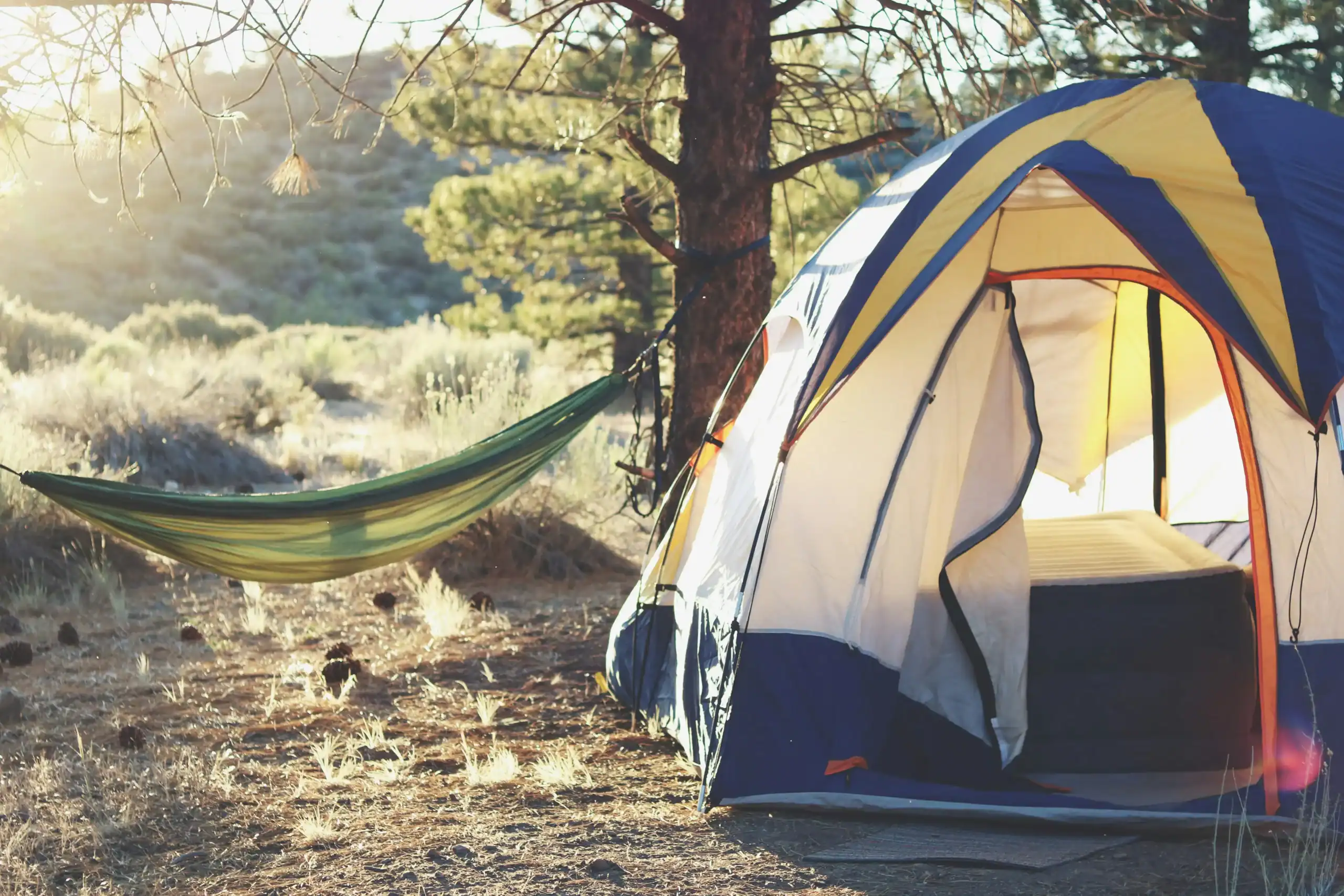
5. لماذا تختلف أسعار FOB بنسبة 40% بين عرضين متطابقين ظاهريًا.
10. الفجوة بنسبة 40% حقيقية—وتختبئ في بنود ورقة المواصفات التي يتجاهلها معظم المشترين.
11. الشهر الماضي درست عرضين لخيمة دائرية بطول 5 أمتار. نفس الصور المرفقة. نفس وصف ‘قماش 320gsm’. أحدهما جاء بسعر $210 FOB، والآخر بسعر $350. المشتري الذي احترق في طلبية بقيمة $50K قبل ثلاث سنوات اكتشف الفخ فورًا. العرض الأرخص كان يستخدم قماش 280gsm مسمى كـ 320—وكانت كثافة الخياطة 8 غرز لكل 3 سم بدلاً من 10 المطلوبة لمقاومة الرياح فوق 40 كم/ساعة. 12. جودة القماش هي أكبر متغير تكلفة منفرد في أي خيمة تخييم فاخرة. في مجموعة شاوشينغ بمقاطعة تشجيانغ، لفة قماش TC كانفاس أصلي 320gsm—مزيج البولي كوتون بنسبة 65/35—تكلف حوالي 15% أكثر لكل متر من قماش بوليستر أكسفورد 600D مع طلاء PU2000. هذه الفجوة وحدها لا تفسر تذبذب سعر FOB بنسبة 40%. الفارق الحقيقي يأتي من البدائل التي تكاد تكون غير مرئية في ورقة المواصفات: عدد الخيوط، كثافة الغزل، وطريقة تطبيق الطلاء. 13. كثافة الغزل:.
جودة القماش هي المتغير الأكبر في تكلفة أي خيمة تخييم فاخرة. في تجمع شاوشينغ بمقاطعة تشجيانغ، تبلغ تكلفة لفة من قماش TC الحقيقي بوزن 320 جرامًا لكل متر مربع — وهو مزيج من البوليستر والقطن بنسبة 65/35 — حوالي 151 تيرابايت 3 تيرابايت أكثر لكل متر مقارنة ببوليستر أكسفورد 600 دينير مع طلاء PU2000. وهذه الفجوة وحدها لا تفسر تقلب سعر FOB بنسبة 401 تيرابايت 3 تيرابايت. الفارق الحقيقي يأتي من البدائل التي تكاد تكون غير مرئية في ورقة المواصفات: عدد الخيوط، وكثافة الغزل، وطريقة تطبيق الطلاء.
-
- كثافة الغزل: قماش لوحات بوزن 320 غ/م² منسوج بخيوط 20×20 في البوصة يحافظ على بنيته تحت الشد. بينما القماش 320 غ/م² المنسوج 16×16 يبدو متماثلاً في اللمس لكنه يفقد 30% من قوة التمزق. الفرق في تكلفة القماش الخام حوالي $0.40 لكل متر. وعلى خيمة بطول 5 أمتار تستهلك 45 متراً، فإن ذلك يوفر $18 — مع منتج يتمزق في موسمه الثاني.
- تطبيق الطلاء: طلاء البولي يوريثين بالسكين يطبق طبقة على جهة واحدة. طلاء البولي يوريثين بالغمر يشبع النسيج بأكمله. تكلفة القماش المطلي بالغمر أعلى بنسبة 20-25% لكنه يوفر تصنيفات مقاومة للماء تتحمل أكثر من 50 دورة تركيب دون انفصال الطبقات. المادة المطلية بالسكين تبدأ في التقشر بعد صيفين من الطي والفتح.
- مثبطات اللهب: بعض المصانع ترش مثبط CPAI-84 على الألواح النهائية. القماش المعالج بشكل صحيح يحتوي على المادة الكيميائية المدمجة في مرحلة الصباغة. الرش يجتاز اختبار معملي مرة واحدة. المعالجة المدمجة تستمر في ظل التعرض المتكرر للمطر. المعالجة المدمجة تضيف $1.20-$1.80 لكل متر.
الجغرافيا العمالية هي الرافعة التي يتجاهلها المشترون. مصانع نينغبو تدفع لمشغلي الخياطة 20-30% أكثر من المصانع الداخلية في هوبي أو جيانغشي. خيمة القماش الثقيل تتطلب ماكينات خياطة صناعية ذات قدم المشي تعمل بسرعات أبطأ لتجنب انحراف الإبرة. في منشأة خيام التخييم الفاخر في نينغبو، تكلفة دقيقة العمل أعلى، لكن معدل أخطاء المشغل ينخفض بشكل كبير لأن القوى العاملة المتمرسة تبني الخيام منذ 15 عاماً، وليس تجميع الملابس الشهر الماضي.
مصنع خيام التخييم الفاخر في شاوشينغ ضمن شبكتنا يعمل بنموذج مختلف للطلبات التي تقل عن 50 وحدة: تسعير مفتوح. تكلفة المواد + ساعات العمل بسعر ورشة ثابت + هامش 20%. توقع اتفاقية عدم إفشاء، وترى فواتير مورديهم. هذه الشفافية تزيل غموض 40%. عرض نينغبو ذو السعر الأعلى لم يكن استغلالاً — بل كان يستخدم قماشاً مطلياً بالغمر، ومعالجة حريق مدمجة، ويدفع لمشغلين لن يتجاهلوا الغرزة العكسية على نقاط إجهاد السحاب. العرض الأرخص كان منتجاً مصمماً ليبدو متماثلاً على رف المستودع ويفشل بعد 18 شهراً من الاستخدام التجاري.
| المتغير التكلفة | المواصفة أ (عرض أقل) | المواصفة ب (عرض أعلى) | تأثير السعر | الشرح |
|---|---|---|---|---|
| مادة القماش الأساسية | 600D بوليستر أكسفورد،, طلاء PU2000 | قماش لوحات TC (بوليستر-قطن) بوزن 320 غ/م² | تكلفة القماش أقل بنسبة ~15% لكل متر للبوليستر؛ لكن خياطة القماش الثقيل تضيف ~20% تكلفة عمالة | تتطلب اللوحات القماشية أنظمة إبر أقوى، وخياطة أبطأ، وتعديلات أكثر تكرارًا لشد الماكينة، مما يعوض توفير المواد الخام. |
| الصباغة ومطابقة الألوان | ألوان المخزون من النطاق القياسي للمصنع | صباغة مخصصة مطابقة لـ Pantone، تُصبغ بكميات كبيرة قبل القص | $80–$120 لكل رسوم مطابقة لون + الحد الأدنى لكمية الطلب في مصنع الصباغة 500-1,000 متر | الخيام الجاهزة المصبوغة كملابس معرضة لتفاوت الألوان بين الألواح؛ الصباغة السليمة بالجملة تضمن التوحيد ولكنها تتطلب التزامًا بالحد الأدنى للطلب. |
| موقع الإنتاج والعمالة | مصنع داخلي بتكاليف عمالة أقل | مصنع ساحلي في نينغبو أو شاوشينغ، حاصل على شهادة ISO 9001 | فارق الأجور بنسبة 15%–25% للعمالة الماهرة في الخياطة والقص | توفر المصانع الساحلية سلاسل لوجستية أقصر، وبنية تحتية أفضل للتصدير، وإشراف ثابت على الجودة، وهو ما يأخذه المشترون المتميزون في الاعتبار عند سعر FOB. |
| كمية الطلب ونموذج التسعير | الحد الأدنى القياسي لكمية الطلب 300–1,000 وحدة، تسعير تصنيع أصلي ثابت | دفعة صغيرة 50–100 وحدة، نموذج ‘المواد + العمالة + 20%’ مفتوح الدفاتر (يتطلب اتفاقية عدم إفشاء) | يمكن أن تكون التكلفة لكل وحدة أعلى بنسبة 25%–40% في حالة الحد الأدنى المنخفض لكمية الطلب بسبب إطفاء الإعداد وعدم الكفاءة | غالبًا ما تقدم المصانع في شاوشينغ الشفافية للطلبات التجريبية، لكن الكميات الصغيرة لا تستطيع استيعاب التكاليف الثابتة كما تفعل الإنتاج بالجملة. |
| العلامة التجارية المخصصة والتشطيب | ملصق منسوج أساسي أو طباعة شاشة، موقع واحد | شعارات مطبوعة بالشاشة في مواقع متعددة، وملصقات مخصصة، وغطاء أرضي بسحاب، وموصل موقد | $0.50–$3.00 لكل وحدة للعلامة التجارية الأساسية؛ $5–$15+ لكل وحدة للعديد من الميزات المخصصة | كل فتحة مُضافة (فتحة الموقد، نافذة شبكية) تزيد من وقت القطع والختم وفحص الجودة، مما يضاعف تكاليف العمالة بالإضافة إلى تكلفة المواد. |
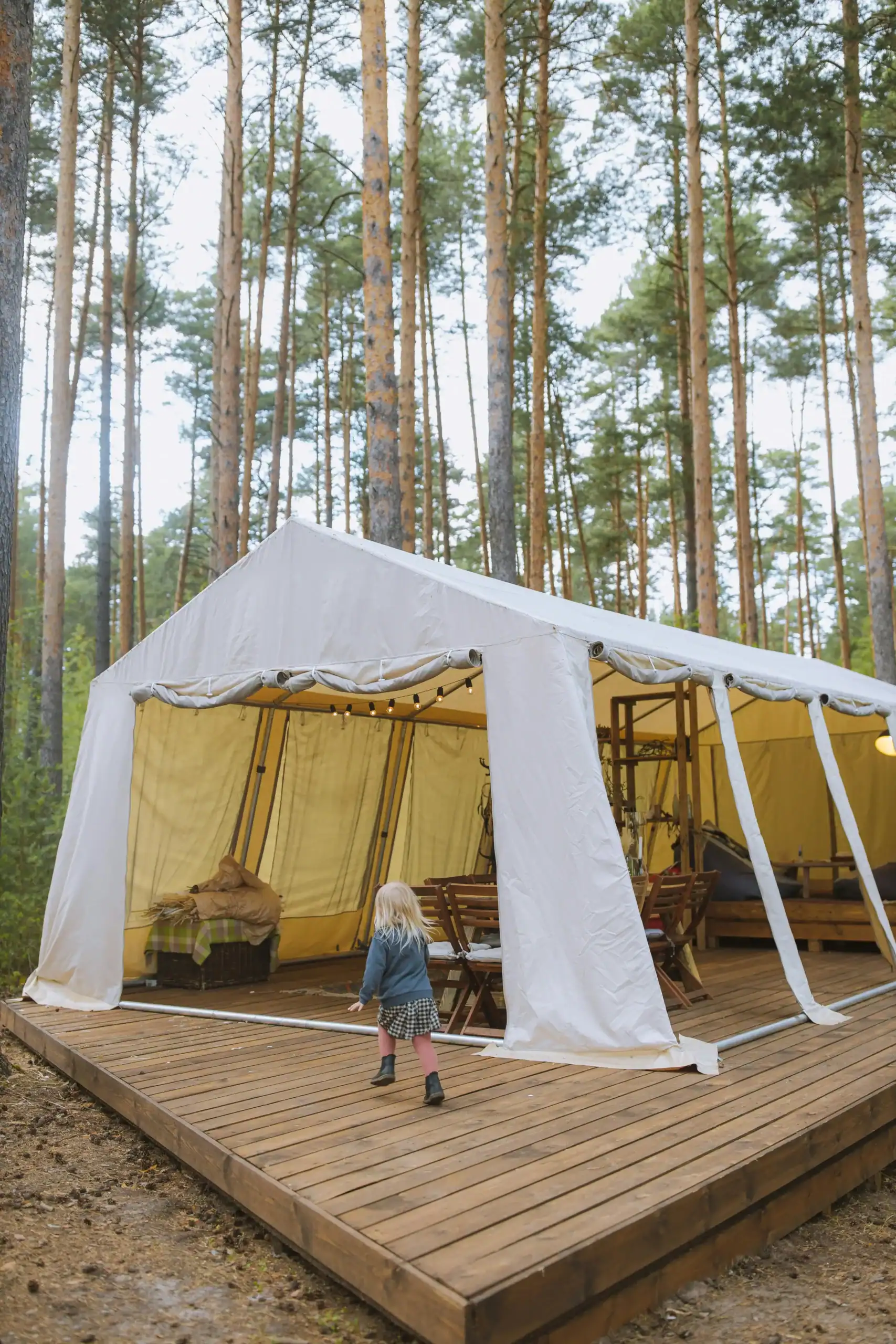
6. تشريح تكاليف خيمة كانفاس دائرية بطول 5 أمتار.
قماش TC المصبوغ بالجملة يلغي عدم تطابق الظلال؛ صبغ الخيمة الجاهزة هو خطأ مبتدئ.
خيمة الجرس بطول 5 متر تستهلك 55–65 متر مربع من قماش TC بوزن 320 غرام/م². في مصانع نينغبو، تتراوح تكلفة هذه المادة بين $2.80 و$3.50 لكل متر طولي لمزيج 320 غرام/م² مع طلاء PU قياسي بعرض 150 سم. القماش الخام لا يروي القصة كاملة—هدر التقطيع (nesting) يسبب فقدان 8–12% في القطع. تكلفة القماش الفعلية لكل خيمة تتراوح بين $180 و$240 للهيكل فقط. إذا كان المصنع يسعّر خيمة جرس 5 متر بسعر $180 FOB، فمن شبه المؤكد أنه يستبدلها بـ 600D بوليستر أوكسفورد. البوليستر أرخص بنسبة 15% لكل متر لكنه يفتقر إلى التهوية واللمسة الجمالية للقماش المخلوط بالقطن، وعقوبة العمالة فيه تعكس الحسابات في التصاميم عالية المواصفات.
مجموعة العمود المركزي—أنبوب فولاذي مجلفن بقطر خارجي 48 مم وجدار 2.5 مم، غطاء علوي، لوحة قاعدة، وقدم مطاطية—تكلف $18–$25 من ورش المعادن في شاوشينغ. نظام الباب الإطاري (A-frame) يضيف $25–$35 لعمودين رأسيين، عارضة أفقية، وموصلات مطليّة بالبودرة. المشترون الذين يتجاهلون مواصفات سمك الجدار غالباً ما يحصلون على أنابيب بسُمك 1.8 مم. هذا يوفر $4 لكل مجموعة لكنه يُحدث تمايلاً واضحاً في رياح بسرعة 25 كم/ساعة. قبل الموافقة على عينة ما قبل الإنتاج، اطلب صورة قياس بالفرجار مقابل طرف العمود.
-
- عمالة الخياطة: قماش الكانفاس الثقيل يجبر على استخدام ماكينات ذات قدم متحركة وإبر #21 التي تنكسر تحت الشد. عمالة الخياطة تستغرق 2.8–3.5 ساعة لكل خيمة، أطول بنحو 20% من خياطة خيمة بوليستر مماثلة. في نينغبو، هذا يعادل $18–$25 لكل وحدة؛ مصانع الداخل تسعّر بـ $12–$18، لكن تكاليف الشحن إلى الميناء عادةً ما تلغي الفارق. للطلبات تحت 50 وحدة، غالباً ما تلجأ مصانع شاوشينغ إلى نموذج ‘مادة + عمالة + 20%’ مفتوح الحساب إذا وقّعت على اتفاقية عدم إفشاء (NDA).
- تركيب السحّاب: خيمة جرس 5 متر تستخدم 6–8 أمتار من سحّاب بحجم #10 أو #12 للوحات الباب والنافذة. شريط سحّاب YKK الأصلي يكلف $1.20–$1.80 لكل متر بهذا القياس. تأكد من أن علامة ‘YKK’ محفورة في جسم المنزلق—وليست مختومة على لسان السحب. المنزلقات المقلدة غالباً ما تفشل بعد 400–500 دورة، مما يضمن طلبات ضمان بحلول منتصف الموسم.
- تثبيت الأرضية: الأرضية الرقائقية من PVC/PE بوزن 540 غرام/م² تأتي إما مخيطة أو بسحّاب. الأرضية المخيطة تضيف 30 دقيقة من الخياطة الماهرة و$8–$12 في المواد. نظام السحّاب يكلف $22–$30 لكنه يحوّل الأرضية إلى وحدة تخزين قابلة للبيع بعد البيع. كلا النسختين تتطلبان خطاً مرتفعاً على شكل حوض مع دعامة شريطية لاصقة لاجتياز اختبار الضغط الهيدروستاتيكي 2000 مم في الداخل. تخطي الشريط يترك تسريبات دقيقة عند فتحات الغرز بعد أول مطر غزير.
| مكون التكلفة | نموذج % من FOB | المواصفات / المادة | محركات التكلفة الرئيسية | رؤية التوريد |
|---|---|---|---|---|
| قماش الكانفاس المخلوط TC (الجسم والسقف) | 38-45% | قماش بوليستر-قطن (TC) بوزن 320 جرام للمتر المربع، مغطى بطبقة PU، عرض ~150 سم؛ تقريبًا 42-48 مترًا خطيًا لكل خيمة بحجم 5 أمتار | وزن القماش، جودة الطلاء، عدد الخيوط؛ الصبغ حسب ألوان Pantone يضيف $80-$120 لكل لون ويتطلب حدًا أدنى للطلب في مصنع الصبغ يتراوح بين 500-1,000 متر | الإصرار على القماش المصبوغ بكميات كبيرة بدلاً من الخيام المصبوغة بعد التصنيع لمنع عدم تطابق ألوان الألواح؛ قماش TC يكلف ~15% أكثر من قماش بوليستر أوكسفورد 600D ولكنه يوفر جماليات التخييم الفاخرة الحقيقية |
| عمود مركزي من الفولاذ المجلفن ونظام باب بإطار A | 18-22% | العمود المركزي: قطر ø48 مم × سمك جدار 2 مم، مجلفن بالغمس الساخن؛ أعمدة باب الإطار A: قطر ø25 مم؛ يشمل خطافات الشد ولوحة القاعدة | مقياس الفولاذ، طريقة الجلفنة (الغمس الساخن مقابل الكهربائي)، وصلات الأعمدة؛ الوصلات المستوردة تزيد التكلفة إذا تم تحديدها | التحقق من سمك الجلفنة (≥85 ميكرومتر للمناخات الساحلية)؛ معظم مصانع نينغبو وشاوشينغ تقدم بدائل قياسية بطلاء مسحوق تقلل التكلفة ولكنها تتطلب فحصًا أكثر صرامة للصدأ |
| عمالة الخياطة والتجميع | 20-25% | خياطة قماش القماش الثقيل، درزات مزدوجة، تعزيزات بنقاط الشد؛ تركيب السحاب، تثبيت الأرضية، والتجميع النهائي | تكلفة عمالة خياطة القماش الثقيل ~20% أعلى من البوليستر بسبب كسر الإبر وضبط شد الماكينة؛ العمال المهرة في شاوشينغ يتقاضون أجورًا أعلى من المصانع الداخلية | طلب تسعير مفتوح ‘مادة + عمالة + 20%’ للطلبات أقل من 50 وحدة (شائع في شاوشينغ) بعد توقيع اتفاقية عدم إفشاء؛ مقارنة معدلات الأجور بين نينغبو وهوبي الداخلية لتوفير 7-12% |
| السحابات، الأرضية، وملحقات التثبيت | 8-12% | سحابات YKK #10 أو ما يعادلها؛ أرضية شبكية مغطاة بطبقة PVC/TPU بوزن 540 جرام للمتر المربع؛ حلقات D، حلقات الأوتاد، مشدات الحبال، ومجموعة الأوتاد | إضافة أرضية مثبتة بسحاب تضيف $12-$18 لكل وحدة؛ السحابات ذات العلامات التجارية (YKK) تكلف 40-60% أكثر من النوع العام؛ سمك مادة الأرضية ونوع الطلاء | تحديد ‘أرضية مثبتة بسحاب مع مسار سحاب مقلوب’ لتقليل تسرب المياه؛ تجميع سحابات الأرضية والجدران من نفس المورد لضمان تناسق المقياس واللون |
| التشطيبات والتغليف والشهادات | 5-8% | شعار مطبوع بالشاشة (0.40-0.80 دولار/وحدة + 35-60 دولار إعداد)، ملصقات منسوجة (0.15-0.30 دولار/وحدة)، معالجة مقاومة للهب CPAI-84، علامة CE، كيس بلاستيكي أو حقيبة حمل مخصصة | الملصقات المنسوجة المخصصة لها تكلفة ضئيلة لكل وحدة ولكن رسوم إعداد لمرة واحدة؛ رذاذ مقاومة اللهب يضيف 2-5 دولار/خيمة؛ الكراتين المخصصة للتصدير تزيد حجم التعبئة بنسبة 12-18% | دمج عناصر التخصيص في كتلة فنية واحدة لتقليل تكاليف إعداد الطباعة بالشاشة؛ عادةً ما يتم تضمين فحص ما قبل الشحن (AQL 2.5) من مصانع معتمدة من ISO 9001—اطلب تقرير عينة قبل تأكيد الطلب |
7. محركات تكلفة التخصيص.
طلب ‘مخصص’ بدون حد أدنى لصبغة اللون يعني أنك تدفع ثمن ألوان المخزون المتبقية—اسأل دائمًا.
لقد دخلت إلى مصنع في شاوشينغ ورأيت كومة من خيام الجرس بطول 5 أمتار مُعلَّمة لإعادة العمل. كان المشتري قد تخطى صباغة القماش بالجملة، معتمدًا على ‘صباغة الملابس’ للخيام الجاهزة. النتيجة: عدم تطابق لوني مرئي بين ألواح السقف والجدران الجانبية. تجنب ذلك. تكلفة مطابقة لون بانتوين واحدة في عام 2026 تتراوح بين 80-120 دولارًا لكل لون، وعادةً ما يطلب مصنع الصباغة حدًا أدنى يتراوح بين 500-1000 متر. عند حساب تكلفة خيمة التخييم الفاخرة ذات العلامة التجارية الخاصة، فإن طريقة الصباغة هي أكبر متغير بعد المادة الأساسية. في طلب 300 وحدة، توزيع رسوم المطابقة البالغة 100 دولار على الوحدات يكلفك 0.33 دولار لكل خيمة—أمر تافه. ما يعود عليك هو تجاهل الحد الأدنى لكمية الطلب. إذا كان استهلاك القماش لخيمتك هو 15 مترًا طوليًا وتحتاج فقط إلى 3000 متر إجمالاً ولكنك قسمت ذلك على ثلاثة ألوان—كل منها أقل من الحد الأدنى—فإما أن تدفع رسومًا إضافية أو تتحول إلى ألوان المخزون. الألوان المخزونة لا تكلف شيئًا إضافيًا، ولكن لون ‘الأخضر الحكيم المميز’ لعلامتك التجارية هو من إنتاج شخص آخر المتبقي من الموسم الماضي.
تحدد تركيبة الألياف أيضًا عملية الصباغة المناسبة. أغلفة البوليستر-أكسفورد تأخذ أصباغ التشتت؛ خلطات قماش TC تتطلب عملية صباغة بالحوض للقطن وتمريرة منفصلة للبوليستر. نادرًا ما تفصل المصانع تلك التمريرة الثانية—تظهر كعلامة إضافية بنسبة 5-8% على معدلات صباغة البوليستر القياسية. إذا كان تفاوت الجودة لديك ضيقًا، اكتب ‘مطلوب موافقة على عينة الصباغة قبل الصباغة بالجملة’ في عقد الشراء. تكلف عينة الصباغة 30-50 دولارًا لكل تقديم وتصل كقطعة قماش بحجم اليد في 3-5 أيام. لقد رفضت ثلاث عينات متتالية للون رمادي فحمي كان يتحول إلى الأزرق تحت ضوء النهار. تلك المراجعة الرابعة لا تكلف شيئًا مقارنة بحاوية من الخيام المرتجعة من متاجر التجزئة.
للعلامات التجارية، التسلسل الهرمي للتكلفة من الأقل إلى الأعلى تأثير FOB لكل وحدة هو: الملصقات المنسوجة، الشعارات المطبوعة بالشاشة، ثم التطريز. رسوم إعداد الطباعة بالشاشة لقماش الخيام في عام 2026 تتراوح بين 45-80 دولارًا لكل شاشة، مع تكاليف الطباعة لكل وحدة تتراوح من 0.15 دولار لعلامة صغيرة بلون واحد على الصدر إلى 1.20 دولار لطباعة كاملة الظهر متعددة الألوان على مظلة المخيم. الملصقات المنسوجة هي الخيار الخفي—0.08-0.25 دولار لكل ملصق، بما في ذلك الخياطة، مع عدم وجود خطر تلاشي اللون تحت التعرض للأشعة فوق البنفسجية. أحدد الملصقات المنسوجة في كل خيمة تخييم فاخرة تُباع في الأسواق الأسترالية أو جنوب غرب الولايات المتحدة. عندما يطلب مدير العلامة التجارية شعارًا كبيرًا مطبوعًا بالشاشة عبر لوحة باب بعرض 4 أمتار، أقتبس 1.00-2.50 دولار إضافية لكل خيمة؛ تلك اللوحة تتطلب شاشة عملاقة، وتمريرات ممسحة أبطأ، ومحاذاة يدوية تقتل الإنتاجية.
ترقيات الميزات هي حيث تصبح الموافقة على العينة وثيقة التأمين الخاصة بك. إضافة أرضية قابلة للسحّاب تضيف 12-25 دولارًا لسعر الجملة لخيمة الجرس لكل وحدة اعتمادًا على مادة الأرضية وحجم السحّاب. حدد سحّابات YKK Vislon، وليس سحّابات ملفوفة غير موثوقة. يتم التقليل باستمرار من تقدير مواقد الموقد. موقد ألياف زجاجية مطلي بالسيليكون مع رفرف عاصفة مربوط بالفيلكرو يكلف 8-15 دولارًا لكل خيمة ويتطلب 0.6 ساعة عمل إضافية للتعزيز بدقة بخياطة مزدوجة. ترقيات شبكة النوافذ—التغيير من شبكة قياسية 68D غير مرئية إلى شبكة بوليستر 80 جم/م² مع لوحة خصوصية بسحّاب—تضيف 18-30 دولارًا. نسبة تكلفة العمالة إلى المواد في هذه الإضافات تبلغ حوالي 60:40؛ تكلفة القماش أقل من الخياطة الماهرة المطلوبة لتثبيته دون تجعيد ألواح الجسم.
قاعدتي للطلبات متعددة الميزات التي تقل عن 50 وحدة: تفاوض على التسعير المفتوح. عادةً ما يوافق مصنع صغير في شاوشينغ على ‘مواد + عمالة + 20%’ إذا كنت على استعداد لتوقيع اتفاقية عدم إفشاء. في طلب ثلاثين خيمة بطول 4 أمتار، الفرق بين عرض سعر FOB ثابت بقيمة 280 دولارًا وتسعيرًا مفتوحًا مدققًا بتكلفة 223 دولارًا + ربح 44.60 دولارًا يمكن أن يغطي فاتورة الشحن بالكامل. كل دولار من هذا الفرق هو هامش تحتفظ به عندما تبدأ دورة البيع بالتجزئة.
| محرك التكلفة | تأثير التكلفة | المواصفات وتفاصيل الرسوم | دلالات التوريد |
|---|---|---|---|
| صباغة القماش المطابقة لبانتون | تكلفة أولية مرتفعة؛ استهلاك منخفض لكل وحدة | $80–$120 لكل مطابقة لون. الحد الأدنى لكمية الطلب في مصبغة الصباغة: 500–1000 متر. يُصر على صباغة القماش بالجملة، وليس الخيام النهائية المصبوغة كملابس، لتجنب عدم تجانس لون الألواح. | الأفضل للطلبات التي تزيد عن 50 وحدة لاستهلاك رسوم الإعداد. الألوان المخزونة لا تحمل رسوم مطابقة وتتمتع بأوقات تسليم أسرع. |
| الشعارات المطبوعة بالشاشة والعلامات المنسوجة | تكلفة أولية معتدلة؛ ضئيلة لكل وحدة عند الإنتاج الضخم | إعداد الشاشة: $40–$80 لكل شاشة. طباعة الشاشة: $0.15–$0.35 لكل موقع. ملصقات منسوجة: $0.08–$0.18 لكل قطعة. ملصقات مطبوعة رقميًا: $0.05–$0.12 لكل قطعة. | اجمع بين طباعة الشاشة والملصقات المنسوجة لأصالة العلامة التجارية. عند كميات الطلب الأدنى (MOQ) أقل من 200 وحدة، يمكن أن تؤدي رسوم الإعداد إلى تضخيم تكلفة الوحدة بنسبة 8–12%. |
| ترقية الحصيرة الداخلية القابلة للسحاب | يزيد تكلفة الوحدة بمقدار $18–$45 | يضيف خطوة إنتاج منفصلة لتركيب السحاب على كل من الأرضية وهيكل الخيمة. قماش أوكسفورد 210D مع طلاء PU3000 يضيف $12–$25؛ الأرضية الشبكية PVC/TPU تضيف $30–$50. يتأرجح نوع السحاب (YKK مقابل عام) بتكلفة تتراوح بين $4–$8. | تجار التجزئة الذين يستهدفون شريحة ‘التخييم الفاخر’ يجب عليهم تحديد ذلك؛ فهو يرفع القيمة المتصورة بشكل غير متناسب مع التكلفة. |
| فتحة المدخنة مع شفة مقاومة للحريق | يضيف $35–$85 لكل خيمة | شفة من الألياف الزجاجية المشبعة بالسيليكون والمقدرة بـ500 درجة مئوية+ إلزامية. يضيف القماش المعتمد CPAI-84 للرفرف المحيط $12–$25. العمالة للقطع الدقيق والخياطة المزدوجة تضيف $8–$15. | فقط 18% من خيمة الجرس (bell tent) المشترون يحددون هذا، لكنه يحقق هامش بيع بالتجزئة أعلى بنسبة 15–20%. تأكد من أن المصنع يقدم شهادة CPAI-84، وليس مجرد تأكيد شفهي. |
| نوافذ شبكية وألواح تهوية | يضيف $25–$60 لكل خيمة | خيارات الشبكة المقاومة للبعوض: درجة B3 (قياسية) مقابل درجة B2 (بوليستر فائق النعومة، إضافي $8–$15 لكل نافذة). نافذة قابلة للطي بسحاب مع رفرف عاصفة: $15–$30 لكل نافذة. العمالة لكل فتحة نافذة: $4–$8. | حدد درجة الشبكة مسبقًا؛ الاستبدال بدرجة أقل يوفر $10–$20 لكل خيمة ولكنه يولد تقييمات سلبية في المناخات كثيفة الحشرات. |
| مكونات مصبوبة بالحقن مخصصة | تكلفة أولية عالية جدًا؛ تكلفة قريبة من الصفر لكل وحدة | تكلفة القالب لمكون واحد (مثل وتد خيمة مخصص، غطاء عمود مركزي): $1,200–$6,000. تكلفة الوحدة بعد ذلك: $0.30–$1.50. المهلة الزمنية لإنتاج القالب: 15–25 يومًا. | قابلة للتطبيق فقط للطلبات التي تزيد عن 500 وحدة أو خطوط الإنتاج الرئيسية. للطلبات التي تقل عن 200 وحدة، استخدم مكونات مخزنة مع أنودة مخصصة، وسم بالليزر، أو طلاء مسحوق. |
| التغليف والعلامات المعلقة ذات العلامة الخاصة | يضيف $2.50–$9.00 لكل خيمة | صندوق مخصص بألوان كاملة: $1.50–$4.00 لكل وحدة (الحد الأدنى للكمية 300). علامة معلقة منسوجة مخصصة: $0.15–$0.30. دليل عناية مطبوع: $0.10–$0.25. ملصق باركود/تجزئة مع خيط: $0.05–$0.12. | التغليف المخصص غير قابل للتفاوض لمديري فئات التجزئة—خطط لتكلفة إضافية تتراوح بين $3.00–$7.00 من FOB لكل خيمة. شراء التغليف بكميات كبيرة بشكل منفصل عن الخيام يمكن أن يوفر 10–15%. |
| الاختبارات المعملية والشهادات من طرف ثالث (CE, CPAI-84, REACH) | $600–$2,800 لكل منتج لكل سوق | شهادة CE للخيمة: $800–$1,500. CPAI-84 القسم 5 (قابلية اشتعال الخيمة): $600–$1,200 لكل اختبار. فحص REACH SVHC: $300–$800. تدقيق مصنع ISO 9001: مشمول بالفعل بشبكة شركاء Kelyland. | هذا بند إنفاق ‘يجب دفعه’. لا تقبل ادعاء المورد بأنه ‘متوافق مع CE’ بدون شهادة من مختبر معترف به (SGS, TÜV, Intertek). عدم الامتثال الخفي يؤدي إلى استرداد 100% إذا تم رفض البضائع في الجمارك الأوروبية. |
| التسعير المفتوح نموذج (أقل من 50 وحدة) | هيكل هامش ربح شفاف؛ هامش ربح المصنع 20% | تقبل العديد من مصانع خيام التخييم الفاخر في شاوشينغ التسعير المفتوح لـ ‘المواد + العمالة + 20%’ للطلبات التي تقل عن 50 وحدة، بشرط توقيع NDA. تكلفة المواد: 50–60% من الإجمالي. العمالة: 20–25%. هامش المصنع: 15–20%. | بالنسبة لمفاوضات تكلفة خيام التخييم الفاخر ذات العلامة الخاصة بكميات صغيرة، فهذه هي الرافعة الأقوى المتاحة. اطلب تفصيل تكلفة BOM في RFQ الأولي لتثبيت المحادثة. |
8. نطاقات الأسعار لعام 2026 حسب نوع الخيمة (FOB نينغبو/شانغهاي).
الفجوات السعرية بهذا الاتساع ليست جشع الموردين — بل هي قرارات ورقة المواصفات على أربعة مستويات عميقة.
عرض سعر FOB لخيمة جرس 4 أمتار بسعر $215 وآخر بسعر $410 لما يبدو أنه نفس المنتج. الفرق ليس تضخيم الهامش. عادة ما يكون وزن القماش، وسمك جدار العمود، وما إذا كان منفذ الموقد مدمجًا بالسيليكون أم مجرد رفرف مخيط يتسرب في الحرق الثاني. تجاهل الصور في الكتالوج. قارن بنود ورقة المواصفات مقابل هذه النطاقات من أبواب المصنع لعام 2026.
-
- خيام جرس 3–5 متر: $180–$450 FOB: في أسفل هذا النطاق توجد خيمة 3 متر من قماش القطن 210gsm متوفر في المخزون مع عمود مركزي بنابض علوي وفرش أرضي PE أساسي — مناسب لأساطيل التأجير في الطقس المعتدل. انتقل إلى خيمة 5 متر مع قماش TC 320gsm, وباب على شكل A مقوى، ونافذتان بنصف قمر بسحاب، وأرضية دلو PVC بسحاب، وستكون عند $410–$450. القماش وحده يمثل حوالي 55% من تكلفة المواد الخام بهذا الحجم. إذا كنت تشتري بأقل من $180، فأنت تحصل على قماش مصبوغ بالصباغة الملابسية مع تباين في اللون بين الألواح — اطلب تقرير معايرة دفعة الصبغة قبل الموافقة على عينة ما قبل الإنتاج.
- خيام على طراز اليورت بمساحة 20–30 متر مربع: $2,800–$6,500 FOB: تعكس هذه الأسعار فلسفات بناء مختلفة تمامًا. يستخدم يورت 20 متر مربع بسعر $2,800 إطارًا فولاذيًا بنابض قابل للطي مع جدار بوليستر أحادي الطبقة. يستخدم يورت 30 متر مربع بسعر $6,500 إطار ألومنيوم هيكلي بمظهر خشبي، وجدران معزولة مزدوجة الطبقة، ونافذة سقف لمراقبة النجوم مع واقي مطر TPU، ونظام أرضية من الخشب الصلب المشدود. الإطار وحده يقفز من $400 إلى $1,200+ عند تحديد موصلات ألومنيوم مقذوف بدلاً من أقواس فولاذية مختومة. أمر غير قابل للتفاوض: إذا لم تكن سعة تحميل الأرضية مختومة على المنصة، فانسحب. تحتاج منشآت الضيافة إلى أرضية مصنفة، وليس مشمعًا.
- خيام سفاري متعددة الغرف بسقف صلب: $4,500–$12,000 FOB: الوحدة الأساسية بسعر $4,500 تمنحك تخطيط غرفتين مع غشاء سقف PVC صلب، وإطار فولاذي مطلي بالبودرة، وشبكات نوافذ أساسية. الوحدة بسعر $12,000 هي حيوان مختلف: عوارض سقف ألومنيوم مخصصة، وجدران معزولة بألواح ساندوتش، وأنظمة مزراب متكاملة، وفواصل غرف بسحاب مع بطانة تعتيم، ونوافذ زجاجية بثلاثة ألواح مع شاشات حشرات. في هذه الفئة، يمكن أن تتجاوز تكاليف الشحن قيمة FOB — أنت تدفع مقابل حجم الحاوية بقدر ما تدفع مقابل البناء. معظم المشغلين الجادين في قطاع السفاري يتفاوضون على شروط DDP بمجرد تثبيت التصميم، لأن تقلب الشحن على الطلبات التي تقل عن 500 متر مكعب سيدمر توقعات التكلفة الواصلة.
شيء واحد يفصل الربع الأدنى عن البقية: الموافقة على العينة. عندما يأتي عرض سعر خيمة الجرس بأقل من $200، فمن المحتمل أن المصنع يحرق قماش المخزون الراكد للوصول إلى هذا الرقم. جيد لمناسبة موسمية عابرة. ليس جيدًا لعلامة تجارية تبني سمعة على سلامة الطقس. قم دائمًا بتثبيت السعر المذكور على تركيبة مواد محددة وعينة ما قبل الإنتاج مختومة — الوعود الشفهية حول وزن القماش تختفي بمجرد إيداع الدفعة المقدمة.
| نوع الخيمة | نطاق الحجم | نطاق سعر FOB (2026) | الميزات الرئيسية | تأثير تكلفة التخصيص |
|---|---|---|---|---|
| خيمة الجرس القماشية | قطر من 3 أمتار إلى 5 أمتار | $180 – $450 | قماش مخلوط TC، إطار فولاذي مجلفن، باب على شكل حرف A، خيار فتحة الموقد، غطاء أرضي بسحاب | صباغة بانتون (إعداد +$80-$120)، طباعة الشعار (+$0.50-$1.20/الوحدة)، ترقيات النوافذ الشبكية (+$15-$35/الوحدة) |
| خيمة تخييم فاخرة على طراز اليورت | من 20 مترًا مربعًا إلى 30 مترًا مربعًا | $2,800 – $6,500 | جدران معزولة متعددة الطبقات، هيكل إطار خشبي، ألواح نوافذ بانورامية، نظام أرضيات متكامل، مقاومة للرياح حتى 60 ميلاً في الساعة | مخططات أرضية مخصصة (+$400-$900)، لمسات خشبية منقوشة بالعلامة التجارية (+$120/مجموعة)، حزمة عزل مطورة (+$300-$600) |
| خيمة سفاري متعددة الغرف (سقف صلب) | من 30 مترًا مربعًا إلى 60 مترًا مربعًا+ (2-4 غرف) | $4,500 – $12,000 | إطار سقف صلب من الفولاذ، قسم حمام خاص، نظام أرضيات من الخشب الصلب، نوافذ بارتفاع كامل، قماش مقاوم للحريق CPAI-84 | هندسة تخطيط مخصصة (+$800-$1,500)، تركيبات حمام فاخرة (+$600-$2,000)، مقابض أبواب وتجهيزات ذات علامة تجارية (+$80-$250) |
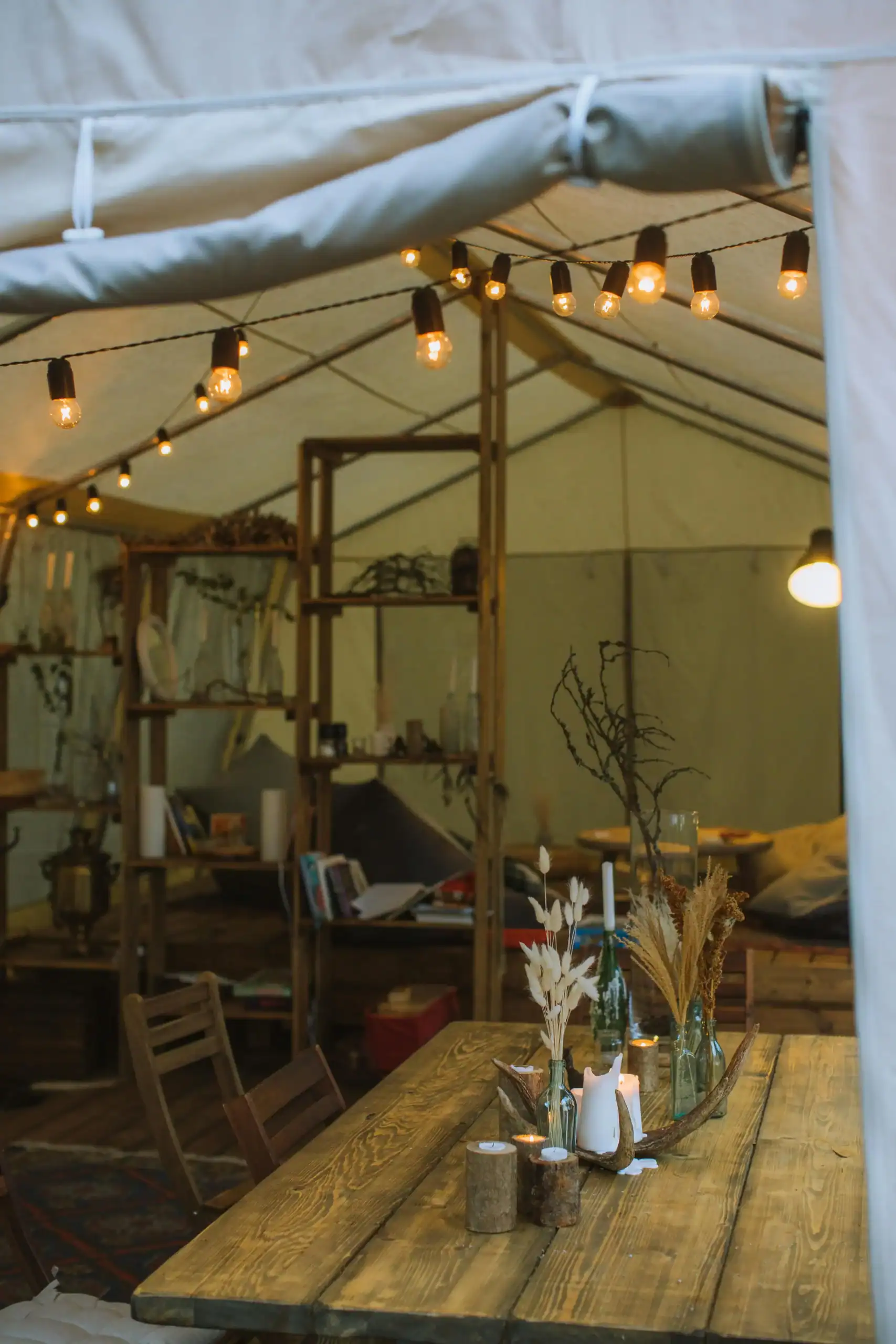
9. كيفية قراءة عرض الأسعار مثل مدير مشتريات.
بنود التفتيش التي تتجاوز $300 في طلب أقل من $5,000 نادرًا ما تكون مشروعة.
أنت تقف في مستودعك في روتردام، تحدق في حاوية بطول 40 قدمًا من خيام الجرس بطول 5 أمتار مع تباين ألوان بين الألواح. كانت العينة الأولية تبدو مثالية. دفعة الإنتاج الضخم؟ أربعة درجات من الرمل عبر 300 وحدة. عندها يكتشف معظم مدراء الفئات أنهم دفعوا مقابل ‘تفتيش’ لم يحدث أبدًا، أو أن ‘رسوم التوثيق’ لم تغط شيئًا سوى ملف PDF أنشأه شخص ما في 90 ثانية.
الهامش بين موسم مربح وشطب الخسائر غالبًا ما يختبئ في آخر 10 أسطر من عرض الأسعار—قسم الرسوم. يقرأ مديرو التوريد المحترفون عروض الأسعار بالعكس، بدءًا من الإجمالي وصعودًا عبر كل رسم إضافي حتى يفهموا بالضبط ما يدفعون مقابله وما هو مجرد حشو هامش الربح.
تبلغ تكلفة التفتيش القياسي من طرف ثالث من وكالة معتمدة (SGS، Intertek، Bureau Veritas) على حاوية واحدة في عام 2026 حوالي $280-$350 لكل يوم عمل في نينغبو. إذا أظهر عرض الأسعار ‘رسوم التفتيش: $650’ لطلب خيمة بسيط، اطلب اسم وكالة التفتيش، تنسيق التقرير المقدم، ومستوى AQL المحدد المستخدم. المصانع التي تطلب بالفعل مفتشين خارجيين يمكنها تقديم الثلاثة جميعًا خلال 24 ساعة. المصانع التي تختلس الفرق تصمت فجأة.
-
- تكلفة الفحص المشروعة (2026): $280-$350 لكل يوم عمل من SGS/Intertek/Bureau Veritas. لا ينبغي أن يظهر فحص الجودة الداخلي للمصنع كبند منفصل - فهو تكلفة عامة، وليس خدمة.
- مصطلحات التحذير الأحمر: ‘رسوم ضمان الجودة’، ‘رسوم المناولة الإضافية قبل الشحن’، ‘رسوم الإشراف على التحميل’. هذه تكاليف تشغيل للمصنع مقنعة كمصاريف قابلة للتحويل. احذفها.
- تكلفة المستندات المشروعة: إجمالي $40-$80 لمجموعة مستندات التصدير القياسية عبر وكلاء نينغبو/شانغهاي. أي مبلغ يزيد عن $120 يتطلب إيصالًا من الوكيل، وليس من المصنع.
من ناحية الخدمات اللوجستية، افتراضيًا يختار معظم المشترين الشحن البحري لكل شيء. غريزة خاطئة. بالنسبة للعينات - خاصة خيمة التخييم الفاخرة بطول 5 أمتار التي تُعبأ في كرتونة وزنها 30 كجم وأبعادها 120x40x40 سم - غالبًا ما يكون الشحن الجوي أرخص في التكلفة الإجمالية المسلمة. الشحن البحري لشحنة كرتونة واحدة (LCL) يتقاضى رسومًا وثائقية، ورسوم مناولة طرفية، وحدودًا دنيا لرسوم التخليص الجمركي، ورسوم ميناء وجهة يمكن أن تصل إلى $180-$220 قبل تكلفة الشحن البحري نفسها. الشحن الجوي لنفس الكرتونة عبر خدمة مجمعة (ناقلات مثل Cargolux أو Air China Cargo عبر شاوشينغ) يكلف حوالي $4.50-$5.80 لكل كيلوغرام في 2026. عند 30 كجم، يكون ذلك $135-$175 من الباب إلى الباب من شاوشينغ إلى معظم مراكز أوروبا الغربية أو الساحل الغربي للولايات المتحدة.
نقطة التحول حوالي 60 كجم من وزن الكرتونة. أقل من 60 كجم، ينخفض الشحن الجوي عن الشحن البحري (LCL) في التكلفة الإجمالية عند إضافة جميع الرسوم. فوق 60 كجم، قم بالتجميع في شحن بحري وانتظر 25-35 يومًا. إذا كان موردك لا يستطيع شرح هذه الحسابات ويفترض أن يقدم الشحن البحري لكل شيء، فهو إما غير ملم بشبكة الوكلاء أو يكسب هامش مناولة على أي طريقة تقبلها.

الخاتمة
كل ميزة إضافية في خيمة التخييم الفاخرة - صبغة مطابقة لـ Pantone، حشية أرضية قابلة للسحاب، مدخنة موقد - لا تضيف تكلفة فقط. بل تضيف طبقة من تعقيد سلسلة التوريد يمكن أن تغير سعر FOB بنسبة 15-30%. فهم أين تذهب هذه الدولارات داخل المصنع يمنحك القدرة على التفاوض، وليس مجرد قبول، عرض السعر.
معيار: للطلبات التي تقل عن 50 وحدة، تعمل العديد من مصانع شاوشينغ على نموذج تسعير مفتوح (مواد + عمالة + 20%) إذا وقعت اتفاقية عدم إفشاء. استخدم هذه الصيغة كمرساة عند مراجعة عروض الأسعار على مستوى المواصفات. للحصول على تفصيل مخصص لمشروعك، ناقش متطلباتك مع خبير يمكنه توجيهك خلال إنتاجية القماش وساعات العمل وتكاليف التشطيب سطرًا بسطر.
الأسئلة الشائعة
ما هو سعر الجملة لخيمة الجرس بطول 5 أمتار؟
تتراوح تكلفة خيمة الجرس بطول 5 أمتار عادةً بين 180 دولارًا و450 دولارًا (FOB نينغبو/شنغهاي) لعام 2026. ويعتمد النطاق على وزن القماش، ومادة الأعمدة، وتوافر المخزون مقابل المواصفات المخصصة. احصل على عرض أسعار محدد فقط بعد تحديد قائمة المواد الخاصة بك.
لماذا يختلف عرضا أسعار خيمتين متشابهتين بنسبة 40٪؟
عادةً ما يعود الفارق إلى وزن القماش، وجودة الأعمدة، ورسوم الفحص الخفية. فالقماش الأخف أو الأعمدة الفولاذية البسيطة تقلل التكلفة مع الحفاظ على الصور متطابقة تقريبًا. قارن دائمًا بنود الأسعار، وليس السعر النهائي فقط.
ما هو الحد الأدنى لكمية الطلب للخيام الفخمة المخصصة؟
يمكن أن يبدأ الحد الأدنى لكمية الطلب (MOQ) من 50 وحدة لبعض الموديلات، لكن التشغيلات القياسية تتراوح بين 300 و1000 قطعة. الطلبات الأصغر ممكنة باستخدام الأقمشة المخزنة مع تكاليف أعلى لكل وحدة. تفاوض على الحد الأدنى للكمية إلى جانب خيارات المادة واللون.
كيف يؤثر التخصيص بالعلامة التجارية على سعر الجملة؟
الصباغة المخصصة وطباعة الشعارات تضيف رسوم إعداد بالإضافة إلى هامش ربح لكل وحدة، خاصة في الطلبات الصغيرة. الالتزام بالألوان القياسية والعلامات المنسوجة يحافظ على تكاليف يمكن التنبؤ بها. اطلب الحد الأدنى لكمية الصباغة قبل الالتزام بلون مخصص.
ما هو المهلة الزمنية لطلب خيمة التخييم الفاخرة؟
يستغرق الإنتاج القياسي من 30 إلى 45 يومًا بعد تأكيد المواد والدفعة الأولى. يمكن أن تمتد الطلبات المعقدة أو طلبات موسم الذروة لأكثر من 45 يومًا. قم بحجز نافذة الإنتاج الخاصة بك مبكرًا لتجنب التأخير.

 English
  Español
  Deutsch
  Français
  Português do Brasil
  Русский
  العربية
  한국어
한국어  日本語
日本語