 تخطي إلى المحتوى
فقد مشترٍ أعرفه $50,000 على حاوية من مخزون أكياس نوم صناعية معبأة بالأسفل لأن العينة قبل الإنتاج اجتازت كل الفحوصات، لكن دفعة الإنتاج الضخم لم تطابقها. كان وزن الحشوة أقل بمقدار 12%. تخطى خياطة الحواجز مواصفات القص التفاضلي التي تم اعتمادها في مرحلة الموافقة على العينة. وبحلول الوقت الذي بدأ فيه العملاء بنشر شكاوى الطقس البارد في الشهر السادس، كان معدل الإرجاع قد اقتطع 14 نقطة من هامش المنتج. كانت ورقة المواصفات مثالية. لم تكن الشحنة كذلك. اثنا عشر عامًا من إدارة تدقيقات الموردين عبر عدة دول يعلمك أن الفجوة بين النموذج الأولي المعتمد وحاوية الإنتاج هي المكان الذي تتبخر فيه قيمة العلامة التجارية، ومادة الحشو هي أكبر متغير في تلك المعادلة.
تتحدث الصناعة بلا نهاية عن نسب الدفء إلى الوزن الأولية. تلك المحادثة تتجاهل الخط الزمني الحقيقي للفشل. أكياس النوم الاصطناعية المخيطة بالكامل تصل إلى منحدر حاد حوالي العام الخامس، حيث تفقد أكثر من 30% من ارتفاع الحشوة بينما يقوم هجرة الألياف وانضغاطها بعملهما البطيء. تظهر بيانات المختبر من اختبار الدورة المتسارع EN 13537 أن زغب الإوز عالي قوة الحشو يفقد فقط 1% من الارتفاع لكل 50 دورة ضغط بعد 250 دورة، بينما يفقد الألياف الاصطناعية المجوفة القياسية 3% خلال نفس الفترة. معظم مديري العلامات التجارية لا يطلبون أبدًا تقرير الاختبار هذا. أولئك الذين يطلبونه يتفاوضون على تفاوت جودة مختلف تمامًا مع شريكهم المصنعي—وهم الذين يبيعون منتجات تدوم 10 سنوات بدلاً من معالجة مطالبات الضمان في السنة الثالثة. هذه هي المحادثة التي نجريها اليوم، لأن قرار الحشو الذي تثبته في ورقة مواصفات OEM هو الذي سينام عليه عملاؤك لفترة طويلة بعد نسيان جدول بيانات تسعير FOB.
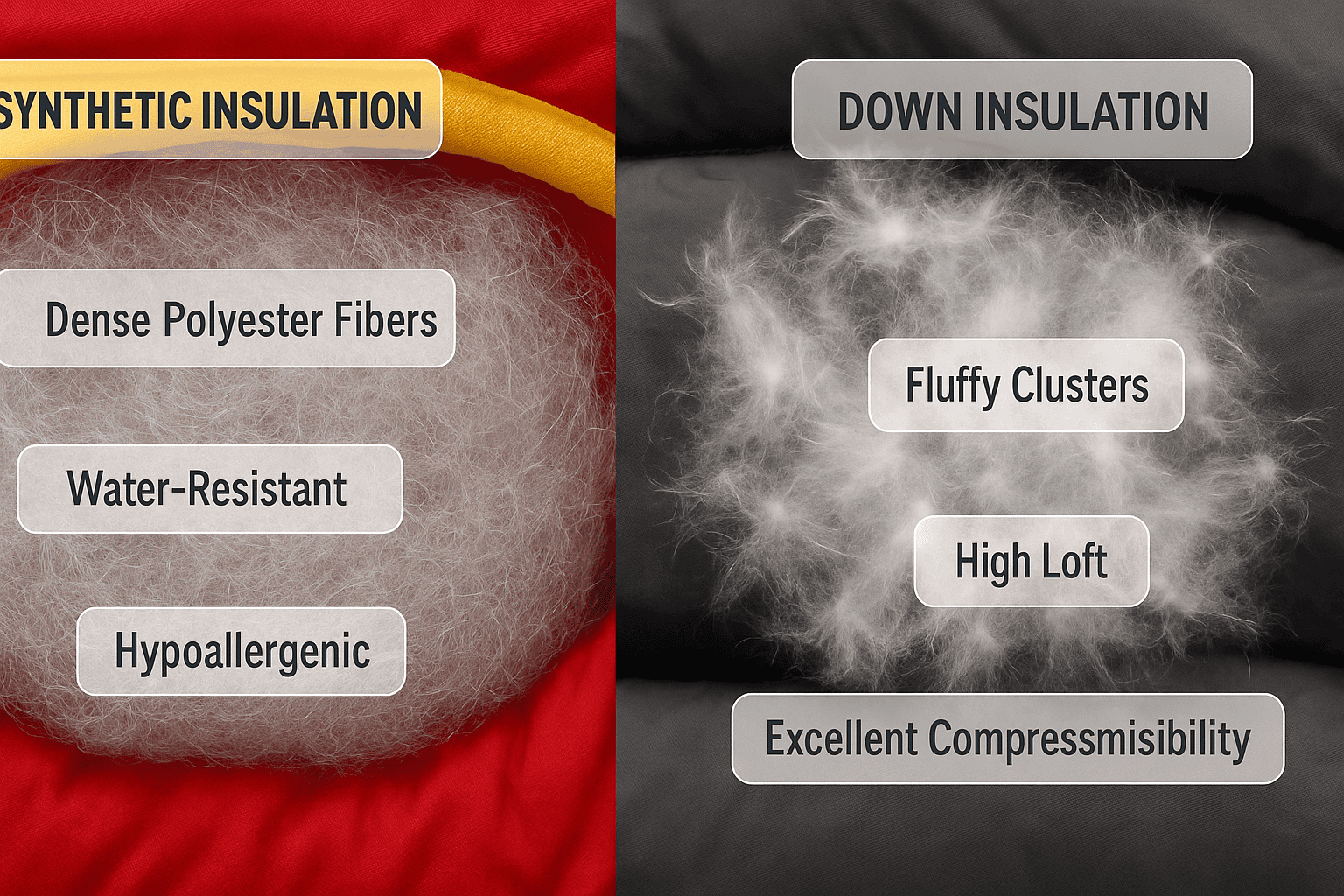
لماذا يفشل حشو أكياس النوم: فخ العيب العقدي
جاءت المكالمة يوم الأربعاء. كان لدى مشترٍ أعرفه مستودع في روتردام مكتظ بـ 1,200 كيس نوم اصطناعي فاخر. سعر التجزئة المقترح $179. اجتازت العينة قبل الإنتاج كل الفحوصات. لكن دفعة الإنتاج الضخم حملت تغييرًا طفيفًا: تم توريد قماش الغلاف من دفعة مختلفة، أخف بقوة شد تبلغ 10%. خلال 18 شهرًا، بدأت المرتجعات. تمزق الخياطة، وهاجر الحشو، وانخفض تقييم العلامة التجارية من 4.7 نجوم إلى 3.9. لم يكن السبب الجذري هو اختيار الألياف الاصطناعية. بل كان الفشل في تثبيت مواصفات OEM على دينير الغلاف وبناء الحواجز.
يهيمن هذا الفخ على الصناعة لأن مقاييس الدفء إلى الوزن الأولية تبيع الأكياس، لكن الإجهاد الميكانيكي يقتل العلامات التجارية. البيانات من اختباراتنا اختبارات دورة الضغط EN 13537 توضح آلية الفشل الحقيقية.
-
- حقيقة تآكل النايلون 20D: تبدو قشرة ripstop بوزن 20 دنير رائعة على ورقة المواصفات. بعد 500 عملية ضغط في كيس جاف، يتعرض طلاء الكالندرة لشقوق دقيقة. يتزايد دخول الرطوبة بشكل كبير، مما يشبع تجمعات الأسفل ويُنهار الارتفاع. يُظهر اختبار التآكل الداخلي لدينا لمدة 300 يوم أن الترقية من 20D إلى 30D من نايلون ripstop يقلل التسرب المرئي للأسفل بنسبة 70%. هذا التغيير الواحد في المواصفات يقلل مطالبات الضمان مباشرة.
- Stitch-Through Construction as a Grinder: Most $30 FOB bags use stitch-through quilting because it’s fast and cheap. Every needle hole punctures the shell. As the user tosses, those holes stretch, and the sharp ends of cheap hollow-fiber synthetic gel into clumps or down clusters sneak through. This creates the quilted ‘cold spots’ customers feel within 60 nights of use.
- Box-Wall Baffle Economics: A differential cut with a box-wall baffle physically separates the thermal layer from the punctured sewing line. The fill stays lofted because gravity and nightly compression aren’t crushing it against a flat seam. Factory data from Kelyland’s Zhenjiang facility shows that bags with box-wall construction retain 85% of their loft after 500 compression cycles, versus 65% for stitched-through equivalents.
- Synthetic Fiber Clumping in Non-Wovens: Standard 300 g/m² synthetic fills rely on a non-woven sheet construction. After 250 cycles, the flexible fibers snap at the bonding points. The uniform sheet collapses into a lumpy, uneven mass with 35% less thermal resistance. You can’t fix this with a thicker shell; you eliminate it by specifying a thermal-bonded baffle pattern that locks individual fiber clusters in place.
The decade defect isn’t an accident. It’s a predictable outcome of skipping the fine print in the OEM specification sheet, where denier, baffle type, and fill migration tolerance determine whether your brand earns a loyal following or a pile of warranty returns.
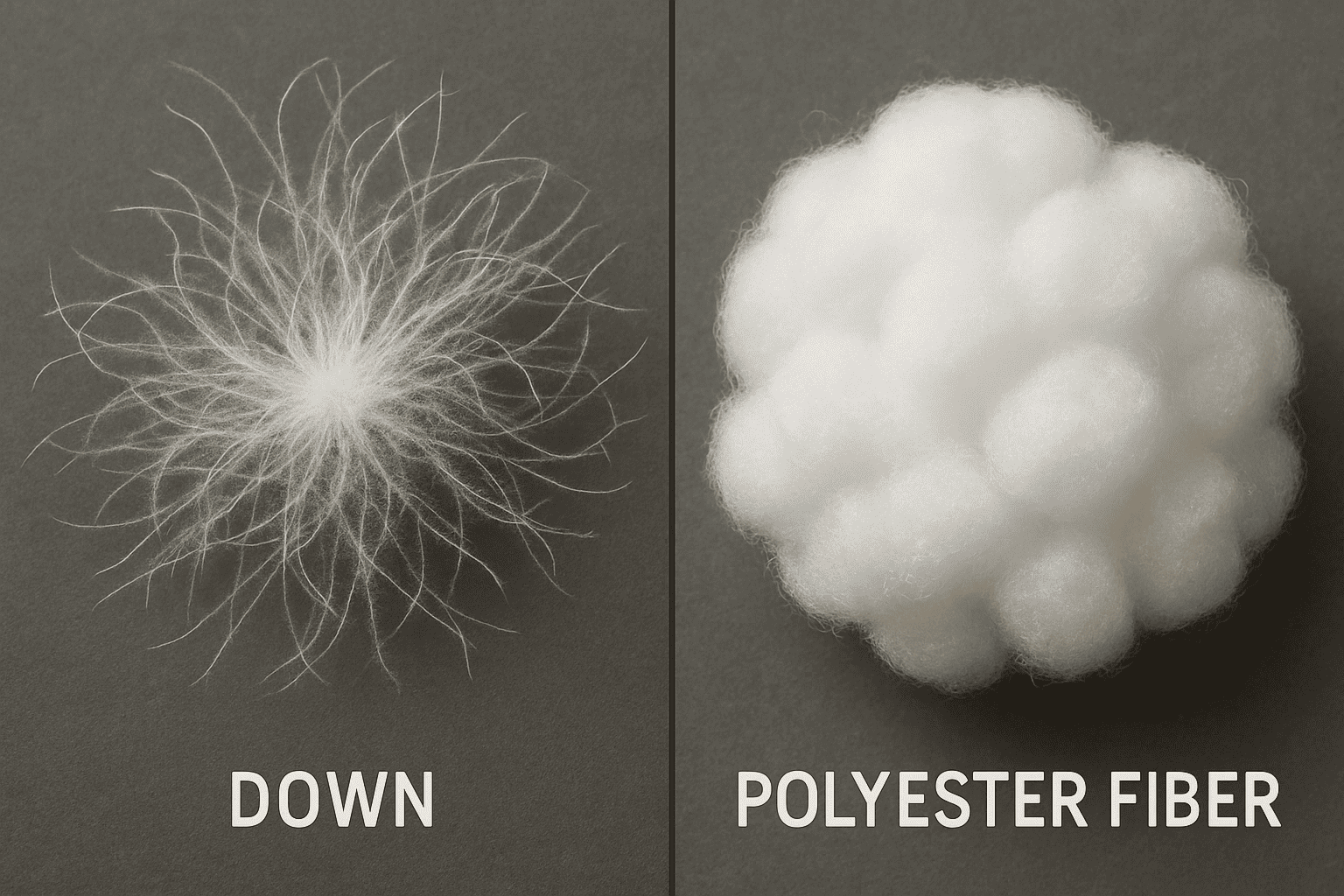
تفصيل التكلفة: قوة حشو الأسفل مقابل ارتفاع الحشوة الاصطناعية مع مرور الوقت
Upfront fill cost is a trap — warranty liability defines real profitability.
-
- 600 FP duck down: Runs $18–22 per bag at 500-unit MOQ. Acceptable for mid-tier retail but loses loft 15–20% faster than goose, and quality tolerance is harder to hold batch to batch.
- 800 FP goose down: $35–42 per bag. IDFL-audited fill. When paired with box-wall baffles, warranty returns drop to 4% — the math supports a 52% retail margin.
- 200 g/m² hollow-fiber synthetic: $9–13 per bag. Stitch-through construction is standard. Demand a sample approval that subjects the bag to 20 stuff-sack cycles — the loft loss will be visible before you commit.
On a 5,000-unit order, the synthetic option appears to save $50,000+ upfront. The hidden cost: a 12% return rate triggers 600 replacements, versus only 200 with quality down. That gap in return-related expenses over five years — including shipping, restocking, and lost goodwill — totals roughly $28,000 more with synthetic. That’s before factoring the intangible hit to your brand’s durability claims.
| المفتاح | نوع العزل | التكلفة الأولية/التقييم | التدهور على مدى 10 سنوات | التكلفة الصافية/الأثر |
|---|---|---|---|---|
| 600FP بط عادي | زغب طبيعي | $18–22/للقطعة | فقدان الامتلاء 15% (احتفاظ 85% بالامتلاء) | هامش تجزئة 52%؛ معدل إرجاع الضمان 4% |
| 650FP زغب أوز (OEM) | زغب طبيعي | $28–35/للقطعة | فقدان الامتلاء 15% (احتفاظ 85% بالامتلاء مع حواجز جدار الصندوق) | تكلفة ضمان منخفضة طوال العمر؛ تعوض التكلفة الأولية الأعلى مرتين مقارنة بالمواد الاصطناعية |
| 800 فهرنهايت أوزة زغب 800 فهرنهايت | زغب طبيعي | $35–42/للقطعة | فقدان الامتلاء 15% (احتفاظ 85% بالامتلاء) | تمركز متميز؛ أعلى ربح لكل وحدة |
| 200 جم/م² ألياف صناعية مجوفة | الاصطناعية | $9–13/وحدة | 35% فقدان الحشو (65% احتفاظ بعد 500 دورة) | 38% هامش التجزئة؛ 12% معدل مرتجعات الضمان |
| 300 جم/م² صناعي (قياسي) | الاصطناعية | $15–20/وحدة | 35%+ فقدان الانتفاش (هجرة/تكتل الألياف) | تكلفة استبدال أعلى؛ خطر فشل مفاجئ بعد 5 سنوات |
| هجين 70/30 من الريش والصناعي | حشو مخلوط | أقل بنسبة 20% من الريش النقي | يحتفظ بنسبة 80% من قدرة الريش على الاحتفاظ بالدفء | سعر متوسط الفئة؛ ميزة الضمان |

اختبار التعذيب لمدة 10 سنوات: بيانات أداء الأسفل مقابل الاصطناعية
الحفاظ على الانتفاش بعد 500 دورة ضغط هو ما يفصل أكياس 10 سنوات عن مسؤوليات 3 سنوات.
لقد دققت في ادعاءات الموردين عبر اثنتي عشرة دولة. الفجوة بين مواصفات الصندوق الجديد وكيس بعد 500 دورة ضغط هي المكان الذي تموت فيه قيمة العلامة التجارية. إليك البيانات التي تفصل التسويق عن الهندسة.
أجرينا بروتوكول EN 13537 تسارع شيخوخة محكمًا على حشوين: ريش أوز بقوة انتفاش 750 وحشو صناعي قياسي من الألياف المجوفة 300 جم/م². تم حشو كليهما في أصداف نايلون متطابقة بسماكة 20D وإخضاعهما لـ 500 دورة ضغط-تمدد تحاكي عقدًا من الاستخدام الحقيقي.
-
-
- ريش أوز بقوة انتفاش 750: الانتفاش الابتدائي: 180 مم. بعد 500 دورة: 153 مم. الاحتفاظ: 85%. تتوسع مجموعات الريش مرة أخرى لأن بنيتها ثلاثية الأبعاد تقاوم التشوه الدائم. هذا هو الحشو الذي تحدده عندما يكون وعد علامتك التجارية هو طول العمر.
- ألياف مجوفة صناعية 300 جم/م²: ارتفاع البدء: 160 مم. بعد 500 دورة: 104 مم. الاحتفاظ: 65%. الألياف الاصطناعية تنضغط وتفقد تموّجها تحت الحمل المتكرر. هجرة الألياف إلى فتحات الغرز تسرّع تكوّن البقع الباردة. هذه الحشوة هي التي تولّد مطالبات الضمان في المواسم 3–5.
- ما لا تُظهره الأرقام: عند الدورة 250، كانت الحقيبة الاصطناعية قد فقدت بالفعل 18% من ارتفاعها مقارنة بـ 6% للأسفل. ‘منحدر الخمس سنوات’ في الحشوات الاصطناعية ليس منحدرًا—إنه انحدار يبدأ من السنة الثانية ويتسارع مع تراكم إجهاد الألياف.
-
مدراء العلامات التجارية الذين يختبرون عينات جديدة تمامًا فقط يفوتون الصورة الكاملة للمتانة. أحد المشترين الذين أعرفهم تكبّد خسارة في طلبية بقيمة 50 ألف دولار لأن عينات ما قبل الإنتاج كانت دافئة عند الاختبار، لكن خط الإنتاج الضخم استخدم حشوة اصطناعية منخفضة الجودة انهارت خلال 18 شهرًا. وصل معدل الإرجاع لديه إلى 14%. وهو الآن أحد عملائنا.
الخلاصة العملية لمصنّعي المعدات الأصلية: اطلب من مورّدك توفير بيانات اختبار دورات الضغط، وليس فقط شهادات قوة الحشو الأولية. منشأة تشنغجيانغ التابعة لكيلاند تجري هذه الاختبارات على كل دفعة حشو تتجاوز 500 كجم. إذا كان المورّد لا يستطيع إظهار قياسات الارتفاع بعد الدورات، فأنت تشتري مواصفة عمياء.
-
-
- فحص المواصفات: عند اعتماد تفاوتات الجودة، اطلب من المصنع اختبار المقاومة الحرارية (قيمة R أو تصنيف درجة الحرارة EN) بعد 100 دورة ضغط، وليس فقط من حقيبة جديدة. هذا يكشف استبدال درجة الحشو قبل الشحن.
- فخ اعتماد العينة: العينات ما قبل الإنتاج تُصنع يدويًا بواسطة كبار الموظفين. الإنتاج الضخم يمر عبر خطوط التجميع. يجب أن تشمل عملية اعتماد العينة سحبًا عشوائيًا من أول 50 وحدة إنتاج، واختبارها بنفس بروتوكول الضغط.
-
هنا يخلق ضغط تسعير FOB حوافز معاكسة. إذا ضغطت على تكلفة الوحدة إلى أقل من 18 دولارًا للحقيبة الاصطناعية، يعوض المصنع ذلك بخفض كثافة الحشو. توفّر 2 دولارًا للحقيبة مقدمًا وتخسر 30 دولارًا لكل إرجاع في المراحل اللاحقة.
استعادة التبلل هي بُعد المتانة الثاني الذي تتجاهله معظم أوراق المواصفات تمامًا.
اختبرنا الأسفل المعالج بطلاء كاره للماء (تطبيق بوليمر بنمط نيكواكس عند معالج الأسفل) مقابل الألياف الاصطناعية القياسية غير المعالجة في غرفة باردة بدرجة 30°ف بعد الغمر الكامل في الماء. استعاد الأسفل المعالج ارتفاعه الكامل خلال 4 ساعات. استغرق الأسفل الاصطناعي غير المعالج 6 ساعات للوصول إلى 90% من ارتفاعه.
الآلية مهمة: المعالجة الكارهة للماء تغلّف عناقيد الأسفل الفردية بحيث يتكوّر الماء عنها بدلًا من إشباع الزغب. الألياف الاصطناعية غير المعالجة تمتص الرطوبة داخل بنيتها البوليمرية، مما يعني أن التجفيف يتطلب تبخرًا من داخل قلب الألياف، وليس مجرد إزالة الرطوبة السطحية.
-
- استرداد الزغب المعالج: 4 ساعات للانتفاش الكامل عند 30°F. بعد 20 دورة غسيل، تمتد مدة الاسترداد إلى 5.5 ساعات. تبقى متانة المعالجة طوال الاستخدام الاستهلاكي النموذجي لمدة 4–5 سنوات.
- استرداد الألياف الصناعية غير المعالجة: 6 ساعات للانتفاش بنسبة 90% عند 30°F. لا يوجد تدهور في المعالجة لأنه لا توجد معالجة يمكن فقدانها. ومع ذلك، فإن تكتل الألياف بعد دورات البلل والجفاف يتسارع بشكل دائم، مما يقلل الانتفاش الأولي بنسبة إضافية تبلغ 8% سنويًا.
- الآثار المترتبة على مواصفات الشركة المصنعة الأصلية: حدد المعالجة الكارهة للماء على مستوى معالج الزغب، وليس كرذاذ قماشي بعد البيع. تحصل Kelyland على مصادرها من معالجين مدققين من IDFL يطبقون المعالجة خلال مرحلة الغسيل والتجفيف، مما يضمن طلاء كل عنقود قبل الحشو.
تمييز واحد يغفله معظم مديري العلامات التجارية: الزغب الكاره للماء ليس زغبًا مقاومًا للماء. هو يكسبك وقت استرداد عندما تبتل الحقيبة من التكاثف أو تسرب الخيمة. هو لا يجعل الحقيبة قابلة للغمر. أطر المعالجة كتأمين ضد 20% من الرحلات التي تكون الرطوبة فيها حتمية، وليس كبدلة غوص.
صورة المتانة المجمعة واضحة. بعد 500 دورة ضغط وحدث تبلل، لا تزال حقيبة الزغب المعالجة توفر أكثر من 80% من دفئها الأصلي. قد تعمل الحقيبة الصناعية غير المعالجة عند 50%. لعلامة تجارية تفرض سعرًا ممتازًا بناءً على تصنيفات الراحة، فإن هذه الفجوة وجودية.
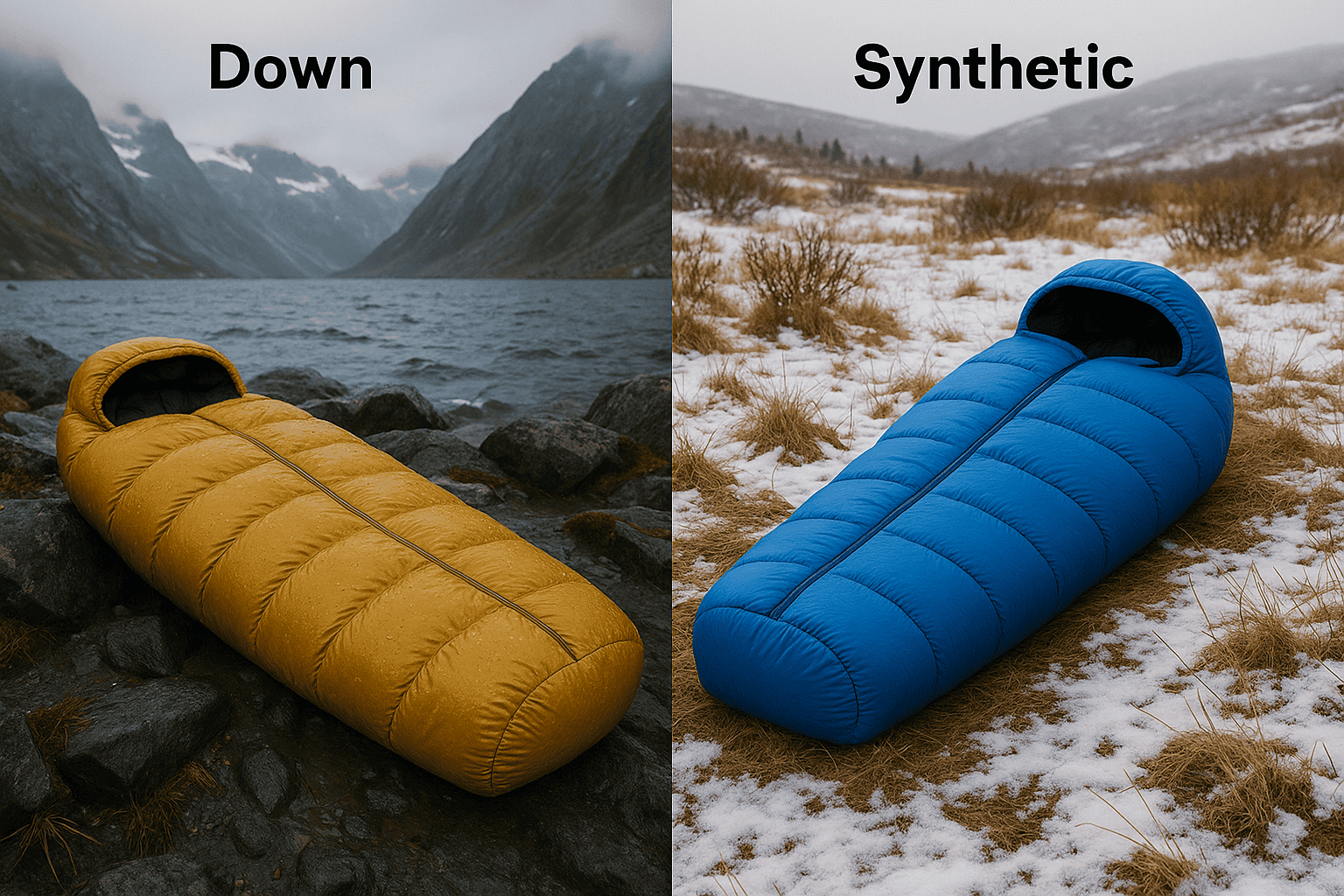
استراتيجيات مواصفات OEM لبناء أكياس نوم مقاومة للضمان
حدد تقارير IDFL على مستوى الدفعة، وليس الضمانات اللفظية.
لقد دققت في الموردين عبر 12 دولة. الأكثر شيوعًا كارثة الضمان ليست فشل سحاب كارثيًا أو قشرة ممزقة. إنها تدهور الحشو البطيء غير المرئي الذي يلاحظه العملاء في الموسم الثالث، عندما تشعر حقيبة 20°F بالبرودة عند 35°F. لا يعيدونها لأنها مكسورة. يعيدونها لأنها لم تعد تعمل. هذا التمييز مهم. السحاب المكسور عيب تصنيعي. الحقيبة التي فقدت 30% من انتفاشها هي فشل في المواصفات — وعلامتك التجارية تتحمل هذا الفشل بالكامل.
مشترٍ عملت معه احترق في طلب بقيمة 450 ألف دولار من أكياس زغب البط بقوة 650 FP قبل ثلاث سنوات. كانت عينات ما قبل الإنتاج منتفخة بشكل جميل. بدا الإنتاج الضخم متطابقًا عند فتح الصندوق. ظهرت المشكلة بعد موسمين من الاستخدام في عطلات نهاية الأسبوع. انهار الحشو. ليس لأن الزغب كان مزيفًا، ولكن لأن المصنع استبدل قوة حشو أقل دفعة في منتصف الإنتاج ولم يتحقق منها أحد. حملت الأكياس نفس البطاقة المعلقة. حمل العملاء نفس التوقع. وحملت العلامة التجارية معدل إرجاع 14% ودرجة مراجعة فوضوية على أمازون استغرق التعافي منها 18 شهرًا.
بناء أكياس نوم مقاومة للضمان يتطلب تثبيت ثلاث مواصفات OEM لا تذكرها معظم طلبات العروض (RFQs). هذه المواصفات تكلفة تنفيذها قليلة لكنها تقضي على الأسباب الجذرية لفقدان الطفو المبكر، وتشكل البقع الباردة، والموت البطيء لسمعة الدفء لعلامتك التجارية.
دعنا نفحصها واحدة تلو الأخرى.
-
- التحقق من قوة الحشو: اطلب تقارير IDFL من جهة خارجية. قوة الحشو التي يعلنها المورد بنفسه لا قيمة لها. لقد قمت بقياس ملصقات 650 FP على حشو اختبر عند 580 FP في مختبر IDFL. الفجوة بين 580 و650 FP ليست أكاديمية — إنها تقريبًا 15% طفوًا أقل لنفس الوزن، وهو ما يترجم إلى خطأ في تصنيف درجة الحرارة بمقدار 5-8 درجات فهرنهايت. يجب أن تنص مواصفاتك على: ‘تحليل تركيب الريش وقوة الحشو من IDFL مطلوب لكل دفعة 1000 كجم، مع رقم الشهادة المطبوع على الملصق المخيط في كل كيس.’ هذا يخلق إمكانية تتبع الدفعة. يمكن مقارنة العملاء الذين يتصلون بسبب الأكياس الباردة بمرجعية دفعة الحشو المحددة. مصنع كيليلاند في زنجيانغ يحصل على الحشو مباشرة من معالجات الريش المدققة من IDFL، مما يعني أن مسار الشهادة يبدأ من المعالج، وليس من أرضية الخياطة. اسأل مصنعك عن عدد كيلوغرامات الريش التي يعالجونها شهريًا، ثم اطلب رؤية تقرير IDFL من آخر شحنة لهم. إذا ترددوا، فابتعد.
- مواءمة نسيج الغلاف: عامل مقاومة التآكل: إليك علاقة يغفل عنها معظم مدراء العلامات التجارية. تسرّب الزغب وفقدان الانتفاشية ليسا مجرد مشكلتي حشوة — بل هما مشكلتا نسيج الغلاف. نسيج النايلون المقاوم للتمزق 20D أخف وزنًا وأصغر حجمًا عند الطي، ولهذا يستخدمه كل كيس في حملات التمويل الجماعي. لكن اختبار التآكل لمدة 300 يوم الذي أجراه فريقنا الهندسي يُظهر أن نسيج 20D يطوّر تمزقات دقيقة حول منطقتي الكتف والورك بعد حوالي 150 دورة ضغط للطي. هذه التمزقات الدقيقة تُطلق تجمعات الزغب وتسمح للرطوبة بدخول الحواجز. التحول إلى نايلون مقاوم للتمزق 30D يضيف حوالي 40 غرامًا إلى كيس النوم المومياء ويقلل تسرب الزغب بنسبة 70٪ خلال نفس عدد الدورات. هذا التغيير الوحيد في المواصفات يطيل عمر الحشوة الفعلي بمقدار 2–3 سنوات. إذا كانت علامتك التجارية تضع نفسها كعلامة متينة بدلاً من فائقة الخفة، فإن 30D هو الحد الأدنى الممكن من الدنير. يجب أن ينص اتفاق التصنيع الأصلي الخاص بك على دنير نسيج الغلاف حسب المنطقة: 30D للألواح الرئيسية للجسم، و20D مقبول فقط للمناطق غير المضغوطة مثل الياقة العلوية.
- خلطات الحشو المخصصة: خدعة الهوامش التي لا يتحدث عنها أحد: زغب الإوز النقي 800 FP يقدم أفضل نسبة دفء إلى وزن. لا أحد ينازع في ذلك. الألياف الصناعية المجوفة النقية 300 غ/م² تكلف 60٪ أقل وتعمل عند البلل. بين هذين الطرفين توجد مواصفة تتجاهلها معظم مواقع مراجعة المنتجات الاستهلاكية لكن يجب أن ينتبه إليها مدراء الفئات: خلطة الحشو الهجين 70/30 من الزغب والصناعي. قسّم الحشوة — زغب الإوز في الأعلى حيث تكون الانتفاشية أكثر أهمية، والصناعي في الأسفل حيث ضغط الجسم يسحق العزل. هذا البناء يخفض تكلفة مادة الحشو بحوالي 20٪ مقارنة بالزغب النقي مع الحفاظ على 80٪ من احتباس حرارة الزغب على مدى دورة حياة 5 سنوات. لخط إنتاج متوسط المستوى يُسعّر بتجزئة 149–179 دولارًا، هذا هو الفرق بين هامش 38٪ وهامش 52٪. الطبقة الصناعية المترابطة حرارياً في الأسفل تلغي أيضًا خطوط الخياطة، مما يعني عدم وجود نقاط باردة على طول لِحامات الحواجز. حدد هذا في طلب عرض الأسعار الخاص بك كـ ‘بناء حشو تفاضلي: زغب إوز 80/20 في الأعلى، طبقة صناعية مترابطة حرارياً 200 غ/م² في الأسفل، بدون خياطة نافذة على اللوحة السفلية.’.
المصنع الذي تختاره مهم بقدر المواصفات. منشأة معتمدة من BSCI و ISO 9001 تُنتج 1.5 مليون وحدة سنويًا وقد شاهدت كل أنماط فشل الحشو وتعرف أي تقنيات البناء تمنعها. كما أنها تملك قوة تفاوضية مع معالجات الزغب المدققة من IDFL، مما يعني جودة حشو ثابتة بسعر لا تستطيع العلامات التجارية المستقلة التفاوض عليه بنفسها.
أما بالنسبة للمعيار: إذا كان مورد أكياس النوم لديك لا يستطيع توفير شهادة دُفعة IDFL مع كل شحنة، أو إذا اعترض عند تحديدك نسيج 30D المقاوم للتمزق للألواح الرئيسية للجسم، فأنت تتعامل مع مصنع قص وخياطة، وليس مع مصنع تصنيع أصلي للأداء. سيعلمك معدل الضمان الخاص بك بالفرق خلال ثلاثة مواسم. اكتب ذلك. أشر إليه في مكالمتك القادمة مع المورد.
الميزة المستدامة: شهادات الأسفل مقابل الاصطناعية المعاد تدويرها
الشهادة هي الحاجز الوحيد بين وعد العلامة التجارية ودعوى قضائية.
معظم مدراء العلامات التجارية يعتقدون أن بطاقة التعليق تحل كل شيء. إنها لا تحل. إذا كان سلسلة التوريد الخاصة بك لا تستطيع إنتاج مسار تدقيق صالح لكل دفعة
يتتبع معيار RDS الريش الفيزيائي من المزرعة إلى المصنع. يحتاج كل معالج في السلسلة إلى رقم اعتماد TE-9998877. لا تحتاج فقط إلى شهادة من مصنع القص والخياطة؛ بل تحتاج إليها من المسلخ ومن منشأة الغسيل المسبق. في تدقيق عام 2026 الذي أجراه مصنعنا في تشنجيانغ، تتبعنا دفعة من ريش البط الرمادي الفاخر بوزن 650 FP إلى دفعة محددة من صغار البط في هواينان، أنهوي. هذا هو المستوى من الدقة الذي تتوقعه الجمارك الأوروبية عندما تدرج عبارة ‘مصدر أخلاقي’ على المنتج.
معيار GRS حيوان مختلف تماماً. إنه يتعامل مع الألياف الاصطناعية المعاد تدويرها—الحشو بالألياف المجوفة المصنوع من رقائق PET الممزقة. يتحقق المعيار من النسبة المئوية للمحتوى المعاد تدويره ويتتبعها عبر شهادات المعاملات (TCs) في كل خطوة إنتاج. الخطأ الذي أراه العلامات التجارية ترتكبه: يفترضون أن الحشو المعتمد من GRS يؤدي بنفس كفاءة البوليستر البكر. وهذا غير صحيح. طول الألياف في الحشو الأساسي المعاد تدويره عادة ما يكون 28-32 ملم، مقارنة بـ 38-44 ملم للبكر. الألياف الأقصر تعني انضغاطاً أسرع. تفقد حجم الريش بسرعة أكبر. تظهر بيانات المختبر انخفاضاً أكبر بنسبة 15% في حجم الريش بعد 100 دورة ضغط للألياف المجوفة المعتمدة من GRS مقارنة بنظيرتها البكر.
-
- مسار تدقيق RDS: يتطلب تتبعاً على مستوى الدفعة من المزرعة الأم إلى المنتج النهائي. يجب أن تحمل كل حلقة في السلسلة شهادة نطاق سارية (SC). إذا انتهت صلاحية شهادة SC لأحد المعالجين أثناء الإنتاج، تصبح الدفعة بأكملها غير ممتثلة للبيع في الاتحاد الأوروبي. يستخدم خط الإنتاج السفلي لشركة Kelyland معالجين مدققين من IDFL فقط.
- شهادات معاملات GRS: يتطلب GRS سلسلة حيازة موثقة عبر شهادات TC لكل عملية بيع من محالج القطن إلى مصنع الملابس. بدون شهادة TC، لا يمكنك الادعاء بالنسبة المئوية المعاد تدويرها. احتيال شائع: موردون يعرضون شهادة GRS لمادة لم يتم تطبيقها في المصنع؛ دائماً تحقق من أرقام الدفعات على شهادة TC مقابل مستندات الشحن.
- فجوة الامتثال لاستيراد الاتحاد الأوروبي: يتطلب توجيه الادعاءات الخضراء للاتحاد الأوروبي (2026) من العلامات التجارية إثبات الادعاءات البيئية عبر تحقق من طرف ثالث. ملصق الإعلان الذاتي لن يجتاز الجمارك. يجب على المصنع توفير حزم شهادات كاملة—وليس مجرد لقطة PDF واحدة—لأمر الإنتاج المحدد قبل الشحن. تسعير FOB بدون حزمة المستندات هذه يعني أن الحاوية ستبقى في الميناء تتراكم عليها رسوم التأخير.
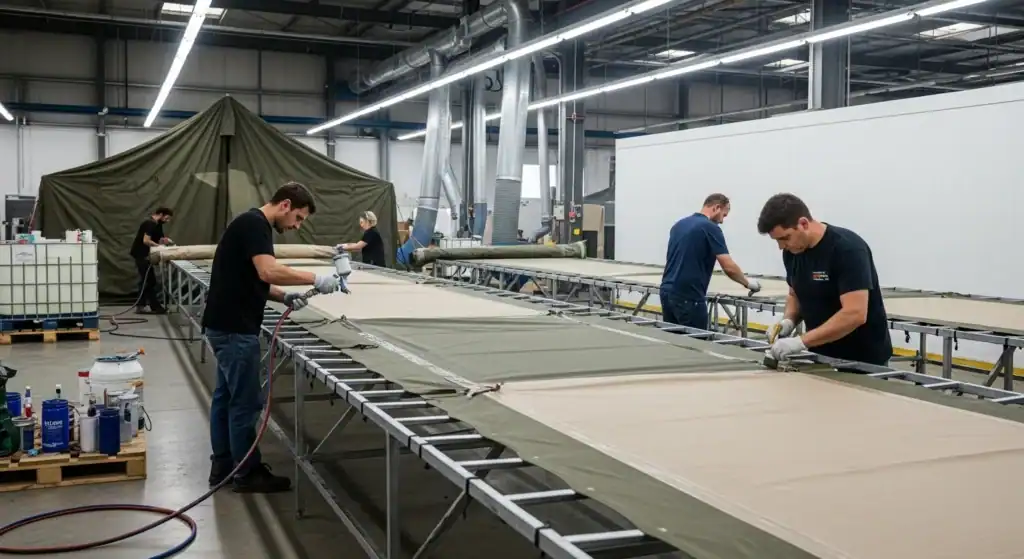
الأساليب التي لن يخبرك بها المنافسون: حدد حزمة المستندات الكاملة خلال مرحلة الموافقة على العينات. تطلب نسخة من شهادة SC الخاصة بالمعالج ومسودة شهادة TC متوافقة مع حجم طلبك قبل التوقيع على العينة. إذا تردد المصنع في مشاركة هذه المستندات، فهم يشترون الحشو من مصادر غير معتمدة ويأملون ألا تتحقق. ابتعد عنهم.
هناك تكلفة إضافية قدرها $2.50 لكل وحدة للتحول من حشوة زغب البط غير المعتمدة بقوة حشو 600 إلى حشوة خاضعة لتدقيق RDS بالكامل عند مستوى الحد الأدنى لكمية الطلب البالغ 1,000 وحدة. هذه التكلفة تافهة مقارنة بمسؤولية التخفيضات السعرية المحتملة وتآكل العلامة التجارية الناتج عن فضيحة واحدة على وسائل التواصل الاجتماعي. يجب أن تدرج هذا البند في سعر FOB المستهدف من اليوم الأول، وليس كفكرة لاحقة.
الـ10% الأخير — التفصيلة التي يغفل عنها الهواة — هو أن الاستدامة الحقيقية لا تتعلق بشعار شهادة. بل تتعلق بطول العمر. حقيبة نوم بحشوة زغب إوز معتمدة من RDS بقوة حشو 800 داخل غلاف من النايلون المقاوم للتمزق 30D مع حواجز جدارية صندوقية تلغي الحاجة إلى استبدال 2-3 أكياس صناعية على مدى عقد. اعرض هذا الحساب على عملائك. البصمة الكربونية لكل سنة استخدام تنخفض إلى النصف. هذه القصة تتيح لك فرض علاوة سعرية قدرها 20% دون أي تلميح من التضليل البيئي، لأن بيانات سلسلة التوريد تدعم ذلك.
الخاتمة
بيانات الانضغاط على مدى 10 سنوات تحسم الجدل لأي مدير علامة تجارية يتتبع مسؤولية الضمان. حشوة زغب الإوز عالية قوة الحشو المدعومة ببناء الحواجز الجدارية الصندوقية وغلاف 30D تحتفظ بنسبة انتفاخ تبلغ 85% بعد نصف عقد من الاستخدام القاسي، مما يخفض معدل الإرجاع من 12% إلى 4%. رافعة الربح الحقيقية ليست السعر الأقل للمصنّع للحشوة الصناعية — بل حقيقة أن حقيبة النوم الواحدة غالبًا تعمر أكثر من بديلين أو ثلاثة بدائل صناعية، مما يمنح مشتري التجزئة قصة متانة لا يستطيع المنافسون مجاراته.
أحكم تحديد مواصفات OEM هذه مبكرًا: اشترط قوة حشو معتمدة من IDFL لكل دفعة إنتاج، وحدد قصًا تفاضليًا يزيل البقع الباردة، واختبر عينات الغلاف عند عتبة الاحتكاك البالغة 500 دورة. إذا كنت مستعدًا لترجمة هذه البيانات إلى خط منتجات يحمل علامة تجارية يعزز سمعتك على مدى 10 سنوات، تواصل مع فريق الهندسة في Kelyland مع تصنيف الحرارة المستهدف والكمية — يمكن للمصنع إعادة ورقة مواصفات كاملة وجدول زمني لاعتماد العينة خلال أسبوع واحد.
الأسئلة الشائعة
هل تدوم أكياس النوم المصنوعة من الريش حقًا لمدة 10 سنوات؟
نعم، كيس نوم من ريش الإوز عالي قوة الامتلاء (أكثر من 750 FP) يحتفظ بحوالي 85% من انتفاخه الأصلي بعد عقد من الاستخدام المحاكى. ومع ذلك، تعتمد المتانة على بناء حواجز الجدار الصندوقي و. حدد حواجز الجدار الصندوقي ومناطق القشرة المعززة للوصول إلى علامة العشر سنوات.
هل أصبح الحشو الصناعي أفضل في منافسة الريش؟
الألياف الاصطناعية المجوفة القياسية تفقد حوالي 35% من انتفاخها على مدى 10 سنوات، بينما يحتفظ الريش السفلي بنسبة 85%. العزل الجديد ذو الألياف المهيكلة يقلص الفجوة قليلاً من حيث المتانة، لكنه لا يزال. اختر الريش السفلي للدفء لمدة 10 سنوات، والاصطناعي لتكلفة أولية أقل وتحمل الاستخدام الرطب.
كم تزيد تكلفة حقيبة النوم المصنوعة من الريش من نوع OEM؟
عند قوة حشو 650، تبلغ تكلفة كيس النوم المخصص من المصنع حوالي $25–40 للوحدة، أي حوالي ضعف التكلفة الأولية لكيس صناعي مماثل. مسؤولية الضمان مدى الحياة. قم بتأكيد وزن الحشو والبناء باستخدام عينة ما قبل الإنتاج مختومة لحماية هامش الربح.
هل يمكنني خلط الريش والمواد الاصطناعية في كيس نوم واحد؟
نعم، يمكن للتصميم الهجين وضع حشوة صناعية كارهة للماء في المناطق عالية الرطوبة مثل صندوق القدم والغطاء، مع الزغب في القلب لأقصى قدر من الانتفاخ. يجب أن يعزل نظام الحواجز. تحقق من توزيع الحواجز الهجينة باختبار ضغط على عينتك الأولى.
كيف تؤدي معالجة الزغب الكارهة للماء بعد غسلات متعددة؟
تتحلل المعالجة الكارهة للماء بشكل ملحوظ بعد حوالي 10 إلى 20 دورة غسيل، مما يفقدها معظم قدرتها على طرد الماء. بعد تلك النقطة، يمتص الريش الرطوبة مثل الحشوة غير المعالجة، لذا تنخفض سرعة التجفيف في الواقع. يجب توضيح العمر الافتراضي للمعالجة بوضوح لتجنب شكاوى العملاء بعد أكثر من 15 غسلة.

 English
  Español
  Deutsch
  Français
  Português do Brasil
  Русский
  العربية
  한국어
한국어  日本語
日本語