 تخطي إلى المحتوى

تُعد مواد حزم الهواء للخيام المنفوخة نقطة التفتيش الأولى التي يجب على المشترين تحديدها بدقة قبل اعتماد المورد أو الميزانية أو حجز موعد الإنتاج. تخيل خيمين منفوخين موضوعين جنباً إلى جنب في عرض توضيحي. نفس الشكل، نفس لون القماش، ونفس موقع صمامات الحزمة. واحد يكلف 30% أكثر في أسعار التسليم من الميناء. الفارق ليس في جسم الخيمة — بل في ما لا يمكن رؤيته: وهو مادة حزمة الهواء داخل الغلاف. لقد أخبرني مدير علامة تجارية تعرض لخسائر نتيجة طلب بقيمة 50,000 دولار قائلاً إن عيناته العينة قبل الإنتاج نجحت في جميع فحوصات الكشف البصري، ولكن دفعة الإنتاج الضخم استخدمت مزيجاً مختلفاً للأكياس الهوائية. فقدت الحزم الضغط خلال الليل في أول اختبار للطقس البارد.
الفاصل الزمني بين اعتماد العينة والأداء الواقعي هو حيث تكمن الأهمية الأكبر لمواد حزم الهواء في الخيام المنفوخة. تتحمل أكياس التبو (TPU) بسمك جدار 0.6 ملم تقلبات درجات الحرارة حتى -20°م دون تشقق؛ بينما تتصلب حزم الـ PVC وتظهر بها شقوق مجهرية تحت -10°م. كما أن الـ PVC أثقل وزناً لنفس تصنيف مقاومة الانفجار، مما يضيف تكلفة الشحن ويجعل الخيمة المغلفة أثقل بالنسبة لعميلك النهائي. لكن تكلفة الـ PVC أقل مسبقاً — أي أقل تكلفة للمادة بحوالي 20-30% لكل حزمة — لذا يعود القرار إلى أين تتموضع منتجك في السوق.
إليك معيار يستحق التدوين لاستدعائه في نداء توريدك القادم: اطلب إجراء اختبار ثبات الضغط المستمر عند 8 رطل لكل بوصة مربعة لمدة 72 ساعة مع تذبذب حراري 15°م. إذا كانوا يوفرون فقط أرقام ضغط الانفجار الأعلى من ذلك، فأنت لا تحصل على الصورة الكاملة لكيفية أداء حزمهم طوال عطلة نهاية أسبوع في طقس متغير.
ماذا يتغير عند استبدال القضبان بحزم الهواء
يحوز التبو (TPU) على الميزة من حيث الوزن والأداء في الطقس البارد؛ بينما يحوز الـ PVC على الميزة من حيث التكلفة والصلابة الأولية.
خيار المادة لحزمة الهواء في الخيمة المنفوخة هو single most consequential decision in the entire product spec. It determines how the tent packs, how it behaves in freezing conditions, and how many مطالبات الضمان you’ll see after the first season. Two materials dominate this category: thermoplastic polyurethane (TPU) and polyvinyl chloride (PVC). They are not interchangeable.
TPU Air Beams: Weight, Durability, and Cold Cracking
TPU is the premium choice for a reason. At a 0.6mm wall thickness, a TPU bladder weighs roughly 30-40% less than a PVC beam of the same diameter and length. That weight difference compounds across a multi-beam tent frame — shaving kilograms off the packed weight. More critically, TPU remains flexible down to -20°C. In sub-zero conditions, PVC stiffens noticeably and can develop micro-cracks under repeated flexing. For any brand targeting four-season use or alpine markets, TPU is the only defensible option.
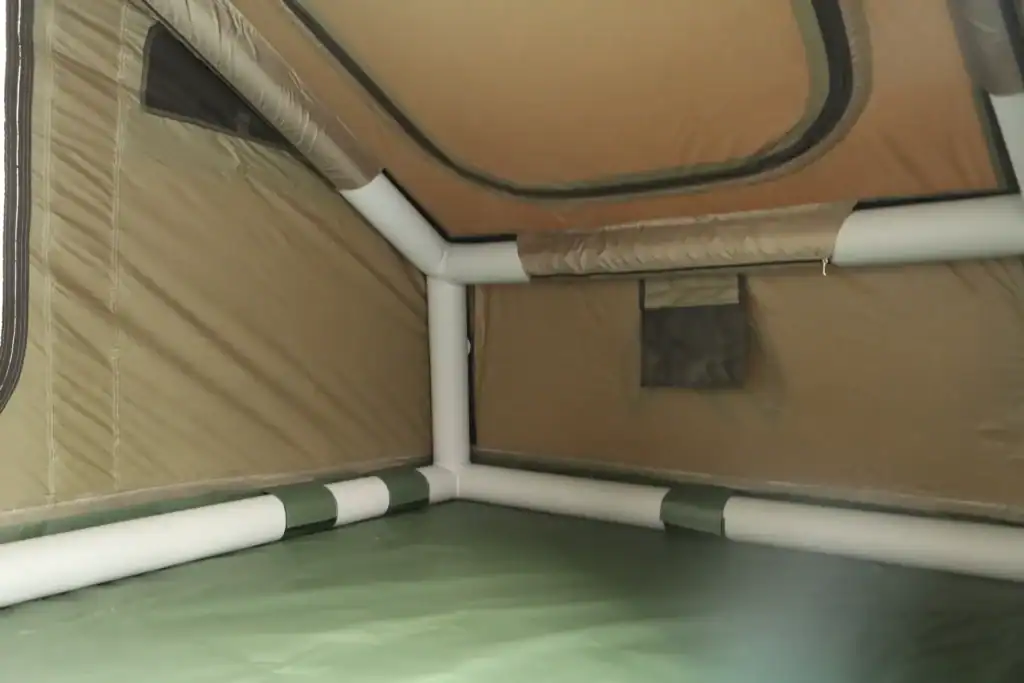
PVC Air Beams: Cost, Stiffness, and Recycling Concerns
PVC dominates entry-level and mid-range خيام قابلة للنفخ because it costs significantly less per square meter of film. A PVC beam feels stiffer at room temperature, which some buyers interpret as structural rigidity — but that stiffness turns brittle below -10°C. PVC also raises end-of-life questions: it’s harder to recycle than TPU, and some markets are beginning to restrict halogenated plastics in معدات خارجية. If your brand has sustainability targets or sells into EU markets with extended producer responsibility rules, PVC carries hidden compliance risk.
Beam Wall Thickness and Bladder Layers
Wall thickness directly affects burst pressure and puncture resistance. Most production inflatable tents use bladders between 0.4mm and 0.8mm thick. At 0.4mm, the beam is light but vulnerable to sharp debris inside the sleeve seam. At 0.6mm or above — which partner factories use as their internal standard for TPU beams — a measurable jump in field durability occurs without adding excessive weight.
-
- Thickness range: 0.4mm – 0.8mm for single-layer bladders; some high-pressure designs use two bonded layers.
- Burst pressure vs sustained pressure: A supplier may quote 30 PSI burst strength but fail at 8 PSI sustained over three days of temperature cycling.
- هيكل الطبقات: Single-layer bladders are standard for most camping tents; double-layer or reinforced bladders appear in heavy-duty glamping frames.
التبو مقابل البولي فينيل كلوريد: المقايضة الأساسية للمواد
TPU wins on weight and cold-weather performance.
إن air beam material determines how your tent performs in cold weather, how much it weighs in transit, and how long the structure holds its shape. Two materials dominate this category: TPU (thermoplastic polyurethane) and PVC (polyvinyl chloride). The choice between them is not about which is “better” — it’s about which trade-offs match your product’s target market and price point.
TPU Air Beams: Weight, Durability, and Cold Cracking
TPU bladders at 0.6mm thickness are significantly lighter than equivalent PVC beams — roughly 30-40% less weight for the same burst strength. That weight savings matters when a brand manager is trying to keep a 4-person inflatable tent under 15 kg packed weight. More critically, TPU resists cold cracking down to -20°C. The material stays flexible at low temperatures, so inflation pressure remains stable overnight.
-
- الحد البارد: -20°C before embrittlement; maintains flexibility through normal winter camping ranges.
- Abrasion resistance: Higher than PVC; survives repeated setup on gravel or rocky ground without pinhole leaks.
- Recycling: Thermoplastic — can be reground and reprocessed; some recyclers accept post-industrial TPU scrap.
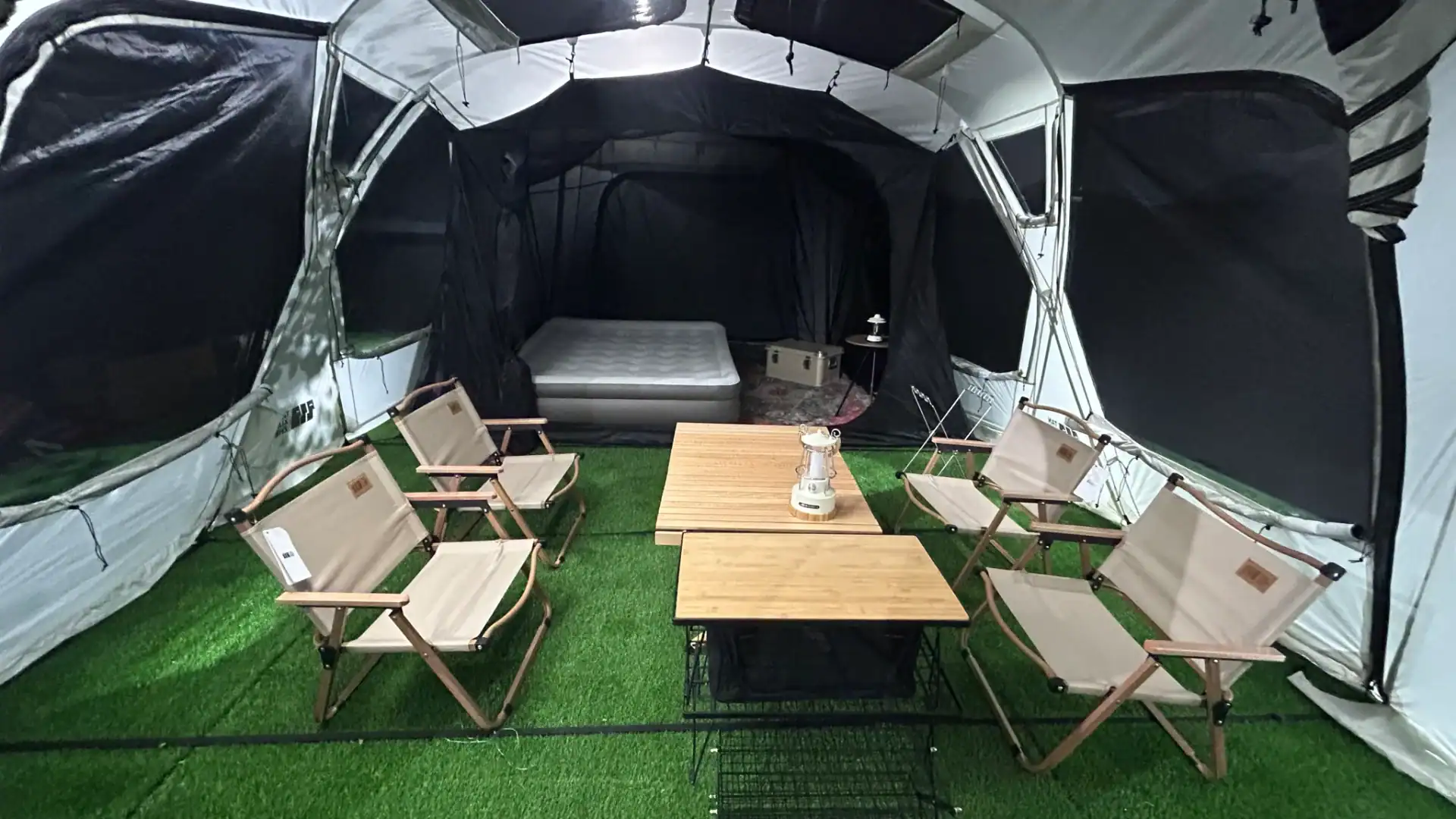
تحديد مواصفات حزم الهواء للإنتاج الخاص بالعلامات التجارية
The specification sheet is your only defense against a production run that fails in the field.
Most brand managers send a supplier a drawing and a desired PSI. That’s not enough. A proper air beam spec sheet removes ambiguity on material, wall thickness, valve type, and test criteria. Without it, you’re trusting the factory to decide what ‘good enough’ means — and that trust breaks when tents start losing pressure on retail shelves.
Fill a Detailed Air Beam Specification Sheet
Your spec sheet must cover six dimensions: bladder material (TPU or PVC), wall thickness in mm, number of layers (single vs double-ply), valve design and weld method, operating pressure range, and burst pressure minimum. Don’t stop there. Add the fabric sleeve denier (e.g., 210D or 420D Oxford), seam construction (RF welded vs adhesive), and the temperature range the beam must survive without cracking.
-
-
- Wall thickness baseline: TPU bladders at 0.6mm are standard for most inflatable tents; PVC beams often require 0.8mm–1.0mm to match stiffness at equivalent pressure.
- Valve-base attachment: RF welding is preferred over glued patches — leaks at the valve base are the most common warranty issue across all خيمة قابلة للنفخ categories.
-
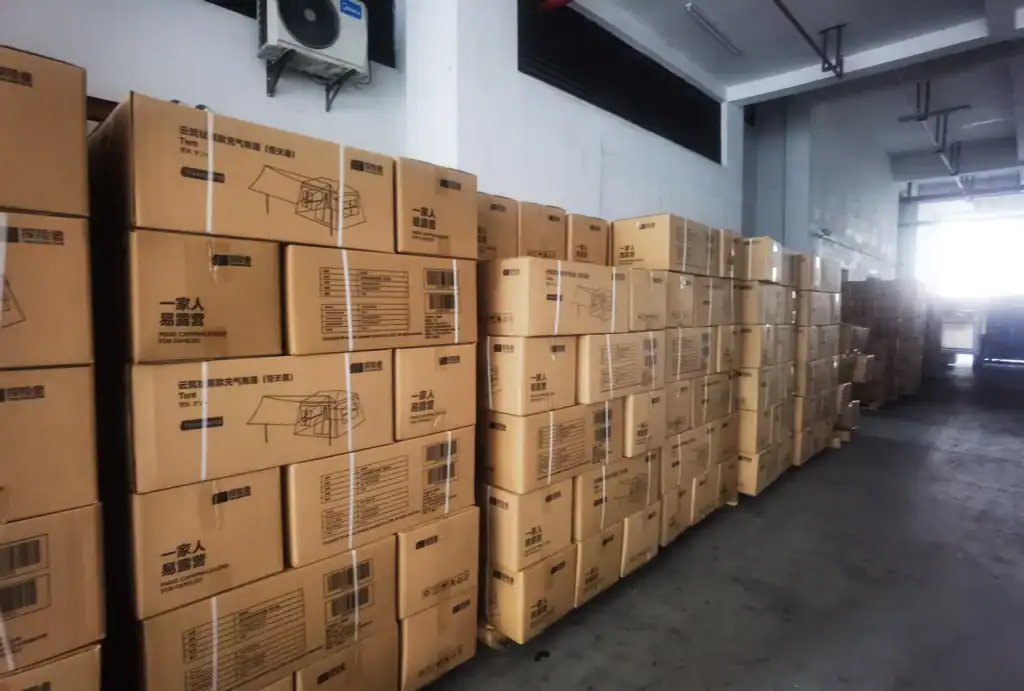
Ask for Pressure Test and Cycle Test Results
A supplier who quotes only burst pressure is hiding something. Burst pressure tells you when the beam explodes, not how long it holds air through a weekend of temperature swings. Demand two numbers: operating pressure (typically 8–10 PSI for quality خيام قابلة للنفخ) and sustained hold time — e.g., less than 5% pressure loss over 12 hours at room temperature.
Cycle testing adds another layer. A beam that passes static pressure may still fail after 200 inflation-deflation cycles if the weld seams aren’t consistent. Ask for cycle test data at rated operating pressure. For علامة خاصة projects targeting frequent campers, specify a minimum of 500 cycles without failure.
Balancing Beam Weight, Cost, and Field Repairability
TPU wins on weight and cold-weather performance — it stays flexible down to -20°C while PVC stiffens below -10°C. But TPU costs more per square meter and requires RF welding equipment that not every factory has in-house. PVC is cheaper, stiffer under load, but heavier by roughly 30% per beam section.
-
- Choose TPU if: Your target market includes winter campers or alpine environments; you prioritize pack weight under 12 kg for a family tent; your brand positions on premium materials.
- Choose PVC if: Your price point targets entry-level or mass-market retail channels; your customer base camps mainly in mild climates above freezing; repairability in the field matters — PVC patches bond more easily with consumer-grade repair kits.
الخاتمة
إن air beam is the structural skeleton of your inflatable tent. Choosing between TPU and PVC isn’t just a material preference—it directly determines the tent’s weight, cold-weather survival, and long-term warranty exposure. A 0.6mm TPU bladder rated at 8-10 PSI with RF-welded valves will outlast a cheaper PVC build in every metric that matters to your brand’s reputation.
-
- TPU resists cold cracking down to -20°C; PVC stiffens below -10°C.
- RF-welded valves reduce leak risk compared to glued or screw-in bases.
- Operating pressure of 8-10 PSI is the standard for stable tents.
- Burst pressure alone is a poor indicator of real-world reliability.
Before you finalize your خيمة قابلة للنفخ بعلامة خاصة specifications, run this three-point checklist with every supplier. First, can they provide a cycle test report at operating pressure, not just burst pressure? Second, what is the exact wall thickness of the bladder—0.4mm or thicker? Third, how is the valve attached to the beam? If the answer isn’t RF-welded or thermal-bonded, you’re accepting a higher warranty risk on every unit shipped under your brand. Review current شعيرة هوائية material options and production capabilities on the product page to compare how different constructions stack up against target market requirements.
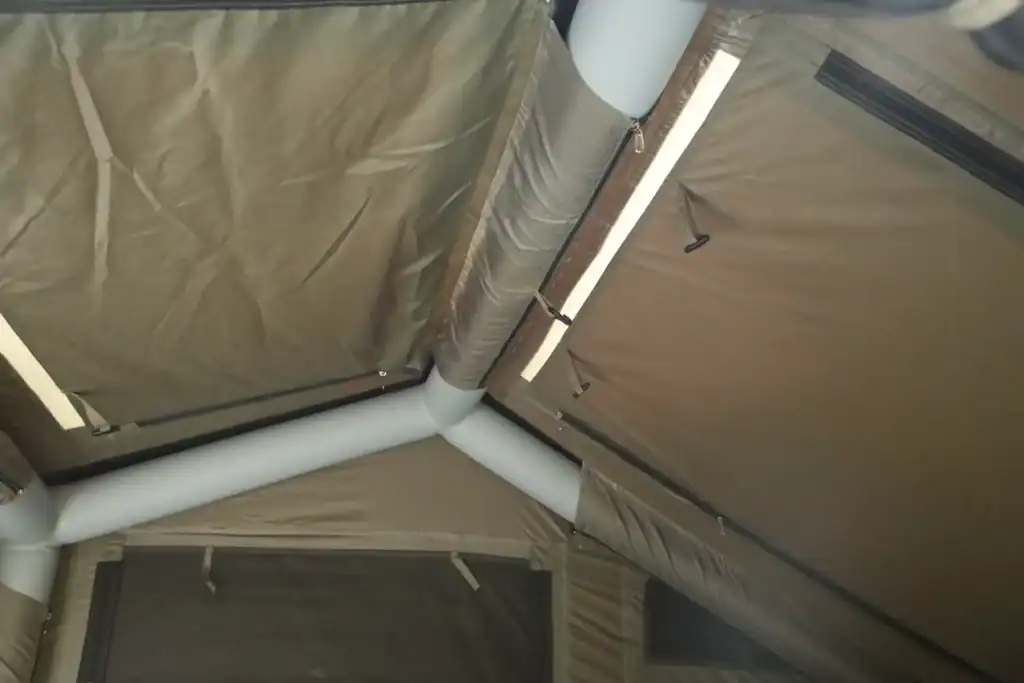
الأسئلة الشائعة
Which is better for air beams: TPU or PVC?
TPU wins on weight and cold-weather performance, while PVC wins on cost and initial stiffness. For private-label tents targeting four-season use or lightweight carry, TPU is the stronger choice. Choose TPU for durability in cold; choose PVC for budget builds.
What PSI should inflatable tent air beams run at?
Most quality inflatable tents operate at 8–10 PSI. Running below that range risks sagging in wind, while exceeding it can stress the bladder seams and valve base. Always confirm target PSI with your factory before production.
What valves are used on inflatable tent beams?
Common types include high-flow twist valves for fast inflation, one-way valves to prevent backflow, and dump valves for rapid deflation. The valve type directly affects pump compatibility and field setup. Match valve design to your target pump system and user skill level.
How does beam wall thickness affect tent durability?
Thicker walls increase puncture resistance but add weight and reduce packability. Most commercial-grade air beams use a multi-layer bladder with a wall thickness between 0.4 mm and 0.8 mm. Specify wall thickness based on your target price point and abuse level.

 English
 Español
 Deutsch
 Français
 Português do Brasil
 Русский
 العربية
 한국어
 日本語