 تخطي إلى المحتوى
فقد مدير مشتريات وديعة بقيمة 50,000 دولار على كراسي تخييم تحت علامة تجارية خاصة، لأن العينة قبل الإنتاج كانت تحمل شعارًا محكمًا وواضحًا، لكن شحنة الإنتاج الضخم وصلت بحواف غير واضحة وانحراف لوني نحو البرتقالي. كانت ورقة المواصفات مطابقة. وأقسم المصنع أن العملية كانت متطابقة. ما لم تلتقطه ورقة المواصفات هو أن العينة طُبعت على طابعة مسطحة يدوية بطيئة بشبكات جديدة، بينما تم تشغيل الطلبية بالجملة على خط آلي بشبكات مهترئة وحبر ذي لزوجة مختلفة. الفجوة بين ما تظهره عينة الموافقة وما يصل إلى الحاوية هي المكان الذي يتعرض فيه معظم بائعي أمازون الجدد للخسارة.
كراسي التخييم منتجات بسيطة بشكل خادع. قماش أكسفورد، هيكل من الألومنيوم أو الفولاذ، بعض الوصلات البلاستيكية. تبدو خيارات العلامات التجارية واضحة على ورقة عرض أسعار المصنع: الطباعة الحريرية، التطريز، النقل الحراري، ربما حامل أكواب مخصص بالحقن. لكن كل طريقة لها تفاوت الجودة تتغير مع حجم الإنتاج. تصميم النقل الحراري الرقمي الذي يعيد إنتاج العمل الفني الفوتوغرافي بشكل لا تشوبه شائبة عند 50 وحدة، يمكن أن يبدأ في التفكك عند الحواف بحلول الوحدة 800 إذا استعجل المصنع مدة الضغط الحراري. التطريز البارز ثلاثي الأبعاد الذي يبرر علاوة سعرية بنسبة 15–20% على قائمة سعر 39 دولارًا يتطلب سمك خيط ووزن قماش داعم لا تستطيع معظم إطارات الكراسي الاقتصادية تحمله دون تجعد. هذه ليست مخاطر نظرية. إنها الفرق بين منتج يحمل علامة تجارية يبني عملاء متكررين وآخر يولد مرتجعات.

ترسم هذه المقالة المشهد الحقيقي للتخصيص لكراسي التخييم تحت العلامة التجارية الخاصة – وليس نسخة الكتيب. تغطي التكلفة الفعلية لكل تقنية علامات تجارية عند مستويات MOQ مختلفة، وأي الطرق تتحمل التعرض للأشعة فوق البنفسجية في الهواء الطلق ودورات الطي المتكررة، وأين تكمن فخاخ الموافقة على العينات المخفية. إذا كنت تقوم بالتوريد من شبكة تشمل مصانع تنتج 1.5 مليون كرسي سنويًا عبر جينهوا ونينغبو، فإن القدرة التقنية موجودة. السؤال هو ما إذا كانت طلبيتك تحصل على الاهتمام الذي تحتاجه، أم تُعامل كحجم حشو بين دفعتين أكبر. قالب الحقن المخصص بقيمة 800–1,200 دولار لشعار مسند الذراع يحول كرسيًا عامًا إلى أصل علامة تجارية قابل للدفاع. تخطي مراجعة العينة قبل الإنتاج لأن سعر FOB يبدو جيدًا هو كيف ينتهي بك الأمر بـ500 كرسي تحمل شعارًا يتقشر بحلول الشهر الثالث. هذه هي التكلفة الحقيقية لمعاملة التخصيص كمربع اختيار بدلاً من عملية.
لماذا يزيد التوسيم بالعلامة التجارية الخاصة من الهوامش
الكراسي المخيمية ذات العلامة التجارية الخاصة تحقق أسعار بيع بالتجزئة أعلى بنسبة 15–20% مع نفس التكلفة المستوردة.
على أمازون، يتنافس الكرسي القابل للطي العام على السعر فقط—الخوارزمية تجرد كل شيء إلا علامة الدولار وتقييم النجوم. بمجرد أن تضع شعارك على نفس قماش الأكسفورد 600D، تتوقف عن بيع كرسي وتبدأ في بيع علامة تجارية. هذا ليس كلامًا تسويقيًا؛ إنه حساب سلسلة التوريد. عندما أتدقق في الموردين في زيجيانغ، أرى نفس الإطار، نفس الطلاء المسحوق، نفس خط النسيج يُنتج لعشرات المشترين. المتغير الوحيد الذي يسمح لبائع بالبيع بسعر 42 دولارًا بينما بالكاد يحقق الآخر 28 دولارًا هو الإدراك المسيطر—وهذا يبدأ قبل أن ينقر العميل على ‘أضف إلى السلة’.
الخطأ الذي يرتكبه معظم المستوردين الجدد هو معاملة العلامة التجارية كزينة. يطلبون شعار طباعة حريرية رخيصة ويعتقدون أن المهمة انتهت. المشترون في الواقع يلاحظون ثلاثة أشياء، ويلاحظونها في جزء من الثانية: تنفيذ الشعار، جودة بطاقة التعليق، وشعور التغليف. الطباعة الملطخة أو غير المضبوطة لا تبدو سيئة فحسب—بل تصرخ بأنها ‘مشحونة مباشرة من سوق بلا اسم.’ ملصق منسوج على حقيبة الحمل وبطاقة تعليق مصفحة غير لامعة تحكي قصة مختلفة. تلك القصة تبرر توسع هامش ربح يتراوح بين 5 و8 دولارات لكل وحدة، غالبًا دون أي تغيير في الكرسي نفسه.
-
- النقل الحراري الرقمي على قماش الأكسفورد: يعيد إنتاج الأعمال الفنية الملونة الفوتوغرافية بدون رسوم إعداد الشاشات. يمكن أن تكون الكمية الأدنى للطلب منخفضة حتى 50 قطعة. يستخدم بائعو أمازون هذا لاختبار التصاميم الرسومية دون حرق أموال على المخزون—ميزة لا تستطيع الطباعة الحريرية البحتة مجاراتها.
- التطريز ثلاثي الأبعاد المنتفخ: يضيف شعورًا ملموسًا وفاخرًا يخلق ارتفاعًا في سعر التجزئة بنسبة 15–20% على صفحة القائمة. يتطلب سماكة خيط لا تقل عن 0.4 ملم ونسيج دعم بحجم 600D على الأقل لتجنب التشويه؛ وإلا، سيبدو رخيصًا ويتسبب في عوائد.
- لمسات التغليف والتشكيل المخصص بالحقن: حامل أكواب من TPU يحمل شعارًا أو قفل حبل ذو علامة تجارية يحول الكرسي العادي إلى تصميم حصري. تتراوح تكلفة القالب بين $800–$1,200، لكن الزيادة في التكلفة لكل وحدة غالبًا ما تكون أقل من $0.40. اجمع هذا مع كيس بولي بروبلين مخصص وطباعة داخلية للكرتون، وستبني أصلًا علاميًا لا يمكن للخصوم البحث عنه عكسيًا بالصورة.
المعيار: وفقًا لشروط FOB، فإن برنامج الكراسي ذو العلامة الخاصة الذي يستثمر في نقطتي اتصال على الأقل من هذه النقاط الثلاث—علامة القماش، ولمسة الأجهزة، والتغليف—يحقق باستمرار هامش مساهمة أعلى بنسبة 40–60% لكل وحدة مقارنة ببيع نفس الكرسي بدون علامة تجارية. اكتب هذا الرقم وراجعه في مكالمتك التالية مع المورد عندما يخبرك أحدهم أن ‘التخصيص مكلف للغاية.’.
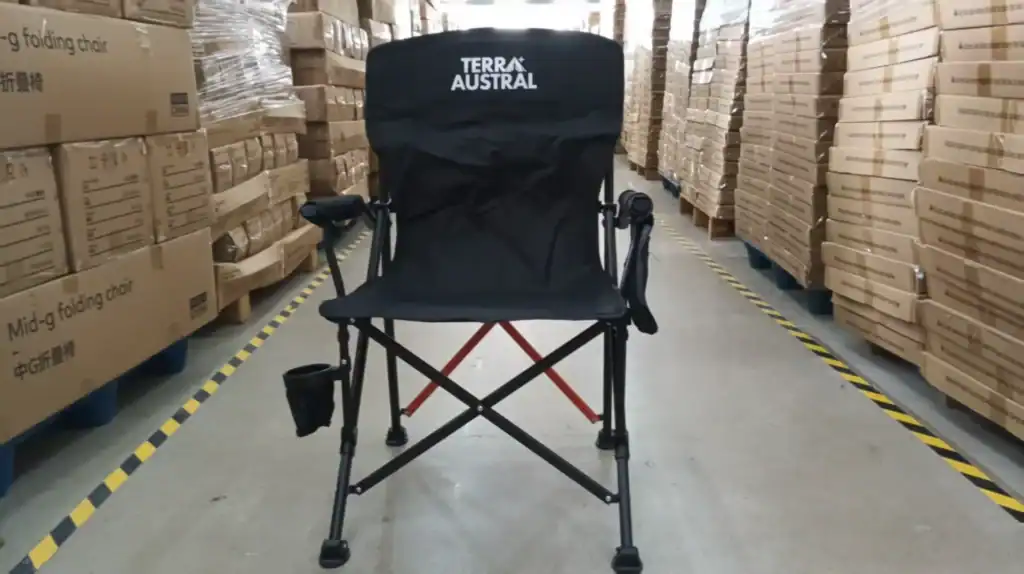
تقنيات توسيم القماش
طبقة حبر بسمك 0.2 مم على قماش أكسفورد يمكن أن تكون الفرق بين شعار يتشقق بعد 3 دورات طي وشعار لا يتشقق.
تم رفض شحنة بقيمة $50K في مركز توزيع أمازون لأن العينة قبل الإنتاج كانت تحمل رسومات حادة غير شفافة، لكن الإنتاج الضخم قدم مطبوعات رقيقة ومخططة. السبب؟ قام المورد بالتبديل إلى شاشة ذات عدد خيوط أقل لتسريع التشغيل دون إبلاغ المشتري. العلامات التجارية على القماش لا تتعلق بملف العمل الفني—بل تتعلق بالتحكم في معايير العملية التي لا يعرف معظم البائعين السؤال عنها.
الطباعة بالشاشة الحريرية على قماش كرسي التخييم تستخدم عادة أحبارًا مائية تعالج عند 150–160°C. بالنسبة لبوليستر أكسفورد، تريد شاشات 120–200 خيط؛ أي شيء فوق 200 خيط يجعل ترسيب الحبر رقيقًا جدًا لتحمل الطي المتكرر. تتراوح تكلفة كل شاشة بين $35–$60، وكل لون يتطلب شاشته الخاصة. لذا فإن شعارًا من 3 ألوان على ظهر الكرسي يضيف تقريبًا $0.30–$0.55 لكل وحدة بكميات 500–1,000 قطعة. الحد الأدنى للطلب عادة 300 قطعة لأن العمل التحضيري—شد الشاشة، طلاء المستحلب، التعريض—ثابت. أقل من ذلك، ترتفع التكلفة لكل وحدة إلى $1.20–$1.80، مما يمحو معظم هوامش التجارة الإلكترونية.
تعتمد المتانة على اختراق الحبر لنسيج القماش. يجب أن تتحمل الطباعة الجيدة أكثر من 50 دورة من اختبار التآكل مارتينديل دون تشقق مرئي. اطلب دائمًا تقرير اختبار الغسيل (AATCC 61-2A) على القماش المطبوع. إذا لم يستطع المورد توفيره، أو إذا شعرت عينة الطباعة وكأنها ملصق بلاستيكي فوق الخيوط، فابتعد. هذا كابوس عوائد مستقبلية.
النقل الحراري الرقمي هو السلاح المفضل لبائعي أمازون الذين يختبرون 8–10 أنواع مختلفة من SKU بتصميمات فوتوغرافية كاملة الألوان. بدلاً من الشاشات، يتم طباعة ملف رقمي على ورق تحرير، ثم كبسه حراريًا على القماش عند 180–200°C تحت ضغط 4–6 بار لمدة 12–15 ثانية. ميزة الحد الأدنى للطلب ضخمة—يمكنك وضع العلامات على 50 كرسيًا فقط دون رسوم شاشة واحدة. يتراوح السعر حوالي $0.45–$0.75 لكل موضع لطباعة 6×6 سم على 600D أكسفورد، ويشمل فيلم الطباعة وعمل النقل الحراري.
الجانب السلبي: النقل الرقمي يعمل بشكل أفضل على البوليستر أو النايلون الناعم والمحكم النسيج. على الأقمشة شديدة الملمس مثل 900D أكسفورد مع النسيج الطولي والعرضي البارز، يمكن لفيلم النقل أن يتجسر فوق النقاط المنخفضة، تاركًا فجوات هوائية تتقشر بعد بضع عشرات من دورات الانحناء. للأعمال الفنية الفوتوغرافية على كراسي التخييم، أحدد دائمًا وزنًا أدنى للقماش 300 جم/م² وتشطيب مكلندرة. هذه هي الطريقة الوحيدة للحصول على طبقة نقل بسمك 0.1 مم لتلتصق بالتساوي. أيضًا، أصر على عينة معالجة لمدة 48 ساعة قبل الإنتاج الضخم—النقلات التي تشعر بأنها مثالية بعد الضغط مباشرة يمكن أن تتقشر إذا لم يعبر المادة اللاصقة تشابكًا كاملًا.
-
- التطريز المسطح: يعمل على أي وزن من الأقمشة. يضيف تقريبًا 0.60–0.90 دولارًا لكل تصميم يصل إلى 5000 غرزة (نموذجي لشعار بحجم 6 سم). يمكن أن يكون الحد الأدنى لكمية الطلب منخفضًا يصل إلى 50 قطعة لأنه لا توجد شاشة أو قالب؛ يتم تشغيل الملف الرقمي مباشرة على آلة متعددة الرؤوس. الأنسب لألواح الكراسي المصنوعة من شبكة تيكستيلين حيث لا تثبت الطباعة.
- التطريز البارز ثلاثي الأبعاد: يستخدم طبقة أساسية من الرغوة تتمدد عند التسخين، مما يخلق شعارًا بارزًا وملموسًا. يبرر ذلك سعر تجزئة أعلى بنسبة 15–20% – لقد رأينا ذلك يعمل على كراسي بسعر 79.99 دولارًا مقابل 52.99 دولارًا للنسخ المطبوعة المسطحة. العيب: تتطلب الرغوة سمك خيط لا يقل عن 1.5 مم ووزن قماش داعم لا يقل عن 400 جم/م². على النايلون 210D الرقيق، يشوه النتوء القماش، مما يخلق فوضى متجعدة. بالنسبة لأقمشة أوكسفورد القياسية للكراسي التخييم (420D–600D)، فهو جيد. بالنسبة لكراسي التخييم فائقة الخفة، تجنبه.
- الخيوط المعدنية: الخيوط الذهبية أو الفضية أو النحاسية المغلفة بالبوليستر تضيف لمعانًا فاخرًا. تكلف 0.15–0.25 دولارًا أكثر لكل 1000 غرزة مقارنة بالحرير الصناعي القياسي. الطبيعة الكاشطة للخيوط المعدنية تسرع تآكل الإبرة – اسأل دائمًا ما إذا كان المصنع يستخدم إبرًا مطلية بالتيتانيوم ويعمل بسرعة آلة منخفضة (أقل من 700 غرزة في الدقيقة). وإلا، تتسبب كسور الخيط في غرز متقطعة ونتيجة رخيصة المظهر.
من منظور المشتريات، يلغي التطريز خطر التلاشي المتأصل في المطبوعات تحت التعرض العالي للأشعة فوق البنفسجية. شعار مطبوع بالشاشة الحريرية على كرسي شاطئ يُترك في الشمس 8 ساعات يوميًا سيظهر تدهورًا مرئيًا خلال موسم واحد. شعار تطريز بوليستر سيبدو جديدًا لأكثر من 3 سنوات. ضع ذلك في الاعتبار في التكلفة الإجمالية لتجربة العميل – خاصة إذا كنت تبيع في أستراليا أو جنوب غرب الولايات المتحدة أو أي سوق عالية الأشعة فوق البنفسجية.
قبل الالتزام بأي طريقة لعلامة القماش، تأكد من اتباع بروتوكول الموافقة على العينة بشكل صحيح. اطلب عينة ما قبل الإنتاج مع الشعار الفعلي المطبق باستخدام تقنية الإنتاج الضخم المقصودة. ثم قم بإجراء فحص تفاوت الجودة: قم بطي الكرسي 20 مرة، وافحص تشققات الحبر، أو تهالك الخيوط، أو تقشير النقل. هذا هو الاختبار الحقيقي الذي لا يمكن لأي شهادة طباعة استبداله.
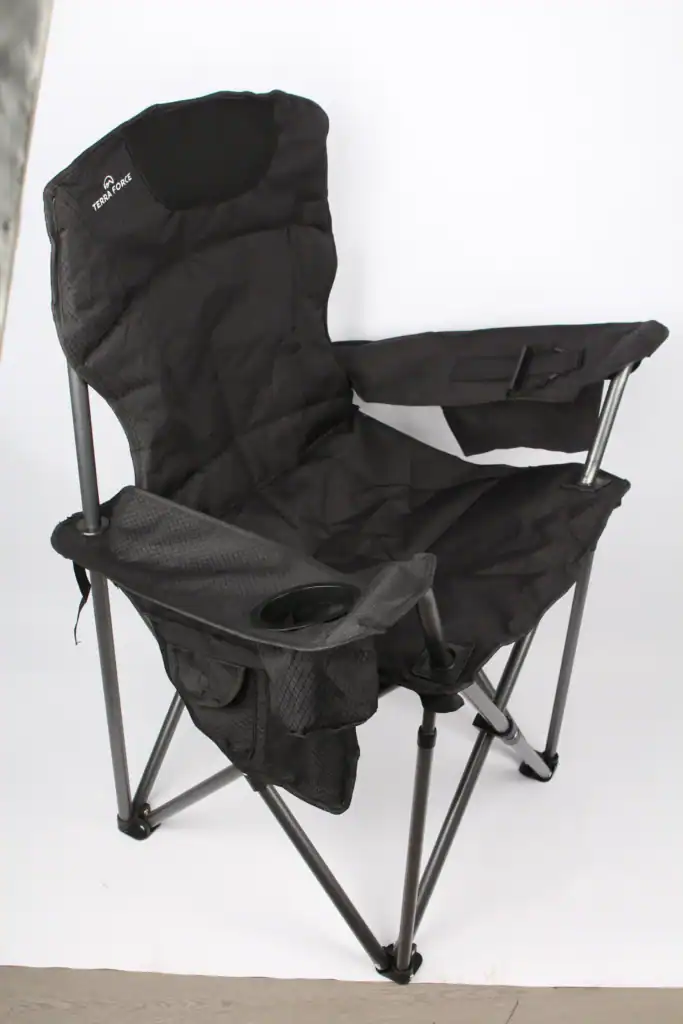
توسيم الإطار والأجهزة
سيخبرك معظم الموردين أن النقش بالليزر هو الخيار الأرخص للعلامة التجارية للإطار.
العلامة التجارية للإطار هي المكان الذي تحدث فيه أخطاء غير مقصودة أكثر من أي مكان آخر في التخييم الخاص بالعلامة التجارية الخاصة.
التقنيات الثلاث التي تعمل فعليًا على إطارات الكراسي المصنوعة من الألومنيوم والصلب تنقسم إلى حالات استخدام متميزة. لا شيء منها صحيح عالميًا. الطلاء بالمسحوق يتعلق بملكية اللون. النقش بالليزر يتعلق بالديمومة. القولبة بالحقن تتعلق بالتمييز الهيكلي. مزجها دون فهم محركات التكلفة هو كيف تخسر 1,200 دولار على أدوات لا تضيف أي قيمة مدركة.
1. ألوان الطلاء الكهروستاتيكي (Powder Coating).
2. الطلاء الكهروستاتيكي القياسي بالأسود أو الأبيض أو الفضي يضيف تقريبًا $0.30-$0.50 لكل كرسي عند الطلب بكميات كبيرة. أما الألوان المطابقة لـ Pantone المخصصة فترفع السعر إلى $0.80-$1.20 لكل وحدة، والتكلفة الحقيقية ليست في المسحوق نفسه، بل في توقف خط الإنتاج. يحتاج المصنع إلى تنظيف كابينة الرش بين الألوان. على دفعة من 300 كرسي، يتم توزيع دورة التنظيف التي تستغرق 45 دقيقة على عدد قليل جدًا من الوحدات. أنت تتحمل وقت التوقف. الحد الأدنى لكمية الطلب (MOQ) للون إطار مخصص يبدأ عادةً من 500 قطعة للألمنيوم، و300 للصلب. أقل من ذلك، توقع رسوم تغيير لون تتراوح بين $150-$200 تُضاف إلى الفاتورة.
3. هناك تفصيل واحد يميز الطلاء الكهروستاتيكي المتين عن الذي يتقشر بعد ستة أشهر: المعالجة الأولية. إطارات الصلب تحتاج إلى الفسفرة قبل الطلاء. الألمنيوم يحتاج إلى تحويل كرومات أو أنودة كطبقة أساسية. إذا تخطى مورّدك هذه الخطوة - والكثير يفعلون ذلك في الطلبات الصغيرة - فإن التصاق الطلاء يفشل أولاً على طول نقاط اللحام. اطلب تقرير اختبار التصاق التقاطع المتقاطع (Cross-hatch adhesion test).إيزو 24094. إذا لم يتمكنوا من تقديم واحد، ارحل.
5. الشعارات المحفورة بالليزر.
6. حفر شعار بالليزر على مسند ذراع من الألمنيوم أو قضيب إطار صلب يكلف بنسات لكل وحدة بمجرد ضبط ملف البرمجة. رسوم الإعداد تتراوح بين $30-$80 اعتمادًا على تعقيد العمل الفني. لا توجد تكلفة استهلاكية لكل وحدة - لا حبر، لا شاشات، لا فيلم. الحد الأدنى لكمية الطلب هو قطعة واحدة عمليًا بعد الإعداد.
7. المشكلة: الحفر بالليزر على الأسطح المطلية كهروستاتيكيًا هو عملية إزالة. أنت تتبخّر طبقة اللون لكشف المعدن العاري تحتها. على الإطارات السوداء، يخلق ذلك علامة فضية عالية التباين تبدو مقصودة. على الألوان المخصصة، لون المعدن المكشوف يغيّر المظهر البصري - إطار أزرق داكن يكشف حروفًا رمادية فضية، قد تتناسب أو لا تتناسب مع لوحة ألوان علامتك التجارية. اختبر هذا على عينة ما قبل الإنتاج قبل الموافقة على الإنتاج الضخم. كانت هناك حالات حيث
-
-
- 8. ليزر الألياف على الألمنيوم: 9. ينتج علامة نظيفة رمادية فاتحة. العمق 0.02-0.05 مم. لا يؤثر على السلامة الهيكلية حتى على الأنابيب رقيقة الجدران بسمك 1.0 مم.
- الليزر الليفي على الفولاذ: يتطلب إعدادات طاقة أعلى. قد يُحدث نتوءًا خفيفًا مرتفعًا على حافة العلامة إذا استعجل المشغل. يجب تضمين إزالة النتوءات في مواصفات تحمل الجودة الخاصة بك.
- ليزر ثاني أكسيد الكربون على الطلاء المسحوق: يزيل طبقة الطلاء فقط. حافة أنظف من الألياف على الألوان الداكنة. عديم الفائدة على المعدن العاري—لن يترك علامة على السطح إطلاقًا.
-
تحذير الخبير: آلات الليزر منخفضة الطاقة تنتج علامات باهتة تختفي تحت زوايا إضاءة معينة. إذا كانت صورة العينة من المورد ملتقطة تحت أضواء ورشة العمل الساطعة، اطلب صورة تحت إضاءة مكتبية منتشرة—نفس الظروف التي يراها العميل في موقع التخييم. إذا اختفت العلامة، ارفض العينة.
ملصقات مطاطية أو جلدية على حقائب الحمل.
حقيبة الحمل هي السطح الأقل استغلالًا للعلامة التجارية على كرسي التخييم. رقعة PVC المطاطية أو ملصق جلدي منقوش مخيط على الحقيبة يكلف 0.15-0.40 دولار لكل قطعة ويميز المنتج فورًا على رف التجزئة. الملصقات المنسوجة أرخص (0.05-0.10 دولار) لكنها تشير إلى ‘عام’ لأي شخص اشترى معدات خارجية في العقد الماضي.
-
-
- رقع PVC المطاطية: مصبوبة ثنائية الأبعاد بنقوش بارزة. الحد الأدنى للطلب هو 500 قطعة لقالب مخصص (أدوات 60-120 دولار). تكلفة القطعة الواحدة 0.12-0.20 دولار بكمية 1000+. تركيبات مقاومة للأشعة فوق البنفسجية تزيد التكلفة بنسبة 15-20%. بدون مثبت للأشعة فوق البنفسجية، تتشقق الرقعة بعد صيف واحد من التعرض للشمس.
- ملصقات الجلد الصناعي: قاعدة من الألياف الدقيقة أو الجلد PU مع شعار منقوش أو مطبوع بالرقائق. لا حاجة لقالب—يستخدم قالب ختم نحاسي (25-50 دولار). الحد الأدنى للطلب يصل إلى 200 قطعة. تكلفة القطعة 0.20-0.40 دولار. الجلد الطبيعي يضاعف هذه التكلفة ثلاث مرات ويضيف أوراق CITES للتصدير إلى بعض البلدان.
- ملصقات السيليكون: أعلى تصنيف متانة. يتحمل درجات حرارة من -40°م إلى 200°م دون تدهور. تكلفة الأدوات 150-250 دولار. تكلفة القطعة 0.30-0.60 دولار. الخيار المتميز للعلامات التجارية الموضوعة في فئة سعر هيلينوكس.
-
السؤال التكتيكي هو طريقة التثبيت. الملصقات المخيطة على حقائب قماش الأكسفورد تتحمل جيدًا—نسيج القماش يثبت الخيط. على النايلون خفيف الوزن أو حقائب القماش المقاوم للتمزق، يخلق الخياطة نقاط ثقب تتمزق تحت الحمل. لتلك المواد، استخدم دعامة لاصقة حرارية أو نظام برشام ميكانيكي. حدد هذا في نموذج الموافقة على العينة.
أجزاء مصبوبة بالحقن مخصصة للقطع البلاستيكية.
الأرقام الدقيقة: قالب حقن أحادي التجويف لحامل كوب أو موصل محور يكلف من 800 إلى 1,200 دولار للأدوات. ينتج هذا القالب قطعة واحدة لكل دورة. إذا كان كرسيك يستخدم قطعتين من هذا الجزء، فإن تكلفة القطعة الواحدة للقالب لطلب 500 قطعة هي 0.40-0.80 دولار لكل قطعة. القالب نفسه يدوم من 100,000 إلى 300,000 دورة في الفولاذ القياسي P20. على مدى عمر الأداة، تصبح التكلفة المطفأة ضئيلة.
الفخ الذي يقع فيه المبتدئون: يطلبون قالبًا مخصصًا لجزء موجود بالفعل في الكتالوج القياسي للمورد مع اختلاف طفيف في الأبعاد. يرى العميل حامل أكواب. لا يرون الحافة العريضة بمقدار 2 مم التي أنفقت عليها $1,000. القولبة المخصصة تكون منطقية فقط عندما يوفر الشكل تحسينًا وظيفيًا—حفرة أكواب أعمق تحمل زجاجة Yeti سعة 40 أونصة دون انقلاب، أو موصل يزيل نقطة اهتزاز معروفة في التصميم القياسي.
-
- درجة فولاذ القالب: P20 (قياسي، 100K-300K طلقة) مقابل H13 (مقوى، 500K-1M طلقة). لاختبارات أمازون الأولى من 500-1,000 وحدة، يكفي P20. لا تدفع مقابل H13 إلا إذا كان لديك توقعات حجم إنتاج مؤكدة لعدة سنوات.
- عدد التجاويف: قوالب التجويف الواحد تكون أقل تكلفة مقدمًا. قوالب متعددة التجاويف (2-4 تجاويف) تكلف 2-3x أكثر لكنها تقلل تكلفة القطعة بنسبة 40-60%. نقطة التعادل تكون عادة حوالي 5,000 وحدة. أقل من هذا الحجم، التجويف الواحد هو القرار الصحيح.
- المادة: PP (بولي بروبيلين) هو المعيار للمكونات الخارجية—مقاوم للأشعة فوق البنفسجية، مقاوم للصدمات، تكلفة المادة الخام $1.20-$1.80/كغم. النايلون المقوى بالزجاج (PA6-GF30) يضيف 30-40% إلى تكلفة المادة لكنه يضاعف قوة الشد. استخدمه للموصلات الحاملة للأحمال.
- وقت التسليم: تصنيع القالب: 15-25 يومًا. العينة الأولى (T1): 3-5 أيام بعد اكتمال القالب. توقع 2-3 جولات مراجعة قبل الموافقة النهائية. خصص 30-45 يومًا إجمالًا من طلب القالب إلى وصول القطع الجاهزة للإنتاج.
تكلفة العينة للأجزاء المقولبة المخصصة هي القالب نفسه—لا مفر من ذلك. بعض الموردين يقدمون نماذج أولية بـ ‘أدوات لينة’ (مطبوعة ثلاثية الأبعاد أو مقولبة بالسيليكون) بتكلفة $50-$150 لكل مجموعة لتتمكن من التحقق من الشكل قبل قطع الفولاذ. اطلب هذا. قالب بقيمة $1,200 به عيب تصميمي تكتشفه في T1 هو درس بقيمة $1,200. نفس العيب الذي يُكتشف في مرحلة الطباعة ثلاثية الأبعاد هو إصلاح بقيمة $75.
تخطي العلامة التجارية للإطار والأجهزة تمامًا، وتطلق كرسيًا مجهولًا آخر في فئة أمازون حيث 80% من القوائم تستخدم نفس الصور الثلاث للمخزون من المصنع. تكلفة عدم الفعل هي تآكل الهامش عبر المنافسة السعرية. كرسي مع موصلات محور مخصصة وحقيبة حمل ذات علامة تجارية يدعم نقطة سعر $49.99 حيث النسخة العامة تناضل من أجل $29.99. قالب $800 يدفع تكلفته خلال 40 وحدة عند هامش الربح هذا. الحساب ليس معقدًا.
التغليف وتجربة فتح العلبة
التغليف هو أول نقطة اتصال مادية بين العميل وعلامتك التجارية—فإذا أخطأت فيه، ترتفع معدلات الإرجاع حتى قبل استخدام الكرسي.
غالبًا ما يركز بائعو التجارة الإلكترونية على الشعار المطبوع على ظهر الكرسي ويتجاهلون الكيس البلاستيكي الذي يُشحن به. هذا خطأ يقتل الأرباح. تجربة فتح الصندوق تؤثر مباشرة على معدلات الإرجاع، ودرجات التقييم، وما إذا كان العميل سيهتم بقراءة تعليمات العناية. وفقًا لسجلات العيوب الداخلية من عدة خطوط إنتاج، فإن أكثر من 15% من إرجاعات كراسي التخييم على أمازون تشير إلى تلف التغليف أو فقدان أجزاء. الإصلاح ليس مكلفًا أبدًا—ولكنه غالبًا ما يُغفل.
ابدأ بالكيس البلاستيكي المخصص. كيس LDPE قياسي بسمك 0.06 مم يحمي الكرسي أثناء النقل ولكنه يبدو رخيصًا. قم بالترقية إلى 0.10 مم مع تشطيب غير لامع وطباعة اسم علامتك التجارية على جانب واحد. الفرق في التكلفة يتراوح حوالي 0.08–0.12 دولار لكل وحدة عند الحد الأدنى لكمية الطلب 500 قطعة، ويغير التصور بالكامل من منتج تخفيضات إلى منتج فاخر. إذا كنت تخطط للبيع على أمازون، استخدم ملصق تحذير من الاختناق مطبوعًا مسبقًا على الكيس؛ إنه مطلب قانوني وأنظف بكثير من الملصق اللاصق الذي يتقشر في المستودع.
-
- العلامات المعلقة: علامة ورقية مطبوعة بوزن 350 جم/م² مع تصفيح غير لامع وقص بشكل مخصص تكلف تقريبًا 0.05 دولار لكل وحدة عند 500 قطعة. أضف خيط جوت بدلاً من البلاستيك—فهو يوحي فورًا بـ'الخارج‘. اطبع قصة علامتك التجارية على الظهر؛ يقرأ العملاء العلامات بينما الكرسي لا يزال مطويًا، مما يمنحك نافذة اهتمام تتراوح من 4 إلى 6 ثوانٍ.
- العلامات المنسوجة: مخيطة مباشرة في القماش أو حقيبة الحمل، تدوم العلامات المنسوجة لأكثر من 50 دورة غسيل دون بهتان. العلامة المنسوجة من الدامسك مع شعارك بثلاثة ألوان تكلف حوالي 0.09–0.15 دولار لكل قطعة. بالنسبة لكرسي تخييم بسعر 39.99 دولار، يمكن لهذه العلامة وحدها تبرير زيادة السعر بمقدار 5 دولارات لأنها تصرخ بـ'العلامة الخاصة‘، وليس ’الشحن المباشر العام من علي إكسبرس‘.
الآن،, علامات الكرتون الداخلي. إذا كنت تشحن 4 كراسي لكل كرتون رئيسي، يجب أن يحمل كل كرتون داخلي علامات الشحن الصحيحة: رقم القطعة، الكمية، الوزن الإجمالي، الأبعاد، وبلد المنشأ. عدم وجود علامة ‘صنع في الصين’ أو وزن صافي غير دقيق ليس إغفالًا بسيطًا—فهو يؤدي إلى فحوصات جمركية، والتي تكلف 150–300 دولار لكل حاوية وتؤخر إدخال FBA لمدة 7–10 أيام. لقد رأينا شحنات محتجزة في روتردام لمدة 18 يومًا لأن الكرتون الداخلي أدرج رمز النظام المنسق الخاطئ. اعمل مع موردك لطباعة هذه العلامات مباشرة على كرتون الكرافت البني، وليس على ملصق ورقي يسقط في الظروف الرطبة.
ثم هناك طبقة الامتثال: تعليمات الغسل والملصقات التحذيرية. بالنسبة للسوق الأمريكي، تتطلب لجنة التجارة الفيدرالية FTC أن تذكر ملصقات العناية محتوى الألياف وطريقة الغسل. بالنسبة للاتحاد الأوروبي، تنطبق تحذيرات السلامة EN 71-3 إذا كان الكرسي يحتوي على نسخة للأطفال. أفضل خطوة لأي كرسي تخييم بعلامة خاصة هي طباعة هذه الملصقات بالإنجليزية والإسبانية والفرنسية والألمانية على ملصق عناية واحد من الساتان. يضيف هذا حوالي 0.03–0.06 دولار لكل وحدة ويلغي الحاجة إلى علامات معلقة خاصة بكل دولة. من منظور التوريد، يقلل هذا الإجراء الواحد من تعقيد SKU ويمنع 90% من شكاوى ‘لم ير عميلي التحذير’ التي تنتشر في قوائم أمازون.
عندما يتم التعامل مع هذه العناصر الأربعة—الكيس البلاستيكي، العلامة المعلقة، علامات الكرتون الداخلي، وملصق العناية متعدد اللغات—كنظام وليس كأفكار لاحقة، فإنك تنشئ تسلسلًا هرميًا للتغليف ينقل الجودة بهدوء. قد يكون الكرسي بالداخل مطابقًا لمنتج منافس، لكن أول 30 ثانية للعميل مع المنتج ستكون مختلفة تمامًا. وهذا الاختلاف يظهر في التقييمات.
الكمية الأدنى للطلب وتفصيل الأسعار
تعقيد الطباعة يدفع بشكل مباشر حدود الكمية الدنيا للطلب (MOQ).
بالنسبة لكراسي التخييم، فإن الحد الأدنى للكمية ليس رقمًا واحدًا - بل يتغير مع طريقة العلامة التجارية الخاصة بك. الشاشة الحريرية, ، بينما تكون رخيصة لكل وحدة، عادةً ما تقيدك بـ 300+ قطعة لأن التكلفة الحقيقية هي إعداد الشاشة. النقل الحراري الرقمي يقلب ذلك: هدر إعداد لا يُذكر يعني أن المصانع تقبل ما لا يقل عن 50 قطعة، وتحصل على تفاصيل فوتوغرافية كاملة الألوان. التطريز والأجزاء المقولبة بالحقن يفرض كل منها قيوده الخاصة. يتطلب التطريز وزن قماش كافٍ لتحمل الغرز دون تجعد، ولا تحقق القوالب جدوى مالية إلا عند توزيع التكلفة على مئات الوحدات.
-
- الشاشة الحريرية: الحد الأدنى لكمية الطلب 300–500 قطعة. تشغيل تحضير الشاشة 60–120 لكل لون، لذا فإن الحجم يستوعب هذه التكلفة.
- النقل الحراري الرقمي: الحد الأدنى لكمية الطلب 50–100 قطعة. لا توجد تكلفة شاشة؛ مثالي لبائعي أمازون الذين يختبرون تصميمات جديدة على قماش أكسفورد.
- التطريز البارز ثلاثي الأبعاد: الحد الأدنى لكمية الطلب 200 قطعة. يتطلب دعم أكسفورد 600D+ ووزن خيط لا يقل عن 40wt لمنع التشوه. يضيف 15–20% إلى سعر التجزئة.
- الأجزاء المخصصة المصبوبة بالحقن: الحد الأدنى لكمية الطلب 500+ قطعة. رسوم القوالب 800–1,200 دولار، لكن حامل أكواب أو موصل يحمل علامة تجارية يحل محل الأجهزة العامة.
تعكس رسوم العينات تكلفة العمالة التحضيرية. عينة الطباعة بالشاشة الحريرية قبل الإنتاج عادةً ما تكلف 50–80 دولارًا، قابلة للخصم بالكامل من الطلب بالجملة. عينات التطريز تكلف 80–150 دولارًا بسبب الرقمنة ومعايرة شد الخيط. إذا كان تصميمك يشتمل على لمسات مصبوبة بالحقن، فتوقع نموذجًا أوليًا للقالب بقيمة 150–200 دولار. القاعدة الثابتة بسيطة: احرص على خصم تكاليف العينات من فاتورة الإنتاج الضخم — وهي ممارسة معيارية بين المصانع الحاصلة على شهادة ISO 9001 هنا.
يمتد وقت التسليم مع عمق التخصيص. شحن كرسي عادي بتصميم OEM خلال 30–45 يومًا. إضافة طباعة القماش تمد ذلك بمقدار 5–7 أيام عمل. التطريز يمد النافذة إلى 45–55 يومًا. ضع في الاعتبار القوالب المصبوبة بالحقن المخصصة — 15–20 يومًا إضافيًا لتصنيع القالب واختبارات الحقن. طلب مكون من 50 قطعة يمزج بين التقنيات الثلاث يستغرق عادةً 55–65 يومًا من الموافقة على العمل الفني حتى الإفراج من المصنع. ستحمل تكلفة الوحدة إطفاء قالب أعلى للدفعات الصغيرة، لذا احسب شحن FOB بعناية. التفاوت في الجودة يكون أضيق في العمل المخصص، ولهذا تصبح الموافقة على العينة بوابة صلبة — تجاوزها تخاطر بحاوية بها 500 كرسي لا تبدو كالقائمة الخاصة بك.
أمثلة توضيحية: من المظهر العام إلى العلامة التجارية الفاخرة
الحد الأدنى المنخفض لكمية الطلب والتخصيص الذكي حوّلا كرسيًا عاديًا بقيمة 15 دولارًا إلى أفضل بائع على أمازون بقيمة 45 دولارًا في أقل من 90 يومًا.
يفترض معظم البائعين الجدد أن العلامة التجارية تتطلب كميات حاوية. أثبت عميل واحد عكس ذلك بـ 50 كرسيًا فقط. اختار نموذجًا ألومنيوم قياسيًا قابلًا للطي مع قماش أكسفورد، ثم طبق طبعة نقل حراري رقمي بالألوان الكاملة — عمل فني بجودة فوتوغرافية لصورة ظلية لجبل عند غروب الشمس. كان الحد الأدنى لكمية الطلب للنقل الحراري 50 قطعة بالضبط، أقل بكثير من الحد الأدنى البالغ 300 قطعة للشاشة الحريرية التقليدية. زادت تكلفة الوحدة بمقدار 2.80 دولار، لكن التصميم ذو العلامة التجارية فرض سعر تجزئة قدره 44.99 دولارًا مقابل 17.99 دولارًا للنسخة العامة. في غضون شهرين، حصلت القائمة على متوسط تقييم 4.7 نجوم ومعدل شراء متكرر 22%. كان المفتاح هو التحكم في تصور العميل: بدا الكرسي وكأنه علامة تجارية متخصصة في الهواء الطلق، وليس سلعة عامة.
كشفت عملية الموافقة على العينة عن تفصيل حاسم. أظهرت طباعة النموذج الأولي تغيرًا طفيفًا في اللون على ظهر المقعد المنحني. بعد تعديل ملف العمل الفني لتعويض تمدد القماش، تطابقت الإنتاج النهائي مع الدليل الرقمي تمامًا. استغرق هذا التبادل 12 يومًا لكنه منع 50 وحدة غير قابلة للبيع. كان وقت تسليم الإنتاج 35 يومًا، ووصل الطلب الكامل إلى أمازون FBA في غضون 60 يومًا من التوقيع النهائي على العينة.
كان الإنفاق الرأسمالي أقل من 2,500 دولار بما في ذلك تكاليف العينات. أعاد العميل استثمار الأرباح في طلب إعادة 200 قطعة مع تطريز ثلاثي الأبعاد بارز على مسند الرأس، مما رفع القيمة المتصورة أكثر وسمح بسعر تجزئة قدره 59 دولارًا. أضاف ذلك التطريز 1.20 دولار لكل وحدة لكنه برر زيادة في السعر بنسبة 15%.
-
-
- الحد الأدنى لكمية الطلب للنقل الحراري الرقمي: 50 قطعة، بدون رسوم إعداد الشاشة؛ مثالية للتصاميم الفوتوغرافية على قماش أكسفورد.
- وقت تطوير العينة: 7-10 أيام للنموذج الأولي، بالإضافة إلى 5-7 أيام للمراجعات؛ المجموع 12-17 يومًا قبل الموافقة على الإنتاج الضخم.
- تأثير السعر: الكرسي ذو العلامة التجارية يُباع بسعر 2.5 ضعف سعر النسخة العامة؛ التطريز رفع متوسط سعر البيع بنسبة 151%.
-
المثال الثاني يتضمن إقران الكراسي المخصصة مع طاولات ذات علامات تجارية متطابقة. أرادت علامة تجارية أوروبية للمنتجات الخارجية مظهرًا متماسكًا للعائلة لحزمة التخييم الخاصة بهم. اختاروا طاولة ألمنيوم قابلة للطي بسطح ميلامين وقرنوها بكراسي من طراز المخرج. استخدم كلاهما نفس قماش أكسفورد 900D بلون بانتون أخضر مخصص مع شعار مطبوع بالشاشة على مسند الظهر وسطح الطاولة. تم طلاء إطار الطاولة باللون الأسود غير اللامع نفسه الذي يطابق إطارات الكراسي، مما خلق خطًا بصريًا موحدًا.

حددت العلامة التجارية ملصقات مطاطية مخصصة تُخيط في درزة مسند ظهر الكرسي وعلى حقيبة حمل الطاولة، بالإضافة إلى بطاقات تعليق منسوجة مع تعليمات الغسيل بأربع لغات. نظرًا لأن إنتاج الكرسي والطاولة جاء من نفس مجموعة المصانع، كان من الأسهل الحفاظ على تناسق الألوان. قدم المصنع عينة دفعة من القماش مسبقًا لموافقة العلامة التجارية لضمان تطابق صبغة اللون عبر كلا المنتجين.
استراتيجية الحزمة زادت متوسط قيمة الطلب بنسبة 40%. بدلاً من بيع كرسي منفرد بسعر 39 دولارًا وطاولة بسعر 59 دولارًا، تم بيع المجموعة المكونة من قطعتين بسعر 109 دولارات للتجزئة - مما فرض علاوة على التصميم المطابق والراحة. غالبًا ما أبرزت مراجعات العلامة التجارية اللاحقة “المظهر المنسق” كمحرك للشراء.
-
- تأثير تسعير الحزمة: ارتفع متوسط قيمة الطلب بنسبة 40% عند بيع الكراسي والطاولات كمجموعة متطابقة مقابل بيع كل منها كوحدة تخزين فردية.
- متطلبات تناسق الألوان: تمت الموافقة على عينة دفعة القماش قبل الإنتاج من قبل العلامة التجارية؛ مجموعة مصانع واحدة ضمنت تطابق صبغة اللون عبر العناصر.
- الملصقات والعلامات المخصصة: الملصقات المطاطية، وبطاقات التعليق المنسوجة، وتعليمات العناية بالغسيل متعددة اللغات حولت العناصر العملية إلى أصول علامة تجارية.
ما تشترك فيه كلا المثالين هو أن العلامة التجارية لا تُطبق كفكرة لاحقة؛ فهي تبدأ باختيار المنتج، وتمر عبر الموافقة على العينة، وتندمج في التغليف. بالنسبة لرواد التجارة الإلكترونية، يعني هذا أنك لا تبحث فقط عن كراسي، بل تبني قصة علامة تجارية تظل عالقة بعد البيع الأول بوقت طويل.
الخاتمة
كرسي التخييم الذي يحمل شعارك يُباع بسعر أعلى من الكرسي العام. لكن الهامش يتحقق فقط عندما تصمد العلامة التجارية لموسم من التعرض للأشعة فوق البنفسجية, الأمطار، والتكرار المتكرر للطي. اختر التقنية الخاطئة لوزن القماش الخاص بك أو تخطى الموافقة على العينة قبل الإنتاج، وستتحمل تكلفة دفعة كاملة تتآكل أو تتقشر أو تتلاشى في الشهر الثالث.
1. هل ستوفر عينة من الإنتاج الضخم مأخوذة من خط الإنتاج الفعلي قبل الشحن، وليس مجرد نموذج أولي مخيط يدويًا من غرفة العينات؟
2. هل تشمل أسعار FOB المقتبسة تكلفة مجموعة كاملة من الملصقات المخصصة، والعلامات المعلقة، وعلامات الكرتون الداخلي، أم يتم إصدار فواتير منفصلة لها بعد الدفعة الأولى؟
3. ما هو تفاوت الجودة المكتوب لديك لثبات اللون على قماش الأكسفورد المطبوع بعد 200 ساعة من التعرض للأشعة فوق البنفسجية، وهل ستضمن تقرير الاختبار هذا مع التفتيش قبل الشحن؟
إذا حصلت على إجابة "لا" أو إجابة غامضة على أي من هذه الأسئلة، فضع المخاطر في تكلفة وحدتك. الاقتباس الرخيص دون تفاوت جودة موثق ليس رخيصًا أبدًا بعد أول طلب إرجاع لك.
الأسئلة الشائعة
ما هو الحد الأدنى لكمية الطلب للكراسي ذات العلامة التجارية؟
غالبًا ما يبدأ الحد الأدنى للطلب (MOQ) لكراسي التخييم ذات العلامة التجارية الخاصة من 50 إلى 100 قطعة للطباعة البسيطة على القماش، ويرتفع مع العلامات التجارية المعقدة للهيكل.
ما هي ماركة القماش التي تدوم أطول؟
عادةً ما تدوم التطريزات لفترة أطول على قماش كراسي التخييم لأن الخيط يخترق المادة، بينما تطبع الشاشة والنقل الرقمي على السطح وقد يتشققان بمرور الوقت. اختر التطريز للمناطق عالية التلامس. اختر التطريز عندما تكون المتانة هي المطلب الرئيسي.
هل يمكنني وضع علامة تجارية على الإطار دون استخدام قوالب ضخمة؟
نعم، يتيح لك الطلاء بالبودرة والنقش بالليزر وضع علامات تجارية على إطارات الألومنيوم أو الفولاذ دون الحاجة إلى أدوات جديدة.
كم تكلفة العينات؟
تختلف تكاليف العينة حسب تعقيد التخصيص وعادةً ما تُدفع مقدمًا، لكنها غالبًا ما تكون قابلة للاسترداد عند تأكيد طلب بالجملة. قد تكون العينات المخزنية منخفضة التكلفة مجانية إذا طلبت إشعارًا دائنًا مقابل طلب الإنتاج الخاص بك لتعويض رسوم العينة.
كم من الوقت يستغرق طلب التخصيص الكامل؟
المهلة الزمنية القياسية هي 30-45 يومًا، لكن العمليات المخصصة المتعددة مثل طلاء الإطار بالبودرة بالإضافة إلى القماش المطبوع والتغليف الخاص قد تمددها لأكثر من ذلك. أضف دائمًا وقتًا احتياطيًا. خصص 15 يومًا إضافيًا إذا كان تصميمك يجمع بين العلامة التجارية للإطار والقماش والتغليف.

 English
  Español
  Deutsch
  Français
  Português do Brasil
  Русский
  العربية
  한국어
한국어  日本語
日本語