 تخطي إلى المحتوى
خيمة سفاري مقابل خيمة نزل هي نقطة التفتيش الأولى التي يجب على المشترين تأمينها قبل الموافقة على المورد أو الميزانية أو موعد الإنتاج. وصلت اثنتا عشرة لوحة إلى مستودعك في باجا كاليفورنيا، و50 وحدة تخييم فاخرة تم طلبها بشروط FOB نينغبو قبل ثلاثة أشهر. تفتح الكرتون رقم #3، وتسحب جزءًا من الجدار الجانبي، ويلمس إبهامك القماش المشمع. يبدو خفيفًا. كانت العينة المعتمدة قبل الإنتاج من قماش بولي كوتون 480 جرام/م²؛ هذه تتنفس مثل 320 جرام/م². مقياس الميكرومتر على طلاء أنبوب الإطار يقرأ 55 ميكرون، وليس 80 الذي حددته. لديك أربعة أسابيع حتى الافتتاح التجريبي. فجوة تحمل الجودة بين الموافقة على العينة والإنتاج الضخم هي المكان الذي يختبئ فيه التكلفة الحقيقية لقرار خيمة سفاري مقابل خيمة نزل—ليس في ورقة الأسعار، ولكن في دورة الاستبدال لمدة 10 سنوات وفي حكم مفتش البناء حول ما إذا كانت هذه هياكل مؤقتة أو وحدات سكنية دائمة.
تصنيف الدوام الهيكلي وحده يمكن أن يغير الجدول الزمني للتصريح الخاص بك، والتزامات ADA، وأقساط التأمين بعامل يفوق الفرق السعري الأولي. خيام السفاري التي تستخدم قماش 480 جرام/م² على إطارات فولاذية يمكن أن تحقق تصنيف حريق من الفئة B وفقًا لمعايير EU CE لعام 2026 إذا كانت جميع البطانات الداخلية معتمدة، بينما خيام النزل ذات الألواح الصلبة للسقف غالبًا ما تستدعي شهادات منفصلة لمواد التسقيف. في منطقة رذاذ ملح على بعد ثلاثة أميال من الساحل، إطار ألومنيوم بطبقة مؤكسدة بسمك 20 ميكرون سيتفوق على الصلب المجلفن بالغمس الساخن خلال 36 شهرًا، دون شك. هذه ليست هوامش في ورقة المواصفات—إنها البنود الخمسة التي تفصل منتجعًا يحقق إشغالًا بنسبة 85% عن منتجع يغلق بسبب إصلاحات تآكل الإطار في السنة الرابعة.

خيام السفاري مقابل خيام النزل: ما الذي يفصل بين ‘الخيمة’ و'الغرفة‘؟
الخط الفاصل بين ‘الخيمة’ و‘الغرفة’ يُحدد بواسطة تصنيف كود البناء، وليس سُمك الجدار.
اللحظة الحاسمة تأتي عندما يستطيع ضيف دفع $400 لليلة واحدة سماع محادثة في الوحدة المجاورة عبر حاجز من القماش. هذه هي فجوة توقعات الضيف. خيام السفاري ذات الجدران المزدوجة من القماش تمنع خطوط الرؤية وتُخفف الرياح، لكنها لا تمنع الصوت كما تفعل الحواجز الصلبة. خيام النُزل، المبنية بألواح عازلة شطيرة أو حواجز دريوال بإطارات خشبية، توفر خصوصية صوتية. إذا كان سوقك المستهدف هو الأزواج الذين يدفعون علاوة للعزلة، فإن جدران القماش تفشل. أظهر استطلاع لمنتجع في جبال سموكي عام 2026 أن معدل المراجعات السلبية لخيام السفاري بسبب الضوضاء أعلى بنسبة 23% مقارنة بوحدات النُزل.
-
- الخصوصية الصوتية: جدران القماش تحقق عادةً STC 10-15؛ الحواجز الصلبة في خيام النُزل تصل إلى STC 35-45. يتوقع الضيوف عزلًا صوتيًا بمستوى الفنادق، وليس شفافية المخيمات.
- الغلاف الحراري: خيام السفاري تعتمد على القماش القابل للتهوية والتهوية الطبيعية. خيام النُزل ذات ألواح السقف المصنوعة من الرغوة المغلقة الخلايا ومحيطات محكمة الإغلاق تخلق مساحة مكيفة - وهو أمر حاسم للمضخات الحرارية في المناخات الباردة.
- الإحساس بالأمان: الأبواب الصلبة بأقفال ديدبولت تشير إلى الديمومة. مداخل القماش بسحابات، حتى مع مزاليج قفل، تُسجل لا شعوريًا كمأوى مؤقت للعديد من الضيوف.
الفجوة تتسع عندما تُدخل تصاريح البناء في المعادلة. معظم الولايات القضائية في أمريكا الشمالية تصنف خيام السفاري كـ‘هياكل مؤقتة’ إذا كانت تفتقر إلى الأساسات الدائمة والمرافق الثابتة. هذا التصنيف يمكنه تجاوز متطلبات معينة من قانون ADA التي تنطبق على ‘وحدات السكن’. ومع ذلك، فإن نفس الوضع المؤقت يحد من أيام الإشغال - غالبًا 180 يومًا في السنة في المناطق السياحية - ويحد من تركيب الحمامات ذات السباكة الصلبة. خيام النُزل، خاصة تلك ذات ألواح السقف الصلبة والأساسات الثابتة، تقع عادةً تحت رموز السكن الدائم. مما يستدعي الامتثال الكامل لـ ADA، وأنظمة الرش، وهندسة الأساسات الدائمة. التأثير التكلفة ليس تافهًا: التعديلات الامتثالية لموقع نُزل مكون من 10 وحدات يمكن أن تضيف $45,000-$80,000 مقارنة بتصميم خيام السفاري على قواعد حصوية.
يجب أن تحدد استراتيجية التصريح اختيار المنتج، وليس العكس. خيام السفاري المصنوعة من قماش 480 جرامًا لكل متر مربع مع إطارات فولاذية يمكنها تحقيق تصنيف حريق من الفئة ب الأوروبي في عام 2026، بشرط أن تكون جميع البطانات الداخلية معتمدة. خيام النزل ذات الألواح الصلبة غالبًا ما تتطلب شهادات منفصلة لمواد السقف، مما يؤخر موافقة الموقع لمدة 4-8 أسابيع. في البيئات الساحلية المالحة، تتفوق الإطارات الألومنيوم المصقولة بأكسيد الألومنيوم على الفولاذ المجلفن خلال 36 شهرًا—وهي حقيقة تؤثر مباشرة على جداول الإهلاك وتقييمات التأمين. قم بمواءمة اختيار الخيمة مع تصنيف التصريح الذي يمكن لنموذج أعمالك تحمله، وليس مع الجمالية التي تفضلها.

مواد البناء والأداء في الطقس
تحديد وزن قماش خاطئ يكلف منتجعك دورات استبدال، وليس توفيرًا مقدمًا.
لقد درست عمليات القص والخياطة للموردين عبر ثلاث مقاطعات، وأكثر فخ توفير التكاليف شيوعًا في إنتاج خيام التخييم الفاخر ليس الإطار—بل مواصفات القماش. يحدد المشتري ‘قماش بولي-قطن’ دون تثبيت وزن GSM، وبعد ستة أشهر يدمر أول موسم رياح موسمية السقف. الفرق الهيكلي بين مزيج بولي-قطن بوزن 320 و480 جرامًا لكل متر مربع ليس تدريجيًا—إنه يحدد ما إذا كانت خيمتك أصلًا ثلاثي المواسم أم التزامًا لمدة خمس سنوات.
يهيمن خيار 320 جرامًا على سوق خيام السفاري الاقتصادية لأنه يحافظ على تسعير FOB القدرة التنافسية ويتسطح بشكل أفضل لتحسين الحاويات. يعمل بشكل مناسب في المواقع المظللة قليلة الرياح مع تشغيل موسمي. لكن قم بإجراء اختبار الرأس الهيدروستاتيكي لمدة 72 ساعة بعد 18 شهرًا من التعرض للأشعة فوق البنفسجية، وستبدأ التمزقات الدقيقة حول نقاط تثبيت عمود التلال في الانتشار. وهنا يجب أن تتضمن بروتوكولات الموافقة على العينات اختبار الشد للنسيج المتقادم، وليس فقط التحقق من العينات الجديدة.
مزيج البولي-قطن بوزن 480 جرامًا هو العمود الفقري الهيكلي لأي خيمة نزل تُصنف كوحدة سكنية دائمة. يأتي الوزن الإضافي من كثافة خيوط أعلى في اتجاهي السدى واللحمة، مما يوفر شيئين يهتم بهما مدير العلامة التجارية فعليًا: تقليل تسرب الضوء الشفاف عبر السقف عند شروق الشمس، وتحسين قابل للقياس في أداء الغلاف المحكم لخيمة التخييم في المناخ البارد. عمليًا، يحتفظ سقف 480 جرامًا مع خط تماس مرتفع معزول بشكل صحيح بالحرارة الداخلية لفترة أطول بنسبة 40% بعد غروب الشمس مقارنة بقشرة غير معزولة بوزن 320 جرامًا—وهو ما سيعكسه جدول تكاليف التدفئة بحلول العام الثالث.
-
-
- خيط مضاد للتسرب الشعري: بغض النظر عن وزن القماش، أصر على خيط بوليستر مستمر الشعيرات بمعامل تمدد يتطابق مع القماش الأساسي. خيط القطن يسحب الرطوبة إلى فتحات الإبرة؛ البوليستر لا يفعل ذلك. يفشل خط التماس قبل أن يفشل القماش.
- تفاوت الجودة في الطلاء: تفاوت سمك طلاء البولي يوريثان بأكثر من ±15% عبر دورة إنتاج يُعتبر علامة خطر. اطلب تدقيقًا لوزن الطلاء على ثلاث لوحات عشوائية من كل دفعة إنتاج. قاعدة 480 جرام/م² مع توزيع غير متساوٍ للبولي يوريثان تؤدي أداءً مشابهًا لقماش 380 جرام/م² في النقاط الرقيقة.
-
هندسة الإطار هي المكان الذي يصبح فيه المقارنة بين الثبات الهيكلي لخيام التخييم الفاخرة حقيقية. معظم الموردين يقدمون ثلاثة خيارات: الفولاذ المجلفن، الألومنيوم، أو نظام هجين بأعمدة فولاذية وأقواس سقف من الألومنيوم. الإعداد الافتراضي في تجمع التصنيع الصيني حول شاوشينغ ونينغبو هو أنابيب فولاذية مجلفنة بالغمس الساخن—قطر 35 مم إلى 42 مم، وسماكة جدار 1.2 مم إلى 1.5 مم. إنها صلبة، وتتحمل أحمال الثلج جيدًا، وتحافظ على تكلفة الوحدة منخفضة بما يكفي لحماية هامش ربحك في الطلبات بالجملة.
تظهر مشكلة الفولاذ المجلفن حوالي الشهر 30 في أي بيئة تحتوي على ملح محمول بالهواء. ليس عند الوصلات الرئيسية—تلك تحصل على طلاء كافٍ—ولكن عند نقاط اللحام حيث قام المصنع بطحن الزوائد المعدنية وكشف الفولاذ الخام تحتها. في ظروف الرذاذ الملحي الساحلي، تتفوق إطارات الألومنيوم بطبقة أنودة على الفولاذ المجلفن خلال أول 36 شهرًا. خيار الألومنيوم يكلف حوالي 60% أكثر في الطلب الشرائي الأولي، لكنه يلغي دورة إعادة طلاء كاملة للإطار على مدى عقد. بالنسبة لمنتجع مكون من 20 وحدة، تكلف دورة إعادة الطلاء تلك في العمل ووقت توقف النزلاء أكثر من الترقية المسبقة للإطار.
-
- سبيكة 6063-T6: أنبوب ألومنيوم معماري قياسي. مقبول للمواقع الداخلية ذات الرياح المعتدلة. اطلب سمك جدار لا يقل عن 2.0 مم لأي امتداد يتجاوز 3 أمتار.
- الأنظمة الهجينة: أعمدة رأسية فولاذية مع أقواس سقف من الألومنيوم. توفر وزنًا على عناصر الهيكل الأكثر أهمية لتساقط الثلوج، لكنها تقدم خطر التآكل الجلفاني حيث تتلامس المعادن المختلفة. اعزل باستخدام غسالات نايلون أو اقبل فحوصات ربع سنوية للبراغي كجزء من جدول الصيانة الخاص بك.
الامتثال لتصنيف الحريق يضيف طبقة أخرى إلى قرار المواد. خيام السفاري باستخدام قماش 480 جرام/م² مع إطارات فولاذية يمكنها تحقيق تصنيف حريق فئة B الأوروبي CE 2026 إذا كانت جميع البطانات الداخلية معتمدة أيضًا. خيام النزل ذات ألواح السقف الصلبة غالبًا ما تتطلب شهادات منفصلة لمواد السقف، مما يعني إدارة وثيقتين امتثال لكل وحدة بدلاً من واحدة. هذه التفاصيل وحدها أخرت تصاريح افتتاح المنتجع بستة أسابيع في مشاريع راجعتها—ليس لأن المواد فشلت، ولكن لأن مسار الأوراق لم يكن موحدًا.
اكتب هذا الرقم لمكالمة المورد التالية: قماش بولي-قطن 480 جرام/م²، مطلي بالبولي يوريثان بحد أدنى 65 جرام/م² مع خيوط بوليستر مستمرة وإطار ألومنيوم 6063-T6 بأنودة. هذه مواصفاتك الأساسية لأي هيكل تصنفه كدائم. إذا اقتبس مصنع 320 جرام/م² كـ‘أداء مكافئ’، اطلب منهم إرسال نتائج اختبار الضغط الهيدروستاتيكي بعد 1000 ساعة من الشيخوخة المتسارعة بالأشعة فوق البنفسجية. الصمت على الطرف الآخر من الخط سيخبرك بكل ما تحتاج معرفته.
| السمة | المواد / المواصفات | ميزة الأداء | البيئة المثالية | ملاحظة الامتثال الرئيسية |
|---|---|---|---|---|
| وزن القماش الأساسي (بولي-قطن) | 320gsm مقابل 480gsm | يوفر 480gsm الأثقل قوة تمزق أعلى بنسبة 50% ونسيجًا أكثر إحكامًا لمقاومة أفضل للرياح، مما يتيح إنشاء خيمة تخييم فاخرة في المناخ البارد مع غلاف محكم. | 480gsm: بارد/عاصف؛ 320gsm: حار/تهوية عالية | خيام السفاري بقماش 480gsm وبطانات داخلية معتمدة يمكنها استهداف تصنيف الحريق من الفئة B وفقًا لمعايير الاتحاد الأوروبي (معيار 2026). |
| خيارات إطار المواد | الفولاذ المجلفن مقابل الألومنيوم مقابل الألومنيوم المؤكسد | إطارات الألومنيوم المؤكسد تمنع تقشر الصدأ الأحمر؛ وهذا يتفوق بشكل حاسم على الفولاذ المجلفن القياسي خلال أول 36 شهرًا في بيئات الرذاذ الملحي الساحلية. | الألومنيوم: المناطق الساحلية/عالية الرطوبة؛ الفولاذ: المناطق الداخلية/الجافة | خيام اللودج ذات الألواح الصلبة للسقف غالبًا ما تتطلب شهادات مواد منفصلة، مما يزيد من تكاليف الامتثال. |
| الثبات الإنشائي | الأنظمة الهجينة (قلب فولاذي + وصلات سبائك) | تحقق خيام اللودج تصنيف ‘وحدة سكنية’، مما يتطلب هندسة أحمال ثلج أكثر صرامة. خيام السفاري المصنفة كهياكل مؤقتة تتجاوز بعض تفويضات قانون الأمريكيين ذوي الإعاقة (ADA) المتعلقة بإمكانية الوصول. | لودج: منتجعات دائمة؛ سفاري: مواقع مؤقتة أو موسمية | هذا التمييز بين الهيكل المؤقت ووحدة السكن للتخييم الفاخر يؤثر بشكل مباشر على تكاليف تصاريح البناء الفيدرالية الأمريكية ومداها الزمني. |
| طلاء مقاوم للأشعة فوق البنفسجية والماء | طلاء البولي يوريثان (PU) مقابل الطبقة العلوية السيليكونية | اللمسات النهائية السيليكونية تمدد جدول إعادة معالجة قماش خيمة السفاري بمقدار 2-3 سنوات مقارنة بالبولي يوريثان القياسي، مما يمنع تدهور الضغط الهيدروستاتيكي. | التعرض لأشعة الشمس في المرتفعات أو المناطق الاستوائية | ضمان الامتثال الكيميائي لمعايير REACH الأوروبية لمعالجات طرد الماء. |
التصميم الداخلي والأثاث
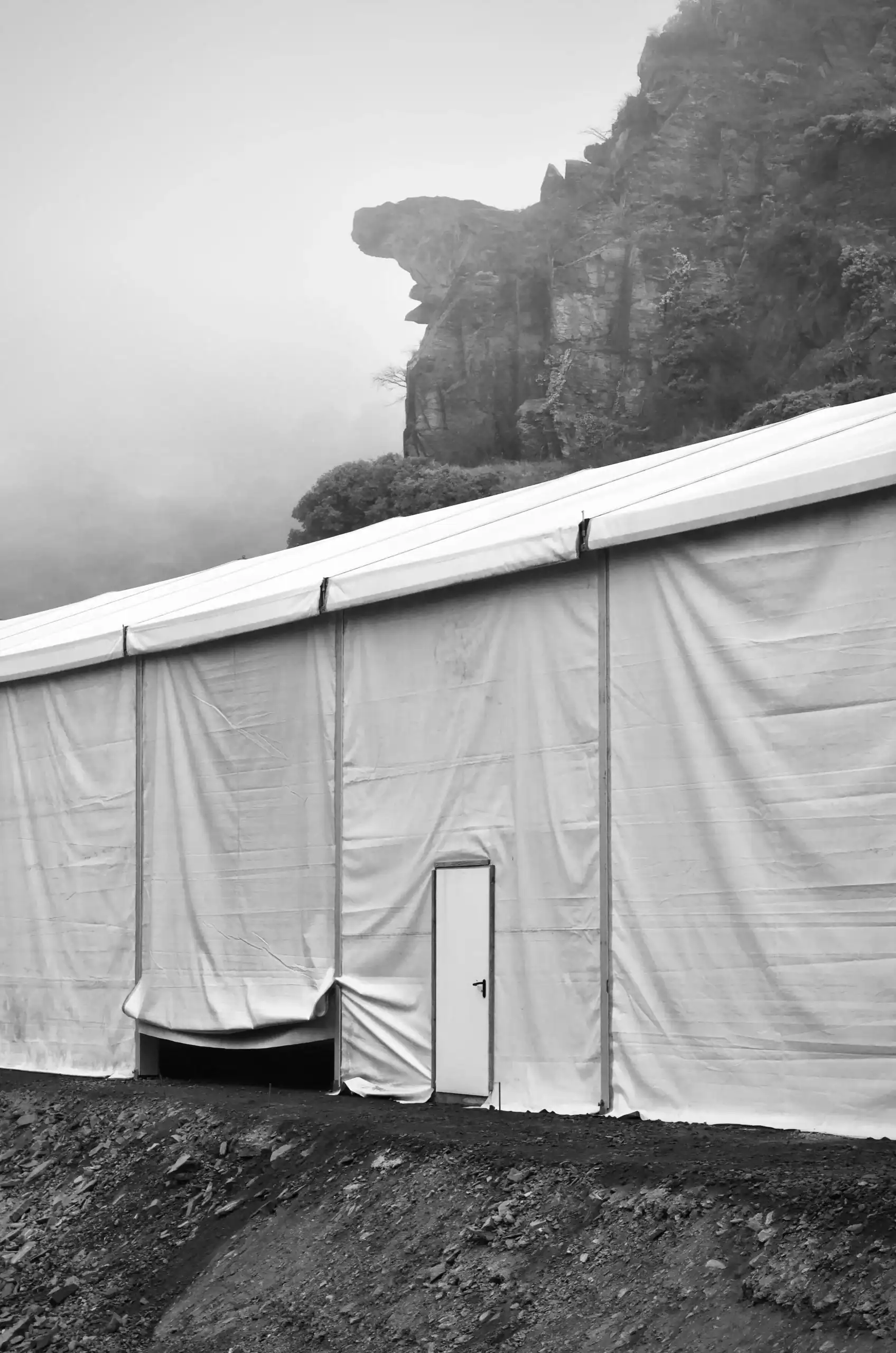
تقسم الأقسام القماشية المساحات بمرونة؛ وتعيد الأبواب الصلبة تعريف توقعات الضيوف.
يقلل معظم ملاك المنتجعات من شأن التأثير الكبير للتخطيط الداخلي على علاوة سعر الليلة الواحدة. يمكن تقسيم الامتداد المفتوح لخيمة السفاري - الذي يتراوح عرضه غالبًا من 5 أمتار إلى 7 أمتار - باستخدام جدران قماشية مزودة بسحابات، مما يخلق مناطق متميزة للنوم والجلوس والاستحمام دون إنشاءات دائمة. يتيح هذا النهج المعياري إعادة تشكيل الوحدات موسميًا: جناح عائلي في الصيف يتحول إلى ملاذ للأزواج مع مساحة معيشة موسعة في الشتاء.
يظهر الفرق الحقيقي في منطقة الاستحمام. عادةً ما تُمرر خيام السفاري السباكة عبر حجرة خلفية مغلقة بالقماش مزودة بقاعدة أرضية مرتفعة من PVC. إنها تعمل، لكن الضيوف يسمعون كل حركة عبر القسم. تحل خيام اللودج هذه المشكلة من خلال تأطير وحدة حمام مخصصة بألواح SIP أو فولاذ خفيف، وتركيب باب صلب مناسب. يُغير هذا الباب الواحد الإدراك النفسي للضيف من ‘تخييم’ إلى ‘جناح’.
-
- تقسيم خيمة السفاري متعددة الغرف: استخدم فواصل ثقيلة من قماش البولي-قطن بوزن 480 جرامًا للمتر المربع مع سحابات YKK لفصل مناطق النوم والمعيشة. توفر الشبكة على مستوى الأرض في الفواصل تهوية متقاطعة مع الحفاظ على الخصوصية البصرية. حدد عرض ممر لا يقل عن 1.2 متر بين المناطق لتجنب الشعور بـ‘النفق’ الذي يضر بتقييمات المراجعات.
- شرفة خيمة اللودج المدمجة: سطح مغلق بعمق 2.4 متر بأرضية خشبية صلبة أو مركبة يوسع المساحة القابلة للتأجير على مدار العام. قم بتأطير السقف بشكل منفصل عن هيكل الخيمة الرئيسي لمنع ارتفاع الرياح من سحب ألواح الجدران. قم بتثبيت أعمدة بمثبتات إيبوكسي في قاعدة خرسانية لإعطاء الشرفة صلابة هيكل ثابت يربطها الضيوف بكابينة وليس بخيمة.
- الأبواب الصلبة مقابل اللوحات القماشية: يؤدي تركيب باب خشبي صلب قابل للقفل بعتبة مقاومة للطقس على خيمة اللودج إلى إعادة تصنيف فوري لتوقعات الضيوف حول الأمن وعزل الصوت. تأكد من تثبيت إطار الباب بشكل مستقل على القاعدة الأساسية - وليس معلقًا من هيكل الخيمة - لمنع التشويش عند استقرار الهيكل.
بالنسبة لمنتجعات تصميم خيام السفاري متعددة الغرف التي تستهدف السوق المتوسط الأعلى، يمكن أن يوفر التقسيم الداخلي بجدران قماشية 15-20% من حمل التكييف مقارنة بخيمة لودج مفتوحة بالكامل، لأن الهواء المكيف يبقى في حجرة النوم. عند الانتقال إلى خيمة لودج مع شرفة مدمجة وأبواب صلبة، ضع في الاعتبار منطقة سبليت منفصلة للحمام - استخراج الرطوبة يتطلب ذلك، ويتوقعه الضيوف بأسعار اللودج.
تكلفة الملكية على مدى 10 سنوات
في البيئات الساحلية المالحة، تتفوق إطارات الألومنيوم المؤكسد على الفولاذ المجلفن في غضون 36 شهرًا - وغالبًا ما تغطي وفورات الصيانة وحدها التكلفة.
مدراء العلامات التجارية الذين يتوقفون عند جدول البيانات الخاص بفاتورة FOB هم الذين يفاجؤون بعد ثلاث سنوات. التكلفة الحقيقية لخيمة السفاري أو خيمة اللودج ليست في سعر الحاوية - بل فيما يحدث بعد أن يجف الخرسانة. تهيمن ثلاثة عوامل على الخط الزمني لعشر سنوات: الثبات الهيكلي (عمق الأساس، الامتثال لقوانين التثبيت)، معدلات تدهور المواد، ودورات العمل الموسمية. تجاهل أيًا منها، وهامش الربح الليلي سيتآكل ببطء وبشكل متوقع.
-
- النفقات الرأسمالية الأولية: خيمة سفاري من قماش البولي-قطن بوزن 480 جرامًا للمتر المربع على إطار فولاذي مجلفن تكلف حوالي 15-20% أقل من خيمة لودج مماثلة الحجم بألواح سقف صلبة وجدران صلبة. لكن خيمة السفاري تحتاج إلى سطح خشبي معالج أو قاعدة خرسانية قادرة على مقاومة ارتفاع الرياح - ضع ميزانية $80-120/م² في معظم الأسواق. غالبًا ما تتطلب خيام اللودج أنظمة أساس كاملة تلتزم بقوانين البناء السكنية، مما يرفع تكاليف تجهيز الموقع إلى $150-200/م².
- إعادة تغطية القماش: كل 3-5 سنوات، تحتاج قشرة القماش إلى إعادة المعالجة والطلاء للحفاظ على تصنيفات عمود الماء ومقاومة الأشعة فوق البنفسجية. يتقاضى مقدمو الخدمة المعتمدون من المصنع عادةً 0.50-1.00 دولار لكل قدم مربع. إذا تجاهلت هذا الجدول الزمني، يفقد القماش خصائصه المقاومة للحريق — وهي مشكلة حرجة إذا كنت تعتمد على تصنيف CE Class B المرتبط بشهادة البطانة الأصلية بوزن 480 جم/م².
- استبدال شبكة الحشرات: تتحلل الشبكات بشكل أسرع من القماش، خاصة في المواقع ذات الأشعة فوق البنفسجية العالية. خصص ميزانية للاستبدال الكامل كل 4-6 سنوات. في خيمة سفاري متعددة الغرف تحتوي على 3-4 مناطق نوم مقسمة، يصل ذلك إلى 20-30 مترًا طوليًا من شبكة مقاومة للحشرات الدقيقة لكل وحدة.
- تآكل الإطار: هنا يفرق اختيار المواد بين أصل عمره 12 عامًا ومسؤولية عمرها 7 سنوات. تبدأ إطارات الفولاذ المجلفن في المنتجعات الساحلية في إظهار التنقر عند الوصلات خلال 36 شهرًا. تضيف إطارات الألومنيوم المؤكسد حوالي 1.5% إلى التكلفة الأولية للإطار ولكنها تلغي دورة إصلاح الصدأ السنوية. بالنسبة لأي منتجع يقع على بعد 5 كم من المياه المالحة، تكون الحسابات لا لبس فيها.
السؤال الموسمي هو حيث تقوم القرارات التشغيلية باسترداد التكلفة — أو مضاعفتها. يمكن تفكيك خيام السفاري المصممة كـ‘هياكل مؤقتة’ لفصل الشتاء، وتخزينها في ظروف جافة، وإعادة نشرها. تستغرق دورة التفكيك/التركيب هذه 40-60 ساعة عمل لكل وحدة في الموسم بتكلفة 25-45 دولارًا في الساعة، مرتين في السنة. ولكنها تطيل عمر القماش بشكل كبير بإزالة حمل الثلج وأضرار الجليد من المعادلة. النشر الدائم لجميع الأحوال الجوية يلغي هذا الخط من العمالة ولكنه يسرع من تدهور الأشعة فوق البنفسجية وإجهاد الإطار. يتم تصنيف خيام اللودج كـ‘وحدات سكنية’ في العديد من الولايات القضائية، ونادرًا ما يتم تفكيكها — فهي مبنية للبقاء. يتحول المفاضلة من تكلفة العمالة إلى الاستهلاك المتسارع.
أحد الأعباء التنظيمية التي نادرًا ما تظهر في ورقة مواصفات المورد: المنتجعات الأمريكية التي تنشر خيام اللودج المصنفة كوحدات سكنية يجب أن تفي بمتطلبات إمكانية الوصول ADA لمسار الحركة وعرض الباب ومساحة الحمام. تصل تكلفة التعديل التحديثي إلى ستة أرقام عبر موقع يضم 20 وحدة. غالبًا ما تتجاوز خيام السفاري المصنفة كهياكل مؤقتة هذه المتطلبات المحددة، على الرغم من أن هذه محادثة يجب أن يحسمها مسؤول البناء المحلي لديك — وليس ممثل المصنع. لكن الفرق في التكلفة على مدى 10 سنوات بين ‘خيمة’ و‘مسكن’ ليس في القماش. إنه في التصريح.
| عامل التكلفة | خيمة سفاري (10 سنوات) | خيمة لودج (10 سنوات) | محركات التباين | الأفضل لـ |
|---|---|---|---|---|
| سعر الشراء الأولي | معتدل – مواد وتعقيد أقل | عالية – ألواح صلبة، أبواب متكاملة، عزل عالي الجودة | وزن القماش، نوع الإطار، تكامل الألواح | منتجعات حساسة للميزانية / طرح تدريجي (سفاري); تموضع متميز لجميع الفصول (نزل) |
| إعداد الأساس والموقع | خفيفة – قواعد حصوية، أسطح مرتفعة أو أساسات بسيطة | لوح خرساني دائم وكبير، تجهيزات أولية للسباكة/الكهرباء | تصنيف رخصة البناء (مسكن مؤقت مقابل مسكن دائم) | نشر سريع على أراضٍ حساسة (سفاري)؛ بنية تحتية متكاملة للمنتجع (نُزُل) |
| صيانة القماش/الغلاف | متكرر – إعادة التغطية كل 2–3 سنوات (320 جم/م²) أو 4–5 سنوات (480 جم/م² من البولي كوتن) | منخفض – الهيكل الصلب يتطلب معالجة طفيفة للغشاء | وزن القماش، التعرض للأشعة فوق البنفسجية، تقنية الطلاء | تشغيل منخفض الصيانة (نُزُل)؛ جمالية خيمة أصيلة مع عناية مجدولة (سفاري) |
| تآكل الإطار (الرذاذ الملحي) | خطر مرتفع مع الفولاذ المجلفن؛ يُخفف باستخدام الألومنيوم المؤكسد (+15–20% تكلفة أولية) | يعتمد على مادة الإطار؛ الألومنيوم هو المعيار في معظم التصاميم | البيئة الساحلية، التآكل الجلفاني، اختيار المواد | المنتجعات الساحلية – إطارات إلزامية من الألومنيوم/المؤكسد (سفاري ونُزُل) |
| استبدال شبكة الحشرات | كل 3–5 مواسم بسبب شد القماش وتدهور الأشعة فوق البنفسجية | دورة مشابهة إذا تم دمجها في ألواح النوافذ؛ أقل شيوعًا في الأنظمة المتكاملة الثابتة | نوع الشبكة (بوليستر مقابل ستانلس ستيل)، التعرض | المنتجعات ذات الضغط العالي من الحشرات – النظر في ترقية شبكة الستانلس ستيل |
| العمالة الموسمية (فك/إعادة تركيب) | كبير إذا كانت العملية موسمية – العمالة + التخزين؛ يتم تجنبه إذا كان النموذج دائمًا لجميع الأحوال الجوية | لا يوجد – مصمم للاستخدام الدائم طوال العام | المنطقة المناخية، تقويم افتتاح المنتجع | وجهات على مدار العام (نُزُل)؛ أسواق موسمية ذات طلب شتوي منخفض (سفاري، إذا تم تفكيكها) |
| الامتثال لسلامة الحرائق | فئة B من الاتحاد الأوروبي CE قابلة للتحقيق مع قماش 480 جرامًا لكل متر مربع + بطانات معتمدة؛ تكلفة اعتماد أقل كوحدة واحدة | ألواح السقف الصلبة قد تتطلب شهادات منفصلة لمواد التسقيف، مما يزيد التكلفة | نطاق علامة CE، قوانين الحرائق المحلية | المنتجعات الأوروبية التي تستهدف الفئة B – السفاري يبسط اعتماد الحاوية الكاملة |
| إمكانية الوصول ADA (السوق الأمريكي) | غالبًا ما يُصنف على أنه ‘هيكل مؤقت’ – قد يتجاوز بعض متطلبات مسار السفر ADA، مما يقلل إنفاق المنحدرات/الممرات | يُصنف كـ‘وحدة سكنية’ – يجب أن يفي بأحكام ADA/UFAS الكاملة، تكلفة تشطيب أعلى | تفسير مسؤول البناء المحلي، طريقة تثبيت الخيمة | منتجعات أمريكية تسعى لتقليل الإنفاق على البنية التحتية لإمكانية الوصول (سفاري) |
| التكلفة الإجمالية لمدة 10 سنوات (معيار نسبي) | تكلفة أولية أقل، صيانة متوسطة المدى أعلى؛ ميزة صافية في المواقع الموسمية أو المصنفة مؤقتة | تكلفة أولية أعلى، صيانة أقل؛ ميزة صافية في المنتجعات الدائمة عالية الإشغال في جميع الأحوال الجوية | النموذج التشغيلي، المناخ، البيئة التنظيمية | قرار يعتمد على العائد على الاستثمار: احسب التكلفة الإجمالية للملكية لموقعك المحدد وحالة التصريح |
متى تختار كل نوع
طابق الهيكل مع الموقع، وليس مع الكتيب.
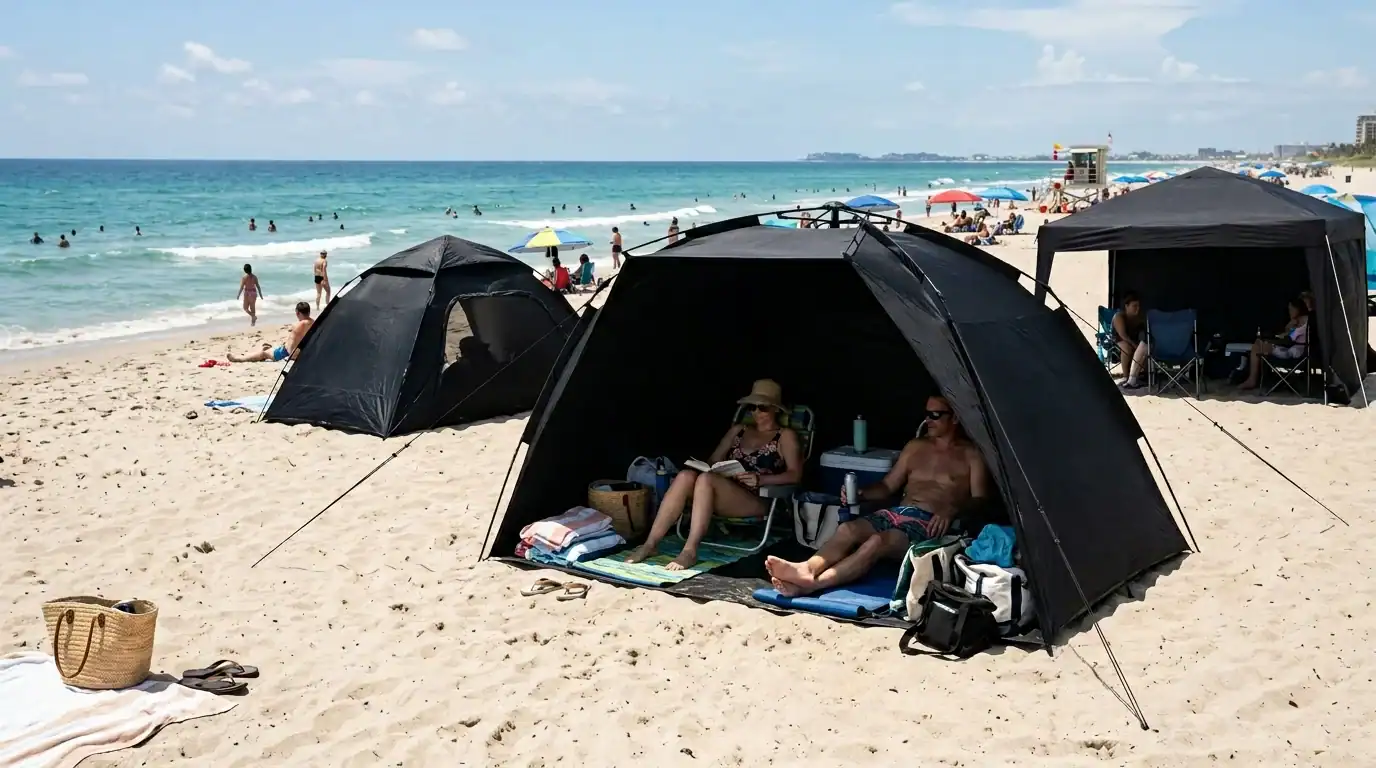
اختر النوع الخطأ ولن تفقد راحة الضيوف فقط - بل ستفقد القدرة على العمل على مدار العام. القرار بين خيمة سفاري وخيمة نزل يرجع إلى شرطين غير متوافقين للموقع: الطلب على تدفق الهواء مقابل العزل الحراري. خيام السفاري مصممة للتيار الحراري. خيام النزل مصممة للعزل. اخلط هذا الخط وستقوم بتعديل نظام تكييف مكلف في القماش، أو الأسوأ، مشاهدة انخفاض الإشغال لأن الضيوف يتعرقون خلال ليالي الصيف.
في المناخات الحارة - فكر في جنوب شرق آسيا، ساحل كوينزلاند، أو جنوب غرب أمريكا في يوليو - التهوية ليست اختيارية. خيام السفاري ذات الجدران الجانبية الشبكية الكاملة وسقف من البولي كوتون 480 جم/م² تخلق تأثير المدخنة. الهواء الساخن يرتفع عبر فتحات القمة بينما تتحرك الرياح المتقاطعة أفقيًا على مستوى النوم. الفصل المادي بين مظلة السقف وألواح الجدران الشبكية يخلق فجوة هوائية مظللة تقلل انتقال الحرارة الإشعاعية بنحو 40% مقارنة بغلاف خيمة النزل المغلق. لهذه المواقع، تترجم الهندسة المفتوحة لخيمة السفاري مباشرة إلى انخفاض تكاليف التبريد وفترات حجز أطول.
للمواقع الباردة والعاصفة أو عالية الارتفاع - مناطق الألب، باتاغونيا، المرتفعات الاسكتلندية - ينقلب المعادلة. خيام النزل ذات الجدران الخشبية بنظام اللسان والأخدود أو ألواح الساندويتش المركبة توفر ما يسميه المهندسون ‘غلافًا مغلقًا’. لا تبادل هواء غير مخطط. مع ألواح السقف من SIP والنوافذ المزدوجة الزجاج، يمكن لخيمة النزل الحفاظ على درجة حرارة داخلية 22 درجة مئوية عند -5 درجة مئوية خارجية باستخدام وحدة تدفئة قياسية 3 كيلوواط. خيمة سفاري في نفس الظروف تفقد الحرارة عبر كل مسار سحاب ودرزة، مما يرفع تكاليف الطاقة بنسبة 60-80% ويقلل تجربة الضيوف تحت عتبة درجة حرارة معينة.

-
- قاعدة القرار للمناخ الحار: إذا كان متوسط درجات الحرارة الصيفية الدنيا أعلى من 18 درجة مئوية والرطوبة تتجاوز 70%، اختر هندسة خيمة السفاري. يجب أن تتجاوز نسبة الجدار الشبكي 60% من إجمالي مساحة الجدار. تأكد من أن فتحات التهوية العلوية قابلة للإغلاق لهطول الأمطار المفاجئ.
- قاعدة قرار المناخ البارد: إذا انخفضت درجات الحرارة في الشتاء إلى أقل من 5 درجات مئوية لأكثر من 30 يومًا متتاليًا، فاختر بنية الخيمة اللودج. تأكد من أن قيمة العزل الحراري للجدران (R-value) لا تقل عن R-5. يجب أن تكون زجاج النوافذ مزدوجًا مع إطارات عازلة حرارياً.
- تحذير المناخ المختلط: إذا كان الموقع يتمتع بصيف حار AND شتاء بارد، فإن خيمة سفاري هجينة بألواح جدران صلبة قابلة للسحب (zip-in) تكون أرخص من بناء اللودج الكامل ولكنها تتطلب عمالة موسمية للتغيير. يجب أن يشمل تحليل التكلفة الإجمالية للملكية (TCO) أعمال التفكيك وإعادة التركيب على مدى 10 سنوات، وليس مجرد تكلفة الإطار الأولية.
بيئات رذاذ الملح الساحلية تضيف طبقة أخرى. تُظهر إطارات الفولاذ المجلفن في خيام السفاري تنقر صدأ أبيض خلال 18 شهرًا في الهواء عالي الملوحة. تدوم إطارات الألومنيوم المؤكسد من 5 إلى 7 سنوات قبل أن يبدأ التدهور التجميلي. بالنسبة لخيام اللودج بالقرب من المياه المالحة، أصر على استخدام أدوات تثبيت من الفولاذ المقاوم للصدأ من الدرجة 316 — فالمعدات المطلية بالزنك القياسية تفشل خلال 12 شهرًا. هذا ليس نمط فشل نظري. إنه مرئي في أي منتجع على الواجهة المائية أقدم من موسمين.
فرق تصنيف هيكلي يغفل عنه المشترون: غالبًا ما يمكن تصنيف خيام السفاري كهياكل مؤقتة، مما يتجاوز الامتثال الكامل لقانون ADA في الولايات القضائية الأمريكية. بينما تُصنف خيام النزل ذات الأساسات الدائمة كوحدات سكنية، مما يفرض متطلبات الوصول مثل عرض الأبواب وتصميمات الحمامات ومنحدرات مسارات الحركة. إذا كان المنتجع يستهدف السوق الأمريكي، فإن هذا الفرق التنظيمي وحده يمكن أن يغير القرار بعشرات الآلاف من تكاليف البناء الصلبة.
| عامل القرار | الخيار الأفضل | السبب الرئيسي |
|---|---|---|
| المناخ والتهوية | خيمة سفاري | قابلية تنفس عالية مع نوافذ شبكية؛ مثالي للمناطق الحارة والجافة حيث يقلل تدفق الهواء السلبي من تكاليف التبريد. |
| أداء المواقع الباردة/العاصفة | خيمة النزل | الغلاف المحكم بألواح سقف صلبة وقماش 480 جم/م² وأبواب صلبة يقلل من تيارات الهواء وفقدان الحرارة في ظروف تحت الصفر. |
| تعقيد التصاريح الإنشائية | خيمة سفاري | غالبًا ما تصنف كهيكل مؤقت، متجاوزة متطلبات ADA للوحدات السكنية وتبسط التصاريح. |
| توقعات النزلاء والإحساس بالفخامة | خيمة النزل | الجدران الصلبة والشرفات المدمجة والحمامات الداخلية تلبي تجربة ‘غرفة فندق في الطبيعة’ التي يتوقعها النزلاء بأسعار متميزة. |
| التكلفة الإجمالية للملكية على 10 سنوات | تعتمد على الموقع | خيام السفاري لها تكلفة أولية أقل ولكن صيانة موسمية أعلى (إعادة معالجة القماش). خيام النزل تكلف 30-50% أكثر مبدئياً ولكنها توفر صيانة سنوية أقل في المنشآت الدائمة. |
الخاتمة
قرار الاختيار بين خيمة السفاري وخيمة النزل ينقسم عند ثلاث نقاط ضغط: كيف يصنف هيئة البناء المحلية الهيكل، وما تطلبه الظروف الساحلية أو الجبلية من الإطار بعد خمس سنوات، وما إذا كانت توقعات الضيوف تتطلب رومانسية القماش أو صوتيات الغرفة المغلقة. إذا أخطأت في تصنيف الترخيص، يصبح موقع مكون من 20 وحدة مسؤولية امتثال. تجاهل نافذة التآكل لمدة 36 شهراً للصلب المجلفن في الهواء المالح، وستلتهم تكاليف الاستبدال هامش الربح الذي بنيته في الأسعار الليلية.
قبل تأكيد الطلب، قم بهذا الفحص المكون من ثلاث نقاط مع المورد. أولاً: هل اجتاز هذا المزيج الدقيق من الإطار والقماش اختبار حريق من الفئة B الأوروبي مع البطانات الداخلية التي تنوي استخدامها؟ ثانياً: لأي موقع ضمن خمسة كيلومترات من المياه المالحة، هل سيضمن المصنع الألومنيوم المؤكسد ضد التنقر لمدة خمس سنوات على الأقل؟ ثالثاً: هل يؤدي تصنيف الوحدة - هيكل مؤقت أو مسكن - إلى متطلبات إمكانية الوصول التي لم تأخذها خطة موقعك في الاعتبار؟ إذا تردد المورد في أي إجابة، يحتاج جدول المواصفات إلى جولة أخرى. عندما يحمل الاختيار الهيكلي عواقب تشغيلية لعقد من الزمن، يحتاج شريك الإنتاج إلى فهم الهندسة، وليس فقط الخياطة. ناقش متطلبات موقعك مع فريق يدير سلسلة التوريد الكاملة - من وزن القماش إلى علم المعادن للإطار - قبل صب الأساس الأول.
الأسئلة الشائعة
ما هو الحد الأدنى لكمية الطلب للخيام السفاري مقابل خيام اللودج؟
يبدأ الحد الأدنى لكمية الطلب عادةً من 50 إلى 100 قطعة للطلبات المخصصة، على الرغم من أن تعقيد التصميم وخيارات المواد قد ترفع العتبة. يتم تأكيد الكميات الدقيقة بعد الانتهاء من ورقة المواصفات مع الشركة. ثبّت مواصفاتك أولاً، ثم تأكد من الحد الأدنى لكمية الطلب.
هل يمكنني اختيار أوزان قماش مختلفة ومواد إطار مختلفة؟
نعم، يمكن تخصيص وزن القماش من 320 جم/م² خفيف الوزن للخيام السفاري إلى 480 جم/م² أثقل من البولي-قطن لخيام النزل، كما يمكن تحديد الإطارات من الألومنيوم أو الفولاذ المجلفن أو الهجين. كل ذلك. طابق المواد مع المناخ ومتطلبات التصاريح الخاصة بمنتجعك.
كم من الوقت يستغرق الإنتاج والشحن؟
المهلة الزمنية القياسية للإنتاج هي من 30 إلى 45 يومًا، مع إضافة وقت الشحن. قد تحتاج الطلبات الكبيرة وذات التخصيص العالي إلى بضعة أسابيع إضافية. خطط لجدول طلبك مع فريق التوريد قبل موسم الحجز.
أي خيمة تعمل بشكل أفضل في المواقع الجبلية العاصفة؟
خيام المخيمات ذات القماش الأثقل وإطارات الصلب المجلفن تتحمل أحمال الرياح بشكل أفضل؛ فهي مصممة للتركيب الدائم والمحكم. خيام السفاري تعطي الأولوية للتهوية وهي أفضل. شارك بيانات سرعة الرياح القصوى للموقع مع شريكك في التصنيع الأصلي قبل الانتهاء من الإطار.
هل تعتبر خيام النزل هياكل دائمة؟
خيام الإقامة ذات الأبواب الصلبة، والشرفات المدمجة، والإطارات الصلبة غالبًا ما تُصنف ضمن التصنيفات شبه الدائمة أو الدائمة، وقد تتطلب تصاريح بناء. أما خيام السفاري فتُعتبر عادةً هياكل مؤقتة مع متطلبات تنظيمية أقل. تحقق من قوانين البناء المحلية مبكرًا لتجنب تأخير الامتثال.

 English
  Español
  Deutsch
  Français
  Português do Brasil
  Русский
  العربية
  한국어
한국어  日本語
日本語