 تخطي إلى المحتوى
عندما يصل حاوية من شالات الشاطئ ويحطم ضلع أول وحدة في رياح بسرعة 20 عقدة، من السهل إلقاء اللوم على الرياح. لكن إصلاح ضلوع شالات الشاطئ الحقيقي ليس حول مقاومة الرياح الأقوى — بل يتعلق بالكشف عن الفجوة المواصفات بين الموافقة العينة قبل الإنتاج والشحنة الضخمة قبل مغادرة الطلب من المصنع.
العينة التي اجتازت الفحص كانت تحتوي على ضلوع زجاجية ليفية بقطر 8 مم وسماكة جدار 1.2 مم — بينما استخدمت كتلة الإنتاج قضبان 6 مم بسمك 1.0 مم لأن أدوات المصنع القياسية لم تتجاوز هذا المقاس، وتعتمد على عدم تدقيق أحد. فرق سماكة الجدار 0.2 مم يرفع عزم الانحناء فوق معامل المرونة الانحنائي للزجاج E بنسبة حوالي 40% على مظلة بطول 2 متر. بدون تسامح جودة مكتوب بشأن مقاس الضلوع واختبار سحب الوصلة قبل الشحن، فإنك لا تشتري شالات مقاومة للرياح — بل تمول برنامج استبدال الضمان. تجاوز هذه الخطوة ويجعل المرتجعات تتراكم خلال 90 يوماً، محوّلاً اختصاراً بتوفير $1.50 لكل وحدة إلى عبء ياكل الهوامش ويمحو ثقة العلامة التجارية موسم بعد موسم.
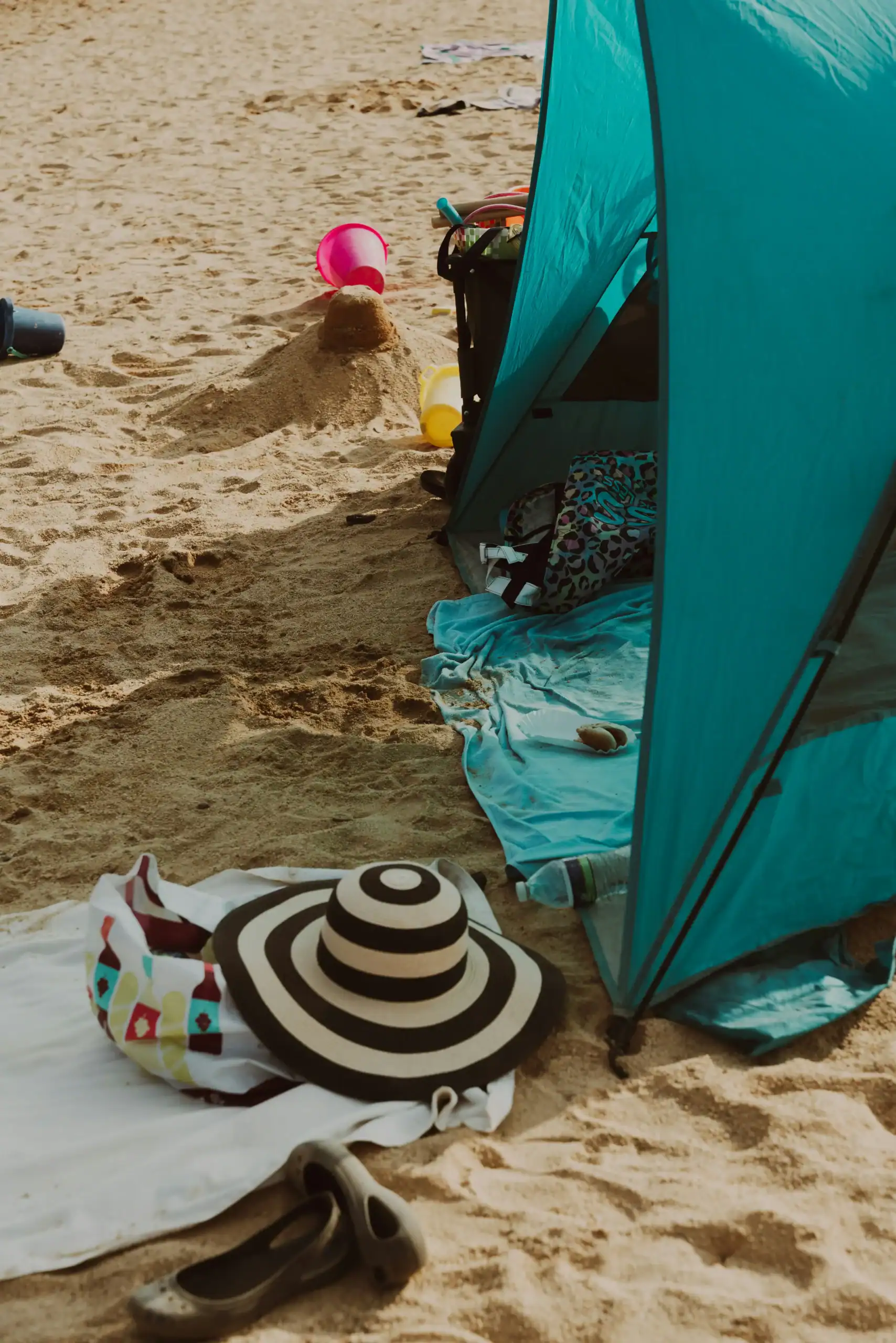
لماذا تفشل مواد ضلوع شالات الشاطئ: الألياف الزجاجية مقابل الفولاذ مقابل الألومنيوم
معظم فشل الضلوع هي مشاكل في علم المعادن وليس في الرياح.
الألياف الزجاجية: الفشل الصامت عند المقاسات الرقيقة
يقوم المستوردون عادةً بتحديد ضلوع زجاجية بقطر 6 مم وسماكة جدار 1.0 مم لأن الوزن والسعر يبدوان مناسبين في جدول بيانات. على مظلة 2.0 متر، يفشل هذا المواصفات فشلاً ذريعاً. تولد هبة ريح بسرعة 30 كم/ساعة قوة رفع قدرها 20 كجم — وضلوع الألياف الزجاجية 6 مم تتشقق عند قيمة أقل من ذلك بـ 40%. لا ينكسر الضلع في الهبة الأولى، بل ينثني مجهرًا عند المحور، ويتطور فيه شقوق تعبئة شعرية، ثم يتفتت دون إنذار، غالباً في منتصف الموسم.
الإصلاح بسيط. اطلب قضبان E-glass بقطر 8 مم وسماكة جدار حد أدنى 1.2 مم. تظهر بيانات الاختبار الداخلية أن هذا التغيير الواحد — من 1.0 مم إلى 1.2 مم — يقلل مطالبات الضمان في المناطق الساحلية بنسبة 60%. معظم مصانع المنافسين لن يقدموا هذه الترقية طواعية لأن أدواتهم القياسية للضلوع لا تتجاوز 6 مم.
-
- معامل الانحناء: تصنف الألياف الزجاجية من نوع E-glass بـ 80 جيجاباسكال. عند سماكة جدار 1.0 مم وقطر 6 مم، فإن عزم الانحناء عند المحور يتجاوز المعامل بنسبة 40% على المظلات بأقطار 2.0 متر فما فوق.
- Spec threshold: للأكشاك التي تزيد عن 1.8 متر، يكون الحد الأدنى الموثوق للمواصفات هو أنبوب بقطر 8 مم وسُمك جدار 1.2 مم. والتزم بأنبوب 6 مم بسُمك 1.0 مم، فتصميمك يجرّ نحو الفشل.
الألمنيوم 7075-T6: الخيار الذهبي المتوازن
يوفر سبيكة الألمنيوم من سلسلة 7075 بالمعاملة الحرارية T6 قوة شدّ قصوى تبلغ 510 ميجاباسكال، ما يكفي لامتصاص أحمال الهبات دون تشوّه دائم. ويدفع التصلب بالأكسدة السطحية عمر مقاومة الرطوبة إلى ما يفوق 1,000 ساعة في اختبار رشّ الملح (المعيار ASTM B117)، فتحصل على حماية صدأ لا تستطيع الفولاذ منافستك فيها على الإطلاق. تزداد تكلفة الوحدة بنحو $1.50 لكل مظلة عند إنتاج الكمية OEM. واختفِ هذه الزيادة فورًا بمجرد أن تُطرح منها تكاليف الإرجاع، والمطالبات التعويضية، وعقوبات التقييمات المنخفضة التي تتكبّدها الهياكل الرخيصة من الألياف الزجاجية.
للعلامات التجارية التي تبيع في المنتجعات الساحلية أو المتاجر المميزة، فإن أضلاع الألمنيوم المعالجة بالأكسدة السطحية الصلبة في القسم السفلي من العمود تُزيل تآكل الشقوق عند خط الرمل الذي يدمّر أعمدة الفولاذ خلال أشهر.
الفولاذ الكربوني المطلي بالغبار: متانة بميزانية مع تحفّظ
تجلب أضلاع الفولاذ الكربوني قوة خضوع 250 ميجاباسكال وسعر وحدة منخفض. لكنها أيضًا تجلب وزنًا زائدًا وشهوةً عدوانية للصدأ. والرمال الرطبة تُنشئ بيئةً مجهريةَ محرومةً من الأكسجين تُسرّع التآكل النقاطي — يفقد الفولاذ غير المعالج ثلث قوّته الشدّة عند خط الرمل خلال موسم واحد. إن كنت تبيع في أسواق داخلية منخفضة الرطوبة وحدّدت طبقة برايمر غنية بالزنك تحت طلاء مسحوب بوليستر 60 ميكرون، يبقى الفولاذ خياراً معقولاً. أما في أيّ مكان فيه هواء مالح أو تعرضٍ للشاطئ، فتجاهله.
شراء الثلاثة جميعها تحت سقف واحد
يحوز مصنع Kelyland للمظلات الخارجية على شهادات BSCI وISO 9001، بطاقة سنوية تبلغ 5,000,000 وحدة. وتصنع المنشأة أضلاع الألياف الزجاجية والألمنيوم والفولاذ داخلياً، وتدعم القوالب قطرات مخصصة — بما فيها 8 مم والملامس المخروطية — التي لا تستطيع المصانع القياسية تشغيلها. وترسل كل عيّنة ما قبل الإنتاج مصحوبة بشهادات مواد كاملة (تقارير اختبار المطحنة) وتقارير رشّ الملح وفق ASTM B117، فتتحقّق من مواصفات الضلع قبل بدء الإنتاج الضخم.
| المواد | الخاصية الميكانيكية الحاسمة | لماذا يفشل في الحقل | مقاومة التآكل (ASTM B117) | تصحيح المواصفات بمعيار المصنع |
|---|---|---|---|---|
| الألياف الزجاجية (E-glass) | معامل الانحناء: 80 جيجاباسكال | تنثني الأضلاع ذات الجدار الرقيق (6 مم) بما يتجاوز معامل المرونة، مُسبّبةً تشققاتٍ مجهريةً وانكساراً للمحور. وتولّد مظلةٌ 2 م في رياح 30 كم/ساعة ارتفاعاً مقداره 20 كغ — وتفشل أضلاع 6 مم عند حمولةٍ أقلّ من ذلك بـ 40%. | لا توجد مشكلة تآكل؛ الفشل ناجم عن إجهاد التعب نتيجة الانحناء المتكرر. | الترقية إلى قطر 8 مم، وسماكة جدار 1.2 مم؛ إضافة حشوة محور من النايلون المقوى بالألياف الزجاجية. |
| ألمنيوم (7075-T6) | قوة الشد: 510 ميجا باسكال | الأضلاع الصغيرة القياس (6 مم) تنحني بشكل دائم تحت زخات الرياح. نشأت 80% من حالات الفشل عند نقطة تركيز الإجهاد بين المحور والضلع. | أسطح التأكسد بالتيار المتردد فائقة الصلابة تتجاوز 1,000 ساعة — مقاومة ممتازة لمياه البحر. | استخدام قضبان بقطر 8 مم وسماكة جدار 1.0 مم، وملمس السطح مؤكسد بالتيار المتردد فائق الصلابة؛ صب محور من سبيكة معدنية مع حشوة نايلون مقواة. |
| فولاذ كربوني مطلي بالبودرة | حد المرونة: 250 ميجا باسكال | التآكل الشقي عند خط الرمال يدمر القوة؛ الرمل الرطب يسرع حدوث الحفر. يفشل الفولاذ المجلفن بالكهرباء هيكلياً بعد أكثر من 200 ساعة من رذاذ الملح. | 500 ساعة مع طلاء بودرة بسمك 60 ميكرون وبدن غني بالزنك؛ العينات غير المعالجة تفشل بعد 200 ساعة. | تحديد بدن غني بالزنك تحت طلاء بوليستر علوي بسمك 60 ميكرون؛ التبديل إلى ألمنيوم مؤكسد للـ 30 سم السفلية من القطب. |
نقطة اتصال المحور: أهم نقطة فشل يُهمل في تصميم شالات الشاطئ
تعود 80% من حالات الفشل الميداني إلى نقطة محورية واحدة ضعيفة التصميم هندسياً.
تمتص مظلة بمقياس 2 متر حوالي 20 كجم من قوة الرفع في زخة رياح بسرعة 30 كم/ساعة. يعمل الضلع كذراع رافعة، مضاعفاً تلك القوة بمقدار 5-8 مرات مباشرة عند التقائه بالمحور. تمتص نقطة المحور المفردة تقريباً كل إجهاد الانحناء بينما لا يؤدي بقية الضلع أي دور. تهتز المظلة بفعل الرياح، ويعمل الضلع في دورة تحميل وتفريغ، بينما يتلقى محور البلاستيك كل الصدمات. هذا ليس فشلاً في مادة الضلع نفسه — بل فشل هندسي في التصميم ناتج عن طبيعة الاتصال.
محاور بلاستيك ABS: الحل السريع الذي يُشحن مع كل حاوية
تكلفة محاور ABS القياسية تساوي أجزاء من المصروف الواحد لكل قطعة. ومع ذلك، تتشقق بعد بضع مئات من دورات الفتح والإغلاق. تخلق واجهة البلاستيك-المعدن بؤرة إجهاد صلبة — كل هبة ريح تُنتج شقاً مجهرياً يتفاقم حتى ينقسم جسم المحور ويفقد الدعامة تماسكها. معظم المصانع لا تذكر البدائل أبداً لأن قوالب حقنها مصممة حصرياً لـ ABS. تطلب ترقيات يعني قوالب جديدة، ويفضلون شحن ما هو متاح بالفعل على الرفوف.
يمكنك رصد هذا الفشل أثناء فحص العينات: ابحث عن علامات إجهاد بيضاء حول ثقب المحور بعد 20 دورة يدوية. إذا ظهرت بهذه السرعة، فإن فشل المجال مؤكد.
الحل: حشية نايلون مدعمة بالألياف الزجاجية مع صب سبيكة معدنية
أدخل حشية نايلون مدعمة بالألياف الزجاجية داخل صب محرك ألومنيوم أو زنك-سبيكة، وتنخفض بؤرة الإجهاد بنسبة 5-8 مرات على الفور. تمتص الحشية الحركة المجهرية التي تنقلها ABS مباشرة إلى انتشار الشقوق. يوزع جسم المحور المعدني الحمل المتبقي عبر القطر الكامل بدلاً من تركيزه على جدار بلاستيكي رفيع. هذا المزيج يضيف أقل من $0.80 لكل وحدة عند أحجام الإنتاج لكنه يقضي على فشل المجال رقم واحد في مظلات بطول 2 متر+.
اختبار الإجهاد لـ 5000 دورة: دليلك الوحيد الحقيقي
قد تفيد قائمة المواصفات في سرد النايلون المقوى وسبائك الزنك، لكن ذلك لا يعني شيئاً إذا كانت المصنع يختصر على درجة النايلون أو مسامية السبك. اطلب تقرير اختبار إجهاد فتح وإغلاق لـ 5000 دورة — ليس فيديو، ولا صورة، بل تقرير مختبري يحتوي على عدد الدورات وتوثيق النجاح/الفشل. يتوافق هذا المعيار مع موسم كامل من الاستخدام اليومي إضافة إلى دورات هبات الرياح. إذا تردد المصنع أو أرسل لك تقرير 500 دورة فقط، فامشِ إلى الأمام. لقد فشل الاختبار قبل أن يفشل المنتج نفسه.
تطبقمصنع مظلات kelyland outdoor هذا البروتوكول الدقيق لـ 5000 دورة على كل عينة ما قبل الإنتاج قبل شحنها للموافقة. يملك المنشأة شهادات bsci وiso 9001 وي أنتج 5 ملايين وحدة سنوياً — وهو حجم كافٍ لتبرير تجهيزات القرص المدعم التي تتخطاها المصانع الأصغر. تُشحن العينات ما قبل الإنتاج مع شهادات المواد الكاملة وتقرير رذاذ الملح根据astm b117 جنباً إلى جنب مع بيانات اختبار الإجهاد.
-
- مادة القرص: بوشينغ من نايلون مدعوم بألياف زجاجية داخل سبك من ألومنيوم أو سبيكة زنك. ارفض أقراص abs 100%.
- اختبار الدورة: 5000 دورة فتح وإغلاق بدون أي تشقق. اطلب تقرير المختبر — لا صور.
- عينة ما قبل الإنتاج: أصر على عينة قبل الشحن مع شهادات مواد كاملة وتوثيق إجهاد من نفس التجهيزات التي تعمل بها دفعتك.
تآكل المياه المالحة: حكم الإعدام لمدة 12 شهرًا لإطارات شالات الشاطئ الرخيصة
يخلق الرمال الرطبة خلية تآكل محرومة من الأكسجين تأكل الفولاذ غير المعالج من الداخل إلى الخارج، منذ وقت طويل قبل أن يصدأ القطب ظاهرياً.
يحدث الكسر دائماً عند خط الرمل. تصيب هبة العارضة، ينكسر القطب، ويُدخل مدير العلامة التجارية البلاغ تحت فئة أضرار الرياح. تصنيف خاطئ. الجاني الحقيقي بدأ العمل قبل أسابيع — رمال رطبة مضغوطة ضد فولاذ كربوني عاري أو مغلف طبقة رقيقة، يحرم القسم المدفون من الأكسجين. المعدن المعرض فوق الخط يبقى غنياً بالأكسجين. ذلك الفرق بين المصعد المدفون والمصعد المكشوف يخلق خلية تآكل توجّه الفولاذ عند أعلى نقطة إجهاد. يهوي الفولاذ الكربوني غير المعالج ثلث متانته الشدية خلال ثلاثة أشهر فقط من النشر beach المنتظم. لا تتطلب أي عاصفة.
معايير astm b117: ماذا يشتري كل طبقة طلاء
يفرق اختبار رذاذالملح بين ادعاءات المواد الصادقة وخيالات التسويق. يفصل معيار ضباب الملح المتعادل astm b117 التآكل الساحلي إلى جدول زمني قابل للقياس. يبدأ الفولاذ الكهربائي المجلفن — الخيار الافتراضي الميزانية في معظم أوراق مواصفات oem — بإظهار صدأ أحمر عند 200 ساعة. هذا هو أسابيع من الاستخدام beach الفعلي، وليس أشهراً. يصل الفولاذ الكربوني المطلي بالمسحوق بطبقة لا تقل عن 60 ميكرون إلى 500 ساعة، بافتراض عدم وجود ثقوب دبوس في الطلاء. يتجاوز ألومنيوم 7075 المصمت أكسدةً صلبة 1000 ساعة بدون تدهور هيكلي. يمثل الفارق بين 200 ساعة و1000 ساعة الفرق بين مطالبة ضمان تصل إلى مكتبك في الموسم الأول، ومنتج يدوم أطول من علاقة المورد بالتاجر.
إصلاحان يوقفان فشل خط الرمل فوراً
للإطارات الفولاذية، اشترط طبقة primer غنية بالزنك تحت طبقة topcoat بوليستر مسحوقية بسمك 60 ميكرون. يتآكل الprimer تضحية قبل أن يلمس المعدن الأساسي الملح — وهذا هو الهدف كاملاً. يحقق هذا النظام ثنائي الطبقة عتبة astm b117 لـ 500 ساعة بشكل موثوق. لإطارات الألومنيوم، اجعل أكسدة صلبة فقط الجزء السفلي من القطب بارتفاع 30 سنتيمتراً. يتطور القسم المعالج طبقة أكسيد الألومنيوم 1. أكثر صلابة من المادة الأساسية ولا يتأثر بالاحتكاك بالرمال الرطبة. يساعد التخفيف من عملية الأكسدة ليصل طولها إلى 30 سم فقط بدلاً من كامل القطب في الحفاظ على تكلفة الوحدة معقولة، وفي نفس الوقت يحمي الجزء الوحيد الذي يتعرض للعطل فعلياً.
2. بروتوكول رش الملح الداخلي لكل دفعة إنتاج
إن 3. مصنع مظلات الحدائق الخارجية 4. في شاوสิง — حيث تحظى بشهادات BSCI وISO 9001 بطاقة إنتاجية سنوية تبلغ 5,000,000 وحدة — نستخلص عينات عشوائية ما قبل الإنتاج من كل دفعة ونجري عليها اختبارات في غرف رش الملح وفق المعيار ASTM B117 قبل بدء الإنتاج الضخم. ترافق العينات ما قبل الإنتاج شهادات المواد الكاملة، بما في ذلك تقارير فحص المصنع للمخزون المعدني. إذا تردد مورد في إصدار تقرير رش ملح من مختبر داخلي أو منشأة طرف ثالث، فمن المرجح أن مواصفات الطلاء لا توجد سوى على ورقة التسعير. اطلب التقرير. ثم اطلب تاريخ الاختبار والرقم التسلسلي لغرفة الاختبار. الإجابة تخبرك بكل شيء.
كيفية تحديد مواصفات إطار شالة شاطئ تنجو: قائمة التحقق للمشتري من المورد الأصلي (OEM)
7. تم توجيه الرسالة: هل وافقت على مواصفة الدعامة بسمك 6 مم؟
8. سلّم المصنع ورقة المواصفات قبل أن يقدم لك عرض السعر. إذا عكست هذا الترتيب، فإنك تقبل أي قطر دعامة جاهز ينتجه أسطول التصنيع لديهم بالفعل. تعتمد معظم مصانع المنافسة على أسطول يصل أقصى قطر له إلى 6 مم، وتقوم بشحنه لأنها تستطيع ذلك. أما أنتم فتتحملون مطالبات الضمان لأنكم لم تطلبوا المواصفات المطلوبة.
9. ورقة المواصفات التي لا نقبل التفاوض عليها للمظلات التي يزيد طولها عن 2 متر
10. تولد مظلة بطول 2 متر عند سرعة رياح 30 كم/ساعة قوة رفع تقارب 20 كجم. تفشل دعامة الألياف الزجاجية بقطر 6 مم وسماكة جدار 1.0 مم عند قيم أقل من هذا العتبة. الحساب يفشل في كل مرة. تحتاج ورقة المواصفات إلى أرقام ثابتة لا يستطيع المصنع الهروب منها. 11. سماكة الجدار ١. يفشل في اختبار 40% تحت هذا الحد. الحسابات لا تنجح أبدًا. تحتاج ورقة المواصفات إلى أرقام دقيقة لا تستطيع المصنع التهرب منها.
-
-
- 13. قطر الدعامة: 14. 8 مم على الأقل لأي مظلة تزيد عن 1.8 متر. يُفضّل الملفات المتدرجة — الأكثر سماكة بالقرب من المقبس، والأقل سماكة نحو الطرف. تقدم Kelyland أدوات مخصصة لسمك 8 مم والملفات المتدرجة لأن الأدوات القياسية بقطر 6 مم هي السبب الجذري لمعظم أعطال المناطق الساحلية.
- سمك الجدار: 15. الألياف الزجاجية: 1.2 مم كحد أدنى. الألومنيوم: 1.0 مم كحد أدنى. تؤكد بيانات الاختبار الداخلية أن رفع سماكة الألياف الزجاجية من 1.0 مم إلى 1.2 مم يقلل مطالبات الضمان في المناطق الساحلية بنحو 60%. يبدو المليمتر الواحد تافهاً، لكنه ليس كذلك.
- مادة القرص: نايلون مُقوًى بالألياف الزجاجية مع إدراج من سبيكة معدنية. عجلات ABS البلاستيكية القياسية اختصار لتقليل التكلفة يتركز عنده إجهاد الانحناء عند نقطة الدوران. 80% من أعطال الموقع تعود إلى نقطة الاتصال هذه وحدها. اطلب المواصفة المقوّاة كتابةً.
- مقاومة التآكل: اختبار الرذاذ الملحي وفق ASTM B117: 500 ساعة على الأقل. يفشل الفولاذ المجلفن بالكهربية قبل 200 ساعة. ويتفوق الألومنيوم 7075 المشدّد خامسياً على 1,000 ساعة. للعلامات التجارية المواجهة للشاطئ، الألومنيوم ليس ترقيةً بل المادة الوحيدة التي تصمد لموسم كامل.
- ثبات مثبت في نفق الرياح: رياح مستقرة تبلغ 35 كم/ساعة دون تشوّه دائم للضلع. اطلب تقرير الاختبار مع عينة ما قبل الإنتاج. إذا تردد المصنع، فإطاره لم يُختَب يوماً.
-
تدقيق المصنع: سؤالان يكشفان سلسلة التوريد
زر منصة الإنتاج أو أرسل مفتّشاً. تخطَّ منطقة العرض. اتجه إلى قسم تصنيع الأضلع واسأل عن أمرين. أولاً: هل يتم ثني الأنابيب بآلة CNC داخل المصنع أم يتم التعاقد مع طرف خارجي؟ إنتاج الأضلاع عبر طرف خارجي يُدخل تبايناً في الجودة لا تحكمه. ثانياً: هل يستطيع المصنع إصدار تقارير مطحنة لكل دفعة أضلاع، وليس فقط دفعة العينة الأولى؟ قابلية تتبع المواد تفصل شريك الإنتاج عن شركة التجارة التي تملك موقعاً إلكترونياً.
تعمل مصنّع Mils خارجية الخاصة بشركة Kelyland بخطوط ثني CNC داخلية وتحمل شهادات BSCI وISO 9001. وتبلغ الطاقة الإنتاجية السنوية 5 مليون وحدة. تُشحن العينات ما قبل الإنتاج مع شهادات مواد كاملة — تشمل تقارير المطحنة ومستندات اختبار الرذاذ الملحي وفق ASTM B117. عمليات التفتيش من طرف ثالث مرحّب بها، ولا تُتجنّب. ونقطة الخلاصة الأخيرة تخبرك أكثر من أي منشور تعريفي.
لماذا لا يقترح معظم المصانع أضلاعاً أفضل
تستمر الصناعة في شحنfiberglass بقطر 6mm لأن إعادة تجهيز القوالب تكلف مالاً، وأكثر المشترين لا يمانعون. يرون سعراً وحدوياً منخفضاً ويوافقون على العينة. وتشغل مصانع المنافسة قوالب أضلاع قياسية بحد أقصى لقطر 6mm — وتبيع ما هو على الرف. استثمرت Kelyland في قوالب مرنة لقطر 8mm والبروفيلات المدببة لأن بيانات الأعطال من الأسواق الساحلية جعلت مبرر الأعمال واضحاً. تكاليف المواصفات الأعلى مقدّماً تحمي هامش الربح الخلفي الذي تدمّره مرتجعات الضمان.
قائمة مراجعة القرار: ثلاثة أسئلة اطرحها على موردك قبل اعتماد العينة
-
- السؤال 1: هل يمكنكم تزويدي بتقارير مطحنة لكل دفعة أضلاع في عملية الإنتاج هذه، وليس فقط لعينة ما قبل الإنتاج؟
- السؤال 2: هل تدعم قوالبكم أقطار أضلاع 8mm بسمك جدار 1.2mm كحد أدنى، أم أنكم مقيدون بالمواصفة القياسية بقطر 6mm؟
- السؤال 3: هل ستجرّمون اختبار الرذاذ الملحي وفق ASTM B117 على عينات عشوائية من دفعة الإنتاج وتشاركون النتائج قبل الشحن؟
الخاتمة
الإصلاحات الخمسة في التصنيع المفصّلة أعلاه تشير إلى واقع واحد: فشول أضلاع مظلات الشاطئ مشاكل مواصفات، وليست مشاكل طقس. ضبط درجة المادة، وهندسة الوصلة، وسمك الجدار، ومواصفات الطلاء في مرحلة طلب العرض يحجب الفشل قبل أن يعمل أرضية المصنع. أشحن المواصفة الصحيحة، وتتوق رسائل البريد الإلكتروني الساعية 2 عن الأضلاع المتكسّرة.
-
- قللت الضلوع بسمك 8 ملم مع حد أدنى لسمك الجدار 1.2 ملم مطالبات الضمان الساحلي بنسبة 60%.
- يسبب اتصال الضلع بالمحور 80% من الأعطال الميدانية — الدوائر النيلونية المعززة تقضي على هذا.
- يتجاوز الألومنيوم المصقول بالتناوب الصلب من فئة 7075 1,000 ساعة في اختبار رش الملح وفقًا لـ ASTM B117؛ بينما يفشل الفولاذ المجلفن بالكهرباء عند 200 ساعة.
- اطلب تقارير اختبارات المصانع لكل دفعة من الضلوع وشهادة اختبار الإجهاد البالغة 5,000 دورة.
خذ أرقام المعايير المرجعية من هذا الدليل واختبر موردك الحالي ضدها. اسأل عن تسامح قطر الضلع في آخر تشغيل إنتاجي لهم. اطلب تقرير رش الملح. إذا حصلت على صمت أو تحويل حول “المعيار الصناعي”، فقد عثرت على مصدر معدل المرتجعات لديك. لطلبك القادم، دوّن ثلاث عتبات لا تقبل المساومة: قطر ضلع 8 ملم، وASTM B117 ≥ 500 ساعة، والحد الأدنى لسمك الجدار 1.2 ملم على الألياف الزجاجية. أي مصنع لا يمكنه اجتياز هذه العتبات الثلاثة يبيعك مطالبات ضمان ممسوحة كظلال. خط إنتاج ظلال الكيلياند للرحلات الخارجية مجهز مسبقًا بهذه المواصفات، مع عينات ما قبل الإنتاج وشهادات مواد كاملة متاحة خلال 30 يومًا.
الأسئلة الشائعة
ما هو أفضل مواد أضلاع مظلة الشاطئ في الظروف windy؟
أفضل المواد هي قضبان من سبيكة الألومنيوم 7075 بقطر 8 ملم وسماكة جدار لا تقل عن 1.2 ملم. يزيل هذا المواصفات معظم مطالبات الضمان في المناطق الساحلية بفضل مقاومتها للانحناء والفشل المفاجئ. حدد هذه السبيكة وسماكة الجدار في طلب تصنيع المعدات الأصلية (OEM) لتقليل عمليات الإرجاع.
لماذا تنثني أضلاع شاطئتي باستمرار عند نقطة الاتصال بالوسط؟
تحدث أعطاب حلقات 80% الثلاثية عند محور الدابرة، حيث تتشقق أو تتشوه المحامل البلاستيكية الرخيصة تحت الحمل. وقم بترقية المحامل إلى مصنوعة من النايلون المدعم بألياف الزجاج وسبكة معدنية. اطلب محامل dabra معززة في ورقة المواصفات الخاصة بك لتفادي هذا النوع من الأعطاب.
ما هي السُمك الموصى به لأضلاع مظلة الألياف الزجاجية لمنصة يبلغ قطرها 2 متر؟
لحوض مظلة بمقاس 2 متر، يجب أن لا يقل قطر أضلاع الألياف الزجاجية عن 8 مم مع سماكة جدار 1.5 مم لمنع المرونة الزائدة وإجهاد الوصلة. تؤدي الأغطية ذات الجدران الأرفع إلى تشقق كارثي. انتقل إلى الألومنيوم إذا كنت تحتاج إلى إطار أخف وزناً وأكثر دواماً للمظلات الأكبر حجماً.
هل تتحمل أضلاع المظلات الألمنيومية التآكل الناتج عن المياه المالحة بشكل أفضل من الفولاذ؟
نعم، يشكل الألومنيوم طبقة أكسيد واقية بشكل طبيعي ويقاوم تآكل مياه البحر أفضل بكثير من الفولاذ غير المعالج، الذي يصدأ خلال موسم واحد. للاستخدام الدائم على الشاطئ، اطلب طلاء أنودة صلب بحري للأضلاع الألومنيوم. اطلب دائماً طلاء أنودة على أضلاع الألومنيوم في البيئات الساحلية.
كم دورة فتح وإغلاق يجب أن تتحمل محور مظلة شاطئ عالية الجودة؟
يجب أن تتحمل نقطة الجودة ما لا يقل عن 2000 دورة فتح وإغلاق تحت حمل مرجح دون تشقّق أو رخو. يتوافق هذا مع معايير متانة الشركات المصنعة للمعدات الأصلية (OEM) النموذجية للمظلات الشاطئية المصممة للاستخدام عبرหลาย مواسم. اطلب تقرير اختبار الدورات من المصنع قبل الموافقة على الإنتاج بالجملة.

 English
  Español
  Deutsch
  Français
  Português do Brasil
  Русский
  العربية
  한국어
한국어  日本語
日本語