 تخطي إلى المحتوى
وصلت طلبية مكونة من 300 وحدة مع طباعة مخصصة لخيمة التخييم الفاخرة إلى مركز التوزيع في رينو بعد مهلة الشحن بيومين. فتح مسؤول المشتريات الكرتونة الأولى ولاحظ المشكلة فورًا: تحول لون البرتقالي المحروق للشعار إلى لون طيني غامق لا يتطابق مع العينة المعتمدة قبل الإنتاج والتي تمت الموافقة عليها قبل 60 يومًا. تلك الشحنة البالغة قيمتها 47,000 دولار لم تخالف فقط حد التسامح اللوني—بل دمرت خطة هامش الربح الموسمية بأكملها.
على الورق، كان المورد قد اجتاز مرحلة الموافقة على العينة بنجاح باهر. تطابقت عينة الإنتاج مع رقم Pantone تحت إضاءة D65. لكن بين العينة الأولية وشحن الحاوية، استبدل المصنع الأصباغ المخصصة للاستخدام الخارجي بأصباغ محلية أرخص بمقدار 0.30 دولار. انهارت مقاومة الحبر للأشعة فوق البنفسجية من 500+ ساعة اختبار QUV متوقعة ساعة اختبار QUV إلى أقل من 200. وبما أن سعر التسليم FOB كان ثابتًا عند 18 دولارًا لكل خيمة، لم يكن هناك مجال للتعويض.
الحصول على طباعة صحيحة على قماش TC الثقيل لا يتعلق باختيار طريقة من كتيب. بل يتعلق بمعرفة الموردين الذين يصححون إلى ΔE ≤ 2.0 على عينة مادية رطبة، وأولئك الذين يتخطون هذه الخطوة لتوفير ثمانية أيام.
لماذا تتلاشى معظم شعارات الخيام المطبوعة خلال 6 أشهر
الحبر لا يلتصق بالطلاء.
الشعار الذي يتقشر بعد موسم واحد ليس عيبًا في التصميم—بل هو عدم توافق في المواد. أحبار الشاشة المائية القياسية تستقر فوق الطلاء المقاوم للماء من نوع PU أو PVC الذي يعطي أقمشة TC وأكسفورد مقاومتها للطقس. هذا الطلاء مصمم لصد الرطوبة، لذا لا يخترق الحبر الألياف أبدًا. بعد 60-90 يومًا من التعرض للأشعة فوق البنفسجية والتعبئة المتكررة، يلين الطلاء وتتشكل تشققات دقيقة، ويتقشر الحبر على شكل صفائح.
عندما يطبع مصنع غير معاير على لوحة TC مغلفة باللون الأسود باستخدام أصباغ من الدرجة المحلية لتوفير 0.30 دولار لكل ياردة، فإن نقطة الفشل متوقعة. تفتقر جزيئات الصباغ إلى المواد الرابطة المخصصة للاستخدام الخارجي اللازمة لتثبيتها في مصفوفة البوليمر للطلاء. تحت التعرض السريع للعوامل الجوية، تتحلل المادة الرابطة أولاً، تاركة صباغًا طباشيريًا يتلاشى على يد العميل. لهذا السبب يمثل التلاشي الناتج عن الأشعة فوق البنفسجية 40% من مطالبات إرجاع الخيام في الأسواق عالية التعرض.
-
- التصاق الحبر: تشكل الأحبار المائية طبقة فيزيائية ضعيفة على سطح الطلاء؛ دون وجود عامل ربط كيميائي أو حامل مذيب، ينخفض الالتصاق إلى أقل من 2 نيوتن/سم² بعد 200 ساعة من اختبار QUV (ما يعادل 3 أشهر في الخارج).
- تدهور الطلاء: تتحول طلاءات PVC وPU إلى اللون الأصفر وتصبح هشة تحت الأشعة فوق البنفسجية. بمجرد أن يفقد الطلاء مرونته، تتشقق طبقة الحبر الصلبة، مما يكشف عن النسيج الخام الذي يمتص الرطوبة ويسرع عملية التقشر.
- استقرار الملونات: تتحلل الأصباغ العضوية من الدرجة المحلية بقيمة ΔE > 8.0 خلال 500 ساعة من اختبار القوس الزينون. الأصباغ من الدرجة الخارجية، المدمجة مع طلاء عازل للأشعة فوق البنفسجية باللون الأسود أو الفضي, ، تحافظ على ΔE ≤ 2.0 خلال نفس الفترة عند معايرتها بعينات مادية.
معيار المتانة الذي يتطلبه منتج من الدرجة التجارية يبدأ بالتسامي الحراري على نسيج TC المصبوغ مسبقًا. الخيوط المصبوغة مسبقًا تثبت اللون على مستوى الغزل قبل النسيج، بحتى إذا تآكل الطلاء العلوي، يظل اللون محفورًا في بنية النسيج. مع مطابقة بانطون ثلاثية الخطوات—إثبات رقمي، غمس معملي فيزيائي، عينة إنتاج—يبقى الاتساق بين الدفعات ضمن ΔE 2.0 تحت إضاءة D65. المورد الذي يتجاوز الغمس المعملي الفيزيائي لتوفير 8 أيام سيسلمك شحنة لا تتطابق فيها شعارات الجدار الجانبي مع المظلة، وهو أمر مرئي لأي عميل يتجول في صالة العرض.

مطابقة ألوان Pantone على قماش الخيام: التكلفة الخفية لـ‘قريب بما يكفي’
الإثباتات اللونية الرقمية تكذب.
كل دليل مصادر آخر يخبرك ‘فقط أرسل رمز بانطون.’ هذه النصيحة لا قيمة لها على نسيج TC. تدقيق الموردين عبر 12 دولة يكشف أن أغلى خطأ هو ثقة مدير فئة التجزئة في رقمي
المحاكاة اللونية الرقمية تنتج اللون من مصدر ضوء RGB للشاشة، وليس من جزيئات الصبغة الفعلية المرتبطة بألياف البوليستر-القطن. عندما يصل رمز بانطون 165 C إلى حمام الصبغة، يمتص الجزء القطني الصباغ بشكل مختلف عن جزء البوليستر. النتيجة على نسيج TC هي دائمًا انزياح—أحيانًا خفيف، وأحيانًا كارثي. الطريقة الوحيدة لتثبيت اللون هي مزج تركيبة الصبغة مقابل قطعة نسيج مادية من نفس الدفعة التي ستستخدم في الإنتاج.
هذه المعايرة تتطلب عملية من ثلاث خطوات يتجاوزها معظم الموردين: إثبات رقمي للتخطيط، غمس معملي فيزيائي للموافقة على اللون، وعينة إنتاج للاعتماد النهائي. تخطي الغمس المعملي يوفر 8 أيام. الموردون يفعلون ذلك بشكل روتيني. عندما يفعلون، يتجاوز تباين اللون بين الدفعات ΔE 4.0. هذا مرئي بالعين المجردة. في أرضية المتجر، خيمتان من
المواصفة غير القابلة للتفاوض لـ تفاوت اللون هو ΔE ≤ 2.0 يُقاس تحت إضاءة D65 على مقياس الطيف الضوئي المعاير. عند ΔE 2.0، لا تستطيع العين البشرية تمييز الفرق. اطلب هذا الرقم في اتفاقيتك مع المورد. إذا لم يتمكن المصنع من الالتزام به كتابيًا، فانسحب.
-
- الألياف المصبوغة مسبقًا (الصباغة بالمحلول): يُحبس الصباغ في خيوط البوليستر في مرحلة البثق بالصهر قبل النسيج. عندما يتآكل طلاء القماش في النهاية بعد سنوات من التعرض للأشعة فوق البنفسجية، يظل اللون الأساسي مغروسًا في بنية الألياف. مقاومة البهتان أطول بنحو 60% من طرق ما بعد الطباعة. الجانب السلبي: تزيد فترات التجهيز بمقدار 10-14 يومًا لأن الخيوط يجب أن تُغزل خصيصًا.
- الصباغة بعد الطباعة (صباغة القطع): يُطبق الصباغ على القماش النهائي. يمكن أن يبدو اللون الأولي مطابقًا للألياف المصبوغة مسبقًا. نقطة الفشل هي ارتباط الصباغ بسطح القماش. بعد أكثر من 500 ساعة من اختبار QUV، تظهر الألواح المصبوغة بعد الطباعة هجرة لونية وبهتانًا مرئيًا، خاصة على محتوى القطن في خلائط TC. تستخدم معظم المصانع صباغًا من الدرجة المحلية هنا لتوفير 0.30 دولار لكل ياردة.
- تأمين تفاوت الجودة: بالنسبة لبرنامج خيام تخييم فاخرة ذات علامة تجارية، اكتب المواصفات على النحو التالي: ‘لون القماش يجب أن يطابق العينة المادية المعتمدة ضمن ΔE ≤ 2.0 تحت إضاءة D65. طريقة الصباغة: خيوط بوليستر مصبوغة مسبقًا مع صباغة جزء القطن لتطابق. مقاومة QUV: 500 ساعة على الأقل مع تغير ΔE ≤ 3.0 عن القراءة الأصلية.’ هذه الصياغة وحدها تقضي على 80% من الموردين غير المؤهلين قبل حتى مناقشة سعر FOB أو اعتماد العينة.
| الجانب | “اختصار ”قريب بما يكفي" | التكلفة الخفية | كيلي لاند سوليوشن | مواصفات مُتحقق منها |
|---|---|---|---|---|
| معايرة ألوان Pantone | دليل رقمي فقط؛ تخطي عينة الغمس المادية وعينة الإنتاج | ΔE بين الدفعات >4.0 (مرئي للعين البشرية)، عدم ثبات العلامة التجارية، رفض تنفيذ المعرض | معايرة ثلاثية الخطوات: دليل رقمي، عينة غمس مادية، عينة إنتاج | ΔE ≤ 2.0 تحت إضاءة D65، ضمان الاتساق بين الدُفعات |
| جودة صبغة القماش | أصباغ من الدرجة المحلية (أرخص بـ 0.30 دولار/ياردة) للطباعة الحساسة للأشعة فوق البنفسجية | البهتان خلال 4 أشهر؛ 40% من إرجاع الخيام في الأسواق عالية الأشعة فوق البنفسجية (جنوب غرب الولايات المتحدة، أستراليا) | أصباغ من الدرجة الخارجية، ألياف TC مصبوغة مسبقًا مع طلاء أسود/فضي للأشعة فوق البنفسجية | 500+ hr QUV testing = 12‑18 months direct outdoor exposure, wash fastness 4‑5 (ISO 105‑C06) |
| Dye Method & Durability | Post‑print dyeing (color sits on fabric surface) | Color washes out, peels after coating wear; lifespan <1 season | Dye sublimation on pre‑dyed polyester‑cotton, molecular bonding at yarn level | 4‑5 grade wash fastness, 60% longer fade resistance vs. post‑print dyeing |
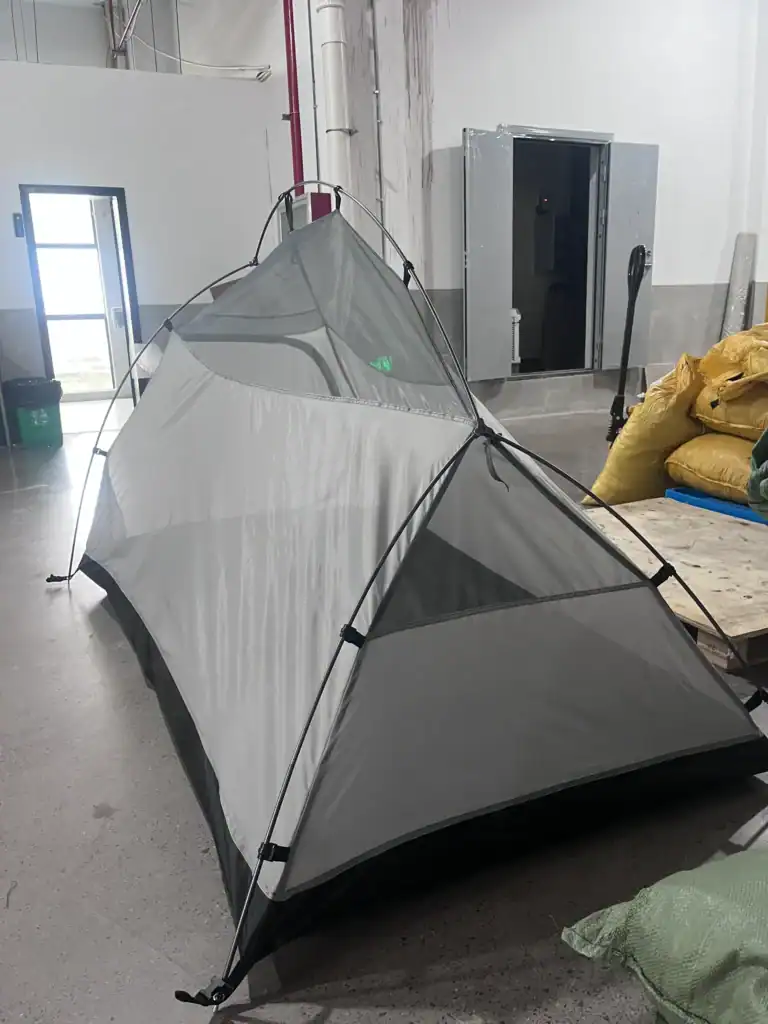
مقارنة طرق الطباعة: التسامي بالصبغ مقابل الشاشة الحريرية مقابل الرقمية
Pre-dyed fiber survives where surface dyes fail.
Pick the wrong printing method for a glamping tent and you’re buying returns, not sell-through. The three main processes—dye sublimation, silkscreen, and digital transfer—each own a specific sweet spot in cost, durability, and fabric compatibility. Matching the method to your retail use case is the difference between a 28% brand-image lift and a 40% return rate from UV-faded logos.
-
- التسامي بالصبغة: Creates a molecular bond with polyester fibers. On TC (polyester-cotton) blends with white base and black UV coating, independent testing reaches ISO 105-C06 wash fastness grade 4-5 and survives 500+ hours QUV (equivalent to 12-18 months direct sun). Ink cost per panel runs $8–$15, setup $50–$80 per color. Dark base fabrics kill color vibrancy—this is a white-polyester-only play.
- Silkscreen (Screen Printing): Lays down thick, opaque ink for bold logos on dark TC or Oxford canvas. Works where sublimation can’t. The downside: mechanical flex and UV exposure cause cracking—expect visible hairline fractures within 18 months of folding and retail floor tension. Wash fastness plateaus at grade 3-4. Panel cost $6–$12, but multi-color setups at $80–$120 per color eat into margins on small runs.
- Digital Transfer: The prototyping workhorse. MOQ 50 units with zero per-color setup charges. Fastness rating 3-4, outdoor lifespan 6-12 months. Acceptable for seasonal pop-ups or short-term rental fleets. Not engineered for permanent glamping setups.
Here’s what most sourcing reports miss: domestic-grade dyes shave $0.30 per yard but degrade under UV in 4 months. The countermove is spec’ing pre-dyed fiber. When color lives inside the yarn before weaving, the tent still holds brand identity even after the outer coating weathers. That’s why true Pantone matching on TC requires a three-step calibration—digital proof, physical lap dip, and production swatch. Skip the lap dip and batch-to-batch ΔE blows past 4.0, visible to the human eye and fatal on a retail floor set.
One more manufacturing nuance: the high-heat presses used for lightweight canopies will scorch uncoated cotton on glamping canvas. Dedicated tent printers dial down temperature, extend dwell time, and increase pressure—a process adjustment that separates suppliers who actually print glamping tents from generalists who just offer tent printing.
متطلبات ملفات العمل الفني التي تمنع تأخيرات الإنتاج
One bad file triggers a $500 rework fee and 10-day stall.
The artwork you submit is not just a reference image—it is the production blueprint. When a retail buyer sends a JPEG of a logo to be printed across a 4-meter bell tent sidewall, the first thing any competent factory does is check the file type. If it is not vector-based with outlined fonts, the job stops. Scaling a small raster image to full-size tent panels forces the printer to interpolate pixels. The result is a soft, jagged edge that screams ‘cheap’ on a retail display floor.
-
- Mandatory formats: .AI, .EPS, .SVG. All fonts must be converted to outlines. Every color channel needs a spot color definition, not a CMYK mix alone, because fabric inks are physically mixed to Pantone formulas, not press percentages.
- Raster exception: If a photographic element is unavoidable, supply a TIFF or PSD at no less than 150 dpi at 100% final print size. Lower resolution forces manual re-sampling, which introduces color shift and blur.
- Bleed and registration: Add a minimum 5 mm bleed beyond the seam line. Glamping tent panels are sewn after printing; missing bleed leaves stark white edges along the seams, a defect that kills brand trust instantly.
- Color space: Supply files with Pantone Solid Coated references and a physical swatch. CMYK-only files result in inter-batch color drift exceeding ΔE 4.0—clearly visible at point of sale—and were the root cause of a $20,000 rejection from a North American department chain last season.
When a factory receives a low-res file, there are exactly two paths: print it and ship garbage, or stop and manually rebuild the artwork. The rebuild is the right choice, but it is never free. Re-sampling a complex brand logo with gradients and multiple spot colors costs $500–$800 and consumes 7 to 10 calendar days. That is not a penalty fee invented by the supplier; it is the time and labor of a pre-press technician reconstructing your brand assets from a degraded source.
For a retail category manager working against a spring floor-set deadline, those 10 lost days translate to a missed container cutoff. The goods land in August instead of May. The season’s sell-through window collapses. I have seen a $50,000 promotional plan unravel because the tent sidewall looked like a blown-up phone photo. The protection is embarrassingly simple: before you sign the purchase order, get the final vector file from your graphic team. Open it, verify the fonts are outlined, and confirm the spot colors match the physical Pantone chip you approved at the sample stage. That 15-minute check is the cheapest insurance you will ever buy against a four-figure rework bill and a stalled production line.
الحد الأدنى لكمية الطلب وتفصيل التكاليف لطلبات الطباعة المخصصة
Per-unit print cost ranges $6–$22, driven by ink coverage and method, with volume breaks at 300 and 500 pieces.
Cost variation in glamping tent printing stems from four variables: ink chemistry, panel count, color separations, and production method. A simple one-color logo on the front canopy using silkscreen will land at the low end of the cost curve. Full-wrap dye sublimation across roof, sidewalls, and rear panels—requiring pre-dyed TC fabric and multi-station alignment—pushes toward $22 per unit. Factor in setup fees, which run $50–$120 per color depending on method complexity, and the total first-run investment shifts quickly.
-
- Silkscreen: $6–$12 per tent. Works on dark TC fabric, delivers thick, opaque ink. Cracks over repeated folding. Best for simple, single-color logos. MOQ 100.
- Digital Transfer: $8–$15 per tent. Handles photographic detail. Lower wash fastness (ISO grade 3–4). Suitable for prototypes or sub-300 unit runs. MOQ 50.
- التسامي بالصبغة: $12–$22 per tent. Bonds ink into polyester fibers of white TC for 4–5 ISO wash fastness. Requires lower heat, longer dwell on canvas to avoid scorch. Ideal for 4+ color, full-coverage brand wraps. MOQ 100.
Metallic and fluorescent inks add a 15–30% surcharge because of pigment cost and press cleaning overhead. If brand guidelines call for a metallic Pantone, budget an extra $1.50–$4.00 per unit depending on coverage area. Always request a physical swatch under D65 lighting to confirm the ΔE stays under 2.0—skipping this step has caused visible off-hue metallic logos that triggered full batch rejection at retail.
The real margin lever isn’t just printing—it’s bundling. Frame customization (powder coating the steel center pole in brand color, for example) often shares production line setup costs. When you combine printed panels with a custom frame order, the combined line item crosses the next tiered pricing threshold faster. At 300 pieces, expect a 10–15% cost reduction on printing; at 500 pieces, the drop extends to 30% versus the 100-unit price. This is where a branded glamping tent line starts delivering the 28–35% retail price uplift that justifies the upfront MOQ exposure.
| Cost Parameter | Threshold & Tier | Specifications / Notes | Business Impact |
|---|---|---|---|
| Printed Panel MOQ | 50–100 units (entry); 500+ units (volume) | Flexible terms for bulk orders; MOQ varies by tent model and panel complexity. | Minimizes initial inventory liability; volume tiers unlock 30% lower per-unit print cost. |
| Per-Unit Print Cost | $6–$22 per tent (100-300 units); $4–$15 per tent (500+ units) | Cost variance driven by ink coverage %, number of printed panels, and color count. Metallic/fluorescent inks carry surcharges. | Directly influences retail margin per square foot. Allows precise cost modeling for seasonal floor-set planning. |
| Setup & Color Separation Fee | $50–$120 per color (one-time charge) | Covers screen engraving or digital color profile calibration. Refundable or waived on reorders above 300 units. | Front-loaded NRE cost; amortizes to near-zero at scale. Critical line item for test-pilot programs vs. full rollouts. |
| Total Lead Time (Print + Production) | 25–35 days standard | Includes 5-day physical strike-off approval cycle. Expedited 20-day option available for reorder programs with locked artwork. | Aligns with spring/summer floor-set deadlines. Late approvals directly risk missing in-store launch dates and sell-through windows. |
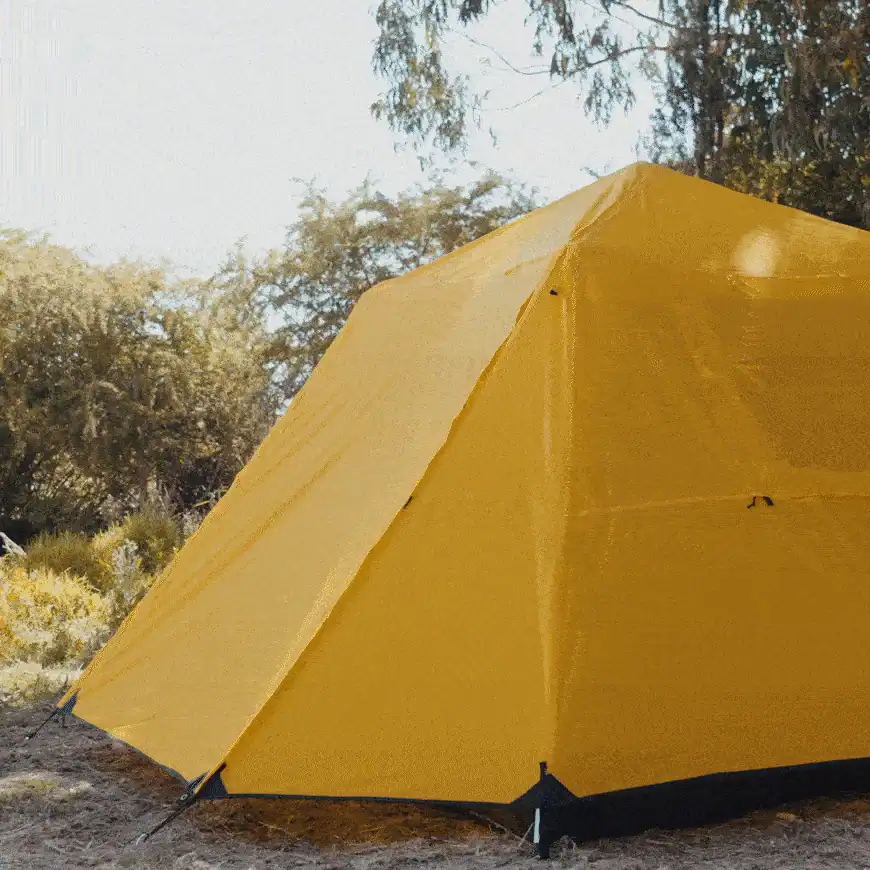
سير عمل ضمان الجودة والموافقة على العينات
Bypass physical strike-off and expect 15% batch rejection at the dock.
Most sourcing guides treat pre-production samples as a box-ticking exercise—send a digital proof, get a thumbs-up, start cutting fabric. A $50,000 glamping tent order I audited in 2026 proved exactly why that advice is wrong. The digital mockup showed perfect logo registration, but the mass-run panels pulled the print off-center by 18 mm once the frame tensioned the sidewalls. The batch failed brand compliance, and the retailer floor-set missed a four-week spring window.
The fix is a three-step approval protocol that locks color accuracy, UV durability, and mechanical strain tolerance before any bulk yardage is cut. Our core glamping tent factory enforces this as a non-negotiable gate inside the 25–35 day standard lead time—five of those days are reserved for the strike-off approval cycle alone.
-
- Step 1 – Physical Strike-Off on Production Fabric:: A 40 × 40 cm swatch of the actual TC polyester-cotton blend—dyed and coated exactly as the final order—is printed with the approved artwork. You receive the physical sample, not a photo. Check logo position, line sharpness, and hand feel. No production yardage is issued until this swatch is signed off.
- Step 2 – 40-Hour QUV Accelerated Weathering:: The strike-off undergoes ASTM G154 UVA-340 testing for 40 hours, which simulates roughly six months of direct outdoor UV exposure in a high-sun market. We measure ΔE before and after exposure. If the shift exceeds 2.5 on the production D65 color space, the ink formulation gets rejected. Most domestic-grade dyes fail inside 150 hours; outdoor-grade pigments engineered for black or silver UV-coated TC fabrics survive 500+ hours before perceptible fading.
- Step 3 – Stretch Resistance Validation Under Frame Load:: We mount the printed panel on a test frame and apply tension equivalent to a fully guyed 5-meter bell tent in a 25 km/h wind. You look for ink cracking, seam puckering, or image distortion beyond a 2.5% geometric variance. If the artwork shifts, we rework the underbase primer or adjust screen tension. This step alone eliminates the off-center logo problem that kills retail display consistency.
The gap between a supplier who knows this protocol and one who just prints on tents is visible in the vendor scorecard. A factory that skips the physical swatch to save eight days can deliver batch-to-batch color variance exceeding ΔE 4.0—clearly visible to the human eye under D65 retail lighting. When you multiply that mismatch across 100 units on a showroom floor, the brand looks sloppy and the return rate climbs. Industry data show over 60% of category managers rank color consistency as the top print concern; we treat it as a process capability index, not a hope.
For printed panel orders—MOQ as low as 50 units with a per-color setup fee of $50 to $120—this workflow adds no more than 5 days to the total lead time. The alternative is landing a container where 15% of the goods are unsellable because the print didn’t survive the first campout. That math hurts worse than any setup cost.

الخاتمة
A supplier who skips the physical Pantone swatch calibration saves 8 days on the front end. You absorb 12 to 18 months of brand erosion on the back end. When 200 glamping tents land at your distribution center with a logo that drifted from your approved color spec—visible to the naked eye at ΔE 4.0 or higher—that inventory sits dead on pallets, burning warehouse carrying costs while your spring floor set launches with empty square footage. UV-induced fading alone drives 40% of tent return claims in high-exposure markets, and every return chews through the 28–35% retail margin uplift you priced in for the branded version. Factor in the lost sell-through for an entire season, and the real cost of that skipped calibration step is not the $0.30 per yard the factory saved on domestic-grade dye. It is the full FOB value of the order, sitting unsellable.
Before you lock a production agreement, request the physical strike-off on the actual tent fabric and run it under D65 lighting alongside your brand’s Pantone reference. Compare your vector artwork file against the supplier’s panel registration specs now—a 10-day artwork correction loop during sampling costs nothing compared to a rejected container at the port. Review the printing methods, coating options, and quality tolerance documentation available on the camping tent product page, and start a technical conversation while your next seasonal order window is still open.
الأسئلة الشائعة
ما هي صيغ الملفات المطلوبة لفن الخيمة؟
ملفات المتجهات مثل AI أو EPS أو PDF الجاهز للطباعة مطلوبة للحصول على طباعة خيام حادة وقابلة للتوسع. يمكن استخدام تنسيقات البيانات النقطية مثل JPEG أو PNG ولكنها غالبًا ما تحتاج إلى دقة أعلى وقد لا تكون مناسبة. قم بتقديم العمل الفني المتجه للحصول على فصل ألوان الأكثر دقة.
هل يمكنني استخدام ألوان CMYK أو Pantone على قماش خيمة التخييم الفاخر؟
مطابقة ألوان Pantone ممكنة ولكنها موثوقة فقط عندما يستخدم المصنع معايرة عينة مادية باستخدام أصباغ مناسبة للاستخدام الخارجي. قيم CMYK وحدها غير موثوقة على الأقمشة المطلية وغالبًا ما تؤدي إلى عدم تطابق العلامة التجارية بشكل واضح. أصر على الموافقة على عينة Pantone مادية قبل الإنتاج بكميات كبيرة.
ما مدى سرعة حصولي على عينة مطبوعة قبل الالتزام بالإنتاج الضخم؟
عادةً ما تستغرق العينة المطبوعة أو اللوحة النموذجية من 7 إلى 10 أيام عمل.
ما هي أكثر طريقة طباعة متينة لخيمة تبقى في الهواء الطلق على مدار العام؟
الطباعة بالتسامي الصبغي على قماش البوليستر والقطن المصبوغ مسبقًا هي الطريقة الأكثر متانة، حيث تدمج الحبر في الألياف لمدة 3–5 سنوات من ثبات اللون المقاوم للأشعة فوق البنفسجية. الطرق السطحية مثل طباعة الشاشة تتلاشى بشكل أسرع على الأقمشة المطلية. اختر الطباعة بالتسامي الصبغي للحصول على أطول عمر خارجي.
هل هناك تكاليف إضافية للطباعة على الجدران الجانبية للخيمة وأسطحها مقارنة بالطباعة على المظلة الرئيسية فقط؟
نعم، كل لوحة إضافية تُطبع تزيد من التكلفة لكل وحدة لأن التسعير يعتمد على تغطية الحبر وعدد الألواح. إضافة طباعة الجدران الجانبية والأسقف يفرض رسومًا منفصلة تتجاوز إعداد الطباعة الرئيسي للمظلة. يُرجى طلب تفصيل لتكاليف الطباعة لكل لوحة على حدة.

 English
  Español
  Deutsch
  Français
  Português do Brasil
  Русский
  العربية
  한국어
한국어  日本語
日本語