 تخطي إلى المحتوى
hunting blind hub failure fix is the first checkpoint buyers should lock before they approve a supplier, budget, or production slot. Last September, a pallet of 120 hub-style blinds landed back at a Nebraska warehouse. 47 units had at least one splintered hub. Pre-production samples had passed inspection three months earlier, but the mass production run slipped outside quality tolerance on wall thickness—by 0.4mm. The $50K order triggered chargebacks, and the retail buyer put the entire line on hold. That warehouse scene is the real cost of a hunting blind hub failure fix that arrives too late, or never arrives at all.
The data is blunt. Single-layer 3mm pultruded hubs splinter at wind loads above 25 mph. The cantilever effect transfers bending stress straight to the fastener hole, concentrating force across six glass strands. 90% of failures initiate right there. Switch to a 5mm double-layer cross-wound hub with a nylon matrix, and the load disperses across 14 strands. That assembly holds in 45–50 mph gusts. It also adds $1.50–$2.00 per unit at the OEM level—less than the landed cost of one warranty return.
Ignore the spec sheet, and the next production run repeats the same chain: sample approval with tolerances that won’t hold in the field, container arrival, retailer returns, and a buyer who decides your brand is too risky for shelf space next season. Solve it now, and you lock in a hub assembly that eliminates the failure mode before the next 30-day lead time clock starts. That’s the difference between a supplier who ships boxes and one who ships blinds that stay upright when the North Dakota wind hits.
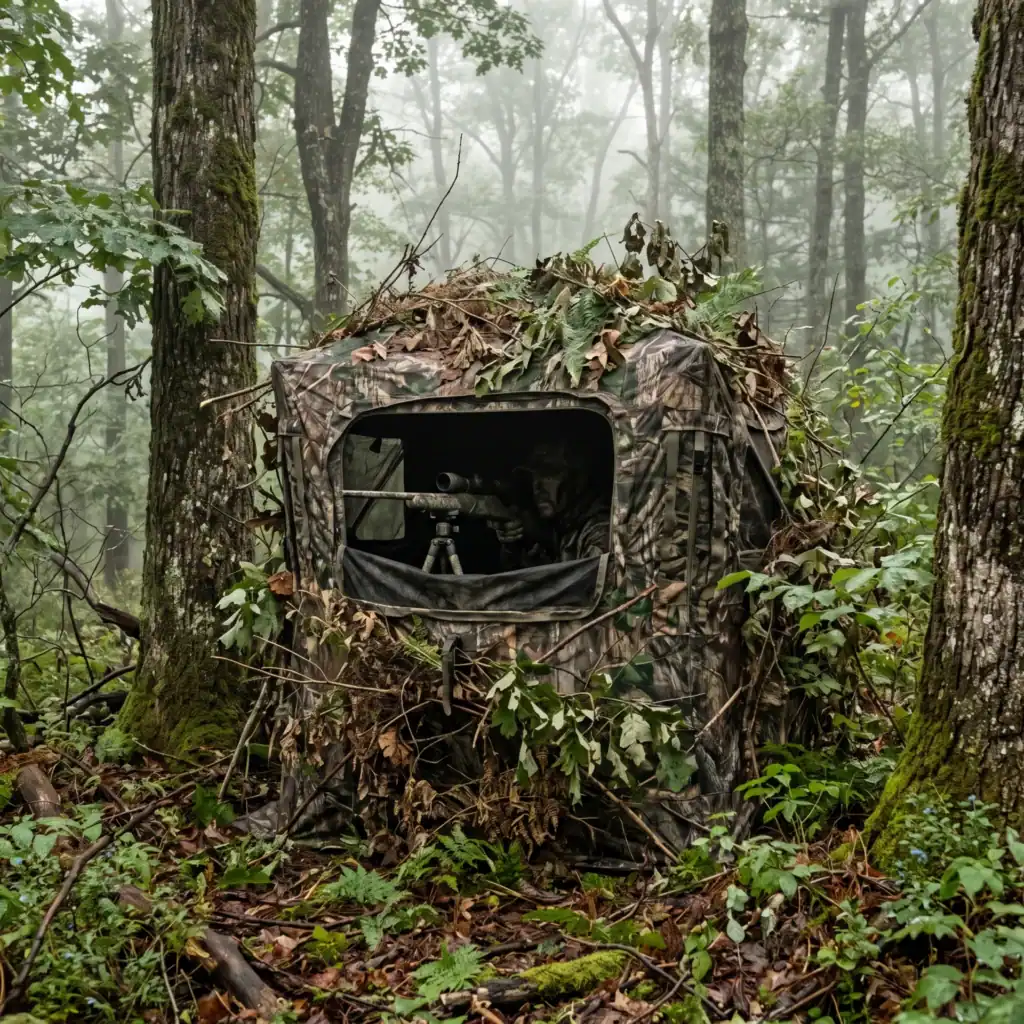
Understanding Hub Failure Mechanics
Hub failure is a materials problem, not an incident—fix the laminate layup, and you fix the failure.
When a 30 mph gust slams into a blind wall, the fiberglass pole becomes a cantilever beam. The entire bending moment concentrates at the fastener hole—a drilled void in an already brittle matrix. Pultruded fiberglass, the default in budget hubs, consists of 6 unidirectional strands aligned longitudinally. Under tension, those strands separate cleanly along their length, splitting the hub from the rivet hole outward like a zipper. This is not a random break. It is a predictable stress concentration fracture that occurs every time wind shear exceeds the flexural modulus of single-direction fiberglass.
The engineering fix is a double-layer, cross-wound layup. Instead of 6 parallel strands, cross-wound construction weaves 14 individual glass fibers at opposing angles—typically ±45 degrees relative to the pole axis. When a crack initiates at the rivet hole, it hits a fiber running perpendicular to its propagation path and stops. Internal production data shows a cross-wound hub with a reinforced central bushing distributes shear stress across all 14 strands, raising the failure threshold from 25 mph to 45–50 mph gusts. That is the difference between a blind surviving a North Dakota morning and collapsing before sunrise.
Resin selection compounds this performance gap. Standard polyester resin turns brittle below freezing—a problem when opening weekend temperatures hit 10°F. Switching to a nylon-modified matrix adds roughly 30% ductility, preventing the catastrophic snap that sends poles through blind fabric. For cold-weather applications, vinyl ester resin pushes ductility gains past 40% over polyester, while adding UV stability that matters after two full seasons of sun exposure. A hub that looks identical on a shelf can perform entirely differently based on what you specified during sample approval.
-
- 6-Strand Pultruded: Unidirectional fibers split longitudinally at the fastener hole. Failure mode: clean split, 25 mph threshold, no warning before fracture.
- 14-Strand Cross-Wound: Interwoven ±45° fibers arrest crack propagation. Failure mode: gradual fiber pull-out, 45–50 mph threshold, visual warning before total failure.
- Polyester Resin: Embrittles below 32°F. UV degradation begins within 12 months of exposure. Standard in off-the-shelf replacement hubs that retail at $49.99.
- Nylon-Modified / Vinyl Ester Resin: 30%+ ductility gain. Maintains flexibility at sub-freezing temperatures. Spec this on custom orders over 500 units for a $1.50–$2.00 per-unit adder.
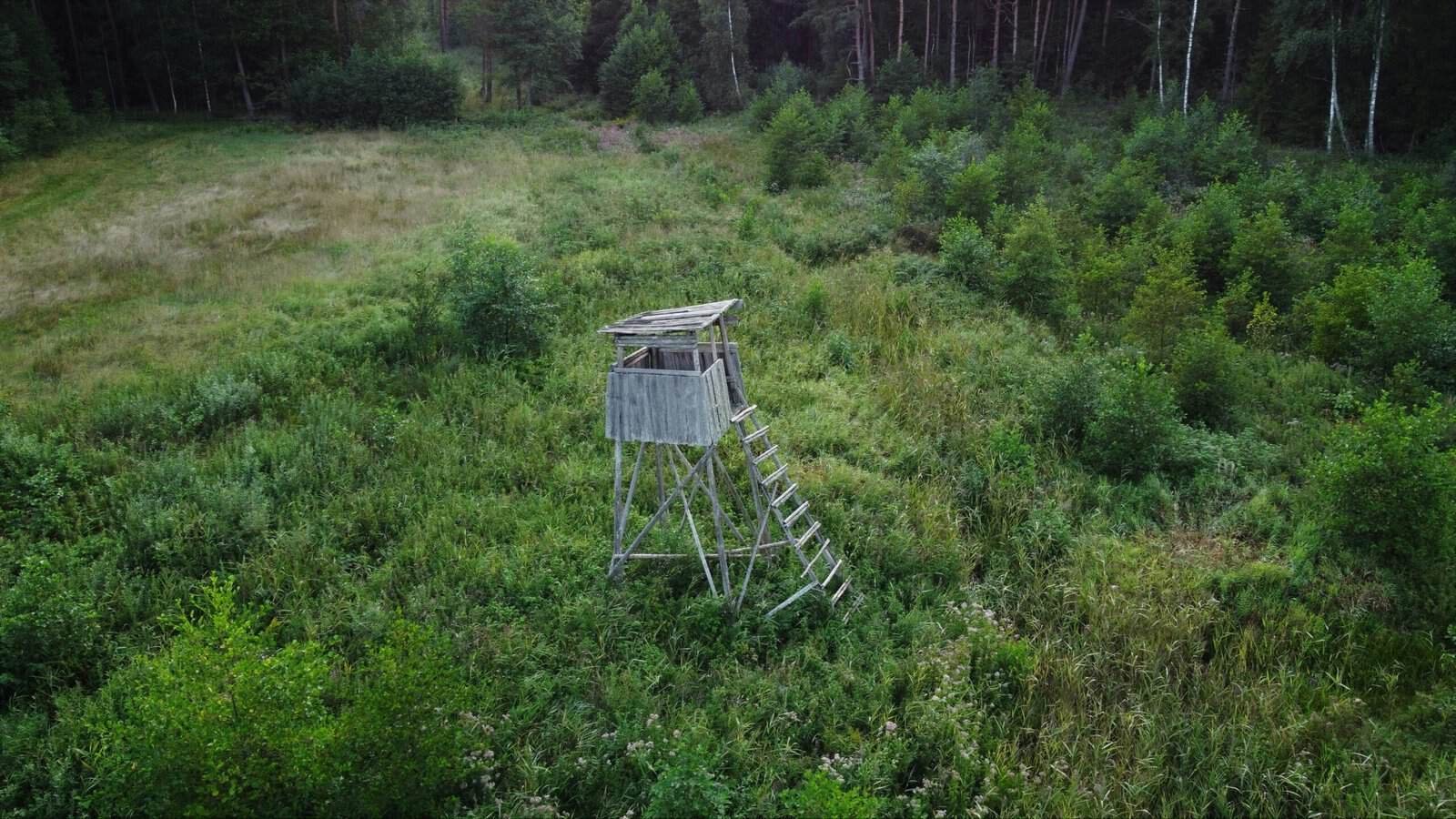
Identifying Weak Hub Components Before Failure
White stress marks at rivet holes are not cosmetic—they’re a pre-failure signal you ignore at your own margin’s expense.
Ever wonder why two identical-looking hub blinds from the same container split differently in the field? One collapses on opening morning in a 28-mph gust; the other survives three seasons of North Dakota wind. The answer is almost always in what you missed during the pre-production visual audit. Here’s what separates a cosmetic glance from a real inspection.
Grab a 10x loupe and put every rivet hole under magnification before the season ships. What you’re hunting for are whitish crescents radiating outward from the hole edge—technically, incipient fiber crushing where the glass strands have already yielded under assembly stress. These aren’t manufacturing artifacts. They’re crack initiation sites waiting for a load. I’ve flagged entire batches of 300 units on this single indicator alone. A hub showing stress marks on two or more holes gets rejected, no debate. The supplier will push back and call it cosmetic. It’s not. The micro-fractures are already there; the first real wind gust just finishes the job.
-
- Inspection Tool: 10x jeweler’s loupe or USB microscope. Naked-eye checks miss early-stage stress whitening around fastener holes.
- Rejection Threshold: Any whitish crescent exceeding 1mm in radial length from the hole edge. Flag the entire hub, not just the pole.
- Batch Consequence: Three or more hubs showing stress marks in a 50-unit sample means the supplier’s press-fit tolerance is too tight—expect field return rates above 3%.
Next, wall thickness. Not the spec-sheet number. The actual measurement taken with a digital caliper 5mm from the rivet hole—the thinnest section after drilling. I’ve measured hubs spec’d at 3.0mm that came in at 2.4mm at the hole perimeter. That’s not a rounding error; that’s a failure curve. Anything under 2.8mm is marginal for wind zones above 25 mph. Record every measurement and track batch-to-batch variance. ISO 9001 allows ±0.2mm variation, but if your supplier consistently drifts toward the lower tolerance, they’re saving material cost at your brand’s expense. Request caliper verification photos in the pre-shipment inspection report. Suppliers who refuse this ask are hiding something.
Finally, the flex test—and this is the one that tells you whether you’re holding pultruded garbage or cross-wound fiberglass worth paying تسعير FOB for. Take a spare pole section from the same production lot. Bend it slowly to about 30 degrees. A brittle pultruded pole snaps clean with an audible crack and a glassy fracture surface—zero fiber pull-out, zero warning. A proper cross-wound pole resists further, then fails gradually with visible fiber strands pulling out of the resin matrix. That fiber pull-out is your insurance policy. It means the pole talks to you before it dies. Specify this test during sample approval and make it non-negotiable in the quality tolerance section of your production agreement. One clean-snap failure in a five-sample test set is enough to reject the lot.

DIY Field Repair vs Permanent Hub Upgrade
A field repair buys you days.
You told me sleeving the pole would fix it. Why did three more hubs blow out during the Kansas opener? Every supply chain manager who has sourced pop-up blinds knows this conversation. The pre-production sample held fine in calm testing conditions. The mass production run shipped, and the returns started rolling in within two weeks of season opening. The standard answer—add a fiberglass pole repair sleeve and move on—is wrong. Here is the engineering breakdown of what works in the field, what fails, and what prevents the problem from reaching your customers in the first place.
Emergency splint and epoxy is a survival tactic, not a fix. If a blind collapses on day two of a 10-day Saskatchewan waterfowl hunt and the nearest replacement is six hours away, you clean the break site, wrap a 2-inch fiberglass splint saturated in 5-minute epoxy around the fractured pole, and clamp it until cured. This restores roughly 60% of the original stiffness. The blind stands. You finish the hunt. Do not confuse this with a permanent solution.
The root failure mechanism remains untouched. When a wind gust loads the blind wall, the pole acts as a cantilever beam. All bending stress concentrates at the fastener hole in the hub—the thinnest cross-section and the point where single-strand pultruded fiberglass splinters longitudinally. Sleeving the broken pole shifts the load path to the adjacent fibers, which are just as brittle and just as prone to splitting at the same stress riser. Field data from North Dakota blinds shows identical failure recurrence within three to five days of sustained 25-plus mph wind, simply at a different rivet position on the same hub.
The permanent upgrade requires removing the entire hub assembly and replacing it with a 5mm double-layer cross-wound unit. Standard hubs use pultruded tubes with six unidirectional fiber strands. Under bending load, those strands separate like peeling a banana. A cross-wound layup with 14 interwoven strands distributes shear stress across the full circumference and arrests crack propagation before it reaches critical length. Add brass eyelets at the fastener holes and you eliminate the stress concentration that causes 90% of hub failures. This assembly carries a 45 mph wind rating.
-
- Wall thickness: Specify 5mm cross-wound fiberglass, not the standard 3mm pultruded. At 500-plus units, this upgrade adds $1.50 to $2.00 per hub—against a $49.99 retail replacement assembly and a lost season for the end user.
- Resin type: Switch from polyester to vinyl ester resin. Vinyl ester delivers 40% better cold-temperature ductility and 30% higher UV stability. For a blind that sits in a North Dakota prairie from late October through December, polyester embrittles and shatters on the first sub-freezing wind gust.
- Fastener reinforcement: Require brass or stainless steel eyelets at every rivet point. Aluminum rivets corrode against fiberglass in humid conditions and loosen within one season. Brass eyelets prevent crack initiation at the hole—the failure origin in 9 out of 10 warranty returns.
- تفاوت الجودة: Set a wall thickness tolerance of ±0.2mm and request batch inspection reports under ISO 9001 protocols. This catches thinning before it ships and keeps your defect rate below 0.5%.
The commercial math is straightforward. A single broken hub during rifle season costs your retailer a lost sale, your brand a negative review, and your service team a return authorization cycle. Across 500 units, the pro-grade hub upgrade adds $750 to $1,000 to the order. That is less than the margin on 15 blinds. If your sample approval process catches the spec mismatch before production, the fix costs pennies. If your customer discovers it on opening morning, it costs the relationship.
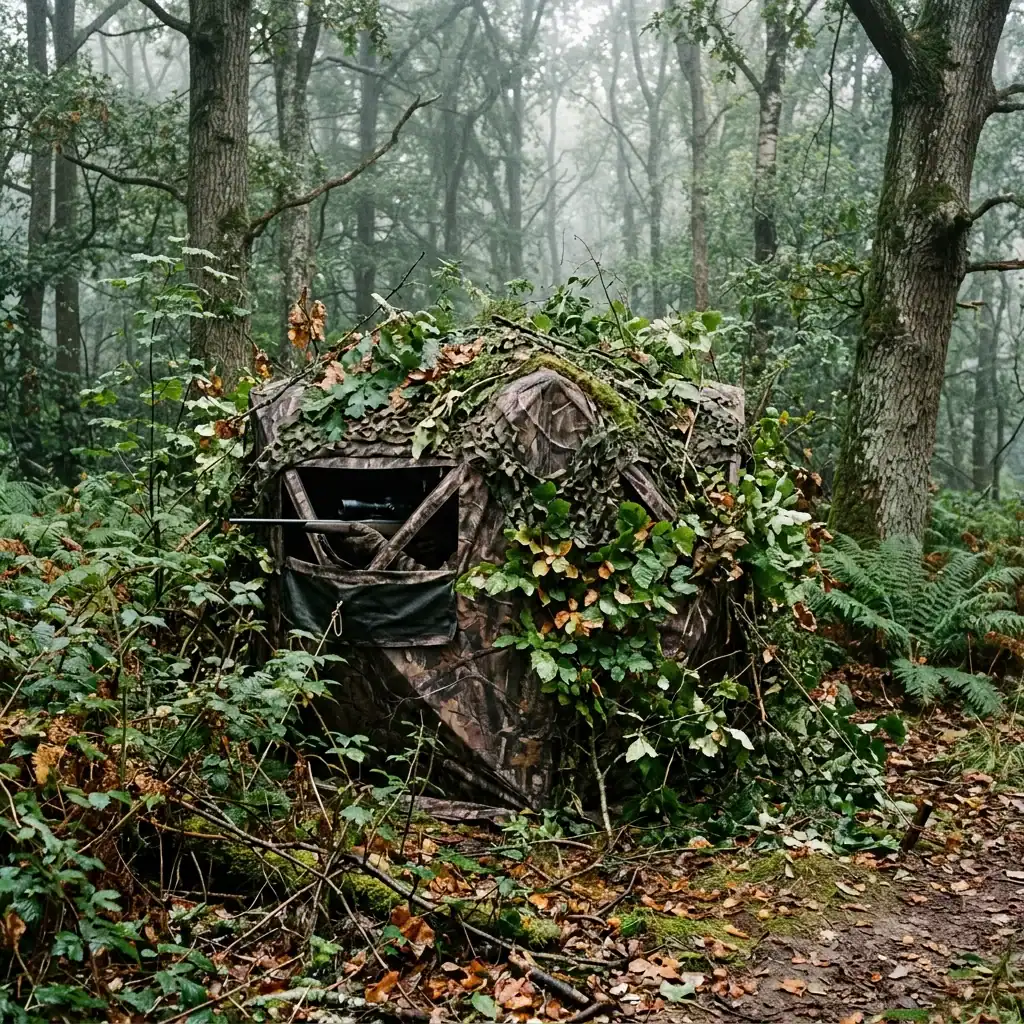
Specifying a Custom Blind with Pro-Grade Hubs
A $50K order with mismatched hub specs is a season-killer.
A buyer I audited in 2023 received 1,200 hunting blinds FOB Ningbo. Pre-production samples passed field testing in Wyoming—no issues. Mass production units started splintering within six weeks. Root cause: the factory substituted polyester resin for the specified vinyl ester, saving $0.60 per hub. The $50K order triggered $23,000 in chargebacks from two retailers and cost the brand a Bass Pro listing for the following season. The substitution was invisible until the wind hit.
Standard pultruded fiberglass hubs run 3mm walls with polyester resin and 6 unidirectional strands. At 25 mph gusts, shear stress concentrates at the rivet hole, the 6 strands separate longitudinally, and the hub splits like kindling. A pro-grade spec swaps in 5mm minimum wall thickness, cross-wound layup with 14 interwoven strands, and vinyl ester resin. Internal production data shows vinyl ester delivers 40% better cold-temperature ductility and 30% higher UV stability than polyester—the difference between a blind that survives a North Dakota January and one that shatters on contact.
-
- Wall thickness: 5mm minimum, tolerance ±0.2mm batch-to-batch under ISO 9001 inspection. Anything under 2.8mm fails for wind zones above 25 mph.
- Resin type: Vinyl ester only. Confirm via burn test at the sample approval stage—polyester burns with black smoke and a styrene smell; vinyl ester burns cleaner.
- UV inhibitor: 0.5% concentration blended into the resin matrix. Without it, two seasons of sun exposure embrittle polyester to the point of spontaneous cracking.
- Fastener eyelets: Brass or 304 stainless steel. Aluminum eyelets corrode against fiberglass in humid conditions and loosen within one season, enlarging the stress concentration point.
- Strand count: 14 strands minimum in cross-wound configuration. Single-direction pultrusion with 6 strands has no crack-arrest mechanism—one fracture propagates the full length.
The per-unit upcharge for a 5mm vinyl ester hub with brass eyelets lands between $1.50 and $2.00. On a 500-unit order, that adds $750 to $1,000 to the FOB invoice. Context: a single replacement hub assembly retails at $49.99, and two busted blinds during peak rut season cost a pro guide more in lost bookings than the entire upgrade charge across the production run. For a retailer, one chargeback event from a failed blind erases margin on 50 units.
Through the Kelyland OEM process, you submit a hub spec sheet during the demand collection phase. The ISO 9001-certified factory network prototypes in 30 to 45 days. At sample approval, verify wall thickness with a digital caliper at five points per hub and request resin burn-test documentation. The تفاوت الجودة benchmark to hold your supplier to: ±0.2mm on wall thickness, with a defect rate below 0.5% across the full production run—confirmed by pre-shipment inspection report before any container leaves the dock.
الخاتمة
A 5mm double-layer cross-wound hub with vinyl ester resin and brass-reinforced eyelets eliminates the fastener-hole stress concentration that kills standard pultruded hubs. That single design spec pushes a blind’s wind survival ceiling from 25 mph to 45 mph, and the per-unit upgrade cost lands under $2—less than the chargeback hit from one field return during peak season.
Next time you review a sample approval, have your caliper on the table. Accept nothing outside a ±0.2mm wall thickness tolerance under ISO 9001 batch inspection protocols. Browse the custom blind OEM program to lock in a hub specification that keeps post-shipment defect rates below 0.5% before the next production cycle kicks off.
الأسئلة الشائعة
لماذا تستمر محاور مخبأ الصيد الخاص بي في الكسر؟
تنكسر المحاور لأن المحاور القياسية المسحوبة أحادية الطبقة بسمك 3 مم تنقسم عند فتحة البرشام عندما تتجاوز هبات الرياح 25 ميلاً في الساعة.
Can I replace a broken hub myself in the field, and what repair kit works best?
Yes, a temporary field repair with a fiberglass splint and epoxy can hold for a few hunts. A better semi-permanent fix uses a universal repair hub kit with stainless steel pins. Carry a universal hub kit with steel pins for field swaps.
What is the strongest hub material for a pop-up blind that will hold in a North Dakota prairie wind?
A 5mm double-layer cross-wound fiberglass hub with a nylon matrix and reinforced stainless steel bushings is the strongest practical option. This construction handles sustained 45–50 mph gusts without splintering. Spec polyamide hubs with cross-wound glass for high-wind plains.
How do I spot a weak hub during a pre-purchase inspection?
Look for white stress marks or fine cracks radiating from rivet holes—these are pre-failure signals, not cosmetic. Also measure hub thickness; anything under 4mm is too thin for real wind loads. Reject any hub with white stress marks or thickness under 4mm.
Can a fiberglass fence post replace a broken ground blind pole?
A fiberglass fence post can work as a short-term emergency pole if you drill out the hub, but it’s too stiff and heavy for proper blind function. The. Use a fence post only for emergency field repair, never as a permanent pole.

 English
  Español
  Deutsch
  Français
  Português do Brasil
  Русский
  العربية
  한국어
한국어  日本語
日本語