 تخطي إلى المحتوى
لماذا لا يزال مديرو فئات التجزئة يتعاملون مع الاستيراد من الصين كأنه لعبة لأقل سعر FOB, ، عندما يمكن لشحنة خيام تخييم بقيمة $50,000 أن تفقد كامل هامش ربحها في اللحظة التي يفشل فيها قماش الإنتاج الضخم في مطابقة العينة التي وافقوا عليها؟
الإجابة عادةً تكمن في استبدال طلاء بتكلفة تتراوح بين $0.40 و$0.60 لكل متر مربع — تحويل من قماش ريبستوب 210T إلى تافتا 190T مما يخفض عمود الماء من 2,000 مم إلى أقل من 1,000 مم. العينة ما قبل الإنتاج تجتاز كل الاختبارات. الإنتاج الضخم لا يجتازها. وبحلول الوقت الذي تتراكم فيه المرتجعات، يتحول ادعاء المصنع بشأن تفاوت الجودة إلى ندوة حول التباين المقبول. هذه كذبة. التباين الحقيقي متعمد.
لاكتشاف ذلك، لا تحتاج إلى قائمة فحص أخرى لاعتماد العينات. بل تقف في أرضية المصنع، وتفتح كرتونًا عشوائيًا، وتتحقق من كثافة الطلاء بنفسك. هذا هو الفرق بين حماية هوامش الربح الموسمية وبين شرح ارتفاع المبالغ المستردة لنائب رئيس قسم التسويق. الخطوات التالية توضح كيفية بناء هذا النوع من الإشراف في عملية التوريد الخاصة بك — دون ملاحقة سفن الشحن في نصف الكرة الأرضية.
الخطوة 1: اختيار المنتجات المناسبة للاستيراد
أعطِ الأولوية للفئات عالية الهامش والمتوافقة مثل الخيام والعربات بدلاً من العناصر الرائجة لكنها محفوفة بالمخاطر.
كل مقال يخبرك بمطاردة أدوات تيك توك الفيروسية. هذا تفكير مبتدئ. الهامش الحقيقي يكمن في السلع الأساسية المتينة وعالية الحجم مثل الخيام السريعة النصب والعربات القابلة للطي التي تحافظ على الطلب عبر المواسم. ركّز على المنتجات التي تحمل إمكانية هامش ربح تجزئة يتراوح بين 40–60% بدلاً من الاتجاهات العابرة.
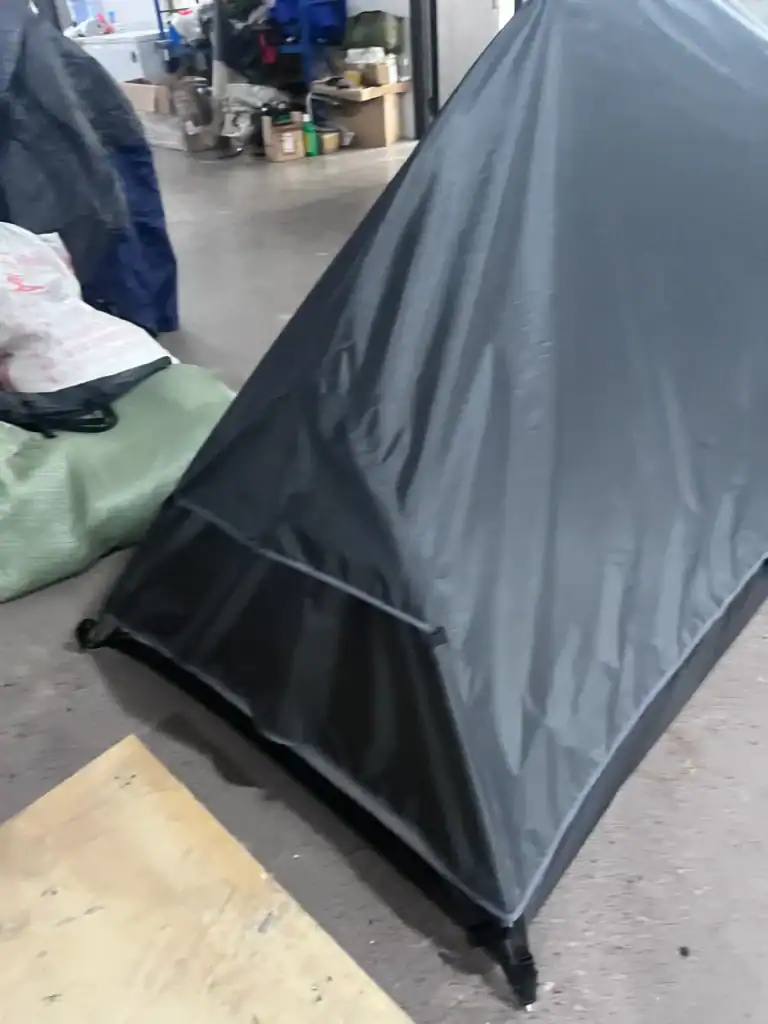
خسر مشترٍ ذات مرة $50,000 في طلب خيام مخصص لأن العينة ما قبل الإنتاج اجتازت الفحص، لكن تشغيلة الإنتاج الضخم استخدمت قماشًا أرخص. هذا التباين لا يظهر إلا أثناء عمليات التدقيق في المصنع، وليس عند النظر إلى صور الكتالوج اللامعة. تحتاج إلى شريك توريد يتحقق فعليًا من درجات المواد قبل إغلاق الحاويات.
-
- أهداف عالية الهامش:: الخيام الجاهزة، وعربات الطي ذات الجدار المزدوج، وأسرة التخييم توفر طلبًا ثابتًا بهامش ربح جملة صحي لسلاسل التجزئة.
- علامات الامتثال الحمراء:: تجنب ملابس النوم للأطفال أو بطاريات الليثيوم غير الموثقة في البداية؛ فهي تتطلب اختبارات CPSIA أو UN38.3 معقدة تؤخر وضعها على الرفوف.
- $0.40 فخ الطلاء:: غالبًا ما تستبدل المصانع النايلون الممزق 210T بالتافتا 190T لتوفير بنسات لكل متر مربع. هذا يخفض العزل المائي إلى النصف ويدمر ثقة العلامة التجارية.
الخطوة 2: فهم حقوقك في الاستيراد
غياب EORI يعني أن حاويتك تبقى في روتردام لمدة 3 أسابيع—وحرق $200 يوميًا كرسوم تأخير بينما يتلاشى موسم البيع بالتجزئة.
رأيت طلبية خيام فاخرة بقيمة $50K تفوت نافذة عيد الذكرى بأكملها لأن المشتري افترض أن وكيل الشحن التابع للمورد سيتولى كل شيء. احتجزت الجمارك الشحنة لمدة 21 يومًا. المشكلة؟ لا يوجد رقم EORI في الملف. موسم التخييم لا ينتظر الأوراق.
قبل أن تغادر خيمة واحدة أرضية المصنع في نينغبو، يجب أن يكون كيانك القانوني موجودًا على الورق لدى سلطة الجمارك في البلد المستورد. هذه ليست مشكلة المورد—إنها مشكلتك. إذا أخطأت في ذلك، فأنت تنزف رسوم التخزين بينما يملأ المنافسون الرفوف.
بالنسبة لواردات الولايات المتحدة، الأساس هو EIN الصادر عن IRS. كل شحنة تجارية تزيد عن $2,500 تتطلبه في نموذج CBP 7501. يمكن لأصحاب المشاريع الفردية استخدام SSN، لكن أي شركة ذات مسؤولية محدودة أو شركة تستورد لإعادة البيع بالتجزئة تحتاج إلى EIN. قدّم الطلب عبر الإنترنت على IRS.gov—يولّد النظام الرقم فورًا. لا تنتظر حتى تصل بوليصة الشحن إلى بريدك الوارد.
يواجه مشترو الاتحاد الأوروبي جدولًا زمنيًا أضيق. يجب أن يكون رقم EORI نشطًا قبل رسو السفينة. كل دولة عضو تصدر رقمها الخاص—سجّل عبر بوابة الجمارك في بلدك، وليس عبر موقع طرف ثالث. تستغرق ألمانيا 3–5 أيام عمل؛ أما فرنسا وإيطاليا فقد تصلان إلى 10. أنا أبني فترة احتياطية أسبوعين في كل جدول زمني للطلبات خصيصًا لتفعيل EORI. بدونه، لا تستطيع الجمارك معالجة البيان الملخص للدخول، وتتراكم رسوم التأخير على حاويتك بمقدار €150–€250 يوميًا حسب الميناء.
تتطلب كندا رقم عمل من CRA مع لاحقة حساب RM للاستيراد/التصدير. تستخدم أستراليا ABN مع معرّف عميل جمركي. يحتاج مستوردو المملكة المتحدة إلى EORI يبدأ بـ GB وربما XI-EORI منفصل لشحنات أيرلندا الشمالية. لكل ولاية قضائية بوابة تسجيل خاصة بها ونافذة معالجة—حدد ذلك قبل التفاوض على أسعار FOB أو جداول الموافقة على العينات مع موردك الصيني.
-
- الولايات المتحدة: EIN (IRS): إصدار فوري عبر الإنترنت. مطلوب في CBP 7501 للشحنات التي تتجاوز $2,500. لا حاجة لتجديد سنوي.
- الاتحاد الأوروبي: رقم EORI: 5–10 أيام عمل للمعالجة. تصدر من الدولة العضو حيث تستورد أول مرة. صالحة في جميع دول الاتحاد الأوروبي البالغ عددها 27 دولة.
- كندا: BN + RM Account: رقم الأعمال لدى CRA بالإضافة إلى لاحقة حساب الاستيراد/التصدير. قدّم الطلب عبر بوابة CRA My Business Account.
- المملكة المتحدة: GB EORI: منفصل عن EORI الأوروبي بعد بريكست. قدّم الطلب عبر HMRC؛ عادةً يتم إصداره خلال 3 أيام عمل.
يتوقف الوسيط الجمركي المرخّص عن كونه خيارًا اختياريًا بمجرد أن تحتوي شحنتك على فئات منتجات مختلطة. قد تحتوي حاوية 40 قدمًا على خيام تخييم تحت رمز HS 6306.22 إلى جانب أكياس نوم تحت رمز HS 9404.30 وكراسي قابلة للطي تحت رمز HS 9401.79. كل رمز HS يحمل معدلات رسوم جمركية مختلفة وفحوصات تنظيمية ومتطلبات توثيق مختلفة. يميّز نظام ACE التابع لـ CBP الإدخالات متعددة البنود بمعدلات تدقيق أعلى — حيث يقدّم الوسيط ISF مسبقًا قبل التحميل بـ24 ساعة، ويتعامل مع متطلبات السندات، ويدير أي إيقافات من FDA أو CPSC التي قد تسببها المنتجات الخارجية القائمة على المنسوجات أحيانًا.
القيمة الحقيقية للوسيط تظهر أثناء عمليات التدقيق. إذا اعترضت CBP على تصنيف خيمتك — مثلًا أعادت تصنيف خيمة تخييم فاخرة من 6306.22 برسوم 0% إلى 6306.29 برسوم 10% بسبب محتوى القطن — فقدّم الوسيط الاعتراض مع شهادات المصنع الداعمة ومواصفات البناء. بدونه، تدفع الغرامة 10% على كامل الشحنة وتأمل في استرداد يستغرق 6–12 شهرًا. رسوم الوسيط تتراوح بين $300–$500 لكل إدخال. ومقابل غرامة تصنيف خاطئ واحدة على طلب بقيمة $80K، فإن ذلك يعد خطأ تقريبًا بسيطًا.
تخطَّ الوسيط في شحناتك الثلاث الأولى وستكون راهنًا على هامشك الموسمي في قدرتك على التنقل في نظام تنظيمي يحدّث قواعده كل ثلاثة أشهر. حادثة واحدة لـ CPSIA للأطفال
الخطوة 3: الاستعانة بوكيل توريد
عند مقارنة تكلفة التوريد بمخاطر الاعتماد على الذات، تذكر أن ضعف التفاوض يضخم عادةً التكاليف النهائية بنسبة إضافية تبلغ 15-20%. إذا استخدمت وكيل توريد مثل Kelyland Outdoors — الذي يدير أكثر من $1 مليون في الصادرات السنوية — فإنك تحصل على أسعار المصنع وتتجاوز زيادات الحد الأدنى لكمية الطلب غير الضرورية.
الخطوة 4: تحديد مشكلات الجودة المحتملة
عينات ما قبل الإنتاج مجرد عرض مسرحي.
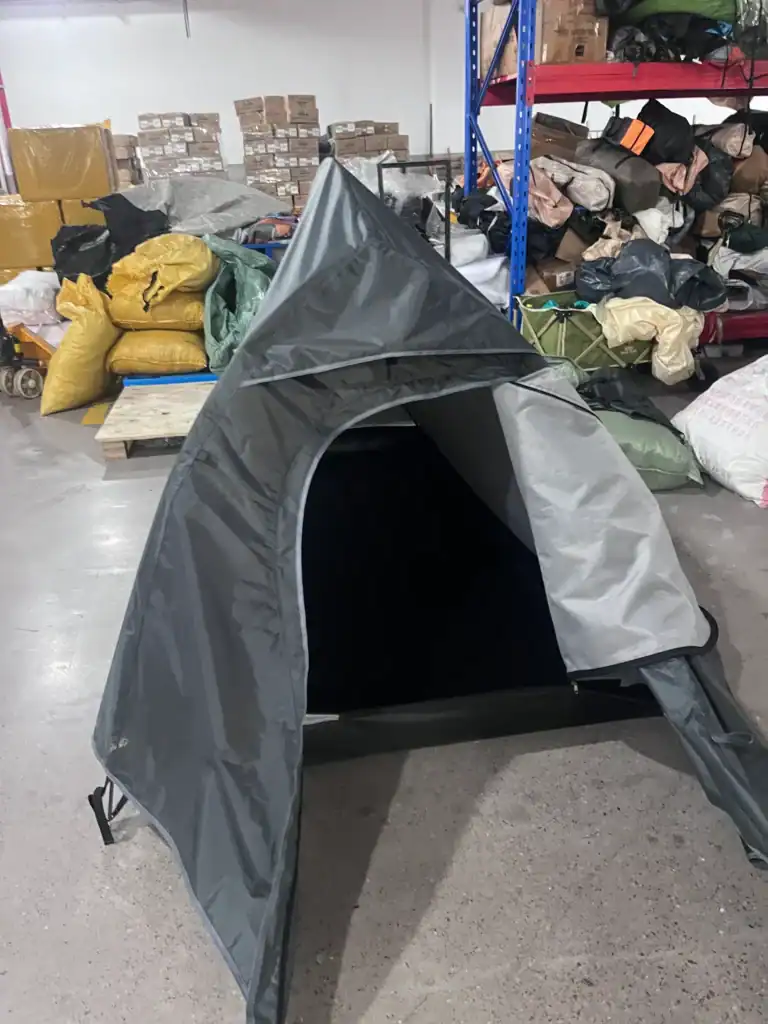
معظم أدلة التوريد تخبرك بأن تحصل على عينة، وتوافق عليها، وتثق في أن المصنع سيكررها بكميات كبيرة. هذه النصيحة كلّفت بائع تجزئة في الغرب الأوسط $50,000 في تخفيضات الأسعار الموسم الماضي. عينة الخيمة قبل الإنتاج اجتازت اختبار عمود الماء 2,000 مم. لكن دفعة الإنتاج الضخم بدأت تتسرب عند 800 مم. لماذا؟ استبدل المصنع قماش الريبستوب 210T المغطى بـ PU
هذه ليست استثناءً نادرًا. عبر 12 دولة ومئات عمليات تدقيق المصانع، وثّقت استبدال المواد باعتباره الفشل النوعي الأكثر شيوعًا في واردات المعدات الخارجية. يحدث ذلك لأن الحافز المالي فوري ونافذة الاكتشاف ضيقة. المصنع يوفر من $0.40 إلى $0.60 لكل متر مربع من مجرد تخفيض جودة طلاء القماش. على طلب خيام من 500 وحدة يستخدم 8 أمتار مربعة لكل وحدة، فهذا يعني $1,600 إلى $2,400 هامش ربح صافٍ للمصنع — وموسمًا كاملًا من المرتجعات والمبالغ المستردة لك.
المصانع الحاصلة على شهادة ISO 9001:2015 يُبلغون عن معدل عيوب أقل بنسبة 30% من الموردين غير المعتمدين، وفقًا لمسح SGS لعام 2026. لكن الاعتماد وحده لا يمنع الاستبدال. فهو يوفر نظام جودة موثقًا. ما زلت بحاجة إلى التحقق المادي على خط الإنتاج. شبكة التوريد مهمة هنا — شريك لديه 17 مصنعًا أساسيًا مثل Kelyland Outdoors يملك القوة للمطالبة بتتبع المواد وهو ما لا يستطيع مشترٍ فردي يضع أمر شراء واحدًا سنويًا فرضه.
-
-
- سلامة درزات الخيمة: اغمر عينة درزة مضغوطة في الماء بتصنيف 2,000 مم. ابحث عن فقاعات دقيقة عند نقاط الغرز. درزة واحدة تتسرب في خيمة لأربعة أشخاص تعني أن وحدة SKU بأكملها تفشل في فحص الجودة للبيع بالتجزئة.
- دورة تحميل العربة القابلة للطي: حمّل أكياس الرمل حتى 120% من السعة المقدرة (عربة بسعة 150 كجم تُحمَّل بـ 180 كجم). مرّرها فوق الحصى المختلط وعوائق بارتفاع حافة الرصيف لمدة 100 دورة. افحص محامل محاور العجلات ونقاط تثبيت القماش ولحامات الإطار بعد الاختبار.
- رسم الخرائط الحرارية لكيس النوم: قم بإجراء اختبار الدمية الحرارية وفقًا لمعيار EN 13537 إذا كان الكيس يحمل ادعاءً بتصنيف درجة حرارة. الكيس المُصنَّف بأنه ‘مريح عند 0 درجة مئوية’ والذي يختبر عند +5 درجة مئوية سيولّد مرتجعات من كل عميل في الطقس البارد — ومراجعات سلبية تُغرِق قائمة المنتج.
- إجهاد إطار الكرسي: دَوِّر كرسي التخييم 5,000 مرة بحمل 100 كجم. افحص نقاط البرشام، وآليات المفصلات، وتمدد القماش. الكرسي الذي يفشل عند 3,000 دورة سينهار على العميل خلال موسم واحد.
- التعتيق المتسارع بالأشعة فوق البنفسجية: عرّض عينات القماش لـ 200 ساعة من التعرض الجوي المتسارع QUV. قم بقياس قوة الشد قبل وبعد. إذا فقد قماش الأوكسفورد أكثر من 30% من قوة الشد، فهذا يشير إلى أن مثبت الأشعة فوق البنفسجية كان ناقصًا — وسيتدهور منتجك بشكل مرئي خلال 6 أشهر من العرض الخارجي.
-
مشكلة خفض جودة الطلاء تستحق تسليط الضوء عليها بشكل منفصل لأنها غير مرئية بالعين المجردة ويستحيل اكتشافها من صورة المنتج النهائي. التسلسل القياسي لأقمشة المعدات الخارجية هو: نايلون ripstop 210T مع طلاء PU (الهدف: تصنيف مقاومة للماء 2,000-3,000 مم) كخيار ممتاز، والتفتا 190T مع طلاء PU أخف (الهدف: 800-1,200 مم) كبديل اقتصادي. ملمس القماش متشابه. اللون يمكن أن يتطابق. الفرق في الوزن أقل من 30 غرامًا لكل متر مربع. فقط جهاز اختبار العمود الهيدروستاتيكي يمكنه اكتشاف ذلك.
أصلح هذا على مستوى العقد. يجب أن تحدد اتفاقية الشراء الخاصة بك المواصفات الدقيقة للقماش — ليس فقط ‘أرضية خيمة مقاومة للماء’ بل ‘نايلون ripstop 210T، طلاء PU بحد أدنى 2,500 مم، شهادة مصنع مطلوبة’. اطلب من وكيل التوريد أو المفتش الخارجي قص عينة عشوائية من خط الإنتاج في اليوم الأول واليوم الخامس واليوم العاشر من دورة الإنتاج. أرسل العينات الثلاث إلى مختبر معتمد مثل SGS أو Bureau Veritas لإجراء اختبار هيدروستاتيكي. تبلغ تكلفة الاختبار حوالي 150 دولارًا للعينة الواحدة. قارن ذلك بتكلفة إرجاع 500 خيمة.
-
- استبدال القماش: نايلون ripstop 210T ← تافتا 190T. يوفر 0.40-0.60 دولار/م². النتيجة: فقدان أكثر من 50% من قوة التمزق وتصنيف مقاومة الماء.
- تخفيف الطلاء: سمك طلاء PU المحدد 0.05 مم تم تطبيقه بسماكة 0.02 مم. يوفر 0.15 دولار/م². النتيجة: يتقشر الطلاء بعد 20-30 دورة تعبئة.
- سماكة جدار الإطار: تم تقليل سماكة جدار عمود الخيمة الألومنيوم من 0.8 مم إلى 0.6 مم. يوفر 0.80 دولار لكل مجموعة أعمدة. النتيجة: تنكسر الأعمدة تحت حمل رياح معتدل، خاصة عند وصلات التوصيل.
- نقص وزن الحشو: كيس النوم المعلن عنه حشو 800 غرام يحتوي في الواقع على 650 غرامًا. يوفر 3-5 دولارات لكل كيس. النتيجة: يصبح تصنيف درجة الحرارة خيالًا، ولا يمكن التحقق منه إلا بالاختبارات المعملية التدميرية.
- تخفيض درجة السحاب: استبدال YKK #10 بسحاب غير مسمى #8. يوفر $0.50 لكل سحاب. النتيجة: فشل السحاب خلال 50 دورة، مما ينتج منتجًا لا يمكن إغلاقه — العيب المرئي #1 الذي يسبب إرجاعات فورية.
تخطَّ هذه الخطوة وستصبح الحسابات قاسية بسرعة. تكلفة الخيمة الواحدة المرتجعة تتراوح بين $12-18 في اللوجستيات العكسية، وفحص العمالة، والتكاليف العامة لإعادة التخزين — قبل احتساب البيع المفقود. معدل إرجاع 15% على 1000 وحدة يمحو $12,000-$18,000 من الهامش القابل للاسترداد. مدير الفئة الذي لا يمول الفحص أثناء الخط الإنتاجي بتكلفة $800-$1,200 لكل دورة إنتاج يراهن فعليًا بمبلغ $18,000 مقابل $1,200. هذا ليس إدارة مخاطر. هذا إهمال مموه كتوفير في التكاليف.
الخطوة 5: ضمان الامتثال
الأوراق التنظيمية أهم من المنتج نفسه عندما تبقى الحاوية في الميناء.
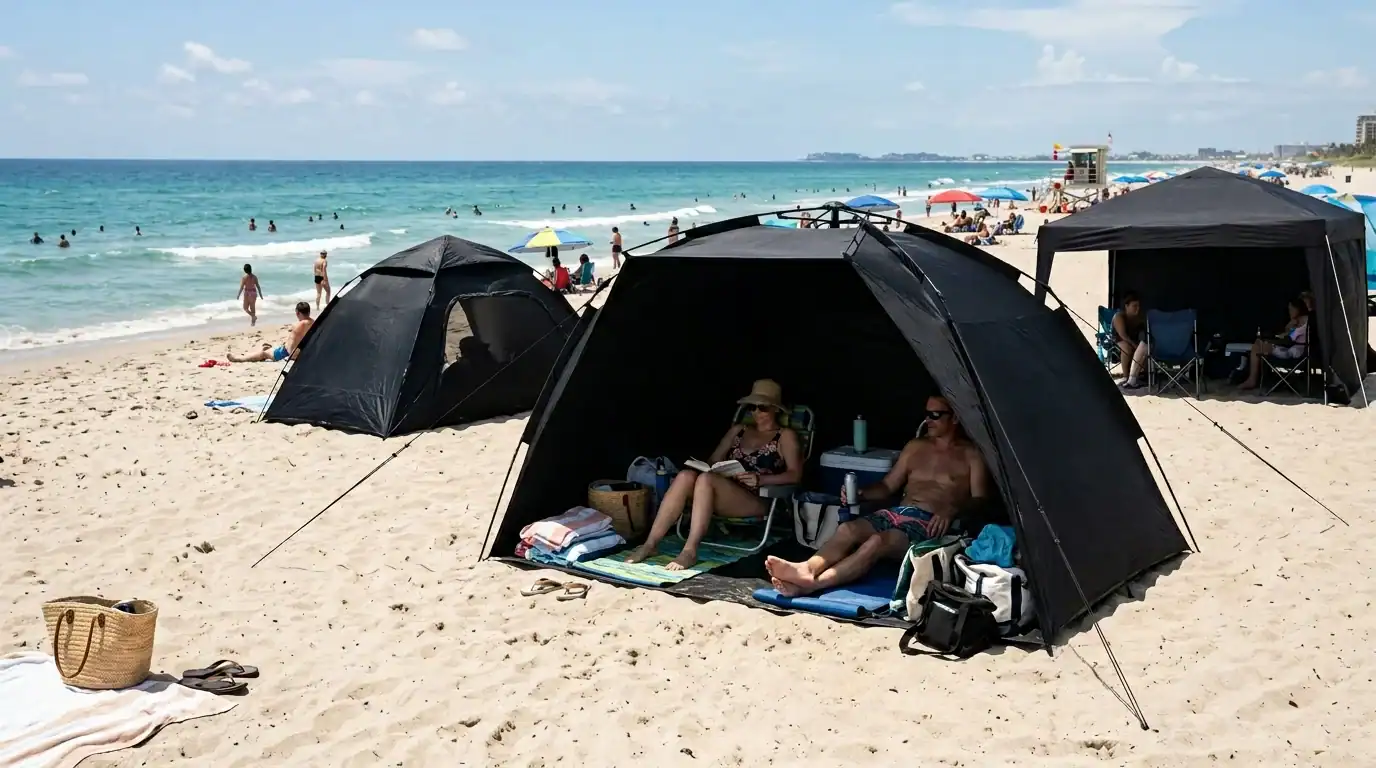
لقد شاهدت حاوية 40 قدمًا عالية السقف من خيام التخييم تتراكم عليها رسوم تأخير بقيمة $2,800 على مدى 8 أيام لأن شهادة قابلية الاشتعال CPAI-84 ذكرت مختبر اختبار غير مسجل لدى CBP. كانت الخيام سليمة. الأوراق لم تكن كذلك. مدير الفئة بالتجزئة على الطرف الآخر خسر أول عطلة نهاية أسبوع من ذروة موسم الصيف—ومعهما، ما يقارب 22% من الهامش المخطط له على وحدة التخزين تلك. هذه هي اللعبة التي نلعبها. الامتثال ليس مجرد تمرين لخانة اختيار. إنه الفرق بين مخزون يصل إلى الرف في الوقت المحدد ومخزون يتحول إلى التزام مستودعي.
الأطر التنظيمية الثلاثة المهمة للمعدات الخارجية المستوردة من الصين تختلف حسب السوق. بالنسبة للولايات المتحدة، تحكم CPAI-84 قابلية اشتعال الخيام—تحديدًا معدل احتراق ألواح القماش وما إذا كانت المادة تنطفئ ذاتيًا خلال إطار زمني محدد. يضيف Prop 65 طبقة تذهل العديد من المستوردين لأول مرة: إذا كان أي مكون يحتوي على مواد كيميائية مدرجة في قائمة كاليفورنيا (الفثالات في طلاءات PVC، الرصاص في سحابات السحاب، بعض مثبطات اللهب المضافة عمدًا لتلبية CPAI-84)، فأنت بحاجة إلى ملصق تحذير أو تواجه عقوبات يفرضها المواطنون تبدأ من $2,500 لكل مخالفة في اليوم. بالنسبة للاتحاد الأوروبي،, علامة CE بموجب توجيه السلامة العامة للمنتجات يعني أن معداتك يجب أن تجتاز معايير EN المعمول بها—EN 71 لمنتجات تخييم الأطفال، EN 1860 لشوايات الفحم، EN 13537 لتصنيفات درجات حرارة أكياس النوم. يلزم تدقيق جهة مُبلَّغة لفئات معينة؛ لا تفترض أن الإعلان الذاتي يغطي كل شيء.
-
-
- القسم 6 من CPAI-84: ينطبق على جميع الخيام المباعة في الولايات المتحدة. يختبر أقمشة الأرضية والجدران معًا. من الممارسات الشائعة لتوفير التكاليف: يقدم المورد قماش المظلة للاختبار لكنه يستخدم أرضية بولي إيثيلين أرخص وغير معالجة تفشل في الاختبار. اشترط أن يذكر تقرير الاختبار صراحة كل مكون نسيجي بالوزن والمعالجة. المختبرات الخارجية المقبولة لدى تجار التجزئة الأمريكيين تشمل SGS وBureau Veritas وIntertek.
- فحص المواد الكيميائية وفق Prop 65: غالبًا ما يحتوي PVC على فثالات DEHP فوق عتبة 0.1%. قد تحتوي إطارات الفولاذ المطلية بالبودرة على رصاص يتجاوز 100 جزء في المليون. الحل العملي ليس تجنب PVC—بل تحديد تركيبات خالية من الفثالات في أمر الشراء ومطالبة المصنع بتقديم خطاب امتثال RoHS/REACH لكل دفعة. يجب أن تشمل الموافقة على العينة فحصًا كيميائيًا قبل بدء الإنتاج الضخم.
- علامة CE الاستراتيجية: الخيام المباعة في الاتحاد الأوروبي تتطلب إعلان مطابقة مدعومًا بملف تقني. الخطأ الرئيسي هو افتراض أن علامة CE تُعلن ذاتيًا لكل شيء—مواقد التخييم التي تعمل بالغاز وبعض منتجات الأطفال تتطلب مشاركة جهة مُبلَّغة. خصص ميزانية من $1,500 إلى $3,000 لكل وحدة تخزين لاختبارات EN الخارجية إذا لم يحتفظ المصنع بشهادات حالية. ضع هذا في الاعتبار في نموذج تسعير FOB مبكرًا.
-
الامتثال للتغليف يسبب احتجاز الجمارك أسرع من فشل امتثال المنتج—لأن الدليل مرئي دون فتح الصندوق. يتطلب ISPM 15 جميع أنواع الخشب الصلب في التغليف (المنصات، الصناديق، مواد الدعم) أن تكون معالجة حرارياً أو مكافحة حشرات ومختومة بعلامة IPPC. الخشب الخام في ميناء أمريكي أو أوروبي يتم وضع علامة عليه فوراً. الحل بسيط: حدد الخشب الرقائقي أو MDF أو الخشب الصلب المعالج حرارياً بأختام مرئية. لكن التطبيق يختلف حسب الميناء. لونغ بيتش وروتردام صارمان. تم تحويل شحنة من العربات القابلة للطي على منصات صنوبر خام للتبخير بتكلفة $450 لكل منصة بالإضافة إلى 5 أيام تخزين.
-
- صورة التحقق من ISPM 15: قبل إغلاق الحاوية، اطلب من وكيل التوريد أو مفتش مراقبة الجودة تصوير ختم IPPC على 5 منصات على الأقل من مواضع مختلفة داخل الحاوية. سجل الصور يتفوق على التأكيد اللفظي في كل مرة.
- وضع علامة بلد المنشأ: القانون الأمريكي بموجب 19 CFR 134 يلزم كل منتج مستورد وتغليفه بالتجزئة بحمل ملصق بلد المنشأ مقروء ودائم. الملصقات المخيطة للخيام وأكياس النوم تعمل. الملصقات اللاصقة التي تتقشر في الرطوبة لا تعمل. بالنسبة لكراسي التخييم ذات الإطارات المطلية بالبودرة، فإن لوحة معدنية مختومة أو ملصق لاصق دائم يتحمل الاستخدام الخارجي هو الحد الأدنى القابل للتطبيق.
- مكان ملصق التحذير: بالنسبة لتجارة التجزئة الأمريكية، يتطلب CPAI-84 ملصق تحذير دائم على كل خيمة يوضح خطر الاشتعال وتعليمات العناية. تحذيرات Prop 65، إذا كانت قابلة للتطبيق، يجب أن تكون على تغليف المنتج أو بطاقة معلقة—وليست مدفونة في دليل التعليمات. فقدان أي من الملصقين يفتح طريقاً مباشراً إلى استرداد تجزئة يمكن أن يصل إلى $5,000 إلى $25,000 لكل SKU اعتماداً على جدول عقوبات الامتثال للسلسلة.
- وضع الملصقات الخاص بالاتحاد الأوروبي: يجب أن تظهر علامة CE على المنتج أو التغليف. يجب أن تتبع رموز الغسيل والعناية ISO 3758. قم بتضمين اسم المستورد وعنوان الاتحاد الأوروبي على التغليف—هذا غير قابل للتفاوض بموجب GPSD وغالباً ما يغفله الموردون الصينيون الذين اعتادوا الشحن FOB مع وضع الملصقات بواسطة المشتري.
هذا هو التفصيل الذي يفصل مدير فئة محترف عن مشتر يتعلم بالطريقة الصعبة: مسؤولية الامتثال لا تنتهي عند الميناء. إذا قدم مستهلك مطالبة إصابة بسبب انهيار كرسي تخييم تحت الحمل، فإن محامي المدعي سيستدعي كل تقرير اختبار، وكل مواصفة تصميم، وكل مراسلة. إذا تم تعيين تفاوت الجودة لديك على أنه ‘يبدو جيداً’ بدلاً من معيار AQL 2.5 مكتوب مع عيوب حرجة محددة—فلن ينقذ علاقة التجزئة أي مبلغ من تأمين استدعاء المنتج. قم بتخزين ملف تقني كامل لكل SKU لمدة 10 سنوات على الأقل. تتطلب لائحة مراقبة السوق في الاتحاد الأوروبي نسخة رقمية على الأقل. تتطلب قوانين مسؤولية المنتج الأمريكية نفس الشيء فعلياً. أنفق $200 لكل SKU ليقوم متخصص امتثال بمراجعة الملف قبل الشحن. مقارنة بتكلفة استدعاء واحد، إنه ليس حتى خطأ تقريب.
الخطوة 6: تصنيف بضائعك وحساب التكلفة الإجمالية
خطأ في رقم واحد من رمز HS يمكن أن يعني غرامة 10% على الحاوية بأكملها.
إذا أخطأت في التصنيف فلن تدفع الرسوم فقط. ستقوم CBP بوضع علامة على سجل المستورد الخاص بك، وتأخير الشحنات المستقبلية، وتجارة التجزئة الخاصة بك
-
-
- الخيام (اصطناعية): HS 6306.22.9000. رسوم 0% بموجب علاقات التجارة العادية الأمريكية. يشمل ذلك الخيام المنبثقة والقبة والرحلات بأغطية بوليستر أو نايلون. الخيام القطنية تقع تحت 6306.29 — أيضاً 0%. المفتاح هو تقديم ورقة تكوين القماش مسبقاً.
- أكياس النوم: HS 9404.30.8000. رسوم 1%. تفحص الجمارك وحماية الحدود نوع الحشو — الريش مقابل الصناعي — ومادة الغلاف الخارجي. أرفق شهادة قوة الحشو بحزمة الإدخال الخاصة بك لتجنب الفحص الثانوي.
- كراسي التخييم: HS 9401.79.0015 للإطار المصنوع من الألومنيوم، و 9401.79.0035 للصلب. رسوم 1%. إذا كان كرسيك مزودًا بمظلة أو مسند قدمين ملحقًا، قم بتصنيفه وفقًا للوظيفة الأساسية. لا تبالغ في الوصف.
- عربات الطي: HS 8716.80.5090. رسوم جمركية 3.2%. العربات ليست أثاثًا. صحّحت ثلاثة أخطاء في التصنيف خلال العام الماضي حيث وضع الوسطاء العربات ضمن الكراسي أو عربات اليد.
- حقائب الظهر: HS 4202.92.3120. رسوم 17.6% — من بين أعلى الرسوم في معدات الهواء الطلق. حقائب الظهر المصنوعة من القماش المشمع أو القطن يمكن أن تنخفض إلى 6.8% تحت الرمز 4202.92.1500. تحدد التركيبة المادية السعر.
-
يجب على موردك تقديم شهادة مصنع تحدد رقم دينير القماش الدقيق، والطلاء، والتركيبة. بدونها، تقوم CBP افتراضيًا بتصنيفه ضمن أعلى فئة رسوم في النطاق. على طلب حقائب ظهر مكون من 600 وحدة بسعر $22 EXW، فإن فجوة الرسوم البالغة 10.8 نقطة بين تصنيف الألياف الصناعية والقطن تكلفك $1,400.
الآن حقيقة التكلفة النهائية. خذ حاوية 40’HC من نينغبو إلى لوس أنجلوس في الربع الأول من 2026. بلغت أسعار Freightos Baltic الفورية للمسار $4,500–$5,000. لنستخدم $4,800. أضف التأمين البحري بنسبة 0.3% من قيمة البضاعة، وسند دخول لمرة واحدة بقيمة $500، ورسوم مناولة في المحطات بقيمة $800 في ميناء الشحن وميناء الوصول. بالنسبة لخيمة بسعر EXW $20 مع 500 وحدة في الحاوية، تضيف هذه الرسوم $12.20 لكل وحدة قبل الرسوم الجمركية.
-
- تكلفة المنتج وفق EXW: $10,000 (500 وحدة × $20).
- الشحن البحري (40’HC): $4,800، موزعة على الوحدات = $9.60/للوحدة.
- التأمين + السند + رسوم المحطة: $1,300 إجمالًا = $2.60/للوحدة.
- الرسوم الجمركية (الخيام @ 0%): $0.
- التكلفة النهائية للوحدة بعد الوصول: $32.20، أو 61% فوق EXW.
مضاعف 61% هذا هو ما يصدم المستوردين لأول مرة. بتكلفة وصول تبلغ $32.20، فإن الوصول إلى الهدف الصناعي البالغ 25–30% من سعر التجزئة المقترح يفرض سعر التجزئة لديك عند $108–$129. إذا كان تحليل فئتك يفترض سعر رف يبلغ $79، فإن هامش الربح يتبخر. قم بتشغيل هذا النموذج قبل توقيع أمر الشراء، وليس بعد أن يقوم وكيل الشحن بإصدار فاتورة لك.
استراتيجيتان للرسوم الجمركية يجب على كل مدير فئة أن يحتفظ بهما. أولاً، الإدخال الأدنى بموجب البند 321 (de minimis): الشحنات التي تقل قيمتها الإجمالية عن $800 لكل شخص يوميًا تدخل الولايات المتحدة معفاة من الرسوم الجمركية وتتجاوز الإدخال الرسمي. استخدم هذا للعينات التجريبية وعينات التصوير وطلبات الاختبار الصغيرة. عينة خيمة من 10 وحدات بسعر $35 للواحدة تمر بتكلفة جمركية صفرية. يمكن لشريك التوريد الخاص بك تقسيم الشحنات على أيام للبقاء دون العتبة — وهو قانوني عند تنظيمه بشكل صحيح.
ثانيًا، مسار GSP والتجارة التفضيلية. على الرغم من أن الصين ليست مستفيدة من نظام الأفضليات المعمم، فإن بعض المنتجات الخارجية المُجمَّعة في دول GSP بمكونات صينية يمكن أن تؤهل للحصول على معدلات مخفضة. الأكثر صلة: إذا كنت تستورد إلى كندا، فإن الاتفاقية الشاملة والتقدمية للشراكة عبر المحيط الهادئ (CPTPP) تمنح المستوردين الكنديين وصولًا تفضيليًا للسلع التي يتم توريدها من الدول الأعضاء. بالنسبة للمشترين في الاتحاد الأوروبي، يتم التفاوض على جدول التعريفة بين الاتحاد الأوروبي والصين سنويًا — الخيام ومعدات النوم معفاة إلى حد كبير من الرسوم، لكن معدات مطبخ التخييم والعربات القابلة للطي وحقائب الظهر تحمل معدلات 2–12% اعتمادًا على البند الفرعي. تأكد من رمز TARIC للعام الحالي عبر الإنترنت قبل حجز الشحن.
مصيدة تصنيف أخيرة. إذا كان منتجك يحتوي على خشب — أعمدة خيام بأجزاء من الخيزران، أثاث تخييم بمساند ذراع خشبية، صناديق تغليف — ISPM 15 المعالجة الحرارية والختم إلزاميان. الخشب غير المطابق يؤدي إلى وضع الحاوية في الحجر الصحي أو إعادة تصديرها على نفقتك. أنا أخصص مبلغًا إضافيًا قدره $120 لكل منصة نقالة للخشب المعالج المعتمد وأعتبره أمرًا غير قابل للتفاوض.
| البند | رمز النظام المنسق / المواصفات | المعدل / القيمة | مثال لـ 500 وحدة | علامة حمراء |
|---|---|---|---|---|
| خيام التخييم (صناعية) | 6306.22 | رسم 0% (NTR) | EXW $20 × 500 = $10,000 | التصنيف الخاطئ كـ 6306.29 يستوجب غرامة 10% |
| أكياس النوم | 9404.30 | 0–5% رسوم جمركية | EXW $8 × 500 = $4,000 | نوع التعبئة (تحتية مقابل صناعية) يغيّر الفئة الفرعية |
| كراسي تخييم | 9401.79 | 0–5% رسوم جمركية | EXW $12 × 500 = $6,000 | شهادة ثبات ASTM F2613-19 مطلوبة |
| شحن بحري 40 قدم حاوية عالية | نينغبو ← لوس أنجلوس/لونغ بيتش | $4,500–$5,000 سعر ثابت | ~$9.00 لكل وحدة مخصصة | موسم الذروة أبريل–يوليو يضيف 15–20% |
| تأمين + سند + رسوم ميناء | تأمين بحري + سند CBP + رسوم مناولة THC | ~$1,450 إجمالي مشترك | ~$2.90 لكل وحدة مخصصة | تخطي التأمين البحري = التعرض لخسارة كاملة |
| إجمالي التكلفة النهائية | سعر شامل لكل وحدة | $28.20–$35.00 للوحدة | $14,100–$17,500 إجمالاً | أقل من $28 = استبدال قماش 190T محتمل |
| القسم 321 دي مينيميس | طلبات العينات ≤ $800 | رسوم $0 + بدون دخول رسمي | غير متاح — عينات فقط | تقسيم البضائع السائبة إلى طرود أقل من $800 = محفز للتدقيق |
الخاتمة
طلب بقيمة $50,000 يصل بقماش التفتا 210T بدلاً من الريبستوب 210T ليس خطأ من المورد—إنه حدث تدمير لهامش الربح. مشتري التجزئة الآن يواجه معدل استرداد 15%، وإلغاء عرض ترويجي، وثلاثة أشهر من المخزون الراكد. هذه السلسلة بدأت بتخطي فحص واحد أثناء خط الإنتاج. شريك التوريد الذي لديه وصول إلى أرضية المصنع يلتقط الاستبدال قبل أن تبدأ طاولة القص. البديل هو التفاوض على فاتورة شحن إرجاع من مركز توزيع في دالاس بينما تذهب مساحة الرفوف لديك إلى منافس.
ثبّت مواصفات تفاوت الجودة وبروتوكول الموافقة على العينات قبل فتح نافذة الإنتاج التالية. راجع صفحة فئة مرتبة الهواء لترى كيف تنظم Kelyland Outdoors برامج OEM مع درجات طلاء موثقة وتسعير FOB يترك مجالاً لهامش ربحك.
الأسئلة الشائعة
What documents do I need to import camping gear from China?
ستحتاج عادةً إلى فاتورة تجارية وقائمة تعبئة وبوليصة شحن وشهادة منشأ. بالنسبة لمعدات التخييم، قم أيضاً بتضمين مستندات الامتثال الخاصة بالمنتج مثل شهادة CE أو امتثال CPSIA لـ. يمكن لوكيل الشحن أو المورد إعداد القائمة الدقيقة.
How much does it cost to import outdoor products from China?
The total landed cost includes product price, freight, duties, and compliance testing fees. The biggest variable is freight, which can range from $3,000–$8,000 for a 20ft container from China to the US, depending. Get a door-to-port quote before committing to an order.
Do I need an import license for camping gear?
In most countries, you do not need a specific import license for camping gear, but you do need a customs bond and a registered importer number. For the US. Check with your customs broker if your products fall under any regulated categories.
كم من الوقت يستغرق الشحن من الصين إلى الولايات المتحدة؟
الشحن البحري من الموانئ الصينية الرئيسية إلى موانئ الساحل الغربي للولايات المتحدة يستغرق من 15 إلى 25 يومًا، بينما تستغرق طرق الساحل الشرقي من 30 إلى 40 يومًا. أضف من 5 إلى 10 أيام للتخليص الجمركي والنقل البري إلى. خطط لما مجموعه 30 إلى 45 يومًا من الباب إلى الباب لتسليمات الساحل الغربي.
كيف يمكنني تجنب التأخيرات الجمركية عند استيراد الخيام؟
١. قم بتوفير رموز HS دقيقة على الفاتورة التجارية وتأكد من أن خيامك اجتازت اختبار مثبطات اللهب إذا كان ذلك مطلوبًا. الفحص قبل الشحن مع تقرير مختبري يمكنك مشاركته. تجنب أوصاف المنتجات الغامضة واستخدم دائمًا وثائق معايير القابلية للاشتعال الصحيحة.

 English
  Español
  Deutsch
  Français
  Português do Brasil
  Русский
  العربية
  한국어
한국어  日本語
日本語