 تخطي إلى المحتوى
The best beach tents can define a successful summer sales season, yet sourcing models with weak anchors or complex folding systems often leads directly to high product return rates. A single collapsed canopy from a coastal breeze or a frustrating user experience can quickly erode profit margins and tarnish your store’s reputation for quality outdoor gear.
This guide serves as a technical sourcing document, moving beyond simple product reviews. We analyze the core sales data behind instant pop-up versus pole assembly mechanisms, compare sand pocket and peg anchor performance in wind tests, and provide a clear procedure to verify a supplier’s UPF 50+ fabric certification. Use this analysis to build an inventory that minimizes returns and maximizes customer satisfaction.
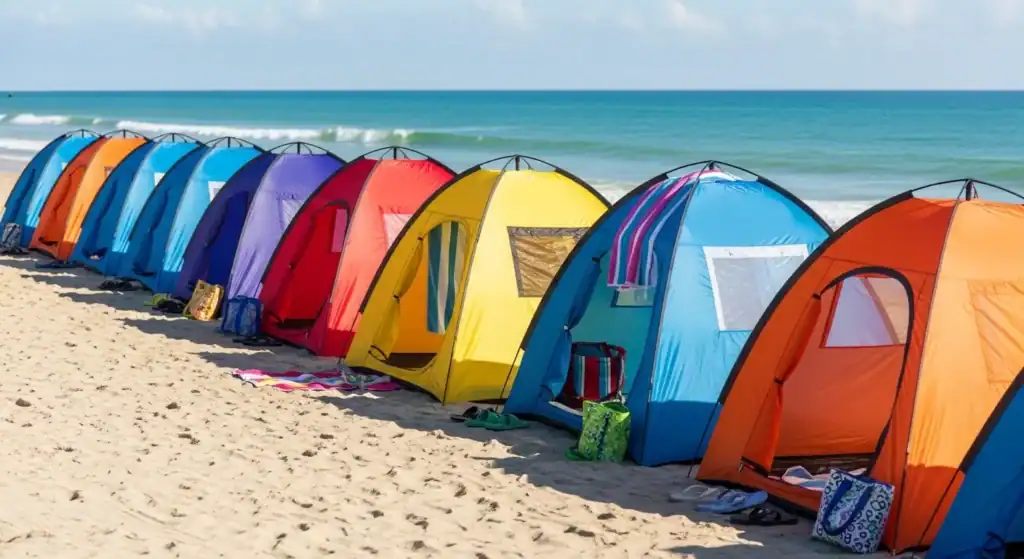
Mechanism: Is Instant Pop-Up or Pole Assembly Better for Sales?
The choice between instant pop-up and traditional pole-assembly mechanisms is not about which is superior, but which specific consumer segment—convenience-driven beginners or performance-oriented enthusiasts—a brand intends to capture.
Instant Pop-Up: Targeting Convenience and First-Time Buyers
The market shows a strong preference for instant pop-up mechanisms within the beach and casual camping segments. This is driven by consumer demand for rapid, stress-free setup. Designs that use pre-attached poles or automatic hubs, like our Fast-Pitch Series, directly appeal to time-conscious families and beginners who are less tolerant of a learning curve. The main trade-offs are typically increased weight and larger packed dimensions. Current engineering efforts across the industry focus on improving the structural stability of these systems to mitigate wind-related failures and broaden their appeal beyond fair-weather use.
| Mechanism Feature | Instant Pop-Up (e.g., Fast-Pitch Series) | Pole Assembly (e.g., Trekking Series) |
|---|---|---|
| Target Buyer Profile | Time-conscious families, first-time users, casual beachgoers | Experienced enthusiasts, backpackers, technical users |
| Key Sales Driver | Setup speed (<5 minutes) and simplicity | Durability, low weight, and weather performance |
| Primary Trade-Off | Heavier and bulkier packed size | Longer setup time requires practice |
| Common Frame Material | Fiberglass or pre-bent steel for hub systems | Aerospace Grade Aluminum (7001/7075) for high strength |
| Market Position | High-volume convenience and casual use | Niche performance and reliability |
Pole Assembly: The Choice for Performance and Portability
Traditional pole-assembly designs maintain a loyal following among experienced outdoor enthusiasts. These users prioritize durability, lighter weight, and optimized performance over speed. This mechanism allows for lighter packing and superior ventilation, which is critical for technical applications like backpacking or multi-day trips. It attracts a user base that values high-quality components, such as 7000-series aluminum poles, and the ability to repair or replace individual parts. The sales argument for this style centers on long-term reliability and adaptability to varied weather conditions, a key differentiator from the convenience-focused pop-up segment.
Market Positioning: Aligning Mechanism with Consumer Profile
The choice between pop-up and pole-assembly mechanisms creates two distinct tracks for market competition. Differentiation is no longer about a single “best” design but about aligning features with a specific consumer profile. One track competes on setup speed, while the other competes on component performance and resilience. A successful sales strategy requires clearly targeting either the convenience market or the performance market. The overall trend indicates a growing and healthy demand for both types, catering to diverging user needs rather than a winner-take-all scenario.
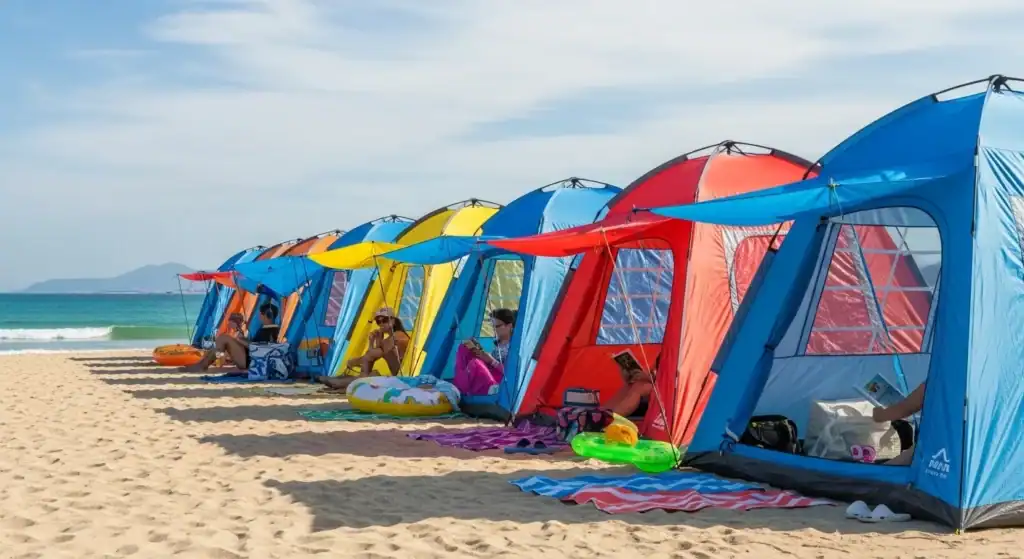
The Final 5: Which Models Dominate the 2026 Summer Market?
The 2026 beach tent market is dominated by models offering a specific bundle of non-negotiable features—instant setup, certified UPF 50+ fabric, and enhanced privacy—with success hinging on this combination rather than lowest-price competition.
The winning beach tent models of 2026 are not defined by a single standout feature, but by a core set of five attributes that consumers now expect as standard. Market data shows a clear shift away from basic, price-driven shelters toward integrated systems that prioritize speed, safety, and personal space. Understanding these dominant traits is critical for product development and inventory planning.
Instant Pop-Up Models for Quick Setup
The demand for convenience has pushed instant-setup mechanisms from a bonus feature to a primary purchasing driver. Time-conscious consumers, especially families managing children and gear, consistently choose models that deploy in under two minutes. This preference is so strong that ease of assembly often outweighs other technical specifications. Products still relying on complex multi-pole setups are being relegated to niche, enthusiast segments, while the mainstream market consolidates around pop-up and pre-assembled hub designs.
Tents with Certified UPF 50+ Protection
A verified UPF 50+ rating is now table stakes. Sun safety is a top-of-mind concern for all demographics, and uncertified claims of “UV resistance” no longer build consumer trust. Tents that can point to legitimate third-party testing (like AATCC TM183 or AS/NZS 4399) command more authority and justify their mid-range price points. For brands, this certification is a powerful tool to signal quality and reliability, making any product without it appear instantly inferior.
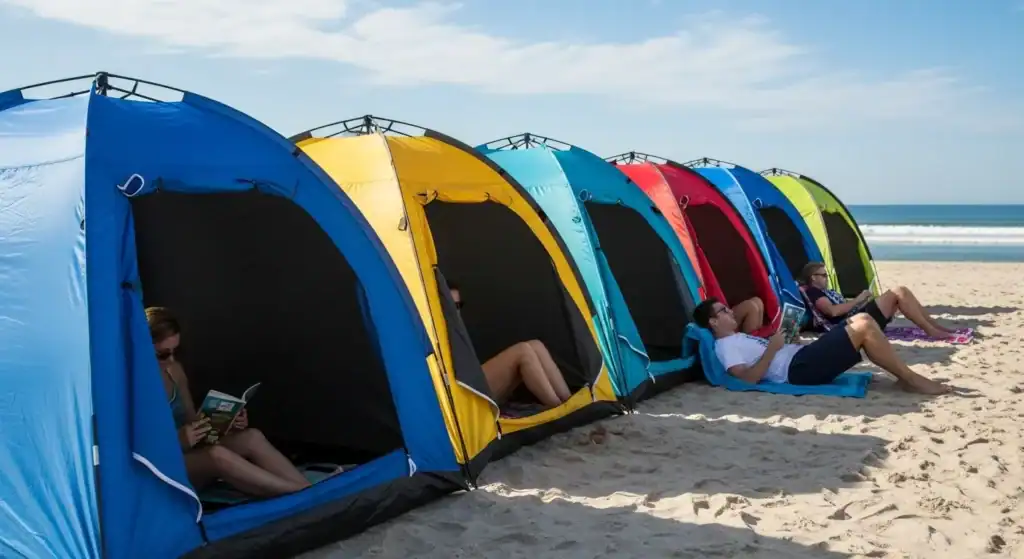
| Feature Category | Legacy Beach Tent (Pre-2024) | Dominant 2026 Model |
|---|---|---|
| Setup Mechanism | Manual multi-pole assembly (5-10 min) | Instant-Up or Pop-Up hub (< 2 min) |
| الحماية من الأشعة فوق البنفسجية | Vague “UV resistant” marketing claims | Certified UPF 50+ (Blocks 98% UV) |
| Privacy Features | Open-sided shelter design | Integrated zippered door or extended floor |
| Market Position | Price-driven, sub-$100 | Feature-driven, $140+ price point |
Lightweight and Compact Designs for Travel
Portability has become a critical value-add. The ideal 2026 beach tent packs down into a compact, lightweight carry bag suitable for air travel, long walks from the car, or limited storage space at home. The engineering challenge is to reduce packed size and weight without compromising the tent’s deployed footprint or its structural integrity. Models that achieve this balance appeal directly to a mobile consumer base that brings more than just a towel and a chair to the beach.
Models Featuring Enhanced Privacy
The modern خيمة الشاطئ is evolving from a simple sun shelter into a private beach cabana. Consumers are actively seeking models with features that create a personal, enclosed space. Zippered doors, closable mesh windows, and extended front floors that can be clipped up for privacy are all gaining significant market traction. This added functionality allows users to change clothes, secure valuables, or give children a secluded nap space, dramatically increasing the tent’s utility and justifying a higher price.
Mid-Range Tents Balancing Features and Price
The most competitive and profitable market segment is not at the low end. Instead, it’s the mid-range tier, typically priced above $140, where brands compete on thoughtful design and a reliable user experience. Consumers have shown they are willing to invest more for a product that combines all the key features: instant setup, certified sun protection, portability, and privacy. In this space, differentiation comes from build quality and smart design choices, not from being the cheapest option available.
Elevate Your Brand with Custom Tents

Wind Test: Can Large Canopies Survive Coastal Breezes?
A large canopy’s survival in coastal wind depends on a complete system: a flexible frame to absorb gusts, specialized anchors that use sand for stability, and aerodynamic vents that manage airflow instead of fighting it.
Frame Engineering and Material Strength
A canopy’s resilience to wind is rooted in its structural design and material composition. Modern large canopies rely on reinforced poles and flexible joints to manage stress from coastal gusts without failing. The backbone of a wind-resistant design is a pole system made from either reinforced fiberglass or aluminum alloy. Fiberglass offers excellent flexibility to bend under load, while aluminum provides a superior strength-to-weight ratio. These poles connect to engineered frame joints built to absorb pressure and flex, which prevents snapping and structural collapse during sudden wind shifts. The choice of materials directly impacts the canopy’s durability and its capacity to hold its shape in windy conditions.
Advanced Anchoring Technology
Effective anchoring is critical for keeping a large canopy grounded. The market has shifted decisively away from standard plastic pegs, which offer almost zero purchase in loose sand. Today’s systems use the surrounding environment to create a stable and reliable base. Specialized sand-anchoring pockets or bags provide superior holding power by using the weight of the sand itself for stability. These systems are typically designed for rapid setup, allowing a single person to secure the canopy in under five minutes. Combining robust sand anchors with a solid frame creates a comprehensive solution for wind resistance in open coastal areas.
Aerodynamic Design and Ventilation
Instead of just blocking wind, effective canopy designs manage airflow to reduce pressure. A large, solid fabric surface acts like a sail, creating lift that can easily overwhelm even the best anchors. To counter this, modern shelters feature strategically placed mesh ventilation systems. These vents allow wind to pass through the canopy, which dramatically lowers the overall pressure on the structure and fabric. An aerodynamic profile also helps minimize wind lift, keeping the shelter firmly on the ground. This dual approach of combining shade protection with smart weather resistance is what defines the leading models in the category.
Anchor Tech: Why Do Sand Pockets Outperform Plastic Pegs?
Specialized sand anchors outperform generic plastic pegs because they are engineered with greater surface area and specific geometries to grip loose, shifting substrates—a terrain where simple friction-based pegs fundamentally fail.
Surface Area and Grip Mechanics
Sand anchoring systems work by maximizing surface area, creating immense resistance against the pull of wind on a canopy. A standard plastic peg has a tiny surface profile, so it cannot establish a secure grip in non-compacted sand. It pulls out with minimal force because the loose particles simply shift around it. Effective anchoring in sand is a game of displacement and weight, not friction.
- Modern sand anchors use V-shaped or screw-in designs to displace and hold a large volume of sand, essentially using the weight of the sand itself as the anchor.
- Plastic pegs depend on friction against firm, compacted soil. This principle is completely ineffective in the loose, fluid-like dynamics of beach sand.
Specialized Design for Loose Substrates
Sand anchors are engineered as a direct solution for the unique physics of loose terrain. They aren’t general-purpose equipment adapted for the beach; their designs are a response to the consistent failure of standard pegs in coastal environments. The B2B outdoor market has moved past one-size-fits-all pegging, now demanding terrain-specific solutions for reliable performance.
- Screw-in mechanics deliver superior holding power because they actively compact the surrounding sand as they are inserted, creating a denser, more stable anchor point.
- The industry now favors specialized equipment, recognizing that selling a tent with inadequate anchors for its intended use leads to customer dissatisfaction and returns.
- Alternative systems like fillable sandbags or even inflatable water-filled anchors address unique weight and portability constraints for different shelter types.
Material Durability and Application
We select materials for modern sand anchors based on their ability to withstand harsh coastal conditions while remaining lightweight. These products are built from engineering-grade polymers and metals that resist the corrosive effects of salt and constant UV exposure. The goal is to provide maximum strength without adding significant weight to a customer’s beach bag.
- High-performance anchors typically use UV-stabilized nylon or stainless steel components to prevent degradation from sun, saltwater, and abrasion.
- Current innovation focuses on creating robust yet lightweight options that are practical for portable applications like beach shelters and backpacking tents.
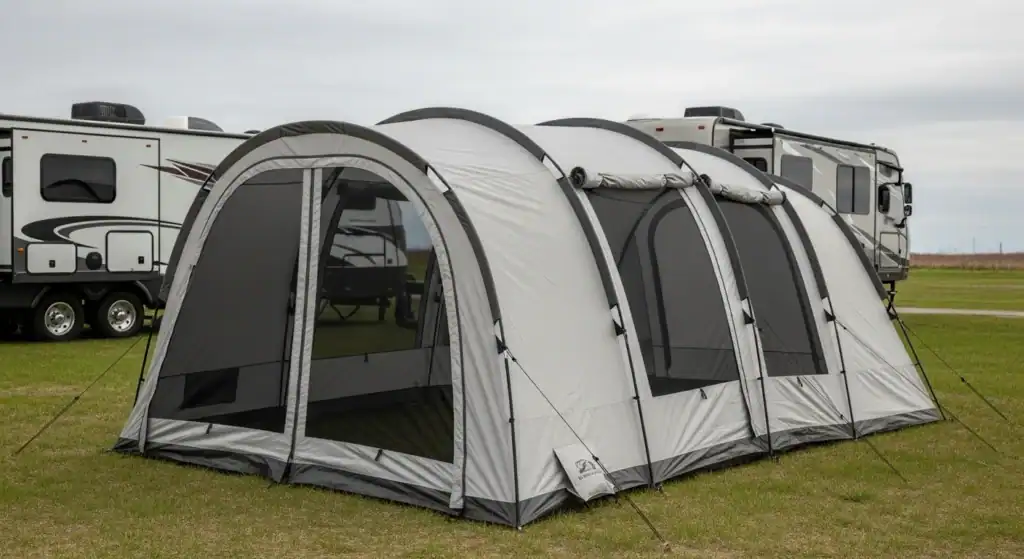
Durable multi-room camping tent staged beside RVs, ideal for outdoor adventures and showcasing Kelyland Outdoors’ quality gear.
Sourcing: How to Verify True UPF 50+ Ratings?
Verifying a UPF 50+ rating requires more than checking a label; it demands documentation of independent lab testing against established international standards to ensure the fabric blocks at least 98% of UV radiation.
Recognizing Global Testing Standards
Verification of a UPF 50+ rating depends on adherence to specific international testing standards. These protocols provide a consistent, data-backed framework for measuring ultraviolet protection, ensuring any marketing claims can be substantiated. The specific standard a manufacturer uses typically depends on the primary sales market. For instance, any product intended for the United States market should have test reports citing AATCC TM183. Products for Australia and New Zealand follow the rigorous AS/NZS 4399 standard, while European markets use EN 13758-1 as their benchmark.
| قياسي | Region of Application | Key Focus |
|---|---|---|
| AATCC TM183 | United States | Measures UV radiation transmittance through textile fabrics. |
| AS/NZS 4399 | Australia / New Zealand | A stringent standard for evaluating UV protection in sun-protective clothing and shade products. |
| EN 13758-1 | أوروبا | Part of a broader standard for sun protective clothing, focusing on fabric test methods. |
The Role of Independent Laboratory Testing
A manufacturer’s internal claims are meaningless without objective, third-party validation. Trustworthy UPF ratings originate from independent, certified laboratories. These facilities use specialized equipment like spectrophotometers to precisely measure the amount of UVA and UVB radiation that penetrates a fabric. To ensure consistency, labs test multiple fabric samples from a production batch. The best assessments also conduct tests in both wet and dry conditions, as moisture can significantly reduce a fabric’s protective capabilities. Requesting the full lab report is a non-negotiable step in the sourcing process.
Why Certified Labeling is Critical
The certified UPF label on the final product is the culmination of the testing process and serves as the primary signal of quality to the end consumer. A UPF 50+ rating specifically means the fabric blocks a minimum of 98% of UV rays, a claim that can only be substantiated by passing one of the recognized standards. Sourcing professionals should look for official UPF 50+ tags directly on the product. It is also important to remember that real-world performance can be affected by fabric color, wear, and stretching. This makes the initial certified rating the most critical benchmark for guaranteeing product integrity from the start.
الخاتمة
Selecting the right pop-up beach tent for your inventory goes beyond basic features. Prioritizing instant-setup mechanisms, reliable anchor systems, and verified UPF 50+ materials directly impacts customer satisfaction and minimizes return rates. Stocking models built with these durable, user-friendly features ensures your summer collection meets market demand.
To review our full 2026 collection or discuss customization options for your brand, contact our sourcing team. We can provide detailed specifications and samples to help you make an informed decision.
الأسئلة الشائعة
What makes a pop-up beach tent better for retail sales than a traditional umbrella?
خيام منبثقة outsell umbrellas due to superior convenience and enhanced features. Their instant pop-up mechanism appeals directly to time-conscious families and beginners, a key retail demographic. Unlike an umbrella, a tent offers 360-degree UPF 50+ sun protection, significantly better wind resistance when properly anchored, and provides a private, sand-free space for children and belongings. These combined benefits create a stronger value proposition that justifies a higher retail price point.
How can I verify if a beach tent manufacturer uses real UPF 50+ fabric?
To verify a UPF 50+ rating, you should request a formal third-party lab test report from the manufacturer. These reports, typically from accredited labs like SGS, Intertek, or Bureau Veritas, must show compliance with recognized standards such as AATCC 183 or AS/NZS 4399. For further assurance, you can also request a fabric swatch from the production batch for your own independent testing and confirm that the final product includes a permanently affixed label stating the UPF rating.
What is the best beach tent size to stock for a standard family of four?
The ideal size for a family of four (two adults, two children) features a floor dimension of approximately 85 x 50 inches and a center height of around 50 inches. This provides ample room for two adults to sit comfortably with their legs extended while children can play or nap. Models that include an extended front floor or “porch” are extremely popular, as they offer additional sand-free space for coolers and bags, significantly increasing perceived value and usability.
Do pop-up beach tents have a higher return rate due to folding difficulties?
While early models contributed to this reputation, modern pop-up tents do not inherently have a higher return rate. Current designs feature significant mechanical improvements, such as intuitive hub systems, color-coded instructions, and simplified twist-and-fold techniques. The key to minimizing returns is stocking products with clear, visual instructions—preferably with a QR code linking to a video tutorial. A well-designed tent with excellent instructions will have a return rate comparable to any other seasonal product.
Can you customize the tent color to match our brand’s summer collection?
Yes, full color customization is a standard offering for bulk orders. You can specify exact fabric colors using Pantone Matching System (PMS) codes to align perfectly with your brand’s collection. The process involves the manufacturer producing “lab dips”—small dyed fabric samples—for your approval before commencing mass production. This ensures precise color accuracy for the tent canopy, trim, and even the carrying bag.
What is the typical lead time for a bulk order of 1000 beach tents?
The standard end-to-end lead time for a bulk order of 1000 units is typically between 75 and 90 days. This timeline breaks down into approximately 30-45 days for production (including material sourcing), 5-7 days for quality control and packaging, and 30-40 days for ocean freight and customs clearance to North America or Europe. This estimate assumes standard sea shipping and can fluctuate based on port congestion and the time of year.

 English
  Español
  Deutsch
  Français
  Português do Brasil
  Русский
  العربية
  한국어
한국어  日本語
日本語