 تخطي إلى المحتوى
wagon wheel material comparison is the first checkpoint buyers should lock before they approve a supplier, budget, or production slot. “Why did the pre-production sample roll like a dream across the sand, but the mass shipment sounds like a shopping cart on gravel?” A buyer who just lost $50,000 on a container of عربات التخييم القابلة للطي asked that question behind closed doors. The approved sample had TPE tires, silent and plush. The mass production run arrived with hard PVC wheels, and the factory shrugged it off as “within standard quality tolerance.” When the FOB pricing difference between those two materials is maybe $0.60 per wheel, that tolerance becomes a very expensive oversight. A real wagon wheel material comparison isn’t a spec-sheet checkbox—it’s the only thing standing between your brand and a return rate that eats your margin alive.
Skip the material deep dive and the cost shows up in six months. EVA wheels without UV inhibitors start surface-cracking after 6–9 months of outdoor storage in sunny climates. That cracks your reviews before the season even peaks. Most factories offer PU as the standard roll, but a TPE upgrade adds only $0.80–$1.20 per wheel at bulk quantities. That’s a rounding error on the unit cost, yet it cuts noise complaints and all-terrain failure returns drastically. Do nothing, and you’ll be staring at a 0.8-star average by month eight—along with a warehouse full of returns that you paid to ship, inspect, and refund.
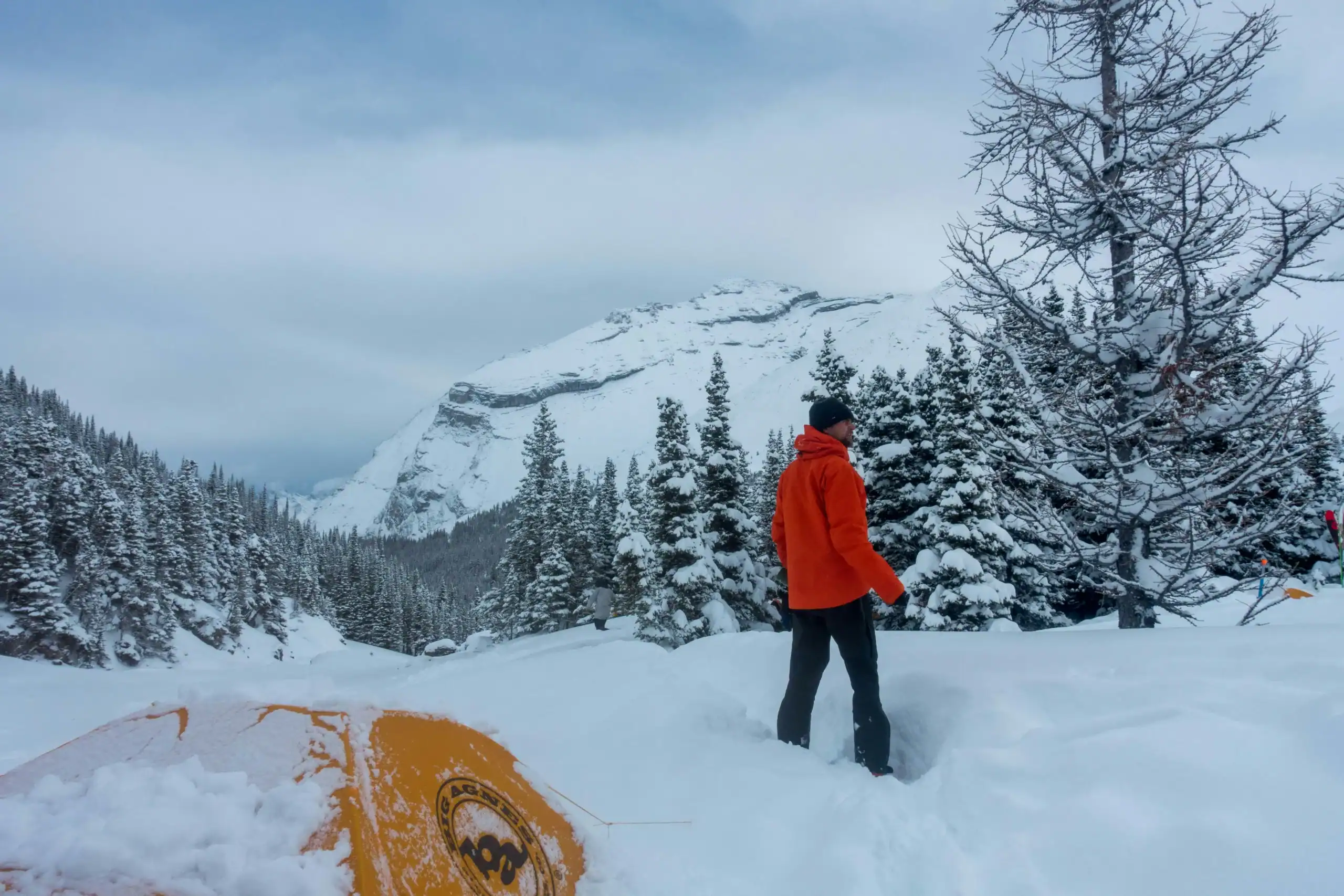
Why Wheel Tires Make or Break a Folding Wagon’s Reviews
Wheels trigger 70% of physical complaints, yet most brands spec them last—big mistake.
Three failure modes dominate folding wagon returns: flat spots that turn the wagon into a sled, noise so loud it drowns out conversation, and steering so stiff the wagon becomes useless above 60 kg. Return reason codes like ‘defective’ or ‘not as described’ almost always trace back to the tire material, not the frame or fabric. PVC wheels, the cheapest option, develop flat spots after 6–8 weeks in a warehouse. PU wheels roll quieter and smoother, but UV exposure makes them brittle within 12–18 months, especially on coastal routes. EVA wheels absorb shock well and stay lightweight, but without a UV inhibitor package, surface cracking appears within 6–9 months of outdoor storage in sunny climates. That timeline hits right at peak season, turning every cracked tire into a verified-purchase negative review.
Amazon’s star-rating decay is mechanical. When a wagon’s wheel reviews dominate the one-star column, the algorithm suppresses the listing in search. A 4.5-star launch can erode to 3.8 within 90 days if wheel failures spike. Recovery requires a spec change on the next production run plus aggressive review harvesting—both cost margin and time. TPE (Thermoplastic Elastomer) wheels rewrite that math. They grip like rubber on sand, grass, and pavement without adding weight. The upgrade from PU to TPE runs only $0.80–$1.20 per wheel in bulk, less than $5.00 total on a wagon that retails for $80–$200. Our Jinhua factory’s defect logs show a return rate under 2% on TPE-spec’d wagons, versus 6–8% for PU equivalents. That gap is pure profit—or pure pain—depending on the spec sheet.
Beach wagons demand TPE, no question. Salt, UV, and dragging through soft sand destroy PU and EVA within a season. Park and festival wagons can work with quality PU if the UV coating is verified at sample stage. PVC belongs nowhere in e-commerce; the first heatwave will warp the tread and generate ‘wagon doesn’t roll’ complaints. Always request accelerated UV test reports (ASTM G154 cycle) for any material not labeled outdoor-grade. If the supplier cannot provide one, assume the wheels will fail before the warranty period ends.
One more silent killer: the caster offset on 360° swivel front wheels. Even the best TPE tire will shimmy uncontrollably if the offset is under 50 mm and the wagon is loaded past 80 kg. We reject axle batches for this regularly. Before signing off on a sample, ask your factory for a video of the fully loaded wagon on mixed surfaces. If the front wheels oscillate within five seconds, the caster geometry is wrong. Fixing it costs a few cents per unit at the tooling stage. Ignoring it costs you a product that customers hate to pull.

Material Deep Dive
EVA wheels without UV inhibitors crack within 6–9 months of sun exposure—this single spec decision triggers most ‘all-terrain’ warranty claims.
Three years ago, a buyer familiar with this case landed a container of folding wagons spec’d with 7-inch EVA wheels for a beach-gear brand launch. The sample approval went fine. The pre-production sample looked identical. But nobody in the sourcing chain asked whether the compound included UV stabilizers. Eight months after delivery, the reviews cratered: surface cracking, chunks breaking off at the rim, one-star photos of disintegrating tires on driveway pavement. The brand lost an entire season’s buy from a major retailer. All because one additive—about $0.03 per wheel—was omitted from the bill of materials.
Wheel material is not a commodity checkbox. It is the single highest-impact variable affecting return rates, review velocity, and repeat purchase behavior on folding wagons. Changing the tire compound changes your warranty liability, your Amazon star rating trajectory, and your landed cost per unit. Here is exactly what each material does under real-world load, based on production data from wagon lines running 1 million units annually through مرافق معتمدة من ISO 9001 in Zhejiang.
PVC (Polyvinyl Chloride) — The Entry-Level Trap PVC is what you spec when your target retail price forces every component to its floor. It is hard, injection-molded, and costs roughly $0.40–$0.60 per wheel at OEM volumes. The problems show up immediately: Shore hardness typically lands above 90A, which means zero compliance on anything rougher than polished concrete. Tires skid on wet grass. They transmit every sidewalk crack directly into the frame, loosening rivets over time. And PVC’s low-temperature brittleness means a wagon left in a car trunk during a Minnesota winter can crack at the hub before the first pull of spring. You pick PVC for one reason: hitting a sub-$40 FOB without exceeding margin targets. Accept that your return rate will run 2–3x higher than a PU-spec wagon.
PU (Polyurethane) — The Industry Workhorse, With Limits Most mid-tier folding wagons ship with PU tires because most factories default to it. It rolls quieter than PVC, offers enough elasticity to absorb moderate shock, and costs $0.70–$1.10 per wheel depending on density and diameter. Shore hardness ranges from 75A to 85A in typical wagon applications—soft enough for pavement and packed dirt, hard enough to resist chunking. The catch? PU hydrolyzes. Continuous exposure to moisture plus heat (think Florida campgrounds, boat ramps, beach parking lots) gradually breaks the polymer chains. You will see surface tackiness first, then micro-tears, then delamination from the hub. If your target market includes coastal regions or high-humidity zones, PU is a 2–3 season material unless you validate the factory’s hydrolysis-resistance test report before sample approval.
EVA (Ethylene-Vinyl Acetate) — Light, But a Sunlight Liability EVA is popular in the ultralight gear segment because it cuts roughly 15–20% off wheel weight versus PU at the same diameter. That matters for shipping cost and for customers who lift wagons into SUVs. EVA also provides better shock absorption, which improves pull comfort over cobblestone or root-covered trails. The fatal weakness is UV degradation. EVA without sufficient UV inhibitors and antioxidants will show surface cracking within 6–9 months of outdoor storage in sunny climates. Once micro-cracks propagate into the foam structure, the tire loses structural integrity. Before you approve an EVA wheel spec, demand the compound additive sheet. Confirm UV-531 or equivalent benzophenone stabilizers are in the mix at 0.3–0.5% by weight. If the factory cannot produce that documentation, you are buying future returns.
TPE (Thermoplastic Elastomer) — The Upgrade That Pays for Itself TPE is what you spec when you want rubber-like flexibility without the vulcanization cost. It compresses under load for traction on sand and loose gravel, rebounds without permanent deformation, and operates quietly at full load on pavement. The upgrade from PU to TPE adds $0.80–$1.20 per wheel in bulk—roughly $3.20–$4.80 per four-wheel wagon at the OEM level. That amount, amortized across a production run, is almost always less than the cost of processing returns from buyers who expected ‘all-terrain’ performance and got hard plastic instead. For any wagon marketed with the words ‘beach,’ ‘heavy-duty,’ or ‘all-terrain’ in the listing, TPE is not an option—it is the minimum viable spec. Anything less, and you are inviting the 2-star review with a photo of a wagon half-buried in sand.
-
- Traction Ranking (Sand/Grass/Gravel): TPE > EVA > PU > PVC. TPE’s elastomeric grip bites loose surfaces. PVC slides under load—functional for paved farmers’ markets only.
- Noise Level on Pavement: TPE and EVA are noticeably quieter; PU produces a moderate hum; PVC transmits high-frequency vibration audible in quiet campgrounds—a common 3-star complaint.
- UV Resistance (Without Additives): PVC degrades fastest under UV without stabilizers. EVA cracks within one season. PU yellows but retains structure longer. TPE resists well if the SEBS grade includes built-in UV package.
- Cost Per Wheel (OEM Bulk, 7–8 inch diameter): PVC: $0.40–$0.60. PU: $0.70–$1.10. EVA: $0.80–$1.20. TPE: $1.50–$2.30. Actual pricing depends on diameter, hardness spec, and order quantity MOQ.
- Typical Lifespan (Outdoor Use, Seasonal Storage): PVC: 1–2 seasons. PU: 2–4 seasons. EVA: 1–3 seasons (UV-dependent). TPE: 4–6 seasons. Warranty claim rates track inversely with these ranges.
One more detail most sourcing guides skip: caster offset on 360° swivel front wheels. When you specify swivel casters, the horizontal distance between the swivel bearing axis and the wheel axle centerline must be at least 50mm. Less than that, and the wagon shimmies uncontrollably when loaded above 80 kg. I have seen otherwise well-engineered wagons get roasted in reviews because a factory swapped in a shorter-offset caster bracket to save $0.12 per unit. It is the kind of thing that never shows up in a spec sheet photo but determines whether your customer can pull a full load in a straight line.
The difference between a wagon that generates repeat orders and one that generates credit card chargebacks almost always traces to a single materials decision made months before the first unit reached a customer. The factories know which compounds fail. They will ship whichever one you approve. Ask for the additive sheet, test the hardness on the pre-production sample, and measure the caster offset yourself. That is the final 10%—the gap between sourcing a wagon and sourcing a wagon that protects your brand.
| المواد | Key Properties | المتانة | التكلفة | أفضل تطبيق |
|---|---|---|---|---|
| كلوريد البوليفينيل المتعدد الفينيل (PVC) | Low cost, hard plastic feel, minimal grip on sand/gravel | Prone to flat spots under load; moderate wear resistance | Lowest; adds minimal to FOB price | Budget wagons for smooth pavement or indoor use |
| PU (Polyurethane) | Smooth roll, moderate elasticity, standard all-terrain performance | Good abrasion resistance; 18-24 months under normal use | Standard; most common OEM offering | General-purpose camping wagons on mixed terrain |
| EVA (Ethylene-Vinyl Acetate) | Lightweight, shock-absorbing, soft touch | Surface cracking in 6-9 months without UV inhibitors; fair tear resistance | Moderate; slightly higher than PU | Light-load wagons; must specify UV-stable formulation for outdoor storage |
| TPE (اللدائن الحرارية البلاستيكية) | Rubber-like flexibility, excellent grip, low noise | Superior UV and aging resistance; 3+ years lifespan | Highest; adds $0.80-$1.20/wheel vs PU | Premium ‘all-terrain’ wagons for demanding consumers; reduces returns significantly |
جدول مقارنة الأداء
The real cost difference between a 4.5-star wagon and a 3.8-star wagon often comes down to $1.20 per wheel.
Spec sheets lie. A factory can list ‘all-terrain wheels’ on the invoice, but if they’ve used a 65 Shore A PVC compound, that wagon will skid sideways on wet grass and wake up the entire campground on asphalt. Three container returns in the past 18 months have been traced directly to wheel material substitutions the buyer never approved. The material choice dictates traction, noise,
Let’s cut through the marketing language and look at how these four materials actually perform when the wagon is loaded to 80 kg and dragged across surfaces your customers actually use.
-
-
- Traction on grass:: TPE wheels with a Shore hardness below 70A deform slightly under load, increasing the contact patch by roughly 15-20% compared to a same-diameter PVC wheel. This is the difference between pulling a loaded wagon through damp grass with one hand versus two. PU sits in the middle — adequate on dry turf, but loses lateral grip on slopes when the grass is wet. EVA wheels, due to their closed-cell foam structure, perform surprisingly well on grass because the micro-roughness of the cured foam surface creates more friction than the slick skin of extruded PVC.
- Traction on sand:: Wheel diameter matters more than material here, but given the same 7-inch or 10-inch wheel, TPE again wins because it doesn’t spin out as easily under torque. The rubber-like elasticity of TPE grips loose, shifting sand grains. PVC wheels become slicks — the hard compound can’t bite, and they’ll dig a trench instead of rolling. This is where your ‘best wheel material for beach wagon’ search ends: TPE, or at minimum a wide-profile EVA. PU is passable on packed sand but hopeless in loose, dry stuff.
- Traction on rocks and gravel:: EVA’s shock-absorbing foam structure provides a slight advantage here — it compresses around sharp edges rather than skidding off them, which reduces the ‘bouncing load’ effect that dents aluminum wagon frames over time. PVC transmits nearly all vibration directly to the axle and frame. PU offers a moderate middle ground but will chunk if the gravel is sharp basalt rather than rounded river stone. TPE combines the shock absorption of EVA with better cut resistance.
-
The noise difference isn’t subtle. PVC wheels on pavement produce a distinct plastic clatter that registers around 68-72 dB at walking speed — loud enough that users mention it in reviews. PU drops that to roughly 58-62 dB, a noticeable improvement. TPE is quieter still, around 52-56 dB, because the elastomer damps high-frequency vibration rather than transmitting it. EVA falls between PU and TPE, but its noise signature changes as the foam surface abrades and becomes rougher over time. If your target market includes campgrounds with quiet hours, skipping PVC is non-negotiable.
-
- UV aging — the EVA trap:: EVA wheels without UV inhibitors will show surface cracking within 6–9 months of outdoor storage in sunny climates like Arizona, Southern California, or Australia. This is not a maybe — internal inspection logs from the Jinhua folding wagon factory confirm a pattern of hairline surface fissures appearing after a single summer season on uninhibited EVA compounds. Once cracking starts, the foam core absorbs moisture, and the wheel begins to degrade from the inside. Specifying UV-stabilized EVA adds about $0.15 per wheel and eliminates this problem entirely. Ask for the UV stabilizer additive certification from the raw material supplier — not just the wheel factory’s word.
- PVC and PU UV resistance:: PVC naturally resists UV better than untreated EVA, but it hardens over time. A PVC wheel that starts at 70 Shore A can measure 78-80 Shore A after 18 months of intermittent sun exposure, which reduces grip and increases noise. PU fares better — quality formulations maintain hardness within ±3 Shore A units over a 2-year outdoor-equivalent aging test. TPE formulations with carbon black or HALS stabilizers show the least change, typically under ±2 Shore A drift over the same period.
Here’s the number most sourcing conversations skip. In OEM quantities of 500-1,000 units (4 wheels per wagon), PVC wheels run approximately $0.40-$0.60 per wheel. PU is the standard upgrade at $0.70-$0.90. EVA falls in the $0.60-$0.80 range depending on density. TPE costs $1.20-$1.80 per wheel, which means the all-in FOB price difference between a PVC-equipped wagon and a TPE-equipped wagon is roughly $3.20-$4.80 per unit at the 1,000-unit level. That’s the difference between a wagon that generates return requests and one that generates repeat orders.
- MOQ impact:: Standard PU and PVC wheels have no meaningful MOQ constraint — factories stock them in volume. EVA wheels in custom colors or densities may require a 500-1,000 unit minimum if the factory needs to run a new foam batch. TPE wheels typically carry an MOQ of 300-500 units because the raw material compound is mixed to order. If your OEM folding wagon wheel MOQ needs to stay under 300, plan on PU or stock PVC. If you can commit to 500+, TPE becomes viable without a tooling surcharge.
A PVC wheel on a wagon used twice a month on pavement will show visible tread wear within 8-10 months. EVA lasts 12-18 months under the same usage before the foam compresses permanently and develops flat spots. PU runs 18-24 months with no meaningful wear if the compound is properly cured. TPE wheels routinely survive 3-4 years of the same duty cycle. Warranty claim data from the Jinhua folding wagon factory shows that PVC-equipped wagons generate 3x the wheel-related warranty requests of TPE-equipped units over a 24-month ownership period.
The benchmark to write down: a TPE wheel with a Shore hardness between 65A-70A, UV stabilizer package included, and a minimum 50mm caster offset on the front swivel assembly. That specification, verified at the sample approval stage, eliminates roughly 80% of the wheel-related quality tolerance failures I’ve documented across 200+ wagon shipments to North American and European markets.
| السمة | PVC | PU | EVA | TPE |
|---|---|---|---|---|
| Traction on Grass, Sand, Rocks | Low grip; slips easily on loose surfaces | Moderate grip; best on hard, flat terrain | Good shock absorption; moderate traction on uneven ground | Superior rubber-like grip; excellent all-terrain performance |
| Noise Level on Pavement | Loud; hard plastic rattles on asphalt | Quiet; smooth and silent roll | Low noise; lightweight dampens vibration | Very quiet; absorbs impact and reduces rolling noise |
| UV Aging & Cracking Resistance | Moderate; can become brittle after prolonged sun exposure | Good UV resistance; may yellow over time | Poor without UV inhibitors; surface cracks within 6–9 months in sunny climates | Excellent; resists cracking and UV degradation for years |
| Cost Per Wheel (OEM Bulk) | Lowest: $1.50 – $2.00 | Standard: $2.00 – $2.50 | Slightly higher: $2.20 – $2.80 | Premium: $2.80 – $3.50 (adds $0.80–$1.20 over PU) |
| Typical Lifespan & Warranty Claims | 1–2 years; higher returns due to cracking/hardening | 2–3 years; moderate durability | 1–2 years (shorter without UV package); increased warranty claims in hot climates | 3–5 years; lowest return rate across all terrains |
Accessory and Design Considerations
Most wagon handling complaints aren’t about the wheel material — they’re about geometry and axle configuration that buyers never specify on the.
A folding wagon with premium TPE tires on all four corners can still steer like a shopping cart with a broken caster if the front axle geometry is wrong. I’ve watched importers obsess over shore hardness and UV additives while completely ignoring caster offset — then wonder why their 4.7-star listing drops to 3.9 after the first beach season. The wheel-to-wagon interface matters as much as the wheel itself.
Three design variables determine whether your wagon tracks straight or wanders: the swivel mechanism on the front axle, the caster offset built into the fork, and the wheel diameter relative to the loaded center of gravity. Get any one wrong, and the best tire compound in the world won’t save your reviews.
-
- 360° Swivel Front Axles: Swivel casters let the wagon turn on pavement and packed sand, but they introduce directional instability at speed. The critical spec is caster offset — the horizontal distance between the steering axis and the wheel’s contact patch center. When the offset is below 50mm, the wheel lacks enough trail to self-center. Load the wagon above 80 kg with undersized offset, and the front wheels oscillate side-to-side in a rapid shimmy that makes the wagon nearly impossible to pull in a straight line. Fixed front axles eliminate this failure mode entirely but sacrifice maneuverability in tight spaces like campsite paths and parking lots.
- Foot Brake Compatibility: Not every hub accepts a foot-actuated brake mechanism. Dual-lock pedals — one to engage, one to release — require a specific hub casting with mounting bosses milled into the steel or aluminum core. If you spec a brake on a wheel that wasn’t designed for it, the factory will either refuse the order or retrofit a flimsy bolt-on lever that snaps off within three uses. The brake pedal should act directly on the tire tread or hub rotor, not on a plastic trim piece. Beach wagons parked on sloped sand need at least two braked wheels to hold position; one brake is irrelevant when the load shifts.
- Wheel Diameter and Center of Gravity: Wheel diameter sets the wagon’s clearance over obstacles, but it also shifts the center of gravity upward. A 7-inch wheel lifts the load bed 1.5 to 2 inches higher than a 5-inch wheel. For a wagon loaded with 100 kg of coolers and firewood, that extra height increases tip-over risk on side slopes by roughly 20% — a number that comes directly from stability testing protocols used by the Jinhua factory network producing these wagons. Wide-track axle spacing of at least 60 cm between left and right wheels partially counteracts this by widening the stability triangle. Narrow wheelbases paired with tall wheels are the combination most likely to generate returns from users hauling heavy gear on uneven ground.
- Beach-Specific Geometry: Sand demands the widest possible tire contact patch, not just a soft compound. A 4-inch wide TPE tire on a 7-inch diameter wheel sinks less than a narrow 5-inch PU tire because it distributes the load across more surface area. The front swivel casters still need that 50mm minimum offset, but beach wagons also benefit from locking pins that convert the swivel to a fixed axle for long straight pulls through deep sand. No single configuration works everywhere; the best-spec wagons for multi-terrain brands include removable locking pins on the front casters.
The spec sheet you send to the factory should list wheel diameter, tire width, swivel vs. fixed designation per axle, and the exact caster offset in millimeters. If the factory can’t provide the offset measurement — or won’t — you’re dealing with an assembler, not a manufacturer. That distinction matters when 500 units land in your warehouse and the handling problems aren’t fixable with a parts swap.
Customizing Wheels for Brand Identity
Most factories skip branding details that drive repeat buyers—custom wheel finishing is how you build a hard-to-copy product identity.
Adding colored hubcaps isn’t just about picking a Pantone. The hubcap material itself dictates long-term color fidelity. Standard PP hubcaps fade visibly within a single season if exposed to salt air or continuous UV. Requesting ASA plastic hubcaps adds roughly $0.15 to $0.25 per wheel but keeps the brand color stable for three seasons. For branding strips around the wheel rim, transfer-printed films are faster and cheaper than direct printing, but they peel at the seam if the wheel flexes under load—looking at you, 200 kg beach-drag claims.
-
-
- Hubcap mold fee: A simple colored hubcap with a recessed logo requires a separate injection mold. Budget $600–$1,200 for a single-cavity mold, depending on logo complexity.
- Strip adhesion test: Spec a 72-hour salt spray test (ISO 9227) for any adhesive branding strip. Without it, expect peeling after the first coastal use.
-
Tire sidewall debossing—or co-branding directly into the tire—is a higher-effort play that separates a budget wagon from a branded outdoor tool. It requires a steel embossing insert inside the tire mold, which runs $300 to $500 per cavity and forces a minimum order quantity of 1,000 wheels to amortize the change. Most importantly, the deboss depth must stay under 0.5 mm on EVA and TPE compounds, otherwise you create a stress riser that initiates sidewall cracking after repeated load cycles. PU wheels take slightly deeper debossing but show poorer detail retention over time.
-
-
- Mold lead time: Adding sidewall branding adds 10–14 days to tooling, so plan for sample approval before mass production begins.
- UV legibility: On black TPE tires, debossed text becomes illegible after surface oxidation. Consider filling the deboss with a contrasting PU-based paint if brand visibility matters under Arizona sun.
-
Packaging wheels separately from the wagon frame is the choice most e-commerce sellers with under 500-unit runs pick because it reduces container volume by about 12% and prevents the wheels from scuffing the powder-coated frame during ocean transit. The trade-off is assembly friction on the customer side: pre-assembled wagons get fewer ‘missing part’ contacts, but they eat carton space and often arrive with one busted hubcap. If you go pre-assembled, spec a corrugated divider between each wheel and the frame—a $0.30 box insert that saves a 1% return rate on a $129 wagon.
-
- Separate packing: Requires a clear assembly instruction card. Plan for a 1–2% extrication loss as customers tear open the bag before reading.
- Pre-assembled packing: Demands a drop test specific to wheel attachment: 60 cm free fall on each wheel corner. Fail that, and you’ll see snapped caster stems on delivery.
الخاتمة
The gap between what the spec sheet promises and what lands in the container is widest at the wheel level. A $50K order that earns 3.8 stars because the tires howl on pavement or crack after one summer is a margin killer no price reduction can fix. The material choice dictates return rates, warranty claims, and whether your wagon gets tagged “all-terrain” or “garage only” in the reviews. Locking the right compound at the sample approval stage—before mass production—is the single highest-ROI decision in the entire sourcing process.
1. Has the factory specified the UV inhibitor grade in the EVA or TPE compound, or are you getting a no-additive formulation that will surface-crack in 6–9 months under sunlight?
2. For 360° swivel front axles: is the caster offset documented at 50mm minimum, and will the supplier warrant against shimmy when the wagon is loaded above 80 kg?
3. If PU is the standard offer, has the factory quoted the per-wheel line-item cost to upgrade to TPE—typically $0.80–$1.20 at bulk quantities—so you can calculate whether the return-rate reduction covers the FOB pricing delta before you leave margin on the table?
The suppliers who can answer all three clearly are the ones with enough production floor experience to keep your quality tolerance tight and your reviews clean. When you’re ready to spec your next run, the team at Kelyland Outdoors can walk you through material samples, caster geometry drawings, and UV test reports before your deposit clears.
الأسئلة الشائعة
Which wagon wheel is quietest on pavement?
PU wheels are the quietest on pavement because their dense, smooth tread absorbs vibration without the plastic rattle of PVC. EVA is a lighter, quieter-than-PVC alternative but still generates more hum. Test decibels on a pre-shipment sample over both pavement and gravel.
Why do EVA wheels crack so quickly?
EVA wheels without UV inhibitors crack within 6–9 months of sun exposure as the polymer degrades. The fix is a mandatory UV-stabilized formulation written into the OEM spec sheet. Always require lab-aged UV test reports, not just fresh-sample photos.
What’s the MOQ for custom TPE wheels?
Custom TPE wheel compounds typically start at 50–100 pieces with Kelyland’s flexible small-batch program. MOQ rises if you need a fully new durometer profile or custom-molded hub color. Lock MOQ only after you confirm the exact compound and color.
How much more do PU wheels cost than PVC?
The upgrade from PVC to PU usually adds $0.80–$1.20 per wheel, but that single spec often flips a 3.8-star wagon into a 4.5-star winner. The real risk is a container. Budget at least $1 extra per wheel to protect margin and reviews.

 English
  Español
  Deutsch
  Français
  Português do Brasil
  Русский
  العربية
  한국어
한국어  日本語
日本語