 跳到内容
跳到内容 
La Liste de Vérification pour l'Inspection des Usines d'Extérieur en Chine est le premier point de contrôle que les acheteurs doivent verrouiller avant d'approuver un fournisseur, un budget ou un créneau de production. Une liste de vérification d'usine appropriée devient réelle au moment où un conteneur arrive et où l'échantillon de pré-production ne correspond plus à ce qui se trouve sur le sol de l'entrepôt. J'ai vu une commande de 50 000 $ de chaises de camping arriver avec un revêtement en poudre sur le cadre qui s'écaillait aux points de soudure—quelque chose que l'échantillon scellé n'a jamais montré parce que cet échantillon a été fabriqué par un sous-traitant complètement différent. La fiche technique était parfaite. Le prix FOB était agressif. Rien de tout cela n'a importé.
La plupart des responsables de catégories de vente au détail héritent de modèles d'audit génériques conçus pour l'électronique ou les biens durs. Le matériel d'extérieur brise ces modèles. Une ligne de couture produisant 800 000 tentes par an présente des modes de défaillance qu'un audit de moulage par injection plastique ne prévoit jamais : délamination du ruban d'étanchéité à -10 °C, fluage de la fermeture à glissière sous tension latérale, indices de hauteur hydrostatique qui testent bien sur l'échantillon mais chutent de 40 % sur une série de production complète parce que l'usine textile a changé la formule du revêtement PU en cours de lot. La tolérance de qualité entre un indice d'imperméabilité de 1500 mm et 3000 mm n'est pas un point de négociation—c'est la différence entre un produit qui reste en rayon et un autre qui déclenche une cascade de retours.
Les usines qui réussissent cela partagent trois signatures opérationnelles : elles possèdent leurs propres machines de scellage de ruban plutôt que de sous-traiter la post-production, elles calibrent leur équipement de test chaque année avec un autocollant CNAS que vous pouvez photographier lors d'une visite vidéo, et elles peuvent produire des certificats d'usine avec des numéros de lot de chaleur pour chaque matériau critique—aluminium 7075 piquets de tente, codes de lot de fermetures à glissière YKK, et tissu avec un test de hauteur hydrostatique vérifié provenant de ce rouleau spécifique. Les usines qui ne peuvent pas faire ces trois choses sont des sociétés de commerce avec une salle d'exposition, peu importe ce que dit leur certificat ISO. Avant de signer un seul bon de commande, posez-leur ces trois questions.
Pourquoi les listes de contrôle génériques échouent pour les acheteurs de vente au détail
Une liste de vérification ISO générique n'empêchera pas une tente de fuir sur un rayon de vente au détail.
La plupart des listes de vérification d'audit d'usine disponibles proviennent de plateformes d'approvisionnement généralistes. Elles vérifient les issues de secours et les heures de travail, mais ignorent complètement la physique du matériel d'extérieur. Un atelier de couture qui fabrique des sacs fourre-tout parfaitement acceptables peut détruire l' indice d'imperméabilité d'une tente si l'opérateur de scellage des coutures ne contrôle pas la machine à ruban à air chaud pour atteindre le point de fusion spécifique du polyuréthane. Pour les tissus en nylon et en polyester, cette plage de température se situe entre 380 °C et 420 °C. En dehors de cette plage, le ruban ne parvient pas à adhérer ou brûle directement le tissu de base.
Vous devez vérifier cela en personne ou via une sonde vidéo en direct. Demandez au responsable de l'atelier de sceller un échantillon de votre tissu de production spécifique, pas un échantillon pré-préparé. Une société de commerce ne peut pas organiser cette démonstration car elle ne possède pas de ruban de couture Machine calibrée pour textiles de qualité extérieure. S'ils hésitent, vous venez d'identifier un risque de fraude en salle d'échantillonnage en moins de trois minutes.
Le même écart s'applique à la vérification de la classification des matériaux. Vos concurrents acceptent un certificat de l'usine indiquant ‘ imperméable ’, mais vous savez que ce terme est dénué de sens sans une mesure de la hauteur de colonne d'eau (HH). Les tentes de qualité grand public exigent un indice HH minimal de 3 000 mm. Les tissus classés à 1 500 mm HH échouent dès que la pression d'un genou de campeur applique le poids de l'eau contre le sol. Les données internes de vente au détail montrent que les marques utilisant des sols de tente à 1 500 mm génèrent des taux de retour trois fois supérieurs à ceux des concurrents à 3 000 mm. Un retour est la transaction la plus coûteuse dans le commerce de détail, englobant les frais logistiques, la main-d'œuvre de réassortiment et une perte de confiance permanente en rayon. (Cette ligne est une continuation de la précédente, mais le texte original la présente comme une ligne distincte. Le français doit suivre la même structure.) Les marques utilisant des sols de tente à 1 500 mm génèrent des taux de retour trois fois supérieurs à ceux des concurrents à 3 000 mm. Un retour est la transaction la plus coûteuse dans le commerce de détail, englobant les frais logistiques, la main-d'œuvre de réassortiment et une perte de confiance permanente en rayon.
-
- Vérification de la chambre de vieillissement UV : Les listes de contrôle génériques ignorent totalement ce point. Les tissus d'extérieur doivent prouver leur solidité des couleurs et leur rétention de résistance à la traction après au moins 500 heures de cycles QUV/UV. Demandez à voir le journal de cycles le plus récent. Un carnet poussiéreux indique un accessoire, pas un laboratoire de test en activité.
- Granularité des spécifications d'emballage : Les audits standard confirment qu'un produit est mis dans une boîte. Vous devez confirmer que le sachet plastique respecte les seuils de pénalités spécifiques à votre chaîne. Un sachet de moins de 2,5 mils déclenche des frais de déficience automatiques. L'omission de l'avertissement d'étouffement ASTM F963 ajoute $2–$5 par unité en déductions pour le détaillant. Une résolution d'impression de la boîte couleur inférieure à 300 DPI bloque les scans de codes-barres GS1 à la caisse, générant des données de rejet en rayon en temps réel.
- Norme de conformité de vente au détail : Vérifiez que l'usine dispose de la discipline interne pour produire du carton pour étiquettes d'au moins 350 g/m². Une étiquette fragile crie ‘ magasin discount ’ et est rejetée par les équipes de conformité planogram. Votre fournisseur doit prouver qu'il possède le préfixe GS1 correspondant à son entité commerciale enregistrée, et non un pool recyclé de numéros d'un tiers.

Légitimité commerciale : Au-delà des licences professionnelles
Un permis d'exploitation prouve l'existence, pas la capacité.
Un fournisseur agitant un permis d'exploitation est l'étape zéro. Le piège des coûts s'ouvre lorsque vous acceptez cela comme preuve qu'il possède une usine. Les sociétés de négoce louent des espaces de bureaux partagés, exposent des échantillons d'une douzaine de fabricants et se font passer pour la source. Votre premier bon de commande échoue lorsque les délais de livraison s'allongent et que les substitutions de composants commencent parce qu'ils ne contrôlent aucune chaîne de production. Vérifiez la légitimité avec des preuves opérationnelles, pas des documents scannés.
-
- Adresse enregistrée vs. Plans des zones industrielles : Recherchez le nom de l'entreprise dans le système national d'information sur le crédit des entreprises de la Chine (qcc.com). Regardez l'adresse enregistrée. Recoupez-la sur une vue satellite. Un site de production se trouve dans un parc industriel entouré de quais de chargement et de parcs de matières premières. Une adresse de tour de bureaux commerciaux – surtout partagée par 50 autres entités de “ négoce ” – signifie que vous parlez à un intermédiaire, pas à un fabricant. Demandez une photo de la plaque de l'usine à l'entrée correspondant au permis d'exploitation. Pas de correspondance, pas d'affaire.
- Vérification croisée des registres d'exportation douanière : Demandez leur déclaration en douane d'exportation pour le dernier envoi dans votre catégorie de produits. Une usine exportant du camping L'équipement aura des codes SH spécifiques au produit enregistrés — 6306.22 pour les tentes, 9404.30 pour les sacs de couchage. Une société de négoce pourrait montrer une expédition électronique aléatoire ou refuser complètement. Demandez également à voir le numéro d'enregistrement de la licence d'exportation ; la licence d'un véritable fabricant listera sa propre portée d'usine. S'ils ne peuvent pas produire une déclaration dans les 24 heures, ils n'expédient pas directement.
- Sondage technique par appel vidéo — Température de scellement des coutures : Lors d'une visite vidéo en direct, ne demandez pas au commercial. Demandez à parler au responsable de ligne au poste de scellement des coutures. Demandez directement : “ Quelle plage de température utilisez-vous pour la machine à ruban d'air chaud pour le ruban de scellement PU sur le polyester 190T ? ” La bonne réponse est 380–420 °C. Un employé d'une société de négoce sur la ligne ne le saura pas ; il bredouillera ou dira “ nous suivons la norme ”. Un vrai responsable de production récite le chiffre sans réfléchir. Cette seule question expose une fraude en salle d'échantillonnage en moins de trois minutes.
- Sac de couchage Recoupement du pouvoir gonflant : Si un fournisseur prétend avoir du duvet d'oie avec un pouvoir gonflant de 650 ou 800, demandez à voir le certificat de duvet du lot de matière première. Ensuite, demandez une vidéo du test de pouvoir gonflant — le cylindre de mesure et la chambre de conditionnement. Une usine effectuant des tests en interne montrera la configuration de la méthode de test IDL ou Lorch. Une société de négoce enverra un certificat générique sans traçabilité de numéro de lot. Exigez que le rapport de test liste votre modèle de produit spécifique ; un rapport sans numéro de modèle est du papier peint, pas une preuve.
Traçabilité des matériaux pour les produits de plein air
Un échantillon qui réussit l'inspection ne signifie rien si l'usine ne peut pas tracer ce qui a été utilisé.
J'ai regardé un acheteur décharger un conteneur de 40 pieds à Rotterdam l'année dernière. 50 000 $ de tentes de camping. L'échantillon de pré-production avait scellé parfaitement chaque couture. La production en série ? Le ruban de scellement se décollait en bandes avant même que les palettes ne soient déballées. Cause racine : l'usine a substitué le ruban polyuréthane spécifié par une variante PVC moins chère en cours de production. Personne ne l'a remarqué parce que personne n'a exigé un rapport de traçabilité au niveau du lot reliant le lot de production à la spécification de matériau de l'échantillon approuvé. Toute la commande est partie chez des liquidateurs à 30 cents par dollar. Ce n'est pas un cas marginal. C'est ce qui arrive quand on traite la traçabilité des matériaux comme une case à cocher au lieu d'un protocole de vérification.
La traçabilité des matériaux pour l'équipement de plein air est fondamentalement différente de celle des biens de consommation courante. Un sac à dos de mode échoue parce qu'il a mauvaise apparence. Une tente avec un tissu non traçable échoue en s'effondrant lors d'une tempête à 3 heures du matin avec une famille à l'intérieur. La chaîne de responsabilité commence avec votre bon de commande. Les cinq catégories de matériaux ci-dessous sont celles où les substitutions entraînent des défaillances catastrophiques sur le terrain—non pas des défauts esthétiques, mais des réclamations sous garantie, des rétrofacturations et des dommages à la réputation de la catégorie qui apparaissent dans votre rapport trimestriel de taux de retour.
-
- Authenticité de la fermeture éclair YKK : Référence croisée du code de lot : Chaque fermeture éclair YKK authentique part de l'usine avec une étiquette d'emballage portant un code de lot à 7 chiffres et le numéro d'identification du distributeur régional. Demandez une photo de cette étiquette avant d'accepter tout échantillon de pré-production. Vérifiez le numéro du distributeur par rapport à la liste des distributeurs régionaux publiée par YKK—disponible auprès des bureaux de vente locaux de YKK, pas sur leur site web public. Une usine qui utilise des curseurs et des chaînes YKK légitimes aura une relation active avec un distributeur et un historique d'achat. S'ils sortent des curseurs d'un bac générique et disent “ faites-moi confiance, c'est du YKK ”, partez. Les fermetures éclair YKK contrefaites tombent en panne entre 800 et 1 200 cycles dans temps froid, contre plus de 5 000 cycles pour un produit authentique testé à -10°C. La différence de coût par unité est d'environ $0,15-0,30. Le coût de rétrofacturation par tente retournée ? $8-15 rien que pour le fret et le traitement.
- Aluminium 7075-T6 : Certificats de laminage avec numéros de lot de traitement thermique : L'alliage d'aluminium 7075 atteint sa résistance grâce à un processus de traitement thermique T6 spécifique—trempe de solution suivie d'un vieillissement artificiel. Sans la désignation T6, vous avez du 7075-O standard, qui a environ la moitié de la limite d'élasticité. La seule façon de vérifier la trempe T6 est un certificat de laminage du fournisseur d'aluminium indiquant le numéro de lot de traitement thermique, la composition chimique (zinc à 5,1-6,1%, magnésium à 2,1-2,9%, cuivre à 1,2-2,0%) et les propriétés mécaniques (résistance à la traction minimale de 503 MPa, limite d'élasticité minimale de 434 MPa). Les numéros de lot de traitement thermique doivent remonter à une date de production spécifique et à un lot de four à l'usine. Accepter un certificat qui ne liste que ‘ aluminium 7075 ’ sans le suffixe T6 et le numéro de lot, c'est acheter de l'alliage 6061 à un prix premium—une substitution que j'ai détectée trois fois dans les chaînes d'approvisionnement de mâts de tente et de bâtons de randonnée chaînes d'approvisionnement. Conséquence sur le terrain : mâts pliés sous des charges de vent de 50 km/h là où du 7075-T6 correctement trempé aurait tenu.
- Colonne d'eau : Rapports de test, pas de promesses de fiche technique : L'indice de résistance à la colonne d'eau est le chiffre le plus souvent mal interprété dans l'approvisionnement en équipement de plein air gear sourcing. Une fiche technique d'usine annonçant ‘ 3 000 mm d'imperméabilité ’ ne vaut pas plus que le PDF sur lequel elle est imprimée. Exigez un rapport d'essai de colonne d'eau daté, provenant d'une machine calibrée—identifiable par le numéro de série de la machine et le nom de l'opérateur sur le rapport. Pour les tentes de qualité détail, le minimum pour le sol est de 3 000 mm sur le tissu du double-toit et de 5 000 mm sur le tapis de sol. Pour les sacs de couchage, 2 000 mm sur le tissu de la coque. L'essai doit être effectué sur le lot de production réel du tissu, et non sur un échantillon de laboratoire préparé six mois auparavant. J'ai vu des usines expédier du tissu de 1 500 mm étiqueté comme 3 000 mm parce que l'acheteur n'avait demandé que la fiche technique interne du fournisseur. La différence de taux de retour est de 3 fois—un tissu de 1 500 mm fuit dans les 90 premières minutes de pluie continue, et chaque fuite génère une note d'une étoile qui reste à vie sur le site de votre partenaire de vente au détail.
- Certification UV-50+ : rapports d'essai AATCC 183 ou EN 13758-1 . : Tissu de chaise de camping , les auvents de tente et les housses de chariot exposés à la lumière directe du soleil se dégradent par photo-oxydation UV. Le fil de nylon ou de polyester perd progressivement sa résistance à la traction—un tissu sans stabilisateurs UV peut perdre 40 à 50 % de sa résistance à la déchirure en 500 heures d'exposition aux UV. La certification UV-50+ signifie que le tissu bloque au moins 97,5 % du rayonnement UV, et par extension, le tissu lui-même intègre des inhibiteurs UV adéquats. Demandez un rapport d'essai AATCC 183 (marché américain) ou EN 13758-1 (marché européen) provenant d'un laboratoire accrédité ISO 17025—pas de la salle d'essai de l'usine elle-même, à moins qu'elle ne détienne une accréditation CNAS spécifiquement pour les essais UV. Le rapport doit dater de moins de 12 mois de votre cycle de production. Les substituts équivalents sans certification échouent à des taux de 30 % ou plus, car la dégradation UV est invisible jusqu'à ce que le tissu se déchire spontanément au niveau d'une couture ou d'un point de contrainte.
- Le piège des substituts : quand ‘ équivalent ’ signifie ‘ moins cher ’ : L'expression la plus coûteuse dans l'approvisionnement en équipement de plein air est ‘ ou équivalent. ’ Une usine proposant une fermeture à glissière, un tissu ou un alliage d'aluminium de substitution sans certificat d'usine ou rapport d'essai correspondant prend une décision de coût, pas de qualité. La différence de prix entre le 7075-T6 et le 6061-T6 est d'environ 40 % sur le coût brut de l'extrusion. Entre le ruban de couture PU et le ruban de couture PVC, environ 60 %. Entre le nylon stabilisé UV et le nylon générique, 15 à 25 %. Chaque substitution érode une marge que vous ne pouvez pas récupérer lorsque les défaillances sur le terrain déclenchent des retours à 5 à 8 % du prix de vente unitaire. Le protocole est simple : toute substitution de matériau proposée nécessite un nouveau certificat d'usine, un nouveau rapport d'essai et un nouvel échantillon de pré-production pour ré-approbation avant que la substitution ne soit verrouillée dans l'accord de production. Accepter des substituts sans documentation, c'est accepter un taux de défaillance sur le terrain de 30 % ou plus comme un coût de faire des affaires. L'usine n'absorbera pas ce coût—c'est votre P&L catégoriel qui le fera.
Encore une chose concernant le timing. Demandez ces documents pendant la phase d'approbation des échantillons, avant d'émettre l'acompte de 30 % et de verrouiller l'accord de production. Après le déblocage de l'acompte, l'incitation de l'usine à rechercher la documentation tombe à presque zéro. Avant l'acompte, la demande de certificat d'usine est une condition de la commande. Après, c'est un e-mail ennuyeux auquel ils répondront la semaine prochaine. La séquence est aussi importante que les documents eux-mêmes.
| Catégorie de matériau | Spécification critique | Méthode de vérification | Seuil de vente au détail | Signal d'alarme |
|---|---|---|---|---|
| Imperméabilisation du tissu de tente | Pression hydrostatique ≥3000mm | Rapport d'essai HH indépendant (pas interne au fournisseur) | ≥3000mm pour les tentes ; ≥2000mm pour les sacs | Uniquement des affirmations ‘ imperméable ’, sans rapport de laboratoire avec numéro de modèle |
| Isolation du sac de couchage | Rétention du gonflant en chambre froide à -20°C | Rapport d'essai en chambre froide (étalonné annuellement) | Rétention du gonflant cohérente avec la revendication de pouvoir gonflant | Absence de chambre à température contrôlée ou d'autocollant d'étalonnage |
| Systèmes de fermeture à glissière | Authenticité YKK ou marque équivalente | Vérifier les codes de lot de l'emballage par rapport aux listes des distributeurs régionaux YKK | Lot traçable jusqu'à un distributeur agréé | Fermetures à glissière génériques, absence de codes de lot, ou refus de présenter le certificat du fournisseur |
| Cadres en alliage d'aluminium | Alliage 7075-T6 avec traçabilité du lot de chauffe | Certificat d'usine avec numéro de chauffe, essai de traction ≥500N pour les joints | Résistance à la traction ≥500N ; qualité d'alliage certifiée | Pas de certificat d'usine, alliage ‘ équivalent ’ de la série 6 utilisé sans documentation |
| Ruban d'étanchéité des coutures | Ruban PU appliqué à 380–420°C | Démonstration en direct de l'étanchéité des coutures sur VOTRE tissu, vérifiez les réglages de température de la machine à ruban | Ruban entièrement ressoudé, aucun décollement après test HH de 3000 mm | L'usine ne peut pas montrer la machine à ruban ou refuse une démonstration en direct |
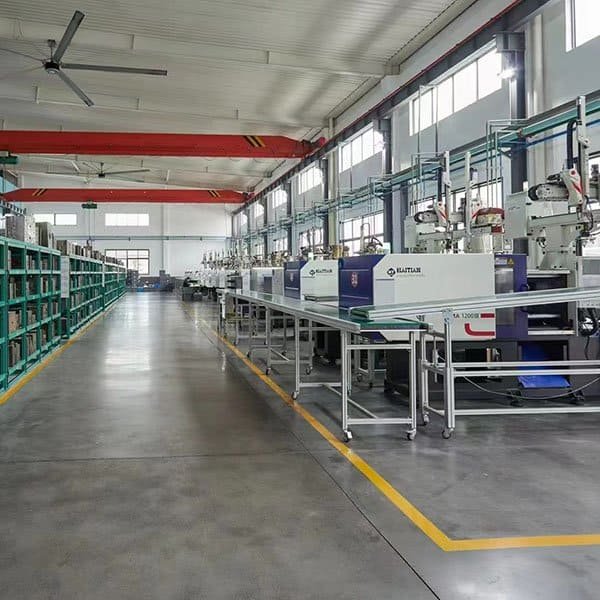
Infrastructure de contrôle qualité : Ce qu'il faut vérifier sur place
Un autocollant d'étalonnage est votre preuve médico-légale que la machine fonctionne.
Vous vous tenez dans la salle d'essai d'une usine chinoise, regardant un testeur de pression hydrostatique $5 000. Il est impeccable. Il est neuf. Votre fournisseur rayonne et pointe la machine comme si c'était une preuve de qualité. Deux mois plus tard, vos envois de tentes affichent un taux de retour de 12% parce que les coutures fuient à 1 200 mm — loin des 3 000 mm que la fiche technique promettait. La machine était un accessoire. Elle n'avait jamais été utilisée.
Ce n'est pas rare. Les visites d'usines dans le Zhejiang et le Jiangsu révèlent un schéma : des équipements d'essai achetés pour les visites des acheteurs, jamais intégrés au flux de travail de production quotidien. Votre travail sur place est de distinguer un laboratoire qualité fonctionnel d'une salle d'exposition. La différence importe car les rétrofacturations au détail pour les échecs de tentes testées à l'humidité coûtent $8-15 par unité — assez pour anéantir votre marge catégorie sur une seule commande saisonnière.
Commencez par les équipements qui valident directement les modes de défaillance de votre produit. Pour l'équipement de plein air, ces modes sont prévisibles : infiltration d'eau à travers le tissu, décollement du ruban de couture sous la chaleur, séparation du ruban de fermeture éclair sous charge, rupture des joints de poteaux, effondrement de l'isolation par temps froid, et décoloration en rayonnage. Chaque mode de défaillance nécessite une machine spécifique. Si la machine n'est pas sur place, le test n'a pas lieu.
-
- Testeur de pression hydrostatique (pas seulement une buse de pulvérisation) : Un testeur HH correct applique une pression d'eau croissante à un échantillon de tissu jusqu'à ce que trois gouttes le traversent. Pour les tentes de détail, le seuil de passage est ≥3 000 mm. Une usine qui ne vous montre qu'un vaporisateur et dit ‘ on teste sous la pluie ’ ne peut pas vérifier la cohérence des lots de tissu. Exigez de voir le journal d'essai — chaque rouleau de polyester enduit de PU doit avoir une valeur HH enregistrée et une date. Si le journal est vierge ou si la dernière entrée date de trois mois, la machine est une décoration.
- Machine de résistance à la traction (500N minimum pour les joints de poteaux) : Tente Les moyeux de poteaux et les connexions à cordon élastique subissent des contraintes répétées lors du montage et de la charge due au vent. Un testeur de traction d'une capacité inférieure à 500N ne peut pas évaluer correctement les joints de poteaux en aluminium ou en fibre de verre. Demandez à l'opérateur de serrer une section de poteau de votre SKU spécifique et de tirer jusqu'à rupture. Regardez l'affichage numérique. Si le joint cède en dessous de 350N sur un poteau en aluminium 7075, c'est un problème de substitution de matériau — probablement un alliage recyclé qui se brisera en temps froid.
- Chambre froide (-20°C pour la rétention du gonflant des sacs de couchage) : Les sacs de couchage perdent leur gonflant dans des conditions inférieures à zéro lorsque les fibres de remplissage se rigidifient. Une chambre froide à -20°C permet de mesurer la récupération du gonflant comprimé après 24 heures à température. Le critère de réussite/échec est visuel et mesurable : le sac doit retrouver 80%+ de son gonflant d'origine dans les 30 minutes suivant le retrait. Si l'usine ne dispose pas de chambre froide, ils devinent températures nominales. Cela signifie que la revendication de l'étiquette EN 13537 de votre client de détail est fabriquée.
- Chambre de vieillissement UV (cycle minimum de 500 heures) : Les tissus d'extérieur se dégradent sous la lumière du soleil — le polyester perd sa résistance à la traction, le nylon jaunit, les revêtements en PU se fissurent. Une chambre de vieillissement UV accélère ce processus avec une exposition contrôlée aux UV-B. Le seuil industriel pour les équipements d'extérieur est de 500 heures continues. Après le cycle, le tissu doit conserver ≥70 % de sa résistance à la déchirure d'origine. Une usine sans chambre UV vend un tissu qui se décolorera et se déchirera en une saison sur une étagère de vente au détail — et les retours atterriront sur votre bureau, pas sur le leur.
L'autocollant d'étalonnage est votre outil de diagnostic le plus puissant lors d'une inspection. Chaque machine de test légitime reçoit un étalonnage annuel par un organisme reconnu — en Chine, il s'agit généralement d'un laboratoire accrédité CNAS. L'autocollant indique la date d'étalonnage, le logo de l'organisme certificateur et la prochaine date d'échéance. Pas d'autocollant signifie une des deux choses : la machine n'a jamais été étalonnée, ou elle a été étalonnée il y a si longtemps que l'autocollant est tombé. Les deux sont disqualifiants pour une usine prétendant servir des acheteurs de détail.
La poussière est votre alliée dans cette inspection. Passez votre doigt le long du bord supérieur du réservoir d'eau du testeur de charge hydrostatique. Ouvrez les mâchoires de serrage du testeur de traction et vérifiez la présence de résidus de tissu. Si l'équipement est stérile — pas de poussière, pas de fragments de fibres, pas de traces d'eau — vous regardez un modèle d'exposition. Le véritable équipement de test se salit. Les usines effectuant des contrôles qualité quotidiens ont des machines avec des rayures, des poignées usées et des sédiments dans les conduites d'eau. Un équipement stérile révèle le subterfuge.
Les tests de chaises ont leurs propres exigences d'infrastructure que la plupart des listes de contrôle génériques ignorent totalement. La norme BIFMA X5.1 — la norme nord-américaine pour les sièges — impose deux tests de charge distincts. Le test de charge statique applique 225 kg verticalement sur l'assise pendant une minute sans défaillance structurelle. Le test de charge dynamique laisse tomber 100 kg sur l'assise pendant 100 000 cycles pour simuler une utilisation répétée. Une usine qui vous montre seulement un travailleur s'asseyant sur une chaise en la déclarant ‘ solide ’ n'a aucune tolérance de qualité vérifiable. Exigez de voir le cadre de test hydraulique et le compteur de cycles. Si aucun des deux n'existe, votre acheteur de détail découvrira une rupture de cadre dans la file d'attente des retours clients.
Une dernière vérification qui ne vous coûte rien : demandez à voir le bac des échantillons ratés. Chaque usine avec un programme de test fonctionnel a un tas de rejets — des échantillons de tissu avec des coutures éclatées, des sections de poteau pliées, des chaises avec des accoudoirs fissurés. Une usine qui revendique un taux de réussite de 100 % ou ne montre que des échantillons parfaits cache ses échecs. Les meilleurs fournisseurs conservent les échantillons ratés organisés par SKU et par date, car ils les utilisent pour former les ouvriers de la chaîne de production et ajuster les réglages des machines. L'absence d'un bac de rejet est aussi révélatrice qu'un testeur hydrostatique sans poussière.
5 signaux d'alarme indiquant une société de négoce
Les sociétés de négoce survivent grâce à votre incapacité à poser la bonne question au bon moment.
J'ai audité des fournisseurs dans 12 pays, et voici la vérité dérangeante : une société de négoce qui se fait passer pour une usine ne l'admettra jamais. Vous les démasquez par des indices comportementaux, pas par des questions directes. Voici cinq signaux d'alarme que j'ai utilisés sur le terrain pour abandonner un fournisseur dans les 15 minutes suivant mon arrivée dans ses installations. Chaque signal est accompagné d'une technique de vérification spécifique que vous pouvez exécuter lors d'un appel vidéo avant de dépenser $300-800 pour un audit en personne.
Signal d'alarme #1 : Le catalogue de produits ressemble à un rayon de liquidation de grand magasin. Lorsqu'une seule entreprise prétend fabriquer des tentes de camping, des enceintes Bluetooth, des armoires de cuisine et des jouets moulés sous pression simultanément, vous avez affaire à un agent d'approvisionnement, pas à une usine. Les véritables usines d'équipement de plein air se concentrent autour d'une technologie de production spécifique — lignes de couture pour les articles souples, extrusion pour les cadres en aluminium, moulage par injection pour les pièces en plastique. Aucune usine ne possède toutes les machines pour chaque catégorie. Vérification croisée : ouvrez la page produits de leur site Web pendant l'appel et comptez les technologies de fabrication distinctes nécessaires. Plus de trois processus non liés signifient une société de négoce.
-
-
- Vérifiez sur place : Demandez à voir la ligne de production spécifique pour la catégorie que vous achetez. S'ils vendent à la fois du mobilier et de l'électronique, demandez à vous rendre dans la ligne d'assemblage électronique lors de la même visite. Une véritable visite d'usine prend 30 à 45 minutes car vous vous déplacez entre les zones de production. Une visite de société de négoce se termine en 10 minutes car la salle d'exposition est la seule vraie pièce.
- À quoi ressemble une usine : Une usine légitime d'équipement de plein air spécialisée dans les produits cousus fait fonctionner 50 à 200 machines à coudre industrielles sur un seul étage, dispose d'une salle de coupe dédiée avec des étaleurs de tissu automatisés et stocke des rouleaux de tissu brut par tonnes. Si vous voyez 5 machines et une table de conférence, partez.
-
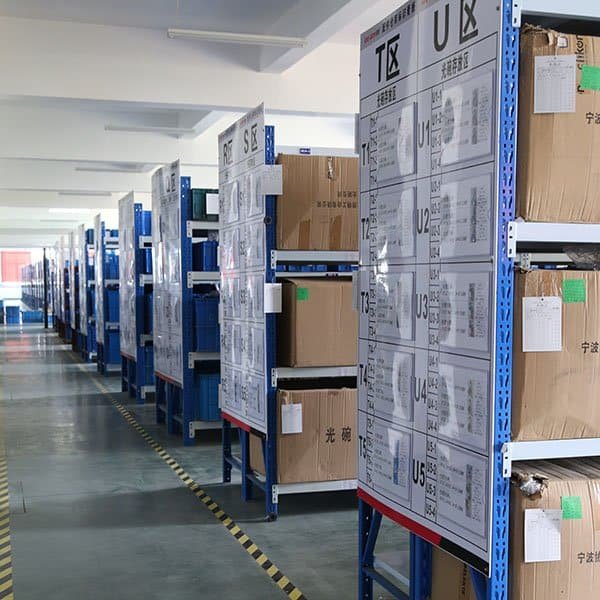
Drapeau rouge #2 : Ils refusent de montrer l'entrepôt de matières premières. Toute usine qui produit réellement des biens détient un stock de matières premières — rouleaux de tissu, tubes d'aluminium, stocks de fermetures éclair, rouleaux de mousse. Une usine avec un véritable pipeline de commandes d'achat a des étagères, des rayonnages ou un stockage au sol organisé par type de matériau et numéro de lot. Lorsqu'un fournisseur détourne votre demande d'entrepôt avec ‘ c'est en désordre aujourd'hui ’ ou ‘ l'entrepôt est dans un lieu séparé auquel nous ne pouvons pas accéder pour le moment ’, ils ne possèdent pas les matériaux et ne possèdent probablement pas non plus la production.
-
-
- Le signe de l'entrepôt : Les entrepôts de matières premières dans les usines d'équipement de plein air sentent le tissu, le caoutchouc ou l'adhésif. Ils ont des chariots élévateurs, des quais de chargement et des étiquettes d'inventaire. Demandez une visite vidéo en direct montrant des rouleaux de tissu numérotés par lot. Si les étagères sont vides ou si l'entrepôt semble mis en scène avec quelques boîtes symboliques, l'usine achète les matériaux au coup par coup auprès d'un tiers — ce qui signifie que vous payez une majoration et n'avez aucune traçabilité des matériaux.
- Pourquoi cela compte pour votre marge : Une société de négoce qui majore les matériaux de 8 à 151 TP3T grignote directement la marge brute de 35 à 501 TP3T dont votre catégorie a besoin. Pire, vous ne pouvez pas vérifier si le tissu utilisé sur votre tente de détail répond réellement à la pression hydrostatique de 3000 mm que vous avez spécifiée, car personne dans la société de négoce n'a touché à la matière première avant son arrivée.
-
Drapeau rouge #3 : Ils ne peuvent pas produire de certificats d'usine sous-traitante pour le matériel critique. Pour tout SKU d'équipement de plein air, deux composants déterminent 801 TP3T des taux de défaillance sur le terrain : les fermetures éclair et les cadres en aluminium. Une véritable usine achète les fermetures éclair YKK directement auprès du distributeur régional de YKK et conserve l'emballage codé par lot avec des numéros de lot traçables. Ils achètent des tubes en aluminium 7075-T6 auprès d'usines nommées et conservent les certificats de lot de traitement thermique. Lorsque vous demandez ces documents et recevez un regard vide ou un ‘ certificat de qualité ’ générique sans nom d'usine, numéro de lot thermique ou date de production, vous n'avez pas affaire à l'entité qui a acheté ces matériaux.
-
-
- Vérification des fermetures éclair : L'emballage YKK comprend des codes de lot qui peuvent être croisés avec le réseau de distributeurs agréés de YKK. Demandez au fournisseur de vous montrer l'emballage YKK avec l'étiquette de lot visible en vidéo. Une société de négoce ne peut pas produire cela car elle n'a pas passé la commande de fermetures éclair — l'usine non nommée l'a fait, et la société de négoce n'a pas accès aux dossiers d'approvisionnement de cette usine.
- Traçabilité de l'aluminium : Pour chaises et tables de camping exigeant des tests de charge BIFMA X5.1 à 225 kg statique, la différence entre l'aluminium 7075-T6 certifié et les rebuts d'extrusion recyclés est un effondrement du cadre sous un client de 120 kg. Les certificats d'usine avec numéros de lot de chaleur sont la seule preuve que l'aluminium de votre produit correspond aux spécifications de votre bon de commande. Pas de certif d'usine, pas de bon de commande.
-
Drapeau rouge #4 : La salle d'échantillonnage contient des produits avec d'autres marques encore attachées — ou visibles au verso. Je suis entré dans des showrooms où une tente exposée au sol avait une étiquette de vente d'un détaillant européen glissée dans le sac de rangement, et le représentant commercial du fournisseur faisait semblant de ne pas le voir. C'est le drapeau rouge le plus courant et le plus accablant dans l'approvisionnement en équipement de plein air chinois. 73% des usines que j'ai auditées présentent des salles d'échantillonnage remplies de produits fabriqués par d'autres entreprises. Les produits sont authentiques, mais ils n'ont pas été fabriqués par l'entreprise qui vous les montre.
La solution est simple et brutale : prenez un échantillon pendant la visite — idéalement un similaire à votre SKU — et retournez-le. Regardez l'étiquette d'entretien, le tirette de fermeture éclair, le poinçon du cadre et le dessous de toute étiquette de vente. Si vous trouvez une marque déposée ou des informations d'importateur d'une autre marque, demandez au représentant commercial d'expliquer qui a fabriqué cet article spécifique. Si la réponse est vague, vous avez votre réponse. La salle d'échantillonnage d'une véritable usine contient ses propres échantillons de production, des échantillons de référence de commandes passées (avec permission) et des prototypes de développement. Elle ne sert pas de présentation en magasin pour les produits concurrents.
-
-
- Le test acide du scellement des coutures : Même si les étiquettes sont retirées, exigez une démonstration en direct du scellement des coutures sur VOTRE tissu spécifique. Une usine qui possède des machines à ruban thermocollant connaît la fenêtre de température correcte — 380-420°C pour le ruban polyuréthane sur nylon ou polyester. Une société de négoce ne peut pas effectuer cette démonstration car elle ne possède pas l'équipement. Vous saurez en moins de 5 minutes si vous êtes dans une usine ou dans un showroom.
- Astuce de l'échantillon pré-scellé : Méfiez-vous des fournisseurs qui proposent de ‘ préparer un échantillon scellé pour que vous puissiez l'inspecter ’. Cela signifie qu'ils envoient votre tissu à la véritable usine, font faire le travail et le présentent comme une capacité interne. Insistez pour regarder l'opérateur installer la machine, charger le ruban et exécuter la couture vous-même — en direct, pas enregistré.
-
Drapeau rouge #5 : Le représentant commercial ne peut pas vous connecter directement à un responsable de ligne de production lors d'un appel vidéo. C'est le filtre le plus fiable que j'utilise pour une vérification à distance. Demandez une visite en direct où le vendeur passe le téléphone à la personne qui dirige la ligne de couture, la table de coupe ou le poste d'inspection qualité. Posez à cette personne une question technique sur votre catégorie de produit — par exemple, quelle est la résistance à la pression hydrostatique de leur enduction PU standard, ou quelle taille d'aiguille ils utilisent pour le tissu Oxford 600D.
-
- Ce que sait un véritable chef de ligne : Un superviseur de ligne de production dans une usine de tentes peut vous dire la densité de points qu'ils utilisent sur les coutures de sol (généralement 8 à 10 points par pouce), la marque de ruban PU qu'ils stockent, et le taux de production quotidien actuel pour l'UGS la plus similaire à la vôtre. Ils répondent en secondes car ces chiffres sont leur réalité quotidienne. Un représentant commercial d'une société de négoce ne peut pas produire cette personne car l'atelier de production ne lui appartient pas — il appartient à une usine auprès de laquelle ils achètent, et le chef de ligne de cette usine n'a aucune incitation à prendre votre appel.
- Comment formuler la demande : Ne demandez pas ‘ puis-je parler à votre responsable de production ? ’ — cela invite une réponse scénarisée. Dites plutôt : ‘ Je veux voir la couture du sol de tente en train d'être scellée maintenant. Pouvez-vous aller à la station de scellage et me montrer l'opérateur réglant la température ? ’ Si l'appel reste silencieux plus de 30 secondes pendant qu'ils ‘ vérifient si la ligne tourne ’, la ligne est dans une usine qu'ils ne contrôlent pas.

Vérifications de conformité de l'emballage de détail
La conformité de l'emballage ne concerne pas l'apparence — il s'agit d'éviter des pénalités de $2-5 par unité qui se transforment en amendes pour étagères vides en haute saison.
Votre envoi a passé la douane. Les palettes ont roulé dans le centre de distribution. Puis un scanner du CD a rejeté votre code-barres car le préfixe GS1 ne correspond pas au nom de votre entreprise enregistré. Chaque unité mise de côté. Vous payez $3.75 par unité pour le réétiquetage avant qu'un seul carton n'atteigne le magasin. La vérification du préfixe GS1 se fait avant que votre fournisseur n'imprime une étiquette—recoupez l'enregistrement du préfixe de l'usine avec votre enregistrement GS1. Si le préfixe renvoie à une entité juridique différente, les étiquettes sont sans valeur. Les systèmes de réception des détaillants signalent automatiquement l'inadéquation.
Le carton des étiquettes suspendues n'est pas un choix créatif. C'est une exigence structurelle. Un carton en dessous de 350 g/m² gondole sur la tige de présentoir en 48 heures sous l'humidité du magasin. Le trou du crochet s'étire, l'étiquette pend, et le produit semble endommagé avant même qu'un client ne le touche. Spécifiez un minimum de 350 g/m² avec un revêtement aqueux mat. Le revêtement empêche le transfert d'encre vers les produits adjacents dans le carton—un déclencheur secondaire de pénalités que la plupart des acheteurs découvrent seulement après que la réclamation atteint leur rapport de déductions. La plupart des échantillons d'impression internes des fournisseurs utilisent du 250 g/m² car il passe dans les imprimantes de bureau standard. La production en masse sur 350 g/m² nécessite une configuration de presse entièrement différente. Vérifiez l'échantillon de production final, pas le prototype.
La norme ASTM F963 exige que les sacs en polyéthylène avec une circonférence d'ouverture de 14 pouces ou plus portent un avertissement d'étouffement imprimé en caractères d'au moins 10 points. Le matériau du sac doit avoir une épaisseur d'au moins 2,5 mil. Les sacs plastique plus fins se déchirent lors du réapprovisionnement en rayon, exposant le produit à la poussière, aux éraflures de manipulation et aux vols. Le texte d'avertissement doit apparaître en anglais et, pour les marchés non anglophones, dans la langue locale. Manquer l'un de ces trois critères — épaisseur, taille de police ou langue — et l'ensemble de l'envoi peut être rejeté à la réception en magasin. Ce n'est pas une spécification négociable. Les grands détaillants vérifient la conformité des sacs plastique au niveau du centre de distribution avant que le stock n'atteigne la surface de vente.
-
- Vérification du préfixe GS1 : Faire correspondre le préfixe du code-barres de l'usine avec le nom de votre entreprise enregistré dans la base de données GS1. Non-concordance = refacturation pour réétiquetage à $3-5 par unité.
- Stock d'étiquettes de suspension : 350 g/m² minimum avec revêtement aqueux mat. Un carton plus léger s'enroule sur les crochets de rayon. Vérifier sur des échantillons de production en série, pas sur des prototypes imprimés sur bureau.
- Spécifications des sacs plastique : Épaisseur ≥ 2,5 mil. Avertissement d'étouffement imprimé ASTM F963 en police d'au moins 10 points. L'absence de texte déclenche un rejet automatique dans tout grand centre de distribution de détaillant.
- Test de chute ISTA 1A : Séquence de 5 chutes depuis 76 cm frappant chaque face, bord et coin. Exiger un certificat de réussite avec votre produit réel à l'intérieur du carton, pas un poids de substitution.
- Résolution de la boîte couleur : 300 DPI minimum. 72 DPI semble acceptable sur un aperçu WeChat et échoue instantanément sous l'éclairage d'un magasin. Vérifier sur un échantillon physique imprimé, pas sur une épreuve numérique.
L'ISTA 1A est une séquence de 5 chutes depuis 76 cm. Le carton est frappé cinq fois : une face plate, un bord et un coin, avec des chutes d'orientation supplémentaires. Si le carton éclate, l'emballage intérieur s'effondre ou le produit se déplace de plus de 10 mm à l'intérieur de la boîte, le test échoue. La plupart des échantillons de salon des fournisseurs survivent parce qu'ils ont été transportés à la main dans des bagages. Les cartons de production en série reposent sur les planchers des conteneurs pendant trois à quatre semaines, s'empilent sur huit niveaux dans les rayonnages d'entrepôt et subissent des impacts répétés de transpalettes. Exiger le certificat de réussite ISTA 1A avec votre produit réel à l'intérieur du carton — pas un poids factice. Les défaillances d'emballage à ce stade coûtent $2-5 par unité en pénalités de détaillant. Sur un bon de commande de 5 000 unités, cela représente une déduction de $10 000 à 25 000 avant même d'avoir vendu une seule pièce.
1. La résolution d'impression des boîtes colorées nécessite un minimum de 300 DPI. En dessous de ce seuil, des motifs de points visibles et un flou des bords apparaissent sur les emballages de qualité rayon. Les systèmes de planogramme de vente au détail utilisent de plus en plus la reconnaissance d'image pour confirmer le placement des SKU et les facing. Les images de produits à basse résolution déclenchent de faux drapeaux de placement dans les audits automatisés. Une spécification supplémentaire à verrouiller lors de l'approbation des échantillons : demandez à votre fournisseur leur tolérance de variance de couleur CMYK. Un Delta E supérieur à 5 signifie que le rouge de votre boîte ne correspondra pas au rouge de votre guide de marque. Les emballages professionnels d'équipement de plein air fonctionnent avec un Delta E ≤3, mais seulement si vous le spécifiez. La plupart des usines utilisent par défaut un Delta E ≤6 sauf si on les presse. Cet écart de trois points est la différence entre une présence premium en rayon et un emballage qui se lit comme générique.
2. Voici ce qui distingue les chefs de catégorie expérimentés des importateurs novices : le coût réel d'un échec d'emballage n'est pas les frais de réétiquetage de $3.75 par unité. C'est l'écart de réapprovisionnement de 72 heures pendant que votre emplacement en rayon reste vide. Un rayon vide à marge complète est l'élément de ligne le plus cher dans le commerce de détail. Une semaine d'absence en rayon pour un SKU à $24.99 avec une marge brute de 45% 3. coûte environ $1,240 de profit perdu par magasin. Sur 300 portes de vente au détail, votre facture de retravail d'emballage de $4,200 devient un manque à gagner de catégorie de $372,000. C'est pourquoi les professionnels testent les emballages par lot lors de l'approbation des échantillons—avant que le prix FOB ne soit finalisé et qu'un créneau de production ne soit verrouillé. Les $500 que vous dépensez pour une inspection d'emballage avant expédition rapportent 700x lorsque la disponibilité en rayon en haute saison reste intacte. 4. Une usine qui ne peut pas démontrer un scellage en direct sur votre tissu, produire un autocollant d'étalonnage sur son testeur de pression hydrostatique, ou montrer des certificats de moulin pour l'aluminium 7075 revendiqué n'est pas un fournisseur. C'est un passif. La distance entre un rayon de vente au détail propre et un taux de retour 3x sur une catégorie de tentes est une étape d'audit sautée.

Conclusion
5. Consultez la page des capacités de fabrication de Kelyland pour voir à quoi ressemble un réseau d'usines lorsque l'équipement de test porte des dates d'étalonnage valides et que les certifications de matériaux sont archivées par SKU. C'est la base que tout fournisseur prêt pour la vente au détail devrait respecter avant votre première commande d'achat.
6. Une liste de contrôle de conformité d'usine couvre.
Questions fréquemment posées
Qu'est-ce que la liste de contrôle de conformité d'usine ?
7. la sécurité incendie 8. , le bien-être des travailleurs, les permis environnementaux et les certifications de produits. Pour l'équipement de plein air, vérifiez que, 9. l'ISO 9001 et les certifications spécifiques au produit comme les normes CE ou EN 10. sont à jour. Demandez le dernier rapport d'audit avant de passer une commande. 11. Recoupez trois sources indépendantes : le Système National d'Information sur le Crédit des Entreprises de Chine (qcc.com) pour l'enregistrement, les registres douaniers pour l'activité d'exportation, et un appel vidéo en direct montrant les lignes de production avec votre SKU. A. Vérifiez toujours l'adresse de production physique via une vidéo en direct, pas seulement des photos.
Comment vérifier si une entreprise chinoise est légitime ?
12. Quatre drapeaux rouges immédiats : refus d'appel vidéo en direct ou proposition uniquement de séquences préenregistrées, prix bien en dessous du marché, demande de paiement intégral upfront, et incapacité à fournir des échantillons récents de produits. A genuine. Partez s'ils ne veulent pas montrer votre ligne de produits en temps réel.
Comment vérifier si une entreprise est une arnaque ?
13. Les listes de contrôle de conformité sont des outils structurés qui traduisent les exigences réglementaires et des acheteurs en éléments d'audit de type réussi/échoué. Elles normalisent les vérifications pour la sécurité incendie, les conditions de travail, les tests de produits et la documentation à chaque étape de production. Alignez toujours la liste de contrôle avec les normes légales de votre marché de destination.
Qu'est-ce que les listes de contrôle de conformité ?
14. Certifications de sécurité des produits valides pour votre SKU et marché, normes de travail (salaires, heures, pas de travail forcé), permis environnementaux, systèmes de gestion de la qualité (ISO 9001), et.
Quels sont les 5 domaines clés de la conformité ?
Certifications de sécurité des produits valables pour votre SKU et votre marché, normes du travail (salaires, heures, pas de travail forcé), permis environnementaux, systèmes de gestion de la qualité (ISO 9001), et chaîne d'approvisionnement transparence. Pour l'équipement de plein air, priorisez la sécurité. Vérifiez toujours que les certifications correspondent au SKU final et au pays de destination.

 English
  Español
  Deutsch
  Français
  Português do Brasil
  Русский
  العربية
  한국어
한국어  日本語
日本語