 跳到内容
跳到内容 
キャンプテーブルの素材が真に試されるのは、ヨセミテの花崗岩の上ではありません。それは、コンテナが到着してから90日後、顧客が4つ星の製品レビューに錆びたフレームの写真を投稿したときです。その一枚の画像—MDF天板のヘアラインクラックや腐食した鉄のジョイント—が、シーズン全体の売れ行き計算をリセットします。あなたは量産前サンプルを承認しました。量産は合格しました。 AQL検査では. しかし、FOB港口と顧客のキャンプサイトの間のどこかで、あなたが承認した材料品質許容範囲は、いかなる仕様書も予測できなかった形で失敗しました。.
シーズンに3,000台のテーブルを扱うカテゴリーマネージャーは、100台のグランピングカプセルコレクションを立ち上げるブランドディレクターとは考え方が異なります。アルミスラットは輸送重量を抑え、塩分を含んだ空気にも耐えますが、溶接鋼製フレームは単価が30%低く、依然としてエントリープライス層を支配しています。素材の決定はブランド層で分かれます。現在プレミアムラベルを付ける製品は、ますますハイブリッドデザインを採用しています。例えば、アルマイト処理されたアルミフレームに竹やブナ材の天板を組み合わせるなどです。特にグランピング分野は、写真映えが良く、3つの気候帯にわたって反りに強い製品が評価されるからです。年間100万台のテーブルを生産する金華の工場では、表面処理の仕様がサンプル承認時に確定されていれば(後からではなく)、これらの素材を組み合わせても1台あたりのFOBを競争力のない領域に押し上げることなく実現できます。.
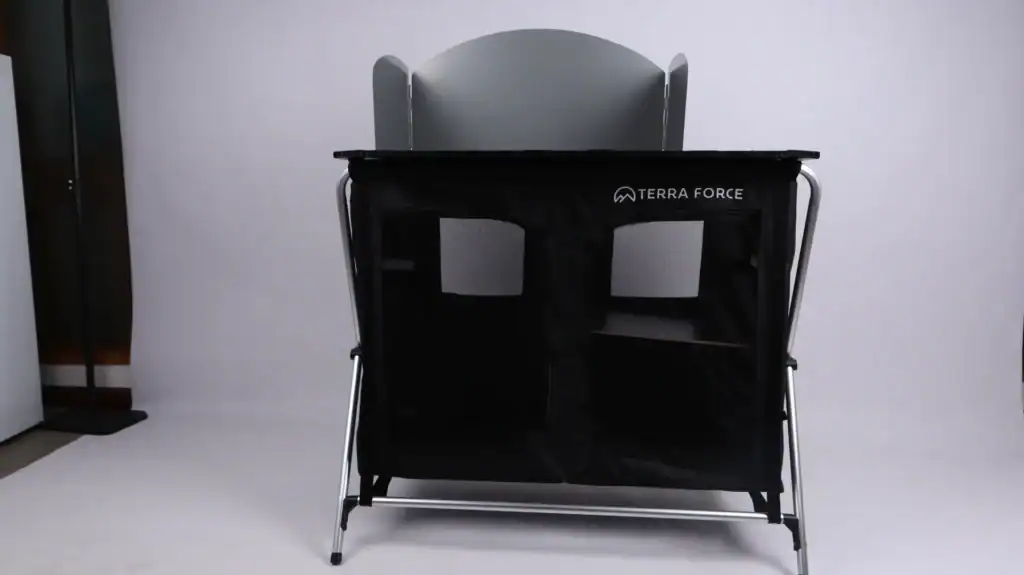
カスタムレーザーカットの通気パターンを持つメタルメッシュ天板は、アウトドアキッチンセットアップにおいて、固体プラスチックパネルに静かに取って代わりつつあります。美観のためではなく、穴あき表面がキャンプファイヤーの熱や雨を、どのコーティングされたMDFよりも速く排出するからです。オックスフォード生地のインサートは、フルブリードのデジタル印刷を可能にし、 最小注文数量50個, そのため、季節ごとのプライベートラベルの発売は、耐荷重が低いにもかかわらずロールアップデザインに戻り続けています。そしてコスト重視のMDFパネルは?その表面をメラミンコーティングにアップグレードすると、耐湿性が飛躍的に向上し、太平洋岸北西部のキャンプシーズンに耐えられるようになります。コスト増加はわずかで、小売価格にほとんど影響しません。.
次の生産ロットの材料仕様を確定する前に、サプライヤーに3つの質問をしてください。フレームにはコーティングの500時間塩水噴霧試験報告書がありますか、それとも目視検査に頼っていますか?天板をメラミンまたはアルマイト仕上げにアップグレードすることは、すでに交渉したMOQ枠を変更せずに可能ですか?生産ラインは、フルバッチを流す前に、初回量産サンプルの写真を共有して、材料仕上げが承認済み基準と一致することを確認できますか?これらのいずれかで「いいえ」と答えても、取引が破綻するわけではありません。それは単に、あなたが購入したと思っていた品質許容範囲が、実際に得ているものと異なる可能性があるというシグナルです。.
フレーム素材:強度、重量、コストの比較
フレーム素材の選択は、テーブルトップを選ぶ前に、ユニットコストの70%、輸送クラス、および保証責任を決定します。.
私は、ロッテルダムとメルボルンにキャンプ用テーブルを40HQコンテナで出荷しているサプライヤーを監査してきました。フレームは単なる構造ではなく、輸送コスト、不良率、そしてブランドが顧客のガレージで18ヶ月後にどのように維持されるかの最大の要因です。バックパッキングラインにスチールを選んだり、低予算の小売SKUにアルミニウムを選んだブランドマネージャーは、2四半期内に損益計算書に現れるミスを犯します。.
中級から高級キャンプ用テーブルのほとんどが製造されている金華工場クラスターでは、3つのフレーム素材が実質的な生産量を占めています。以下は、それらがあなたのチャネルが実際に求めるものにどう対応するかを分解したものです。.
-
- アルミニウム(6061または6063合金、アルマイト処理または粉体塗装): 120cm×70cmの折りたたみテーブルフレームのアルミニウム製は、チューブ肉厚(1.0mm~1.5mm)に応じて約3.2~4.5kgです。同等のゲージのスチールと比較すると、40~50%の軽量化です。FOB価格では、フレームのみでスチールよりもユニットあたり$2.80~$5.20高いコストが見込まれます。AmazonやREIレベルの専門店で販売するブランドにとって、この追加コストは回収可能です。軽い容積重量により、40HQでユニットあたりの海上運賃が平均$0.90~$1.60削減されます。さらに重要なのは、アルミニウムは組み立て中に粉体塗装が傷ついても腐食しないことです。傷ついた溶接部があるスチールフレームは、フロリダ、英国、東南アジアなどの沿岸市場では90日以内に錆が発生します。本当の疑問は「アルミニウムに価値があるか」ではなく、「私のチャネルは$3~$5のCOGS増分で耐錆性を評価するか」です。また、アルマイト処理されたアルミニウムはレーザー彫刻が可能で、脚に控えめなブランドマークを付けられますが、スチールでは素地が露出するためできません。.
- スチール(Q195またはQ235炭素鋼、粉体塗装): 率直に言います:スチールは劣っていません。最も利益率に強い中級市場のキャンプ用テーブルの一部はスチールを使用しています。肉厚0.8mm~1.2mmのQ235スチールフレームは、同じ価格ではアルミニウムが到底かなわない静荷重定格を提供します。4フィートのスチールフレームテーブルは、たわみなく60kgの静荷重を支えられます。アルミニウムはそれを達成するために厚いチューブと補強されたヒンジが必要で、ユニットコストが別のレベルに押し上げられます。トレードオフは重量と腐食の脆弱性です。当社の金華テーブル工場では、180~200°Cでポリエステル・エポキシハイブリッドによる粉体塗装を施しており、表面は丈夫です。しかし、リベットやヒンジが塗装を傷つけた瞬間、湿気がスチールに達します。車でサイトに行く車中泊キャンパーやファミリーキャンプ場ユーザーに販売するブランドには、スチールが適しています。「超軽量」や「バックカントリー」を売りにする人には、死荷重です。ここでは品質許容度も重要です:指定する 9. 塗膜密着性試験 (クロスハッチ、ISO 2409)をあなたの 量産前サンプル承認チェックリスト. 工場がそれを通過できない場合、コーティングは輸送中または返品サイクルで剥離します。.
- 木材(ブナ、クルミ、または竹 — 無垢材、単板ではない): グランピングおよびプレミアムライフスタイルセグメントは木材に力を入れています。これは単なる美的要素ではなく、シグナルでもあります。15mm厚の天板を備えたブナ材フレーム(総重量8〜12kg)は、粉体塗装金属では伝えられない職人技を伝えます。しかし、調達ディレクターの視点からは、木材には3つのリスクがあります:湿気による反り、EU輸入のためのFSCチェーン・オブ・カストディ文書、そして無垢材パッケージの燻蒸(ISPM 15)です。サプライヤーが梱包内に未処理の木塊を使用したため、ハンブルクの税関で2週間保留された$20Kのクルミ天板テーブルの注文を見たことがあります。木材を使用する場合、契約書には出荷時の含水率(輸出家具の標準は8〜12%)を明記し、熱処理されたパレットを明示的に義務付ける必要があります。コスト面では、ブナ材フレームはアルミフレームの2.5〜3倍のコストがかかります。あなたのブランドはそれを小売価格で正当化する必要があります。.
| 素材 | 強度と耐久性 | 重量 | 相対コスト | ブランディングとカスタマイズ |
|---|---|---|---|---|
| アルミニウム | 高い強度対重量比;中程度の荷重下での曲げに耐性;自然に耐錆性・耐腐食性。. | 軽量(典型的なテーブルフレームで約1.5〜4 kg) | 中〜高 | カスタムカラー用の陽極酸化処理または粉体塗装;ロゴ用のレーザー彫刻;プレミアム軽量製品ラインに最適。. |
| スチール | 最大耐荷重性;非常に耐久性があり耐衝撃性;防錆のために保護粉体塗装が必要。. | 重い(同等のフレームで約3~8kg) | 低~中(最もコストパフォーマンスが良い) | パントン色に合わせた粉体塗装;エンボス加工またはシルクスクリーンのロゴ;予算と高強度SKUに最適。. |
| 木材(ブナ/ウォルナット/バンブー) | 良好な静的強度;自然に剛性がある;処理またはコーティングしないと湿気、反り、虫の影響を受けやすい。. | 中程度(木材の種類や含水率により大きく異なる) | 高い(特に広葉樹) | 手作りのブランドマークにはレーザー彫刻または焼印;クリアラッカーまたはオイル仕上げ;グランピングや高級セグメントにアピール。. |
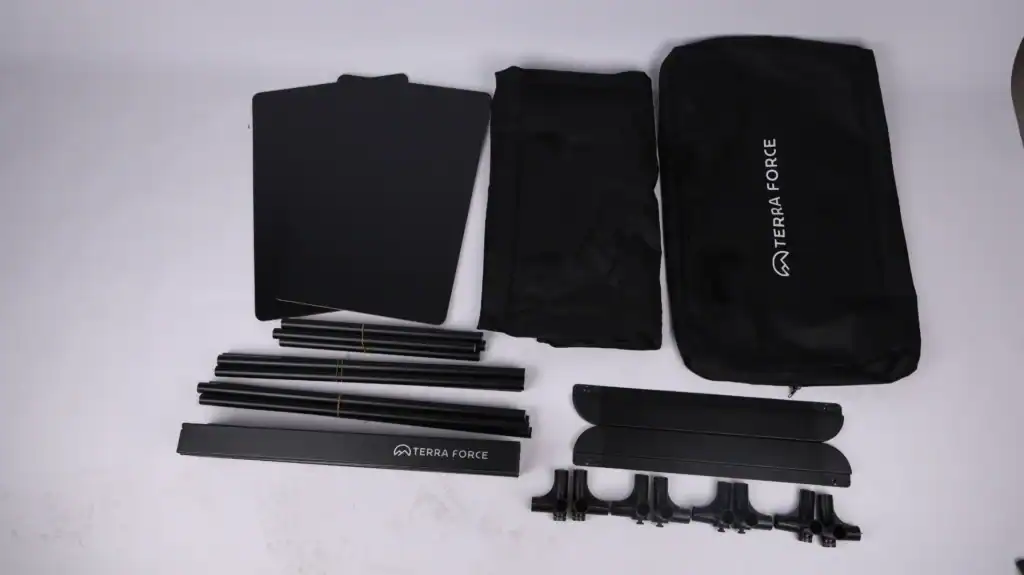
天板&表面素材:機能性とブランディングのバランス
テーブルトップの素材選びは、美観だけでなく利益率を左右する。.
先月、ロッテルダムの倉庫を歩いていたところ、あるバイヤーが返品されたキャンプテーブルの山を見つめていました。MDF天板は、アルデンヌでの雨の週末を一度経験しただけで膨らんでいました。彼はその$40,000の注文で利益を失いました。指定する素材はBOMの項目だけでなく、保証請求やリピート注文に直接影響します。現在、B2B調達では3つの表面カテゴリが主流です:キッチンセーフな機器向けのパンチングメタル、低価格帯向けのエンジニアードパネル、そしてブランド運搬手段としてのパッカブルなテキスタイルインサートです。.
一般的な製品説明は省略しましょう。テーブルがどんなものかはすでにご存知です。必要なのは決定ロジックです:どの素材がどの小売価格帯を実現するか、どこで故障が発生するか、そしてカテゴリーバイヤーが要求する30%のランデッドマージンを損なわずにカスタマイズする方法です。.
メタルメッシュ&スラットアルミ(通気性、高温面に安全)。.
スラットアルミやスチールメッシュ天板が存在する機能的な理由は一つ、積層天板にはない熱放散です。キャンプキッチンでは、ブタンストーブから直接取り出した鋳鉄フライパンは200℃を超えます。無垢のMDFやPPパネルはその熱を閉じ込め、数秒で焦げ付き、反ります。パンチング加工された表面は、周囲の空気が調理器具のベースを即座に冷却することを可能にします。.
ここでの本当のB2Bプレイは安全性ではなく、穴の形状によるブランディングです。標準的な直径5mmの円形パンチングはコモディティです。一部の選ばれたバイヤーは現在、スラットアルミにカスタムレーザーカットパターンを指定しています。六角形のグリッド、ブランドロゴ、幾何学模様などを考えてください。これらは瞬時にInstagramで認識される要素になります。これにより、標準的な1,000ユニットのロットで、1ユニットあたり約$1.20から$2.50がFOB価格に追加されます。切断の複雑さによります。$129の小売価格で販売するブランドにとって、これは競合他社が一夜で模倣できない目に見える差別化要因としては無視できるCOGSです。.
品質トレランスはこのカテゴリが厄介になる部分です。スラットの隙間が3mmを超えると、器具がすり抜けます——これは一般的な消費者からの苦情です。生産基準は2.0mmから2.5mmの隙間を指定すべきです。金華では、金曜日の午後までにレーザーカッターのキャリブレーションが3.2mmにずれてしまい、プリプロダクションサンプル全体を却下したことがあります。サンプル承認チェックリストには、目視での承認だけでなく、隙間ゲージテストを含める必要があります。.
MDF&PPパネル(コスト効率が良く、印刷が容易)。.
MDF(中密度繊維板)とPP(ポリプロピレン)パネルがエントリーレベルからミッドレンジのキャンプ家具市場を支配している理由は一つ、ランデッドコストです。基本アルミフレームに4mmのMDF天板を使用すると、500ユニットでFOB価格が1ユニットあたり$8.00未満になります。これにより、小売業者は約$14.00で商品を陸揚げし、3.5倍のキーストーンマークアップを適用して$49.00で販売できます——マスマーケット小売業者にとってのスイートスポットです。.
脆弱性は吸湿性です。生のMDFは端から水分を吸収し、コアを剥離させ、膨張します。70cmのテーブルトップは、高湿度環境に48時間さらされた後、厚さが4.5mm膨張することが観察されています。対策はメラミンコーティングのアップグレードです。0.15mmのメラミンエッジバンディングを追加し、
PPパネルはコーティングなしでも本来の耐水性を備えていますが、たわみます。60cm×90cmのPP天板に60kgの荷重をかけると、パネルの厚さが5mm未満の場合、目に見える反りが発生します。30kg以上の荷重容量に対応するテーブルには、少なくとも6mmのPPに補強リブを下面に追加することを指定すべきです。これによりユニットあたり約$1.50のコストが増えますが、「安物のプラスチック」という印象を防ぎ、レビューを台無しにしません。.
Branding on MDF and PP is straightforward: UV-cured digital printing delivers Pantone accuracy and photorealistic graphics. The limitation is texture. You’ll never get a premium tactile feel on an MDF print — it’s smooth, but it’s not wood grain. That’s fine for a $49 price point. It’s unacceptable for a brand trying to command $120.
Oxford Fabric Tabletop Inserts (Packable, Customizable Graphics).
Oxford fabric tabletops solve a specific supply chain problem: MOQ flexibility and seasonal speed. Unlike aluminum slats requiring extrusion dies and MOQs of 500+ units to amortize tooling, an Oxford fabric insert with a collapsible frame starts at 50 pieces per colorway. The fabric is cut, printed, and stitched — no metal tooling, no injection molds.
The print surface is the differentiator. 600D Oxford with a TPU backing accepts full-bleed digital printing, meaning your entire graphic wraps edge-to-edge with zero white space. A brand can run a summer collection in a tropical print, a winter collection in a snow camo, and test both with under $2,500 in total sample and small-batch cost. That’s impossible with MDF or aluminum.
The trade-off is load stability. Oxford fabric tables typically top out at 25kg to 30kg distributed load. They’re not a kitchen workhorse for a heavy Dutch oven. They’re a side table, a drink station, a brand billboard at a festival campsite. If your customer base prioritizes packed size over raw load capacity — think moto campers and minimalist backpackers — Oxford fabric is the correct spec.
| 素材 | Key Properties | Cost & MOQ Profile | Customization Potential | Best Applications |
|---|---|---|---|---|
| Metal Mesh (Powder-Coated Steel or Aluminum) | Breathable, hot-surface safe, excellent heat dissipation; rust-resistant when coated; weight varies (aluminum mesh is lighter) | Mid-range; MOQ typically 300–500 units; laser cutting adds modest tooling costs | Custom laser-cut patterns for brand identity; powder coating in brand colors; silk-screen or label branding on frame | Camp kitchen tables, hot-surface use, open-frame minimalist designs, premium glamping setups |
| Slatted Aluminum (Anodized/Coated) | Lightweight, corrosion-proof, high strength-to-weight ratio; slats allow airflow and reduce wind resistance; load capacity 30–60 kg | Mid-to-high; MOQ from 300 units; anodizing or powder coating adds per-unit cost but enhances durability | Anodized color options; slat shape and spacing can be customized; laser engraving possible; combined with aluminum or wood frames | Ultralight camping tables, premium brand lines, hybrid designs with wood accents, eco-conscious collections |
| MDF Panels (Plain or Melamine-Faced) | Smooth printing surface, cost-effective; standard MDF is moisture-sensitive; melamine coating adds water resistance and easy cleaning at minor cost increase | Lowest cost; MOQ from 100–300 units; melamine upgrade adds ~10–15% to panel cost but significantly improves outdoor suitability | Full-bleed digital or thermal transfer printing; melamine-faced panels offer a glossy finish and vibrant graphics; edge banding color options | Entry-level to mid-range camping tables, promotional or seasonal branded tables, indoor/outdoor crossover products |
| PP (Polypropylene) Panels | Lightweight, impact-resistant, waterproof, easy to clean; not as rigid as MDF but more weatherproof; can be textured or smooth | Low to mid-range; MOQ typically 300 units; injection-molded panels may require mold investment for custom shapes | In-mold labeling for permanent graphics; screen printing or digital printing; custom embossing; wide color range; recycled PP options available for eco-branding | Family camping tables, beach tables, all-weather outdoor tables, eco-friendly product lines |
| オックスフォード・ファブリック Tabletop Inserts (600D–900D) | Packable, lightweight, replaces rigid panels with tensioned fabric; load capacity limited to 20–30 kg; double-layer construction offers stability; not hot-surface safe | Lowest MOQ (from 50 pieces per design); cost-effective for small-batch runs and test markets; ideal for roll-up or foldable table frames | Full-bleed digital printing with photo-like quality; Pantone-matched dyeing; compatible with multiple printing methods (screen, dye-sublimation); branding on carry bags and labels | Ultralight backpacking tables, private-label market tests, seasonal graphics rotations, e-commerce exclusive bundles |
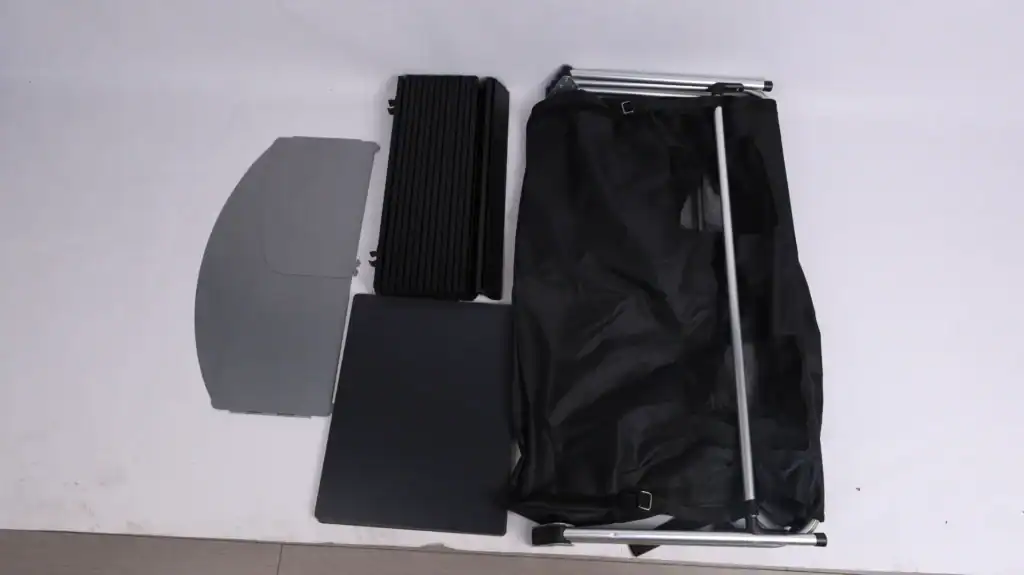
素材の適合性:ブランド階層と小売価格帯に合わせたテーブル仕様の調整
Material mismatch is the #1 reason a $50K table order collapses into clearance-bin losses.
I’ve audited supplier factories across 12 countries, and the single most expensive mistake I see brand managers make is treating material selection as an engineering decision rather than a commercial strategy. It’s not. The materials you lock in determine your landed cost, your warranty exposure, your packaging cube, and ultimately which shelf your product sits on — Walmart, REI, or a boutique glamping retailer. Get this wrong at the pre-production sample stage, and no amount of logo embroidery will fix the margin bleed.
Let’s cut through the noise. For 2026 retail planning, here’s how material combinations map to actual shelf positions within the camping furniture supply chain.
-
- Entry-Level Mass Retail ($29-$49 MSRP): Steel frame with MDF or PP panel tabletop. This combination sits at the bottom of the cost curve. The Jinhua factory producing 1 million tables annually confirms bare steel with a basic powder coat and 3mm MDF delivers a production cost roughly 40% lower than aluminum alternatives. Risks are clear: MDF swells irreversibly if exposed to damp ground for 3+ hours. Upgrade to melamine-coated MDF for an added $0.80-$1.20 per unit and you add a season of deck-usage viability. Buyer beware — FOB pricing on steel/MDF combos can swing 12% quarterly based on cold-rolled coil indexes, so lock your quotes to a 30-day validity window.
- Mid-Tier Specialty Retail ($59-$89 MSRP): 陽極酸化アルミニウム frame with metal mesh or slatted aluminum surface. This is the sweet spot for Amazon brands and REI-type retailers. The frame won’t rust in coastal markets — critical for Australian and Florida distribution. Load capacity comfortably hits 60 kg, which covers a loaded camp kitchen setup. The real brand differentiation comes from laser-cut patterns on the mesh. The Jinhua table factory runs custom laser-cutting programs that turn a generic heat-dissipating grid into a recognizable brand signature. No tooling cost change, just a DXF file submission. Production lead time stays at 30-35 days.
- Premium Glamping & Lifestyle ($99-$149 MSRP): Aluminum frame paired with bamboo, beech wood, or the hybrid aluminum-wood combination growing in the European luxury camping segment. This tier demands sample approval discipline — wood grain, stain consistency, and joinery quality vary significantly batch-to-batch. Kelyland’s Jinhua factory maintains a separate finishing line for bamboo and beech tops precisely because cross-contamination from metal grinding dust ruins a wood surface in hours. At this price point, buyers expect visible craftsmanship, not just function. Your quality tolerance spec needs to call out acceptable knot size, stain uniformity, and the number of visible fasteners — details that never appear on a generic Alibaba listing.
- Private-Label Test Runs & Seasonal Drops: Oxford fabric tabletop insert on an aluminum or steel frame. This is the most misunderstood material option in the camping table category. The fabric itself is 600D-900D double-layer Oxford with full-bleed digital printing capability. Minimum order quantity drops to 50 pieces per colorway, and the same print file can span tabletop inserts, matching chair fabric, and wagon liners for a coordinated visual line. Ben Wharton’s furniture category team in Australia tested this approach for a summer collection and turned inventory in 6 weeks from FOB ship date. Risk: printed Oxford fades visibly after 200+ hours of direct UV exposure, so manage expectations with your product copy.
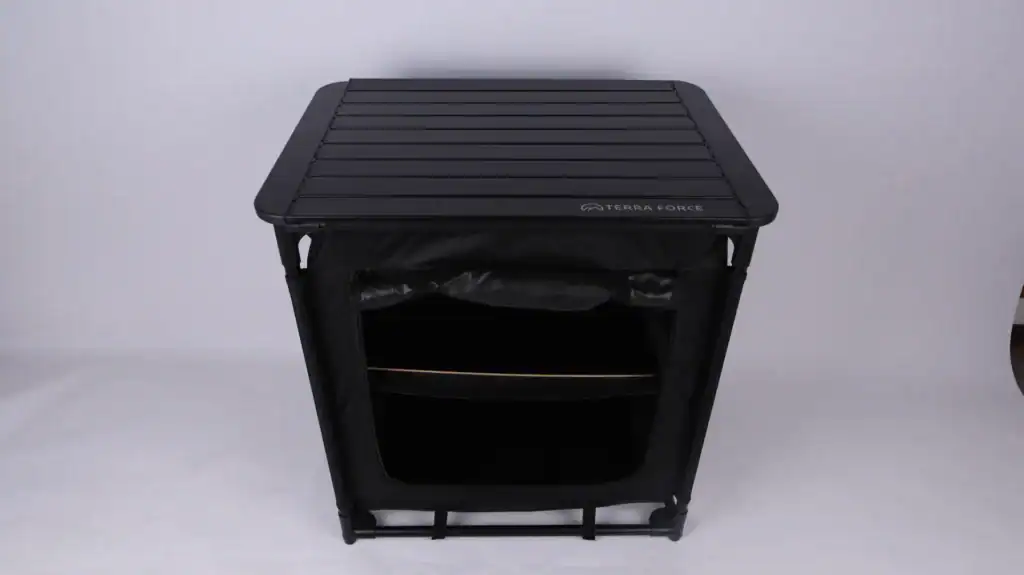
Skip the material alignment exercise and here’s what you’re buying: 18 months of dead stock occupying warehouse racking, a category manager who won’t take your call next season, and a competitor who read the spec sheet more carefully absorbing your shelf space. The difference between a table that turns 4x annually and one that hits liquidation at $12 a unit is often decided in a 45-minute material review session before a single sample is cut. That session costs nothing. Skipping it costs the gross margin on your entire production run.
| Brand Tier | Material Combination | Typical Unit Weight | Retail Price Point | Key Benefits & Customization |
|---|---|---|---|---|
| Entry-Level / Mass Market | Steel Frame + MDF or PP Panel | 6–9 kg | $25–$45 | Lowest per-unit cost, easy silk-screen branding, upgradeable with melamine coating for moisture resistance |
| Mid-Tier / Value-Oriented | Aluminum Frame + Oxford Fabric Tabletop | 3–5 kg | $40–$70 | Ultralight & packable, low MOQ (from 50 pcs), full-bleed digital printing for seasonal private-label runs |
| Mid-Tier / Camp Kitchen Specialist | Aluminum Frame + Metal Mesh (Steel or Aluminum) | 4–6 kg | $55–$85 | Heat-dissipating surface ideal for stoves, custom laser-cut patterns for brand identity, rust-proof options |
| Premium / Glamping & Luxury | Anodized Aluminum Frame + Beech/Bamboo Wood Top | 5–8 kg | $90–$150 | Aspirational aesthetics, natural wood grain, laser engraving, hybrid design for strength and elegance |
| Heavy-Duty / Professional | Reinforced Steel Frame + Slatted Aluminum Tabletop | 8–12 kg | $70–$110 | Highest load capacity (up to 60+ kg), powder-coated finish, ideal for institutional or expedition use |

結論
Choosing between aluminum, steel, wood, and MDF directly shapes your brand’s price point, weight class, and durability. The spec sheet here covers the 90% that buyers usually compare. The missing 10% — the difference between a smooth product launch and a recall — is locking the exact material tolerance into the sample approval stage and tying it to FOB pricing terms, so you’re not paying ocean freight for 2.5mm steel tops that arrive at 2.3mm.
Before you commit to a batch, ask your sourcing partner for a pre-production sample with a written material quality tolerance sheet — down to anodizing thickness and fabric denier. Compare benchmarks on the product page to see what’s standard and what’s negotiable.
よくある質問
どのキャンピングテーブルのフレーム素材が最も軽いですか?
アルミフレームは最も軽量で、錆びにくく、輸送コストを削減します。持ち運びやすさを重視するユーザーをターゲットとするブランドにとって、可搬性に優れた高級テーブルの標準です。重量削減が原材料コストを上回る場合は、アルミを選びましょう。.
熱い調理器具に最適なテーブルトップ素材は何ですか?
Metal mesh or slatted aluminum tabletops safely handle hot pans and camp stoves. They won’t scorch or warp, making them ideal for camp kitchen setups. Choose metal mesh for heat-safe surfaces in cooking-oriented tables.
カスタム印刷用の最も安いテーブルトップの表面は何ですか?
MDFおよびPPパネルは、高品質なロゴ印刷において最も費用対効果に優れています。直接UV印刷が容易に施せるため、ブランドの鮮やかさを保ちながら、単価を低く抑えられます。印刷品質と予算が最も重要である場合は、MDFまたはPPパネルを選択してください。.
スチールフレームをアルミニウムの代わりに選ぶべきタイミングはいつですか?
スチールフレームは最大の強度と手頃な価格を提供し、ヘビーデューティーな使用と低価格帯に最適です。ただし、重量があり、錆びを防ぐための適切なコーティングが必要です。耐久性と低コストを最優先する場合はスチールを選びましょう。.

 English
  Español
  Deutsch
  Français
  Português do Brasil
  Русский
  العربية
  한국어
한국어  日本語
日本語