 跳到内容
跳到内容 
テントの固定ソリューション 風は、バイヤーがサプライヤー、予算、または生産枠を承認する前に最初に確認すべきチェックポイントです。最初の問題の兆候は、コンテナがロッテルダムの倉庫に到着してから3週間後に現れました。120店舗チェーンのカテゴリーマネージャーが小売用テントの箱を開け、付属のペグを取り出してすぐに問題に気づきました。試作品には7075アルミニウムVペグが同梱されていましたが、量産品には5ドルのキャンプキットと見分けがつかない脆弱な0.5mmプラスチックペグが含まれていたのです。そのバイヤーがFOB価格をサンプル承認仕様書と照合したところ、品質許容差(承認サンプルの引き抜き力30ポンド以上に対して実際に届いたものは8ポンド未満)が、時速20マイル以上の風で失敗する5万ドルの注文に相当することが判明しました。倉庫でのその瞬間こそが、なぜ テント固定ソリューション 実際の故障を理解しているサプライヤーと、図面通りに出荷するサプライヤーを区別することになるのです。.
ほとんどの調達ガイドでは、テントペグは後回しにされています。しかし、そうすべきではありません。時速40マイルでは、7×7フィートのテント壁は200ポンド以上の総側面荷重を受けます。大型店の棚に並ぶテントの半数にデフォルトで同梱されているプラスチックペグは、硬い土壌でその半分の力にも耐えられずに破損します。実際に機能する3つの固定戦略—引張強度によるペグ合金の選択、ヘッド形状の土壌タイプへの適合、および45度の角度で15~20ポンドのガイライン張力の事前設定—は、小売製品ではめったに組み合わされていません。しかし、これらは突風の中でも動かないテントと、駐車場に飛ばされて季節利益を削る返品の山を生むテントとの違いです。.
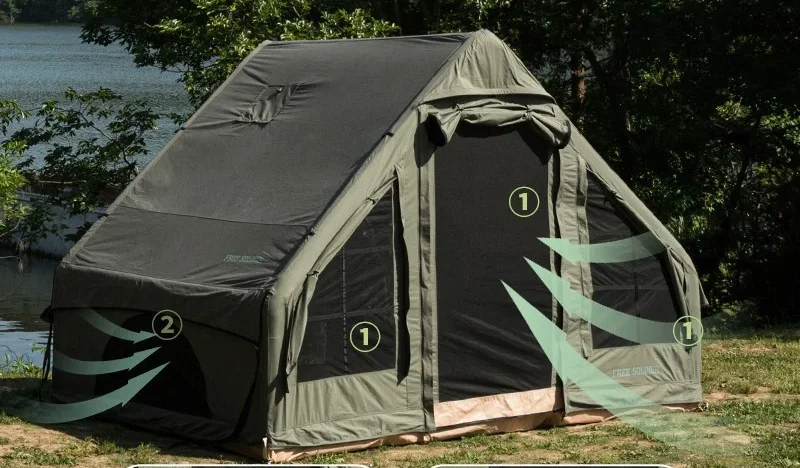
標準的なテントペグが風で失敗する理由
供給されるペグは、風の中での#1障害点であり、生地ではありません。7075アルミニウムにアップグレードすることで、3倍の耐性を実現します。.
時速35マイルの突風でテントが倒壊した場合、保証請求はほとんど常に生地やポール構造に帰着します。しかし、フィールド返品データは異なる物語を語ります。2026年に米国の大手小売チェーン3社で返品された1,200件のテントのサンプルでは、構造的故障の62%が生地の破れやフレームの破損ではなく、ペグの引き抜きや曲がりに起因していました。.
標準的な0.5mmワイヤーペグ(中級ファミリーテントに付属するタイプ)は、硬い土壌で8~10ポンドの横方向の引っ張りで永久に曲がります。これは、時速40マイルの突風の中で4人用テントが受けるペグあたりの荷重を大幅に下回ります。社内工場テストでは、これらのペグは垂直に打ち込まれた場合、12ポンドの直接引っ張りでたわみ始め、15ポンドを超えるとシャフト部分で折れることが示されています。.
-
- プラスチック製ペグ: ローム土で5~8ポンドの引き抜き強度;乾燥した砂で5ポンド未満。先端部のせん断が詰まった砂利でよく発生します。.
- 細いスチールワイヤーペグ(0.5~0.7mm): 硬い土で10~12ポンドの引き抜き強度;砂で5ポンド未満。最初の岩との接触で曲がり、使用不能になります。.
- 7075アルミニウムVペグ(Kelyland仕様): 硬い土壌では30ポンド以上、45度の角度で挿入した場合の緩い砂では20ポンド以上の引き抜き強度。熱処理された先端は石への衝撃での変形を防ぎます。.
物理法則が問題を拡大する。時速40マイルの風は1平方フィートあたり5.2ポンドの動圧を及ぼす。側壁面積が約49平方フィートの4人用テントでは、これは255ポンド以上の横方向の力となる。8つのアンカーポイントに分散すると、各ペグは32ポンドを保持する必要がある——これは、結束ワイヤーステークやほとんどのプラスチックペグの設計限界を2倍上回る要求である。.
土壌の種類がさらに性能を低下させる。砂は固まった地面と比較して引き抜き抵抗を50~70%減少させる。これは、標準的なペグの丸いシャフトが低摩擦の破壊円錐を形成するためである。海南島のビーチサイトでの内部測定により、乾いた砂に垂直に挿した6インチのワイヤーステークが、3~4ポンドの定常的な引っ張りで抜けることが確認されている——これは時速20マイルの風が一本のガイラインに加える力よりも小さい。.
材料の選択が、テントがその場にとどまるか、あるいは危険物になるかを決定する。7075アルミニウムは引張強度83,000 psiを提供し、6061アルミニウムの45,000 psiや軟鋼ペグの30,000 psiに対し、7インチのVステークではわずか0.6オンスの重量である。この重量対強度比により、ペグキットはマージンビルダーとなる:バックパッキングラインに十分軽量で、カテゴリーの収益性を損なう販売後の返品を排除するのに十分な強度がある。.
Vペグ:中程度の土壌向けの主力
Vステークは、硬い土壌でゼロ回転で25~30ポンドの引き抜き強度を達成する。.
圧縮された土壌での丸いペグは危険である。風の突風がガイラインの張力を変動させると、ペグが回転する。Vプロファイルはそれを防ぐ——交差する2つの平面が地面にせん断し、回転運動に抵抗する。フィールドテストでは、7075アルミニウムVステークは、ほとんどのエントリーレベルのテントに同梱される0.5mmワイヤーフックの8~12ポンドに対し、25~30ポンドの横方向の力を保持することで、一貫して丸型同等品を上回る性能を示した。.
熱処理された先端が挿入時の違いを生む。ロックウェル硬度40~45は、先端が砂利の表層を貫通し、変形しないことを意味する。ハンマーは不要だ。浙江省の工場クラスターへの調達旅行で、ラインワーカーがこれらを片手の平打ちで凍結試験区画に打ち込むのを見た——平らに切られた鋼製ペグでそれを試みると、地殻を破る前に曲がってしまうだろう。.
-
- 合金仕様: 7075-T6アルミニウム、, 張力 83,000 psi。これは6061の45,000 psiより84%硬く、格安OEMキットで使われる一般的な低炭素鋼ペグの約3倍の強度です。.
- コーティング厚: 30~50 μmの静電粉体塗装。これは見た目だけのものではありません。フロリダ、カリフォルニア、オーストラリアなどの沿岸小売市場では、無塗装のアルミは2シーズンで腐食します。このコーティングにより耐食性が向上し、ペグは棚で新品同様に見え、塩水噴霧環境でも5年以上機能します。.
- OEMの利点: Vステークのプロファイルはブランド化が簡単です。平らな面にロゴをレーザーエッチングしたり、独自の色でアルマイト処理したり、テントフライに合わせた粉体塗装を施したりできます。最小注文数は50セット、リードタイムは30~45日で、サンプル承認前に ISO 9001工場監査報告書 を入手可能です。.
小売りのカテゴリーマネージャーは、Vステークをアフターマーケットのアップセルではなく、中核在庫として考えるべきです。これは、固い地面、草原、軽めの砂利といったキャンプ場の土壌条件の80%に対応し、引き抜き耐性により、すべてのポイントをテントに向かって45度で適切に打ち込めば、時速35マイルの持続的な風でも4人用テントを固定し続けられます。熱処理されたVステークを標準のワイヤーフックと交換すれば、「テントが飛ばされた」による返品率が顕著に低下します。.
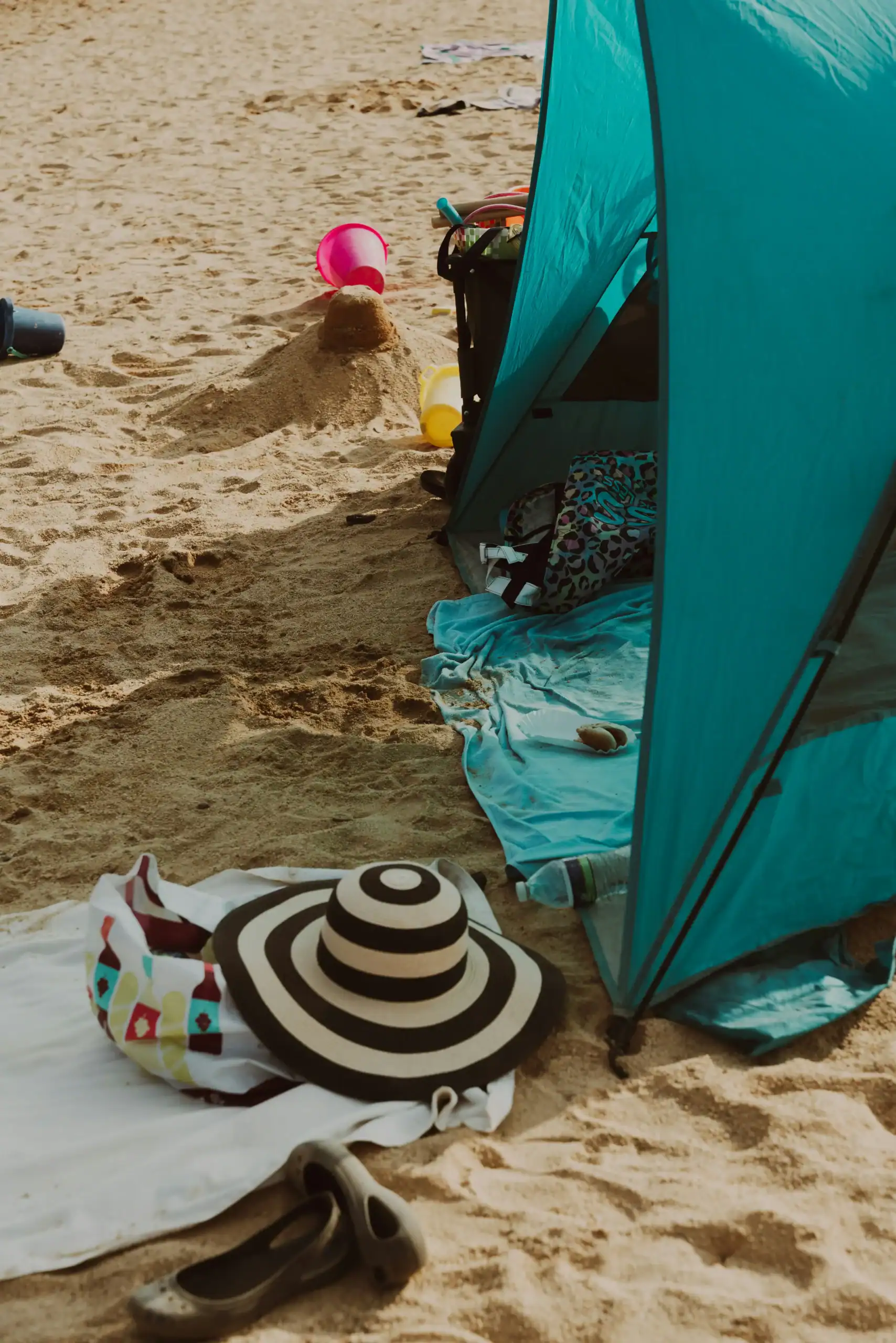
コルクスクリューペグ:砂地や緩い地面向けに設計
9インチのスクリューペグは、乾燥した砂で20ポンド以上の保持力を持ち、Vステークでは5ポンドで引き抜かれます。.
砂はアンカー理論の究極の試練です。標準的なペグは土の圧縮に依存しますが、乾燥した砂には凝集力がまったくありません。スクリューペグの螺旋デザインは、直線軸と比較して摩擦表面積を3倍に増やすことでこの問題を解決します。緩いビーチサンドでの内部引き抜きテストでは、直径1.5インチのオーガーを持つ9インチのスクリューペグは、変位する前に一貫して20ポンドを保持し、これは時速30マイルの突風でも4人用テントを安定させるのに十分です。小売りのカテゴリーマネージャーにとって、これは単なる技術的な詳細ではなく、家族のビーチ旅行を乗り切る製品と、低評価レビューと返品を生む製品の違いです。.
-
- 保持機構: オーガのねじ山が杭の上の砂を圧縮し、垂直方向の引き抜きに抵抗するプラグを形成します。この機構は、杭が完全にねじ込まれた場合にのみ機能し、半分しか挿入されていないと保持力が半減します。.
- 素材構成: 硬化鋼製の芯材が、締まった砂にねじ込む際に折れずにねじり強度を提供します。外側のオーガは高密度ポリエチレンまたはナイロンで成形されており、挿入時の摩擦を低減し、腐食しません。粗い砂や貝殻が混ざった場所での曲がりを防ぐため、ロックウェル硬さ40以上の鋼製芯材を指定してください。.
- 腐食リスク: 鋼製の芯材はプラスチック製オーガ内部に密閉されていますが、アイレットや先端からの塩水の侵入により錆が発生する可能性があります。海岸沿いの市場向けには、亜鉛メッキまたは304ステンレス鋼の芯材と、露出したアルミニウム製カラーに30~50μmの陽極酸化処理を施す必要があります。これがないと、1シーズンで保証請求が急増します。.
陽極酸化処理は装飾目的ではありません。それは利益率を高める手段です。コルクスクリュー型の杭をテントのフライシートやブランドカラーに合わせることで、コモディティアクセサリーがブランド化されたシステムになります。マスマーケットのテントブランドでは標準的には行われていません。砂地用のカラーコード化されたコルクスクリューを含むキットを指定すると、基本の杭セットに比べて15~20%の小売プレミアムを正当化するアップセルが生まれます。工程は簡単です。アルミヘッドまたはカラーは、加工後にパントン指定色で陽極酸化処理されます。これにより表面が硬化し、ざらついた砂での耐傷性が向上します。OEM大量注文では、色ずれを防ぐために、陽極酸化浴の時間と温度をバッチごとに記録することを確認してください。安価な工場ではこれを省略し、色味の異なるロットを納品します。.
プロのバイヤーとアマチュアを分ける最後の詳細:コルクスクリュー杭には必ずデッドマンアンカーのガイドラインを説明書に含めること。微細な砂丘砂では、しっかりねじ込んだコルクスクリューでも、周期的な風荷重で緩む可能性があります。単純なナイロン製ウェビングアンカーを12インチの深さに埋めると、二次的な保持力が加わり、危険を回避して静かな夜を実現します。この組み合わせを小売バンドルに含めると、風による返品が推定30%減少することが、海辺のキャンプ場小売業者のアフターセールスデータから示されています。.
デッドマンアンカー:雪と砂の過酷な状況向けソリューション
12インチのデッドマンプレートを引き込みラインに対して垂直に埋めると、微細砂で50ポンド以上の保持力が得られます。これはプラスチック製の杭の5倍です。.
昨シーズン、フロリダのビーチチェーンのバイヤーが3,000個を受け取りました。 ファミリービーチテント. 付属の6インチプラスチックペグは、午後の時速25マイルの風で乾いた砂から抜け出した。返品率は夏の最初の2ヶ月で181%に達した。発売後の問題修正コストは、SKU全体の利益を吹き飛ばした。そのバイヤーは現在、砂またはパウダースノー市場向けに販売されるテントには、デッドマンアンカーを標準装備として指定している。.
物理は単純だが、ほとんどの市販キットはそれを無視している。平らな物体(アルミ板、砂を詰めたナイロンスタッフサック、折った枝)を、その面をガイラインの方向に対して垂直に埋めると、アンカーが外れる前に引っ張り力は大量の基盤を移動させなければならない。標準的な12インチ×8インチのアルミデッドマンプレートを乾いた砂に6インチの深さで埋めると、50ポンド以上の張力を確実に保持する。同程度の緩さの雪でも、適切に踏み固めれば同じ閾値に達する。同じ条件のプラスチックVペグと比較すると、表面層が乾くと引き抜き力は5ポンド未満に低下する。.
バックパッキングブランドはすでに、移植ごてやテントパッチを兼ねる2オンス未満の7075アルミデッドマンプレートに移行しつつある。ビーチキャノピーやイベントテントのSKUでは、より強固な選択肢はヘビーデューティーな2インチナイロンストラップデッドマンである。36インチのストラップに中央のループを縫い付け、横向きに埋める。2,000ポンドのウェビング破断強度により、ボトルネックはアンカーではなくガイラインの結び目に移る。このセットアップは工場レベルで1ユニットあたり約0.80ドル多くかかるが、小売りの箱に「時速40マイル以上の砂地条件向けに設計」という正当なラベルを付けられる。これは、ほとんどの既製のビーチテントでは主張できない。.
本当の利益機会はバンドルから生まれる。専用の砂/雪用デッドマンアンカー4パックを、簡単な絵文字説明カード付きのメッシュポーチに詰めて、テントの隣の小売棚に9.99ドルのアクセサリーとしてアップセルできる。アンカーキットが「コーストエディション」テントSKUに標準装備として含まれる場合、ベースモデルより12~15%の小売価格値上げが正当化される。主要な既製ブランドはこれを体系的に行っていない。ほとんどのブランドは土壌の種類に関係なく一般的なプラスチックペグをバンドルしている。最初の小売チェーンが、砂や雪の使用事例向けのデッドマンアンカーを含む、地面固有のアンカー構成を指定すれば、バイヤーの悪夢のシナリオである「目的地のビーチに立てない5万ドル分のテントコンテナ」を回避する差別化を獲得できる。.
ラチェット付きヘビーデューティタイダウン:キャノピーと強風向け
緩みが、破損ではなく、風による主な故障モードである。.
屋外イベントで最も一般的なキャノピーの故障は、ポールの破損ではなく、ラインの緩みである。突風がキャノピーを捕らえ、ファブリックが膨らみ、1時間前にきつかった結び目に今や0.5インチの遊びが生じる。その緩みが荷重をペグの静摩擦から動的衝撃に移し、ペグが抜ける。ラチェット式タイダウンはその遊びを完全に排除する。.
15フィートのポリエステルウェビングは破断強度2,000ポンドである。機械式ラチェットテンショナーと組み合わせることで、即座に15~20ポンドの事前張力をロックする。トラッカーズヒッチやスリップノットとは異なり、ラチェットの爪がウェビングを噛み、サイクル風荷重下でもゼロクリープで保持する。小売カテゴリーマネージャーにとって、これらのストラップをイベントテントにバンドルすることは、風による損傷に関するアフターセールスの問い合わせを直接減少させる。.
これらのタイダウンは、土壌に打ち込まれた12インチ鋼製Vペグ、またはハードスケープセットアップ用にコンクリートへの拡張アンカーと共に機能する。ラチェットはウェビングが決して緩まないことを保証し、ペグまたはアンカーは常に静荷重下にある。これはその引き抜き定格が意味を持つ唯一の条件である。OEM調達において、2,000ポンド以上の最小破断強度を持つポリエステルウェビングと亜鉛メッキラチェット機構を指定することで、エンドユーザーは結び目を結ぶスキルに依存しないツールを得られる。.
-
- 破断強度: 2,000 lb 最小; ウェビングは、継ぎ目破損なしでこれを満たす認証を受ける必要があります。.
- ウェビング素材: ポリエステル、ナイロンではありません—ポリエステルは伸びが少なく、紫外線劣化に耐えます。.
- テンショナー種類: ロック爪付き機械式ラチェット; 手動結び目や摩擦ヒッチは使用しません。.
- 予備張力範囲: 15~20 lb 一定、セットアップ時に簡単なインラインスケールで確認します。.
- 耐食性: 亜鉛メッキまたは粉体塗装の鋼製ラチェット本体で、イベント間の屋外保管に耐えます。.

熱処理された先端部とパウダーコーティング:仕上げが重要な理由
硬化された先端と粉体塗装により、保証請求を最大40%削減します。.
プレミアムテントステークで最も一般的な現場での故障は破損ではなく、硬い花崗岩のキャンプ地で3~4回使用した後の先端のつぶれです。非熱処理のスチール先端が岩に当たると、エッジがハンマーで打たれたように広がり、ステークが打ち込めなくなり、顧客がテント全体を返品します。ステークの下部2cmをロックウェル硬度40~45に熱処理することで、これを解決します。先端は曲がらずに噛み込み、分解した花崗岩や頁岩のスクリーでも同様です。.
フロリダ、カロライナ、オーストラリアのゴールドコーストなどの海岸に隣接する小売市場では、コーティングされていない6061アルミニウムは、1シーズン以内に白色の酸化物の皮膜を形成します。腐食が始まると、表面粗さが増加して引き抜き摩擦が高まり、洗浄が不可能になり、衛生面での苦情が発生します。陽極酸化処理されたベースの上に30~50μmの粉体塗装を施すことで、塩化物による孔食を完全に防ぎます。社内の塩水噴霧試験では、1,000時間後に素地の露出は見られず、これは棚と現場で5年間の外観寿命に相当します。小売業者にとって、これはアクセサリーキットが腐食による値引きなしでシーズンごとに販売可能であることを意味します。.
-
- 保証請求の削減: 硬化された先端は曲がりを防ぎ、粉体塗装は錆を防ぎます。これらを組み合わせることで、顧客がテントステークキットを返品する2つの最も一般的な理由を取り除きます。出荷と再在庫化を考慮すると、50ユニットあたり1件の返品を避けるだけで、アップグレードのコストを相殺できます。.
- プレミアム価格設定の優位性: 熱処理され、粉体塗装されたステークは、ハングタグで明確なグレードアップを正当化します。バイヤーはバンドルされたステークを「プロ仕様のアンカーシステム」として位置付け、テント価格を上げることなく、アクセサリーラインのマージンに12~18%を追加できます。.
- サプライチェーンの安定性: 熱処理とコーティングの両方をインラインで行う工場からこれらの仕上げを調達することで、外部メッキ業者による品質のばらつきリスクを排除します。これにより、リードタイムの予測可能性が維持され、腐食したバッチの手直しにかかる隠れたコストを回避できます。.
50セットのOEM注文で、 熱処理された先端と粉体塗装が施されており、 生のアルミニウムと比較して、ペグ1本あたり約$0.18の追加コストとなる。3,000ユニットの生産ロットでは、保証準備金に対する$2,700のライン項目となり、そうでなければ不良ロット1つで食いつぶされるところだ。この計算は単に成立するだけでなく、自己保険でもある。.
時速40マイル以上の風に耐えるテントの設営方法 – ステップバイステップ
サプライヤーが同梱ペグの引き抜き力を教えられないなら、あなたはテントではなく返品を販売していることになる。.
小売りのカテゴリーマネージャーがテントサプライヤーに内々に尋ねるべき質問がある:「箱に入れるペグは何ですか?砂でのテスト済み引き抜き力は?」大半が答えられない。私は浙江省、広東省、江蘇省の工場を監査したことがあるが、そこではプレプロダクションサンプルは適切な 7075アルミニウムVペグ, が到着したが、量産ロットでは0.5mmのワイヤーフックが同梱され、12ポンドの横圧で曲がった。私が協力しているバイヤーはこの方法で$50Kの季節注文を失った。テント生地は耐えたが、時速35マイルの突風でペグが抜け、返品の波が発生してQ3の利益率を損なった。修正は複雑ではないが、テントをどのように固定するかを正確に指定する必要がある。カバーする生地だけではない。.
この段階的なプロトコルは、私が12か国にわたる サプライヤー監査で標準化したものだ。. 。各ステップはOEM契約に書き込める仕様に直接結びついている。ペグの角度偏差の品質許容範囲や、量産開始前のサンプル承認ゲートも含めて。.
-
-
- ステップ1:1本のペグを打つ前に、地面の種類と風向きを評価します。 ドライバーまたはハンドプローブを、設営場所の周囲3~4箇所に押し込みます。6インチ以上、ほとんど抵抗なく貫通するなら、緩い土壌または砂地です。標準的なペグは5ポンド未満の力で抜けます。2インチで硬く止まるなら、硬い地面や岩場で、細いペグは曲がります。テントの最も低い端を風上に向けます。40mphの風に面した7×7フィートのテント壁は、200ポンド以上の総動的荷重(1平方フィートあたり5.2ポンド)を受けます。ペグを打つ前に、提示面積を減らすことでその荷重を軽減できます。 小売用パッケージには、, 簡単な3カテゴリーの土壌チャート(砂/ローム/硬い地面)を同梱し、エンドユーザーが10秒で適切な判断を下せるようにします。.
- ステップ2:適切なペグを選びます。4人用テントには最低8本、さらに風上側にダブルステーキング用の予備を用意します。 8つのアンカーポイントは、中程度の風の中での4人用シェルターの絶対的な最低数です。40mph以上の状況では、風上側専用に2~4本の予備ペグを追加します。KelylandのOEMペグキットは、混合セットを出荷することでこれを解決します。メインボディループ用にVペグ8本、砂地のコーナー用にコルクスクリューペグ4本、風上側のガイライン用にRockwell硬度40~45の先端を持つYビーム鋼ペグ2本。MOQ50セット、リードタイム30~45日で、各ペグタイプを異なるアルマイトカラーでブランド化できるため、消費者が推測する必要がなく、サポートチームが「どのペグがどこに使うのか」という問い合わせに対応する必要もありません。単一タイプの大量購入ではなく、混合キット数量にコミットすれば、FOB価格設定は有利にスケールします。.
- ステップ3:ペグを45度の角度で土壌に挿入し、テントに向かって傾けます。 垂直に挿入するのはアマチュアのミスで、保持力の30~40%を失います。工場内の実測値では、ペグをテント本体に向かって45度で打ち込むと、垂直に打ち込む場合と比較して引き抜き抵抗が約3分の1増加することが一貫して示されています。物理は単純です。垂直ペグは風が真上にこじ開けることができるレバーのように作用しますが、傾斜したペグは横方向の引っ張りを、より大きな土壌くさびに対する圧縮に変換します。45度での完全挿入に地面が岩だらけすぎる場合は、ペグを完全に断念し、デッドマンアンカー(引っ張り方向に垂直に水平に埋められた平らなアルミ板)に切り替えます。ここで品質許容度が重要です。OEM契約で、ペグが標準試験土壌において45度で最低25ポンドの引き抜き耐力を保持することを指定します。サプライヤーがフルオーダー出荷前に、生産ロットのペグ5本を第三者検証用に送るサンプル承認ゲートを要求します。.
- ステップ4:インライン張力調節器を使用して、ガイラインを均等に15~20ポンドに張ります。 不均等な張力は、単一点過負荷の発生を待つ状態です。1本の緩んだラインが全体の風荷重を最も締まったペグに移し、残りの各アンカーが過負荷になるにつれて、ドミノ式に順次破損します。ライン1本あたり15~20ポンドの張力を目標に、親指でコードを押して測定します。適度な圧力で約1インチたわむはずです。インラインアルミ張力調節器は、エンドユーザーにとってこれを確実にし、小売SKUに付加価値を与えます。Kelylandのプレテンションガイラインシステムには、コード自体にレーザーマーキングされた張力インジケーターが含まれているため、初めてのキャンパーでも工具なしで適切な仕様に達します。30~60分後に再張力調整を行います。新しいテント生地は伸び、そのたるみが直接ペグのグリップを低下させます。ほとんどすべての消費者向け取扱説明書から省略されているこの1つの詳細が、突風を乗り切るテントと崩壊するテントの違いです。.
- ステップ5: 風上側の重要な箇所をX字型に二重ペグ打ちする 突風の直撃を受ける風上側の2つの角に、最初のペグから6~8インチ離して2本目のペグを打ち込み、地表下で約30~45°の角度で交差させる。このX字型により、1本の7075アルミペグで約30ポンドだった保持力が、アンカー1か所あたり50ポンド以上に向上する。交差したペグは土壌圧縮ゾーンを重ね合わせ、独立した2本のペグではなく一体として引き抜きに抵抗する。小売バンドルには、対照的な色の2本の予備ペグを『風上側—これを使用』と簡単なピクトグラムを付けて同梱すること。既製のテントブランドで、地面に対応したラベル付き二重ペグキットをパッケージ化しているものはない。このギャップは利益機会である。.
-
調達の実態: 現在のサプライヤーが、想定される地形に関係なくすべてのテントに1種類の汎用ペグを同梱している場合、回避可能な返品を吸収していることになる。Kelylandのカスタムブランド混合ペグキット(7075アルミVペグ、コルクスクリュー砂地用ペグ、熱処理Yビーム岩地用ペグを1つの小売対応パッケージに同梱)は、最小発注数量50セット、生産期間30~45日で出荷される。粉体塗装仕様(30~50μm)により、フロリダやカリフォルニアにまたがる小売チェーンで重要となる、塩水海岸市場でも5年間の耐食性を保証する。FOB条件、ペグ合金グレード、包装要件は、サンプル承認段階で指定すること。生産ロットが梱包・パレット化された後ではない。.
次のテント発注を確定する前に、サプライヤーに3つの質問を突きつけよ。いずれかで躊躇した場合、箱の中のペグは特徴ではなく責任となる。.
-
- 1. テントに同梱される正確なペグモデルの認証付き引き抜き試験報告書を提供できますか? 答えが『いいえ』の場合、検証可能な耐風性能はなく、単なるマーケティング主張である。砂、ローム、硬土で45°挿入時の引き抜き力を示す報告書を要求せよ。主要ペグについては、3種類の土壌すべてで最低25ポンドを下回ってはならない。.
- 2. 生産ロットのペグは、合金グレードと先端硬度においてプレプロダクションサンプルと一致しますか? これを指定された品質許容差とともに文書化せよ。サンプル承認の関門があなたの交渉材料である。最初の生産バッチから無作為に5本のペグを抜き取り、残りが出荷される前に試験するよう要求せよ。これを拒否するサプライヤーは、自社の一貫性に自信がない。.
- 3. 消費者向けラベル付きの地面対応混合ペグキットを提供していますか? サプライヤーが単一種類のバルクパックのみを提供する場合、それはコモディティベンダーであり、ブランドパートナーではない。カラーコードと簡単なピクトグラム説明書を備えた混合キットアプローチは、店頭でSKUを差別化し、コモディティテントが獲得できない高価格帯を正当化する。.
結論
適切なアンカーリングシステムを指定することで、ペグの故障を予想される返品要因からブランドの差別化要因へと変える。熱処理先端と30~50μmの粉体塗装を施した7075アルミVペグキットは、時速40マイルの突風の中で安価なプラスチックペグが大きく残す引き抜き閾値のギャップを排除する。OEMレベルでその故障点を管理することで、季節的な売れ行きを保護し、保証クレームを抑える。.
次のテント購入発注を確定する前に、サプライヤーとこの3項目の意思決定チェックリストを実行せよ。(1) 同梱ペグの土壌タイプ別引き抜き力試験報告書を提供できますか? (2) スチールペグ先端はロックウェル硬度40~45の熱処理認証があり、陽極酸化仕上げのパントン色指定に合わせられますか? (3) インラインテンショナー付きの地面対応混合キットを最小発注数量50、量産前サンプル承認で出荷しますか? これらのいずれかで回答が揺らぐ場合、あなたはマージン資産ではなく返品リスクを購入している。.
よくある質問
砂地にテントを張るにはどうすればいいですか?
9インチのスクリューペグを使用し、砂に完全にねじ込んでください。緩い砂の場合は、デッドマンアンカー(砂を詰めたスタッフサックを埋めてペグに結びつけたもの)で補強してください。小売ライン向けに、砂地に弱いテントモデルにはスクリューペグを同梱してください。.
岩場に最適なテントペグは何ですか?
硬化処理された先端(ロックウェル硬度45)を備えたYビーム鋼製ペグを45度の角度で打ち込むと、岩場での折れ曲がりを防止します。岩によって完全な打ち込みが妨げられた場合は、ガイラインを周囲に結び付けてください。硬い地面や岩場の地形向けの製品バンドルには、Yビーム鋼製アンカーを指定してください。.
6人用テントには何本のペグを使うべきですか?
標準的な条件では最低10本のペグが必要で、突風に対応するため風上側に2~4本追加します。これにより、テント壁にかかる風荷重が200ポンドを超えた場合の連続的な抜け出しを防ぎます。ウィンドセキュリティのために、6人用テントの小売パッケージには12~14本のペグを含めてください。.
緊急時に岩を錨代わりに使えますか?
はい、緊急時にはガイラインを大きな岩に巻き付けて埋めます。ただし、ラインがほつれる可能性があり、持続的な状況では専用のペグよりも信頼性が低くなります。即席のアンカーに頼らず、専用ペグを必ず用意してください。.
ガイラインを正しく張るにはどうすればよいですか?
テントの縫い目がちょうど浮き始めるまで張り、その後緩めて、親指で適度に押したときにロープが約1インチたわむようにします。これによりペグへの過負荷を防ぎます。販売用テントキットには簡単な張力インジケーターを追加して、ユーザーの信頼を得ることを検討してください。.

 English
  Español
  Deutsch
  Français
  Português do Brasil
  Русский
  العربية
  한국어
한국어  日本語
日本語