 跳到内容
跳到内容 
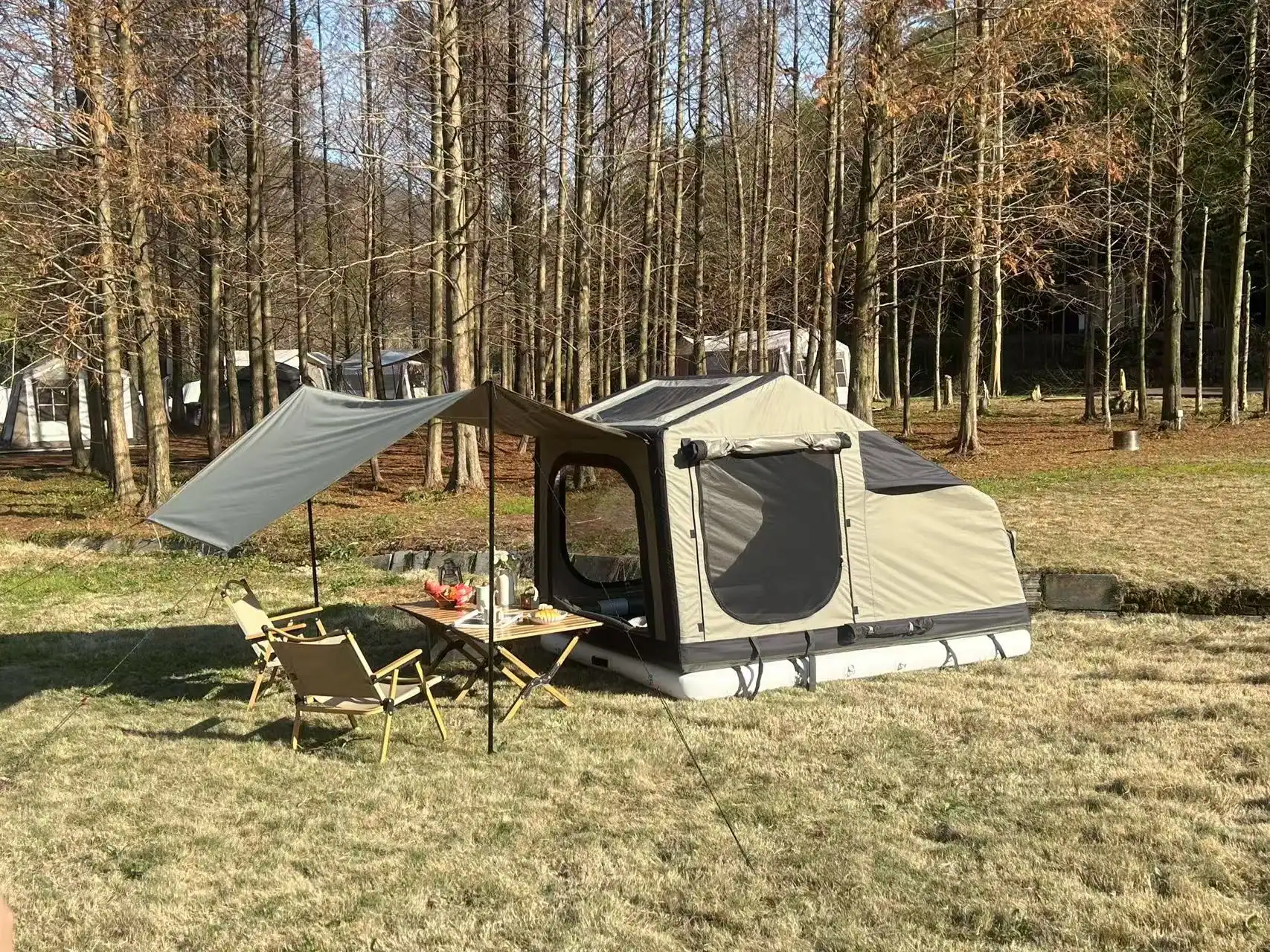
インフレータブルテントのアンカー機能は、バイヤーがサプライヤー、予算、生産枠を承認する前にまず確立すべき第一関門です。シベリアの専門店でインフレータブルテント2テントが入荷しました。同じ床面積、同じ膨張高さ、同じ TPUチューブ仕様 ポルトすると、片方はもう一方より30%高いです。その差は生地やブロアにあるのではなく、テントが凍った地面とどう接するかです。手頃なユニットは周囲に等間隔で8つの標準的な stake ループを使用しています。高額なユニットは12の補強アンカーポイントを備え、側面ごとに2つ余分に配置されており、これらは積雪荷重と横風せん断に特に対処するものです。この形状の変更こそが、突風が時速80kmに達した際に構造を支え続ける理由です。.
ロシアの冬Conditions向けのインフレータブルテントを調達する誰にでも現実を告げると:ほとんどの工場はエアーフレームが圧力に耐えるまでテストし、完了とします。アンカーリング部品は後回しにされ、最後の瞬間に汎用の stake の袋を詰め込むだけです。$50Kの注文は、生産前サンプルが完璧でも、量産時に補強ウェビングループが標準の単一ステッチパッチに置き換えられたため失敗しました。バイヤーはヤクーツクの凍った湖で3つのテントが moderate な嵐の間浮かび上がるまでこれに気づきませんでした。極地グレードの機器のサプライヤーを選定する際、アンカーポイントの配置と-30Cでの素材の柔軟性は、データシート上のいかなるエアーチューブ仕様よりも重要です。.
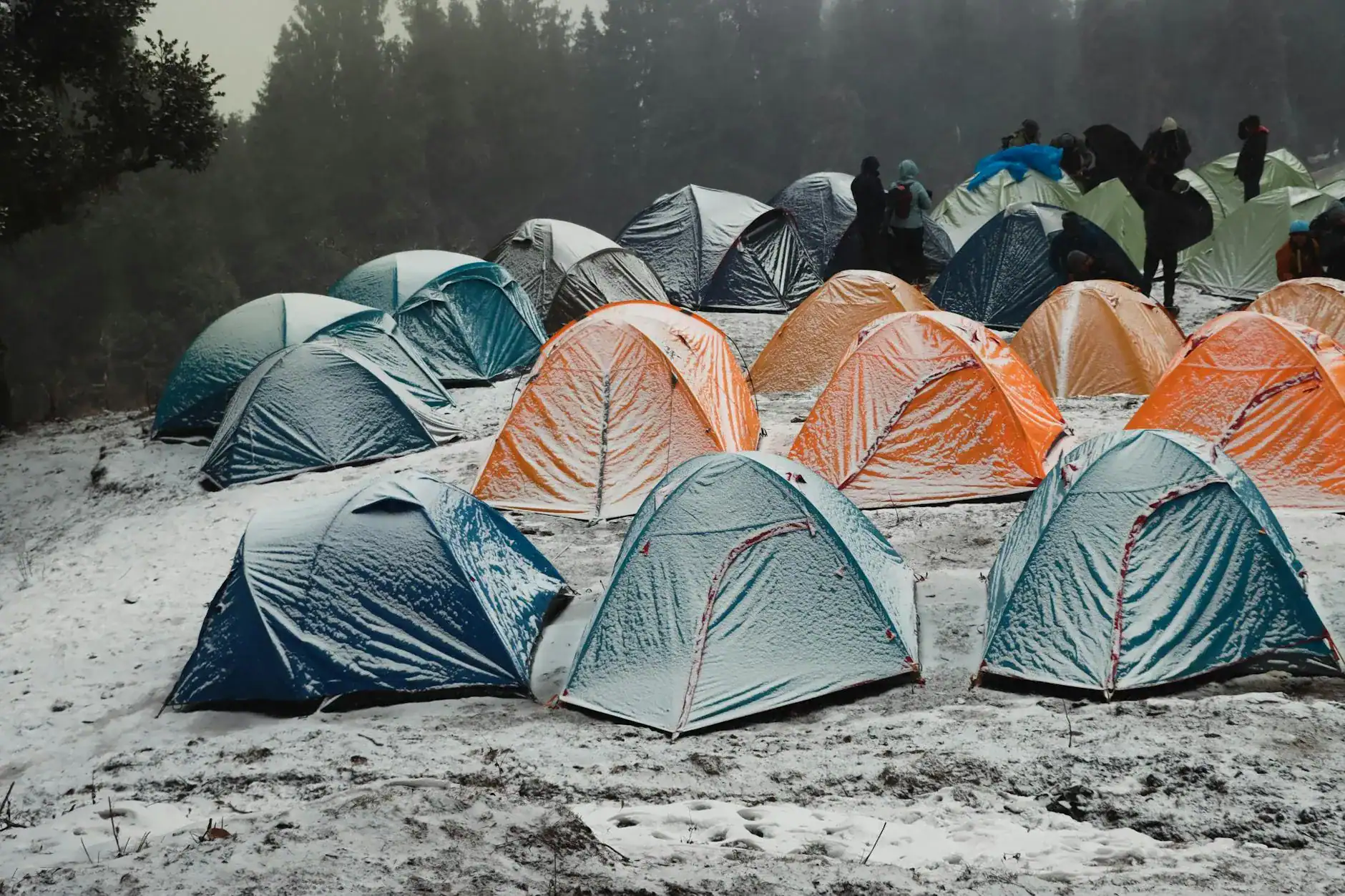
なぜアンカー機能の失敗が冬季テント被害の主な原因#1なのか
冬用インフレータブルテントの倒壊事例の約70%は、生地やフレームの欠陥ではなくアンカーの破損が原因です。.
4m × 6mのインフレータブルテントに50 kg/m²の雪荷重が掛かると、垂直方向に約1,200 kgの力が生じます。この重さだけではエアビームは崩壊しません — アエアビームはこれらの閾値を超える静荷重に耐えられるよう設計されています。実際の問題は、風がこの構造物に横向きに力を加え始めたときから始まります。時速80 kmの突風は約0.5 kN/m²の側圧を生みます。これに雪の重みが加わると、テントは潰れるのではなく滑り落ちます。あるいは片側が持ち上がり、アンカーポイントが引き剥がれて引き裂かれます。.
積雪の流動性は荷重分布を変化させる
雪はドーム型やトンネル型のインフレータブルテントに均等に堆積しません。風上側にはドリフト(吹き溜まり)が生じ、数時間で局所的な荷重が2倍になることもあります。単一の Ridge line(峰線)を持つトンネルテントでは、雪が風上側壁に積み上がり、構造物全体に加ねる作用(トルク)を生む非対称な荷重となります。エアビームは耐えても、床のアンカーパッチは設計上の想定を超えた集中応力を受け — 特にハードポイントの形状によっては、ひずみが単一シームに加わることもあります。.
事例研究:シベリアの出費業者は1回の嵐で12テントを失った
バイカル湖付近で事業を展開する業者が、2026年初頭に冬期遠征キャンプ용으로14基のインフレータブルトンネルテントを展開しました。予報では雪深さ40 cm、風速60 km/h以下と予想されていました。しかし実際に襲ったのは、65 cmの湿った雪と3時間にわたる最大時速85 kmの突風でした。テント12基が倒壊しました。事後分析ではビームの故障はゼロ — すべてのエアチューブは加圧状態を保っていました。失敗の連鎖プロセスは統一されていました:雪のドリフトが一側を負荷過重にし、テントが段階的に移動し、-32°Cという低温でPVC基材の柔軟性が失われる中、スタックループが床生地から引き剥がれ、その後構造全体が転覆しました。.
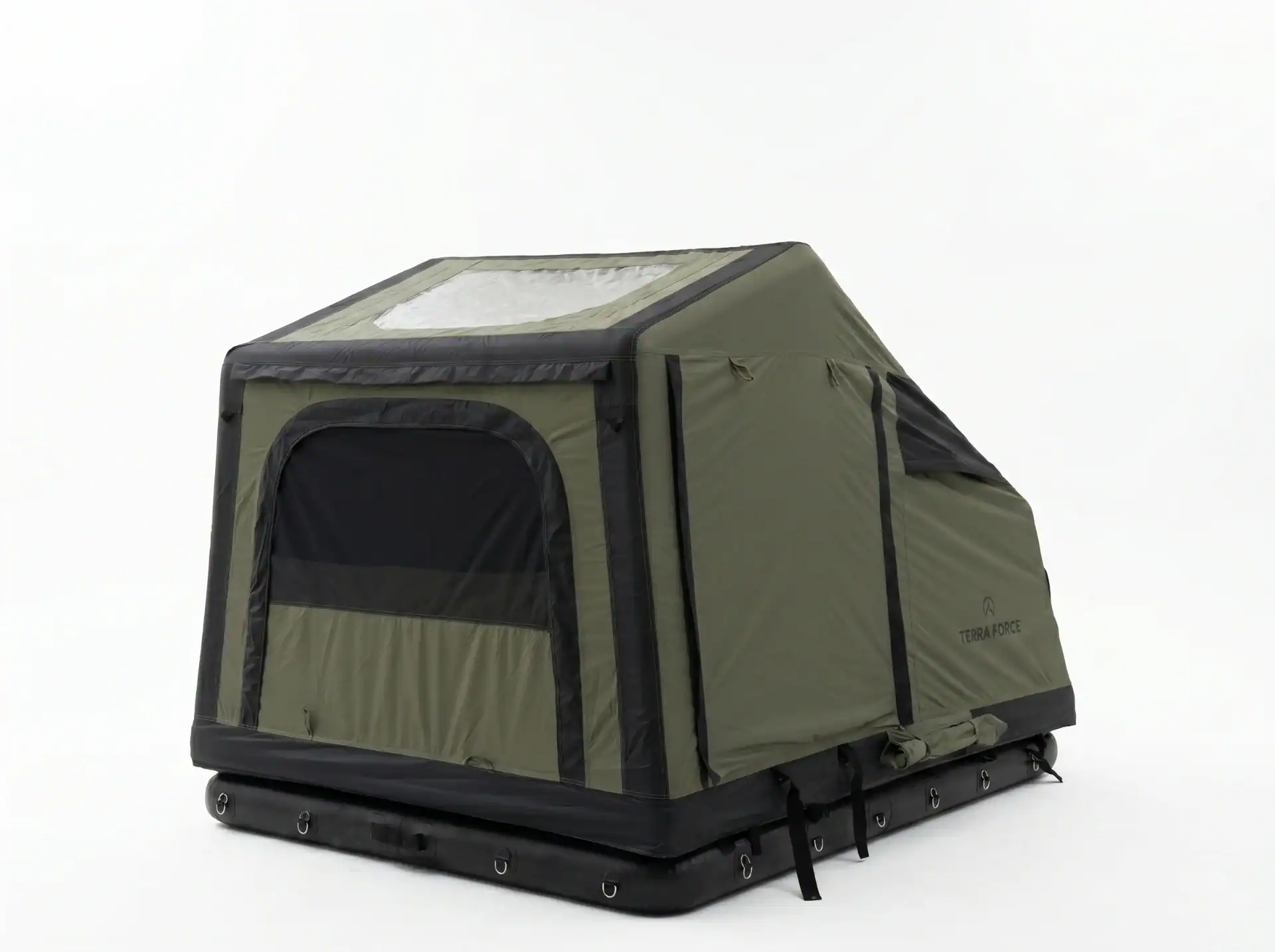
ロシアの冬に対応するための重要な風荷重・積雪荷重仕様
50 kg/m²の積雪荷重耐性は、シベリアの冬季環境における最低基準です。.
購買者が「テントが倒壊した」と電話してきたとき、根本原因はほとんどがインフレータブルフレームではありません。まずアンカーが失敗し、その後構造物がゆがんでシームで引き裂かれます。ロシアの冬季には、データシート上のどの数字よりも重要な二つの指標があります:それは積雪荷重と風速です。.
最小積雪荷重:50 kg/m²
ロシアの仮設構造物建築基準では、積雪荷重の最低値を1平方メーターあたり50 kgと推奨しています。これはSI単位を好む技術者にとって約490パスカルに相当します。30 kg/m²定格の標準的な3シーズンテントは、重く湿った雪の下で6時間後に変形します。インフレータブルアーチは耐えても、屋根パネルがたわみ、水たまりができ、生地がアンカーパッチから剥離します。.
シベリアやカムチャッカで数週間設営しっぱなしのインフレータブルテントについては、工場からの静荷重テスト映像を必須とします。ルーフパネル全体に評価荷重の1.5倍のサンドバッグまたはウォーターブラッダーを分散載荷した映像です。サンプル承認段階でこの映像を作成できない供应商であれば、取引はお断りします。.
風速耐久等級:80km/hが最低ラインである理由
標準的なドームテントは、風速60km/hの持続風でほぼ破綻します。それ以上の突風が吹き付けると構造物が振動し、アンカーポイントの1点が外れると、約1分以内に8つの全てのコーナーで故障が連鎖します。ロシアの冬季展開、つまり开阔なツンドラ、凍結した湖面、風当たりの激しい尾根筋といった環境では、最低風速耐久等级を80km/hと设定しています。.
それはつまり、全てのSKUごとに風洞报告が必要だと言う意味ではありません。ただし、供应商が自社独有的ドーム形状やトンネル形状の空力抗力をモデリングしているかを検証する必要があります。トンネルタイプのインフレータブルテントはドーム型よりも横向きの表面积が広く、风の当たり方が异なり、ガUYラインの几何配置も异なった设计が必要です。.
供应商の仕様书と现场实况の见比べ方
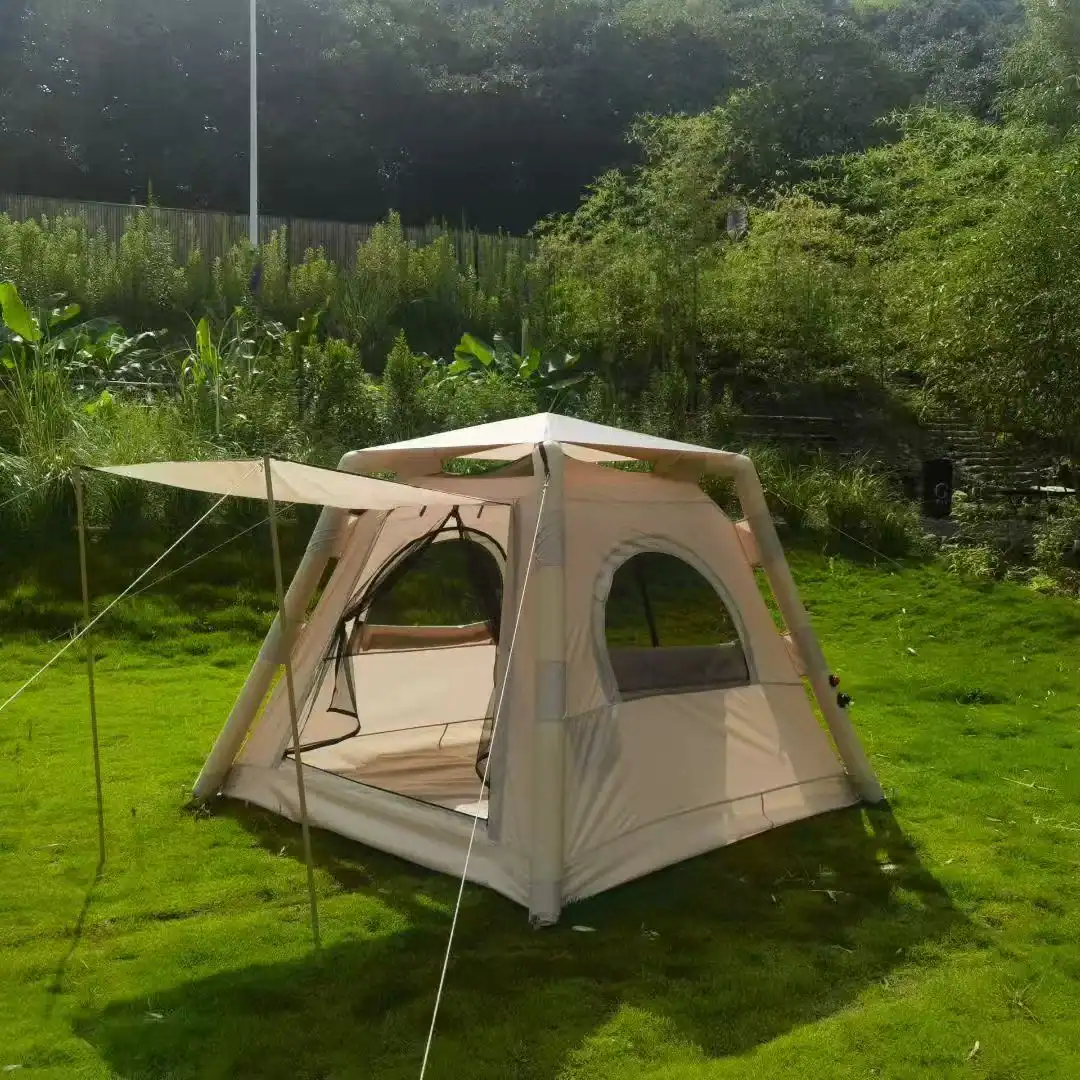
アンカーシステム比較: 凍結地面で機能するのはどれか?
中国の工厂のほとんどはインフレータブルフレームの耐风テストのみ実施し、アンカーリング(固定)はテントが飛ばされてからようやく后回しにされるのが実情です。.
冻土は全てのアンカーリングシステム的计算式を変えます。夏の土壌で功能する标准的な8インチのアルミペグは、地面が30cm以上も坚く冻结了場合には役に立ちません。选择できる方法はその3つだけで、それぞれに特有の用途があります。.
スノーペグ:永久冻土上の固まった雪に適した固定法
长めのスノーペグ(300〜600mm)は、永久冻土や坚い地盤の上に40cm以上の固まった雪がある情况下で効果を発揮します。これらは垂直方向への喰い込みではなく、横方向の摩擦抵抗に頼ります。アルミまたは硬化钢製のものを使用してください。标准的なナイロンのペグでは、持続风によるガUYラインの横方向荷重に屈曲してしまいます。.
-
- ペグの長さの规则: 天幕スパンが4mのテントの場合、ペグは最低400mmが必要。短いペグは雪の漂動荷重に耐えられず引き抜けてしまいます。.
- 角度の原則: テントから45度傾けて打ち込み、垂直に打たないでください。垂直なペグは強風による持ち上げ力に対抗できず、剪切り破壊が発生します。.
デッドマンアンカー:深雪での唯一の選択肢
凍結した地面がなく、ただ何メートルものパウダースノーがある状況では、デッドマンアンカーが唯一信頼できる方法です。砂入りのサンドバッグ、雪で満たしたPVC管、専用デッドマンバッグを、ガイエラインのベクトルに対して90度の角度をつけ、最低60cmの深さに埋め込みます。保持力は地面の摩擦ではなく、埋設物の上部にある雪の質量によって発揮されます。.
アイススクリュー / スクリューインアンカー:高い保持力、適用条件は限定
アイススクリュー(登山で用いられる全ねじチューブタイプ)は、アンカーポイントあたりの保持力が最も高く、固い氷では1,000kgを超えることもあります。しかし、厚さ15cm以上の裸の氷、または非常に硬く凍結した地面が必要です。凍結深さが不均一な混合状態では、ねじ込み式アンカーはグリップできずに回転してしまいます。.
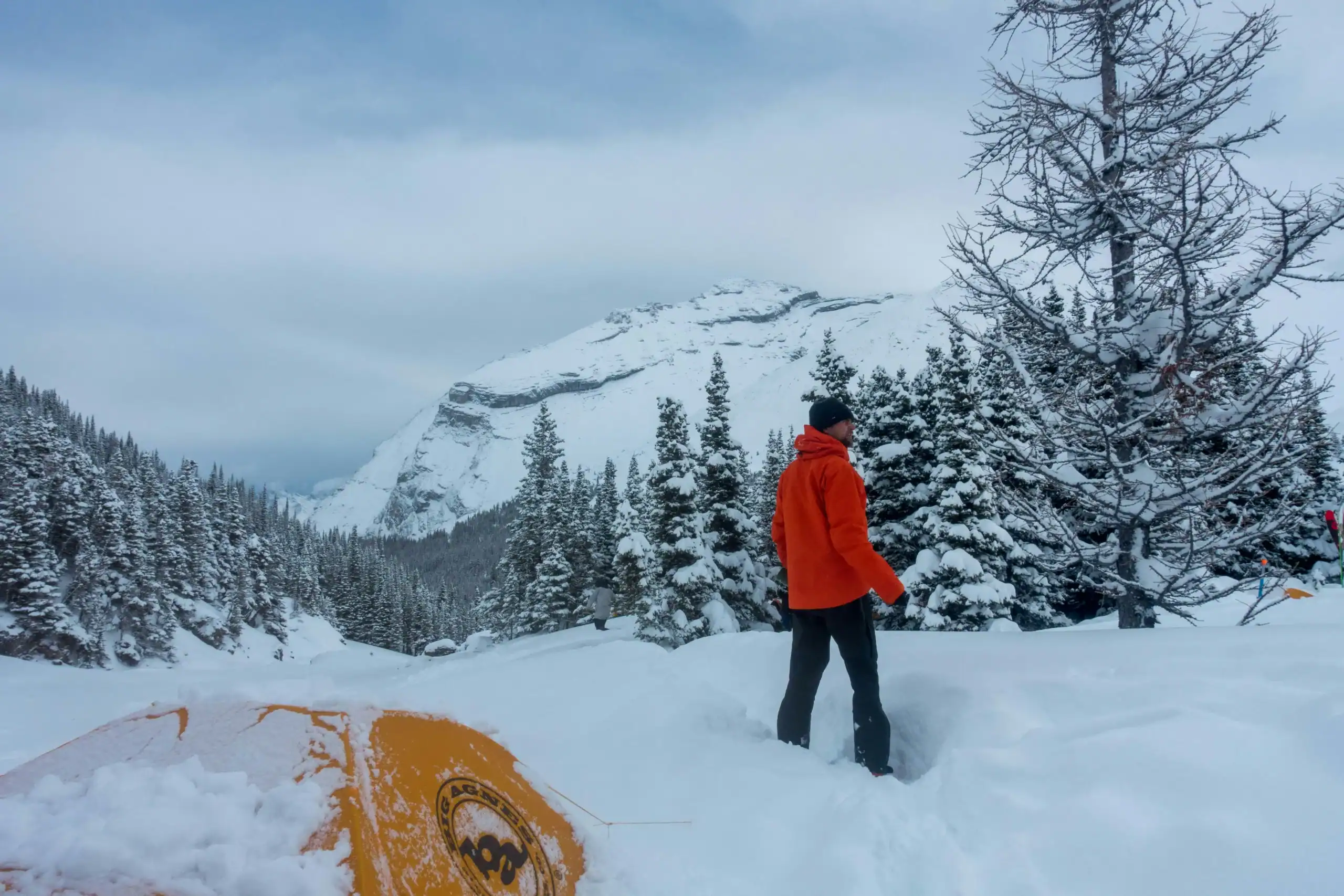
工場監査時のアンカーハードウェア品質の検証方法
多くの工場監査ではハードウェアは軽視されます。.
テント工場に足を踏み入れると、フレームは漏れ圧力テストで膨らまされ、シームシーリングは光で点検され、生地は張力試験機で引っ張られているのを目にします。しかし、あなたが頼まない限り、アンカーハードウェアがテストされているのを見ることはできません。ペグ、ウェビングループ、収納バッグは、しばしば低コストの付属品として扱われます。ロシアの過酷な冬環境では、これらが「テントがその場に留まるか」「$50Kの注文が凍った湖の上を引きずられていくか」を分ける決定的な要素となります。.
ペグ素材:亜鉛めっき鋼 vs アルミ合金
中国の工場は重量が軽く、FOB価格での単価も安いことから、デフォルトでアルミ合金 stakes(杭)を採用します。これは夏場の車中泊キャンピングには適しています。しかし、ロシアなどの冬場用途では、stakes が凍結した地面や固まった雪に打ち込まれるため、繰り返し衝撃を加えられるとアルミは曲がってしまいます。耐食性を高めるために溶融亜鉛めっき鋼を使用すれば強度は担保されますが、めっき層が薄い場合は腐食リスクが生じます。stakes のバッチに対する72時間食塩霧試験の結果を確認することで、そのめっきが1シーズンだけ持つか、それとも5年持続できるかがわかります。サプライヤーが食塩霧試験レポートを提示できない場合は、2年目にコーティングが剥離すると想定してください。.
ウェビングの引張強度:500kg床版基準
stake ループとテント本体を接続するウェビングストラップは、突風や雪どまりによる荷重の全転送を受け持ちます。冬仕様インフレータブルテントの業界標準では、25mmポリエステルのウェビングに最低500kgの破壊強度が要求されます。検査時に 工場監査, 、現生産品からサンプルストラップを持ってきて実機の引張試験を見せてほしいと依頼してください。事前に切断されたデモ用ではなく、実際の生産品を使用させましょう。ステッチ目がどこから壊れるかを観察します。ウェビングが400kgに達する前に糸が断裂する場合、そのサプライヤーは3シーズン対応テント用の標準的な糸本数(スジ本数)を使用しています。.
ストレージバッグのデザイン: mud(泥)、salt(塩)、そして凍結したハードウェア
“Kelyland Outdoors の Hanke Chen は語ります。「多くのバイヤーは、倉庫が錆の匂いでもしても気づきません。 crew が泥や塩結晶が付着した stakes を乾燥させることなく収納バッグに戻すと——そして彼らは決して乾燥させません——密閉されたナイロンポーチ内部で腐食が加速します。」解決策はシンプルですが、 rarely 指定されません。stakes バッグのデザインにメッシュ排水パネルを組み込み、水分が金属表面に溜まるのではなく逃げられるようにすることです。Kelyland の提携工場では、サンプル承認段階でこのカスタマイズオプションを標準として提供しています。.
500個の大量発注前のテスト要件
50kg/m² の静荷重試験により、データシートには記載されない構造的な故障を明らかにできます。.
工場からの静荷重試験動画の依頼
500個への発注を決める前に、サプライヤーに屋根パネルへの積雪荷重を模擬した静荷重試験の動画撮影を依頼してください。50kg/m² という荷重(約50cmの新しい粉雪に相当)を、膨張した構造全体に均等にかけて試験します。多くの中国工場はインフレータブルフレームの試験のみを行い、アンカーリングは後回しになります。しかし「テントが飛んでいった」というクレームが入ってからでは遅すぎます。生地裁断が始まる前までに、1辺ごとに補強された stakes ループを2つ追加するのは標準的なチェックです。ISO 9001:2015 に準拠する提携工場を持つ Kelyland Outdoors では、この試験映像を量産前のサンプル承認プロセスの一環として手配可能です。.
ドーム型とトンネル型の風洞データまたはCFDレポート
風洞データ — または最低限、計算流体力学(CFD)レポート — は、持続的な突風下でのテントの挙動を予測するのに役立ちます。 ドーム型 テントはトンネル形状と大きく異なり、ドーム型は風を表面沿いに誘導するのに対し、トンネル型は横風を受け止め、ガイラインが適切に張られていないと浮き上がる可能性があります。インフレータブルテントの耐風速度スペックは理想的には80 km/h以上を求めましょう。サプライヤーがCFDデータの提供をためらう場合は、一般的にシミュレーションを実施していないことを意味します。Kelylandのネットワークにはドーム型およびトンネル型のインフレータブルテントを両方製造する工場が含まれているため、風の荷重要件に応じてジオメトリを適合させることができます。.
反射マーカ付き интеграл なガイラインテンショニングシステム
ブリザード時には視認性がほぼゼロになります。標準的なガイラインは不可見です。テントは、反射マーカがウェビングに直接縫い込まれたインテグラルなガイラインテンショニングシステム付きで出荷されるべきです。これにより、ホワイトアウト条件でもチームが方向感覚を失うことなくアンカーを設置できます。テンショニングシステムはクイックリリースが可能である必要もあります — 凍えた手では結び目がうまく扱えないためです。Kelylandでは、25 mm〜38 mmポリエステルウェビングからステークアウトストラップをカスタマイズでき、また極低温モデル向け製品ラインで指定されているように、応力集中ゾーンをTPUオーバーレイで補強することができます。.
Kelyland Outdoors のアンカー機能テスト方法
ほとんどの工場はインフレータブルチューブをテストしています。.
シベリアのアウトフィッターは昨年1回の嵐で12テントを失いました。インフレータブルフレームは保持しましたが、アンカーポイントは床生地から引き剥がされました。これが購入者から冬用テントの故障について連絡があった際によく見られるパターンです。ほとんどの中国工場は空気フレームの圧力とシーム溶接をテストした時点で完了とし、アンカーハードウェアについては高を括っても視覚チェックをする程度です。.
物理的テストに対応するパートナー工場の能力
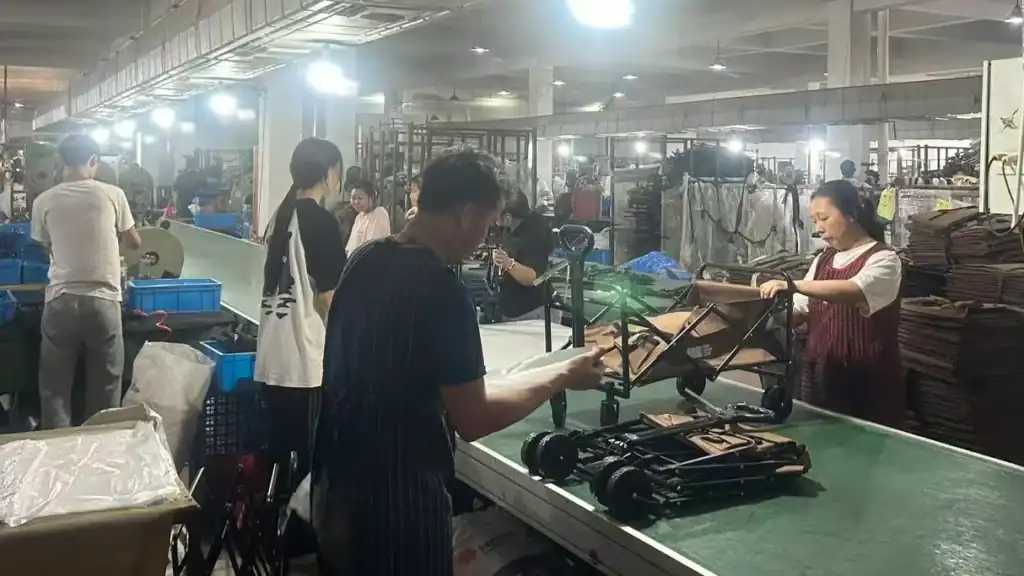
Kelylandが寧波で提携するテント工場には、ウェビングやアンカーパッチを検証済みの破壊強度まで引き伸ばす社内引張試験機があり、さらに-40°Cまでの環境を模擬するコールドチャンバーも稼働させています。これは重要です。室温では合格するステークループも、床ラミネーションに誤ったPVC配合が使用されていた場合、-30°Cで脆化して断裂する可能性があるためです。.
-
- 引張試験規格: ウェビングループは生産承認前に最低500 kgの破壊強度まで引き伸ばされます。.
- コールドチャンバープロトコル: アンカーパッチ組立品は-40°Cで4時間コンディショニングされ、その後屈曲試験を繰り返して素材の柔軟性を確認します。.
カスタム補強オプションをご利用いただけます
標準モデルはステークアウトストラップに25mmポリエステルウェビングを採用しています。ロシアの冬季環境では、凍結した氷と繰り返される融解・凍結サイクルが固定ポイントに強い負荷をかけます。これを38mmウェビングにアップグレードすると、縫い目部分での接触面積が約60%増加します。これにより、通常はじまる局所的な生地摩耗が軽減されます。.
結論
アーシング(固定)の失敗は、工場ショールームでは決して見つかりません。シベリアの嵐によって風圧側に80km/hの荷重がかかり、テントの形状がその力を単一のフロアパッチシームに集中させたときに初めて顕在化します。それが$50Kの注文を賠償請求問題に変える瞬間です。適切なアーシングシステムを指定し、ハードポイントの位置を確認し、零下環境での再利用にTPU複合基材層を要求することは、オプショナルなアップグレードではありません。ロシアの冬季 conditions に適したインフレータブルテントにとって、これらは最低限の必須仕様なのです。.
-
- 最小雪荷重仕様は50 kg/m²; 静止荷重試験の動画にて確認してください。.
- 耐風速度等級は少なくとも80 km/hである必要があります。標準的なテントは60 km/hで壊れます。.
- 補強タイプのステークループ(25mmから38mmウェビング)と、片側あたり最小8か所のアーキングポイントを要求してください。.
ブルド生産に着手する前に、サプライヤーを三点チェックリストで評価してください。第一に、静止荷重試験の動画を提供してもらいなさい — それは屋根パネルの雪荷重を模擬していますか?第二に、ドーム型 versus トンネル型の風洞データまたはCFDレポートを依頼してください。第三に、アーキングポイントの配置が既存の金型レイアウト内で最適化され、フロアパッチシームへの応力集中を回避していることを確認してください。サプライヤーがこれらのいずれかについて曖昧であれば、距離を置いてください。明確な証拠を示す工場については、インフレータブルテント製品ラインの仕様を検討し、 カスタム補強オプションを そのエンジニアリングチームと直接協議してください。.
よくある質問
ロシアの冬用テントに必要な耐雪荷重等级は何ですか?
シベリアの気象条件に対応するには、50 kg/m²以上の耐雪荷重が必要です。この等級は、重くて湿った雪や堆積雪による屋根の崩落を防ぎます。発注前に工場試験報告書でこの仕様を確認してください。.
冬のインフレータブルテントはどの程度の風速に耐えられるべきですか?
信頼性の高い性能を発揮するための最低定格風速は80km/hです。標準的なテントはアンカーING統合が弱いため、60km/hでしばしば失敗します。特定のテント形状について風洞データが利用可能な場合はお問い合わせください。.
凍土に最適なアンカータイプはどれですか?
アイススクリューまたはスクリューインアンカーは、凍土において最も高い保持力を発揮します。永久凍土のない深層雪には、砂嚢と埋設するデッドマンアンカーの方が実用的です。アンカータイプは現場の凍結深度と雪況に合わせて選定してください。.
大型インフレータブルテントには何本のペグが必要ですか?
4メートル以上のスパンを持つ大型テントは、1辺あたり最小で8か所のペグ打ちポイントが必要です。これにより、風や雪の荷重が構造全体に均等に分散されます。工場監査では、各ポイントのウェビングループ補強を確認してください。.
Kelylandは冬場の使用に特化したアンカリングハードウェアのカスタマイズに対応していますか?
デザイン段階で、ご希望の stake 素材とテスト要件を指定してください。.

 English
  Español
  Deutsch
  Français
  Português do Brasil
  Русский
  العربية
  한국어
한국어  日本語
日本語