 跳到内容
跳到内容 
ショーケースにある2テントは外見が似ていても、エアービームテントとポールテントの選択が30%のコスト差を生みます。この追加コストは単なる外観上のものではなく、異なる資材表、製造プロセス、そして現場修理や保証対応のアプローチを意味します。生産見本と大量生産品の間に差異があったため$50Kの注文で損をしたバイヤーなら、サンプル承認前にこうした構造的選択を厳密に精査する理由をよく理解しています。.
調達観点から、2つのデザインはそれぞれ異なる箇所で破綻します。ポールテントはポール本体とスリーブのステッチ部分が弱点であり、インフレータブルテントはシーム溶接部とバルブが弱点となります。この違いが、交換部品の扱い方や保証条件、さらに梱包戦略まで決定します。.
エアービーム構造は、TPUチューブの溶接や高周波シール設備が必要なため、一般的に製造コストが15-30%加算されます。しかし、スケールUPではポールやハードウェアによる資材コストの差がある程度これを相殺します。FOB価格を比較する際は、構造そのものが実際に変数になっているか確認してください。布地のアップグレードや緩い品質許容差にごまかされないよう注意が必要です。.
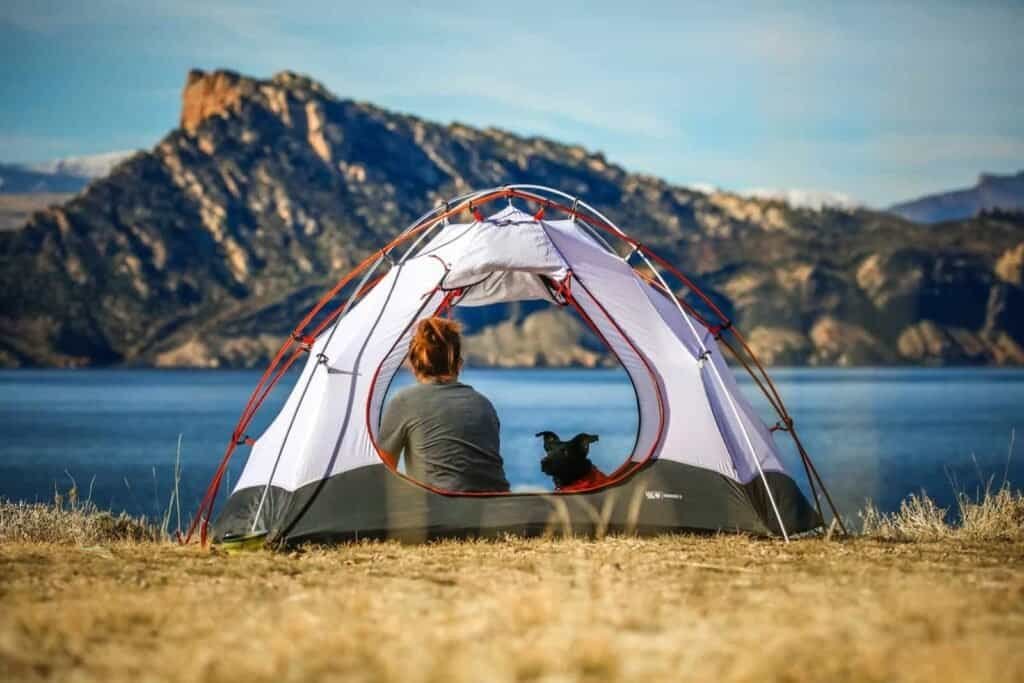
エアービームvsポール論争が重要な理由
構造の選択は、配送コスト、保証クレーム、そして顧客が最初の10分間でテントに付ける評価を決定します。.
多くのテント調達チェックリストは厚意が見えます:布地のデニール数、静水圧ヘッド、ジッパーブランド、フロア厚さなど。だが、ブランドマネージャーが最も見過ごしがちな項目は構造そのもの、すなわちエアービームかポールかという選択です。この判断が、製品がどのように梱包されるか、どこが故障しやすいか、そしてどの保証クレームを自社負担とするかを決定します。生産前の完璧なサンプルでも、500個が小売店に届いて初めて表面化する問題を抱えていることがあります。.
ポールテントはセグメントごとに分解して布地と並べて積み重ねられるためコンパクトに収まります。コンテナあたりのカートン数が増え、単体当たりの運賃が下がります。一方、エアービームテントはよりフラットに梱包できますがポンプが必要になり、また、TPU溶接部に加わるストレスを防ぐため同じ折り目に繰り返し折りたたむことはできません。シーズン中に数千台を輸送するブランドにとって、この容積差は重大な影響をもたらします。 FOB価格は.
-
- ポールテント: 分割されたグラスファイバーまたはアルミニウムのポールは短いキャリーケースに収まります。輸送時のよくあるトラブルは、ポール先端が収納袋を突き破ることです。補強末端部と硬質な底板材で解決できます。.
- エアービームテント: タイアは空気でぺたんこになりますが、バルブハウジングとポンプが嵩張ります。パレットの積み重ねが高いと、折れ曲がったバルブ部分に持続的な圧力がかかり、時間が経つとシールが変形する可能性があります。.
コンシューマーの期待:セットアップ速度 vs 修理可能性
小売ユーザーは箱を開けて5分以内に意見を形成します。マルチチャンバーシステムを採用したインフレータブルテントは片手で展開でき、グリップ力もあまり必要ないので、年齢を重ねたキャンパーやカジュアルなグラマーにとって大きなアドバンテージになります。一方、ポールテントはセグメントの対位やスリーブへの挿入が必要で、暗い夜8時のような状況ではユーザーミスの要因になりがちです。しかし、万が一壊れた時のことを考えれば、この結論は逆転します。.
ポールの故障は機械的なものです: fiberglass(グラスファイバー)セグメントのひび割れやポールスリーブの破れです。どちらも修理費用は安く、場合によっては現場で修復可能です。エアービームの故障はシーム溶接部またはバルブで発生し、パッチキットまたは工場サービスが必要です。ポールテントの修理コストは低く抑えられますが、TPU/PVCチューブの溶接や高周波シーリング設備が必要なため、インフレータブルテントの製造コストは15〜30%高くなります。Kelylandの戦略的に協業する17の工場ネットワーク(主にISO 9001:2015認証取得)は、構造を確定する前に溶接テストおよび縫製検査レポートを共有いたします。.
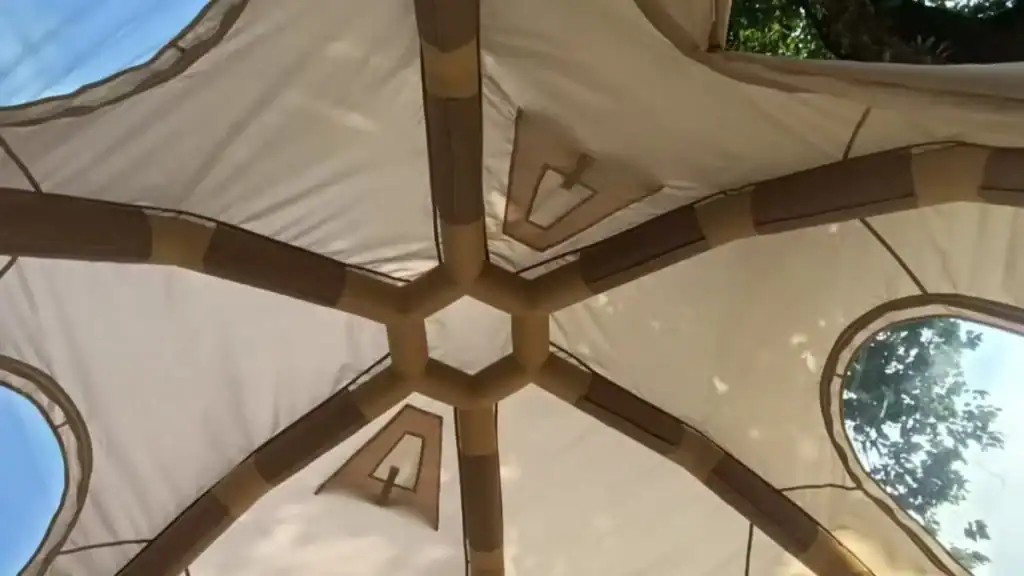
比較対照
修理性とコストではポールテントが勝ちます。.
プライベートラベルのテントラインを構築するブランドマネージャーにとって、エアービームとポールの選択はキャンプ場の議論ではありません。構造がパッケージング、保証条件、スペアパーツ戦略、そしてそのラインに現実的に見積もりできる工場を決定づけます。ポールテントはトレッキングやコスト重視のレンジにおいて標準的な選択であり続け、エアービームテントは packed weight(収納時の重さ)よりもセットアップ速度や耐風性が重要となる場面で、その高い価格 justified(正当化)します。.
セットアップ時間とユーザーミス
これがエアービームに対する最大の主張です。マルチチャンバー inflate システムは片手で展開でき、1つのチャンバーが空気漏れしても直立し続けます。年齢を重ねたキャンパーやソロユーザーは、風や雨の中でもポールをスリーブに合わせて調整する必要がありません。ポールテントの場合、組み立て中にポールが折れたりスリーブが破れたりすると、テント全体が倒れてしまいます。.
収納サイズと重量
ポールテントはより長く細く収納されますが、エアービームはチューブ素材とポンプがテントとともに移動するため、短い代わりに重くなります。バックカントリーやトレッキング向けラインでは、収納時の重さがエアービームの選択肢を阻害します。カーキャンプやグラミングでは、短い収納長がトランクにより良く収まり、余分な1キロよりも重要視されることが多いです。.
耐風性と言安定性
エアービームは突風に柔軟に対応してしなるため、開放的で露出度の高いキャンプサイトでは真の優位性を持っています。ポールテントは風荷重を直接ポールとステークポイントに伝えるため、ポールが失敗すると壁や屋根パネルが崩壊する可能性があります。マルチチャンバーのエアーフレームは冗長性を加え、1ヶ所が穿刺されてもテント全体が倒れません。.
修理と交換コスト
適切な故障ポイントに基づいて保証を設計しましょう。ポールテントはポールおよびポールスリーブの縫い目部分で故障し、交換用ポールセグメントは在庫として確保しやすく、ユーザーが簡単に交換できます。インフレータブルテントはシーム溶接部またはバルブで故障し、TPU/PVCチューブの修理には溶剤溶接または交換用チューブが必要です。そのため、ポールテントの修理コストは低く抑えられ、エアービームのスペアパーツには事前に計画された在庫が必要です。.
製造リードタイムとカスタマイズの制限
エアビームテントの製造コストは、TPU/PVCチューブの溶接や高周波シール設備が必要なため、同等のポールテントより約15〜30%高くなります。この工程によりサプライヤーの選択肢が限られ、最低注文数量も高くなります。一方、ポールテントはスリーブ、支柱、グラスファイバーやアルミのポールで構成されるため、見積もりの可能な工場が多く、独自の形状の設計も容易です。.
で ケリーランド・アウトドアーズ, 当社のコアテント工場(寧波)はISO 9001:2015認証を取得しており、年間80万個のテントを生産しています。そのため、両方の構造タイプは同じ品質管理システムを通じて製造されます。標準的な生産リードタイムは30〜45日です。製品により最低発注数は異なりますが、少量の第一ロットから50〜100個からはじめることができる商品もあります。.
-
- ポールテントを選ぶべきケース: アウトドアー向け商品ラインがバックパッカー、価格敏感な小売業者、または現場での修理が可能なギアを望むバイヤーを対象としている場合。.
- エアビームテントを選ぶべきケース: ご客様が家族連れでキャンプを行い、セットアップの速さを重視し、オープンサイトでの安定した構造に対してプレミアム価格を支払う意思がある場合。.
| 特徴 | エアビームテント | ポールテント | ブランド選定の考慮点 |
|---|---|---|---|
| セットアップ時間とユーザーミス | パンプ使用で10〜20分;マルチチャンバーシステムは片手で安全に展開可能 | 15〜30分;ポールMisalignmentやユーザーによる破損リスクが高い | エアビームはフィールドでのクレームを減らし、シニアキャンパーにも扱いやすい |
| 収納サイズと重量 | チューブは嵩張り重量が増加;別売パンプまたはインテグレーテッド膨張システムが必要 | ポールとスリーブはより小さい収納容積を実現;同等容量で一般的により軽量 | ポールテントはトレッキング用途に、エアビームはファミリーやグラキャンピングの購入者に適しています |
| Primary Failure Point | 縫い目溶接とバルブ組立が最も弱点となりやすい箇所です | ポールセクションとポールスリーブのステッチが最も頻繁に失敗します | これらの特定の故障モードを基盤とした設計保証とスペアパーツプログラムを構築します |
| 修理・交換コスト | 交換用エアチャンバーは高額であり、現場での修理にはパッチやシーラントキットが必要 | 交換用ポールは低コストで入手しやすく、スリーブ修理も安価 | ポールテントはアフターサービス費を抑え、エアービームは修理リスクに備えたプレミアム価格設定が可能 |
| 耐風性&安定性 | 柔軟な構造は突風を吸収するが、持続的な強風下では変形する可能性がある | 硬質なフレームは予測可能な形状を保つが、極端な負荷によってポールが曲がったり折れたりする | ターゲットの天候仕様と小売マーケティングの訴求に合わせて構造を選定 |
| 製造コスト | TPU/PVCチューブの溶接および高周波シーリング装置が必要なため、同等のポールテントよりも15–30%の方が高額 | 素材の変換コストは低く、グラスファイバーまたはアルミニウムポールのBOMが生産規模の経済性を上回る | エアービームのプレミアム価格は小売価格に反映される必要がある一方、ポールテントは手元着地コストが抑えられる |
| 製造リードタイム&カスタマイズ | 生産に時間を要し、カスタムチューブ長やバルブ位置決めによりデザイン反復が制限される | 標準リードタイム30~45日;ポール形状やスリーブレイアウトの変更が容易 | ポールテントはサンプリングが速く、シーズン中のデザイン更新も容易 |
| MOQの影響 | 高周波溶接ラインは大量生産に向いており、MOQは通常300〜500個から開始されます | 一部のモデルは50〜100個から開始可能で、新規プライベートラベルSKUのテストに最適です | 資金力の限られるeコマース起業家は、まずポールテントから始めることができます |
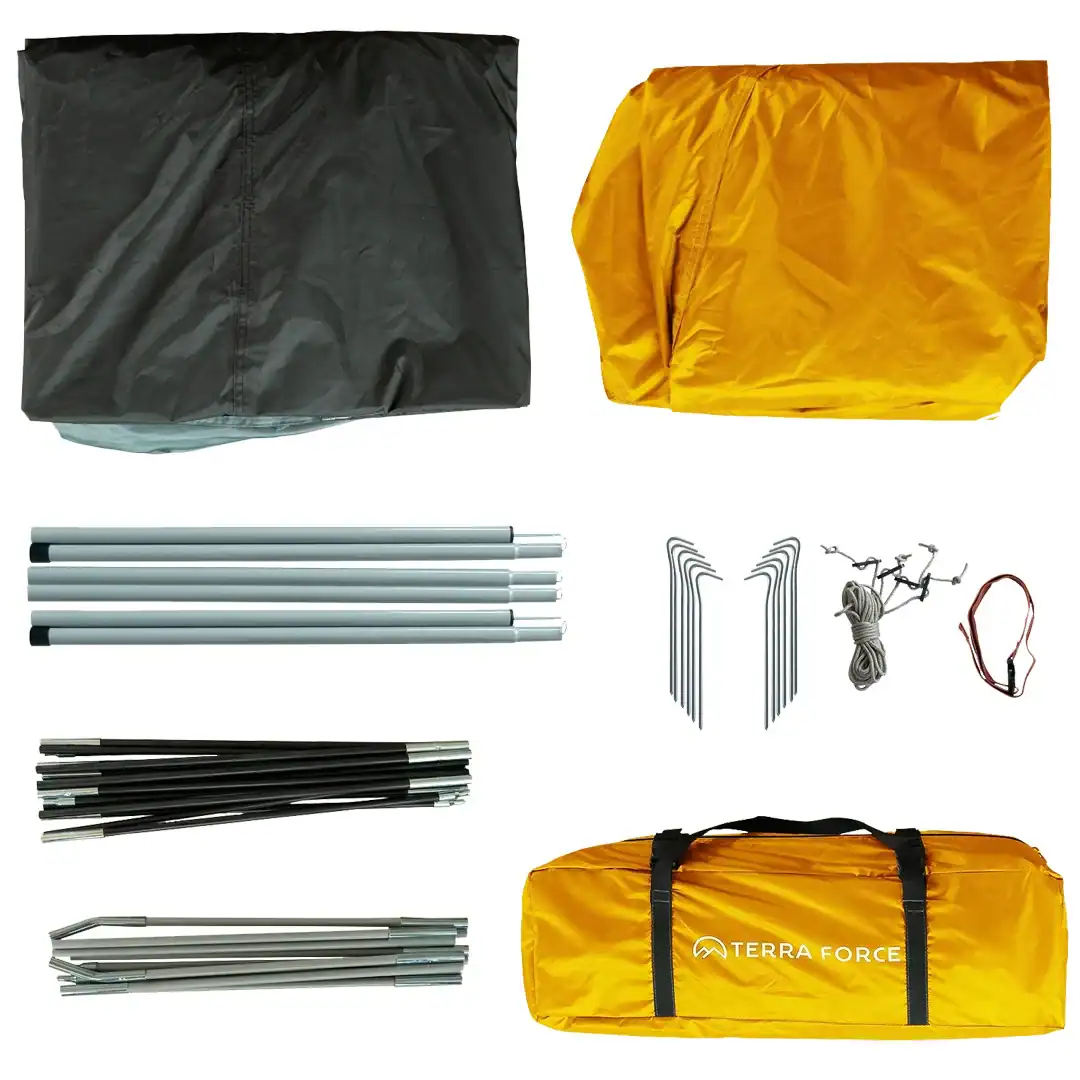
タイプ別の製造コスト
エアビームは15-30%製造コストが15〜30ドル高くなりますが、数量が増えるにつれてポール金具がその差を縮めます。.
エアビームテントの15-30%における製造プレミアムは実在しますが、離れる理由にはなりません。この追加コストは特定の場所に生じます:TPU/PVCチューブ素材、高周波溶接、そしてバルブです。お金の使われ先を正確に把握すれば、エアビーム対ポールの判断は単純な価格比較ではなくポジショニングの質問になります。.
材料費:エアチューブ対フィبرグラスおよびアルミポール
ポールテントのフレームは、フィبرグラスまたはアルミニウムのセグメントの束、ショックコード、そして本体に縫い付けられたポールスリーブで構成されます。エアビームテントはこれらすべてをコーティングされた生地チューブ、エアバルブ、そしてポンプに置き換えます。チューブ素材とバルブ金具はテント単体あたりのコストが高く、短いロットではTPU/PVCフィルムのロールロスが大きくなります。.
-
-
- エアビームBOM: TPU/PVCコーティングチューブ生地、溶接シーム構造、バルブ、ポンプ、マルチチャンバーマニホールド。.
- ポールテントBOM: フィبرグラスまたはアルミニウムセグメント、ショックコード、ポールスリーブ、クリップ、そしてストラット金具。.
- スケール効果: ポール金具は単体あたりコストが flat ですが、エアビームの単体コストは高周波シーリング設備がより長いロットで償却されると下がります。.
-
労働力:溶接対スリーブおよびストラット
TPUチューブの溶接には、高周波シーリング設備と、熱・圧力・保持時間を理解するオペレーターが必要です。不良な溶接は最初の給気サイクルでは目立ちませんが、繰り返し使用後に失敗し、保証請求や交換部品コストにつながります。ポールスリーブの縫製やストラットの取り付けはより一般的なテント工場仕事ですが、ライン全体に組み立て工程を追加します。.
Kelylandのパートナーネットワークにある寧波のテント工場は、ISO 9001:2015認定の下で年間80万張のテントを生産しています。この生産量は重要です。溶接ラインは安定した生産量があってこそ採算が取れるため、エアビーム生産を既にこなしているサプライヤーは、最初のご注文で工程を構築するサプライヤーよりも単価で有利なご提示が可能です。.
オリジナルブランド(プライベートラベル)のMOQ影響
Kelylandのネットワークにおける標準的な生産は通常300〜1,000個ですが、金型が既に完成している製品の場合、50〜100個から開始できるものもあります。ポールテントはこの範囲の下限に近い数量为から現実的に導入できます。一方、エアビームは溶接セットアップやフィルムロールの最小発注量を考慮すると短尺生産のコストペナルティが大きいため、300〜1,000個のレンジ寄りに位置します。.
-
- エアビームを選ぶべきケース: セットアップの速さと片手での設置が、15-30%の高まる陸上費用を正当化する場合.
- 以下の場合はポールを選択してください: より低い導入MOQ、エンドユーザー向けの simplerなポールテントの修理コスト、および第1回注文向けのより絞り込んだ価格帯が必要な場合.
| コスト係数 | エアビームテント | ポールテント | 調達への影響 |
|---|---|---|---|
| 材料費 | TPU/PVCエアーチューブ、高周波溶接シーム、マルチチャンバーバルブ;プレミアムな原材料により、インフレータブルテントの製造原価は同等のポールモデルと比較して15-30%高くなります。 | ガラスファイバーまたはアルミポール、ポールスリーブ、ハブ、ストラット;コモディティ素材のため単価は低いものの、スケールメリットによるポールハードルで差は縮まります。 | TPUチューブ溶接 vs ガラスファイバーポール調達:エアビームは専門的な溶接ラインを持つサプライヤーを優位にしますが、ポールテントは複数工場間で見積もり取りが容易です。 |
| 人件費 | TPUチューブ溶接および高周波シーラー設備の熟練オペレーターを要します;単位あたり生産時間が増え、厳格な品質管理閾値が必要です。 | ポールスリーブ、ストラット、補強ステッチの標準ミシン縫製;人手が広く確保できるため組立コストは低く、生産も迅速です。 | エアビームの人件費は隠れた原価要因です。ロット間でのばらつきを避けるため、サンプル製作前に工場の溶接検査プロトコルを確認してください。 |
| MOQ要件 | エアビームテントのMOQ要件は、専用治具、シーリング金型、チャンバー型への投資が必要なため、通常300〜500個から開始されます。 | より柔軟なMOQ; 一部のアイテムは50〜100個から開始可能で、ポールテントはプライベートラベルのテストにおいてリスクの低い選択肢です | ブランドの小ロット検証が必要な場合、ポールテントはより迅速なアプローチを提供します。一方、エアビームテントは 確立済みのSKU 確実な注文量に対応可能 |
| 修理・交換 | 故障箇所はシーム溶接とバルブです。修理にはチャンバー交換または工場グレードの接着剤キットが必要となり、ポールテントの修理コスト回避戦略の複雑さが増します | 故障箇所はポールとポールスリーブの縫製です。交換用ポールとスリーブは低コストで、エンドユーザーが現場で交換可能です | 構造に焦点を当てた保証戦略を策定します。冗長性を持たせたマルチチャンバーエアシステム versus ポール用のスペアセットと補強縫製 |
| 品質的一貫性 | 一貫性は溶接の健全性、バルブシール、空気維持テストに依存します。圧力テスト記録のあるISO 9001認証工場は不可欠です | 一貫性は縫製の公差、ポールの肉厚、スリーブのフィット感にかかっています。標準的な工場検査 checkpoints で検査が容易です | プライベートラベルテントの構造比較には、バッチごとの検査チェックリストを含めるべきです。特にエアビームのシーム溶接とポールスリーブのストレスポイントについて |
あなたのブランドに最適な選択
エアビームはグラミングやレンタルに適し、ポールはトレッキングで依然として優位です。.
最適な構造は、エンドカスタマーが誰か、そして配送・返品・保証請求後のマージンがどこで成立するかによって決まります。ほとんどのプライベートラベルテント構造比較において、決定打となるのは机上の設営の簡単さではなく、故障プロファイルです。エアビームとポールは異なる形で故障するため、アフターセールスプランは選択した構造と一致させる必要があります。.
ファミリーグラミングブランド
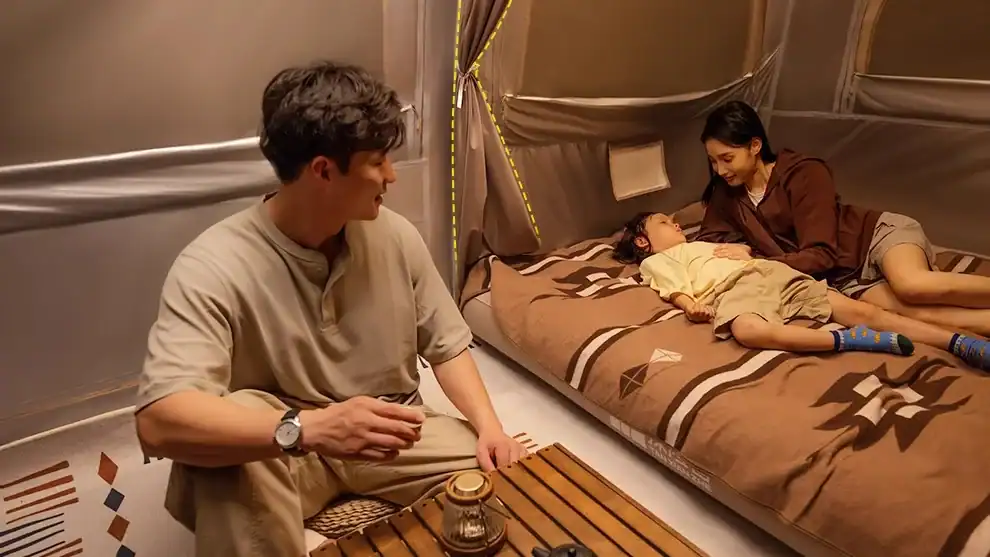
ファミリーグラミングブランドはエアビームを採用すべきです。マルチチャンバー inflate テントは片手で数分で設営でき、技術的な忍耐ゼロのカップルや家族にとってはこれが重要です。 inflate テントの製造コストはポール同等品より通常15〜30%高くなりますが、グラミングカスタマーは軽量性を求めるのではなく快適性と利便性に支払うため、小売時点で回収可能です。浙江省紹興にあるKelylandのグラミングテント工場は年産30万本の生産能力を持ち、カスタムブランド受注の実績が証明されています。.
-
-
- ベストピック: マルチチャンバーフレームシステムを搭載したベルまたはユルトスタイルのエアビームグラミングテント。.
- 理由: ワンプンプ設営によりユーザーエラーを排除し、高い知覚価値がプレミアム価格を裏付けます。.
- ご注意: お客様にシーム溶接とバルブの管理方法を教育し、交換用エアチューブが簡単に注文できる体制を整えましょう。.
-
トレッキング・バックパッキングブランド向け
トレッキングやバックパッキングのブランドは、当面はポールを堅持すべきです。エアビームシステムはまだ、高品質なアルミニウムポールセットほどの-packed重量や現場での修理性を満たしていません。折れたポールは修理スリーブで固定できますが、パンクしたエアチューブは予備を持参しない限りキャンプを打ち切らざるを得ません。寧波で提携しているキャンピングテント工場「Kelyland」は年間80万テントを製造しており、フレームはガラファイバーからカーボンファイバーまで選択肢が豊富で、ポールテントの調達も十分に対応可能です。.
-
-
- ベストピック: 重量重視のトレッキングライン向けの7075アルミニウムまたはカーボンファイバーポール付きポールテント。.
- 理由: ポールは小型に梱包でき、現場修理が可能で、スリーブの縫製は簡潔なQCチェックポイントです。.
- ご注意: ポールスリーブの縫製は最初の故障箇所です — 全てのストレスポイントをバータック補強で指定してください。.
-
イベントレンタル事業者向け
イベントレンタル事業者は異なるトレードオフに直面します。レンタルテントはシーズン中に数十回組み立て・解体を繰り返すため、設置速度と一貫したピッチ形状が直接人件費を削減します。エアビームは速さで勝利しますが、故障箇所はバルブとシーム溶接へ移行します。ポールテントは単価は安いものの、ポールとスリーブの摩耗が数年間のレンタルサイクルを通じてメンテナンスコストを増加させます。TPUチューブの溶接には専用設備が必要なため、エアビームテントのMOQ(最小注文数量)要件も一般的に高くなりがちです。.
-
- ベストピック: 頻繁な回転率の高いイベントにはエアビーム、予算重視の季節限定レンタルにはポールテント。.
- 理由: エアビームは設置時の人件費とピッチエラーを削減し、ポールは単価が安く現場での修理が容易です。.
- ご注意: マルチチャンバーシステムには予備チューブを standby に置いておきましょう。大口注文前にバルブの品質を確認してください。.
-
- エアビームを選ぶべきケース: お客様のブランドは、設置速度がリピート購入を促す、快適さを重視したファミリーキャンプまたはレンタルフリートを展開しています。.
- 以下の場合はポールを選択してください: お客様のラインは、修理可能性、低単価、管理可能なポールテントの修理コストを重視するトレッカー、バックパッカー、または価格敏感な季節購入者を目指しています。.
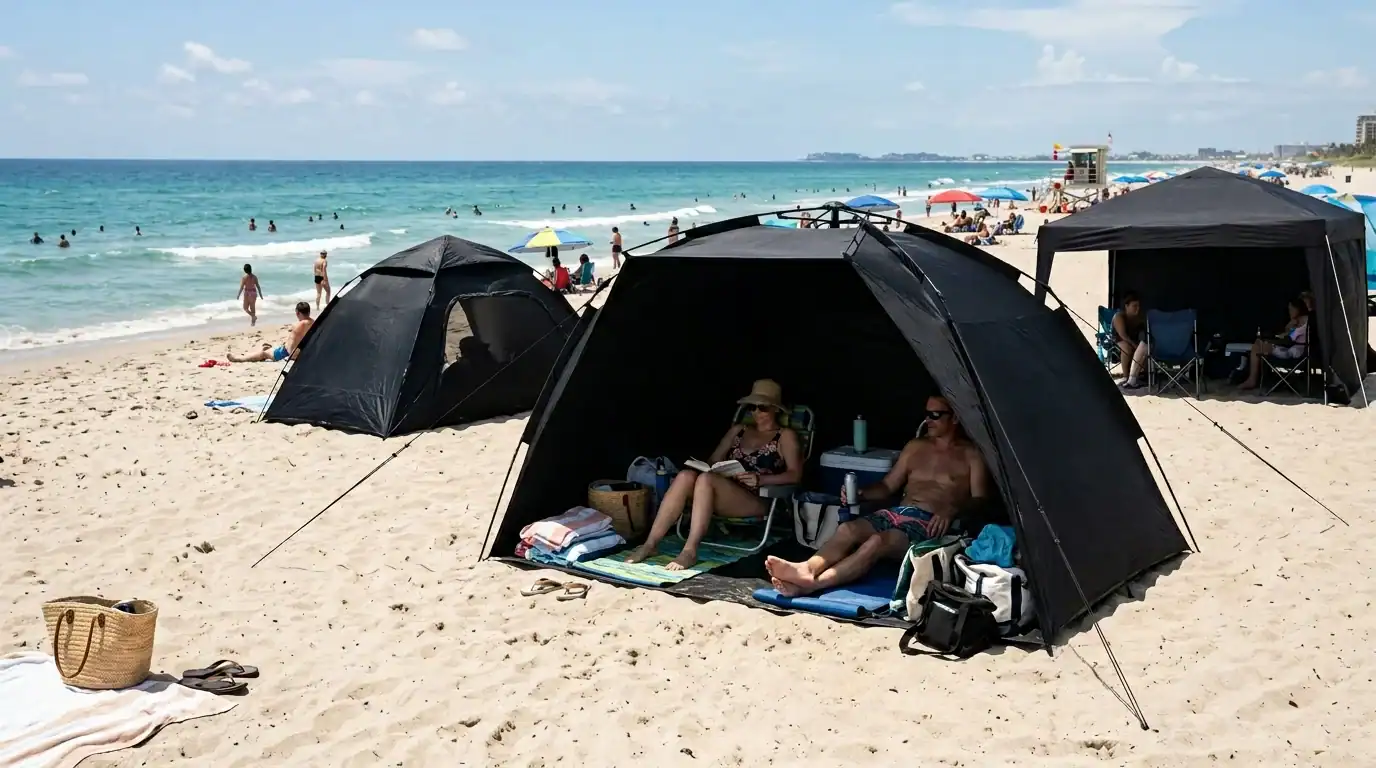
ワンストップサプライヤーが2つのデザインでどのような支援をするか
プロトタイプレビューが成否の大部分を決定します。.
ソーシングパートナーの真の優位性は、同じチームが構造の両方を管理できる点にあります。ポールテントでは、エンジニアリングの詳細はペールの曲がり具合、スリーブの補強、ガイアウトポイントに宿ります。エアービームテントでは、チューブのグレード、溶接幅、バルブの配置が決定的です。それぞれ異なる生産技術が必要であり、専用テント工場を持つパートナーであれば、品質を落とすことなく両者の間をシームレスに切り替えられます。.
自社プロトタイピングはサンプルから始まる
失敗した注文の多くは、早期に承認されたプロトタイプに起因します。Kelyland Outdoorsの社内プロセスは、ニーズの収集からアフターサポートまで10ステップで構成され、サンプル承認はその設計と量産の間で行われます。クライアントが確認するのはレンダリングではなく実物プロトタイプです。ここで重要なのは、シームシーリングの精度、ジッパーの軌道整合性、ペールスリーブの張力などを点検することです。.
ポールテントのプロトタイプ検査では、ポールスリーブのステッチ部に弱い点が見えやすくなります。一方、エアービームテントでは溶接継手とバルブシールがチェックポイントとなります。マルチチャンバー式エアーシステムは、材料のクリープ(たわみ・伸び)を把握するために、レビュー中に複数回の加圧・脱圧を繰り返す必要があります。テーブルの上での一時的な視覚チェックだけではありません。.
OEMとODMは同じ門に至る
Kelyland OutdoorsはOEMとODMを明確に分離して扱います。OEMプロジェクトはお客様の設計図と素材仕様書から開始されます。ODMプロジェクトはコンセプト brief から始まり、サプライヤーが設計案を提案します。両者のプロセスは最終的に共通の成果物、「量産と同等の承認済みサンプル」で収束します。.
-
- OEMルート: ブランドはスペックシート、生地選定、プリント artwork を管理し、サプライヤーはエンジニアリング資料、パターン作成、プロトタイプ製作を担当します。.
- ODMルート: サプライヤーが完全な設計を提案し、フィードバックループ用の動作検証プロトタイプを制作します。これはスピーディーな市場投入を必要とするブランドに最適です。.
MOQとリードタイムの現実的課題
MOQは製品構造によって異なります。Kelyland Outdoorsでは一部のアイテムは50~100個から開始可能ですが、標準的なテントモデルは300~1,000個となります。エアービームテントは溶接工程に労力を要するため、MOQの下限は高くなり傾向にあります。また、同等のポールテントと比較して15-30%分製造原価が高くなります。ターゲット数量における詳細な内訳見積もりをご依頼ください。.
双方の構造の生産リードタイムは、注文の複雑さや数量にもよりますが30~45日です。提携工場はISO 9001:2015認証を保有し、 inspection は全工程で行われます。これはエアービームテントにおいて非常に重要で、50回使用後にシーム溶接が失敗すると、どのブランドも望まない補償請求が生じるためです。.
実務上の違いは「失敗時の対応計画」に集約されます。ポールテントはペールまたはスリーブステッチで壊れ、エアービームテントはシーム溶接部またはバルブで壊れます。ソーシングパートナーは、こうした故障モードを文書化し、一般的すぎる1年保証ではなく、それらの部位に焦点を当てた交換部品戦略を構築する必要があります。.
結論
構造に関する決定は、実質的には保証に関する決定です。ポールテントはペールやポールスリーブの縫製部分で故障し、エアービームテントはシーム溶接部やバルブで故障します。スペックを確定させる前に、交換部品戦略をこれらの故障ポイントに即して計画してください。.
-
- エアービームテントの製造コストは同等のポールテントより15-30%高いですが、ポール関連ハードウェアのコスト差がそのギャップをある程度埋めます。.
- ポールテントの保証にはポールとスリーブの縫い目が、インフレータブルの保証にはシーム溶接とバルブが含まれているべきです。.
- マルチチャンバーエアビームテントは片手で設営でき、小売業者に高値設定を正当化する明確な理由を提供します。.
- プライベートラベルのMOQは50~100個から開始できるため、フルラインに着手する前に両方の構造をテストしてください。.
両方の構造に経験のあるソーシングパートナーに目標仕様を送付し、テント本体だけでなくバルブとポールハブのハードウェアについてもサンプル承認を求めてください。シーム溶接の位置揃えとスリーブの縫い目の品質許容範囲書面で定義し、Kelyland Outdoorsサイトのキャンピングテントラインナップを確認してください。この細部が、現地で耐久性を持つラインと返品を生むラインの決定的な違いとなります。.
よくある質問
エアビームテントはポールテントより高価ですか?
はい、エアービームテントは通常、ポールテントより製造コストが15〜30%高くなります。ポールの付属部品の大量生産によりコスト差は縮小するため、ターゲット数量でのBOM全体で比較してください。採用を決定する前に、希望量に応じたBOM見積もりをご取得ください。.
どのテントタイプが修理しやすいですか?
ポールテントは修理が容易です。ポールの袖部分は専用設備なしで交換可能であり、一方、エアビームの故障はTPU/PVCチューブのパッチングや交換を要し、エンドユーザーにとって対応が困難です。販売後の修理性を保証計画に反映させてください。.
エアビームテントとポールテントでは、輸送コストはどのように異なりますか?
エアービームテントは一般的にコンパクトに収納でき、長い硬質なポール部分がないため容積重量や輸送コストを抑えられます。ポール式テントは長いパッケージに梱包されるため、輸送費はポールの扱い方によって異なります。見積もり前に梱包寸法と単位当たりの容積(CBM)をお知らせください。.
カスタムエアビームまたはポールテントのMOQはいくらですか?
MOQはテントのスタイルとカスタマイズ度合いによりますが、一部の注文では50〜100個からスタートできるカスタムもあります。一般的なモデルは300〜1,000個が必要です。最終的な仕様、印刷、素材の選択により、この数は変動します。最終的な仕様が確定した後にMOQを確認してください。.
Which tent structure is better for a glamping brand?
エアビームテントは設営が速く、内部にポールがないため、家族向けのグラミングには通常適しています。ポールテントは安価で修理しやすいため、設営速度を考慮してください。最終的な判断は、ターゲットユーザーの設営優先度に基づいて行いましょう。.

 English
  Español
  Deutsch
  Français
  Português do Brasil
  Русский
  العربية
  한국어
한국어  日本語
日本語