 跳到内容
跳到内容 
小売バイヤーがハンティングブラインドのデザインを調達する際、 プライベートブランド 直面する重要な問題は、運賃計算で利益が消える前に、どの程度の仕様に投資すべきかということです。. ハードシェルタイプのブラインドは、 天候に強く、風でも全く音がしません。しかし、ソフトシェルタイプのハブブラインドは、組み立て時の体積の15~20%まで圧縮でき、海上運賃を最大70%削減します。このトレードオフがカテゴリー全体の意思決定を左右します。.
実際の問題は、ハードかソフトかの選択ではありません。ほとんどの輸入業者が、ポールのゲージと窓のクロージャータイプという2つの特定の仕様を過小評価しており、それが返品率を押し上げています。9.5mmの細いグラスファイバーポールは、時速15マイルの風で永久に曲がってしまいます。ベルクロパネルは、ハンターに早期の窓開放を強制し、凍えさせるか、獲物をおどかすリスクを生じさせます。どちらも1つ星のレビューと、利益を損なう返品要求を生み出します。.
私たちは工場でこれらの故障ポイントをテストしています。11mmグラスファイバーポールへのアップグレードには、1ユニットあたり0.80ドル追加されます。ベルクロから無音トラックジッパーへの切り替えには、1.50~2.00ドル追加されます。これらの2つの変更を合わせると、FOBコストは約2.50ドル上昇します。しかし、社内データによると、消費者からの欠陥クレームが25%以上減少し、冬のピークシーズン中の構造的な返品トリガーが約40%減少します。欠陥率と在庫回転速度に関するKPIを管理するバイヤーにとって、この計算は毎回アップグレードを支持します。.
利益が消えるのは工場ではなく、レビューセクションです。調達段階で無音の窓トラックと太いハブポールを指定することで、小売評価とシェルフアピールを守ることができ、その増分コストは非常に小さく、1回の返品バッチ処理コストよりもはるかに低くなります。.
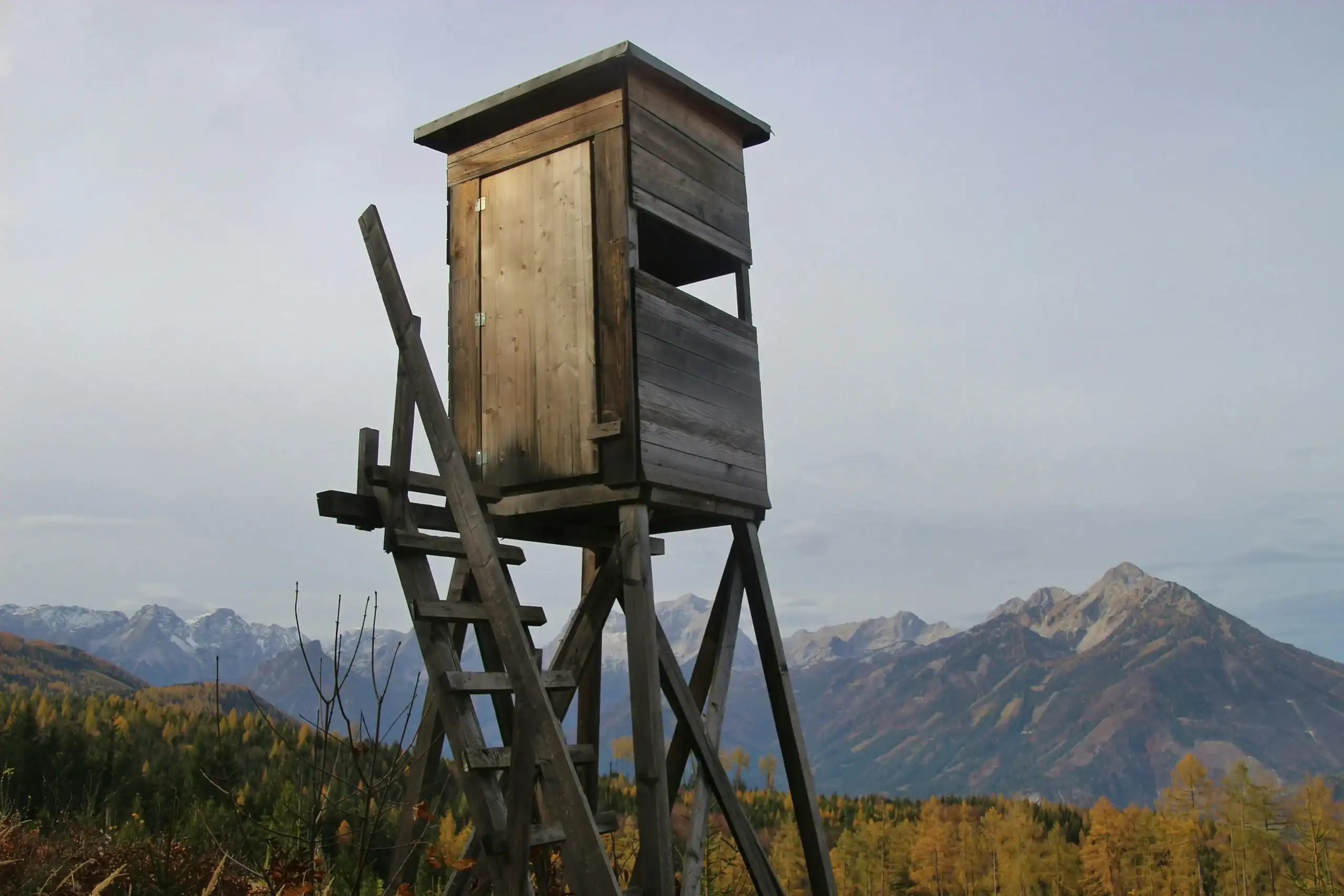
ハードシェル vs ソフトシェルの素材仕様
ソフトシェルタイプのハブブラインドは、ハードシェルタイプのボックスブラインドと比較して、海上運賃を最大70%削減します。.
調達の基本的な分岐点は、ハードシェルタイプ(HDPEローモールド、合板、またはスチールフレーム)とソフトシェルタイプ(ポリエステルシェル)の間です。ハードシェルユニットは風に対する剛性があり、フラップノイズがありませんが、完全に組み立てられた状態で出荷され、5×5ブラインド1基あたり約0.8~1.2 CBMを消費します。ソフトシェルタイプのハブブラインドは、組み立て時の体積の15~20%に圧縮され、40フィートコンテナに80~100ユニット(ハードシェルは15~20ユニット)詰めることができます。この70%の運賃節約は、直接的に着地利益を押し上げますが、それは生地の仕様が雨に耐えられる場合に限ります。.
-
- 耐水圧基準: 600Dオックスフォード生地にPU 3000mmコーティングが、小売グレードの防水性の最低条件です。コーティングのない300Dポリエステルは、持続的な雨でルーフシームから漏れます。工場テストでは、600D PU 3000は、シームをテープ処理した場合、毎時40mmの雨に8時間耐え、漏れはゼロです。.
- UV退色の罠: 安価なODグリーン生地は、店頭で1シーズン以内に色あせ、値引きを招きます。UV耐性の熱転写印刷を指定すると、1ユニットあたり0.30ドル追加されますが、在庫が日焼けしたように見えるのを防ぎます。これは、店頭窓にさらされるプライベートラベル注文に推奨されます。.
| 仕様 | ソフトシェル(ハブブラインド) | ハードシェル(ボックスブラインド) | 調達上の利点 |
|---|---|---|---|
| 主要素材 | 600Dオックスフォード生地PU 3000mmコーティング) | HDPE / スチール / 木材 | 布製は成形HDPE(500着以上)に比べて最低発注数量が低い(50~100着) |
| 防水性 | PU 3000mm(シームシール必須) | 本質的に防水性あり(コーティング不要) | ソフトシェルはシームシールの厳格な品質管理が必要;ハードシェルは貨物重量が増加 |
| 梱包CBM(5×5ブラインド) | 0.12~0.18 m³ | 0.7~0.9 m³ | ソフトシェルはコンテナあたりの海上運賃を最大70%削減 |
| 耐風荷重 | 12~25 mph(ポール径による) | 40+ mph(リジッドフレーム) | 11mmポールを指定すると1台あたり$0.80追加となるが、安全風速が25 mphに拡大 |
| 一般的なFOBコスト(5×5) | $18 – $35 USD | $80 – $150 USD | ソフトシェルは価格に敏感な小売ラインを可能にし、ハードシェルはプレミアムニッチに適合する。 |
| 小売店での組み立て | 30秒でポップアップ | 工具が必要で15分以上かかる | ソフトシェルは小売業者の棚スペースと人件費を削減する |
静音ウィンドウシステムで返品を削減
サイレントトラックジッパーは騒音クレームを25%削減し、15-20%の高価格を正当化する。.
マジックテープの窓閉鎖は、ハンティングブラインドのAmazonレビューで1つ星の最大の原因です。ハンターは引き裂き音を避けるために早めに窓を開けなければならず、その結果寒さにさらされ、獲物を驚かせます。この設計上の欠陥は直接返品率を高めます。.
-
- マジックテープ: 最低コスト(1ブラインドあたり$0.30~$0.50)だが、音が大きく、否定的なレビューにつながる。早めの窓開けが必要で、快適性とステルス性が低下する。.
- マグネット式: 中程度のコスト(1ブラインドあたり$0.80~$1.20)だが、密閉性が弱く、風でバタつく可能性があり、依然として騒音を引き起こす。磁石の強度が低下する寒冷地には理想的ではない。.
- サイレントトラックジッパー: マジックテープよりも1ユニットあたり$1.50~$2.00高くなります。静かで気密性の高いシールを提供します。当社の生産データによると、騒音関連の苦情と返品が25%減少しています。.
小売バイヤーはサイレントトラックジッパーを明確な差別化要因として利用できます。工場コストが$2.00追加されることで、この機能は15~20%の小売価格上昇をサポートし、マージンを直接保護しながら返品リスクを低減します。.
ハブポールゲージと風荷重の比較
ポールゲージで1ユニットあたり$0.80節約すると、冬季市場で100%の返品率リスクが発生します。.
ほとんどのハブ式ブラインドの故障は構造的なものであり、布地に関連したものではありません。ポールのゲージは、風や雪の条件下でブラインドが最初のシーズンを乗り切るかどうかを決定する唯一の指標です。標準的な製造では9.5mmのグラスファイバーポールが使用されますが、そのゲージは12 mph以上の持続的な風荷重または150 kgを超える雪荷重で永久的に曲がります。北部地域でブラインドを取り扱う小売業者にとって、11mmのグラスファイバーが最低限の有効な仕様です。.
-
-
- 9.5mm グラスファイバー: コスト: ポールセットあたり11mmより約$0.80安い。風耐性: 定常風速最大12 mph。雪荷重容量: 150 kg。故障モード: 荷重による永久的な曲がり、屋根のたわみと布地の水たまりを引き起こす。.
- 11mm グラスファイバー: コスト: ポールセットあたり約$0.80高い。風耐性: 定常風速最大25 mph。雪荷重容量: 300 kg。故障モード: 定格限界以下ではなし; 崩壊することなく大雪の蓄積に対処します。.
-
9.5mmポールのユニットあたりの$0.80の節約はコストシートでは魅力的に見えますが、それは直接的な返品負債を生み出します。たわんだ屋根に雪が積もると、縫い目の張力が引き離され、水の侵入、縫い目の裂け、構造的な崩壊を引き起こします。中西部または北東部での1冬の返品シーズンで、ポールコストで節約した利益は簡単に吹き飛びます。.
-
- 故障の小売コスト: 積雪地域での返品率は、11mm装備のブラインドと比較して3~5倍に跳ね上がります。.
- 評判の損傷: 屋根のたわみは、1つ星レビューで最も写真に撮られる欠陥です。.
- 隠れた物流: 5×5ブラインドの返送料金はユニットあたり$15~$25かかり、工場での$0.80の節約をはるかに上回ります。.
輸送CBMとパッケージングのトレードオフ
ハブ式ブラインドはハードサイドタイプよりも70%輸送コストを削減します – こちらがCBM計算です。.
初めて狩猟用ブラインドを輸入する業者にとって、最大の隠れコストは 立方メートル(CBM)のフットプリントです。 製品について。ハードサイドボックスブラインドは剛構造で出荷され、壁の厚さと高さに応じて、通常1ユニットあたり1.5~2.0 CBMを占有します。40フィートハイキューブコンテナ(正味67 CBM)には約33~44ユニット収容でき、コンテナ未満(LCL)での出荷は全CBMレートで課金されます。.
ソフトサイド ハブ型ブラインドは、その一方で、フレームとファブリック全体を1つのフラットパック段ボール箱に折り畳み、1ユニットあたり約0.6 CBM(600Dオックスフォードと11mmポールを使用時)になります。同じ40フィートコンテナには110ユニット以上収容でき、ハードサイドの代替品と比較してユニットあたりの海上運賃が70%削減されます。9.5mmポールを使用すると梱包密度はさらに向上しますが、構造上のトレードオフについてはポールゲージのセクションで説明します。.
-
- ハードサイド5×6ボックスブラインド: 組立寸法:1.5m x 1.8m x 2.0m ≈ 5.4 CBM。フラットパック(分解パネル)でも、硬質プラスチックパネルとスチールフレームのため2.8 CBMが必要です。.
- ハブ型5×5ポップアップブラインド: フラットパック段ボール箱:1.2m x 0.3m x 0.3m ≈ 0.11 CBM(9.5mmポール使用時)、または0.15 CBM(11mmポール使用時)。組立体積は出荷に関係ありません。.
- ユニットあたりの陸揚げコストへの影響: 中国から米国西海岸までの一般的なLCLレートが1 CBMあたり120ドルの場合、ハードサイドブラインドはユニットあたり336~648ドルの運賃が加算されます。ハブブラインドはユニットあたり13~18ドルのみです。この差だけで、大量小売を目指すバイヤーにとってハブ設計への切り替えが正当化されます。.
これらの数字は、サプライヤーがブラインドを効率的に梱包することを前提としていますが、すべての工場がそうとは限りません。よくある初心者のミスは、内部にフォームフィラーを入れた過剰サイズの段ボール箱を使用し、不必要に30~40%のCBMを増やすことです。プロトタイプ承認時に、工場に実際のCBMを計算した密閉段ボール箱の寸法シートを提出させることを義務付けてください。Kelyland Outdoorsは、そのテントとシェルター工場ネットワークを通じて、11mmポールを使用した5×5のハブブラインドのフラットパックを0.12 CBM未満で定期的に提供し、ポール強度を犠牲にすることなく70%の運賃削減目標を達成しています。.
迷彩パターン印刷の制限
UV褪せた迷彩ブラインドは、標準的なODグリーンでは隠せない棚の殺し屋です。.
ハブの屋根や窓フラップなどの3D構造に迷彩パターンを適用すると、平らなファブリックへの印刷では避けられる位置ずれが発生します。昇華印刷は湾曲した継ぎ目をよりうまく処理しますが、白色ポリエステル基布が必要で、ユニットあたり1.20~1.80ドルの材料費が追加されます。熱転写(ヒートプレス)は任意のファブリック色に機能し、ユニットあたり0.60~0.90ドル安価ですが、20~30回の開閉サイクル後に折り線でパターンにひび割れが生じる可能性があります。プライベートラベルOEMでは、インク仕様にUV耐性添加剤が含まれている場合に限り、600Dオックスフォードでの熱転写が標準的な選択肢であり、コストを25ドルFOBの上限以下に抑えることができます。.
-
- UV褪色リスク: 安価なODグリーンの印刷で紫外線安定剤がないものは、小売店の棚で6週間日光にさらされると色濃度が40%失われる。消費者が開ける前からブラインドは日焼けして見える。機能的な欠陥が全くないにもかかわらず、顧客返品全体が「色あせて見える」とフラグ付けされるのを見てきた。.
- 防止コスト: 指定する UV耐性熱転写インク 工場で1ユニットあたり$0.30追加される。その追加コストはエンドユーザーには見えないが、季節商品が販売フロアに並ぶ前に15~20%値下げされるのを防ぐ。.
- 3D vs フラットな位置合わせ: 平らなテント壁では、迷彩パターンは2mm以内の公差で位置合わせされる。角度のついたガセットを持つ3Dハブ屋根では、公差は6~8mmに跳ね上がる。このずれを受け入れるか、事前縫製パターンマッチングに支払うか——後者はブラインド1つあたり12分の労働、中国の工場賃金で約$1.10を追加する。.
ほとんどのB2B調達ガイドはこれを完全に無視する。なぜなら迷彩を単なる色の選択として扱うからだ。そうではない。マージンの漏れはコンテナが到着してから90日後に返品欄に現れる。サンプル段階でUV耐性熱転写を義務付ければ、$18~$25のFOB目標に触れることなく、棚の魅力を確保できる。.

結論
ハンティングブラインド小売のマージンは、工場で管理する3つの仕様にかかっている:ポールゲージ、窓の閉鎖タイプ、ファブリック重量。9.5mm代わりに11mmグラスファイバーポールを指定すると、1ユニットあたり$0.80追加されるが、風による破損の返品を半分以上減らす。サイレントトラックジッパーを義務付けると$1.50から$2.00追加されるが、1つ星レビューの最大の原因を排除する。そしてPU3000mm耐水圧コーティング付きの600Dオックスフォードを要求することで、漏水の苦情を未然に防ぐ。これらはオプションのアップグレードではない。リピート購入者を生むプライベートラベルラインと、カテゴリーマージンを引き下げるラインの違いである。.
現在のブラインド仕様書をこれらのベンチマークと照らし合わせて確認せよ。サプライヤーが11mmポール、サイレントジッパー、UV耐性ファブリックを備えた5×5ハブブラインドを純FOB$30以下で生産できないなら、選択肢を比較する時だ。Kelyland OutdoorsのISO 9001:2015認証工場ネットワークは、これらの仕様を満たすことができる。 柔軟な最小発注数量(MOQ) 50〜100ユニットから始められます。キャンピングテントやアウトドア収納に使われる同じエンジニアリングが、どのように小売マージンを保護するハンティングブラインドに応用されるかを見てください。.
よくある質問
グラウンドブラインドはボウハンティングに非常に効果的ですか?
はい、グラウンドブラインドはサイレントウィンドウシステムを採用し、獲物を驚かせないように設計されていれば、ボウハンティングに効果的です。標準的なベルクロクロージャーは騒音を引き起こすのに対し、サイレントトラックジッパーは騒音の苦情を25%以上減少させます。ボウハンティングの成功には、サイレントトラックジッパーを備えたブラインドを優先してください。.
狩猟用ブラインドに最適な素材は何ですか?
ほとんどの購入者にとって、PU 3000mmの耐水圧を持つ600Dポリエステルソフトシェルは、重量、コスト、耐候性の最適なバランスを提供します。硬質HDPEブラインドはより強固ですが、輸送コストが大幅に上昇します。移動性にはソフトシェルを、恒久的な設置にはハードシェルを選んでください。.
狩猟用ブラインドの製造コストはいくらですか?
基本的なソフトサイドハブブラインドは、工場出荷時点で1台あたり通常$20~$50のコストがかかります。これは生地とポールのゲージによります。静音トラックジッパーと11mmポールへのアップグレードにより、1台あたり約$2~$3の追加コストがかかります。正確なコストを確定するには、ご希望の仕様に基づいて見積もりを依頼してください。.
ブラインドの高さは狩猟成功率に影響しますか?
高さよりも、静音ウィンドウ設計とポールの強度の方が重要です。ゲームは高さよりも動きとノイズを検知するためです。適切な隠蔽性と頑丈なポールを備えた低背ブラインドの方が、高いものよりも優れています。高さだけでなく、静音クロージャーと11mmポールに重点を置いてください。.
ポップアップブラインドは大雨でも防水ですか?
PU 3000mmの耐水圧定格と11mmのグラスファイバーポールを備えたポップアップブラインドは、大雨でも防水性と構造的強度を保ちます。薄い9.5mmのポールでは屋根のたるみや水たまりが発生します。雨対策には最低でも11mmのポールとテープシームを指定してください。.

 English
  Español
  Deutsch
  Français
  Português do Brasil
  Русский
  العربية
  한국어
한국어  日本語
日本語