
folding wagon aql sampling is the first checkpoint buyers should lock before they approve a supplier, budget, or production slot. Every sourcing guide tells you to demand zero defects from your folding wagon supplier. That advice sounds good in a meeting, but it falls apart the moment a 500-unit order lands at the warehouse and you have to decide whether to accept or reject the lot. Buyers have burned through $50K orders because the 量産前サンプル looked perfect, but the mass production run had sticking folding joints and fabric seams that started slipping after three uses. The real answer isn’t zero defects — it’s knowing exactly how many defects you can tolerate and still protect your retail margins.
That’s where folding wagon AQL sampling comes in. Set your critical defect limit at zero — frame cracks, missing wheel bolts, anything that makes the wagon unsafe. For major defects like seam slippage or a sticking folding mechanism, an AQL of 2.5 is standard for General Inspection Level II on a first-time order. Minor scuffs or loose threads can sit at AQL 4.0 without hurting sell-through rates. The trap most buyers fall into is lumping everything into one percentage and accepting a lot that passes on paper but fails in the store.
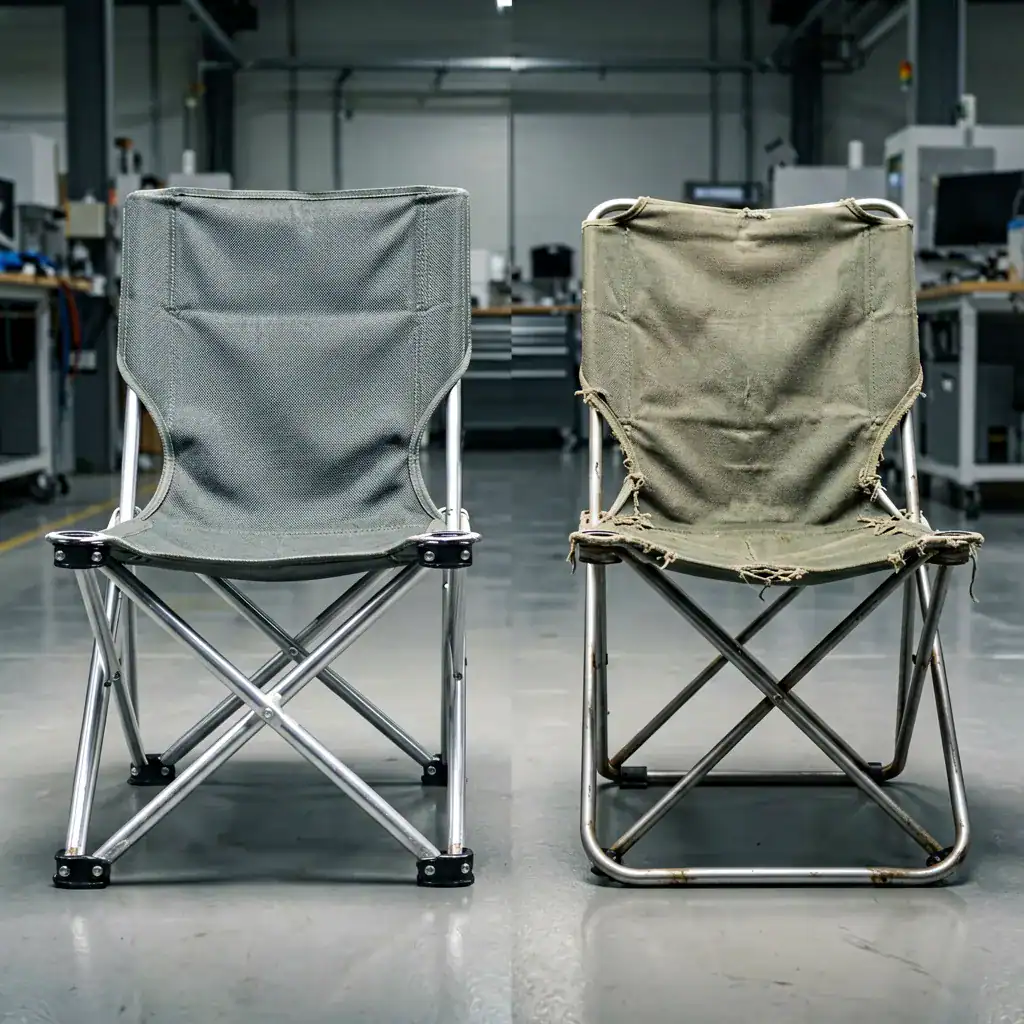
How AQL Works for Folding Wagon Import Decisions
A 500-unit order with General Level II samples 50 units.
AQL stands for Acceptable Quality Limit. It’s not a guarantee that every unit in your container is defect-free. It’s a statistical agreement: you and the supplier agree on how many defective units are tolerable in a random sample before the entire lot gets rejected. For folding wagons, this matters because a single sticking folding mechanism or a cracked weld joint can ruin a retail display and trigger returns across an entire batch.
What AQL 2.5 and 4.0 actually mean for a 500-unit order
Under ISO 2859-1, General Inspection Level II, a lot of 500 folding wagons requires a sample of 50 units pulled at random from the production run. An AQL of 2.5 for major defects means you allow up to 3 defective units out of those 50 sampled before the whole shipment fails inspection. An AQL of 4.0 for minor defects allows up to 7 defective units in that same sample. The critical threshold stays at zero — one critical defect (a frame crack, missing wheel bolt) and the lot is rejected outright regardless of the count.
Why zero-defect expectations create supplier disputes
Many retail buyers walk into inspection expecting zero defects across every wagon in the container. That expectation clashes with standard manufacturing tolerance and leads to arguments when the inspection report shows three wagons with loose threads or scuffed fabric on the side panel. The supplier will argue those are cosmetic and fall within AQL limits; the buyer will argue they’re unacceptable for shelf presentation. The fix is straightforward: write separate AQL thresholds into your 購入契約書 — 致命的は0、重大は2.5、軽微は4.0 — とし、生産開始前にどのワゴンの特徴が各クラスに該当するかを正確に文書化する。.
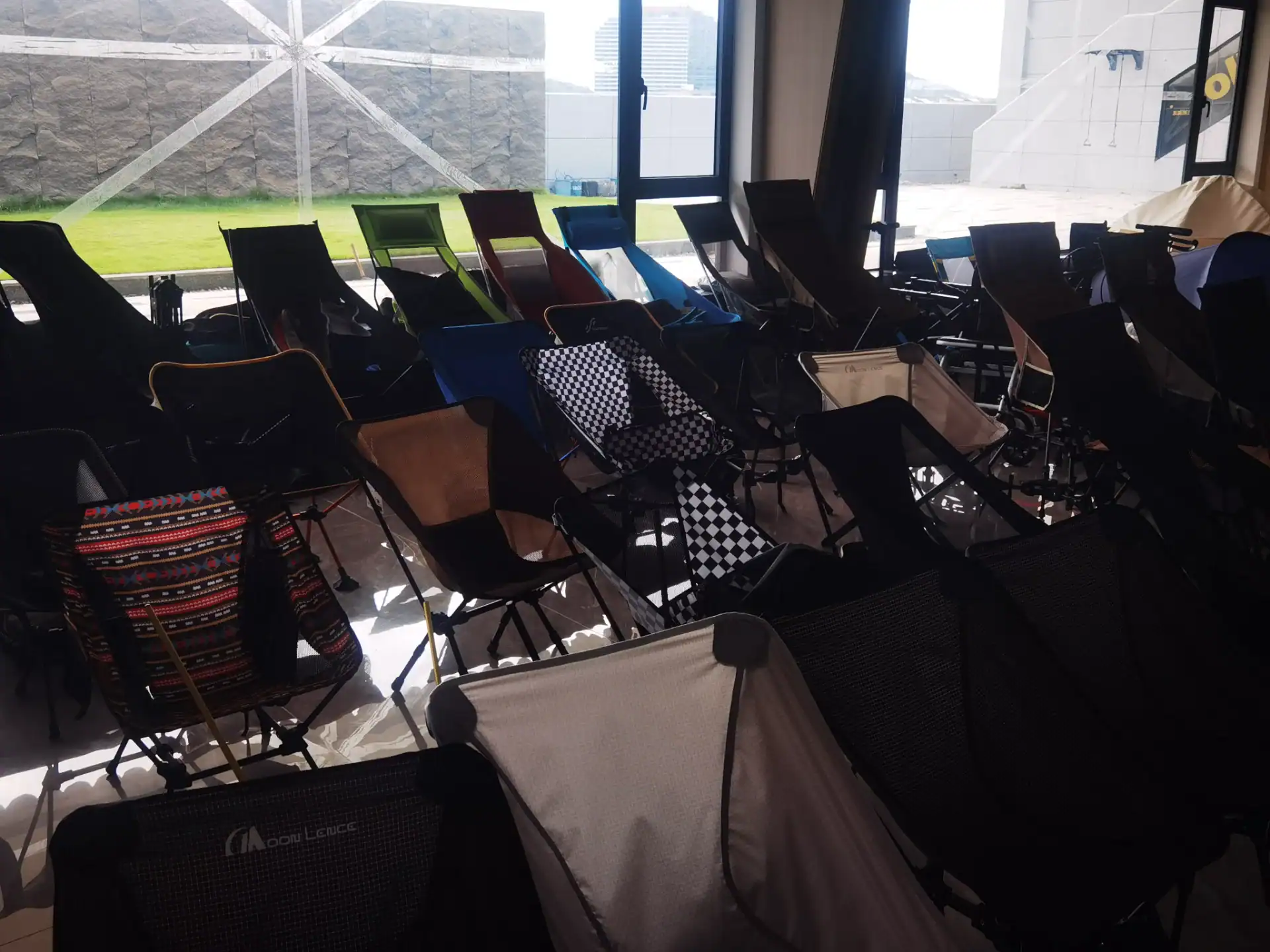
Assigning Defect Classes: Critical, Major, Minor
個別のAQL限度を設定する:致命的=0、重大=2.5、軽微=4.0。.
ほとんどの折りたたみワゴン輸入業者は、何千ドルもの損失を招く過ちを犯します。それは、あらゆる可能な欠陥に単一のAQLパーセンテージを割り当てることです。折りたたみジョイントの固着は、ほつれた糸と一緒くたにされ、全体的な欠陥数が限度内に収まるため、ロットは合格します。その後、それらのワゴンが小売店のフロアに並び、顧客がたたむのに苦労し、突然返品率が急上昇します。.
致命的欠陥 — ゼロトレランス
致命的欠陥とは、製品を安全でない状態にし、または販売を違法にするものです。折りたたみワゴンの場合、これは、荷重下で崩壊する可能性のあるフレームの亀裂、使用中に外れる原因となるホイールボルトの欠落、および検出可能な 鉛または規制対象の重金属 が塗料またはコーティング中に含まれる場合です。致命的欠陥のAQLは常に0です。検査官が炭素鋼フレームの溶接割れや、摩擦だけで固定された車輪を1台でも見つけた場合は、ロット全体を拒否してください。.
重大欠陥 — 機能上の不具合
重大欠陥は使いやすさに影響しますが、即時の安全上の危険は生じません。600D–900Dの二層オックスフォード生地バスケットの縫い目ずれは典型的な例です。通常の荷重(標準モデルでは50kgで試験)で縫製がほつれた場合、そのワゴンはビーチ旅行のシーズンを乗り切れません。開閉に過度な力を必要とする折りたたみ機構の固着は、利便性という中核的な約束を果たせません。. 非対称な車輪 は、片側が引きずるまたはぐらつく場合、タイヤの摩耗を早めるアクスルアライメントの問題を示しています。.
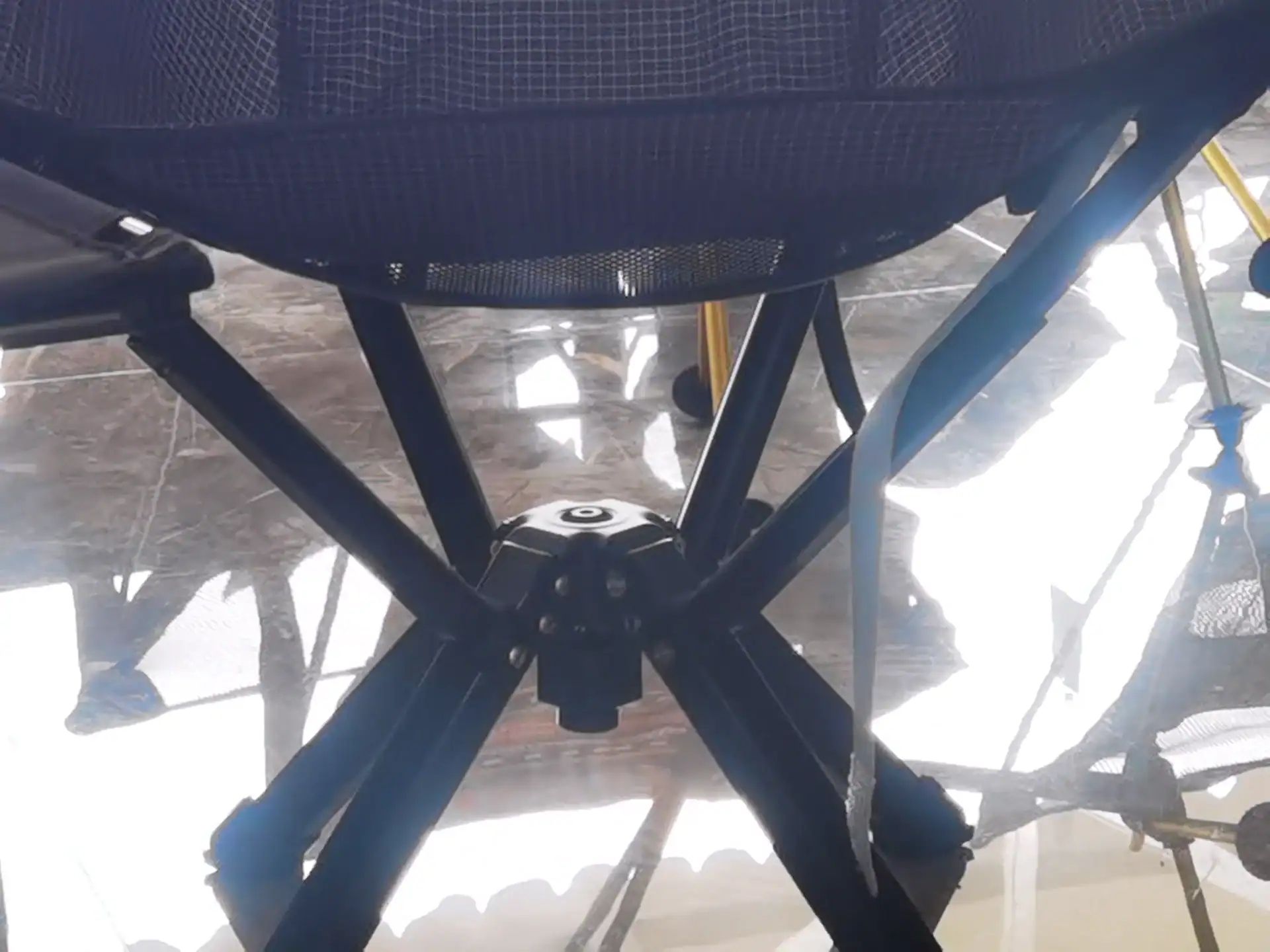
Choosing the Right Inspection Level
一般検査水準IIは、初回の折りたたみワゴン注文におけるデフォルトです。.
初めて折りたたみワゴンを注文する場合、ISO 2859(ANSI/ASQ Z1.4)に基づく一般検査水準IIがデフォルトです。これはほとんどの 消費財 の標準的な出発点であり、検査コストと不良検出のバランスを取ります。500ユニットの注文を水準IIで検査する場合、50ユニットの検査が必要です。工場はこのコードを知っているので、交渉は不要です。.
水準IIIに引き締める場合
サプライヤーが、折りたたみジョイントの固着やシームの滑りなどの主要不良で2回連続ロット不合格となった場合は、厳格な検査(水準III)に切り替えます。水準IIIではサンプルサイズが2倍になり、同じ500ユニットの注文では検査数が50から125に増えます。メッセージは明確です。工場は再び信頼する前にプロセスを修正しなければなりません。.
緩和検査が適切な場合
緩和検査(水準I)は、10ロット連続で、重大不良がゼロかつ各ロットの主要不良が1件以下の場合にのみ適用されます。ワゴンの場合、これは複数の注文にわたって、フレーム溶接品質が安定し、ホイールの回転が信頼でき、ファブリックのシームがきれいであることを意味します。サンプルサイズを約半分に減らすことで時間を節約できますが、それはサプライヤーが公差を維持できることを証明している場合に限ります。.
Sample Size Tables for Common Order Volumes
ほとんどのバイヤーは、クラス別の数ではなく総不良率に基づいてロットを拒否します。そこに本当のリスクが隠れています。.
AQLサンプリング計画はISO 2859-1で定義されており、折りたたみワゴンの標準的なアプローチは、3つの別々の不良クラスを割り当てることです:重大(0)、主要(2.5)、軽微(4.0)。これらの数値は相互に交換できません。主要不良のAQL 2.5を満たすロットでも、折りたたみジョイントの固着と塗装の擦り傷を同じカテゴリにまとめると、不合格になる可能性があります。.
300ユニットの注文
一般検査水準IIでは、300ユニットのロットは32ユニットのサンプリングが必要です。通常検査での合格/不合格のしきい値:重大不良=0合格/1不合格;主要不良=1合格/2不合格;軽微不良=3合格/4不合格。つまり、1台のワゴンに溶接割れが1つあれば、ロット全体が不合格になります。.
500ユニットの注文
一般的な初回輸入数量です。サンプルサイズは50ユニットに増えます。重大不良はゼロトレランスのまま:フレームの亀裂やホイールボルトの欠落があれば即座に不合格です。主要不良は、不合格となるまでに最大2台の不良ユニットを許容します。軽微不良は最大5台まで許容されます。多くのバイヤーは全体の不良率(例:4%不良)を見て問題ないと判断しますが、その4台の中に主要なシーム分離が2台含まれる場合、AQL 2.5に基づいてロットは不合格にすべきです。.
1,000ユニットの注文
サンプルサイズはレベルIIで80ユニットに増加します。合格限界:重大欠陥=0;主要欠陥=3合格/4不合格;軽微欠陥=7合格/8不合格。この数量では、誤合格のコストが重要になります。サプライヤーの折りたたみ機構が80台のサンプリング台車のうち3台で固着した場合、それは主要欠陥の許容範囲内ですが、それらの3台が体系的な組立問題ではなく孤立した問題である場合に限ります。.
3,000ユニットの発注
コンテナ満載の場合、, サンプルサイズ レベルIIの通常検査で125ユニットに達します。重大欠陥は依然としてゼロ許容です。主要欠陥は最大5個の不良ユニットまで合格、軽微欠陥は最大10個まで合格です。ここで文書化が最も重要になります:サプライヤーが生産時の荷重試験記録を提供しない場合、ロットを受け入れる前に、無作為に選んだ5台の台車で出荷前過負荷試験を依頼してください。.
| Lot Size | Sample Size | Major Defects (AQL 2.5) | Minor Defects (AQL 4.0) |
|---|---|---|---|
| 300 | 50 | Accept 2, Reject 3 | Accept 5, Reject 6 |
| 500 | 50 | ||
| 500 | 50 | Accept2,Reject3 | Accept5,Reject6 |
| Lot Size | Sample Size | Major Defects (AQL2.5) | Minor Defects (AQL4.0) |
|---|


 English
  Español
  Deutsch
  Français
  Português do Brasil
  Русский
  العربية
  한국어
한국어  日本語
日本語