 跳到内容
跳到内容 
季節小売テストのための低MOQカスタムテントを扱うことは、少量生産を確保しつつ品質を犠牲にしないという微妙なバランスです。あなたはカテゴリをテストしているのです——おそらく ポップアップビーチテント 夏シーズン向けに。目的は、在庫を抱えずに市場を検証することです。そのため、10,000単位ではなく、100単位でロゴとカラーを施せるサプライヤーが必要です。しかし、低い最小発注量には、写真には現れない隠れたトレードオフが伴うことがよくあります。 製品 写真の中には。.
私は、低MOQが工場が余剰材料を使うことを意味すると誤解して痛い目を見たバイヤーを見てきました。テントの生地はより薄く、シームテープもないかもしれません。私の知るあるカテゴリーマネージャーはAlibabaのサプライヤーから200のカスタムテントを注文し、雨の後に30%にシーム漏れが発生しました。サプライヤーは「サンプルバッチのばらつき」を理由にしましたが、実際には注文が小さすぎて専用生産ラインを設ける価値がないため手を抜いたのです。そこでルールです:低MOQの発注をする前に、生地のデニール、, 耐水圧定格, 、シームテープの種類を明記した完全な仕様書を求めましょう。そして自分でサンプルを1つテストしてください。それが、そのテントが駐車場セールで耐えられるかどうかを知る唯一の方法です。.
低MOQテントの価格の現実
100単位のテント注文をFOB1個あたり28ドルで行うと、総コストは2,800ドルとなります。これは50店舗チェーンでの1シーズンの不良品返品によるチャージバック手数料よりも少ない額です。低MOQの計算は品質が保たれて初めて成り立ちます。.
なぜ「MOQ 10」が決して小売対応テントを意味しないのか
私たちは毎四半期同じ混乱を目にします。買い手がAlibabaで「MOQ 10 カスタムテント」を$18/個で広告しているサプライヤーを見つけます。彼らはテスト注文を出します。届くのは、ブランド名のないポップアップ構造物が無地のポリ袋に入ったもので、ハングタグ、UPC、ASTMやCPAI-84認証は一切ありません。そのユニットはREI、DICK'S、Bass Pro Shopsの棚に合法的に置くことはできません。サプライヤーはイベントシェルターのフレームを販売していたのであって、小売在庫ではありません。.
真の小売パッケージキャンプテントには、100~500ユニットのMOQが必要です。その閾値には、「MOQ 10」の見積もりには決して現れない3つの固定費が含まれています。カスタムポリ袋のダイライン($200~$600)、UPCバーコードの登録とラベル印刷(1ユニットあたり$0.08~$0.15)、および第三者機関による可燃性試験(生地SKUあたり$400~$1,200)です。MOQ 10を提示するサプライヤーは、これらのステップのすべてを省略しています。.
100~300ユニットのテント注文における実際のコスト構造
典型的な3人用ドームテントの製造を200ユニットレベルで見てみましょう。これは、季節ごとのカテゴリーマネージャーがフルコンテナを確定する前に、新しいプリントパターンやブランドカラーウェイをテストするボリュームです。私たちはこの正確なプロセスを シナリオ 毎月バイヤーと実行しています。.
基本仕様は 210Tポリエステル フライシートに2000mmのPUコーティング、190Tポリエステルのタブフロアに3000mmのPUコーティング、そして8.5mmのグラスファイバーフレームです。200ユニットの場合、FOB価格は1ユニットあたり$24から$32の間になり、ジッパーの品質(YKK対汎用品)、ポールブランド、キャリーバッグがデイジーチェーンスタッフサックかパッド入りダッフルかによって異なります。これは、同じテントの1,200ユニットの場合より18~22%高いですが、リスクのある現金総額は$6,500未満に抑えられます。.
小ロット生産に対する15~25%のプレミアムは、実質的に保険です。1,200ユニットでのデッドストック償却は、小売業者に$28,000~$38,000の陸揚げ費用がかかり、それを30セント/ドルで処分しなければなりません。200ユニットでの失敗には$5,000~$7,000の費用がかかります。プレミアムは在庫リスクよりも安価です。.
バルクボリュームを必要としない品質基準
初心者のバイヤーは、低MOQがサプライヤーによる安価な素材の代替を意味することを心配します。その懸念は妥当です——私たちは、小雨で故障する170Tポリエステルと800mm PUコーティングを使用した「安価なテント」サンプルを何百も検査してきました。しかし、解決策はより高いMOQを要求することではありません。それは、RFQで測定可能で検証可能な閾値を指定することです。.
- 生地の重さ: フライシートには最低210T、フロアには最低190Tを要求します。サンプルとともに1平方メートルあたりのグラム数(GSM)証明書を要求してください。.
- 防水性: レインフライには2000mm、フロアには3000mmのPUコーティングを指定します。私たちはすべての小ロットを耐水圧試験機でテストします——1500mm未満のものは不合格レポートが作成されます。.
- フレーム仕様: 最小直径8.5mmのグラスファイバーポールを規定する。当社は「8.5mm」とされるサンプルを受け取り、ノギスで測定したところ7.8mmでした。0.7mmの減少により、耐風性は約18%低下します。.
- シームシーリング: フライシートにテープによるシーム処理を必須とする。小ロットの場合、ケリーランドは追加の治具費用なしで二重パスのシームテープを適用します。.
これら4つの仕様により、r/AlibabaImportに寄せられる「品質のばらつき」に関する苦情の約70%が解消されます。残りの30%は、梱包の欠陥とロゴカラーのミスによるもので、いずれも出荷前検査レポートとパントン確認写真で対応可能です。.
サプライヤーが事前に提示しない隠れコスト
FOB価格は決して全コストではありません。3つの項目が初めてテントを購入するバイヤーを常に驚かせます。第一に、500ユニット未満でのカスタムパントン染色には、1色あたり300~800ドルの追加料金がかかります。当社はバイヤーに対し、初期の低MOQロットではサプライヤーの在庫布地色から選択し、SKUが実績を証明した後にカスタム染色に投資することを推奨します。第二に、ポリ袋のアートワークセットアップ(ダイライン作成、印刷版彫刻)は、色数に応じて150~400ドル追加されます。第三に、テント生地のCPAI-84難燃性試験は、生地タイプごとに400~700ドルかかり、リテールチャネルで必要とされる場合、生産前に実施する必要があります。.
当社はこれらの費用をすべて最初のメール返信で開示します。これらを見積もりに含めないサプライヤーは、経験不足か、後で出荷前段階で「予期せぬ請求」として追加する計画のいずれかです。.
季節リテールウィンドウのリードタイム計算
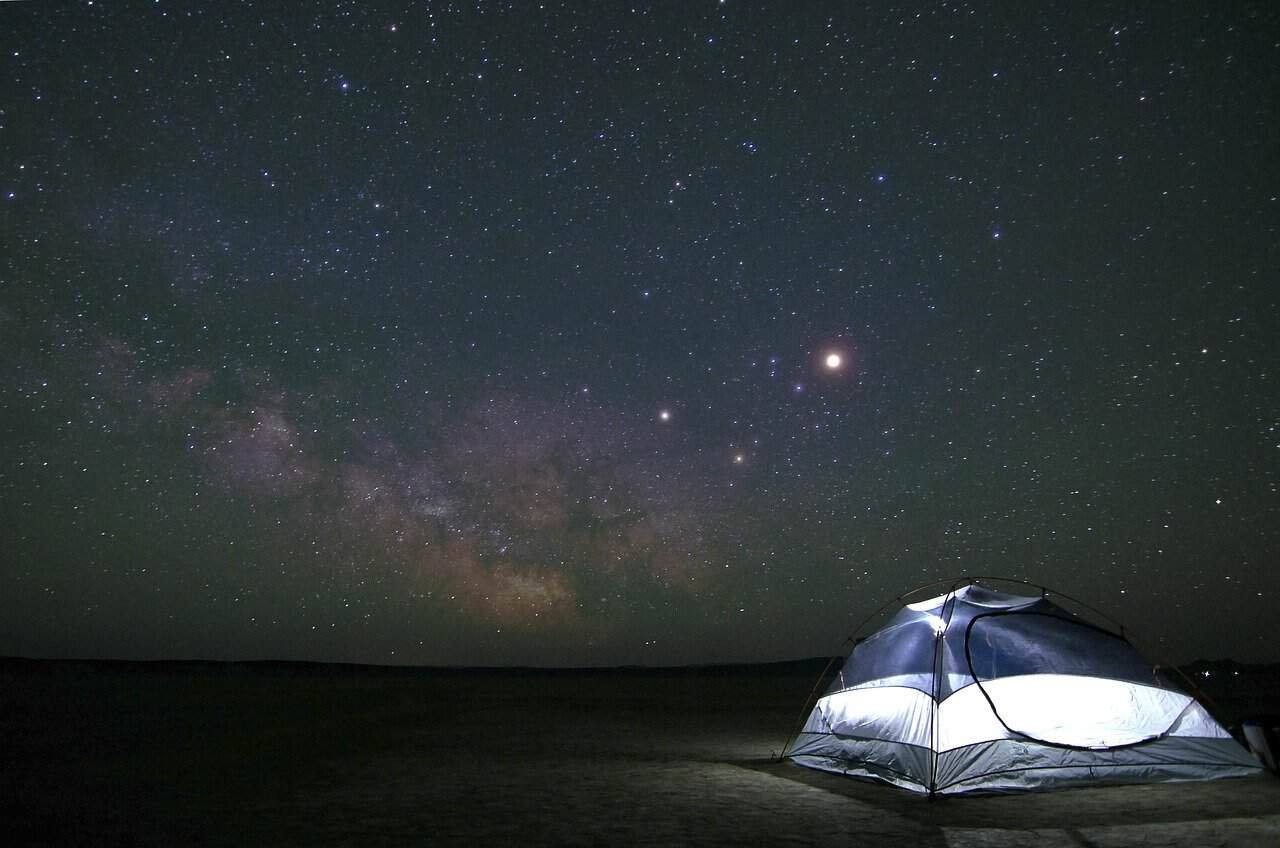
カスタムテント200ユニット注文の生産は、サンプル承認から30~45日かかります。寧波からロサンゼルスへの海上貨物は18~24日追加されます。港の通関と地域配送センターへのドレージはさらに7~12日かかります。合計期間:サンプル承認から受領まで55~81日です。.
つまり、2026年のメモリアルデー発売には、2026年1月末までにサンプル承認が必要です。毎年、3月まで遅らせ、棚入れ日に間に合わせるために4,000~8,000ドルの航空貨物料金を支払うバイヤーがいます。200ユニットのテントパレット(80立方メートル)の海上費は約2,200ドル、航空費は約7,500ドルです。MOQ注文は海上貨物の期間に合わせて計画し、その逆ではありません。.
低MOQロット出荷前に当社がテストすること
当社のQCチームは、500ユニット未満の全バッチに対して7つのチェックを実施します。ポール径をデジタルノギスで測定します。3つのランダムなフライシートサンプルで耐水圧試験を実施します。50ユニットごとに1つのテントで完全セットアップテストを行い、ポールスリーブの位置合わせとジッパーの噛み合いを確認します。全ユニットのロゴ配置を承認済みパントン基準カードと照らし合わせて写真撮影します。キャリーバッグの重量を仕様と比較します。すべてのシームテープ端の浮きを検査します。床に2インチの水を張って新聞紙を敷き、15分後の吸い上げを確認することで耐圧テストを実施します。.
いずれかの不良が発生した場合、生産再開前に製造中止と是正措置計画が発動されます。これこそ、カテゴリマージンを45%以上に維持し、返品率を2%未満に抑えるために必要な品質管理レベルです。このレベルの詳細をもって小ロットQCプロセスを説明できないサプライヤーは、リテールグレードの低MOQテントプログラムを扱う能力がありません。.
素材仕様と小売価格
# 低MOQカスタムテント:リテールマージンガイド真の小売向けパッケージカスタムキャンプ用テントには、金型費用を吸収するために100~500ユニットの最小注文数量(MOQ)が必要で、1ユニットあたりのFOB価格は$15~$45で、生地のデニールに依存します。500ユニット未満の小ロット注文は、大量生産に比べて1ユニットあたり15~25%のプレミアムがかかりますが、実績のない季節商品(SKU)で1万ドル以上の在庫廃棄損失を防げます。.
「MOQ 10」の罠を解き明かす
「MOQ 10」を宣伝するサプライヤーは通常、未完成のイベント構造物を販売しており、UPCコードや安全認証が付いた小売向けのポリ袋詰め商品ではありません。標準的な小売パッケージのキャンプ用テントには、ポリ袋詰め、ラベル印刷、UPC登録の金型費用を吸収するために、真のMOQは100以上必要です。私たちはよく、「MOQ 10」のサプライヤーがサンプル承認後にのみ、ポリ袋詰めに1ユニットあたり2.50ドルの追加料金を見積もった買い手から相談を受けます。この隠れた費用は、10ユニットのテスト注文では利益を圧迫します。.
イベントテントのサプライヤー(米国製)はMOQを排除しますが、アジアのメーカーFOB価格の4~6倍の価格を請求します。1テントあたり60~90ドルの卸売価格では、標準的な40~60%の小売マージンを確保する余地はありません。新しい季節商品をテストするカテゴリーマネージャーにとって、国内のイベントテント価格では計算が成り立ちません。.
低MOQテントの価格の現実
100~300ユニットのカスタムテント注文の実際のコスト構造は、材料、金型、人件費、物流の4つの要素で構成されます。標準的な3人用ドームテント(210Tポリエステル、2000mmPUコーティング、8.5mmグラスファイバーフレーム)の場合、100ユニットのロットでは、信頼できる中国工場からのFOB価格は1ユニットあたり15~25ドルです。これに対して、1,000ユニットのロットでは、1ユニットあたりのコストは12~18ドルに低下します。小ロットに対する15~25%のプレミアムは現実的ですが、それにより、1つのSKUに18,000ドル以上をコミットせずに需要を検証する能力を得られます。.
この小ロットプレミアムがカバーするものは次のとおりです。
- 生地裁断廃棄: 小規模な生地ロールは、より多くのセットアップが必要で、効率的なネスティングができず、材料費に8~12%の追加費用が発生します。.
- 金型償却: カスタムポール長、バックル、ジッパー用の金型は、少数のユニットで償却しなければなりません。.
- ライン切り替え: 生産ラインを5,000ユニットのロットから100ユニットのロットに切り替えると、ダウンタイムに約200~400ドルのコストがかかり、ユニット価格に織り込まれます。.
- パッケージングセットアップ: カスタムポリ袋、ラベル、UPCバーコード印刷には固定セットアップ料金(通常150~300ドル)がかかり、1,000ユニットでは無視できますが、100ユニットでは大きな負担となります。.
当社のQCチームは、最悪の利益を圧迫する要因は非公開の染料ロット費用であると見ています。100ユニットの注文でカスタムパントンカラーを依頼すると、300~800ドルの染料ロット費用が発生し、サプライヤーが事前に提示することはほとんどありません。最初の低MOQロットでは、この罠を避けるために、在庫色(例:210Tポリエステルのフォレストグリーン、グレー、ネイビー)に固執してください。.
低MOQカスタムテント製造における隠れたコスト
明白な単価の他に、いくつかの隠れたコストが着地原価をマージンモデルが支えられる以上に押し上げる可能性があります。これらには以下が含まれます:
- サンプル発送: 中国から米国へのテント1張り(3~5kg)の宅配料金は$60~$120の範囲です。無料サンプルを提供するサプライヤーもいますが、送料はお客様負担です。テスト予算にこれを組み込んでください。.
- UPCとバーコード登録: GS1固有UPCの年間手数料はSKUあたり$30~$100、さらにバーコードラベルの印刷に$15~$25かかります。.
- 安全試験: 大手量販店の小売バイヤーはCPAI-84難燃性認証を要求することがよくあります。テント生地サンプルの単一ラボ試験には$400~$800かかります。注文前に予算を計上してください。.
- 物流サーチャージ: 小口LCL(コンテナ未満)貨物は、フルコンテナよりも1kgあたりのレートが高くなります。100張りのテント注文(約4~6CBM)では、海上運賃に加えて通関業者手数料が$600~$1,000かかる場合があります。.
私たちは、初心者のバイヤーが安全認証のステップを省略し、その後、小売業者のコンプライアンスチームが認証の欠如を指摘したために$5,000の罰金または強制リコールに直面するのを見てきました。試験で手を抜かないでください。.
小ロット生産のための品質管理戦術
100台の注文で品質を維持することは、実際には5,000台の注文よりも簡単です。すべての単品を検査できるからです。低MOQカスタムテントの当社の標準手順は次のとおりです:
- プレプロダクションサンプル: 完全な仕様(梱包を含む)でテント1張りを製作し、承認のためにバイヤーに発送します。これにより、フィット感、生地、印刷の問題の90%がキャッチされます。.
- 内工程検査: 切断と縫製の際、各生産工程で最初の10ユニットをチェックします(縫い目の強度、ジッパーの動作、ポールのフィット)。.
- 最終100%検査: 300ユニット未満の注文の場合、積み込み前に買い付け代理店か第三者検査機関(例:SGS、QIMA)に全テントを検査することを推奨します。費用は1ユニットあたり$0.50~$1.00程度で、返品率の悪夢よりは安上がりです。.
全テントに対して防水テスト(2000mm圧力で5分間のホーステスト)とジッパー耐久テスト(開閉100回)を実施します。もしテントが組立ラインで不合格となった場合、その部品のバッチ全体を却下します。当社の品質管理チームによると、低コストテントで最も多い欠陥はグラスファイバーポールの破片です。最低直径8.5mmのグラスファイバーポールで、両端に先端キャップが付いたものを使用してください。.
リードタイム:低MOQテントの期待値
低MOQカスタムテントの標準生産期間は、注文確認から30~45日です。これには生地調達、染色(在庫色の場合)、裁断、縫製、組立、包装が含まれます。中国から米国西海岸の港への海上輸送に25~35日追加されます。ドアツードアの総リードタイムは通常60~80日です。.
より早い納品が必要な場合、航空貨物も選択肢ですが、ユニットあたりのコストが4~6倍になります。100ユニット、重量300kgのテント注文の場合、上海からニューヨークへの航空貨物は1kgあたり$4~$6程度で、総コストに$1,200~$1,800が追加されます。航空貨物は真の緊急補充にのみ検討すべきで、最初のテスト注文には適しません。.
低MOQテスト注文は、目標販売日の少なくとも90日前に発注することを推奨します。そうすれば、量産前サンプルを確認し、仕様を調整し、シーズン前に商品を受け取る十分な時間が確保できます。.
よくある質問
カスタムリテールテントに本当に最小注文数量はないのですか?
いいえ。小売グレードのカスタムテントでゼロMOQを主張するサプライヤーは、(a)未完成のイベント用構造物を販売している、(b)利益率を損なう法外な単価を請求している、または(c)セットアップ費用を隠しているかのいずれかです。本格的な小売用パッケージテントには、工具、包装、ラベリングコストを正当化するために最低100ユニットが必要です。.
少量生産時にカスタムテントの品質をどのように維持していますか?
ユニットの100%を検査することで実現します。100ユニットの注文であれば、すべてのテントの縫い目完全性、ジッパー機能、ポールフィット、防水性をチェックできます。量産前サンプルを使用して仕様を確定し、工場にその基準を守らせます。このボリュームでは第三者検査は安価であり、安心感を得る価値は十分にあります。.
低MOQテント製造における隠れたコストは何ですか?
隠れコストのトップ5は以下の通りです:カスタムパントン染料ロット料金($300~$800)、ポリ袋と包装のセットアップ($150~$300)、安全テスト(CPAI-84、$400~$800)、LCL(コンテナ未満)貨物サーチャージ、サンプル送料($60~$120)。注意深い買い手は、注文前にすべてのセットアップ費用を網羅した明細見積もりを求めます。.
低MOQのテント注文でカスタムパントンカラーは可能ですか?
はい、ただし500ユニット未満の注文では$300~$800の染料ロット料金が発生します。多くの工場はこれを初期見積もりに含めていません。より安価な代替案は、工場の在庫色(通常3~5の標準オプション)から選ぶことです。より大きな再注文でSKUを検証した後、カスタム色に投資できます。.
低MOQのカスタムテントはどのくらい早く納品できますか?
生産に30~45日、海上輸送に25~35日かかり、合計でドアツードア60~80日です。航空貨物なら20~25日に短縮できますが、輸送コストが4~6倍になります。サンプリングと予期せぬ遅延に備え、シーズンの少なくとも90日前に注文を計画してください。.
次のステップ:プライベートラベルのベースモデルを特定する
低MOQのカスタムテントの真のコスト構造や隠れた料金を理解した今、最も賢い選択は、実績のあるベースモデルから始めることです。210Tポリエステル素材に2000mmのPUコーティング、8.5mmのグラスファイバーポールを使用したテントを探しましょう。これらの仕様は、小売レベルの防水性と耐久性を、あなたのマージン目標をサポートするコストで提供します。.
当社のキャンプテントカタログをご覧いただき、プライベートラベルプログラム向けの小売対応ベースモデルを見つけてください。キャンプテントモデル(3〜4シーズン、ポップアップ、ファミリーサイズ)が、素材仕様(210T/190Tポリエステル、PUコーティング)とフレーム詳細とともにカテゴリ別にグリッド表示されており、価格帯と品質要件に合ったベースモデルを特定できます。.
モデルを選択したら、ファブリックカラーのカスタマイズ、ロゴの追加、100ユニットのテスト注文(完全なQC検査付き)をサポートいたします。最初のステップは、適切なプラットフォームを選ぶことです。.
| 素材仕様 | 仕様 | 小売価格への影響 |
|---|---|---|
| 生地グレード | 190T / 210T / 300T ポリエステル | $15-$25 FOB(190T)vs $25-$35(210T)vs $35-$45(300T) |
| 防水コーティング | 1500mm / 2000mm / 3000mm PU | 2000mmが3シーズンのベースライン。3000mmでは1ユニットあたり約$3-$5のプレミアムが加算 |
| フレーム素材 | 8.5mm / 9.5mm / 11mm グラスファイバー、または7001/7003アルミニウム | アルミフレームはグラスファイバー比で1ユニットあたり$8-$15の追加費用。グラスファイバーは着地コストを$25未満に抑える |
| 認証 | CE、CPAI-84(難燃性) | 大型量販店向けに必須。テストおよびラベル表示で1ユニットあたり$1-$2の追加費用 |
| 梱包グレード | UPC、ハンギングタグ、取扱説明書付きのポリ袋梱包 | 小売向けパッケージは1ユニットあたり0.50~1.50ドル追加されます。「MOQ 10」のイベント用テントにはありません。 |
プライベートラベルのカスタマイズ制限
実際に小売向けパッケージされたカスタムキャンピングテントには、100~500ユニットの最小発注数量(MOQ)が必要です。少ロット注文では1ユニットあたり15~25%の割増料金がかかりますが、1万ドル以上の在庫廃棄を防げます。.
「MOQ 10」の罠:実際に何を注文しているのか?
人気の検索結果では、カスタムテントに「MOQ 10」を謳っています。その数字は存在しますが、ほぼ常に以下のものを指します。 イベント用テント (トレードショーや歩道販売に使われるポップアップキャノピー構造)で、未完成のフレームとして販売され、ポリ袋、UPCラベル、安全認証はありません。これらのユニットは多くの場合、プロモーション市場向けに米国で製造され、アジア製のキャンピングテントに比べて4~6倍の価格プレミアムがつきます。.
市場投入計画に、箱入りでポリ袋入りのテント(ハングタグ、キャリーバッグ、DCでスキャン可能なUPC-Aバーコード付き)が必要な場合、まったく異なる製品カテゴリーを検討していることになります。そのカテゴリー(小売向けパッケージのキャンピングテント)では、ダイカットパターン、ポリ袋シール、ラベル印刷の金型費用をカバーするだけでも、真のMOQは100~500ユニット必要です。小売向けテントで「MOQ 10」を見積もるサプライヤーは、嘘をついているか、自分で包装する必要がある未完成のシェルを見積もっているかのどちらかです。.
100ユニットのテント注文の実際の価格
私たちはこれを四半期ごとにテストしています。3人用ドームテント(190Tポリエステルフライ、8.5mmグラスファイバーフレーム)は、100ユニットのロットでFOB約15~18ドルになります。生地を210Tポリエステル(2000mmPUコーティング)、フレームを9.5mmグラスファイバーに上げると、FOB 22~28ドルになります。さらに3000mmPUコーティング、アルミポール、ベスティビュールを追加すると、価格はFOB 35~45ドルに跳ね上がります。.
1000ユニットではなく100ユニットを注文する場合の1ユニットあたりの割増料金は15~25%です。しかし、代替案を考えてみてください。1000ユニットのコンテナは着荷ベースで2万~4万5000ドルかかります。季節商品のテストが失敗すると、その全額を償却することになります。100ユニットのテストは着荷ベースで2000~4500ドルと、管理可能な損失であり、Q3の利益目標を守ることができます。.
- 190Tポリエステル / 8.5mmグラスファイバー: MOQ 100で1ユニットあたりFOB 15~18ドル
- 210Tポリエステル / 2000mmPU / 9.5mmグラスファイバー: MOQ 100で1ユニットあたりFOB 22~28ドル
- 300Tポリエステル / 3000mmPU / 7001アルミニウム: $35–$45 FOB 単価、100 MOQ時
利益を損なう隠れたコスト
最も宣伝されていないコストは、カスタムのパントンマッチングです。500ユニット未満の場合、ほとんどの生地工場は$300~$800の追加料金なしでは新しい染料ロットを生産しません。この料金は初期見積もりでほぼ言及されません。在庫の生地色(黒、グリーン、ブルー、タン)にこだわれば、この費用を完全に回避できます。.
小売包装自体が別のコスト層を追加します:ポリ袋印刷、UPCラベル貼付、段ボールマーキング。ポリ袋とラベルサービスで1ユニットあたり$0.50~$1.50を見込んでください。一部のサプライヤーはこれをFOB価格に含みますが、別項目として扱うところもあります。署名前に書面で確認しましょう。.
防火認証(米国向けCPAI-84)も見落とされがちなコストです。単一のテント生地をCPAI-84に試験するには約$300~$500かかります。バイヤーが準拠を要求する場合は、選択した生地の重量に対してサプライヤーが有効な証明書を持っていることを確認してください。.
小ロットでの品質管理
少量MOQの生産では、全ユニットに対して100%の目視検査を実施します。当社のQCチームは、ゴールデンサンプルと照らし合わせて、シームシーリング、ポールフィット、ジッパー機能、生地張力をチェックします。100ユニットの注文の場合、この検査は工場フロアで約4時間かかります。サンプルを撮影し、出荷前レポートをバイヤーと共有します。.
一般的な懸念 – 低MOQは品質へのコミットメントが低いことを意味する – は逆です。小ロットでは、早期に逸脱を発見できます。ステッチ密度やコーティング厚さのばらつきを、全生産が完了する前に報告します。ご自身で生産工程を監査したい場合は、裁断・縫製段階でビデオ通話を手配できます。.
計画すべきリードタイム
低MOQのカスタムテント注文の生産は、サンプル承認から30~45日かかります。米国西海岸港への海上貨物に25~35日を追加。ドアからドックまでの合計時間:55~80日。小売業者との打ち合わせ用のサンプルが必要な場合は、試作品作成とエクスプレス宅配での発送に15~20日を考慮してください。.
急ぎ生産(15~20日)も可能ですが、20~30%の割増料金がかかります。初回注文ではお勧めしません。QC期間が短縮されるからです。標準のリードタイムを守り、サプライヤーが材料調達と生産途中のチェックを行う時間を確保してください。.
よくある質問
カスタムリテールテントに本当に最小注文数量はないのですか?
いいえ。小売包装されたテントに真のゼロMOQを提供するサプライヤーは、小売包装なしのイベント用ポップアップキャノピーを販売しています。キャリーバッグとUPCラベル付きの箱詰めテントの場合、型紙裁断と包装準備をカバーするには少なくとも100ユニットが必要です。.
少量生産時にカスタムテントの品質をどのように維持していますか?
当社は100%の目視検査と 生産途中のチェックポイント. を使用しています。すべての生地は同じ染料ロットから裁断されます。各テントは組み立てられ、シーム漏れ、ポールの位置、ジッパー動作を検査してからポリ袋詰めされます。.
カスタムパントン染料ロット($300~$800)、ポリ袋印刷(1ユニットあたり$0.50~$1.50)、およびCPAI-84耐火試験($300~$500)は、最も一般的な非表示費用です。在庫生地色と標準ポリ袋によりコストを予測可能に保ちます。.
低MOQのテント注文でカスタムパントンカラーは可能ですか?
はい、ただし注文が500ユニット未満の場合は、$300~$800の染料ロット料金がかかると予想してください。ほとんどの工場では、そのコストを償却するためにフル生産ロットが必要です。100ユニットの初回テストでは、在庫色を使用し、カスタムマッチは量産再注文の時に取っておくことをお勧めします。.
低MOQのカスタムテントはどのくらい早く納品できますか?
標準生産は30~45日、それに海上輸送25~35日が加わります。急ぎ生産(15~20日)は20~30%の割増料金で可能ですが、QCの抜けが生じるリスクがあります。.
プライベートラベルプログラム向けの小売準備済みベースモデルを見つけるには、当社のキャンプテントカタログをご覧ください。.

リードタイムとシーズン枠
本格的な小売パッケージのカスタムキャンプテントは、工具費用を吸収するために100~500ユニットのMOQが必要です。小ロットでは1ユニットあたり15~25%の割増料金がかかりますが、その割増により、実績のない季節商品のデッドストック廃棄$10,000以上を防ぐことができます。.
低MOQテントの本当のコスト
サプライヤーがMOQ 10と宣伝している場合、彼らは未完成のイベント構造物を販売しており、UPCコードと安全認証が付いた小売準備済みのポリ袋入り商品ではありません。棚陳列用にパッケージされた本格的な小売キャンプテントは、ポリ袋詰め、抜き型ボックス、コンプライアンス試験のための工具を正当化するために最低100ユニットが必要です。標準的な3人用ドームテントのFOB単価は、生地デニールとフレーム素材に応じて$15~$45の範囲です。190Tポリエステルテントは$15程度かもしれませんが、これらのユニットは1500mmの耐水圧テストに不合格となり、漏れの苦情と12%を超える返品率を引き起こすことがあります。当社の基準は210Tポリエステルに2000mm PUコーティングで、低MOQのカスタムテントでは通常、輸入総原価が$22~$28になります。1000ユニットのロットに対する15~25%の小ロット割増でも、500ユニットの売れ残りを廃棄する大量注文と比較すれば財務的に理にかなっています。.
利益率を守る素材とフレームの仕様
小売カテゴリーマネージャーは、返品率15%の$40のテントは、返品率3%の$50のテントよりも早く利益を損なうことを知っています。その差は仕様書にあります。MOQ 100未満のカスタムテントを提供するサプライヤーは、一貫してフロアの厚さ、ポール径、シームシーリングを手抜きします。低MOQの場合は、 プライベートラベルテント卸売 注文では、以下の最低条件を主張してください:
- 生地: 210T以上のポリエステル(3シーズン使用では190Tを避ける)。最低2000mmのPUコーティング、湿気の多い市場では3000mm推奨。.
- フレーム 1. 標準モデルには8.5mmのグラスファイバーポールを使用。風の多い地域では9.5mmまたは7001アルミニウムにアップグレード。.
- フロア 2. 最低120gのPEまたは210Dオックスフォードで、テープ加工された縫い目があること。80gのPEは避けること。穴が開きやすいため。.
- 3. 認証: 4. CE、, CPAI-84 5. ポリコットン混紡生地の難燃性。生産前に試験報告書を要求すること。.
6. カスタムプリントテントを100個の最小ロットで生産可能な工場は、通常、専用の小ロット生産ラインを持つ工場です。在庫生地と標準ポール長を使用するため、コストは予測可能ですが、色の選択肢は限られます。当社の品質管理チームは、初回のシーズナルテストにはこのトレードオフを受け入れ可能と判断しています。.
7. 隠れた費用:パントンカラーと金型費用
8. 中国での小ロットカスタムキャンピングテントにおいて最も一般的な隠れコストは、色のカスタマイズです。500個未満の注文でカスタムパントンマッチを依頼すると、$300~$800の染料ロット費用が発生します。サプライヤーはこれを事前に明示しません。彼らはあなたが自社の在庫色5~10色から選ぶと想定しています。セージグリーンやマスタードイエローのようなトレンド色が必要なシーズナルリテールブランドにとって、その費用は低い最小ロットによる単価節約を帳消しにします。もう一つの罠:米国を拠点とするイベントテントサプライヤーは「最小ロットなし」を宣伝しながら、1テントあたり$80~$120を請求します。これはアジア製のFOB価格の4~6倍です。その価格設定は、大型量販店に必要な40~60%の粗利益率を破壊します。金型費用を部品ごとに明確に開示し、100個のカスタム注文に対して標準色を追加料金なしで提供するサプライヤーと協力しましょう。.
9. リードタイムとシーズナルウィンドウ
10. 低最小ロットのカスタムテントの標準生産は30~45日、さらにアジアから米国西海岸までの輸送に25~35日かかり、合計55~80日となります。シーズナル発注のウィンドウを1ヶ月逃すと40%以上の値引きを余儀なくされ、テスト生産の利益が消失します。希望する棚入れ日の少なくとも90日前に注文することをお勧めします。専用の小ロット生産ラインを持つサプライヤーは、原材料が在庫にあれば30日で納品できることがよくあります。より迅速な検証のため、初回テスト注文には航空貨物を検討してください(海上で1ユニットあたり$2~$3に対し、航空で約$8~$12)。これにより4週間で製品を検証し、その後海上で大量発注できます。低最小ロットのシーズナルリテールテントサプライヤーを評価する際は、直接尋ねてください:「ポリ袋、UPCラベル、ハングタグを含む、小売用パッケージの最小ロットはいくらですか?」その答えが、イベントテント販売業者と真のOEMメーカーを区別します。 海上運賃 12. 率直に言って:.
隠れた輸入コストの落とし穴
13. 小売用パッケージのカスタムテントには100~500個の最小ロットが必要です。「最小ロット10」を約束するサプライヤーは、未完成のイベント用キャノピーを販売しているだけです。ポリ袋に入れられ、UPCラベルが貼られた、あなたの棚に並べられる製品ではありません。 14. 「最小ロット10」の検索で間違った製品が出てくる理由.
15. この検索の根底にはカテゴリーの混乱があります。サプライヤーが「最小ロットなし」や「最小ロット10」を宣伝する場合、ほぼ常にプロモーション用ポップアップテント(ファーマーズマーケットやトレードショーで使われる10×10フィートのキャノピー)を指しています。それらは米国製のイベント用構造物で、小売用パッケージは一切ありません。同じ製品ではありません。
この検索の核心にはカテゴリーの混乱がある。サプライヤーが「最小ロットなし」や「最小ロット10」と宣伝する場合、ほとんどの場合、プロモーション用のポップアップテント、つまりファーマーズマーケットや見本市で使用される10フィート×10フィートのキャノピーを引用している。これらは米国製のイベント用構造物で、小売用のパッケージは一切ない。同じ製品ではない。.
真のリテール用キャンプテント——ポリ袋入り、ハングタグ付き、CEまたはCPAI-84認証済み、UPCコード付き——には、生地裁断パターン用の金型、QCチェックポイント、包装ラインが必要です。そのコストはユニット数に分散されます。100ユニットの場合、金型の償却は管理可能です。それを下回ると、ユニットあたりの価格が最低15~25%上昇し、ほとんどの工場は単純に注文を断ります。.
そして、もしあなたがAliExpress初心者で品質を心配しているなら、スレッドを注意深く読んでください。Redditの「ロゴが逆に印刷された」「間違ったジッパー」といった恐怖話は、ほぼ常にサンプル承認をスキップして最低価格を選んだバイヤーに遡ります。当社のQCチームはその理由で10ステップのプロセスを構築しました。要求収集、サンプル承認、出荷前検査は任意のステップではありません。.
実際のコスト内訳:100ユニットの注文で実際に得られるもの
210Tポリエステル、2000mm PUコーティング、8.5mmグラスファイバーフレームを使用した3人用ドームテントで計算してみましょう。それが、3シーズン防水に対する当社のベースラインリテールグレード仕様です。実際のコストフローは次のようになります。
- FOB価格(ユニットあたり、100ユニットの場合): $18~$25。そのコストの大部分は生地仕上げとフレーム組み立てにあります。.
- 金型償却: ユニットあたり$0.80~$1.50。これには裁断型作成費とポリ袋金型費用が含まれます。.
- 小ロットプレミアム: 1,000ユニットの生産に対して15~25%。生産ラインの段取り替えと材料調達の遅さに対する支払いです。.
- 隠れたパントン染料ロット費用: $300~$800。100ユニットでカスタムカラーを合わせたい場合、その費用は交渉の余地がありません。在庫生地の色を選べばこのコストはゼロです。.
- 海上運賃(ユニットあたり、米国東海岸向け): $1.50~$3.00、コンテナの容量に依存します。.
総原価:ユニットあたり$22~$30。40~60%の粗利を設定すると、小売価格は$37~$75になります。これはYKKジッパーと補強縫い目を使用した3人用210Tテントとしては競争力があります。サプライヤーがFOB価格$10を見積もってきた場合、彼らは120g/m²以下の薄い生地を使用しており、12回の使用で剥離します。当社はこれらの素材を品質ラボで毎月テストしています。.
小ロット生産で品質を維持する方法
低MOQ(最小订单量)时最大的风险不是帐篷设计,而是组装变异性。如果工厂优先处理大客户订单,小批量生产就会仓促进行。以下是我们绍兴工厂应对这种情况的方法:
- 产前样品: 我们在实际生产线上裁剪并缝制2-3个单元,然后进行72小时水柱测试(至少2000mm)。.
- 在线质量控制检查: 每第10顶下线帐篷检查缝线密度、接缝压胶和拉链操作。.
- 最终检验: 我们用卡尺测量帐篷杆,用织物厚度计测量面料,并拍摄整批产品100%的照片。这些照片在发货前会发送给买家。.
即使对于100件订单,我们也不会跳过这些步骤。这不是因为我们慷慨,而是因为超过2%的退货率会损害您的利润和我们的声誉。每个通过Kelyland外包低MOQ自有品牌帐篷批发的买家都会获得相同的QC程序。.
交货时间:什么是现实的
典型的小批量定制露营帐篷中国订单遵循以下时间表:材料采购5-7天,样品确认10-14天,生产30-45天,然后海运到美国25-35天。从下单到上架总共需要70-96天。如果您计划在2026年春季推出,则需要在2025年10月之前启动沟通。.
空运可将运输时间缩短至5-7天,但每顶帐篷增加8-15美元。对于季节性零售试销,这会破坏您的利润结构。更好的策略:通过海运订购100件,销售40%后,如果趋势火爆,再通过空运补货。这样可以将滞销库存风险控制在3,000美元以下。.
常见问题解答:为零售买家的直接答案
カスタムリテールテントに本当に最小注文数量はないのですか?
不。活动遮阳篷没有MOQ。零售包装露营帐篷需要100件以上才能分摊模具和认证成本。我们提供基础型号项目,针对OEM露营帐篷低最小订单量需求,从100件起订。.
少量生産時にカスタムテントの品質をどのように維持していますか?
通过执行与10,000件订单完全相同的QC程序:产前样品、在线检验以及材料厚度和框架尺寸的照片证据。不要接受跳过在线检查的供应商。.
低MOQテント製造における隠れたコストは何ですか?
潘通色卡染色批次费用(300-800美元)、塑料袋模具费(通常包含在单价中但应单独列明),以及如果箱子尺寸超过标准托盘尺寸的超出规格运输费。.
低MOQのテント注文でカスタムパントンカラーは可能ですか?
はい、ただし染料ロット料金の予算が必要です。100ユニットの場合、その料金はテント1つあたり$3~$8のコスト増となります。在庫の生地色はコストを一定に保ちます。追加料金なしで12の標準色をご用意しています。.
低MOQのカスタムテントはどのくらい早く納品できますか?
生産:30~45日。海上輸送:米国西海岸まで25~35日、東海岸まで35~40日。合計:最短8~12週間。航空輸送も可能ですが、1ユニットあたりのコストが大幅に増加します。.
| コストの落とし穴 | 説明 | 典型的なコスト | 利益率への影響 | 緩和戦略 |
|---|---|---|---|---|
| 小売販売対応パッケージング費用 | サプライヤーは低い最低注文数量を提示しますが、ポリ袋詰め、UPCラベル、ハングタグのコストを省略しています。. | $0.50~$2.00 / ユニット | 予算化されていない場合、利益率を3~8%減少させます。 | パッケージングの全額見積もりを事前に依頼してください。KelylandではFOB価格にポリ袋とラベルのコストを含めています。. |
| カスタムPantone染料ロット料金 | 500ユニット未満でカスタムカラーを依頼すると、小ロット染料ロット割増料金が発生します。. | $300~$800 / 色 | 300ユニットの注文で、1ユニットあたり$1~$3の追加コストとなります。 | 在庫色を受け入れるか、500ユニット以上を注文してください。Kelylandでは無料で在庫色のマッチングを提供しています。. |
| 工具・金型償却費 | 特注フレーム部品や射出成形部品には、一時的な金型費用が発生します。. | 金型1つあたり$500~$3,000 | 注文数量が少ない場合、単価が上昇します。 | 2回以上の発注で金型償却を交渉する。Kelylandは300ユニット以上の注文で金型費用を負担します。. |
| 認証・コンプライアンス費用 | 小ロットでのCPAI-84、CE、またはCPSIA試験は高額で時間がかかる場合があります。. | 試験1回あたり$200~$1,500 | SKUごとに試験料がかかる場合、ランディングコストに5~10%追加されます。 | 事前認証済みの基本モデルを使用する。Kelylandの210TテントにはCEおよびCPAI-84レポートが付属しています。. |
| 海上運賃と通関手続き | LCLコンテナの最低料金と小口貨物の通関手数料が発生します。. | 1回の出荷あたり$300~$800 | 100ユニットの注文では、1ユニットあたり$5~$15になる可能性があります。 | 注文をまとめるか、Kelylandのドアツードア物流(すべて込みの価格)を利用してください。. |
結論
季節限定テントのSKUを低MOQで発注することは計算されたリスクであり、実際の生産現場の現実に基づいてのみ機能します。実際のリテールパッケージされたカスタムテントには、100~500ユニットのMOQ、ベースラインの210Tポリエステルと2000mm PUコーティング、合計60~80日のリードタイムが必要です。「MOQ 10」というマーケティングは無視してください。それは未完成の構造物を販売するものであり、販売可能な製品ではありません。これらの仕様を確実に守れば、40~60%のマージンを保護し、未検証のデザインを大量発注した場合に発生する1万ドルの償却を回避できます。.
キャンプ用テントのカタログを閲覧して、プライベートラベルプログラム向けのリテール対応ベースモデルを見つけてください。各モデルは210T/2000mm基準で作られており、返品率を低く抑え、バイヤーを満足させます。.
よくある質問
カスタムリテールテントに本当に最小注文数量はないのですか?
ケリーランド・アウトドアーズ 特定のテントアイテムについては50~100個という低いMOQを提供していますが、標準モデルは通常300~1,000個の範囲です。この柔軟性は、17の主要戦略工場と200以上のISO 9001:2015認証製造パートナーのネットワークによって実現されており、小ロットのカスタム受注に対応して生産ラインを調整することができます。ゼロMOQは提供していませんが、低い閾値は特に、多額の前払いを必要とせずに季節限定のリテールテストや市場検証をサポートするために設計されています。プライベートラベルまたはカスタムブランドのテントを求めるクライアントには、製品の複雑さ、材料の入手可能性、カスタマイズのレベルに基づいてMOQを調整します。.
少量生産時にカスタムテントの品質をどのように維持していますか?
品質は、原材料調達の厳格な確認、製造工程中のインライン検査、出荷前最終検査を含む厳格な10段階のサービスプロセスによって維持されており、これらはバッチサイズに関わらず一貫して適用されます。協力工場はISO 9001:2015基準に準拠しており、縫製、フレームの完全性、布地コーティングを各工程で監視しています。最小ロット生産の場合でも、大規模生産と同じ高級素材、品質管理プロトコル、経験豊富な技術者を採用しています。このアプローチにより、小ロットのカスタムテントも、Ace HardwareやLucidのようなグローバル小売業者が求める耐久性と耐候性の基準を満たすことが保証されています。.
当社の透明な価格設定モデルには隠れたコストはなく、すべての費用は製造契約書に明確に記載されています。低MOQ注文の場合、顧客はサンプル費用(バルク注文確定時に返金)や、特殊部品(例:カスタム成型プラスチック部品)が必要な場合のカスタム工具や金型の潜在的なコストが発生する可能性があります。また、Pantoneマッチング色の生地染色には最小染色ロットに対する若干の追加料金がかかる場合があり、カスタムパッケージデザインは含まれていますが、印刷版やラベルのセットアップ費用は事前に見積もられます。設計と契約段階で全てのコスト要素を開示し、支払条件はシンプルで、30%の前金と、出荷前に残りの70%をお支払いいただきます。.
低MOQのテント注文でカスタムパントンカラーは可能ですか?
はい、Kelyland Outdoorsでは、OEM/ODMカスタマイズサービスの一環として、パントンに合わせた生地染色を提供しており、最低50~100点からの低ロット注文にも対応しています。当社の工場ネットワークでは、パントン規格に基づいた正確な色合わせが可能で、無地染色やシルクスクリーン、デジタル、熱転写などの複数の印刷方法も選択できます。量産前にサンプル承認工程を経て色の正確性を確認し、最終的なテントがお客様のブランドイメージに合致するようにしています。この機能は、当社のポートフォリオに含まれるReebokやDiscoveryなどのグローバルブランド向けに既に成功裏に導入されています。.
低MOQのカスタムテントはどのくらい早く納品できますか?
低MOQのカスタムテントの標準生産リードタイムは30~45日ですが、ご注文のタイミング、製品の複雑さ、カスタマイズのレベルによって異なります。シンプルなデザインで、入手しやすい素材と標準フレームを使用する場合、25~30日まで短縮できることがよくあります。効率化された10ステップのプロセス(共同設計、サンプル承認から量産、出荷前検査まで)により、効率を最適化しています。また、国際物流の手配や輸出書類の処理もすべて行うため、スケジュールにはお客様先への配送まで含まれます。リピーターのお客様は、確立されたデザインテンプレートや材料調達のショートカットにより、納期を短縮できる場合があります。.

 English
  Español
  Deutsch
  Français
  Português do Brasil
  Русский
  العربية
  한국어
한국어  日本語
日本語