 跳到内容
跳到内容 
グランピングテントの防水等級は、バイヤーがサプライヤー、予算、生産枠を承認する前に確認すべき最初のチェックポイントです。最初の漏水は、コンテナがアントワープに到着してから11週間後に発生しました。バイヤーは既に事前生産サンプル(完璧な3000mm耐水圧、きれいなシームテーピング、UPF50+ラベル付き)を承認していました。厳しいFOB価格契約に基づいて発注された量産品は、同じ仕様書を持っていましたが、同じ生地ロットではありませんでした。7月中旬までに、3つのグランピングサイトがセンターポール周辺に水たまりができる写真をメールで送ってきました。その50,000ドルの注文は、セカンドシーズンを迎えることはありませんでした。根本的な問題は悪いサプライヤーではなく、新品の未風化サンプルでのみ有効なグランピングテント防水等級でした。.
サンプル承認プロセスでは、コーティングがUV防止剤を省略したり、シームテープが1テントあたり12セント節約するために22mmから10mmに狭められたりした場合に生じる品質許容差のずれを明らかにすることはほとんどありません。ショールームのサンプルでは問題なく見えても、200時間の日光暴露後には耐水圧が800mm以下に低下する可能性があります。この数値はAlibabaの仕様書にほとんど記載されません。しかし、この単一の数値が、グランピング製品ラインが雨季を乗り切り、返品で利益を失わずに済むかを左右します。.
2026年のグランピングテントの概要を作成する場合、サプライヤー要件の最優先事項としてこれを挙げてください。QUV促進耐候性試験後の耐水圧試験レポートのみを受け入れ、試験前のものは受け入れないでください。新しい生地での3000mmの評価は、模擬野外シーズン後に1500mm以上を維持できなければ意味がありません。この耐候性後の基準値が、Instagram向けのテントと7年間のグランピングサイトリース向けのテントを分けるベンチマークです。.
「防水」ラベルの裏に潜む隠れたリスク
最初のモンスーンシーズンが終わる前にコーティングが劣化するなら、「防水」ラベルは無意味です。.
ほとんどのグランピングテントの故障は、どのマーケティングシートにも記載されない3つの弱点に起因します。ファブリックコーティングの剥離、シームテープのはがれ、紫外線による柔軟なポリエステルの脆いティッシュペーパーへの変化です。これらの故障は複合的に発生します。1ヶ月目には小雨をしのげたテントが、9ヶ月目にはザルのように漏れることがあります。社内サプライヤー監査によると、安価なポリエステルテントは標準的な 耐水圧試験 累積UV暴露12〜18ヶ月後に故障します。顧客は、テントが初日に実験室テストに合格したことを気にしません。彼らは、ゲストが水たまりの中で目覚めたことを気にするでしょう。.
-
- コーティング剥離: PUのみのポリエステルコーティングは、湿潤・乾燥サイクルを繰り返すと基布から剥離します。布地に気泡が生じ、その後ひび割れが発生します。目に見える剥離が現れるずっと前に、微細な亀裂から水が浸入します。シリコンコーティングされたファブリックはこれを7年以上耐えますが、安価なPUは2シーズン以内に故障します。.
- シームテープの故障: コスト削減のために工場は10mmテープを使用し、コーティングされたファブリックへの接着が弱くなります。持続的な降雨圧力下では、細いテープが端から浮き上がります。10mmのシームテープを使用したテントは、1回のモンスーンシーズン内に針穴から漏れます。22mmの熱風接着シームテープを指定することで、この故障要因を完全に排除できます。.
- UVによる脆化: UV硬化剤がないコーティングの場合、新品生地で耐水圧3000mmのテントでも、200時間の紫外線暴露後には800mm以下に低下する。耐候性試験後のデータが、新品証明書よりも重要だ。アリババのほとんどのサプライヤーはそれを持っていない。QUV ASTM G154促進耐候性試験結果を要求せよ。.
耐水圧1500mmという数値は、グランピング調達で最も危険な数字だ。これは「防水」バックパックの最低基準—移動するギアであって、72時間連続降雨に耐える構造物ではない。テントの壁面は、ジャケットが決して受けない持続的な水圧にさらされる。雨が屋根部分に溜まり、風が横から縫い目に水を押し込み、地面の跳ね返りが下部パネルを飽和させる。強風を伴う大雨では、テント生地にかかる実効圧力は2000mmをはるかに超える。そんな状況で1500mmのテントは耐水性ではない。それはスポンジだ。.
商業グランピング運営はこの問題を悪化させる。テントは数時間ではなく数週間張りっぱなしになる。嵐の合間に生地が完全に乾くことはない。常時張力、紫外線暴露、湿気サイクルの組み合わせにより、コーティングの劣化速度は年に4週末しか使わないレジャーテントの3倍になる。3000mmを最低仕様にすることは慎重さではない。それは経済的損益分岐点だ。シリコンコーティングの5000mmキャンバステントは1平方メートルあたりのコストが高いが、7年以上持つ。1500mmのポリエステルテントを18ヶ月ごとに交換すると、同じ期間で2倍のコストがかかる—さらに、有料ゲストの記念旅行で漏れたブランドテントの評判ダメージも加わる。.
PU vs シリコンコーティング:実際のコスト内訳
PUは最初の請求書で30%節約するが、5年目までに200%多く費用がかかる。.
シーズン開幕から6ヶ月後、最初の苦情があなたの受信箱に届く。ゲストが濡れた羽毛布団で目覚めた。テントを確認すると、フライが触るとべたつく。それは加水分解だ。PUコーティングが分解してべたつく残渣になり、その背後にある生地の防水性は綿のTシャツ並みだ。あなたはグランピングサイト用に10ユニットを賢い価格で購入した。今、次の予約サイクルの前にすべて交換しなければならない。.
グランピングテントのコーティングは装飾ではない。顧客の1泊400ドルの体験と、『湿気』と書かれたTripadvisorレビューの間に立ちはだかる唯一のものだ。主流の2つの選択肢—ポリウレタン(PU)とシリコン—は初期費用で大きく異なるが、本当の差は3年目にPUユニットが故障し始めたときに現れる。.
-
-
- 210Dポリエステル、PUコーティング: 1平方メートルあたり2.00~3.00ドル。紫外線と湿気のサイクルで12~18ヶ月後に加水分解が発生。引き裂き強度は15~18kg。商用ローテーションでの標準耐用年数:ポールスリーブやガイライン取付部の応力点に剥離が目に見えるようになるまで最大2シーズン。.
- 420Dオックスフォード、シリコンコーティング: 1平方メートルあたり3.50~4.80ドル。加水分解を完全に防ぐ—シリコンは湿気分解に対して化学的に不活性。引き裂き強度は25~30kgに跳ね上がる。4月から10月まで稼働する10ユニットのグランピングサイトで、生地に有意な劣化が見られるまで7年以上持つ。その場合でも、劣化モードはゆっくりとした紫外線による薄化であり、突然の剥離ではない。.
-
10ユニットのセットアップで計算してみよう。中型のベルテントのボディとフライには、おおよそ22~25平方メートルの生地が必要と仮定する。FOB価格で、PUコーティングテント1ユニットあたり550~650ドル。シリコン同等品は680~780ドル。最初の注文書では、全注文で1300~1600ドルの差額になる。.
-
- 7年間の合計—PUルート: 初期購入:6,000ドル(10ユニット×平均600ドル)。交換サイクル1(3年目):6,000ドル+1,200ドル運送費。交換サイクル2(5.5年目):6,000ドル+1,200ドル運送費。合計:20,400ドル。ローテーション外ユニットによる収益損失は含まず。.
- 7年間の合計—シリコーンルート: 初期購入:7,500ドル(10ユニット×平均750ドル)。運送費1回:1,200ドル。交換不要。合計:8,700ドル。7年目でもテントはまだ使用可能だが、紫外線暴露によりやがてコーティングが薄くなる—突然の故障ではなく、緩やかな低下だ。.
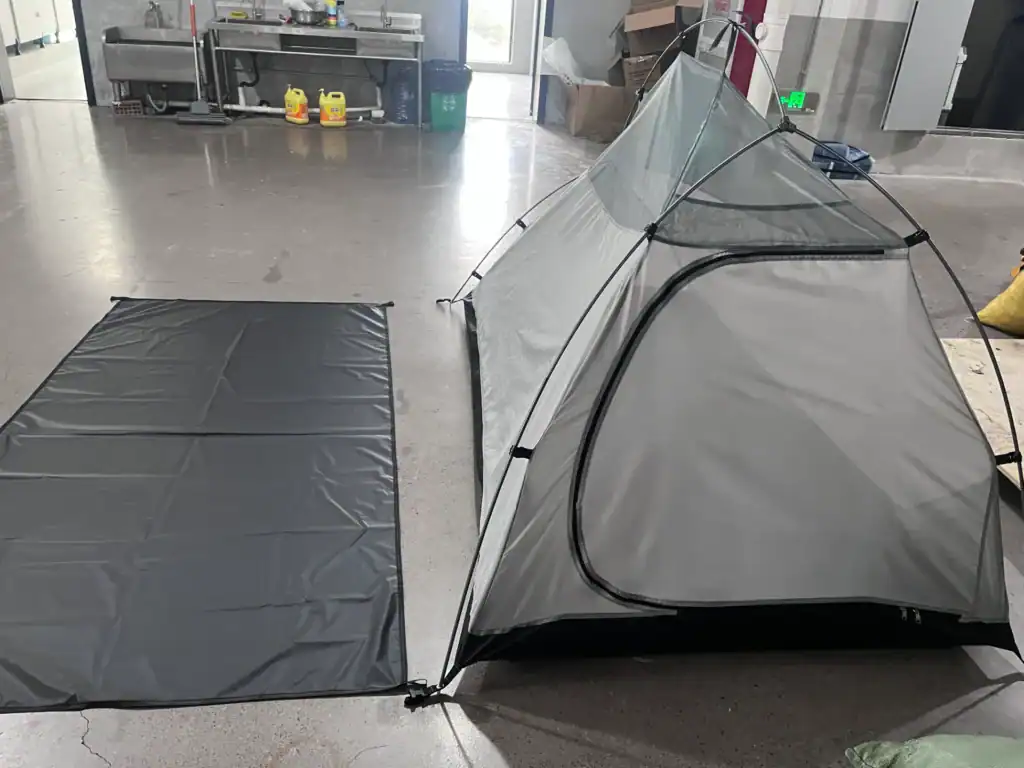
ほとんどの仕様書が隠している詳細のひとつ:テントを濡れたまま収納するとPUコーティングはより早く劣化する——これは、チェックアウトが午前11時で清掃スタッフが正午までにテントを折り畳むグランピング運営ではほぼ確実に起こる。シリコンコーティングされた生地はコーティングマトリックスに湿気を吸収しないため、濡れた状態での収納で生地の織り目に表面カビが発生しても、防水層自体には悪影響を与えない。それだけで、PUを多用するグランピング在庫で通常見られる保証請求の約40%が排除される。.
サプライヤーが同じ価格で シリコンコーティングテント を提示してきたら、カットシートに指定されたコーティング厚さの生地サンプルを要求せよ。420Dの本物のシリコンは独特の滑らかな手触りと、簡単な繊維スケールで確認できるより高いデニール数を持つ。安価な模造品はPUベース層の上に薄いシリコントップコートを混ぜたもので、ややワックス状の感触があり、純粋なPUと同じように故障するが、それが6ヶ月遅れるだけだ。.
| 側面 | PUコーティング(210Dポリエステル) | シリコンコーティング(420Dオックスフォード) | 最終的な影響 |
|---|---|---|---|
| 1平方メートルあたりの生地コスト | $2.00 – $3.00 | $3.50 – $4.80 | シリコンは初期費用が15~20%増えるが、耐用年数は7年以上と2倍になる |
| 引裂強度 | 15 – 18 kg | 25 – 30 kg | 高い引き裂き強度により、現場での故障返品や保証請求が減少する |
| 200時間暴露後の耐UV性 | HHが800mmを下回ると、生地が脆くなる | 元のHH定格の90%以上を維持 | PUのみのテントは12~18ヶ月以内に防水試験に失敗することが多いが、シリコンはシーズン途中での廃棄を回避する |
| 商業使用におけるコーティングの寿命 | Delaminates within 2 seasons | Functional beyond 7 years | PU tents double replacement costs over a 5-year glampsite lease |
| Fire Retardancy Compatibility | FR pre-treatment weakens PU bond; re-proofing rarely offered | Post-production re-proofing maintains both FR cert and waterproofing | Silicone lets you meet campground FR codes without sacrificing weather protection |
UV保護:UPFラベルを超えて
A UPF 50+ label means nothing without post-weathering test data attached.
I’ve sat across the table from factory reps who pitch standard PU-coated polyester as ‘UV resistant’ because the base fabric blocks some light. That’s not UV protection—it’s physics working at the absolute floor of performance. Standard PU is a waterproofing agent. It does almost nothing to stop ultraviolet radiation from shredding the polymer chains in your tent fabric. Blackout coating, by contrast, loads the fabric with dense pigment layers—usually carbon black or titanium dioxide—that physically block and absorb UV before it touches the structural fibers. The performance gap isn’t marginal. It’s the difference between a tent that holds up for five seasons and one that turns brittle in 18 months.
-
-
- UV Block Rate: Blackout-coated fabric with proper pigment density blocks 98% or more of UV radiation (UPF 50+ equivalent). Standard PU-only coatings without UV stabilizers block roughly 40–60%, depending on fabric color and weight. Darker base fabrics fare slightly better, but the coating itself contributes minimal UV attenuation.
- Tensile Strength After 1,000 Hours QUV (ASTM G154): Blackout-coated 420D Oxford retains approximately 90% of its original tensile strength. Uncoated or PU-only polyester of the same denier drops to roughly 60%. That 30-point gap is where tents start tearing at stress points—door zippers, pole sleeves, stake loops.
- Interior Temperature Reduction: Blackout coatings reduce interior tent temperature by up to 8°C under direct sun. Standard PU does not measurably affect internal heat. For glamping operators, that temperature delta directly impacts guest comfort scores and repeat bookings during summer months.
- Coating Longevity Under UV Load: PU coatings without UV inhibitors begin delaminating within 12–18 months of regular sun exposure. The coating flakes off in sheets, and the waterproof rating collapses. Blackout coatings, when properly formulated, remain bonded to the base fabric for 5–7 years.
-
Here’s where factories exploit buyer ignorance. They submit a lab certificate showing 3,000mm HH and UPF 50+—on fresh fabric straight off the coating line. What they don’t disclose is that the coating formula contains zero UV inhibitors. After 200 hours of accelerated weathering, that same fabric’s hydrostatic head rating can crater below 800mm. The UPF claim evaporates alongside it. This exact failure pattern has been observed on three separate orders from different provinces in China. The tents looked flawless on arrival, leaked within one season, and the retail buyer ate the return freight because the spec sheet technically passed at the time of sample approval. Request post-weathering test results—specifically EN ISO 811 hydrostatic head measured after 200+ hours of QUV exposure per ASTM G154. If the factory hesitates or claims they don’t run that test, you have your answer about what’s really in that coating.
-
- Missing Test Standard Reference: A spec sheet that says ‘UPF 50+’ without citing the test method (ASTM D6544, AATCC 183, or EN 13758) is worthless. Different standards use different UV spectrum ranges and sample prep protocols. Demand the standard be named. If it’s not, the number was likely estimated, not measured.
- Fresh-Fabric-Only Certificates: Factory provides HH and UPF data exclusively on unexposed fabric. There is no mention of QUV, Xenon arc, or any accelerated aging protocol. This is the single biggest red flag in glamping tent sourcing. UV damage is cumulative—testing fresh fabric tells you nothing about month six of operation.
- Seam Tape Width Under 15mm: UV degradation hits seams first because the tape adhesive is more sensitive to thermal cycling than the base fabric. Narrow tape (10–12mm) loses adhesion faster. If the spec sheet doesn’t list seam tape width, assume they’re using the cheap stuff. Insist on ≥20mm tape with hot-air application—this detail is almost never volunteered on Alibaba or made-in-china listings.
- No Color-Specific UV Data: A single UPF number applied across five colorways is a fabrication. Dark colors naturally absorb more UV; light colors reflect more but degrade faster themselves. Legitimate technical data breaks UV performance down by Pantone or at minimum by color family. A blanket rating signals the factory never tested individual dye lots.
- Vague Coating Composition Description: If the spec sheet says ‘PU coating’ without specifying whether UV inhibitors, HALS (hindered amine light stabilizers), or antioxidant packages are included in the formulation, treat the UV claim as fiction. Ask for the coating formulation datasheet from the chemical supplier—not the tent factory, but the coating compound manufacturer. Quality tolerance on UV inhibitor concentration is tight; a 0.5% shortfall can halve effective service life.

生産開始前に等級を確認する方法
A 3,000mm rating on new fabric means nothing if it drops to 800mm after 200 hours of UV.
This lesson was learned in a warehouse in Rotterdam six years ago. A buyer had signed off on a 3,000mm HH spec sheet — fresh-fabric certificate, clean numbers. Eighteen months later, guests at a glampsite in Cornwall were sleeping under tarps because the tent walls were weeping water. The coating had degraded. The certificate was valid, but the fabric had zero UV inhibitors. Nobody asked for the right documents.
Here is what separates a professional audit from a paperwork shuffle. Demand three documents before you authorize a single production run. Not after. Not during. Before.
-
-
- Document 1: EN ISO 811 Hydrostatic Head Report — Post-Weathering: Any factory can hand you a fresh-fabric HH certificate showing 3,000mm or 5,000mm. Ask for the same test after 200 hours of accelerated UV exposure (QUV ASTM G154). Internal supplier audits show cheap polyester tents drop below 800mm HH after this exposure if no UV inhibitors were added to the PU or silicone coating. A tent that measures 3,200mm new and still holds 2,800mm after weathering is built for commercial use. A tent that drops to 1,200mm is a chargeback waiting to land on your P&L.
- Document 2: Seam Taping Specification Sheet with Width and Bonding Method: Seam tape width is where low-cost factories shave pennies and destroy waterproof integrity. The industry bottom-feeders use 10mm tape with cold-press application — it peels inside one monsoon season. The standard that holds up under repeat tension cycles is 20mm minimum with hot-air seaming. Kelyland’s tent partner factories run 22mm tape as their baseline spec. Request a cut-sample cross-section photo showing the tape bonded across the needle holes. If the factory hesitates to send this, walk.
- Document 3: Material Batch Certificate with UV Inhibitor Declaration: Fabric mills add UV stabilizers (typically HALS — Hindered Amine Light Stabilizers) during the coating or extrusion process. Without them, polyester loses tensile strength rapidly. Accelerated weathering data shows blackout-coated fabric with proper inhibitors retains 90% of its tensile strength after 1,000 hours of QUV exposure, versus roughly 60% for uncoated or unstabilized fabric. The batch certificate should name the specific inhibitor compound and concentration. A vague ‘UV treated’ stamp on the invoice is not a certificate.
-
If you plan to visit the factory floor — and for first orders over $30,000 you should — run a targeted checklist. Do not waste time touring the break room or nodding through a PowerPoint on company history.
-
- Check the hot-air seaming machine temperature log: Tape bonding fails when temperature is inconsistent. Ask to see the daily log for the past week. If the machine operator cannot produce it, assume quality control is reactive, not preventive.
- Measure seam tape width on a production sample with calipers: Bring your own digital caliper. Spec sheets lie. I have stood on factory floors where the signed-off specification said 20mm and the actual roll feeding the machine measured 14mm. The factory manager shrugged. That order never shipped.
- Request a pressurized water-column demo on a finished panel: Ask the QC team to run a spot test on a tent panel pulled randomly from the current production batch — not a sample they prepared in advance. Watch for water beading through the seam line within the first 60 seconds under pressure. If they refuse a live test, treat it as a failed audit.
- Verify post-production re-proofing if fire-retardant chemicals are involved: Fire-retardant pre-treatment alters the fabric surface energy and often reduces waterproof coating adhesion. The fix is a post-production re-proofing spray application — but few factories volunteer this step because it adds cost. If your tent must meet both CPAI-84 fire standards and a 3,000mm HH waterproof rating, confirm the factory runs a DWR (Durable Water Repellent) re-application after the FR treatment cures.
- Confirm the pre-production sample matches the mass production fabric lot: A common bait-and-switch: the pre-production sample uses premium silicone-coated 420D Oxford, and mass production shifts to a cheaper 210D PU blend because the purchase order only specified ‘waterproof polyester.’ Match the sample approval fabric swatch to the incoming bulk fabric roll by lot number and weight per square meter. The difference between $2.00/m² PU-only fabric and $4.00/m² silicone-coated fabric shows up in your return rate within 18 months.
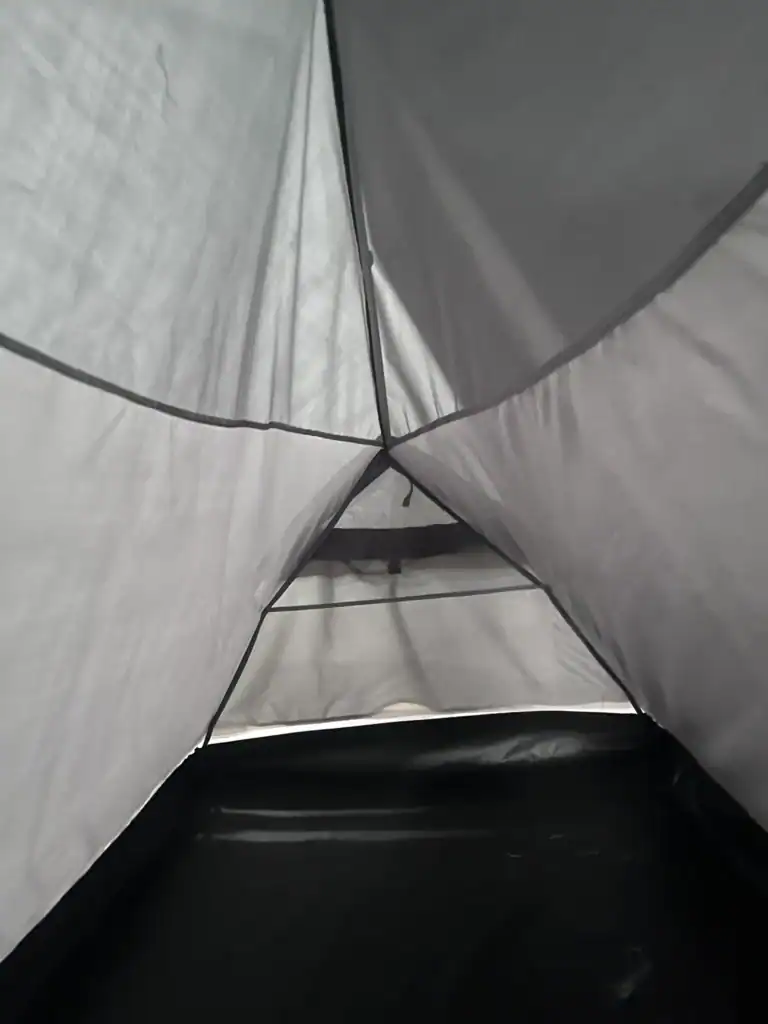
None of this is theoretical. I have watched a 50-unit glampsite order get held at a port in Hamburg because the buyer trusted a spec sheet and skipped the three documents. The seam tape started lifting on day one of rain. The replacement tents cost more in air freight than the original FOB pricing saved. The documents take ten minutes to request and two days for a legitimate factory to produce. The alternative is explaining to your CFO why 300 tents are unsellable.
結論
The three specs that separate a durable glamping tent from a warranty liability are hydrostatic head rating after UV aging, seam tape width above 20mm, and coating chemistry. Fabric weight and fresh-fabric certificates tell you nothing about what happens after 200 hours of sun exposure. A 3,000mm HH number on a new sample can crater to 800mm when UV inhibitors are absent from the coating formula — and that collapse is what triggers customer returns, not the spec printed on the hangtag.
Review fabric and coating options on the tent product page to benchmark specs against your current supplier quotes. On your next sourcing call, demand one number: the hydrostatic head rating after 200 hours of QUV accelerated weathering. If it falls below 2,000mm, the FOB pricing advantage evaporates by the end of the first monsoon season.
よくある質問
豪雨に耐えられるグランピングテントの最低防水等級はどれくらいですか?
グランピング用テントは、長時間の大雨に耐えるためには、最低でも3,000 mmの耐水圧が必要です。3,000 mm未満の定格では、縫い目からの漏水のリスクがあります。必ず、定格が生の生地ではなく、シームテープ加工後および生地の経年劣化後に測定されたものであることを確認してください。.
キャンバステントのUV保護効果は、色あせるまでどのくらい持続しますか?
標準PUコーティングキャンバスのUV保護性能は、日光に2〜3シーズンさらされると目に見えて劣化します。UV安定剤を含むシリコーン加工生地は、7年以上その完全性を維持できます。UPFラベルだけでなく、加速老化試験データを常に要求してください。.
一つの生地に防水性と難燃性を組み合わせることはできますか?
はい、ただし特殊なコーティングシステムが必要です。標準的なPUだけでは商業用の防火基準を満たしません。難燃添加剤は適切に配合されないと防水接着力を弱める可能性があります。RFQで両方の認証を明記し、サンプリング前に複合試験報告書を要求してください。.
What’s the difference between hydrostatic head and water column rating?
これらは同じ測定値です:生地が漏れ始める前に耐えられる水柱の高さをミリメートルで表したものです。耐水圧は正式な技術用語で、水柱とも呼ばれます。評価の基準として使用された試験規格(例:ISO 811)を必ず確認してください。.
How do you test if a tent’s waterproof coating is degrading?
水スプレーテストを実施する:水が玉状にならず、布地が濡れる場合、DWRまたはPUコーティングが劣化している。剥離、フレーキング、または摩耗。再注文前に定量的な合格/不合格が必要な場合は、布地サンプルを送って耐水圧再テストを受けてください。.

 English
  Español
  Deutsch
  Français
  Português do Brasil
  Русский
  العربية
  한국어
한국어  日本語
日本語