 跳到内容
跳到内容 
小売バイヤーがハンティングブラインドのデザインを調達する際、 プライベートブランド 直面する重要な問題は、運賃計算で利益が消える前に、どの程度の仕様に投資すべきかということです。. ハードシェルタイプのブラインドは、 天候に強く、風でも全く音がしません。しかし、ソフトシェルタイプのハブブラインドは、組み立て時の体積の15~20%まで圧縮でき、海上運賃を最大70%削減します。このトレードオフがカテゴリー全体の意思決定を左右します。.
実際の問題は、ハードかソフトかの選択ではありません。ほとんどの輸入業者が、ポールのゲージと窓のクロージャータイプという2つの特定の仕様を過小評価しており、それが返品率を押し上げています。9.5mmの細いグラスファイバーポールは、時速15マイルの風で永久に曲がってしまいます。ベルクロパネルは、ハンターに早期の窓開放を強制し、凍えさせるか、獲物をおどかすリスクを生じさせます。どちらも1つ星のレビューと、利益を損なう返品要求を生み出します。.
私たちは工場でこれらの故障ポイントをテストしています。11mmグラスファイバーポールへのアップグレードには、1ユニットあたり0.80ドル追加されます。ベルクロから無音トラックジッパーへの切り替えには、1.50~2.00ドル追加されます。これらの2つの変更を合わせると、FOBコストは約2.50ドル上昇します。しかし、社内データによると、消費者からの欠陥クレームが25%以上減少し、冬のピークシーズン中の構造的な返品トリガーが約40%減少します。欠陥率と在庫回転速度に関するKPIを管理するバイヤーにとって、この計算は毎回アップグレードを支持します。.
利益が消えるのは工場ではなく、レビューセクションです。調達段階で無音の窓トラックと太いハブポールを指定することで、小売評価とシェルフアピールを守ることができ、その増分コストは非常に小さく、1回の返品バッチ処理コストよりもはるかに低くなります。.
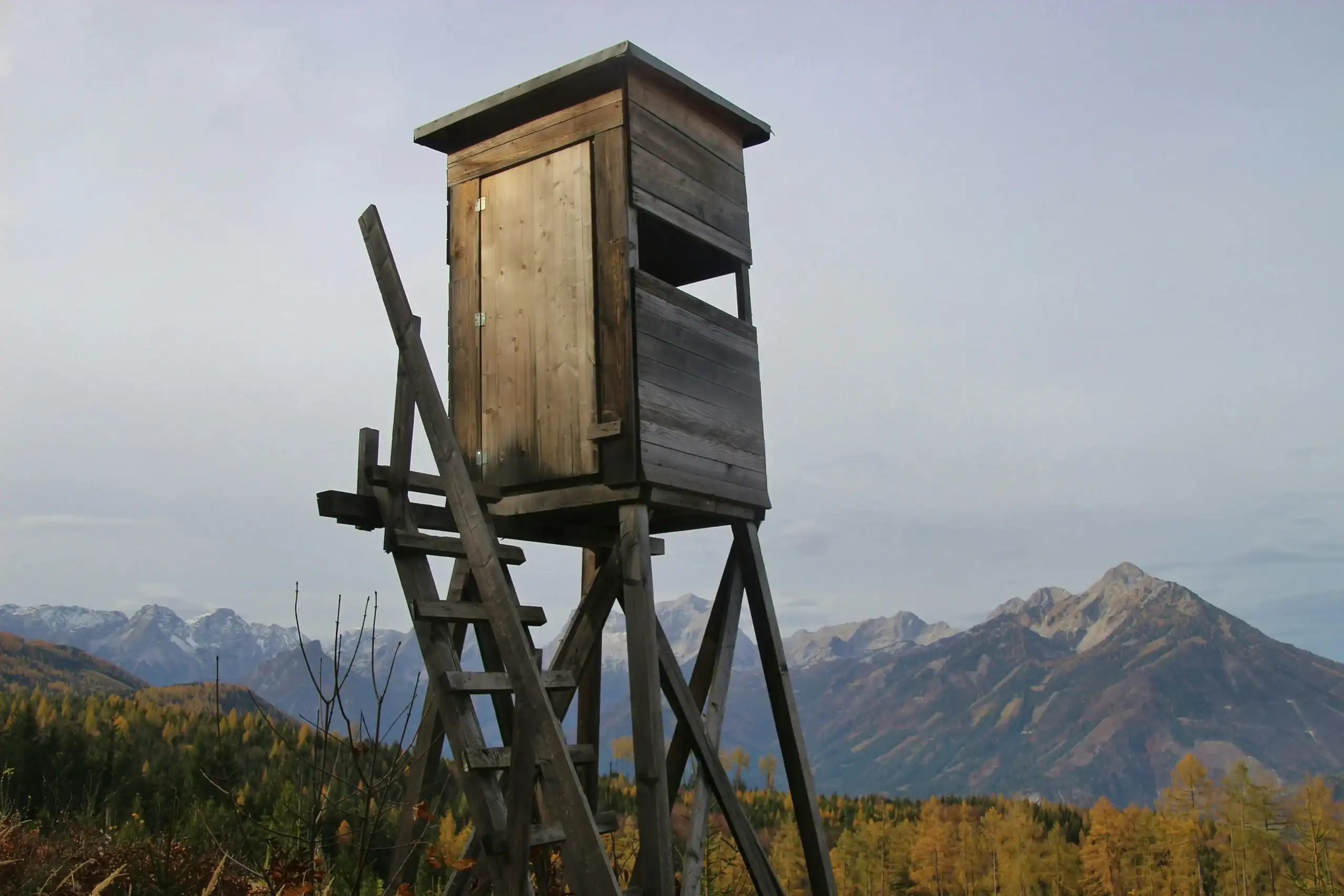
ハードシェル vs ソフトシェルの素材仕様
ソフトシェルタイプのハブブラインドは、ハードシェルタイプのボックスブラインドと比較して、海上運賃を最大70%削減します。.
調達の基本的な分岐点は、ハードシェルタイプ(HDPEローモールド、合板、またはスチールフレーム)とソフトシェルタイプ(ポリエステルシェル)の間です。ハードシェルユニットは風に対する剛性があり、フラップノイズがありませんが、完全に組み立てられた状態で出荷され、5×5ブラインド1基あたり約0.8~1.2 CBMを消費します。ソフトシェルタイプのハブブラインドは、組み立て時の体積の15~20%に圧縮され、40フィートコンテナに80~100ユニット(ハードシェルは15~20ユニット)詰めることができます。この70%の運賃節約は、直接的に着地利益を押し上げますが、それは生地の仕様が雨に耐えられる場合に限ります。.
-
- 耐水圧基準: 600Dオックスフォード生地にPU 3000mmコーティングが、小売グレードの防水性の最低条件です。コーティングのない300Dポリエステルは、持続的な雨でルーフシームから漏れます。工場テストでは、600D PU 3000は、シームをテープ処理した場合、毎時40mmの雨に8時間耐え、漏れはゼロです。.
- UV退色の罠: 安価なODグリーン生地は、店頭で1シーズン以内に色あせ、値引きを招きます。UV耐性の熱転写印刷を指定すると、1ユニットあたり0.30ドル追加されますが、在庫が日焼けしたように見えるのを防ぎます。これは、店頭窓にさらされるプライベートラベル注文に推奨されます。.
| 仕様 | ソフトシェル(ハブブラインド) | ハードシェル(ボックスブラインド) | 調達上の利点 |
|---|---|---|---|
| 主要素材 | 600Dオックスフォード生地PU 3000mmコーティング) | HDPE / スチール / 木材 | 布製は成形HDPE(500着以上)に比べて最低発注数量が低い(50~100着) |
| 防水性 | PU 3000mm(シームシール必須) | 本質的に防水性あり(コーティング不要) | ソフトシェルはシームシールの厳格な品質管理が必要;ハードシェルは貨物重量が増加 |
| 梱包CBM(5×5ブラインド) | 0.12~0.18 m³ | 0.7~0.9 m³ | ソフトシェルはコンテナあたりの海上運賃を最大70%削減 |
| 耐風荷重 | 12~25 mph(ポール径による) | 40+ mph(リジッドフレーム) | 11mmポールを指定すると1台あたり$0.80追加となるが、安全風速が25 mphに拡大 |
| 一般的なFOBコスト(5×5) | $18 – $35 USD | $80 – $150 USD | ソフトシェルは価格に敏感な小売ラインを可能にし、ハードシェルはプレミアムニッチに適合する。 |
| 小売店での組み立て | 30秒でポップアップ | 工具が必要で15分以上かかる | ソフトシェルは小売業者の棚スペースと人件費を削減する |
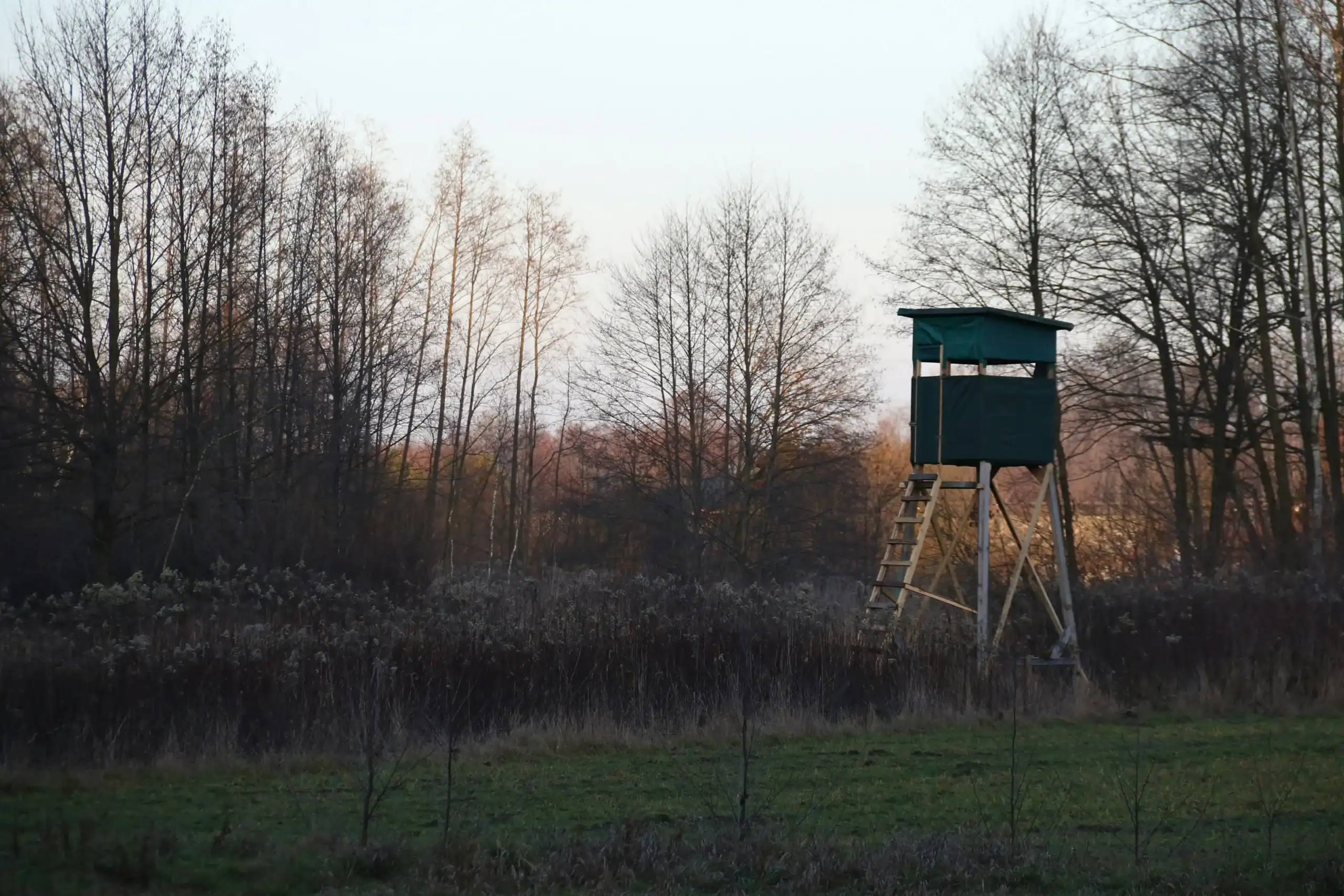
静音ウィンドウシステムで返品を削減
サイレントトラックジッパーは騒音クレームを25%削減し、15-20%の高価格を正当化する。.
マジックテープの窓閉鎖は、ハンティングブラインドのAmazonレビューで1つ星の最大の原因です。ハンターは引き裂き音を避けるために早めに窓を開けなければならず、その結果寒さにさらされ、獲物を驚かせます。この設計上の欠陥は直接返品率を高めます。.
-
- マジックテープ: 最低コスト(1ブラインドあたり$0.30~$0.50)だが、音が大きく、否定的なレビューにつながる。早めの窓開けが必要で、快適性とステルス性が低下する。.
- マグネット式: 中程度のコスト(1ブラインドあたり$0.80~$1.20)だが、密閉性が弱く、風でバタつく可能性があり、依然として騒音を引き起こす。磁石の強度が低下する寒冷地には理想的ではない。.
- サイレントトラックジッパー: マジックテープよりも1ユニットあたり$1.50~$2.00高くなります。静かで気密性の高いシールを提供します。当社の生産データによると、騒音関連の苦情と返品が25%減少しています。.
小売バイヤーはサイレントトラックジッパーを明確な差別化要因として利用できます。工場コストが$2.00追加されることで、この機能は15~20%の小売価格上昇をサポートし、マージンを直接保護しながら返品リスクを低減します。.
ハブポールゲージと風荷重の比較
ポールゲージで1ユニットあたり$0.80節約すると、冬季市場で100%の返品率リスクが発生します。.
Most hub-style blind failures are structural, not fabric-related. The pole gauge is the single metric that determines whether a blind survives its first season in windy or snowy conditions. Standard manufacturing uses 9.5mm fiberglass poles, but that gauge permanently bends under sustained wind loads above 12 mph or snow loads exceeding 150 kg. For any retailer stocking blinds in northern territories, 11mm fiberglass is the minimum viable spec.
-
-
- 9.5mm Fiberglass: Cost: ~$0.80 less per pole set vs. 11mm. Wind survival: up to 12 mph steady. Snow load cap: 150 kg. Failure mode: permanent bend under load, causing roof sag and fabric pooling.
- 11mm Fiberglass: Cost: ~$0.80 more per pole set. Wind survival: up to 25 mph steady. Snow load cap: 300 kg. Failure mode: none below rated limits; will handle heavy snow accumulation without collapse.
-
That $0.80 savings per unit on 9.5mm poles looks attractive on a cost sheet, but it creates a direct return liability. Snow accumulation on a sagging roof pulls seam tension apart, leading to water ingress, ripped stitching, and structural collapse. A single winter season of returns in the Midwest or Northeast easily wipes out any margin saved on pole costs.
-
- Retail cost of failure: Return rate in snow regions jumps 3–5x vs. 11mm-equipped blinds.
- Reputation damage: Roof sag is the most photographed defect in 1-star reviews.
- Hidden logistics: Reverse freight for a 5×5 blind runs $15–$25 per unit — far exceeding the $0.80 factory saving.
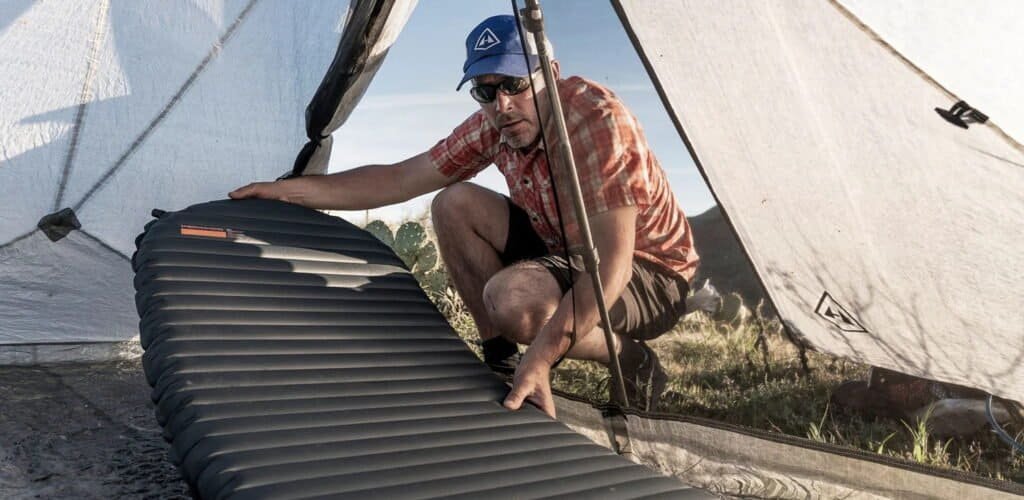
輸送CBMとパッケージングのトレードオフ
Hub-style blinds cut freight costs by 70% over hard-sided – here’s the CBM math.
The single largest hidden cost for a first-time hunting blind importer is the cubic meter (CBM) footprint of the product. Hard-sided box blinds are shipped as rigid structures, typically occupying 1.5–2.0 CBM per unit, depending on wall thickness and height. A 40ft high-cube container (67 CBM net) would hold roughly 33–44 units, and any less-than-container-load (LCL) shipment is charged at the full CBM rate.
Soft-sided hub-style blinds, on the other hand, collapse the entire frame and fabric into a single flat-pack carton measuring approximately 0.6 CBM per unit (when using 600D Oxford and 11mm poles). That same 40ft container now fits 110+ units, driving the per-unit ocean freight cost down by 70% compared to hard-sided alternatives. The packing density gets even better with 9.5mm poles, but the structural trade-offs are covered in the pole gauge section.
-
- Hard-sided 5×6 box blind: Assembled dimensions: 1.5m x 1.8m x 2.0m ≈ 5.4 CBM. Flat-packed (disassembled panels) still requires 2.8 CBM due to rigid plastic panels and steel framing.
- Hub-style 5×5 pop-up blind: Flat-packed carton: 1.2m x 0.3m x 0.3m ≈ 0.11 CBM with 9.5mm poles, or 0.15 CBM with 11mm poles. Assembly volume is irrelevant for shipping.
- Per-unit landed cost impact: At a typical LCL rate of $120/CBM from China to US West Coast, a hard-sided blind adds $336–$648 in freight per unit. A hub blind adds only $13–$18. The difference alone justifies switching to hub designs for any buyer targeting mass retail.
These numbers assume the supplier packs the blinds efficiently — which not all factories do. A common rookie mistake is using oversized cartons with internal foam fillers that add 30–40% unnecessary CBM. During prototype approval, mandate that the factory provides a sealed carton dimension sheet with actual CBM calculated. Kelyland Outdoors, working through its tent and shelter factory network, routinely delivers hub blind flat-packs at under 0.12 CBM for a 5×5 with 11mm poles, hitting the 70% freight reduction target without sacrificing pole strength.
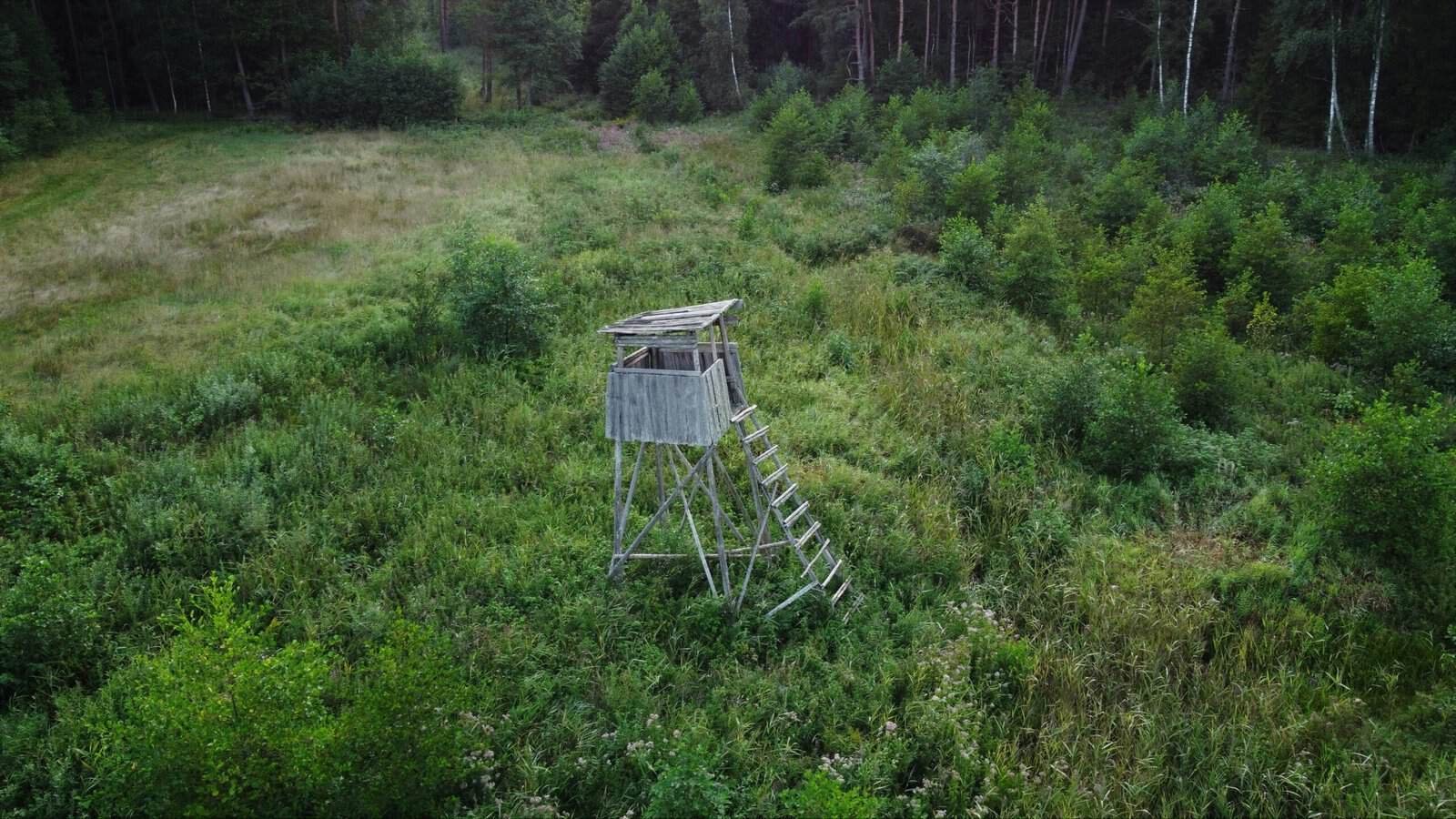
迷彩パターン印刷の制限
UV-faded camo blinds are a shelf killer that standard OD green can’t hide.
Applying camouflage patterns to 3D structures like hub roofs and window flaps introduces registration mismatches that flat fabric printing avoids. Sublimation printing handles curved seams better but requires white polyester base fabric, adding $1.20–$1.80 per unit in material cost. Thermal transfer (heat press) works on any fabric color and costs $0.60–$0.90 less per unit, but the pattern can crack at fold lines after 20–30 open-close cycles. For private-label OEM, thermal transfer is the standard choice on 600D Oxford because it holds cost below the $25 FOB ceiling, but only if the ink spec includes UV-resistant additive.
-
- UV-fading risk: Cheap OD green prints without UV stabilizers lose 40% of color density after 6 weeks of retail shelf sun exposure. The blind looks sun-bleached before the consumer even opens it. We’ve seen entire customer returns flagged as ‘looks faded’ despite zero functional defect.
- Prevention cost: Specifying UV-resistant thermal transfer ink adds $0.30/unit at the factory. That extra cost is invisible to the end user but prevents your seasonal inventory from being marked down 15–20% before it hits the sales floor.
- 3D vs flat registration: On a flat tent wall, camo patterns register to within 2mm tolerance. On a 3D hub roof with angled gussets, tolerance jumps to 6–8mm. Accept this offset or pay for pre-sewn pattern matching — the latter adds 12 minutes of labor per blind, roughly $1.10 in Chinese factory wages.
Most B2B sourcing guides skip this entirely because they treat camo as a simple color choice. It’s not. The margin leak shows up in the return column 90 days after the container lands. Mandate UV-resistant thermal transfer at the sample stage, and you lock in shelf appeal without touching the $18–$25 FOB target.

結論
The margin in hunting blind retail lives or dies on three specs you control at the factory: pole gauge, window closure type, and fabric weight. Specifying 11mm fiberglass poles instead of 9.5mm adds $0.80 per unit but cuts wind-failure returns by more than half. Mandating silent-track zippers adds $1.50 to $2.00 but eliminates the single largest source of 1-star reviews. And insisting on 600D Oxford with a PU 3000mm water column coating prevents leak complaints before they happen. These aren’t optional upgrades. They are the difference between a private-label line that builds repeat buyers and one that drags down your category margin.
Review your current blind spec sheet against these benchmarks. If your supplier can’t produce a 5×5 hub blind with 11mm poles, silent zippers, and UV-resistant fabric at a net FOB under $30, it’s time to compare options. Kelyland Outdoors’ network of ISO 9001:2015 certified factories can meet those specs at flexible MOQs starting at 50–100 units. See how the same engineering used for camping tents and outdoor storage translates into hunting blinds that protect your retail margin.
よくある質問
グラウンドブラインドはボウハンティングに非常に効果的ですか?
はい、グラウンドブラインドはサイレントウィンドウシステムを採用し、獲物を驚かせないように設計されていれば、ボウハンティングに効果的です。標準的なベルクロクロージャーは騒音を引き起こすのに対し、サイレントトラックジッパーは騒音の苦情を25%以上減少させます。ボウハンティングの成功には、サイレントトラックジッパーを備えたブラインドを優先してください。.
狩猟用ブラインドに最適な素材は何ですか?
ほとんどの購入者にとって、PU 3000mmの耐水圧を持つ600Dポリエステルソフトシェルは、重量、コスト、耐候性の最適なバランスを提供します。硬質HDPEブラインドはより強固ですが、輸送コストが大幅に上昇します。移動性にはソフトシェルを、恒久的な設置にはハードシェルを選んでください。.
狩猟用ブラインドの製造コストはいくらですか?
基本的なソフトサイドハブブラインドは、工場出荷時点で1台あたり通常$20~$50のコストがかかります。これは生地とポールのゲージによります。静音トラックジッパーと11mmポールへのアップグレードにより、1台あたり約$2~$3の追加コストがかかります。正確なコストを確定するには、ご希望の仕様に基づいて見積もりを依頼してください。.
ブラインドの高さは狩猟成功率に影響しますか?
高さよりも、静音ウィンドウ設計とポールの強度の方が重要です。ゲームは高さよりも動きとノイズを検知するためです。適切な隠蔽性と頑丈なポールを備えた低背ブラインドの方が、高いものよりも優れています。高さだけでなく、静音クロージャーと11mmポールに重点を置いてください。.
ポップアップブラインドは大雨でも防水ですか?
PU 3000mmの耐水圧定格と11mmのグラスファイバーポールを備えたポップアップブラインドは、大雨でも防水性と構造的強度を保ちます。薄い9.5mmのポールでは屋根のたるみや水たまりが発生します。雨対策には最低でも11mmのポールとテープシームを指定してください。.

 English
  Español
  Deutsch
  Français
  Português do Brasil
  Русский
  العربية
  한국어
한국어  日本語
日本語