 跳到内容
跳到内容 
調達ガイドのすべては、インフレータブルテントの雪荷重定格を仕様書で確認するようアドバイスします。しかし、その助言は不十分です。テストが20℃で実施された場合、PDFの数値は何の意味も持ちません。あなたの展開現場が実際には降雪を伴う-20℃になることもあります。私は、量産前のサンプルが常温で静的荷重に合格したにもかかわらず、TPU生地が低温で硬化し、空気ビームの継手が持続圧力下でリークし始めたため、$50Kの注文が失敗するのを見てきました。.
真の問題は、工場が100kg/m²の荷重に耐えるテントを作れるかどうかではありません。それは、ターゲット市場の全温度範囲にわたり、その荷重を支えられることを証明できるかどうかです。多くの中国製インフレータブルテント工場には自社耐寒テストチャンバーがないため、第三者ラボへの外注となります。これによりトレーサビリティにギャップが生じます。どのラボでテストが実施され、どのような条件が使われたかを確認しない限り、テントがすでにロシアの倉庫にあるまで測定できない品質許容を受け入れることになります。.
解決策は単純です。サンプル承認前に工場契約に冬型シミュレーションプロトコルを含めます。-static荷重と-25℃における空気圧安定性の両方を、最低8時間以上指定してください。サプライヤーがためらったり、常温データのみの提示をしてくる場合、リスクの所在を正確に把握できます。.
ロシア向け冬規格の概要
GOST R 52916がベースラインですが、実際のテスト重量は雪荷重ゾーンによって決まります。.
GOST R 52916はロシアにおける任意認証ですが、小売店や機関買い手はその取得を求めます。この規格は、砂袋やウォーターブラッダーを使ってテントの天幕全体に一様圧力をかける静的荷重テストを規定しています。合格基準は宣言された風・雪ゾーンによって異なります。関連規範には、ビル構造の信頼性に関するGOST 27751-2014や、荷重および衝撃に関するSNiP 2.01.07-85などがあり、これらは地域別の雪荷重ベースラインを提供します。.
よくある間違いは、GOST R 52916を単一の数値として扱うことです。そうではありません。ゾーンI(80kg/m²)対応と Ratedされたテントは、ゾーンIII(180kg/m²)では倒壊します。見積もりを比較する前に、サプライヤーにテスト報告書がどのゾーンをカバーしているかを必ず確認してください。.
ロシアの風および雪荷重ゾーン

インフレータブルテントの雪荷重テストプロトコル
20℃で雪荷重に合格するテントも、-20℃では失敗する可能性があります。.
静的荷重テストはベースラインです。標準的な方法は、インフレータブル構造全体に均等に砂袋またはウォーターブラッダーを配置し、均等な積雪レイヤーを模擬するものです。GOST R 52916によるロシア適合において、季節使用構造物の最低要件は100kg/m²です。テントは15分間荷重を支えます。ビームの倒壊や継手の剥がれは一切起こりません。これが合格基準です。.
静的荷重テスト
注意すべきは、このテストはほぼ例外なく工場の室内温度环境下で行われる点です。中国の殆どのインフレータブルテント工場には自社での低温試験設備がありません。そのような場合は外部の第三者検査機関に委託します。年間80万拠点のテントを生産しISO 9001認証取得施設と提携するKelyland Outdoorsのような調達パートナーであれば、実際にテストを実施した検査機関から低温テスト報告書を入手できます。第三者機関の名前とテスト条件を必ず確認してください。もし報告書に室温が記載されていない場合は、20°Cでの実施とみなしてください。.
極低温下における空気圧の安定性
ここで欠陥が発生します。 -20°Cでは、PVCまたはTPU製のエアチューブ内の空気が収縮し、圧力が低下します。その結果、構造体が剛性を失います。それに寒冷で硬直化する生地が加われば致命的です。TPUはPVCより耐寒性に優れていますが、 Shore hardness(ショア硬度)が85A以下であることが必須条件です。20°Cで100 kg/m²の耐荷重を満たしていても、-20°Cでは実効耐荷重が約70 kg/m²まで低下する可能性があります。この差が、積雪時の構造物崩壊リスクに直結します。工場契約には低温テストプロトコルを含め、目標温度、荷重保持時間、許容される圧力低下幅を明確に指定してください。これを定めなければ、現地で構造が破綻した場合の法的救済手段はありません。.
-
- テスト温度: 低温テストが-20°Cまたはそれ以下の環境で実施されたことを確認してください。室内温度でのテスト結果は、冬季性能については何も示しません。.
- 気密保持: テスト終了後2時間経過後も、目標温度においてrated internal pressure(定格内圧)の少なくとも80%を維持する必要があります。測定はインフレーションバルブで行ってください。.
- 生地グレード: Shore hardnessが85A未満のTPUは低温でも柔軟性を保ちます。一方、PVCはより早く脆化します。材料のデータシートおよび低温柔軟性テストの結果を必ず請求してください。.
サプライヤーへ依頼するドキュメント
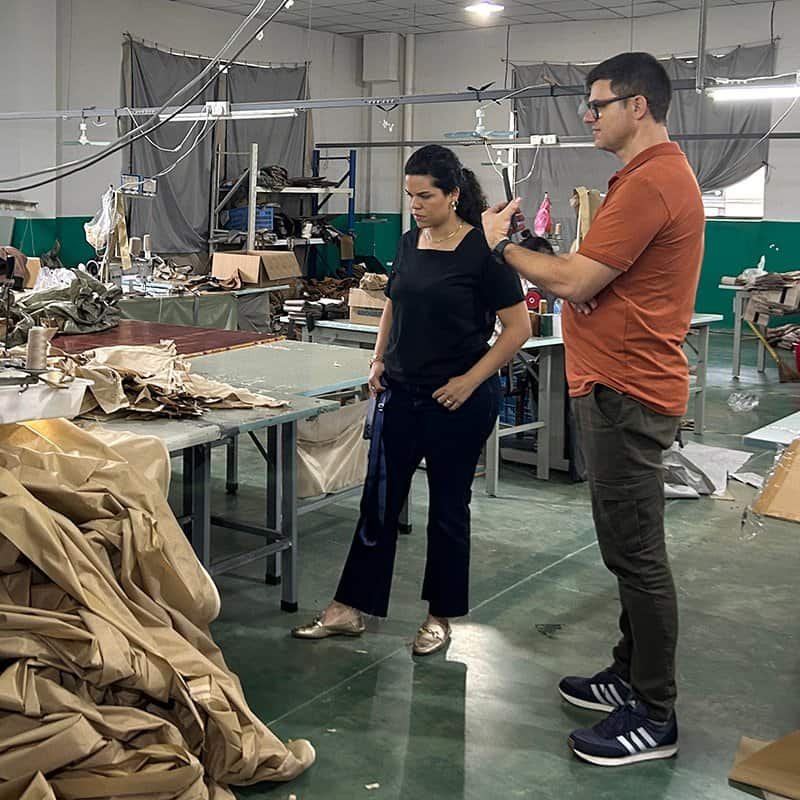
低温試験室を持たない工場監査は、1月に大きな損失を被るリスクを残すものです。.
ロシアの積雪荷重規格適合を謳うサプライヤからは、3層の文書証明が必要です。テスト報告書、素材証明書、ISO 9001:2015準拠の証明です。多くの工場は一般的なISO認証書と1ページのテスト要約を送ってきますが、それは不十分です。.
テスト報告書 — 確認すべきポイント
-
- GOST R 52916の参照: 報告書にはGOST R 52916、またはそれに相当するロシアの積雪荷重規格が明示的に引用されている必要があります。もしISOやASTMのみが参照されている場合はその理由を問うてください。ロシア規格は、異なる荷重保持時間と安全率を規定しているためです。.
- 温度条件: -20°Cの積雪地で使用するテントにとって、+20°Cで行ったテストは無意味です。報告書にテスト時の周囲温度を明記するよう求めましょう。記載がない場合は、室内温度でのテストだとみなします。.
- 第三者検査機関名: 中国のインフレータブルテントメーカーの多くは社内に低温試験設備を持っていません。SGS、TÜV Rheinland、Intertekなど、低温チャンバー能力を持つ第三者機関による認定を受験してください。サプライヤーが内部テストのみを根拠として挙げた場合は警戒を示します。.
素材証明書 — 追溯性が重要
TPUコーティング生地とエアビーム基材のミル証明書(製造元証明書)を請求してください。証明書には生地のウエイト(gsm)、引張強さ(N/5cm)、低温ひび割れ温度が記載されている必要があります。-30°C対応のTPU配合は-10°C対応とは低温下で全く異なる挙動を示し、それはシームの柔軟性と層剥がれ耐性に明確に表れます。.
よくあるテスト失敗例とその回避方法
2つの不良モードが、低温環境における保証請求の80%以上を占めています。.
エアビームのシーム漏れは、積雪負荷がかかるインフレータブルテントで最もよく見られる故障です。問題は、TPUまたはPVCコーティング生地が接合される溶接部から始まります。-20°Cでは接着層が脆化し、溶接線に沿って微細なクラックが入ります。空気がゆっくりと漏出し、一気に破裂するのではなく、8時間で15-25%の圧力低下が生じます。テントの構造的剛性が失われ、雪が垂れた屋根に蓄積して最終的に倒壊します。.
シーム漏れが発生する理由
-
- 根本原因: 溶接温度と圧力の設定は、零下環境での熱収縮ではなく、室内温度での組立に最適化されています。.
- 検出方法: 標準的な漏れテストは、0.3バール・20°Cの石鹸水で行われます。これは低温環境での実使用に関するあらゆる問題を捉えることができません。.
低温での生地層剥がれは、2番目に多い故障モードです。-20°C以下で雪負荷により素材が曲げられると、コーティングが基材生地から分離します。これは、温度低下とともにコーティング内の可塑剤が硬化するためです。コーティングは弾力を失う一方、基材生地は織り目の柔軟性を維持したままになります。.
サプライヤーの対応能力を確認する方法
-20°Cにおけるコールドチャンバーのシーム破裂テストを、目標圧力0.4barで24時間保持する条件で依頼してください。また、積層生地サンプルに対するフレックスサイクルテストも要請してください — 半径が最小ビームの曲率と一致するマンドレル周りで、-20°Cにて500サイクル実施します。.
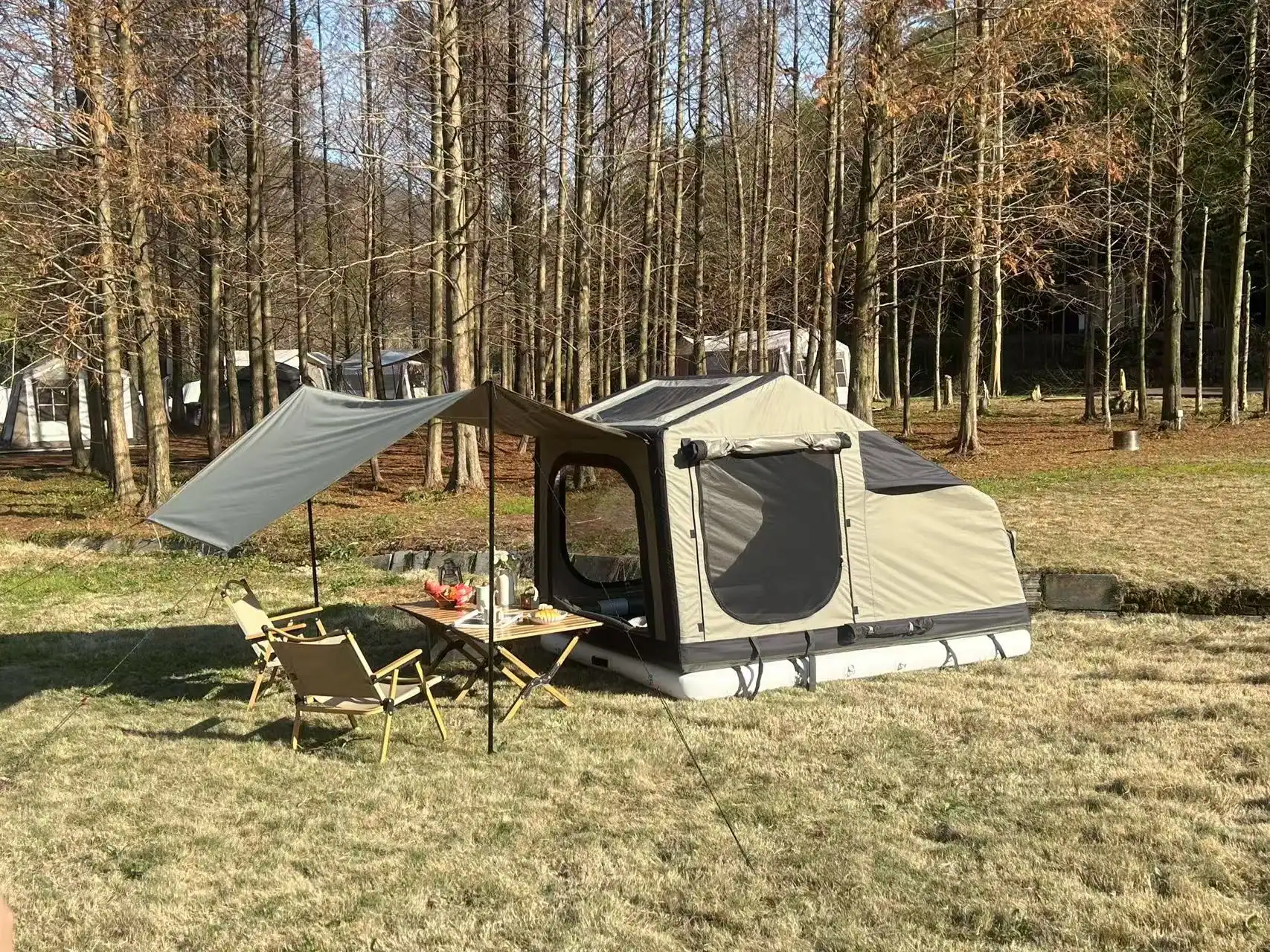
量産前のサンプルテスト
20°Cで積雪荷重に耐えるテントでも、-20°Cでは破損する可能性があります。.
ウィンターシミュレーションテストは贅沢ではありません。TPUまたはPVC生地が硬直して柔軟性を失う際にのみ現れる失敗を検出できる唯一の方法です。 洞察 ここでの独自性は、中国のインフレータブルテント工場の大半が自家の低温テストチャンバーを持っていない点にあります。Third-party partnerを提示するよう要求する必要があります。そのパートナーは認定を受けており、テストプロトコルは貴社の目標積雪荷重ゾーンに適合しているべきです。.
真に重要なテストプロトコル
Set up a controlled environment chamber that reaches -20°C, the lowest threshold for most Russian winter applications. The tent must be fully inflated to its rated working pressure and held at that temperature for a minimum of 24 hours before any load is applied. This soak period allows the fabric to reach thermal equilibrium.
-
- Temperature Target: -20°C soak for 24 hours minimum. Some buyers specify -30°C for Siberia-grade projects. Confirm your zone.
- Load Application: Apply 100 kg/m² static load evenly across the tent crown after the soak. Maintain load for 4 hours while monitoring air pressure.
- Pass Criteria: Air pressure must not drop more than 10% from the starting pressure. Any visible creasing or fabric distortion counts as a failure.
What to Watch for During the Test
Fabric stiffness at low temperature is the primary failure mode. A material that flexes easily at 20°C becomes brittle at -20°C. The air beam seams face the highest stress. If the welding or high-frequency bonding was not optimized for cold performance, you will see delamination along the seam edges within the first hour of load.
Include the exact test protocol in your factory contract. Without a written agreement, the supplier may test at room temperature, pass the sample, and ship a product that collapses under its first real snow load. Kelyland Outdoors coordinates with its partner factories, many of which are ISO 9001:2015 certified and located in Ningbo and Zhejiang, to ensure third-party cold testing is performed before mass production begins.
Document the test with timestamped video and a signed report from the third-party lab. Retain a sample from the same production batch for your own bench testing. If the supplier hesitates on any of these steps, that is a red flag worth walking away from.
結論
GOST snow load testing is the line between a tent that survives a Siberian winter and one that becomes a liability. A pass at 20°C tells you nothing about performance at -20°C, where fabric stiffness and seam integrity are the real limits. Supply chain managers who skip the cold-chamber verification are betting a $50K order on a room-temperature assumption.
-
- GOST R 52916 sets the static load requirement for inflatable tents.
- A room-temperature pass can fail at -20°C due to fabric stiffening.
- Most Chinese factories outsource cold tests; request third-party reports.
- Include a concrete test protocol in the contract to prevent disputes.
Before you approve the pre-production sample ask your supplier for a cold-chamber test report at -20°C with the exact snow load your target region requires. If they cannot produce one, route the order through a sourcing partner like Kelyland Outdoors — a firm that coordinates with certified testing labs and has audited over 200 factories. A two-week delay for verification now is cheaper than replacing an entire container shipment after the first snowfall.
よくある質問
What is GOST snow load testing?
GOST snow load testing verifies an inflatable tent’s structural integrity under specific snow weights defined by Russian standards like GOST R 52916. The test must be conducted at the actual deployment temperature, as a. Always request test reports with temperature conditions noted.
How do I verify a supplier’s test reports?
Request the full test report for GOST R 52916, including material certificates and ISO 9001 certification for the factory. During a factory audit, confirm they have a cold test chamber to simulate winter. A cold chamber is non-negotiable for Russian market tents.
What are common snow load test failures?
The two most common failures are air beam seam leakage under pressure and fabric delamination at low temperatures. Both issues become visible only when the tent is tested at -20°C rather than. Insist on cold-temperature seam and fabric tests before bulk production.
Can I do sample testing before bulk production?
Yes, set up a winter simulation test by placing the inflated sample in a controlled cold chamber at your target snow load zone temperature. This single step catches structural weaknesses that spec. Run this test before approving any bulk order for Russia.
{“@context”: “https://schema.org”, “@type”: “FAQPage”, “mainEntity”: [{“@type”: “Question”, “name”: “What is GOST snow load testing?”, “acceptedAnswer”: {“@type”: “Answer”, “text”: “GOST snow load testing verifies an inflatable tent’s structural integrity under specific snow weights defined by Russian standards like GOST R 52916. The test must be conducted at the actual deployment temperature, as a. Always request test reports with temperature conditions noted.”}}, {“@type”: “Question”, “name”: “How do I verify a supplier’s test reports?”, “acceptedAnswer”: {“@type”: “Answer”, “text”: “Request the full test report for GOST R 52916, including material certificates and ISO 9001 certification for the factory. During a factory audit, confirm they have a cold test chamber to simulate winter. A cold chamber is non-negotiable for Russian market tents.”}}, {“@type”: “Question”, “name”: “What are common snow load test failures?”, “acceptedAnswer”: {“@type”: “Answer”, “text”: “The two most common failures are air beam seam leakage under pressure and fabric delamination at low temperatures. Both issues become visible only when the tent is tested at -20°C rather than. Insist on cold-temperature seam and fabric tests before bulk production.”}}, {“@type”: “Question”, “name”: “Can I do sample testing before bulk production?”, “acceptedAnswer”: {“@type”: “Answer”, “text”: “Yes, set up a winter simulation test by placing the inflated sample in a controlled cold chamber at your target snow load zone temperature. This single step catches structural weaknesses that spec. Run this test before approving any bulk order for Russia.”}}]}

 English
  Español
  Deutsch
  Français
  Português do Brasil
  Русский
  العربية
  한국어
한국어  日本語
日本語