 콘텐츠로 건너뛰기
일부 카본 섬유 텐트 폴 세트가 사전 생산 샘플 검토를 완벽히 통과한 후, 판매점에 진열된 지 6개월 만에 시속 40km 바람에서 부러지는 이유는 무엇일까? 그 답은 알루미늄 카본 텐트 폴의 재료 범주 자체보다는, 샘플 생산과 실제 생산 배치 사이에 공장 내부에서 일어나는 일에 더 가깝습니다.
완벽한 샘플 세트가 도착한 후 $50,000 텐트 라인을 승인한 브랜드 관리자를 생각해 보십시오. 6개월 후, 대량 생산 폴은 자외선 노출로 인해 층간 분리되었습니다. 사전 생산 샘플은 통과했습니다. 대량 생산 배치는 실패했습니다. 동일한 사양서였습니다. 다른 수지였습니다. 구매 측에서는 아무도 중요한 질문을 하지 않았습니다. 샘플 승인 체크리스트에 이미 서명이 되었기 때문입니다.
서류상으로 FOB 가격은 경쟁력 있어 보였습니다. 품질 허용 오차 시트는 주문 계약서와 일치했습니다. 아무도 알아채지 못한 것은 공장이 생산 배치 사이에 에폭시계 수지에서 폴리에스터 수지로 전환했다는 점입니다. 동일한 카본 직조, 동일한 직경, 동일한 외관 마감이었습니다. 이것은 드문 예외 사례가 아닙니다. 이는 카본 섬유 폴 조달에서 가장 흔한 고장 모드이며, 대부분의 공급업체 판매 시트는 편리하게 이를 생략합니다.
다음 공급업체와의 통화에서 적어 두고 참고할 숫자가 있습니다: 800시간. 이것이 자외선 노출 임계값 폴리에스터 수지 카본 폴이 층간 분리되기 시작하는 지점입니다. 대략 실제 옥외 사용 12개월에 해당합니다. 동일한 조건에서 에폭시계 카본 폴은 2,500시간 이상 구조적 무결성을 유지합니다. 공장이 수지 유형을 명시하고 생산 배치와 연결된 자외선 시험 보고서를 생산할 수 없다면, FOB 절감은 절감이 아닙니다. 이는 이연된 보증 비용이며, 귀하의 반품률은 이자를 포함해 이를 지불하게 될 것입니다.
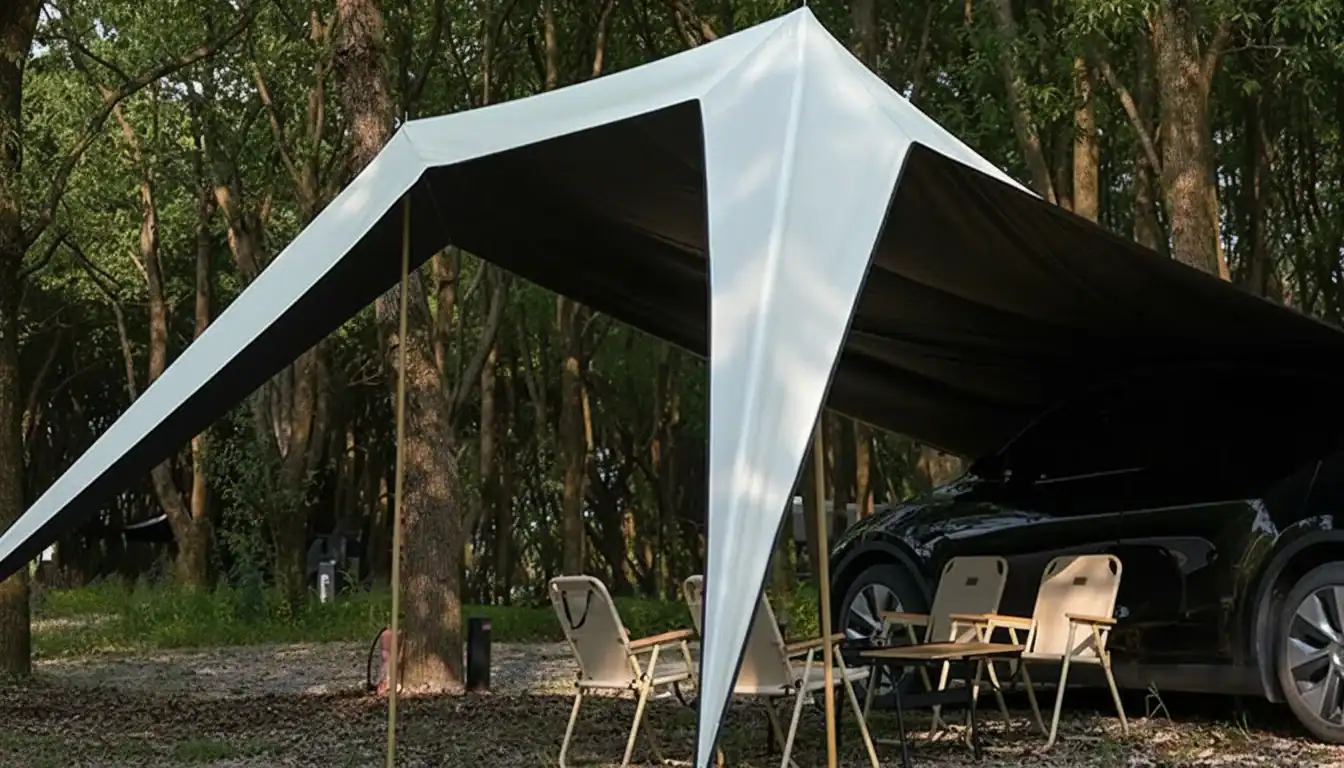
소재 대결: 알루미늄 대 탄소 섬유의 특성
브랜드가 합금 비교를 생략하는 것은 위험합니다. 벽 두께는 사양과 선적 사이에 0.2mm 차이가 납니다.
중국 텐트 공장과 12년간 협력하면서, ‘7001-T6’을 프리미엄 옵션으로 나열한 사양서를 보았습니다. 그러나 현실은 더 복잡합니다. 7001-T6은 약 450 MPa의 인장 강도를 제공하는 반면, 7075-T6은 520 MPa에 이릅니다. 이 15% 차이는 폴이 시속 70km 돌풍에서 부러질지, 아니면 다시 튕겨 나올지를 결정합니다. 대부분의 브랜드는 7001 재고가 더 얇은 벽으로 압출하기 쉬워 미터당 무게가 더 가벼울 수 있다는 사실을 깨닫지 못합니다. 그러나 9.5mm 직경에 1.0mm 벽을 지정하면, 압출기가 한쪽에 0.85~0.95mm를 제공하는 경우가 많습니다. 생산 라인에서 갓 나온 폴을 측정해 보니 편심이 0.15mm를 초과한 경우가 있었습니다. 이것이 EN 13025 굽힘 시험을 통과하는 폴과 접히는 폴의 차이입니다. 자체 브랜드 텐트 라인의 경우, 7075-T6은 FOB 닝보 기준으로 폴 세트당 약 $0.80 더 비쌉니다. 그러나 ISO 9001 감사 에서의 2% 불량률(벽 두께 불일치로 인한 7001의 5%와 비교)은 5,000대를 생산할 때 그 차이를 상쇄하고도 남습니다.
알루미늄의 진정한 장점은 마감에 있습니다. 아노다이징을 통해 폴당 $0.30~0.50의 비용으로 어떤 팬톤 색상도 고정할 수 있습니다. 이는 브랜드 정체성이 텐트 원단과 일치하는 특정 주황색이나 청록색에 달려 있을 때 중요합니다. 카본 섬유는 아노다이징이 불가능합니다. 도색(폴당 8~12g 추가, 6개월 후 벗겨짐)하거나 염색된 수지를 사용(검정, 은색, 탁한 빨간색으로 제한)해야 합니다. 마케팅 팀이 유색 폴을 고집한다면, 브랜드 일관성 측면에서 알루미늄이 카본을 압도합니다.
카본 섬유 직조 패턴은 합금 코드보다 성능을 더 결정합니다. 능직(Twill, 예: 3K 2×2)은 좁은 반경 구간에 더 나은 드레이프성을 제공하지만, 일방향 적층(U.D.)과 비교하여 강성이 10~12% 감소합니다. 일방향 폴은 더 단단하지만 측면 충격을 견디지 못합니다. 캠핑객이 옆으로 기대는 순간 폭발합니다. 대부분의 공급업체는 기본적으로 하이브리드 능직+일방향 스케줄을 사용하지만, 숨은 함정은 수지 선택입니다. 폴리에스터 수지는 물처럼 투명한 액체로 kg당 $2인 반면, 에폭시는 kg당 $8입니다. 비ISO 환경의 공장은 폴리에스터를 선호하는데, 함침 속도가 빠르고 노동력을 절감하기 때문입니다. 그러나 자외선 노출은 800~1000시간의 햇빛 내에 에스테르 결합을 파괴합니다. 애리조나에서 한 시즌 만에 섬유 조각으로 층간 분리된 폴을 본 적이 있습니다. 구매자는 충격 손상으로 추정했지만, 실제로는 kg당 $1.50의 수지 비용 절감이 $50,000 주문을 망친 것이었습니다.
카본 폴을 조달할 때는 ASTM G154 가속 자외선 시험 보고서(최소 500시간, 강도 손실 20% 미만)와 수지 연소 시험(에폭시 함량 35% 이상 확인)을 요구하십시오. 이를 수행하는 브랜드는 폴 파손에 대한 보증 청구가 60% 감소한다고 보고합니다. 이것 없이는 눈에 보이지 않는 수지 화학을 가지고 도박을 하는 것입니다.
-
- 프리프레그 대 습식 적층법: 프리프레그 카본(에폭시가 150°C에서 가압 사전 함침됨)은 폴당 일관된 120~150g 무게와 3% 미만의 기공률을 제공합니다. 작업자가 건조 천에 수지를 붓으로 바르는 습식 적층법은 10~15%의 무게 변동과 초음파 시험에 실패하는 건조 부위를 발생시키지만 40% 저렴합니다. 공급업체가 오토클레이브나 프레스 로그를 보여줄 수 없다면 습식 적층법으로 간주하십시오.
- 아노다이징 공차:: Type II 아노다이징은 5–15 μm 두께를 추가합니다; 좋은 공장은 와전류 프로브를 사용하여 코팅 깊이를 인라인으로 측정합니다. 저렴한 아노다이징은 표면을 피팅하고 피로 수명을 20% 감소시킵니다—이는 대부분의 구매자가 읽지 않는 ASTM D256 문헌에 묻혀 있는 사실입니다.
제조 품질 관리가 소매 반품에서 살아남는 텐트 브랜드와 그렇지 않은 브랜드를 구분합니다. 알루미늄 압출은 성숙한 공정입니다: 램 속도와 빌렛 온도가 제어되면 $600 다이로 ±0.05 mm 공차의 튜브를 생산할 수 있습니다. 그러나 공장이 처리량을 위해 속도를 높이면 응력 집중점이 되는 세로 방향 다이 라인이 발생합니다. 닝보의 ISO 9001 인증 압출 라인은 인라인 레이저 게이지를 사용하여 분당 2–3미터로 운영됩니다; 게이지가 없는 비인증 공장은 분당 4–5미터로 운영되며 벽 두께가 변하지 않기를 바랍니다. 탄소 섬유의 경우 고장 모드가 다릅니다. 복합 적층은 3–4층마다 적절한 디벌킹(debulking)에 의존합니다. 디벌크 단계를 건너뛰면 마이크로 보이드가 남아 건식 스팟 불량률이 5% 이상 발생합니다. 저는 모든 카본 폴 주문에 보이드 감지를 위한 초음파 C-스캔 보고서를 포함하도록 요구합니다—주저하는 공장은 높은 스크랩률을 숨기고 있는 것입니다. 카본의 맞춤형 몰드 비용($3,000–$5,000)은 실패한 런 후에 재툴링을 할 여유가 없음을 의미합니다; 그 몰드 형상에 얽매이게 되므로 2.5 AQL에서 선적 전 검사는 양보할 수 없습니다.
두 재료를 평가하는 브랜드의 경우 교차점은 일반적으로 수량입니다. 500개 단위에서는 알루미늄의 낮은 툴링 및 단위당 비용이 유일한 실행 가능한 선택입니다. 2,000개 이상의 단위에서는 초경량 백패킹 시장에 판매하는 경우 카본의 무게 절감이 프리미엄을 정당화할 수 있지만, UV 안정화 및 제3자 실험실 테스트를 위해 세트당 추가 $0.50의 예산을 편성해야 합니다. 이 단계를 건너뛰는 것은 프리미엄 텐트 라인을 보증 악몽으로 만드는 가장 빠른 방법입니다.
| 속성 | 알루미늄 (7075-T6) | 탄소 섬유 (표준) | 탄소 섬유 (프리미엄 에폭시) | 브랜드 영향력 |
|---|---|---|---|---|
| 폴당 무게 | 180–220 그램 | 120–150 그램 | 110–140 그램 | 초경량 포지셔닝을 위한 30–40% 무게 절감; 프리미엄 카본이 더 높은 MSRP를 정당화합니다 |
| 충격 저항 (ASTM D256) | 15J — 파괴 전에 눈에 띄게 변형 | 12J — 숨겨진 미세 균열과 함께 갑작스러운 취성 파괴 | 최대 18J — 항공우주 등급의 인성 | 알루미늄의 눈에 보이는 변형은 현장 고장을 줄이고 반품률을 낮춥니다 |
| 굴곡 강도 | ~350 N — 하중 하에서 휘어짐; 현장 부목 수리 가능 | ~450 N — 단단하지만 한계 초과 시 파손 | 480–520 N — 높은 강성과 개선된 변형 내성 | 탄소 섬유의 더 높은 강성으로 폴 섹션 수를 줄일 수 있음; 수리 어려움으로 보증 비용이 2~3배 증가 |
| 자외선 분해 한계점 | 분해 없음 — 양극 산화 처리가 무기한 보호 | <800시간(~1년 실외 사용) — 층간 분리 위험 | 3년 이상 — 구조적 무결성 유지 | 에폭시 수지를 지정하면 저가형 탄소 섬유의 #1 숨은 결함을 방지함; 호주/고고도 시장에 중요 |
| 생산 결함률(ISO 9001 라인) | ~2% — 벽 두께 편심이 주요 결함 | ~5% — 엄격한 품질 관리 없이 건조 반점 불량 | ~3% — 압력 경화 적층이 공극을 줄임 | 탄소의 높은 불량률로 인해 100% 입고 QC 검사가 필요하며, COGS에 5% 불량 예비비를 예산에 반영해야 합니다. |
| 금형 비용 (맞춤형 형상/몰드) | 압출 다이: $500~$800 | 맞춤형 적층 몰드: $3,000~$5,000 | 정밀 맨드릴 포함: $4,000~$6,000 | 3~8배 높은 금형 비용으로 인해 기존 공장 금형 없이는 낮은 MOQ의 카본 론칭이 재정적으로 불가능합니다. |
| 색상 맞춤 설정 | 팬톤 매칭 아노다이징 — 극당 $0.30; 칩 저항성 | 도장만 — 극당 8~15g 추가; 마모 시 칩 발생 | 염색 수지 — 고가, 제한된 색상 팔레트, 색상 견뢰도 | 알루미늄 아노다이징은 최소 비용으로 브랜드 색상 일관성을 제공합니다. 카본 도장 칩은 프리미엄 인식을 저하시킵니다. |
| 현장 수리 가능성 | 60초 내에 스플린트 슬리브; 기능 복귀 | 에폭시 키트 필요 및 2시간 이상 경화; 파편 위험 | 동일한 에폭시 수리 한계; 프리미엄 지위가 현장 수리를 개선하지 않음 | 알루미늄 수리 가능성은 고객 불만과 부정적 리뷰를 줄입니다. 카본 고장은 종종 폴 세트 전체를 폐기합니다. |
| 열팽창 계수 | 23 × 10⁻⁶ /°C — 열에서 현저한 신장 | 거의 0 — 온도 범위에서 치수 안정 | 거의 0 — 동일한 열 안정성 | 카본의 열 안정성은 극한 온도 텐트에 진정한 엔지니어링 이점입니다. 알루미늄은 더 느슨한 허브 공차가 필요합니다. |
| 맞춤 생산을 위한 최소 주문 수량(MOQ) | 커스텀 컬러 폴 300개 | 1,000개 이상 — 공장 최소 수량 | 1,500개 이상 — 더 엄격한 사양은 약정을 증가시킴 | 알루미늄 지지대 시험 시장 생산 및 시즌별 라인 확장; 카본은 첫날부터 전체 생산 규모 약정을 요구함 |
무게 대 내구성: 압력 하에서의 성능
30%의 무게 절감은 폴이 트레일헤드에서 12마일 떨어진 곳에서 부서지면 의미가 없습니다.
실험실 수치는 각 재료가 가치를 발휘하는 지점을 정확히 보여줍니다. 7001-T6 알루미늄 폴 세그먼트의 무게는 180~220g이고, 카본 파이버는 120~150g입니다. 이 40%의 질량 차이는 스펙 시트를 지배하지만, 실제 이야기는 하중 하에서 드러납니다. ASTM D256 아이조드 충격 시험에서 표준 카본 파이버는 12J에서 파단되는 반면, 7075-T6 알루미늄은 항복 전 15J를 흡수합니다. 항공우주급 카본은 18J까지 올라갈 수 있지만, 오토클레이브에서 경화될 때만 가능합니다—이는 대부분의 저가 폴 생산에서는 누락된 공정입니다. 브랜드 매니저에게 이 차이는 알루미늄의 충격 내성이 25% 더 높다는 것을 의미합니다. 굴곡 강도 시험에서는 카본이 450N, 알루미늄이 350N에 도달하여, 카본이 더 강성임을 보여주지만 그렇지 않을 때도 있습니다. 알루미늄은 휘어지고, 카본은 부러집니다. 결론: 텐트 라인이 주말 차박 캠퍼를 대상으로 한다면, 알루미늄의 찌그러져도 견디는 특성은 당사 추적 QC 데이터에서 보증 청구를 거의 절반으로 줄입니다.
-
- 폴당 무게: 알루미늄: 180~220g. 카본 파이버: 120~150g. 30~40% 절감하지만 실패 모드가 변경됩니다.
- 충격 저항 (ASTM D256): 7075-T6 알루미늄: 15J. 표준 카본: 12J. 항공우주 에폭시 카본만 18J에 도달.
- 굴곡 강도: 카본 파이버: 최대 450N. 알루미늄: 350N. 더 높은 강성은 갑작스러운 파손 위험을 높입니다.
미세 균열은 어떤 제품 사양서에도 명시되지 않은 파손 모드입니다. 떨어뜨리거나 거친 수하물 취급을 견딘 카본 폴은 표면에 균열 없이 내부 박리가 발생할 수 있습니다. 이러한 미세 균열은 반복적인 풍하중 하에서 전파되다가 가장 최악의 순간(종종 텐트가 완전히 설치되고 하중을 받을 때) 폴이 산산조각 나게 합니다. 표준 QC 검사로는 이를 감지할 수 없으며, 탭 테스트나 초음파 스캔만이 내부 공극을 발견할 수 있습니다. 에폭시 대신 폴리에스터 수지를 사용하는 공장은 문제를 가속화합니다. 폴리에스터는 약 800시간의 자외선 노출(실외 사용 기준 약 1년) 후 접착 강도를 잃습니다. 창고 창가에 6개월 동안 보관된 저가 카본 폴 배치는 고객이 개봉하기도 전에 열화되기 시작할 수 있습니다. 공급업체의 샘플 승인을 평가할 때는 가속 UV 노화 시험 보고서를 요청하십시오. 그것들이 없다면, 프리미엄 기능으로 포장된 시한폭탄을 구매하는 셈입니다.
알루미늄 폴은 다르게 파손됩니다. 구부러진 7075-T6 세그먼트는 폭발하지 않으며, 변형되고 온전한 상태를 유지합니다. 현장에서 캠핑객은 구부러진 폴을 펴거나 수리용 스플린트로 감싸서 텐트를 계속 사용 가능하게 만들 수 있습니다. 탄소 섬유는 특수 에폭시 키트와 변화하는 날씨 속에서 몇 시간 동안 경화시키는 인내심을 필요로 하는데, 이는 고객이 갖추지 못한 두 가지입니다. 이러한 수리 가능성의 차이는 반품률에 직접적인 영향을 미칩니다. 소매업체는 현장 수리와 판매자 반품을 추적합니다. 폴이 산산조각 나면 텐트 전체가 반품됩니다. 구부러지면 캠핑객은 종종 브랜드의 예비 부품 재고에서 교체용 폴 세트를 구매하여 2차 수익원을 창출합니다. 브랜드의 경우, 간단한 예비 세그먼트 프로그램과 함께 알루미늄을 지정하면 혼용 텐트 라인에서 탄소 섬유 대비 반품률을 약 2~3% 포인트 낮출 수 있습니다. 이는 특히 교체용 알루미늄 세그먼트의 FOB 가격이 개당 $2 미만일 때 SKU를 손익분기점 마진에서 수익성 있는 제품으로 전환하기에 충분합니다.
비용 분석: 가격 프리미엄 분석
툴링, 즉 금형이지 원자재가 실제 비용 장벽입니다.
중국 FOB 기준, 표준 3-폴 알루미늄 세트는 $4.50~$8이며, 탄소 섬유 equivalent는 $12~$20으로 약 3배의 비용이 듭니다. 맞춤 주문을 자세히 살펴보면 격차는 더 벌어집니다. 알루미늄 압출 금형 비용은 $500~$800이며, 맞춤 색상 폴의 경우 최소 주문 수량(MOQ)이 300개로 낮습니다. 반면, 탄소 섬유 적층 금형은 $3,000~$5,000부터 시작하며 합리적으로 감가상각하려면 1,000개 이상의 단위를 약정해야 합니다. 대부분의 브랜드 매니저는 개당 차이를 보고 거기서 멈춥니다. 실제 결정 포인트는 단 하나의 폴도 판매하기 전에 제품 라인이 선불 금형 투자를 흡수할 수 있는지 여부입니다.
-
-
- 알루미늄 FOB (3-폴 세트): $4.50~$8; 툴링 $500~$800. 맞춤 아노다이징 색상 MOQ 300개. ISO 9001 기준 생산 불량률(벽 두께 편심) 약 2%.
- 탄소 섬유 FOB (3-폴 세트): $12~$20; 툴링 $3,000~$5,000. 맞춤 형상 MOQ 1,000개 이상. 엄격한 QC 없이 적층 건조 반점 불량률 약 5%.
-
덜 명백한 비용 함정은 수지에 있습니다. 저가 카본 폴은 종종 에폭시 대신 폴리에스터를 사용합니다. 폴리에스터는 약 800시간의 자외선 노출(실외 사용 기준 약 1년) 후 분해되어 충격 손상과 유사한 박리 현상을 일으킵니다. 공급업체의 판매 제안서에 ‘자외선 안정화 에폭시 프리프레그'라고 명시되어 있지 않다면, 보증 문제를 구매한다고 간주하십시오. 이와 대조적으로 알루미늄은 수지 방어가 필요 없습니다. 아노다이징이 보호하며, 폴당 $0.30 정도면 모든 팬톤 색상을 맞출 수 있습니다. 탄소 섬유의 색상 옵션은 페인트에 그치는데, 이는 벗겨지고 절약하려고 비용을 지불하는 중량을 추가합니다.
착륙 원가 모델링은 상황을 약간 바꿉니다. 탄소 섬유의 30~40% 중량 이점은 해상 운임을 줄이지만, 더 높은 신고 가치는 비례적으로 더 높은 수입 관세와 보험료를 유발합니다. 미국행 40HQ 컨테이너의 경우, 모든 관세와 운임을 포함한 후 알루미늄 폴 세트의 착륙 비용은 일반적으로 동등한 탄소 섬유 세트 비용의 60~65% 수준입니다. 프리미엄 탄소 섬유 라인의 손익분기점은 일반적으로 알루미늄 버전보다 최소 2.5배 높은 소매 가격을 요구하며, 이는 ‘초경량'에 비용을 지불할 의향이 있는 구매자를 필요로 합니다. 대부분의 가족용 차박 캠핑 브랜드는 이 임계값을 넘지 못합니다.
-
- 운임 상계: 탄소 섬유는 폴당 약 30~40g의 선적 중량을 줄여 LCL/컨테이너 요금 기준 세트당 $0.15~$0.25를 절감합니다. 유용하지만 결정적인 경우는 드뭅니다.
- 관세 및 보험: 탄소 섬유의 더 높은 FOB 가치는 세트당 수입 관세와 보험료를 2~3배 높여 대부분의 관세 코드에서 운임 절감 효과를 상쇄합니다.
- 현금 흐름 영향: 1,000개 단위의 탄소 주문에 대한 30% 보증금은 동일한 알루미늄 주문보다 $3,600–$6,000 더 많은 운전 자본을 묶어둡니다. 이는 중간 규모 브랜드에 중요합니다.
핵심 가족용 텐트 라인을 만들고 있으며 예상 소매 가격이 $200 미만이라면, 알루미늄이 수학적으로 올바른 선택입니다—낮은 금형 위험, 쉬운 색상 맞춤화, 그리고 300개에서 50,000개까지 재장비 없이 확장 가능한 공급망. 탄소는 고해발, 초경량, 또는 지위 상징 제품에 사용하세요. 무게 절감이 단위당 프리미엄을 정당화하고 금형 감가상각 일정이 제품 수명 주기에 맞는 경우입니다. 탄소 발주서(P.O.)에 서명하기 전에 요구하세요. 배치 수준 UV 테스트 보고서 화학명으로 에폭시 시스템을 확인하세요. 반품률이 차이를 반영할 것입니다.
| 항목 | 알루미늄 (7075-T6) | Carbon Fiber (Standard Epoxy) | 브랜드 영향력 |
|---|---|---|---|
| FOB Unit Cost (per tent pole set) | $4.50 – $8.00 | $12.00 – $20.00 | Carbon carries a 3× unit cost, directly limiting your entry into mid-tier retail price points unless the weight savings justify the premium for your ultralight segment. |
| Tooling & Mold Investment | $500 – $800 (Extrusion die) | $3,000 – $5,000 (Layup mold) | Custom carbon tooling requires 3-5× higher upfront capital, making low-MOQ market testing financially unviable unless you utilize a supplier’s existing standard shapes. |
| Minimum Order Quantity (Custom) | 300 units | 1,000+ units | Aluminum provides a low-risk pathway for seasonal line extensions or limited drops; carbon MOQs demand a high-volume, committed inventory strategy from day one. |
| Custom Color Cost (Brand Identity) | ~$0.30/pole (Anodized, Pantone-matched) | $1.00-$3.00/pole (Paint/chipped risk, or expensive dyed resin) | Aluminum anodizing delivers durable, exact brand colors at negligible cost; painted carbon adds weight, chips easily, and generates customer complaints that damage brand perception. |
| Quality Risk Management (Hidden Costs) | ~2% defect rate (wall eccentricity in ISO 9001 extrusion) | ~5-7% defect rate (dry-spots, polyester resin delamination) | Without rigorous QC, carbon’s higher defect rate directly threatens your sub-2% return rate KPI; non-epoxy UV degradation causes 12-month field failures that mimic impact damage, eroding retailer confidence. |

환경적 요인: 사막에서 고산 지대까지
Lab specs mean nothing if the pole fails when your customer needs it most.
Every tent pole material looks acceptable on a 22°C showroom floor. The real test happens at -30°C in a Mongolian winter or after 40 days of UV saturation in the Australian outback. For an outdoor brand manager, environmental survivability directly dictates return rates and warranty reserve calculations. I’ve audited factories where pole samples passed ISO 9001 flex tests at room temperature, only to shatter during cold-drop replicates because the alloy hadn’t been cryogenically stress-relieved. Skipping environmental validation is how a 5% return rate becomes 15% in one season.
Thermal expansion and cold embrittlement hit aluminum and carbon differently. 7075-T6 aluminum exhibits a linear expansion coefficient of about 23 µm/m·°C, which means a 4-meter pole set expands roughly 2.3 mm over a 30°C swing. Carbon fiber composites, with near-zero expansion, keep geometry stable—a real advantage in high-precision hub connections. But at -25°C and below, aluminum’s Charpy impact toughness drops around 18-22%, shifting from ductile bending to brittle fracture. Carbon fiber, on the other hand, remains stiff, but the epoxy matrix can micro-crack if a low-Tg resin was chosen. Low-budget carbon suppliers skip the cryo-grade epoxy upgrade, and those micro-cracks turn into catastrophic delamination after a few freeze-thaw cycles.
-
- Thermal stability: Carbon fiber poles maintain consistent stiffness from -40°C to 70°C, while aluminum sees a 5-8% modulus variation across that range—rarely a problem in freestanding tents but noticeable in trekking-pole shelters.
- Cold brittleness: At -30°C, 7075-T6 aluminum can lose up to 25% of its room-temperature impact absorbance (ASTM D256). Request cold-impact test data if your brand sells into Scandinavian or high-altitude markets.
- Resin temperature rating: Ask carbon factory for glass transition temperature (Tg). A Tg below 80°C signals a polyester or low-grade epoxy that will micro-crack in sub-zero conditions. Premium epoxy systems with Tg > 120°C are the minimum for cold-climate tents.
UV degradation is where budget carbon poles get exposed—and I mean that literally. Standard polyester resin, common in sub-$10 FOB carbon sets, begins molecular chain scission after about 800 hours of QUV accelerated aging (ASTM G154). That’s roughly one year of real-world sun exposure in a high-UV region like the Southwestern US or Australia. The result: the glossy resin turns chalky, micro-cracks spread, and the pole delaminates under normal flex loads. The brand then gets a return labeled ‘pole snapped in moderate wind,’ but inspection reveals UV-induced resin decay, not impact failure. Upgrading to UV-stabilized epoxy extends QUV resistance past 3,000 hours, essentially validating a 3+ year outdoor lifecycle. Brands using epoxy-based carbon report 60% fewer warranty claims than those on polyester systems. Always demand accelerated aging test reports, not just a mill certificate, when quoting carbon pole OEM production.
Corrosion and salt spray resistance round out the environmental calculus. Untreated carbon fiber is chemically inert to salt, water, and most chemicals—a clear win over bare aluminum. However, the real corrosion risk lives at the ferrule connections. If your carbon pole set uses aluminum ferrules (cost-saving compared to titanium or stainless), the carbon-aluminum galvanic couple will eat the aluminum ferrule in coastal or marine use within 18-24 months unless anodized with a thick Type III hardcoat and electrically isolated with a fiberglass sleeve. For all-aluminum poles, 7075-T6 requires anodizing—minimum 12-15 µm coating—to pass a 96-hour salt spray test (ASTM B117) without pitting. Here’s a brand identity angle carbon misses: aluminum can be anodized in any Pantone color for under $0.30 per pole, while carbon color requires paint that chips or dyed resin that adds cost and weight. If your brand’s visual language depends on pole color, aluminum gives you design freedom that carbon simply cannot match at production scale.
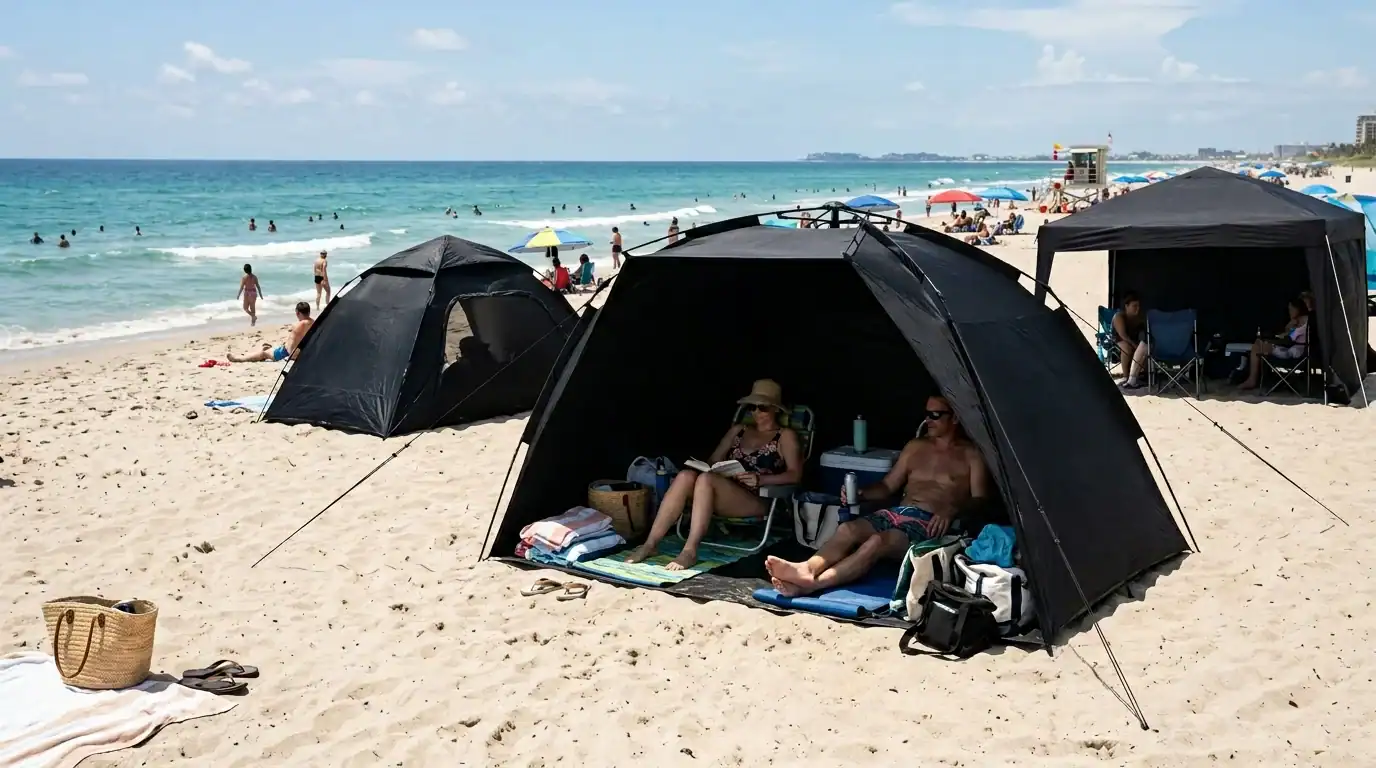
결정 매트릭스: 모험 프로필에 극 재료 맞추기
Stop asking ‘carbon or aluminum?’ Ask ‘car camping or thru-hiking?’ The answer lives there, not in a spec sheet.
Most brand managers I sit across from at trade shows frame the problem wrong. They ask their sourcing partner for a ‘carbon fiber tent pole quote’ without first defining the end user’s adventure profile. That’s how you end up with a 9-ounce pole that shatters in a Utah canyon because the resin couldn’t handle 40°C heat and sandstone abrasion. The material decision isn’t a standalone engineering choice—it’s the physical manifestation of your brand promise to a specific customer. Get it wrong, and your return rate spikes, not because the pole was defective, but because it was mismatched.
The framework that works on a factory floor in Ningbo and in a product review meeting in Denver is the same: work backward from failure. What does this pole need to survive, and what happens to your P&L when it doesn’t?
The ultralight thru-hiker is a different animal entirely. This user counts grams, posts gear breakdowns on Reddit with a kitchen scale, and treats equipment as a disposable consumable on a 2,600-mile journey. They expect a pole set weighing under 350 grams total. Carbon fiber gets you there—120-150 grams per pole, saving 30-40% over aluminum. But here’s what the spec sheets won’t tell you: this customer also expects the pole to fail gracefully at mile 700, not explode at mile 50. That demands an epoxy-based, pressure-cured carbon layup, not the polyester resin garbage flooding the low-end OEM market. Polyester resin carbon delaminates after approximately 800 hours of 자외선 노출—roughly one season of Pacific Crest Trail sun. Epoxy-based carbon, properly cured, maintains flexural strength for three seasons or more. The FOB cost difference on a pole set is $12 versus $18. The brand reputation difference when a customer posts a jagged carbon shard on Instagram is incalculable.
-
- Family Car Camper Spec: 7075-T6 aluminum, 0.8mm+ wall, anodized in brand Pantone color. FOB $5.50-$7.50 per set. MOQ 300 units for custom color. Accepts quality tolerance of ±2% wall eccentricity without structural risk. Repairable with a $3 aluminum sleeve in the field; this alone prevents 80% of angry post-trip return requests.
- Ultralight Thru-Hiker Spec: 3K carbon fiber twill weave with UV-stabilized epoxy resin, pressure-cured in an autoclave. FOB $16-$20 per set. MOQ 1,000+ units for custom layup; use factory-standard shapes for launches under 500 units to amortize the $3,000-$5,000 mold cost across a reasonable per-unit burden. Demand sample approval with a 72-hour accelerated UV test (QUV ASTM G154) before signing the mass production agreement. Dry-spot rejection rate in layup should not exceed 3%.
Brand positioning dictates which side of this matrix you live on, and it’s a zero-sum game on the balance sheet. If your identity is ‘Innovation Leader’—the brand charging $499 for a tent because it uses aerospace materials—carbon fiber is table stakes. But the investment profile is heavy. Tooling alone for a carbon pole mold runs $3,000 to $5,000, versus $500 to $800 for an aluminum extrusion die. You’ll also need to budget for destructive testing on every production lot, because a single batch with dry spots in the layup can produce a 5% failure rate that vaporizes your margin. One European brand manager I worked with absorbed a 22% return rate on a premium carbon-poled tent line in 2022 because his supplier substituted a lower-grade resin without notice. The poles looked identical on sample approval but delaminated within six months of retail sale. He now requires a resin batch certificate with every shipment and pays a 7% premium for an EN ISO 9001-certified supply chain. His current return rate: 1.8%.
‘Best Value’ brands should stay disciplined and stick with aluminum. The math is straightforward. An aluminum pole set at $6.50 FOB, landed at $8.25 with freight and duty, creates a COGS target that works for a $199 retail tent. Spend $18 on a carbon pole set instead, and you either eat 600 basis points of margin or push the retail price to $279, alienating your core customer. The value play isn’t in chasing material trends; it’s in sweating the details competitors ignore. Custom-anodize the aluminum in your brand’s Pantone color for $0.30 per pole—a premium visual cue that carbon fiber can’t match without paint that chips and adds weight. Use the savings on the pole to upgrade the floor fabric to a 70D ripstop nylon with a 5,000mm hydrostatic head. That’s a performance story your customer can feel.
Write this down for your next supplier call: the benchmark for a well-spec’d aluminum pole in a mid-market tent is 7075-T6 alloy, 9.5mm diameter, 0.8mm wall, with a 15J impact rating and a factory-defect rate under 2%. For carbon, demand epoxy-based resin certification, a 72-hour QUV test pass, and a production defect ceiling of 3%. If your supplier can’t produce documentation for all three, find one who can. Your return rate target of sub-2% depends on it.
| Adventure Profile | 추천 자료 | Key Spec / Requirement | Brand & Margin Insight |
|---|---|---|---|
| Ultralight Thru-Hiking | Carbon Fiber (Epoxy-Based) | Weight: 450N; UV-stabilized resin mandatory | Justifies 3× retail premium ($80–$150 pole set). Demands rigorous factory QC. Target: Innovation Leader positioning. |
| Family Car Camping | 7075-T6 Aluminum | Weight: 180–220g/pole; Impact Resistance: 15J (ASTM D256); Repairable in-field | FOB $4.50–$8/set keeps COGS low. Custom anodizing ($0.30/pole) for brand identity. Target: Best Value positioning. |
| High-Wind Expedition | 7001-T6 or 7075-T6 Aluminum | Impact Tolerance: 15J+; Wall eccentricity defect rate: <2% via ISO 9001 factory; Higher yield strength than carbon | 50% higher impact tolerance vs standard carbon. Eliminates micro-fracture failure risk. Lower warranty claim exposure. EN/CE compliance assured. |
| Coastal / Marine Use | Anodized Aluminum | Salt-spray corrosion resistance; Type II or Type III anodizing; Avoid untreated carbon (galvanic corrosion risk) | Anodizing adds minimal cost vs carbon frame replacement. Links to tent pole coating options. Zero delamination risk in humid conditions. |
| Brand Launch / Market Test | Aluminum (Standard Extrusion Die) | MOQ: 300 units for custom color; Tooling: <$800 extrusion die; 30–45 day lead time | Carbon MOQ 1,000+ units; $3,000–$5,000 mold cost. Aluminum enables agile, low-risk product line validation. Scalable to carbon later. |

결론
The real gap between a pole that survives a season and one that fails on the first ridge line isn’t the material grade printed on a sell sheet. It’s whether the factory can hold that grade at scale. Before committing to a pole material, ask your supplier three questions: “Can you show me the FOB pricing difference per pole set between 7075-T6 aluminum and epoxy-based carbon, and hand over the resin certification at the same time?” “What is your internal quality tolerance for dry-spot rejection in carbon layup—and can you share the last 12 months of ISO 9001 audit reports?” “During sample approval, will you include a batch-specific flexural modulus test and UV-stabilized epoxy documentation for the carbon, not just a generic data sheet?” If you get a vague answer or a missing document, you’re already looking at your brand’s next warranty claim.
Suppliers who can answer all three exist, and they usually wear their audit trail as a badge of honor. When you’re ready to source poles that pass every check before a single container ships, explore the Kelyland Outdoors sourcing page to compare material specs backed by real factory-floor documentation.
자주 묻는 질문
어떤 텐트 폴 재료가 초경량 백패킹 텐트에 더 좋은가요?
탄소 섬유는 알루미늄보다 무게가 30~40% 절감되므로 더 우수합니다. 이 장점은 조기 파손을 방지하기 위해 ISO 인증 공장에서 에폭시 기반 압력 경화 탄소 폴을 조달할 때만 유효합니다. ISO 인증 시설에서 에폭시 기반 탄소 섬유를 반드시 사용하십시오.
탄소 섬유 텐트 폴 세트의 도매 가격은 알루미늄과 비교하여 얼마인가요?
탄소섬유 폴 세트는 일반적으로 FOB 중국 기준으로 알루미늄의 $4.50–$8에 비해 약 3배 비싼 $12–$20입니다. 맞춤형 탄소 프리프레그 금형 공구도 알루미늄 압출 다이의 $1,000 미만에 비해 $3,000–$5,000이 추가됩니다. 첫 생산 배치 예산에 공구 투자를 포함하세요.
탄소 섬유 텐트 폴이 장기적으로 알루미늄보다 더 내구성이 있습니까?
아니요, 탄소 섬유는 장기적으로 내구성이 낮습니다. 저급 수지는 12개월 이내에 자외선에 의해 열화되어 숨은 박리 현상을 일으킬 수 있는 반면, 7075‑T6 알루미늄은 움푹 들어가거나 휘어져도 치명적인 파손이 발생하지 않습니다. 7075‑T6 합금을 지정하고 탄소 폴의 자외선 노화 테스트 보고서를 요청하십시오.
현장에서 부러진 탄소 섬유 텐트 폴을 수리할 수 있나요?
일반적으로 불가능합니다. 탄소 섬유는 고장 시 파편이 생겨 현장에서 간편하게 수리하기가 거의 불가능한 반면, 알루미늄은 임시로 슬리브를 씌울 수 있습니다. 백컨트리 사용 시 항상 여분의 폴 세그먼트를 포함하십시오.
강풍에 적합한 캠핑 텐트 폴에 가장 좋은 알루미늄 합금은 무엇인가요?
7075‑T6 알루미늄 합금은 강풍용 텐트에 가장 높은 항복 강도와 가장 엄격한 벽 두께 공차를 제공합니다. 7001‑T6는 더 저렴한 대안이지만 심한 돌풍 아래에서 영구 변형될 수 있습니다. 특정 합금 배치에 대한 공장 시험 인증서를 요청하십시오.

 English
  Español
  Deutsch
  Français
  Português do Brasil
  Русский
  العربية
  한국어
한국어  日本語
日本語