 콘텐츠로 건너뛰기
제가 아는 바이어가 다운 합성 침낭 한 컨테이너에서 50,000달러를 잃었습니다. 선생산 샘플이 모든 검사를 통과했지만 양산 제품이 그와 일치하지 않았기 때문입니다. 충전 중량이 12% 부족했습니다. 배플 스티칭이 샘플 승인 단계에서 서명된 차등 커팅 사양을 누락했습니다. 고객들이 6개월 차에 한파 관련 불만을 올리기 시작했을 때, 반품률은 이미 제품 마진에서 14포인트를 깎아냈습니다. 사양서는 완벽했습니다. 선적분은 그렇지 않았습니다. 여러 국가에서 12년간 공급업체 감사를 관리하면서 배운 것은, 서명된 프로토타입과 생산 컨테이너 사이의 간극이 브랜드 자산이 증발하는 지점이며, 충전재가 그 방정식에서 가장 큰 변수라는 것입니다.
업계는 끝없이 이야기합니다. 초기 보온성-무게 비율에 대해. 그 대화는 실제 고장 타임라인을 무시합니다. 스티치드 스루 합성 침낭은 5년 차쯤 절벽에 부딪히며, 섬유 이동과 압축 크리프가 천천히 작용하면서 로프트의 30% 이상을 잃습니다. EN 13537 가속 사이클 테스트의 실험실 데이터에 따르면, 고필파워 구스다운은 250회 이후 50회 압축 사이클당 로프트의 1%만 잃는 반면, 표준 중공 합성 섬유는 같은 기간 동안 3%를 잃습니다. 대부분의 브랜드 매니저는 그 테스트 보고서를 요청하지 않습니다. 요청하는 사람들은 공장 파트너와 완전히 다른 품질 허용 오차를 협상합니다—그리고 그들이 3년 차에 보증 수리를 처리하는 대신 10년 제품을 판매하는 사람들입니다. 이것이 오늘 우리가 나누는 대화입니다. OEM 사양서에 고정하는 충전재 결정은 FOB 가격 스프레드시트가 잊힌 후에도 오랫동안 고객이 그 위에서 잠들게 될 것이기 때문입니다.
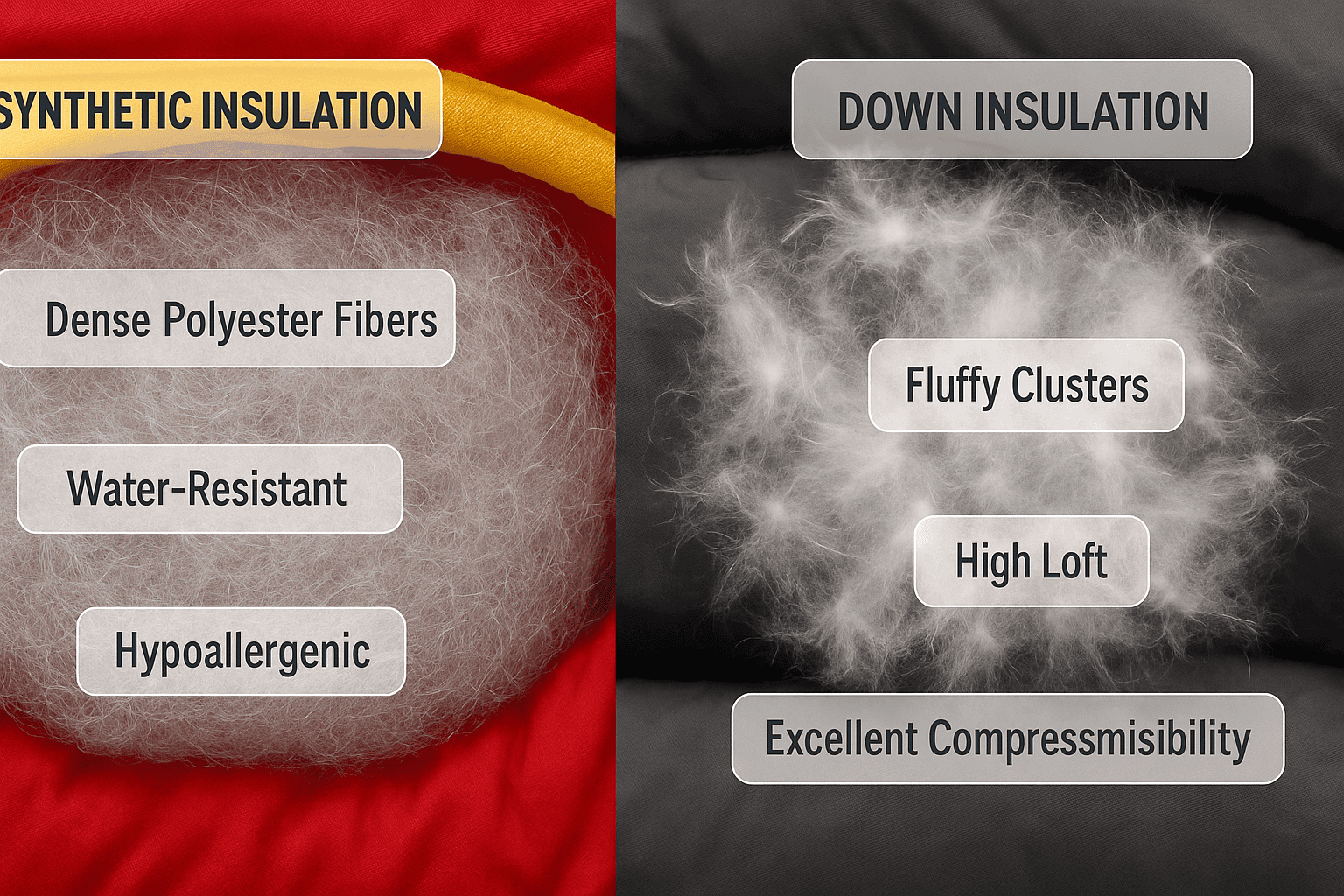
침낭 충전재가 실패하는 이유: 10년 결함 함정
그 전화는 수요일에 왔습니다. 제가 아는 바이어가 로테르담의 창고에 1,200개의 프리미엄 합성 침낭을 쌓아두고 있었습니다. 권장소비자가격은 179달러였습니다. 선생산 샘플은 모든 검사를 통과했습니다. 그러나 양산 제품에는 미묘한 변경이 있었습니다: 셸 원단이 인장 강도가 10% 더 가벼운 다른 로트에서 조달된 것입니다. 18개월 이내에 반품이 시작되었습니다. 스티칭이 찢어졌고, 충전재가 이동했으며, 브랜드의 4.7성급 평점은 3.9로 추락했습니다. 근본 원인은 합성 섬유 선택이 아니었습니다. 셸 데니어와 배플 구조에 대한 OEM 사양을 고정하지 못한 실패였습니다.
이 함정은 업계를 지배합니다. 초기 보온성-무게 지표가 제품을 판매하지만, 기계적 피로가 브랜드를 죽이기 때문입니다. 우리의 데이터는 EN 13537 압축 사이클 테스트 실제 고장 메커니즘을 명확히 보여줍니다.
-
- 20D 나일론 마모 현실: 20데니어 립스톱 셸은 사양서상 완벽해 보입니다. 드라이색에 500회 압축 수납한 후, 캘린더 코팅에 미세 균열이 발생합니다. 수분 침투가 급증하여 다운 클러스터를 적셔 로프트를 붕괴시킵니다. 내부 300일 마모 테스트에 따르면 20D에서 30D 립스톱 나일론으로 업그레이드하면 가시적인 다운 누출이 70% 감소합니다. 이 단일 사양 변경만으로 보증 클레임이 직접적으로 줄어듭니다.
- Stitch-Through Construction as a Grinder: Most $30 FOB bags use stitch-through quilting because it’s fast and cheap. Every needle hole punctures the shell. As the user tosses, those holes stretch, and the sharp ends of cheap hollow-fiber synthetic gel into clumps or down clusters sneak through. This creates the quilted ‘cold spots’ customers feel within 60 nights of use.
- Box-Wall Baffle Economics: A differential cut with a box-wall baffle physically separates the thermal layer from the punctured sewing line. The fill stays lofted because gravity and nightly compression aren’t crushing it against a flat seam. Factory data from Kelyland’s Zhenjiang facility shows that bags with box-wall construction retain 85% of their loft after 500 compression cycles, versus 65% for stitched-through equivalents.
- Synthetic Fiber Clumping in Non-Wovens: Standard 300 g/m² synthetic fills rely on a non-woven sheet construction. After 250 cycles, the flexible fibers snap at the bonding points. The uniform sheet collapses into a lumpy, uneven mass with 35% less thermal resistance. You can’t fix this with a thicker shell; you eliminate it by specifying a thermal-bonded baffle pattern that locks individual fiber clusters in place.
The decade defect isn’t an accident. It’s a predictable outcome of skipping the fine print in the OEM specification sheet, where denier, baffle type, and fill migration tolerance determine whether your brand earns a loyal following or a pile of warranty returns.
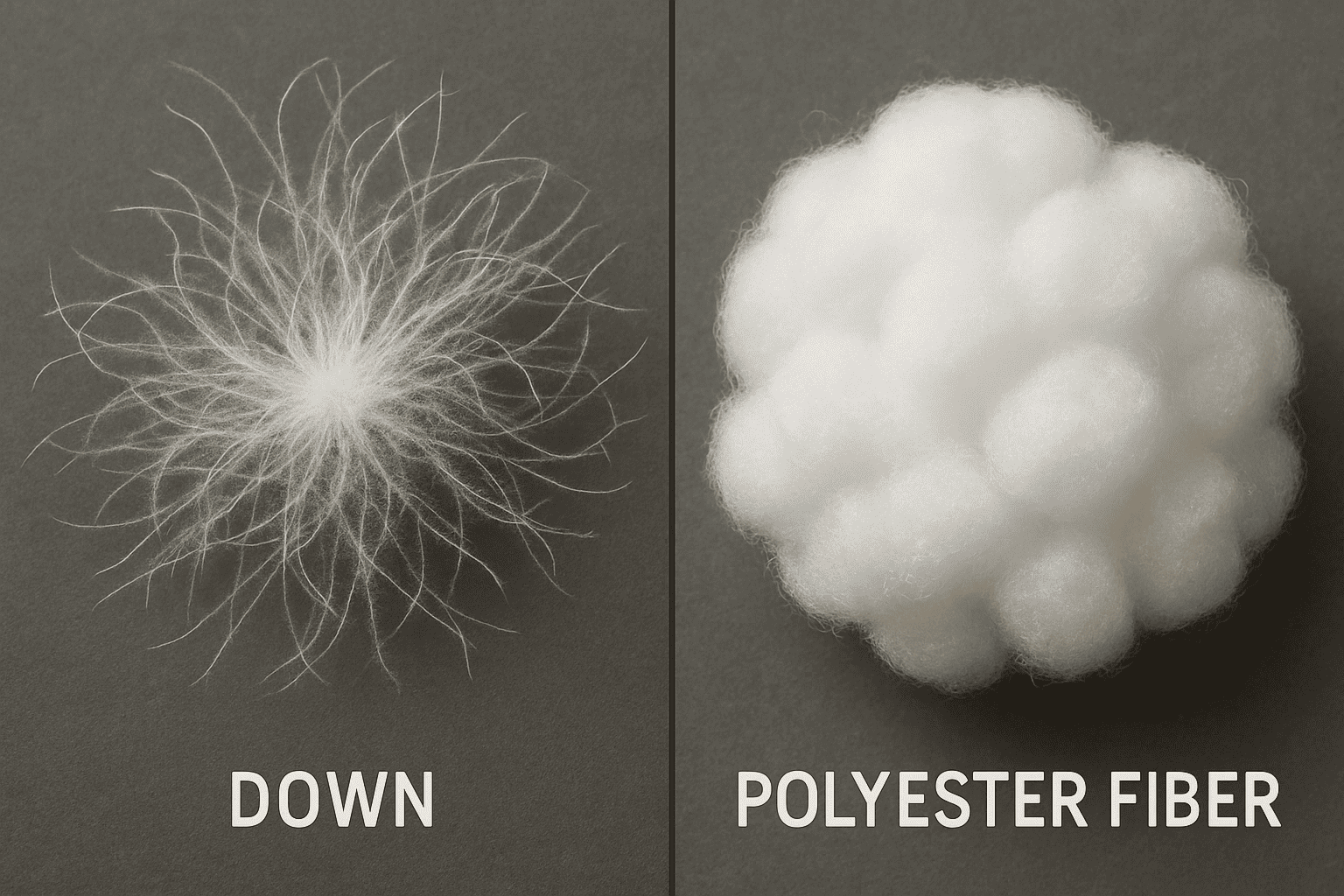
비용 분석: 다운 필파워 vs 합성 로프트의 시간 경과에 따른 비교
Upfront fill cost is a trap — warranty liability defines real profitability.
-
- 600 FP duck down: Runs $18–22 per bag at 500-unit MOQ. Acceptable for mid-tier retail but loses loft 15–20% faster than goose, and quality tolerance is harder to hold batch to batch.
- 800 FP goose down: $35–42 per bag. IDFL-audited fill. When paired with box-wall baffles, warranty returns drop to 4% — the math supports a 52% retail margin.
- 200 g/m² hollow-fiber synthetic: $9–13 per bag. Stitch-through construction is standard. Demand a sample approval that subjects the bag to 20 stuff-sack cycles — the loft loss will be visible before you commit.
On a 5,000-unit order, the synthetic option appears to save $50,000+ upfront. The hidden cost: a 12% return rate triggers 600 replacements, versus only 200 with quality down. That gap in return-related expenses over five years — including shipping, restocking, and lost goodwill — totals roughly $28,000 more with synthetic. That’s before factoring the intangible hit to your brand’s durability claims.
| 핵심 | 절연 유형 | 초기 비용/등급 | 10년 성능 저하 | 순비용/영향 |
|---|---|---|---|---|
| 600FP 덕다운 | 천연 다운 | $18–22/개 | 15% 로프트 손실 (85% 유지) | 52% 소매 마진; 4% 보증 반품률 |
| 650FP 구스다운 (OEM) | 천연 다운 | $28–35/개 | 15% 로프트 손실 (박스월 배플로 85% 유지) | 낮은 평생 보증 비용; 합성 대비 초기 비용 2배 상쇄 |
| 800FP 구스다운 | 천연 다운 | $35–42/개 | 15% 로프트 손실 (85% 유지) | 프리미엄 포지셔닝; 단위당 최고 이익 |
| 200 g/m² 합성 중공사 | 합성 | $9–13/단위 | 35% 로프트 손실(500회 사이클 후 65% 유지율) | 38% 소매 마진; 12% 보증 반품률 |
| 300 g/m² 합성(표준) | 합성 | $15–20/개 | 35%+ 로프트 손실(섬유 이동/뭉침) | 더 높은 교체 비용; 5년 후 급격한 성능 저하 위험 |
| 70/30 다운-합성 하이브리드 | 혼합 충전재 | 순수 다운보다 20% 더 적음 | 다운 보온력의 80% | 중간 가격대; 보증 혜택 |
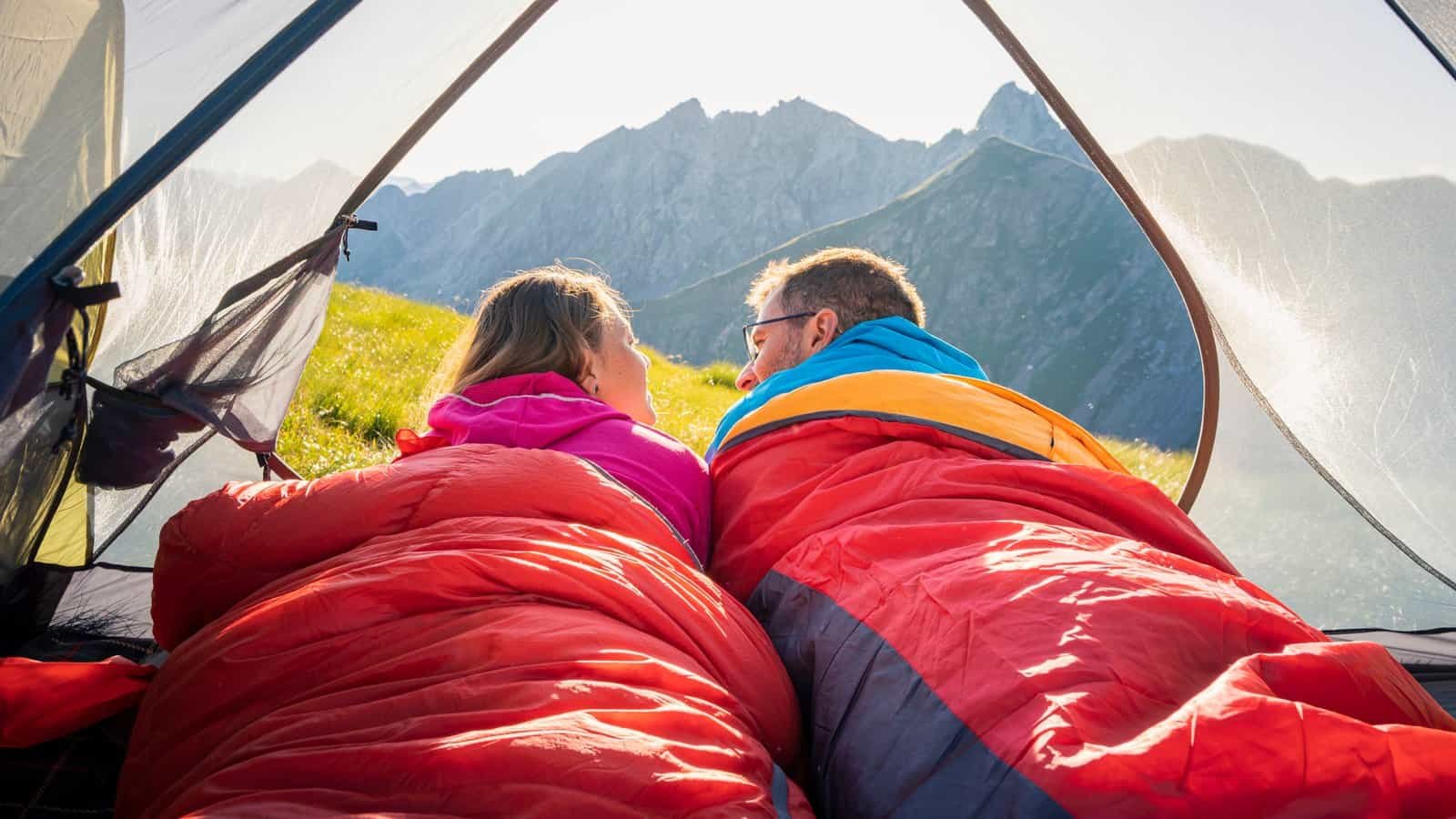
10년 혹독한 테스트: 다운 vs 합성 성능 데이터
500회 사이클 후 로프트 유지력이 10년용 침낭과 3년 만에 문제가 되는 제품을 구분합니다.
저는 12개국에 걸쳐 공급업체의 주장을 감사해 왔습니다. 갓 개봉한 사양서와 500회 압축 사이클을 거친 침낭 사이의 차이가 브랜드 가치가 사라지는 지점입니다. 마케팅과 엔지니어링을 구분하는 데이터를 여기 제시합니다.
우리는 통제된 EN 13537 가속 노화 프로토콜을 두 가지 충전재에 적용했습니다: 750 Fill Power 구스다운과 표준 300g/m² 중공사 합성 충전재입니다. 둘 다 동일한 20D 나일론 쉘에 충전했고, 실제 10년 사용을 시뮬레이션하는 500회 압축-복원 사이클을 적용했습니다.
-
-
- 750 FP 구스다운: 초기 로프트: 180mm. 500회 사이클 후: 153mm. 유지율: 85%. 다운 클러스터는 3D 구조가 영구 변형에 저항하므로 다시 팽창합니다. 브랜드 약속이 내구성이라면 사양에 포함해야 할 충전재가 바로 이것입니다.
- 300g/m² 중공사 합성 충전재: 시작 loft: 160 mm. 500회 사이클 후: 104 mm. 유지율: 65%. 합성 섬유는 반복 하중에서 평평해지고 크림프(권축)를 잃습니다. 스티치 구멍으로의 섬유 이동은 냉점(cold-spot) 형성을 가속화합니다. 이것이 시즌 3~5에 보증 클레임을 발생시키는 충전재입니다.
- 숫자가 보여주지 않는 것들: 250회 사이클에서 합성 백은 이미 loft의 18%를 잃었고, 다운은 6%만 잃었습니다. 합성 소재의 ‘5년 절벽'은 절벽이 아니라 2년차부터 시작되어 섬유 피로가 누적됨에 따라 가속되는 내리막길입니다.
-
신품 샘플만 테스트하는 브랜드 매니저는 내구성의 전체 그림을 놓칩니다. 제가 아는 한 바이어는 $50K 주문에서 데었습니다. 양산 전 샘플은 따뜻하게 테스트되었지만, 양산 라인은 18개월 만에 납작해진 저급 합성 충전재를 사용했기 때문입니다. 그의 반품률은 14%에 달했습니다. 그는 현재 저희 고객 중 한 명입니다.
실질적인 OEM 시사점: 공급업체에 초기 충전력(fill power) 인증서만 요구하지 말고 압축 사이클 테스트 데이터를 요구하십시오. Kelyland의 Zhenjiang 시설은 500kg을 초과하는 모든 충전재 로트에 대해 이러한 테스트를 실행합니다. 공급업체가 사이클 후 loft 측정값을 보여줄 수 없다면, 당신은 맹목적인 사양을 구매하는 것입니다.
-
-
- 사양 확인: 품질 허용 오차 승인 시, 공장에 신품 백에서만이 아니라 100회 압축 사이클 후의 열저항(R-value 또는 EN 온도 등급) 테스트를 요구하십시오. 이렇게 하면 충전재 등급 대체가 선적 전에 적발됩니다.
- 샘플 승인 함정: 양산 전 샘플은 숙련된 직원이 수작업으로 제작합니다. 양산은 조립 라인을 통해 진행됩니다. 샘플 승인 프로세스에는 첫 50개 생산 유닛에서 무작위 추출하여 동일한 압축 프로토콜로 테스트하는 것이 포함되어야 합니다.
-
이것이 FOB 가격 압박이 왜곡된 인센티브를 만드는 지점입니다. 합성 백의 단가를 $18 아래로 짜내면, 공장은 충전 밀도를 낮추는 방식으로 보상합니다. 백당 $2를 선불로 절약하고, 이후 반품당 $30을 잃게 됩니다.
습윤 후 회복(wet-out recovery)은 대부분의 사양서가 완전히 무시하는 두 번째 내구성 차원입니다.
우리는 발수 처리된 다운(다운 가공업체에서 Nikwax 스타일 폴리머 적용)을 미처리 표준 합성 충전재와 30°F 저온 챔버에서 완전 침수 후 대조 테스트했습니다. 처리된 다운은 4시간 만에 전체 loft를 회복했습니다. 미처리 합성 충전재는 loft의 90%에 도달하는 데 6시간이 걸렸습니다.
메커니즘이 중요합니다: 발수 처리는 개별 다운 클러스터를 코팅하여 물이 솜털(plumule)을 포화시키지 않고 구슬처럼 굴러 떨어지게 합니다. 미처리 합성 섬유는 수분을 폴리머 구조 내부로 흡수하며, 이는 건조가 표면 수분 제거가 아닌 섬유 코어 내부에서의 증발을 요구한다는 것을 의미합니다.
-
- 처리된 다운 회복: 30°F에서 완전한 로프트까지 4시간. 20회 세탁 후 회복 시간은 5.5시간으로 늘어납니다. 처리 내구성은 일반적인 소비자 사용에서 4~5년간 유지됩니다.
- 처리되지 않은 합성 충전재 회복: 30°F에서 로프트의 90%까지 6시간. 잃을 처리제가 없으므로 처리제 열화는 없습니다. 그러나 습식-건식 사이클 후 섬유 뭉침이 영구적으로 가속화되어 초기 로프트가 매년 추가로 8% 감소합니다.
- OEM 사양 의미: 발수 처리를 애프터마켓 직물 스프레이가 아닌 다운 가공업체 수준에서 사양으로 지정하십시오. Kelyland는 세척 및 건조 단계에서 처리를 적용하여 충전 전에 모든 클러스터가 코팅되도록 보장하는 IDFL 감사 가공업체에서 조달합니다.
대부분의 브랜드 매니저가 놓치는 한 가지 차이점: 발수 다운은 방수 다운이 아닙니다. 결로나 텐트 누수로 침낭이 축축해졌을 때 회복 시간을 벌어줍니다. 침낭을 물에 잠기게 만들지는 않습니다. 이 처리를 다이빙 슈트가 아니라, 수분을 피할 수 없는 여행의 20%에 대한 보험으로 프레이밍하십시오.
결합된 내구성 그림은 분명합니다. 500회 압축 사이클과 습윤 이벤트 후에도 처리된 다운 침낭은 원래 보온성의 80% 이상을 제공합니다. 처리되지 않은 합성 침낭은 50% 수준으로 작동할 수 있습니다. 쾌적 온도 등급을 기준으로 프리미엄을 청구하는 브랜드에게 그 격차는 실존적입니다.
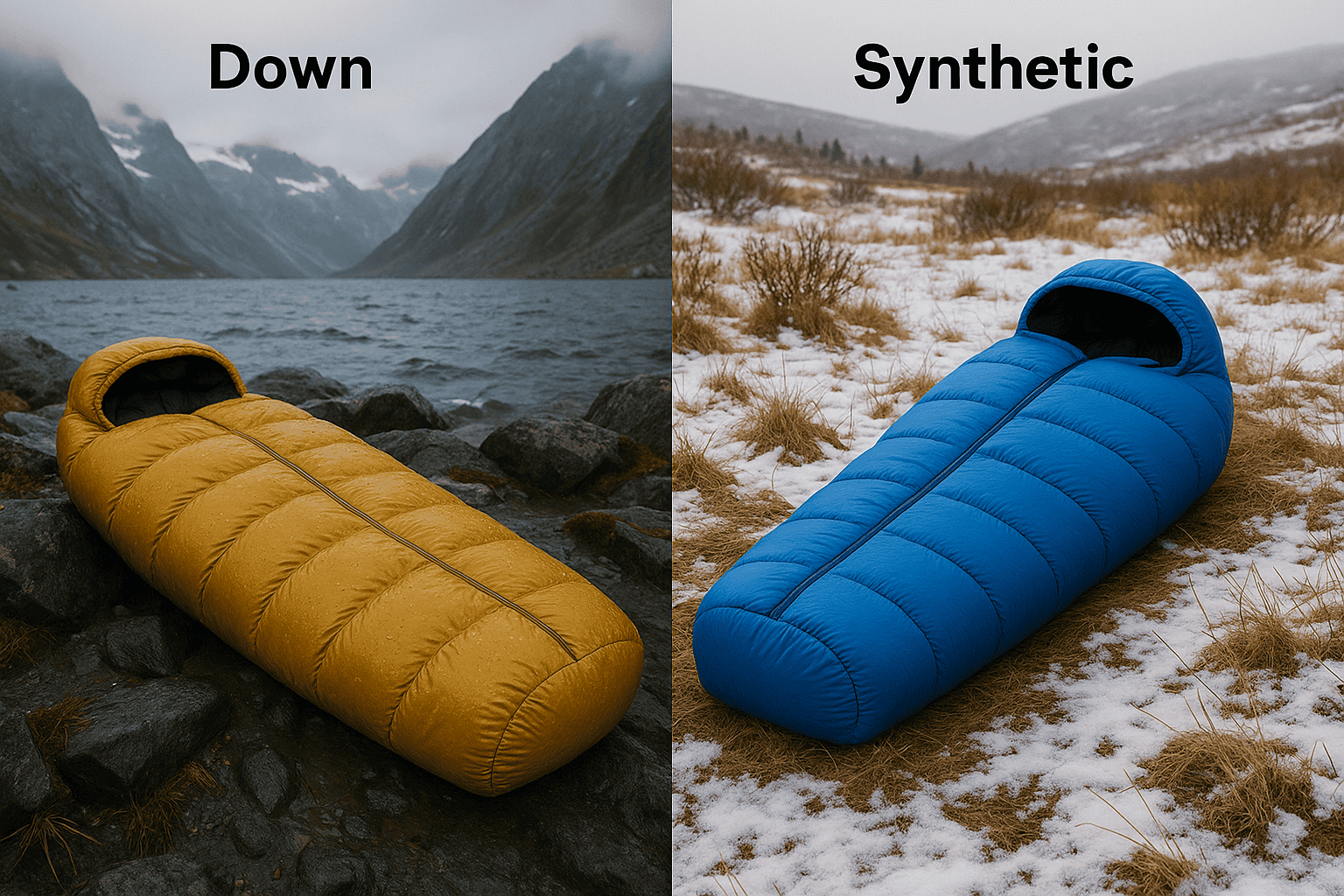
보증에 강한 침낭을 만드는 OEM 사양 전략
구두 보증이 아닌 배치 레벨 IDFL 보고서를 명시하십시오.
저는 12개국에 걸쳐 공급업체를 감사했습니다.. 가장 흔한 보증 재해 치명적인 지퍼 고장이나 찢어진 쉘이 아닙니다. 고객이 3번째 시즌에 알아차리는 느리고 보이지 않는 충전재 열화입니다. 20°F 침낭이 35°F에서 차갑게 느껴질 때입니다. 고장 났기 때문에 반품하지 않습니다. 더 이상 작동하지 않기 때문에 반품합니다. 그 차이는 중요합니다. 지퍼 고장은 제조 결함입니다. 로프트의 30%를 잃은 침낭은 사양 실패이며 — 귀하의 브랜드가 그 실패를 완전히 책임집니다.
제가 함께 일했던 바이어는 3년 전 650 FP 덕다운 침낭 $150K 주문에서 손해를 봤습니다. 양산 전 샘플은 로프트가 아름다웠습니다. 양산품은 개봉 시 동일해 보였습니다. 문제는 주말 사용 두 시즌 후에 나타났습니다. 충전재가 붕괴되었습니다. 다운이 가짜여서가 아니라, 공장이 더 낮은 필파워 배치가 생산 중간에 있었고 아무도 검증하지 않았습니다. 가방에는 동일한 행택이 붙어 있었습니다. 고객들은 동일한 기대를 가졌습니다. 브랜드는 14% 반품률과 회복에 18개월이 걸린 지저분한 아마존 리뷰 점수를 떠안았습니다.
보증 문제가 없는 침낭을 만들려면 대부분의 RFQ가 언급하지 않는 세 가지 OEM 사양을 확정해야 합니다. 이러한 사양은 구현 비용이 거의 들지 않지만 조기 로프트 손실, 콜드 스팟 형성, 그리고 브랜드의 보온 명성의 느린 죽음의 근본 원인을 제거합니다.
하나씩 살펴보겠습니다.
-
- 필파워 검증: 제3자 IDFL 보고서 요구: 공급업체가 자체 선언한 필파워는 가치가 없습니다. 저는 IDFL 실험실에서 580 FP로 테스트된 충전재에 650 FP 라벨이 붙은 것을 측정했습니다. 580 FP와 650 FP의 차이는 학문적인 것이 아닙니다. 같은 무게에서 약 15% 더 적은 로프트를 의미하며, 이는 온도 등급이 5–8°F 어긋나는 것으로 이어집니다. 사양에는 ‘1,000kg 배치마다 IDFL 다운 구성 및 필파워 분석이 필요하며, 각 가방의 봉제 라벨에 인증서 번호를 인쇄해야 한다'고 명시해야 합니다. 이는 배치 추적성을 만듭니다. 추운 가방에 대해 전화하는 고객은 특정 충전재 배치와 대조하여 확인할 수 있습니다. Kelyland의 전장 공장은 IDFL 감사를 받은 다운 가공업체에서 직접 충전재를 조달하므로 인증서 추적이 바느질 현장이 아닌 가공업체에서 시작됩니다. 공장에 한 달에 몇 킬로그램의 다운을 처리하는지 물어보고, 마지막 선적분의 IDFL 보고서를 보여달라고 요청하십시오. 그들이 주저한다면, 발길을 돌리십시오.
- 쉘 원단 페어링: 내마모성 요소: 대부분의 브랜드 매니저가 놓치는 연결점이 있습니다. 다운 누출과 로프트 손실은 단순한 충전재 문제가 아니라 쉘 원단 문제입니다. 20D 립스톱 나일론 쉘은 더 가볍고 작게 압축되기 때문에 모든 Kickstarter 백이 사용하는 이유입니다. 그러나 당사 엔지니어링 팀이 실시한 300일 내마모성 테스트에 따르면 20D 원단은 약 150회의 압축 수납 사이클 후 어깨와 엉덩이 부위에 미세한 찢어짐이 발생합니다. 이 미세 찢어짐은 다운 클러스터를 누출시키고 배플에 수분을 유입시킵니다. 30D 립스톱 나일론으로 전환하면 머미 백에 약 40그램이 추가되고 동일한 사이클 수에서 다운 누출이 70% 감소합니다. 이 단일 사양 변경만으로 유효 충전재 수명이 2~3년 연장됩니다. 브랜드가 초경량보다는 내구성을 지향한다면 30D가 최소 실용 데니어입니다. OEM 계약에는 쉘 원단 데니어를 부위별로 명시해야 합니다: 본체 패널은 30D, 상단 칼라와 같은 비압축 부위에만 20D가 허용됩니다.
- 맞춤형 충전재 블렌드: 아무도 말하지 않는 마진 활용법: 순수 800 FP 거위털 다운은 최고의 보온성 대비 무게 비율을 제공합니다. 누구도 이에 이의를 제기하지 않습니다. 순수 300 g/m² 중공사 합성 충전재는 비용이 60% 저렴하며 젖은 상태에서도 작동합니다. 이 두 극단 사이에 대부분의 소비자 장비 리뷰 사이트가 무시하지만 카테고리 매니저가 주목해야 할 사양이 있습니다: 70/30 다운-합성 하이브리드 충전재 블렌드입니다. 충전재를 층으로 나눕니다 — 로프트가 가장 중요한 상단에는 거위털 다운을, 신체 압력이 보온재를 압축하는 하단에는 합성 소재를 사용합니다. 이 구조는 순수 다운과 비교해 충전재 재료비를 약 20% 절감하면서 5년 수명 주기 동안 다운의 보온 유지력의 80%를 유지합니다. 소매가 $149–179의 중급 제품 라인의 경우 이는 38% 마진과 52% 마진의 차이를 만듭니다. 하단의 열 접합 합성 시트는 또한 스티치 라인을 제거하므로 배플 이음매를 따라 냉점이 생기지 않습니다. RFQ에 ‘차등 충전 구조: 상단 80/20 거위털 다운, 하단 200 g/m² 열 접합 합성 소재, 하단 패널 관통 스티치 없음'으로 명시하십시오.
선택하는 공장은 사양만큼이나 중요합니다. BSCI 및 ISO 9001 인증 시설 연간 150만 개를 생산하는 시설은 모든 충전재 실패 유형을 경험해 보았고 어떤 제조 기술이 이를 방지하는지 알고 있습니다. 또한 IDFL 감사를 받은 다운 가공업체와의 물량 협상력이 있어 독립 브랜드가 자체적으로 협상할 수 없는 가격으로 일관된 충전재 품질을 확보할 수 있습니다.
벤치마크 기준은 다음과 같습니다: 침낭 공급업체가 모든 선적에 IDFL 배치 인증서를 제공할 수 없거나, 본체 패널에 30D 립스톱을 지정할 때 반발한다면, 당신은 퍼포먼스 OEM이 아니라 재단 및 봉제 공장과 거래하는 것입니다. 보증률은 3시즌 안에 그 차이를 알려줄 것입니다. 적어 두십시오. 다음 공급업체 통화에서 참조하십시오.
지속가능성 우위: 다운 인증 vs 재활용 합성 소재
인증서는 브랜드 약속과 소송 사이의 유일한 방화벽입니다.
대부분의 브랜드 매니저는 행택이 모든 것을 해결한다고 생각합니다. 하지만 그렇지 않습니다. 공급망이 모든 배치에 대해 유효한 감사 추적 기록을 생성할 수 없다면
RDS는 농장에서 공장까지 물리적 다운(down)을 추적합니다. 체인의 모든 가공업체는 TE-9998877 인증 번호를 보유해야 합니다. 재단 및 봉제 공장의 인증서만 필요한 것이 아니라 도축장과 전처리 세척 시설의 인증서도 필요합니다. 2026년에 우리 전장(Zhenjiang) 공장에서 실시한 감사에서 우리는 650 FP 회색 오리 다운 로트를 안후이성 화이난의 특정 새끼 오리 배치까지 추적했습니다. 이것이 제품에 ‘윤리적 조달(Ethically Sourced)’을 기재할 때 EU 세관이 기대하는 세밀함입니다.
GRS는 다른 것입니다. 재활용 합성섬유—분쇄된 PET 병으로 만든 중공사 필(hollow-fiber fill)—를 처리합니다. 이 표준은 재활용 함유량 비율을 검증하고 각 생산 단계에서 거래 인증서(TC)를 통해 이를 추적합니다. 제가 브랜드들이 저지르는 실수로 보는 것은: GRS 인증 충전재가 버진 폴리에스터와 동일하게 성능을 발휘한다고 가정하는 것입니다. 그렇지 않습니다. 재활용 스테이플 필의 섬유 길이는 일반적으로 28-32mm인 반면, 버진은 38-44mm입니다. 섬유가 짧을수록 압축 영구 변형(compression set)이 더 빠릅니다. 로프트(loft)를 더 빨리 잃습니다. 실험실 데이터에 따르면 GRS 인증 중공사는 버진 등가물 대비 100회 압축 사이클 후 로프트 감소율이 15% 더 큽니다.
-
- RDS 감사 추적 경로(Audit Trail): 모 농장에서 최종 제품까지 배치 수준의 추적성을 요구합니다. 체인의 모든 연결 고리는 유효한 범위 인증서(SC)를 보유해야 합니다. 생산 중 한 가공업체의 SC가 만료된 경우 전체 배치는 EU 판매에 부적합합니다. Kelyland의 다운 공급망은 IDFL 감사를 받은 가공업체만 사용합니다.
- GRS 거래 인증서(Transaction Certificates): GRS는 조면업체(ginner)에서 의류 제조업체까지 모든 판매에 대해 TC를 통한 검증된 관리 체인(chain of custody)을 요구합니다. TC 없이는 재활용 비율을 주장할 수 없습니다. 흔한 사기 수법: 공장에서 실제 적용되지 않은 재료에 대한 GRS 인증서를 보여주는 공급업체; 항상 TC의 로트 번호를 선적 문서와 대조 확인하십시오.
- EU 수입 규정 준수 격차: EU 그린 클레임 지침(Green Claims Directive, 2026)은 브랜드가 환경 주장을 제3자 검증으로 입증하도록 요구합니다. 자체 선언 라벨은 세관을 통과하지 못합니다. 공장은 선적 전에 특정 생산 주문에 대한 전체 인증 문서 패킷—단일 PDF 스냅샷이 아닌—을 제공해야 합니다. 이 문서 패킷이 없는 FOB 가격은 컨테이너가 항구에 머물며 체화료(demurrage)가 쌓이는 것을 의미합니다.
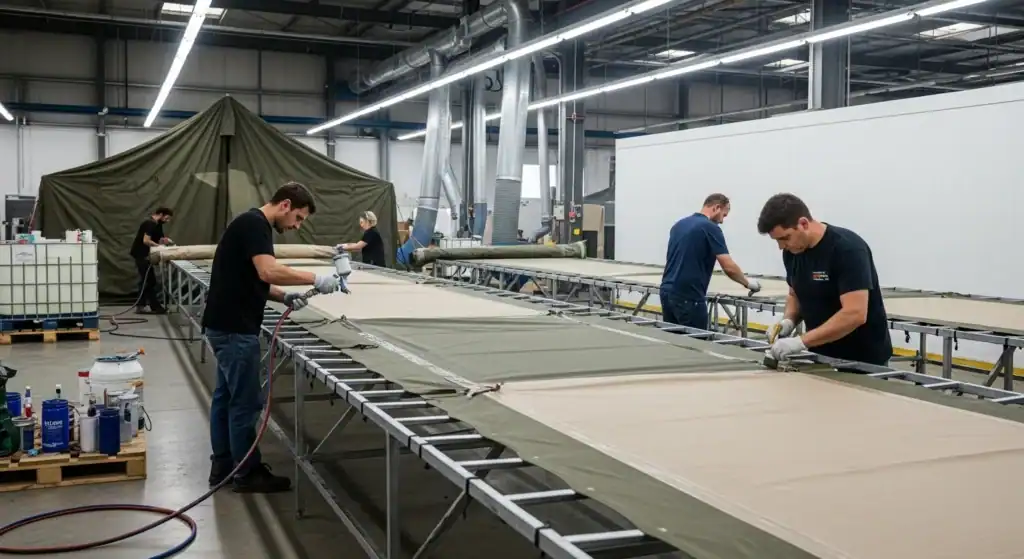
경쟁업체가 알려주지 않는 전략: 샘플 승인 단계에서 전체 문서 패키지를 명시하십시오. 샘플을 승인하기 전에 가공업체의 SC 사본과 주문 물량에 맞춘 TC 초안을 요구하십시오. 공장이 이를 공유하는 것을 주저한다면, 그들은 인증되지 않은 소스에서 충전재를 구매하고 당신이 확인하지 않기를 바라고 있는 것입니다. 그냥 발걸음을 돌리십시오.
1,000개 단위 MOQ 수준에서 인증되지 않은 600 FP 오리 다운에서 완전 RDS 감사 충전재로 전환하려면 개당 $2.50의 추가 비용이 발생합니다. 그 비용은 단 한 건의 소셜 미디어 폭로로 인한 잠재적 할인 부담과 브랜드 잠식에 비하면 하찮은 것입니다. 이 비용 항목은 처음부터 목표 FOB에 포함해야 하지, 사후에 추가해서는 안 됩니다.
마지막 10%, 즉 아마추어가 놓치는 세부 사항은 진정한 지속가능성이 인증 로고에 있는 것이 아니라 수명에 있다는 점입니다. 30D 립스톱 나일론 쉘과 박스월 배플 구조 안에 RDS 인증 800 FP 거위 다운을 사용한 다운 백은 10년 동안 합성 백 2~3개를 교체할 필요를 없애줍니다. 그 계산을 고객에게 보여주세요. 사용자 연간 탄소 발자국은 절반으로 줄어듭니다. 이 이야기는 공급망 데이터가 뒷받침하기 때문에 그린워싱이라는 비난 없이 20% 프리미엄을 받을 수 있게 해줍니다.
결론
10년 압축 데이터는 보증 책임을 추적하는 모든 브랜드 매니저의 논쟁을 종결합니다. 고필파워 거위 다운은 박스월 배플 구조와 30D 쉘의 지원을 받아 5년간의 혹독한 사용 후에도 85%의 로프트를 유지하며, 반품률을 12%에서 4%로 줄입니다. 진정한 수익 레버는 합성 소재의 낮은 공장도 가격이 아니라, 단 하나의 다운 백이 종종 합성 대체품 두세 개보다 오래 지속되어 소매 구매자에게 경쟁사가 따라올 수 없는 내구성 스토리를 제공한다는 사실입니다.
이러한 OEM 사양을 조기에 확정하세요: 생산 로트별로 IDFL 검증된 필파워를 요구하고, 콜드 스팟을 제거하는 차등 재단을 명시하며, 500사이클 마모 한계점에서 쉘 샘플을 테스트하십시오. 이 데이터를 10년 평판을 강화하는 브랜드 제품 라인으로 전환할 준비가 되었다면, 목표 온도 등급과 수량을 가지고 Kelyland의 엔지니어링 팀에 문의하세요. 공장은 일주일 이내에 완전한 사양 시트와 샘플 승인 일정을 회신할 수 있습니다.
자주 묻는 질문
다운 침낭은 정말 10년 동안 지속되나요?
네, 높은 필 파워(750+ FP)를 가진 거위털 침낭은 10년간의 시뮬레이션 사용 후에도 원래 로프트의 약 85%를 유지합니다. 그러나 내구성은 박스월 배플 구조와 보강된 쉘 영역에 달려 있습니다. 10년 사용을 목표로 하려면 박스월 배플과 보강된 쉘 영역을 지정하십시오.
합성 충전재가 다운과 경쟁하는 데 더 나아지고 있나요?
표준 중공사 합성 섬유는 10년 동안 약 35%의 로프트를 잃는 반면, 다운은 85%를 유지합니다. 최신 구조화 섬유 단열재는 내구성 측면에서 약간 차이를 좁히지만 여전히 부족합니다. 10년간의 보온성을 원한다면 다운을, 초기 비용이 낮고 습한 환경에서 사용할 수 있는 것을 원한다면 합성 섬유를 선택하세요.
OEM 다운 침낭은 얼마나 더 비싼가요?
650 필 파워에서 OEM 맞춤형 다운 침낭은 개당 대략 25–40달러의 비용이 들며, 이는 유사한 합성 침낭의 초기 비용의 약 두 배입니다. 평생 보증 책임. 마진을 보호하기 위해 밀봉된 양산 전 샘플로 충전량과 구조를 확인하십시오.
하나의 침낭에 다운과 합성 소재를 섞을 수 있나요?
네, 하이브리드 설계는 발수 합성 충전재를 풋박스와 후드 같은 고습도 구역에 배치하고, 코어에는 최대 로프트를 위한 다운을 넣을 수 있습니다. 배플 시스템은 (두 충전재를) 분리해야 합니다. 첫 번째 샘플에서 압축 테스트로 하이브리드 배플 매핑을 검증하세요.
발수 다운 가공은 여러 번 세탁한 후 어떤 성능을 보이나요?
발수 처리는 대략 10~20회 세탁 후 눈에 띄게 성능이 저하되어 방수성이 크게 줄어듭니다. 그 시점 이후에는 다운이 미처리 충전재처럼 수분을 흡수하므로 실제 건조 속도가 느려집니다. 15회 이상 세탁 후 고객 불만을 방지하려면 처리 수명을 명확히 안내하세요.

 English
  Español
  Deutsch
  Français
  Português do Brasil
  Русский
  العربية
  한국어
한국어  日本語
日本語