 콘텐츠로 건너뛰기
wagon wheel material comparison is the first checkpoint buyers should lock before they approve a supplier, budget, or production slot. “Why did the pre-production sample roll like a dream across the sand, but the mass shipment sounds like a shopping cart on gravel?” A buyer who just lost $50,000 on a container of 접이식 왜건 asked that question behind closed doors. The approved sample had TPE tires, silent and plush. The mass production run arrived with hard PVC wheels, and the factory shrugged it off as “within standard quality tolerance.” When the FOB pricing difference between those two materials is maybe $0.60 per wheel, that tolerance becomes a very expensive oversight. A real wagon wheel material comparison isn’t a spec-sheet checkbox—it’s the only thing standing between your brand and a return rate that eats your margin alive.
Skip the material deep dive and the cost shows up in six months. EVA wheels without UV inhibitors start surface-cracking after 6–9 months of outdoor storage in sunny climates. That cracks your reviews before the season even peaks. Most factories offer PU as the standard roll, but a TPE upgrade adds only $0.80–$1.20 per wheel at bulk quantities. That’s a rounding error on the unit cost, yet it cuts noise complaints and all-terrain failure returns drastically. Do nothing, and you’ll be staring at a 0.8-star average by month eight—along with a warehouse full of returns that you paid to ship, inspect, and refund.
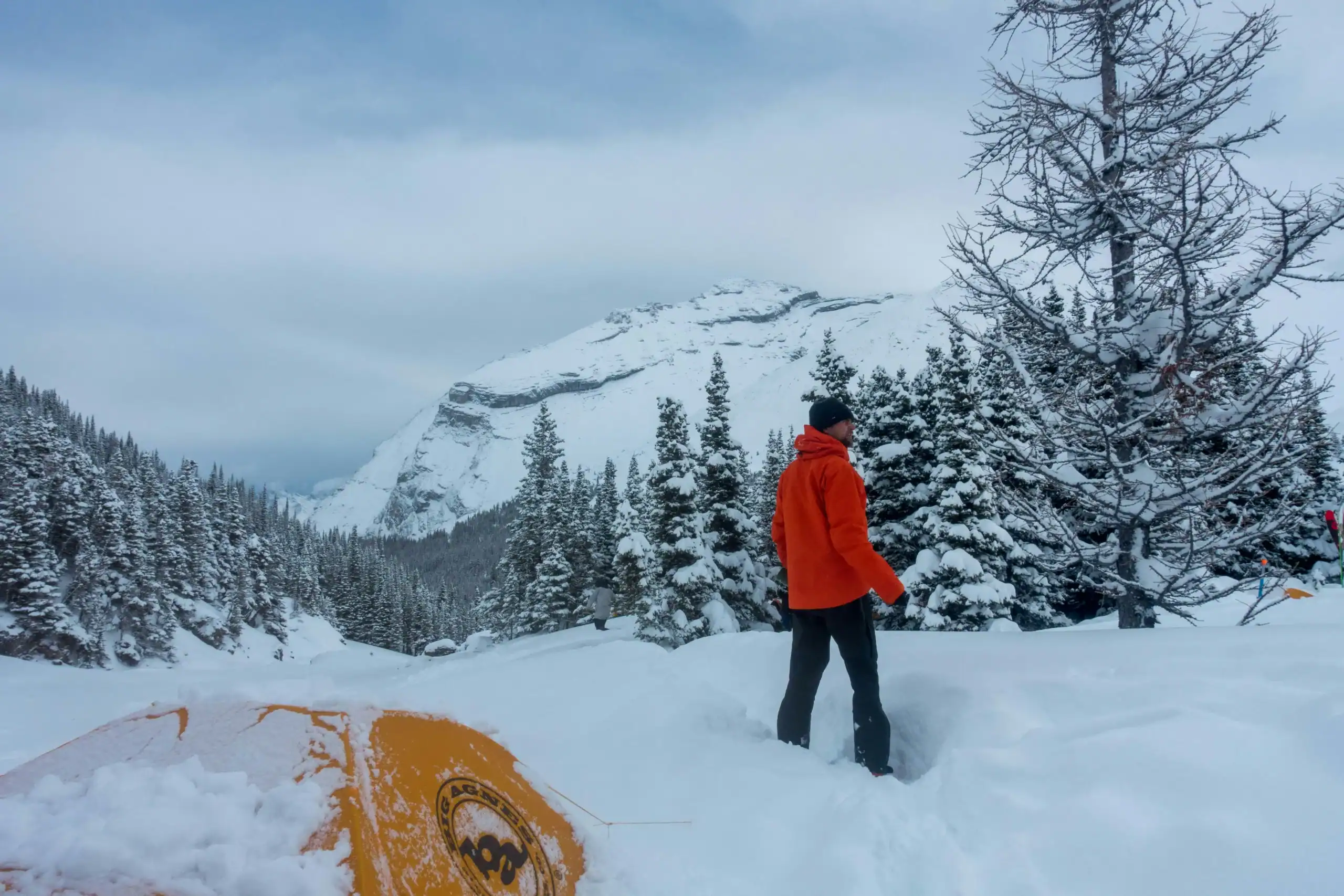
Why Wheel Tires Make or Break a Folding Wagon’s Reviews
Wheels trigger 70% of physical complaints, yet most brands spec them last—big mistake.
Three failure modes dominate folding wagon returns: flat spots that turn the wagon into a sled, noise so loud it drowns out conversation, and steering so stiff the wagon becomes useless above 60 kg. Return reason codes like ‘defective’ or ‘not as described’ almost always trace back to the tire material, not the frame or fabric. PVC wheels, the cheapest option, develop flat spots after 6–8 weeks in a warehouse. PU wheels roll quieter and smoother, but UV exposure makes them brittle within 12–18 months, especially on coastal routes. EVA wheels absorb shock well and stay lightweight, but without a UV inhibitor package, surface cracking appears within 6–9 months of outdoor storage in sunny climates. That timeline hits right at peak season, turning every cracked tire into a verified-purchase negative review.
Amazon’s star-rating decay is mechanical. When a wagon’s wheel reviews dominate the one-star column, the algorithm suppresses the listing in search. A 4.5-star launch can erode to 3.8 within 90 days if wheel failures spike. Recovery requires a spec change on the next production run plus aggressive review harvesting—both cost margin and time. TPE (Thermoplastic Elastomer) wheels rewrite that math. They grip like rubber on sand, grass, and pavement without adding weight. The upgrade from PU to TPE runs only $0.80–$1.20 per wheel in bulk, less than $5.00 total on a wagon that retails for $80–$200. Our Jinhua factory’s defect logs show a return rate under 2% on TPE-spec’d wagons, versus 6–8% for PU equivalents. That gap is pure profit—or pure pain—depending on the spec sheet.
Beach wagons demand TPE, no question. Salt, UV, and dragging through soft sand destroy PU and EVA within a season. Park and festival wagons can work with quality PU if the UV coating is verified at sample stage. PVC belongs nowhere in e-commerce; the first heatwave will warp the tread and generate ‘wagon doesn’t roll’ complaints. Always request accelerated UV test reports (ASTM G154 cycle) for any material not labeled outdoor-grade. If the supplier cannot provide one, assume the wheels will fail before the warranty period ends.
One more silent killer: the caster offset on 360° swivel front wheels. Even the best TPE tire will shimmy uncontrollably if the offset is under 50 mm and the wagon is loaded past 80 kg. We reject axle batches for this regularly. Before signing off on a sample, ask your factory for a video of the fully loaded wagon on mixed surfaces. If the front wheels oscillate within five seconds, the caster geometry is wrong. Fixing it costs a few cents per unit at the tooling stage. Ignoring it costs you a product that customers hate to pull.

Material Deep Dive
EVA wheels without UV inhibitors crack within 6–9 months of sun exposure—this single spec decision triggers most ‘all-terrain’ warranty claims.
Three years ago, a buyer familiar with this case landed a container of folding wagons spec’d with 7-inch EVA wheels for a beach-gear brand launch. The sample approval went fine. The pre-production sample looked identical. But nobody in the sourcing chain asked whether the compound included UV stabilizers. Eight months after delivery, the reviews cratered: surface cracking, chunks breaking off at the rim, one-star photos of disintegrating tires on driveway pavement. The brand lost an entire season’s buy from a major retailer. All because one additive—about $0.03 per wheel—was omitted from the bill of materials.
Wheel material is not a commodity checkbox. It is the single highest-impact variable affecting return rates, review velocity, and repeat purchase behavior on folding wagons. Changing the tire compound changes your warranty liability, your Amazon star rating trajectory, and your landed cost per unit. Here is exactly what each material does under real-world load, based on production data from wagon lines running 1 million units annually through ISO 9001 인증 시설을 갖추고 in Zhejiang.
PVC (Polyvinyl Chloride) — The Entry-Level Trap PVC is what you spec when your target retail price forces every component to its floor. It is hard, injection-molded, and costs roughly $0.40–$0.60 per wheel at OEM volumes. The problems show up immediately: Shore hardness typically lands above 90A, which means zero compliance on anything rougher than polished concrete. Tires skid on wet grass. They transmit every sidewalk crack directly into the frame, loosening rivets over time. And PVC’s low-temperature brittleness means a wagon left in a car trunk during a Minnesota winter can crack at the hub before the first pull of spring. You pick PVC for one reason: hitting a sub-$40 FOB without exceeding margin targets. Accept that your return rate will run 2–3x higher than a PU-spec wagon.
PU (Polyurethane) — The Industry Workhorse, With Limits Most mid-tier folding wagons ship with PU tires because most factories default to it. It rolls quieter than PVC, offers enough elasticity to absorb moderate shock, and costs $0.70–$1.10 per wheel depending on density and diameter. Shore hardness ranges from 75A to 85A in typical wagon applications—soft enough for pavement and packed dirt, hard enough to resist chunking. The catch? PU hydrolyzes. Continuous exposure to moisture plus heat (think Florida campgrounds, boat ramps, beach parking lots) gradually breaks the polymer chains. You will see surface tackiness first, then micro-tears, then delamination from the hub. If your target market includes coastal regions or high-humidity zones, PU is a 2–3 season material unless you validate the factory’s hydrolysis-resistance test report before sample approval.
EVA (Ethylene-Vinyl Acetate) — Light, But a Sunlight Liability EVA is popular in the ultralight gear segment because it cuts roughly 15–20% off wheel weight versus PU at the same diameter. That matters for shipping cost and for customers who lift wagons into SUVs. EVA also provides better shock absorption, which improves pull comfort over cobblestone or root-covered trails. The fatal weakness is UV degradation. EVA without sufficient UV inhibitors and antioxidants will show surface cracking within 6–9 months of outdoor storage in sunny climates. Once micro-cracks propagate into the foam structure, the tire loses structural integrity. Before you approve an EVA wheel spec, demand the compound additive sheet. Confirm UV-531 or equivalent benzophenone stabilizers are in the mix at 0.3–0.5% by weight. If the factory cannot produce that documentation, you are buying future returns.
TPE (Thermoplastic Elastomer) — The Upgrade That Pays for Itself TPE is what you spec when you want rubber-like flexibility without the vulcanization cost. It compresses under load for traction on sand and loose gravel, rebounds without permanent deformation, and operates quietly at full load on pavement. The upgrade from PU to TPE adds $0.80–$1.20 per wheel in bulk—roughly $3.20–$4.80 per four-wheel wagon at the OEM level. That amount, amortized across a production run, is almost always less than the cost of processing returns from buyers who expected ‘all-terrain’ performance and got hard plastic instead. For any wagon marketed with the words ‘beach,’ ‘heavy-duty,’ or ‘all-terrain’ in the listing, TPE is not an option—it is the minimum viable spec. Anything less, and you are inviting the 2-star review with a photo of a wagon half-buried in sand.
-
- Traction Ranking (Sand/Grass/Gravel): TPE > EVA > PU > PVC. TPE’s elastomeric grip bites loose surfaces. PVC slides under load—functional for paved farmers’ markets only.
- Noise Level on Pavement: TPE and EVA are noticeably quieter; PU produces a moderate hum; PVC transmits high-frequency vibration audible in quiet campgrounds—a common 3-star complaint.
- UV Resistance (Without Additives): PVC degrades fastest under UV without stabilizers. EVA cracks within one season. PU yellows but retains structure longer. TPE resists well if the SEBS grade includes built-in UV package.
- Cost Per Wheel (OEM Bulk, 7–8 inch diameter): PVC: $0.40–$0.60. PU: $0.70–$1.10. EVA: $0.80–$1.20. TPE: $1.50–$2.30. Actual pricing depends on diameter, hardness spec, and order quantity MOQ.
- Typical Lifespan (Outdoor Use, Seasonal Storage): PVC: 1–2 seasons. PU: 2–4 seasons. EVA: 1–3 seasons (UV-dependent). TPE: 4–6 seasons. Warranty claim rates track inversely with these ranges.
One more detail most sourcing guides skip: caster offset on 360° swivel front wheels. When you specify swivel casters, the horizontal distance between the swivel bearing axis and the wheel axle centerline must be at least 50mm. Less than that, and the wagon shimmies uncontrollably when loaded above 80 kg. I have seen otherwise well-engineered wagons get roasted in reviews because a factory swapped in a shorter-offset caster bracket to save $0.12 per unit. It is the kind of thing that never shows up in a spec sheet photo but determines whether your customer can pull a full load in a straight line.
The difference between a wagon that generates repeat orders and one that generates credit card chargebacks almost always traces to a single materials decision made months before the first unit reached a customer. The factories know which compounds fail. They will ship whichever one you approve. Ask for the additive sheet, test the hardness on the pre-production sample, and measure the caster offset yourself. That is the final 10%—the gap between sourcing a wagon and sourcing a wagon that protects your brand.
| 재료 | Key Properties | 내구성 | 비용 | 최적 용도 |
|---|---|---|---|---|
| PVC(폴리염화비닐) | Low cost, hard plastic feel, minimal grip on sand/gravel | Prone to flat spots under load; moderate wear resistance | Lowest; adds minimal to FOB price | Budget wagons for smooth pavement or indoor use |
| PU (Polyurethane) | Smooth roll, moderate elasticity, standard all-terrain performance | Good abrasion resistance; 18-24 months under normal use | Standard; most common OEM offering | General-purpose camping wagons on mixed terrain |
| EVA (Ethylene-Vinyl Acetate) | Lightweight, shock-absorbing, soft touch | Surface cracking in 6-9 months without UV inhibitors; fair tear resistance | Moderate; slightly higher than PU | Light-load wagons; must specify UV-stable formulation for outdoor storage |
| TPE(열가소성 엘라스토머) | Rubber-like flexibility, excellent grip, low noise | Superior UV and aging resistance; 3+ years lifespan | Highest; adds $0.80-$1.20/wheel vs PU | Premium ‘all-terrain’ wagons for demanding consumers; reduces returns significantly |
성능 비교 표
4.5성급 왜건과 3.8성급 왜건의 실제 비용 차이는 종종 바퀴당 $1.20에 불과합니다.
사양서는 거짓말을 합니다. 공장에서는 송장에 ‘올터레인 휠'이라고 적을 수 있지만, 65 Shore A PVC 컴파운드를 사용했다면 그 왜건은 젖은 잔디에서 옆으로 미끄러지고 아스팔트에서는 캠프장 전체를 깨울 것입니다. 지난 18개월 동안 세 건의 컨테이너 반품이 구매자가 승인한 적 없는 휠 소재 대체로 직접 추적되었습니다. 소재 선택이 견인력, 소음,
마케팅 언어를 걷어내고, 왜건에 80kg을 싣고 고객이 실제로 사용하는 표면 위를 끌 때 이 네 가지 소재가 실제로 어떻게 작동하는지 살펴보겠습니다.
-
-
- 잔디에서의 견인력:: 쇼어 경도 70A 미만의 TPE 휠은 하중을 받으면 약간 변형되어 접촉 면적이 동일한 직경의 PVC 휠보다 약 15-20% 증가합니다. 이것은 젖은 잔디를 통해 적재된 왜건을 한 손으로 끄는 것과 두 손으로 끄는 것의 차이입니다. PU는 중간에 위치합니다 — 건조한 잔디에서는 적절하지만 잔디가 젖었을 때 경사면에서 측면 그립을 잃습니다. EVA 휠은 폐쇄 셀 폼 구조 덕분에 잔디에서 놀랍도록 좋은 성능을 발휘하는데, 경화된 폼 표면의 미세 거칠기가 압출 PVC의 매끄러운 표면보다 더 많은 마찰을 생성하기 때문입니다.
- 모래에서의 견인력:: 여기서는 휠 직경이 소재보다 더 중요하지만, 동일한 7인치 또는 10인치 휠이라면 TPE가 다시 승리합니다. 토크가 가해질 때 쉽게 헛돌지 않기 때문입니다. TPE의 고무 같은 탄성이 느슨하고 움직이는 모래 알갱이를 물어뜯습니다. PVC 휠은 슬릭이 됩니다 — 단단한 컴파운드가 물지를 못하고 굴러가는 대신 도랑을 파게 됩니다. ‘해변 왜건을 위한 최고의 휠 소재’ 검색은 여기서 끝납니다: TPE, 또는 최소한 넓은 프로파일의 EVA입니다. PU는 단단한 모래에서는 그럭저럭이지만 느슨하고 건조한 모래에서는 희망이 없습니다.
- 바위와 자갈에서의 견인력:: EVA의 충격 흡수 폼 구조는 여기서 약간의 이점을 제공합니다 — 날카로운 모서리에서 미끄러지는 대신 그 주위를 압축하여 시간이 지남에 따라 알루미늄 왜건 프레임에 움푹 들어간 자국을 만드는 ‘튀는 하중’ 효과를 줄입니다. PVC는 거의 모든 진동을 차축과 프레임에 직접 전달합니다. PU는 적절한 중간 지점을 제공하지만 자갈이 둥근 강돌이 아닌 날카로운 현무암이라면 조각이 떨어져 나갈 수 있습니다. TPE는 EVA의 충격 흡수와 더 나은 내절단성을 결합합니다.
-
소음 차이는 미묘하지 않습니다. 포장도로에서 PVC 휠은 보행 속도에서 약 68-72dB로 측정되는 뚜렷한 플라스틱 딸깍거리는 소리를 냅니다 — 사용자가 리뷰에서 언급할 만큼 큽니다. PU는 약 58-62dB로 떨어뜨리며 눈에 띄는 개선입니다. TPE는 여전히 더 조용하며 약 52-56dB입니다. 엘라스토머가 고주파 진동을 전달하지 않고 감쇠시키기 때문입니다. EVA는 PU와 TPE 사이에 해당하지만, 폼 표면이 마모되고 시간이 지남에 따라 거칠어짐에 따라 소음 특성이 변합니다. 대상 시장에 조용한 시간이 있는 캠프장이 포함된다면 PVC를 건너뛰는 것은 협상의 여지가 없습니다.
-
- UV 노화 — EVA 함정:: UV 억제제가 없는 EVA 휠은 애리조나, 남부 캘리포니아 또는 호주와 같은 햇볕이 잘 드는 기후에서 옥외 보관 시 6-9개월 내에 표면 균열이 나타납니다. 이것은 '어쩌면'이 아닙니다 — 진화 접이식 왜건 공장의 내부 검사 기록은 UV 억제제가 없는 EVA 컴파운드에서 단 한 번의 여름 시즌 후에 미세한 표면 균열 패턴이 나타나는 것을 확인합니다. 균열이 시작되면 폼 코어가 수분을 흡수하고 휠은 내부에서부터 분해되기 시작합니다. UV 안정화 EVA를 지정하면 바퀴당 약 $0.15가 추가되며 이 문제를 완전히 제거합니다. 휠 공장의 말만 듣지 말고 원자재 공급업체로부터 UV 안정제 첨가제 인증을 요청하십시오.
- PVC 및 PU의 UV 내성:: PVC는 처리되지 않은 EVA보다 자연적으로 UV에 더 잘 견디지만 시간이 지남에 따라 경화됩니다. 70에서 시작하는 PVC 휠은 쇼어 A 18개월 간 간헐적 햇빛 노출 후 쇼어 A 78-80을 측정할 수 있으며, 이는 그립을 감소시키고 소음을 증가시킵니다. PU는 더 나은 성능을 보입니다 — 품질 좋은 배합은 2년 실외 상당 노화 테스트에서 경도를 ±3 쇼어 A 이내로 유지합니다. 카본 블랙 또는 HALS 안정제를 포함한 TPE 배합은 동일 기간 동안 일반적으로 ±2 쇼어 A 미만의 변화를 보여 가장 변화가 적습니다.
대부분의 소싱 대화에서 빠지는 숫자가 여기 있습니다. 500-1,000대의 OEM 물량(와건당 바퀴 4개)에서 PVC 바퀴는 개당 약 $0.40-$0.60입니다. PU는 개당 $0.70-$0.90로 표준 업그레이드입니다. EVA는 밀도에 따라 $0.60-$0.80 범위입니다. TPE는 개당 $1.20-$1.80이며, 이는 1,000대 기준으로 PVC 장착 왜건과 TPE 장착 왜건의 전체 FOB 가격 차이가 대략 대당 $3.20-$4.80임을 의미합니다. 그 차이가 반품 요청을 유발하는 왜건과 재주문을 유발하는 왜건의 차이입니다.
- MOQ 영향:: 표준 PU 및 PVC 바퀴에는 의미 있는 MOQ 제약이 없습니다 — 공장에서 대량으로 재고를 보유합니다. 맞춤 색상이나 밀도의 EVA 바퀴는 공장에서 새로운 폼 배치를 가동해야 하는 경우 500-1,000대 최소 주문이 필요할 수 있습니다. TPE 바퀴는 일반적으로 원자재 컴파운드를 주문에 맞춰 혼합하기 때문에 MOQ가 300-500개입니다. OEM 접이식 왜건 바퀴 MOQ를 300개 미만으로 유지해야 한다면 PU 또는 기존 PVC 재고를 계획하세요. 500개 이상을 약속할 수 있다면 금형 추가 비용 없이 TPE가 실행 가능합니다.
포장도로에서 월 2회 사용되는 왜건의 PVC 바퀴는 8-10개월 내에 눈에 띄는 트레드 마모가 나타납니다. EVA는 동일한 사용 조건에서 12-18개월 지속된 후 폼이 영구적으로 압축되고 평평한 부분이 생깁니다. PU는 컴파운드가 제대로 경화되면 18-24개월 동안 의미 있는 마모 없이 사용됩니다. TPE 바퀴는 동일한 사용 주기에서 일반적으로 3-4년을 견딥니다. 보증 청구 데이터 Jinhua 접이식 왜건 공장의 데이터에 따르면 PVC-장착 왜건은 24개월 소유 기간 동안 TPE 장착 제품보다 바퀴 관련 보증 요청이 3배 더 많이 발생합니다.
기록해 둘 기준: 하나의 TPE 쇼어 경도 65A-70A 사이, UV 안정제 패키지 포함, 전면 스위블 어셈블리의 최소 50mm 캐스터 오프셋을 갖춘 바퀴. 샘플 승인 단계에서 검증된 이 사양은 북미 및 유럽 시장으로의 200회 이상 왜건 선적에서 제가 기록한 바퀴 관련 품질 공차 실패의 약 80%를 제거합니다.
| 속성 | PVC | 폴리우레탄 | 에틸렌비닐아세테이트 | TPE |
|---|---|---|---|---|
| 잔디, 모래, 바위에서의 견인력 | 접지력이 낮음; 느슨한 표면에서 쉽게 미끄러짐 | 중간 수준의 접지력; 단단하고 평평한 지형에 가장 적합 | 좋은 충격 흡수; 고르지 않은 지면에서 적절한 견인력 | 우수한 고무 같은 그립; 뛰어난 전지형 성능 |
| 포장도로에서의 소음 수준 | 시끄러움; 단단한 플라스틱이 아스팔트에서 덜컹거림 | 조용함; 부드럽고 정숙한 굴림 | 저소음; 가벼운 무게가 진동을 완화함 | 매우 조용함; 충격을 흡수하고 구름 소음을 줄임 |
| UV 노화 및 균열 저항성 | 보통; 장시간 햇빛 노출 시 취약해질 수 있음 | 우수한 UV 저항성; 시간이 지나면 노랗게 변할 수 있음 | 없으면 성능 저하 UV 억제제; 햇볕이 강한 기후에서 6~9개월 내 표면 균열 발생 | 우수함; 수년간 균열 및 UV 열화에 저항함 |
| 휠당 비용(OEM 대량) | 최저: $1.50 – $2.00 | 표준: $2.00 – $2.50 | 약간 높음: $2.20 – $2.80 | 프리미엄: $2.80 – $3.50 (PU 대비 $0.80–$1.20 추가) |
| 일반적인 수명 및 보증 청구 | 1~2년; 균열/경화로 인한 반품 증가 | 2~3년; 적당한 내구성 | 1~2년(UV 패키지 없으면 더 짧음); 더운 기후에서 보증 청구 증가 | 3~5년; 가장 낮음 반품률 모든 지형에서 |
Accessory and Design Considerations
대부분의 왜건 조향 불만은 바퀴 재질이 아니라 구매자가 사양서에 명시하지 않는 지오메트리와 차축 구성에 관한 것입니다.
네 모서리에 프리미엄 TPE 타이어를 장착한 폴딩 왜건도 앞차축 지오메트리가 잘못되면 캐스터가 고장 난 쇼핑카트처럼 조향될 수 있습니다. 저는 수입업자들이 쇼어 경도와 UV 첨가제에 집착하면서 캐스터 오프셋은 완전히 무시한 채, 첫 해변 시즌 후 4.7점짜리 리스팅이 3.9점으로 떨어지는 이유를 궁금해하는 것을 지켜봤습니다. 바퀴와 왜건의 연결부는 바퀴 자체만큼 중요합니다.
왜건이 직진하는지 흔들리는지 결정하는 세 가지 설계 변수는 앞차축의 스위블 메커니즘, 포크에 내장된 캐스터 오프셋, 적재된 무게 중심 대비 바퀴 직경입니다. 하나라도 잘못되면 세계 최고의 타이어 컴파운드도 리뷰를 구해주지 못합니다.
-
- 360° 스위블 앞차축: 스위블 캐스터는 포장도로와 단단한 모래에서 왜건이 회전할 수 있게 하지만, 속도가 붙으면 방향 불안정성이 생깁니다. 핵심 사양은 캐스터 오프셋, 즉 조향축과 바퀴 접지면 중심 사이의 수평 거리입니다. 오프셋이 50mm 미만이면 바퀴가 스스로 중심을 잡을 만큼의 트레일이 부족합니다. 왜건에 짐을 싣고 80kg 이상 부족한 오프셋과 함께라면 앞바퀴가 좌우로 빠르게 떨리는 시미 현상이 발생해 왜건을 직선으로 끌기가 거의 불가능해집니다. 고정 앞차축은 이 실패 모드를 완전히 제거하지만 캠프장 통로나 주차장 같은 좁은 공간에서의 기동성을 희생합니다.
- 풋 브레이크 호환성: 모든 허브가 발 작동 브레이크 메커니즘을 받아들이는 것은 아닙니다. 듀얼 락 페달(하나는 작동, 하나는 해제)은 강철 또는 알루미늄 코어에 밀링된 마운팅 보스가 있는 특정 허브 주물을 요구합니다. 브레이크용으로 설계되지 않은 바퀴에 브레이크를 지정하면 공장에서 주문을 거부하거나, 세 번 사용 안에 부러지는 나사식 레버를 개조해 달아줄 것입니다. 브레이크 페달은 플라스틱 트림 조각이 아니라 타이어 트레드나 허브 로터에 직접 작용해야 합니다. 경사진 모래에 주차하는 비치 왜건은 제자리를 유지하기 위해 최소 두 개의 브레이크가 걸린 바퀴가 필요합니다. 짐이 이동하면 브레이크 하나는 무의미합니다.
- 휠 직경과 무게 중심: 휠 직경은 왜건의 장애물 위 통과 높이를 결정하지만, 무게 중심도 위로 이동시킵니다. 7인치 휠은 5인치 휠보다 적재함을 1.5~2인치 더 높게 들어 올립니다. 쿨러와 장작 100kg을 실은 왜건의 경우, 이 추가 높이는 측면 경사에서 전복 위험을 약 20% 증가시킵니다. 이 수치는 이러한 왜건을 생산하는 진화(Jinhua) 공장 네트워크에서 사용하는 안정성 테스트 프로토콜에서 직접 나온 것입니다. 좌우 휠 사이 최소 60cm의 넓은 차축 간격은 안정성 삼각형을 넓혀 이를 부분적으로 상쇄합니다. 좁은 휠베이스와 높은 휠의 조합은 고르지 않은 지면에서 무거운 장비를 운반하는 사용자로부터 반품이 가장 많이 발생하는 조합입니다.
- 해변 특화 지오메트리: 모래는 단순히 부드러운 컴파운드만이 아니라 가능한 한 넓은 타이어 접지면을 요구합니다. 7인치 직경 휠의 4인치 폭 TPE 타이어는 하중을 더 넓은 표면적에 분산시키기 때문에 좁은 5인치 PU 타이어보다 덜 가라앉습니다. 전면 회전 캐스터는 여전히 최소 50mm 오프셋이 필요하지만, 해변용 왜건은 깊은 모래에서 긴 직선 견인을 위해 회전을 고정 축으로 전환하는 잠금 핀의 이점도 있습니다. 어떤 단일 구성도 모든 곳에서 작동하지 않습니다. 다중 지형 브랜드용 최고 사양 왜건에는 전면 캐스터에 탈착식 잠금 핀이 포함됩니다.
공장에 보내는 사양서에는 휠 직경, 타이어 폭, 차축별 회전/고정 지정, 정확한 캐스터 오프셋(밀리미터)을 명시해야 합니다. 공장에서 오프셋 측정값을 제공할 수 없거나 제공하지 않는다면, 당신은 제조업체가 아닌 조립업체를 상대하고 있는 것입니다. 이 차이는 500대가 창고에 도착했을 때 핸들링 문제가 부품 교체로 해결되지 않는 경우에 중요합니다.
Customizing Wheels for Brand Identity
대부분의 공장은 반복 구매를 유도하는 브랜딩 세부 사항을 건너뜁니다. 맞춤형 휠 마감이 바로 모방하기 어려운 제품 아이덴티티를 구축하는 방법입니다.
컬러 허브캡을 추가하는 것은 단순히 팬톤 색상을 고르는 문제가 아닙니다. 허브캡 재질 자체가 장기적인 색상 유지력을 결정합니다. 표준 PP 허브캡은 염분이 포함된 공기나 지속적인 자외선에 노출되면 한 시즌 안에 눈에 띄게 변색됩니다. ASA 플라스틱 허브캡을 요청하면 휠당 약 $0.15~$0.25가 추가되지만 브랜드 색상을 3시즌 동안 안정적으로 유지합니다. 휠 림 주변의 브랜딩 스트립의 경우 전사 인쇄 필름이 직접 인쇄보다 빠르고 저렴하지만, 하중이 가해져 휠이 휘어지면 이음새에서 벗겨집니다. 200kg 해변 견인 주장을 하는 여러분을 말하는 겁니다.
-
-
- 허브캡 금형 비용: 로고가 음각된 단순한 컬러 허브캡은 별도의 사출 금형이 필요합니다. 로고 복잡도에 따라 단일 캐비티 금형 비용으로 $600–$1,200을 책정하세요.
- 스트립 접착 테스트: 접착식 브랜딩 스트립에는 72시간 염수 분무 시험(ISO 9227)을 명시하세요. 이 시험이 없으면 첫 해안 사용 후 벗겨짐이 발생할 것으로 예상하세요.
-
타이어 사이드월 디보싱(또는 타이어에 직접 공동 브랜딩)은 저가 왜건을 브랜드 아웃도어 도구와 차별화하는 더 높은 노력이 필요한 방법입니다. 이를 위해서는 타이어 금형 내부에 강철 엠보싱 인서트가 필요하며, 캐비티당 $300~$500의 비용이 들고 변경 비용을 상각하려면 최소 주문 수량 1,000개의 휠이 필요합니다. 가장 중요한 것은 EVA 및 TPE 컴파운드에서 디보스 깊이를 0.5mm 미만으로 유지해야 한다는 것입니다. 그렇지 않으면 응력 집중부가 생겨 반복 하중 사이클 후 사이드월 균열이 시작됩니다. PU 휠은 약간 더 깊은 디보싱이 가능하지만 시간이 지남에 따라 디테일 유지력이 떨어집니다.
-
-
- 금형 리드타임: 사이드월 브랜딩을 추가하면 금형 제작에 10~14일이 추가되므로 양산 시작 전에 샘플 승인을 계획하세요.
- UV 가독성: 검은 TPE 타이어에서는 표면 산화 후 음각 텍스트를 읽을 수 없게 됩니다. 애리조나 태양 아래에서 브랜드 가시성이 중요하다면 대비되는 PU 기반 페인트로 음각을 채우는 것을 고려하세요.
-
휠을 왜건 프레임과 분리하여 포장하는 것은 500개 미만 물량을 운영하는 대부분의 이커머스 셀러가 선택하는 방식입니다. 컨테이너 부피를 약 12% 줄이고, 해상 운송 중 휠이 파우더 코팅된 프레임에 스크래치를 내는 것을 방지하기 때문입니다. 그 대가는 고객 측의 조립 불편입니다. 사전 조립된 왜건은 ‘부품 누락’ 문의가 적지만, 카톤 공간을 많이 차지하고 도착 시 허브캡 하나가 부서져 있는 경우가 많습니다. 사전 조립 방식으로 간다면 각 휠과 프레임 사이에 골판지 칸막이를 지정하세요. $0.30 박스 인서트로 $129 왜건의 반품률을 1% 절약합니다.
-
- 개별 포장: 명확한 조립 설명서 카드가 필요합니다. 고객이 읽기 전에 봉투를 찢는 과정에서 1–2% 손실을 계획하세요.
- 사전 조립 포장: 휠 부착부에 대한 특정 낙하 테스트가 요구됩니다: 각 바퀴가 있는 모서리에서 60cm 자유 낙하. 이 테스트를 통과하지 못하면 배송 시 캐스터 스템이 부러진 채 도착할 것입니다.
결론
사양서가 약속하는 것과 컨테이너에 실리는 것 사이의 격차는 휠 수준에서 가장 큽니다. 타이어가 포장도로에서 울부짖거나 한 여름 후 균열이 생겨 3.8점을 받는 $50K 주문은 가격 인하로 해결할 수 없는 마진 킬러입니다. 재료 선택은 반품률, 보증 청구, 그리고 리뷰에서 왜건이 “올터레인” 또는 “차고 전용'으로 분류되는지를 결정합니다. 샘플 승인 단계에서 양산 전에 올바른 컴파운드를 확정하는 것은 전체 소싱 과정에서 가장 ROI가 높은 결정입니다.
1. 공장에서 EVA 또는 TPE 컴파운드의 UV 억제제 등급을 명시했습니까, 아니면 햇빛 아래 6~9개월 내에 표면 균열이 생기는 무첨가 제형을 받고 있습니까?
2. 360° 회전 전방 차축의 경우: 캐스터 오프셋이 최소 50mm로 문서화되어 있습니까? 그리고 공급업체는 왜건에 80kg 이상 적재할 때 시미(shimmy) 현상에 대해 보증합니까?
3. PU가 기본 제공인 경우, 공장에서 TPE로 업그레이드하는 휠당 라인 항목 비용(대량 수량 기준 일반적으로 $0.80–$1.20)을 견적했습니까? 그래야 마진을 남겨두기 전에 반품률 감소가 FOB 가격 차이를 충당하는지 계산할 수 있습니다.
세 가지 모두에 명확히 답할 수 있는 공급업체는 품질 허용 오차를 엄격하게 유지하고 리뷰를 깨끗하게 유지할 수 있는 충분한 생산 현장 경험을 갖춘 업체입니다. 다음 생산 사양을 준비할 준비가 되면 Kelyland Outdoors 팀이 보증금이 입금되기 전에 재료 샘플, 캐스터 형상 도면, UV 테스트 보고서를 안내해 드릴 수 있습니다.
자주 묻는 질문
포장도로에서 가장 조용한 마차 바퀴는 어느 것입니까?
PU 휠은 밀도가 높고 매끄러운 트레드가 PVC의 플라스틱 덜컹거림 없이 진동을 흡수하기 때문에 포장 도로에서 가장 조용합니다. EVA는 PVC보다 가볍고 조용한 대안이지만 여전히 더 많은 웅웅거림을 발생시킵니다. 선적 전 샘플로 포장 도로와 자갈길 모두에서 데시벨을 테스트하세요.
Why do EVA wheels crack so quickly?
EVA wheels without UV inhibitors crack within 6–9 months of sun exposure as the polymer degrades. The fix is a mandatory UV-stabilized formulation written into the OEM spec sheet. Always require lab-aged UV test reports, not just fresh-sample photos.
What’s the MOQ for custom TPE wheels?
Custom TPE wheel compounds typically start at 50–100 pieces with Kelyland’s flexible small-batch program. MOQ rises if you need a fully new durometer profile or custom-molded hub color. Lock MOQ only after you confirm the exact compound and color.
How much more do PU wheels cost than PVC?
The upgrade from PVC to PU usually adds $0.80–$1.20 per wheel, but that single spec often flips a 3.8-star wagon into a 4.5-star winner. The real risk is a container. Budget at least $1 extra per wheel to protect margin and reviews.

 English
  Español
  Deutsch
  Français
  Português do Brasil
  Русский
  العربية
  한국어
한국어  日本語
日本語