 콘텐츠로 건너뛰기
샘플 승인과 양산 사이의 간격이 바로 스마트 텐트 OEM 제조가 대개 무너지는 지점입니다. 문제는 공장에서 스스로 드러나지 않습니다. 몇 주 후, $50,000개 주문이 창고에 도착하고 앱 제어 환기 시스템이 응답을 멈추거나 — 첫 야간 비가 내린 후 센서 판독값이 흔들릴 때 표면화됩니다. 양산 전 샘플은 문제없어 보였고, 기본 방수 검사를 통과했으며, 승인을 받았습니다. 양산 제품은 다른 이야기를 들려주며, 그 차이는 거의 항상 밀봉된 전자 장치 컴파트먼트 안에 숨겨져 있습니다.
대부분의 텐트 공장은 캐노피를 재봉하고 강력한 원단 테스트 보고서를 전달할 수 있습니다. 폴리에스터 포켓에 밀봉된 센서 보드가 한 시즌 야외에 방치되었을 때 어떤 일이 일어나는지 검증할 수 있는 곳은 거의 없습니다. 표준 QC 체크리스트는 인장 강도, 코팅 접착력, 포장 낙하 테스트를 다룹니다. 신호 강도, 배터리 소모, 커넥터 습기는 거의 다루지 않습니다. 그래서 바이어는 FOB 가격과 품질 허용 오차를 스티치 밀도에 맞춰 고정할 수 있지만, 비를 만나는 순간 실패하는 텐트를 여전히 받을 수 있습니다. 스마트 텐트 소싱 논의는 원단 샘플이 아닌 전자 장치 검증부터 시작해야 합니다.
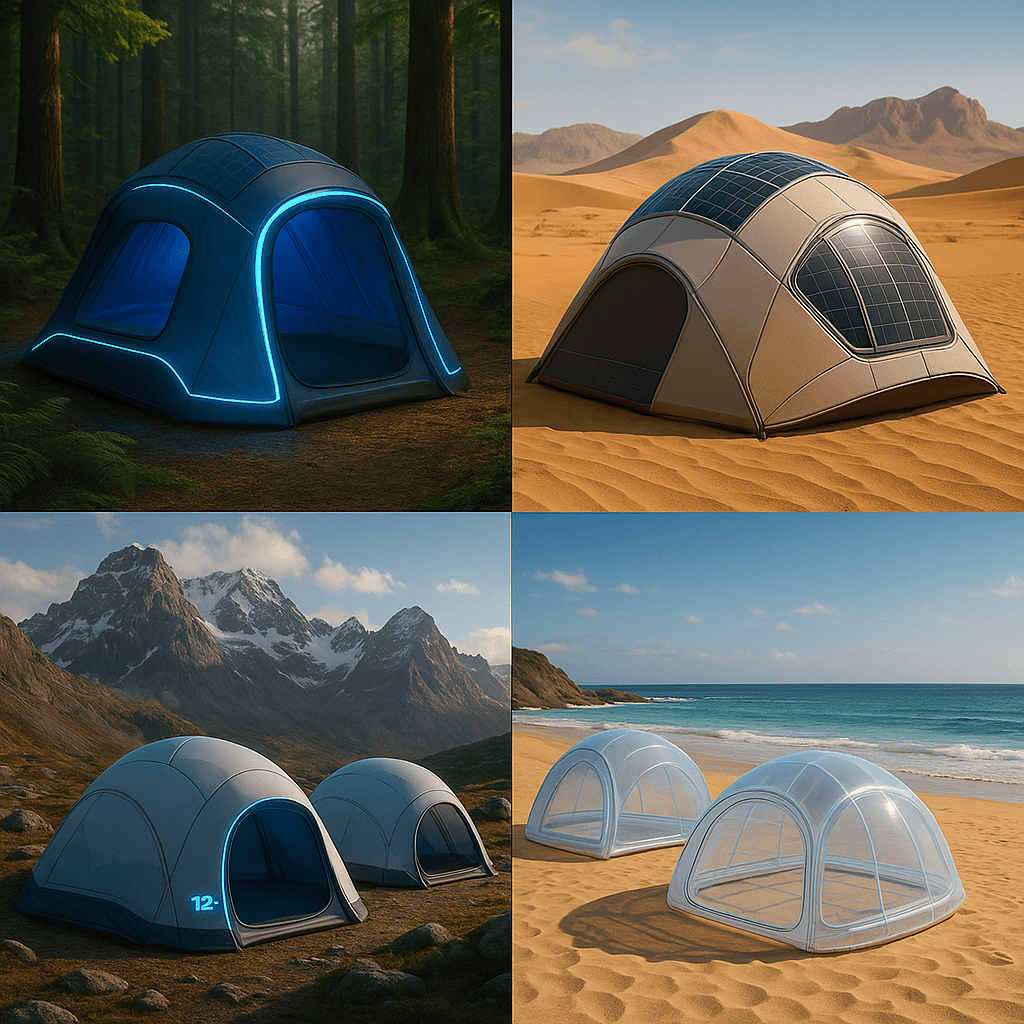
1단계: 스마트 텐트의 핵심 기능과 센서 정의
스마트 텐트는 인클로저에 전자 장치 조립 라인이 더해진 것입니다.
RFQ를 보내기 전에 한 가지 질문에 답하십시오: ‘스마트'가 바이어에게 실제로 무엇을 해주는가? 그 답이 센서 수, 전력 예산, 펌웨어 복잡성을 결정합니다. 또한 기본 커스터마이징의 경우 MOQ가 50-100대에 유지되는지, 전체 전자 장치 통합의 경우 300대로 이동하는지도 결정합니다.
원단을 만지기 전에 기능 세트를 정의하십시오
네 가지 기능 범주로 시작하십시오: 온도 및 습도 센서, 자동 환기, 앱 제어 조명, GPS 추적. 렌탈 차량 대여 바이어는 앱 UI 완성도보다 GPS와 배터리 수명이 더 중요합니다. 주말 캠퍼는 환기 자동화와 조명을 원합니다. 모든 기능은 비를 견뎌야 하는 밀봉된 연결 지점을 추가합니다.
-
- 온도/습도 센서: 이들은 환기 자동화와 서리 경고를 구동합니다. 밀봉된 센서 포켓과 IP67 등급 커넥터가 필요합니다. 테이프 처리된 이음새는 비에서 실패합니다.
- 자동 환기: 액추에이터를 프레임에 통합해야 합니다. 금속 폴은 케이블 배선 문제를 일으키므로, 에어빔 프레임이 커넥티드 텐트의 구조적 기준이 됩니다.
- 앱 제어 조명: 전력 소모가 증가합니다. 배터리 용량과 충전 시간은 프로토타입이 나온 후가 아니라 샘플링 전에 시간 단위로 명시되어야 합니다.
밀봉된 전자 부품 격실을 압력 테스트하지 않고 커넥티드 텐트를 견적하는 공장이 있다면 거래를 중단하세요. 대부분의 텐트 공장은 텐트를 재봉할 수 있지만 센서 통합을 검증할 수는 없습니다. 실제 실패 지점은 직물 내부 전자 장치의 IP67 밀봉입니다.
전원 공급 장치와 연결성을 문서화하세요
전원 공급 장치가 인증을 결정합니다. 배터리 구동 텐트는 운송을 위한 UN38.3과 전자 장치를 위한 CE/FCC가 필요합니다. 태양광 하이브리드는 충전 컨트롤러를 추가하고 센서 포켓의 배선 경로를 변경합니다. 블루투스는 가장 저렴한 연결 방식이며, Wi-Fi와 셀룰러는 범위를 늘리지만 전력을 더 소모합니다. 견적 전에 선택하세요. 각 경로는 전자 부품 BOM(자재 명세서)을 변경하기 때문입니다.
예상 배터리 수명(시간)과 작동 온도 범위를 기록하세요. 공장은 해당 수치를 사용하여 셀을 선택하고, 펌웨어를 검증하며, 전자 장치 테스트를 실행합니다. 이를 생략하면 프로토타입 지연이 발생합니다. 스마트 텐트 프로젝트는 이미 일반 텐트 주문보다 전자 장치 검증에 10~20일이 추가로 소요됩니다.
이 가이드의 기반이 되는 공장 네트워크에는 ISO 9001:2015 인증 텐트 생산 라인과 100% 선적 전 전자 장치 테스트 단계가 포함됩니다. 도면을 보내기 전에 해당 역량을 확인하세요. 전자 장치 조립 라인이 없는 공급업체는 센서 교정이나 커넥터 밀봉을 사실대로 문서화할 수 없습니다.
| 기능 | 사양 | 중요한 이유 |
|---|---|---|
| 온도 및 습도 센서 | ±0.3°C / ±2% RH 정확도 | 자동 환기 및 기후 알림 기능 |
| 자동 환기 | 레인 센서가 장착된 모터 구동 환기구 | 수동 설정 없이 내부를 건조하게 유지 |
| 앱 제어 조명 | 블루투스 / Wi-Fi LED 모듈 | 앱을 통한 밝기 및 색상 맞춤 설정 |
| GPS 추적 | 셀룰러 / GPS 모듈 | 렌탈 차량군의 실시간 위치 추적 |
| 전원 소스 | 배터리 / 태양광 / 하이브리드 | UN38.3 인증 및 작동 시간 결정 |
| 연결성 | 블루투스 / Wi-Fi / 셀룰러 | 앱 제어 범위 및 데이터 요금제 요구 사항 정의 |
| IP67 등급 커넥터 | 밀폐형, 1m 수심 30분간 잠수 가능 | 폭우 시 전자 장치 고장 방지 |
| 배터리 수명 예상치 | 시간 단위로 지정 (예: 24–72시간) | 실제 캠핑 조건에 맞춰 전자제품을 검증합니다 |
2단계: 텐트 구조 및 자재 선정
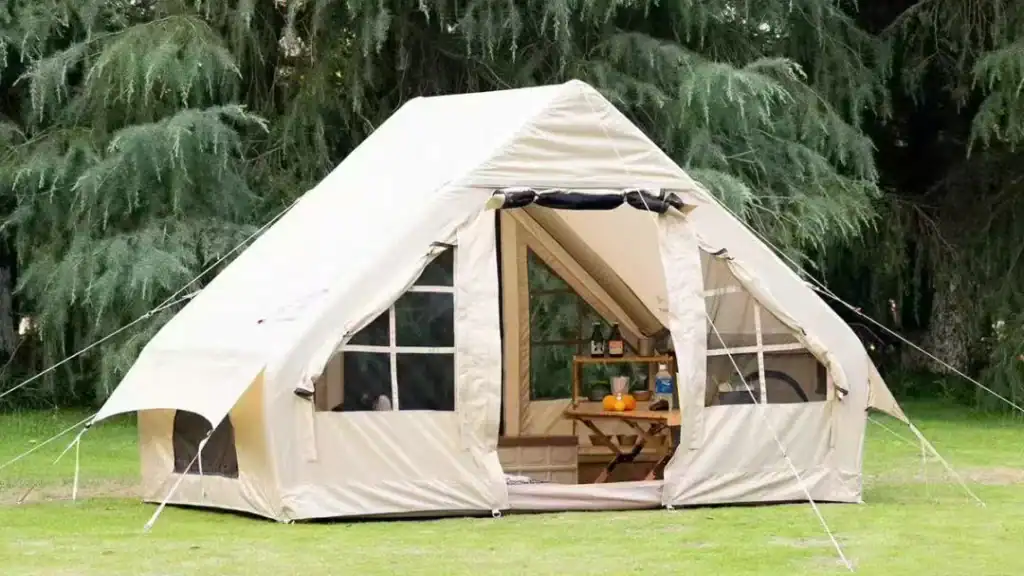
스마트 텐트에는 폴보다 에어빔이 낫습니다: 케이블 인입이 깔끔하고, 센서 간섭이 없으며, 설치가 더 빠릅니다.
스마트 텐트에서는 구조가 가장 우선입니다. 기존 폴 텐트는 알루미늄이나 유리섬유 폴 주위로 케이블을 돌려야 하며, 모든 케이블 인입 지점은 비가 오면 스트레스 균열이 됩니다. 에어빔은 그 문제를 해결합니다. 또한 설치 시간을 단축하므로 렌탈 업체나 글램핑 운영자에게 판매하려는 경우에 중요합니다.
폴 대신 에어빔: 구조적 우위
에어빔 프레임은 커넥티드 텐트에 올바른 구조적 선택입니다. 금속 폴은 센서 배선을 방해하고, 견고한 조인트는 배선이 천을 빠져나가는 지점에 압력 지점을 만듭니다. 에어빔은 깔끔한 케이블 배선과 더 간단한 방수 밀봉을 가능하게 합니다. 문제는 텐트만 만드는 공장은 텐트를 재봉할 수 있지만 에어빔을 용접하거나 밀봉된 센서 수납공간을 압력 테스트할 수 없다는 점입니다. 사양서를 보내기 전에 두 가지 역량을 모두 확인하세요.
-
-
- 고주파 용접: 에어 빔 이음매는 압력을 유지하기 위해 재봉이 아닌 용접으로 마감되어야 합니다. 닝보에 있는 켈리랜드의 텐트 생산 라인은 인플레이터블 프레임에 이 공정을 적용하며 조립 전에 모든 이음매를 검증합니다.
- 압력 테스트: 완성된 프레임에 대해 24-48시간의 기밀 테스트와 최소 16kPa의 정수압을 기대하십시오. 프로토타입을 승인하기 전에 테스트 보고서를 요청하십시오.
- 전자 부품 밀봉: IP67 등급 커넥터는 조립 후 테이프로 덮는 것이 아니라 원단에 밀봉되어야 합니다. 전자 생산 라인은 텐트가 마감 공정으로 이동하기 전에 각 밀봉 구획을 압력 테스트합니다.
-
캐노피 원단, 코팅 및 색상 옵션
캐노피는 대부분의 구매자가 사양을 잘못 지정하는 부분입니다. 그들은 원단 중량을 먼저 선택하고 코팅을 무시합니다. 스마트 텐트의 경우 코팅이 방수성과 센서 포켓이 셸에 용접되는 방식을 모두 결정합니다. 원단을 확정하기 전에 코팅을 지정하십시오.
-
-
- 210T 폴리에스터: 가볍고 비용 효율적입니다. PU 코팅은 3계절 사용에 적합한 견고한 방수 수준을 제공합니다.
- 옥스포드: 더 무겁고 내마모성이 우수합니다. 텐트를 수십 번 포장하고 풀어야 하는 렌탈 업체에 더 적합합니다.
- TC 원단: 폴리에스터-면 혼방입니다. 뛰어난 통기성과 결로 감소 효과를 제공하지만 세 가지 중 비용이 가장 높습니다.
- 코팅: PU, 실리콘, 블랙 코팅이 표준 옵션입니다. 블랙 코팅은 고온 시장에서 최고의 자외선 차단 효과를 제공합니다.
-
색상은 쉬운 부분이지만 여전히 결정이 필요합니다. Kelyland의 공장 네트워크는 34가지 원단 색상을 재고로 보유하고 있어 맞춤 염색 배치를 강제하는 대신 최소 주문 수량을 50-100개로 유지합니다. 대부분의 구매자는 여전히 브랜드 일관성을 위해 팬톤 매칭을 사용하며, 재고 라이브러리가 나머지를 충당합니다.
TPU vs PVC: 비용 대비 이익 결정
TPU는 에어빔 단가에 25-30%를 추가합니다. 그 프리미엄은 더 나은 저온 유연성과 더 가벼운 무게를 제공합니다. PVC는 비용이 덜 들지만 -5°C 이하에서 굳어지고 반복적인 한랭 기후 설치 후 굴곡 지점에서 균열이 생길 수 있습니다. 커넥티드 텐트의 경우 에어빔 소재에 따라 겨울 폭풍 속에서 전자 장치가 보호되는지가 결정됩니다.
-
- TPU: 단가 +25-30%. -5°C 이하에서도 유연성을 유지합니다. 더 가벼워 배송 중량이 줄어듭니다. 프리미엄 또는 4계절 스마트 텐트에 적합한 선택입니다.
- PVC: 기본 비용. -5°C 이하에서 굳어지고 무게가 더 나갑니다. 온화한 기후에서 가성비 에어 텐트와 글램핑에 적합합니다.
에어빔 소재를 가격표가 아닌 목표 시장에 맞추세요. 소매 가격대가 $300 이상을 지원한다면 TPU가 유일한 합리적인 선택입니다. 25-30%의 비용 프리미엄은 마진 안에서 사라지고 브랜드를 망치는 한랭 기후 실패를 피할 수 있습니다.
| 기능 | 사양 | 이점 |
|---|---|---|
| 프레임 구조 | 금속 폴보다 인플레이터블 에어빔(TPU 또는 PVC) 선호 | 금속 폴은 센서 배선을 방해하고 케이블 인입부에 응력 지점을 만듭니다 |
| 에어빔 소재 – TPU | PVC 대비 단가 +25-30%; -5°C 이하에서 우수; 더 가벼운 무게 | 프리미엄/4계절 스마트 텐트 및 한랭 기후 시장 |
| 에어 빔 재질 – PVC | 기본 비용; -5°C 이하에서 굳어짐; 무게가 더 나감 | 벨류 에어 텐트 및 글램핑 용도에 적합 |
| 캐노피 원단 | 210T 폴리에스터, 옥스포드 또는 TC(폴리-코튼 혼방) | 내구성, 통기성 및 브랜딩을 위한 인쇄 품질을 결정 |
| 원단 코팅 | PU, 실리콘, 블랙 코팅(UV 차단) 또는 PVC | 방수성, 자외선 차단 및 센서 포켓 실링에 직접적인 영향 |
| 색상 옵션 | 34가지 원단 색상 옵션 제공(OEM/ODM 컬러 라이브러리) | 브랜드 고유의 미학과 시장 포지셔닝 구현 가능 |
| 공장 역량 | 고주파 용접 및 현장 압력 테스트 | 생산 전 에어빔 기밀성과 IP67 전자 부품 실링 검증 |

3단계: 센서 통합 및 앱 UI 프로토타입
IP67 고장은 센서 자체가 아닌 커넥터와 원단이 만나는 지점에서 발생합니다.
스마트 텐트 전자장치는 정확히 한 지점에서 실패합니다: 케이블과 텐트 본체 사이의 실링입니다. 대부분의 텐트 공장은 텐트를 봉제할 수 있지만 센서 통합을 검증할 수는 없습니다. 그들은 센서를 장착하고 케이블 입구를 테이프로 덮은 다음 방수라고 부릅니다. 그런 방식은 샘플 사진에서는 살아남지만 첫 폭우에서 실패합니다.
커넥티드 텐트 OEM 공장은 전용 전자장치 조립 라인이 필요합니다 봉제 QC 체크리스트만이 아니라 압력 테스트를 포함해야 합니다. 커넥터는 IP67 등급이어야 하며 텐트 본체가 마감 공정으로 이동하기 전에 레이업 과정에서 원단에 밀봉되어야 합니다. 그런 다음 작업자는 밀봉된 모든 구획을 압력 테스트합니다. 테스트에 실패하면 패널은 최종 조립에 도달하기 전에 재작업됩니다.
앱 UI와 펌웨어를 동시에 개발하세요
The tent body and the electronics software must develop in parallel. Waiting for the physical prototype to finish before starting the app adds weeks to the timeline. The factory’s electronics team should begin UI and firmware work once the sensor list and power budget are locked.
-
- App code ownership: Confirm who owns the source code. If you supply the app, the factory provides an API documentation package and handles the hardware-side firmware. If the factory writes the app, put data ownership and transferability in the contract.
- Firmware updates: Decide who pushes updates after sale. That responsibility includes cloud hosting, patch releases, and compatibility with future sensor changes. A factory without a software team cannot support this, so plan a hardware/software split that still ends with one shared test protocol.
Demand a Test Report That Covers Electronics, Not Just Fabric
A standard OEM quality report lists fabric strength, waterproofing, and packing drop tests. It never lists signal strength, battery life, or app connectivity. On a smart tent, those are the specs that determine whether a product survives retail. Add them to the prototype test report before approving mass production.
Expect 2-3 prototype iterations before sign-off. The first round catches connector placement and antenna interference. The second round validates the sealing method. The third should deliver the final test report. If a supplier promises a working smart tent on the first prototype, they are either overconfident or under-testing.
The report must include signal strength at the edges of the tent, battery drain per night, and IP67 waterproofing results after pressure testing. Battery-powered units also need CE/FCC for electronics and UN38.3 for transport. Kelyland’s tent lines run ISO 9001:2015 stage checks and 100% pre-shipment electronics testing, so the electronics validation is documented, not assumed.
| Workstream | 요구사항 | 사양 | Risk Addressed |
|---|---|---|---|
| Sensor Embedding | IP67-rated connectors sealed into the fabric | Embedded at assembly, not taped over after the tent body is sewn | Electronics failing in rain or at cable entry points |
| Sensor Embedding | Pressure-test every sealed compartment | Factory electronics line validates sealing before finishing | Unsealed connectors creating field failures |
| App UI & Firmware | Build app UI and firmware in parallel with tent body production | Software and hardware development run on overlapping timelines | Prototype delays from sequential workflows |
| App UI & Firmware | Confirm app code ownership, API package, and update responsibility | Factory provides API documentation for third-party app integration; cloud hosting agreed up front | Post-sale app failures and ownership disputes |
| App UI & Firmware | Establish one shared test protocol for hardware and software | If the factory has no software team, define a split workflow ending in combined validation | Integration gaps between sensors and app |
| Prototype Validation | Test report covers signal strength, battery life, and IP67 results | Electronics data required, not just fabric strength and waterproofing stats | App failures surfacing only after retail sale |
| Prototype Validation | Plan for 2-3 prototype iterations before approval | Electronics validation can add 10-20 days to the 30-45 day lead time | Missing the outdoor sales season |
4단계: 양산, 품질 관리, 선적 전 검사
A sewing QC checklist cannot catch a failed IP67 seal.
Step 4 is where most smart tent orders quietly fall apart. A standard tent run checks fabric cutting, printing, sewing, and final folding. A smart tent inserts electronics assembly between sewing and folding — and that is where field failures are born.
4.1 ISO 9001:2015 Inline Inspections
The factory network behind Kelyland’s tent lines operates under ISO 9001:2015, which maps into five stage-gate inspections: fabric cutting, printing, sewing, electronics assembly, and final folding. Each gate requires a sign-off report with photo evidence. If a supplier cannot produce inspection photos from the electronics assembly line, they are not performing sensor validation.
-
-
- Fabric cutting: Panels checked against the approved marker layout. Mismatched panel dimensions show up weeks later as zipper stress and seam pull.
- Printing: Color tolerance matched to Pantone references, with coating thickness verified for the waterproofing layer.
- Sewing: Stitch density and seam strength confirmed. Air-beam channels and sensor pockets are welded or sewn in at this stage.
- Electronics assembly: Sensor placement, IP67 connector sealing, and cable routing checked before the tent body moves to finishing. A tent-only factory cannot document this step.
- Final folding: Packaging configuration, label placement, and manual insertion confirmed.
-
4.2 100% Pre-Shipment Electronics and Waterproofing Test
Spot-checking electronics is the most common corner cut in smart tent production. One unsealed connector in a 300-unit batch creates a handful of field failures that surface on your retail shelf, not the factory floor. The pre-shipment standard is 100% of units tested for sensor function, IP67 waterproofing, and packaging integrity.
-
- Sensor function: Every temperature, humidity, pressure, or GPS module is triggered and confirmed working.
- IP67 waterproofing: Sealed compartments pressure-tested to verify connector housings hold under wet conditions. For air-beam models, the industry benchmark is 24–48 hours of airtightness hold and static water pressure at or above 16 kPa.
- Packaging integrity: Units checked after final folding to confirm packaging survived production without damage.
4.3 Inspection Report and Shipping Readiness
The final QC pack must include the full inspection report with photos, battery transport documentation (UN38.3), and customs-ready export paperwork. Your forwarder should not be discovering missing documents on the day the container is booked.
Standard production lead time is 30–45 days from 샘플 승인, with electronics validation potentially adding 10–20 days. Build that buffer into your seasonal sell-in plan and put penalty clauses in the OEM contract for late electronics validation — not late sewing, but late sensor calibration and IP67 pressure testing. That step slips first and costs the most at retail.
결론
A smart tent order works only when the factory validates the electronics inside the fabric, not just the stitching. The minimum order thresholds — 50-100 units for a pilot, 300 for full sensor integration — and a 30-45 day lead time are useful planning anchors, but IP67 sealing is where connected tents survive or fail. The last 10% that separates professionals from amateurs: demand 100% pre-shipment electronics testing and get the test protocol in writing before mass production.
-
- Start with a 50-100 unit pilot before committing to full sensor and app integration.
- Plan 30-45 days from sample approval; electronics validation can add 10-20 days.
- TPU air beams cost 25-30% more than PVC but perform better below -5°C.
- Require IP67-rated connectors and 100% pre-shipment electronics testing, not spot checks.
Before you send a specification package, review Kelyland’s camping tent lineup and inflatable air-beam structures to see which base design fits your feature set. Then ask their engineering team for an electronics assembly line walkthrough, a sample quote, and the IP67 test report template they use for connected tents. That review separates a factory that can build your smart tent from one that will make you a prototype that dies in the first rain.
자주 묻는 질문
맞춤형 스마트 텐트의 최소 주문 수량은 얼마인가요?
MOQ는 로고, 색상, 포장과 같은 간단한 맞춤 제작의 경우 50-100개부터 시작됩니다. 완전한 전자 장치 통합과 맞춤형 금형은 MOQ를 더 높이 요구하며, 일반적으로 사양에 따라 300-1,000개 범위입니다. 전자 장치 범위와 맞춤화 수준을 정의한 후 MOQ를 확정하십시오.
제 앱을 스마트 텐트와 통합할 수 있나요?
네, 전자제품 생산 라인이 있는 공장은 타사 앱 통합을 위한 API 문서 패키지를 제공할 수 있습니다. 여전히 샘플 승인 전에 통신 프로토콜(블루투스, Wi-Fi 또는 셀룰러)과 펌웨어 권한을 조정해야 합니다. 샘플링 전에 API 및 프로토콜 요구사항을 확정하십시오.
스마트 텐트 전자제품에는 어떤 인증이 필요한가요?
CE와 FCC는 전자제품의 표준이며, 배터리 구동 텐트는 운송을 위한 UN38.3 및 충전 시스템을 위한 UL/ETL도 요구할 수 있습니다. 인증 범위는 대상 시장에 따라 다릅니다. 명확한 인증 견적을 받으려면 대상 시장과 배터리 사양을 나열하십시오.
스마트 텐트 OEM 생산은 샘플 승인부터 납품까지 얼마나 걸리나요?
표준 생산 리드 타임은 샘플 승인 후 30-45일입니다. 전체 전자 제품 통합, 센서 보정 및 인증 검증은 해당 기간을 2~3주 연장할 수 있습니다. 양산 일정을 잡기 전에 전자 제품 사양을 확정하십시오.
OEM 공장에서 제 설계 도면을 바탕으로 스마트 텐트를 개발할 수 있나요?
네, 공장에 텐트 엔지니어링과 전자 통합 역량이 있다면 가능합니다. 상세 도면, 센서 배치도, 전원 사양, 방수 요구 사항을 보내주시면 공급업체가 견적 전에 제조 가능성을 검증할 수 있습니다. 현실적인 타당성 검토를 위해 전체 기술 패키지를 공유해 주세요.

 English
  Español
  Deutsch
  Français
  Português do Brasil
  Русский
  العربية
  한국어
한국어  日本語
日本語