
인플레이터블 텐트 제조업체는 구매자가 공급업체, 예산 또는 생산 슬롯을 승인하기 전에 반드시 확인해야 하는 첫 번째 관문입니다. 제목: 사전 생산 샘플이 양산과 일치하지 않음 — $50K 주문 위험.
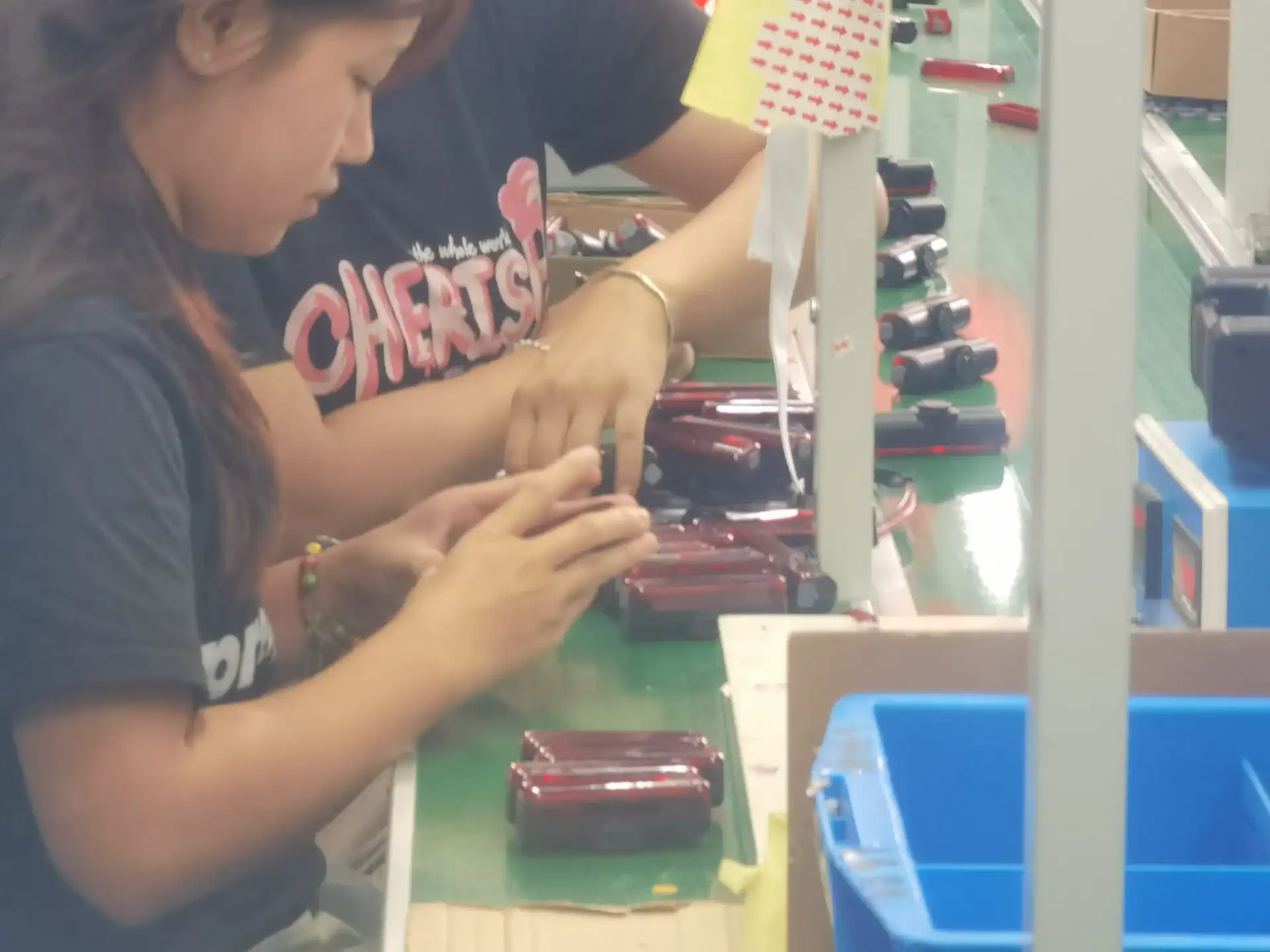
한 바이어가 $50,000 규모의 주문에서 손해를 입었습니다. 사전 생산 인플레이터블 텐트 샘플은 완벽해 보였지만, 양산 제품은 15회 사용 후 밸브가 누수되고 25회차에 RF 용접 솔기가 박리되었기 때문입니다. 원단은 문제없었고 색상도 일치했습니다. 하지만 텐트 내부에 공기를 실제로 가두는 물리적 부품인 솔기, 밸브, 튜브가 첫 리테일 시즌이 끝나기 전에 고장 났습니다. 그렇기 때문에 인플레이터블 텐트 제조업체 감사 는 외부 쉘의 육안 검사나 FOB 가격 검토가 아닌, 바로 이 세 가지 부품부터 시작해야 합니다.
대부분의 공장 감사는 데니어 수, 인쇄 정합성, 포장 미관에 초점을 맞춥니다. 이러한 요소는 진열대 매력에는 중요하지만 이른 봄 캠핑장에서 텐트가 밤새 압력을 유지하는지와는 아무 관련이 없습니다. 데이터가 이를 뒷받침합니다: 인플레이터블 텐트 반품의 약 10건 중 9건은 솔기 분리, 밸브 피로, 또는 튜브 재질 불량에 기인하며, 텐트 원단 자체의 문제가 아닙니다. 박리 강도 사양과 밸브 사이클 테스트를 건너뛰는 소싱 매니저는 사실상 잘못된 부품을 감사하고 있는 것이며, 수개월 내에 리테일러 갈등을 촉발할 보증 클레임률을 수용하는 셈입니다.
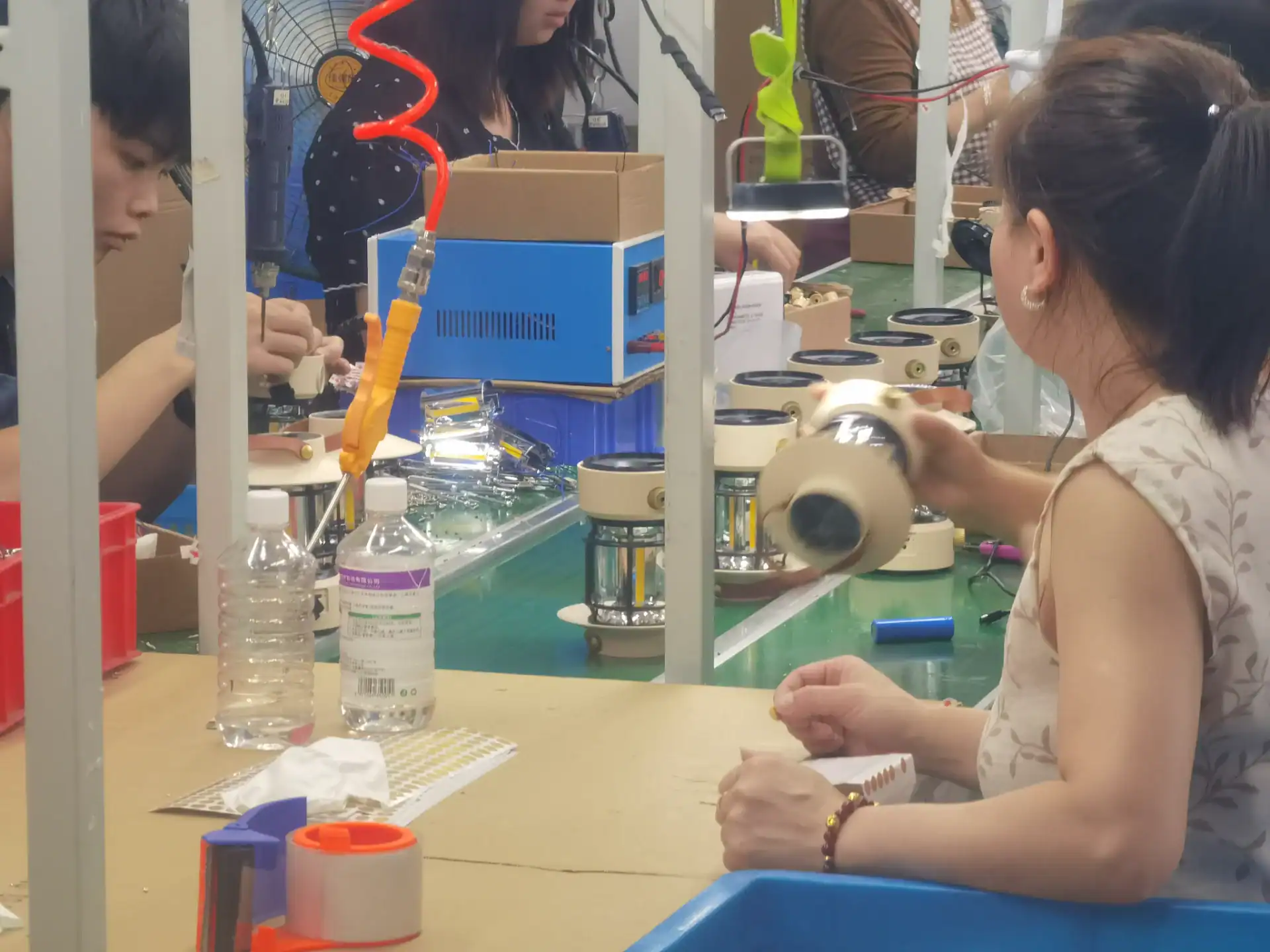
솔기 불량: RF 용접 텐트의 무음 박리 문제
깔끔한 용접선은 20회의 팽창 사이클 후에 실패하는 접합을 숨길 수 있습니다.
RF 용접은 고주파 전자기 에너지를 사용하여 PVC 또는 TPU 레이어를 융착합니다. 이 공정은 생산 현장에서 빠르고 깔끔하게 보입니다. 하지만 온도, 압력 또는 냉각 시간이 아주 조금만 벗어나도 레이어 간 분자 결합은 약하게 유지됩니다. 용접선은 육안으로는 완전히 융착된 것처럼 보이고 — 기본 육안 검사도 통과합니다. 20~30회의 팽창 사이클 후에 레이어는 계면에서 분리됩니다. 이것이 박리입니다.
생산 과정에서 박리가 발생하는 이유
근본 원인은 거의 항상 공정 편차입니다. 열전대가 하룻밤 사이에 노후화되어 85°C 대신 80°C에서 작동하는 RF 용접기. 교대 교체 중 0.2 bar를 잃은 압력 롤러. 일일 생산 목표를 달성하기 위해 2초 짧게 설정된 냉각 타이머. 각 편차는 작지만 — 500개 텐트 배치에 걸쳐 누적되면 샘플 승인을 통과하고 현장에서 실패하는 일관된 약한 결합을 생성합니다.
봉제선 박리 강도: 공장을 구분하는 스펙
박리 강도는 밀리미터당 뉴턴(N/mm)으로 측정됩니다. 용접된 레이어를 분리하는 데 필요한 힘이 얼마나 되는지 알려줍니다. 품질 좋은 에어 텐트 공장은 사전 생산 승인을 위해 보낸 샘플뿐만 아니라 모든 생산 배치에서 이 수치를 문서화합니다.

밸브 불량: $0.50 부품이 대부분의 에어 텐트 반품을 유발하는 방법
$0.50 밸브 불량은 선적 후 단위당 $15–$30의 보증 비용을 발생시킵니다.
그리고 일방향 팽창 밸브 는 모든 팽창 및 수축 사이클에서 굽혀지고, 비틀리고, 응력을 받는 작은 사출 성형 부품입니다. 대부분의 공장 QC는 밸브를 정지 상태에서의 공기 누출만 검사합니다. 이는 실제 고장 모드인 피로를 놓칩니다.
$0.50 밸브가 $30 보증 클레임이 되는 이유
수백 사이클 후, 밸브 베이스가 튜브 벽에서 분리되거나 내부 플래퍼가 찢어집니다. 텐트는 처음에는 여전히 부풀어 오르지만, 밤새 천천히 공기가 새어 내립니다. 구매자는 선적 전 검사가 아닌 현장에서 이를 발견합니다.
선적 후 해당 밸브를 교체하는 데는 부품, 인건비, 반품 운송비, 고객 서비스 시간을 고려하면 유닛당 $15–$30이 소요됩니다. 가장 저렴한 밸브 어셈블리(일반적으로 유닛당 $0.50–$1.20)를 조달하는 공장은 총 도착 품질이 아닌 BOM 비용에 최적화하고 있는 것입니다.
밸브 사이클 테스트: 10,000+ 사이클 요구
적절한 밸브 내구성 테스트는 어셈블리를 공압 리그에 장착하고 압력을 가한 상태에서 수천 번 사이클을 반복합니다. 이 테스트는 첫 주말이 아닌 수년간의 캠핑 사용을 시뮬레이션합니다.
Kelyland의 파트너 공장은 생산 승인 전에 밸브 어셈블리를 10,000사이클 이상 테스트합니다. 이 기준은 대부분의 에어 텐트 반품을 유발하는 피로 파손을 제거합니다. 사이클 테스트 수치를 제시할 수 없는 공장은 저렴한 공급업체를 사용하고 있을 가능성이 높으며, 이것이 바로 반품이 발생하는 이유입니다.
에어 튜브 재질: 공장 등급 텐트의 PVC vs. TPU
그리고 에어 튜브 재질 텐트가 추운 날씨에서 어떻게 작동하는지, 얼마나 오래 지속되는지, 소매업체가 펑크를 수리할 수 있는지 아니면 튜브 전체를 교체해야 하는지를 결정합니다. 대부분의 구매자는 가격만으로 사양을 정합니다. 첫 겨울 선적이 반품 급증을 발생시키기 전까지는 그 계산이 유효합니다.
PVC 대 TPU: 비용, 무게 및 저온 균열 트레이드오프
PVC 에어 튜브는 저비용 에어 텐트의 기본 선택입니다. RF 장비로 쉽게 용접되고, 실온에서 압력을 잘 유지하며, 유닛 비용을 낮춥니다. 그 트레이드오프는 영하에서 드러납니다. PVC는 온도가 떨어지면 유연성을 잃고 응력 지점(지퍼 컷아웃, 튜브 간 연결부, 밸브 베이스 주변)에서 취약해집니다. 20°C 창고에서 문제없이 작동하던 텐트가 -5°C 현장 설치 중 균열이 발생합니다.
TPU 튜브는 미터당 PVC보다 30–50% 더 비쌉니다. 이 재질은 -30°C까지 유연성을 유지하고, 자외선 열화에 더 강하며, 동일한 파열 강도에서 무게가 더 가볍습니다. 사계절 시장이나 고위도 소매업체를 목표로 하는 B2B 구매자에게 TPU는 저온 균열 파손 모드 완전히. 보증 클레임 비율이 낮아 프리미엄은 정당화된다.
공장 감사는 텐트의 완성 중량이나 공급업체의 구두 주장만 믿지 말고 실제 튜브 재료 등급과 벽 두께를 검증해야 한다. 원자재 데이터시트를 요청하여 승인된 샘플 사양과 비교하라. 공급업체가 튜브 재고에 대한 밀 인증서를 제공할 수 없다면, 조립된 텐트가 아무리 깨끗해 보여도 위험 신호로 간주하라.
수리 가능성: 현장 패치 대 공장 교체
TPU tubes accept field patches using a standard repair kit — clean the area, apply adhesive, press a patch, wait 10 minutes. This gives retailers an aftersales solution that keeps customers camping instead of filing a return. PVC tubes are harder to bond in cold conditions; most field patch kits fail within hours because PVC adhesives require precise surface prep and curing temperature.
For wholesale buyers this changes two things: warranty strategy and spare-parts planning. If you source PVC-tube tents, budget for full tube replacements on any warranty claim involving punctures or seam separation near inflation points. If you source TPU-tube tents from Kelyland’s partner factories — which produce over 800,000 tent units annually across ISO 9001:2015 certified lines — include repair kits and spare valve assemblies with every bulk order so your retail partners can resolve issues without shipping units back to China.
| 기능 | PVC | TPU | Impact on B2B Buyer |
|---|---|---|---|
| 자재비 | Lower (baseline) | 30–50% higher than PVC | Higher unit cost vs. lower warranty risk |
| Cold-Weather Performance | Becomes brittle below freezing; prone to cracking | Remains flexible in sub-zero temperatures | TPU required for winter/4-season product lines |
| 현장 수리 가능성 | Difficult to bond in field; usually requires full tube replacement | Can be patched with a standard repair kit | TPU reduces aftersales spare-part costs and retailer friction |
| Weight & Strength-to-Weight Ratio | Heavier; lower tensile strength per mm thickness | 更轻;更高的抗拉强度允许更薄的壁厚 | TPU使背包重量更轻,包装体积更小 |
팽창 테스트: 실제 QC 프로세스의 모습
A single inflation test catches micro-leaks that visual inspection never will.
Most factory QC stops at a visual check. The tent looks inflated, the seams appear sealed, and the valve holds air for five minutes. That test misses the failures that show up after the container lands. A real pressure hold test is the only way to catch micro-leaks before shipment.
Pressure Hold Test: Pass/Fail Thresholds
The standard inflatable tent tube operates at 8–12 PSI. A proper hold test inflates every tube to its rated pressure, then monitors the drop over a defined period — typically 30 minutes to 2 hours. The pass/fail threshold should be documented in the QC plan: a drop of more than 10% over the hold time means a leak exists somewhere in the system.
Ask the factory how they inspect. Some factories test only one sample per batch. Others run 100% of production through a pressure rig. Kelyland’s partner factories inspect every unit or follow a documented AQL sampling plan with clear acceptance numbers. If the factory cannot state their inspection rate and pressure tolerance in writing, treat it as a red flag.
Repeated Inflation Cycles: Simulating a Season
A single inflation test proves nothing about long-term durability. The real failure mode — seam delamination — appears only after repeated stress cycles. Quality 풍선 텐트 제조업체s cycle each tent through inflation and deflation dozens of times to simulate a full camping season.

인플레이터블 텐트 제조업체를 위한 공장 감사 체크리스트
In-house RF welding is the strongest indicator of consistent seam quality.
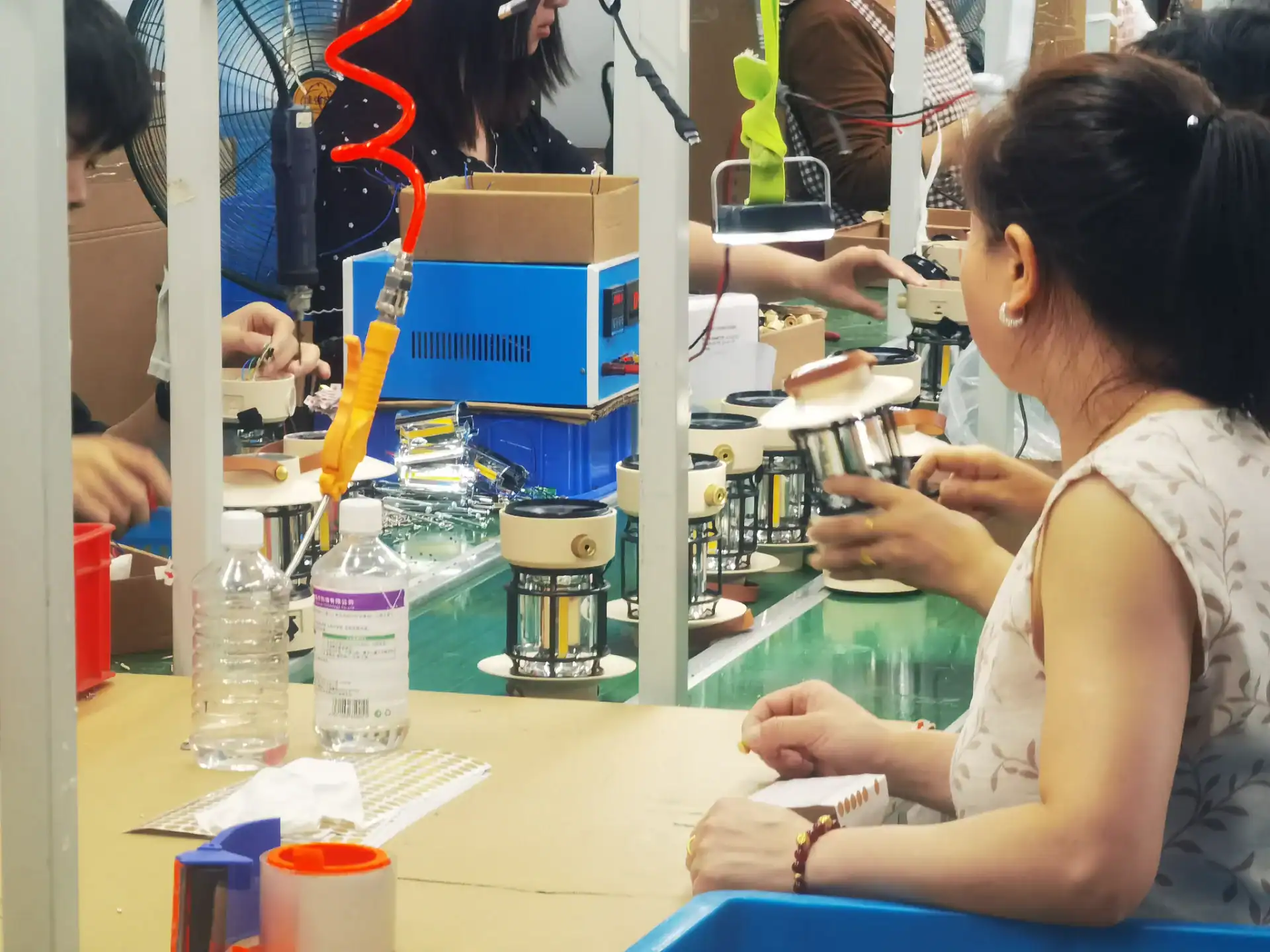
The production line audit answers one question: who controls the RF welding and valve assembly? If these operations are outsourced, the factory has no direct oversight of temperature, pressure, or cooling time. That means batch-to-batch delamination risk goes up, and corrective action takes days instead of hours.
RF Welding: In-House vs. Outsourced
In-house RF welding means the factory owns the press, sets the parameters, and logs every batch. The operator can adjust dwell time mid-run if peel strength drifts. Outsourced welding means a third party handles it — you get what they ship, with no process visibility. Kelyland’s partner tent factory in Ningbo operates its own RF welding line with calibrated presses and documented cycle parameters.
Valve Assembly: Where Cheap Parts Show Up
Valve assembly is often treated as low-skill work. Factories that outsource it tend to use the cheapest molded parts — $0.50 per unit — without cycle testing. The result: flapper tears after 200 cycles, base separation after 500. A factory that assembles valves in-house can test every batch on a pneumatic rig to 10,000+ cycles before production approval.
MOQ, 리드 타임 & 맞춤 제작: OEM/ODM에서 현실적인 기준은 무엇인가
MOQ flexibility is real—but only if you ask for it before the quote is written.
MOQ Thresholds: 300–1,000 Standard, 50–100 Trial
Standard inflatable tent models from ISO 9001:2015-certified factories carry MOQ of 300 to 1,000 pieces per design. That range covers the fabric cutting, RF welding setup, and valve assembly tooling costs. Below that threshold, the factory loses margin on material waste and machine changeover time.
Trial orders of 50–100 pieces exist for OEM/ODM development, but they require a separate pricing structure. The per-unit cost will be higher—sometimes by 20–40%—because the factory runs a partial production line. Clarify whether the MOQ applies per colorway or per SKU. A four-color tent run at a 300-piece MOQ means a total commitment of 1,200 units.
Lead Time: 30–45 Days with Buffer Planning
Standard lead time across Kelyland’s partner network is 30 to 45 days from 샘플 승인. The clock starts when the signed production agreement and deposit clear, not when you first send an inquiry. Custom fabric dyeing adds 7–10 days; custom-molded valve parts add another two weeks if the mold needs fabrication.
For seasonal retail launches—think spring sell-in for summer inventory—add two weeks of buffer between sample approval rounds and 선적 전 검사. A missed handoff at any step pushes delivery past your warehouse cutoff date. Get penalty clauses written into the agreement for delays beyond the agreed window.
Customization: Beyond Colors and Logos
‘Custom’ in OEM/ODM inflatable tents means more than Pantone-matched fabric and a printed logo tag. It includes tube material grade (PVC vs TPU), internal beam structure (I-beam vs drop-stitch), valve placement and orientation, inflation port type (twist-lock vs pinch-valve), packaging design, and printed instruction manuals.
- ,Fabric dyeing: Pantone-matched polyester or oxford cloth with specified coating (PU, silver, black-out).
- Tube material: PVC for cost-sensitive orders; TPU for cold-weather flexibility and field repairability.
- Valve assembly: Custom molded one-way valves tested to 10,000+ cycles at Kelyland’s partner factories.
- Packaging & manuals: Custom carry bags, hang tags, barcode stickers, and multilingual setup guides.
(Every customization must be locked down during sample approval to avoid production surprises.) The factory should provide a technical drawing of the valve and seam construction before mass production begins.
결론
A factory audit that stops at fabric denier and color matching misses the three components that drive 90% of inflatable tent returns. Seam peel strength, valve cycle durability, and tube material grade are the only specs that predict whether a container lands with sellable goods or warranty claims waiting to trigger.
- Demand batch-level peel-strength reports in N/mm before production approval.
- Verify valve assemblies pass 10,000+ cycle testing to eliminate the biggest return driver.
- Compare PVC vs TPU tube material cost against your target market’s temperature range.
Use this checklist to shortlist inflatable tent manufacturers before you invest in travel or tooling. Request a paid sample from Kelyland’s Ningbo factory and ask for the QC reports on seam peel strength and valve cycle tests — those numbers will tell you more than any factory tour can. Review current pricing and customization options on the product page to see how their ISO-certified supply chain handles your private-label requirements.
자주 묻는 질문
인플레이터블 텐트 생산에서 허용 가능한 불량률은 얼마인가? — 주요 결함에 대한 AQL 1.5 및 경미한 결함에 대한 4.0은 일반적인 아웃도어 장비 벤치마크입니다; 밸브 l?
정확한 답변은 제품 사양, 수량 및 주문 설정에 따라 달라집니다. 가장 안전한 방법은 최종 요구사항 시트가 확정된 후에만 상업적 조건을 확인하는 것입니다.
인플레이터블 텐트 OEM 주문의 보증 클레임은 어떻게 진행되나요? — 1~2년 보증은 솔기 분리, 밸브 고장, 튜브 누수를 공장에서 보장해야 하지 않나요?
정확한 답변은 제품 사양, 수량 및 주문 설정에 따라 달라집니다. 가장 안전한 방법은 최종 요구사항 시트가 확정된 후에만 상업적 조건을 확인하는 것입니다.

 English
  Español
  Deutsch
  Français
  Português do Brasil
  Русский
  العربية
  한국어
한국어  日本語
日本語