 콘텐츠로 건너뛰기
캠핑 라이트 인증은 바이어가 공급업체, 예산 또는 생산 일정을 승인하기 전에 반드시 확인해야 할 첫 번째 관문입니다. 바이어의 책상 위에 캠핑 랜턴 사전 생산 샘플이 반짝입니다. 치수가 일치하고 FOB 가격이 확정되었습니다. 3개월 후, 40피트 컨테이너가 로테르담 창고에 도착했지만 관세청의 보류 통보를 받습니다—내장 리튬 배터리에 UN38.3 시험 보고서가 없어 CE 마킹이 누락되었기 때문입니다. 그 순간 캠핑 라이트 인증은 더 이상 부차적인 고려 사항이 아닙니다.
블루투스 또는 무선 충전 기능이 있는 캠핑 라이트의 FCC 인증은 일반적으로 모델당 $2,000에서 $5,000 정도이며, 시험에는 2~3주가 소요됩니다. CE 적합성 자체 선언은 초기 비용이 덜 들지만, 기술 파일이 완벽하지 않으면 EU 시장 감독 기관이 제품을 선반에서 회수할 수 있습니다. Ace Hardware와 같은 소매업체는 UL 목록이 없는 충전식 랜턴을 진열하지 않습니다—이 한 가지 요구 사항만으로 출시 일정에 4~6주가 추가됩니다.
1. 이 특정 LED 드라이버 및 무선 모듈에 대한 전체 FCC 시험 보고서를 제공할 수 있습니까? 2. 리튬 배터리 팩에 유효한 UN38.3 시험 요약서가 이미 있습니까? 3. 플라스틱 하우징과 납땜 접합부가 문서화된 실험실 증거와 함께 RoHS를 준수합니까?
이 중 어느 하나라도 주저한다면, 대량 생산이 시작되기 전에 추가 시험을 예약하십시오.
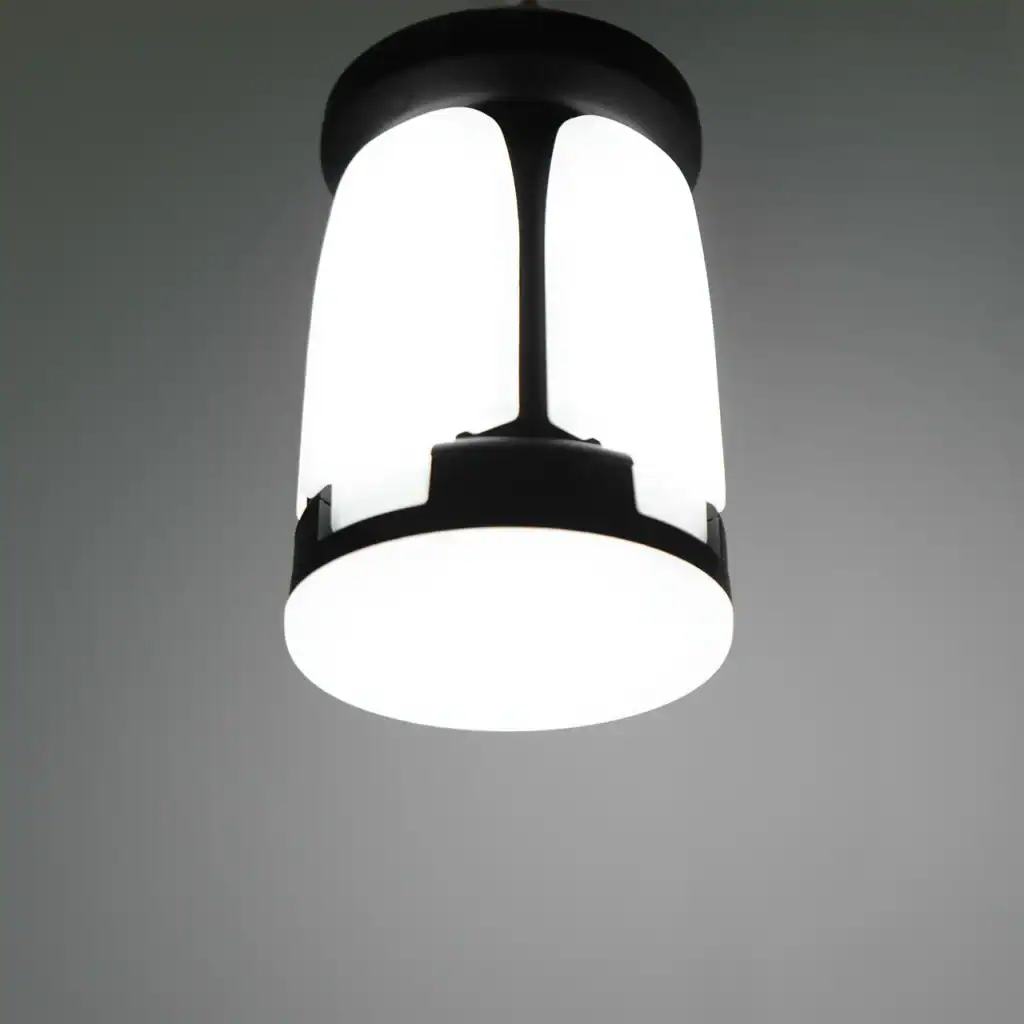
캠핑 라이트에서 인증이 중요한 이유
인증이 없으면 리튬 배터리 화재로 고객의 텐트가 파괴될 때 보험금이 지급되지 않으며, 브랜드도 함께 사라집니다.
방금 $50,000 주문에 70% 밸런스를 연결했습니다. 선행 생산 샘플은 모든 벤치 테스트를 통과했습니다. 루멘은 사양에 맞았습니다. 방수도 유지되었습니다. 하지만 3개월 후, 충전식 캠핑 라이트에 FCC ID와 UN38.3 테스트 보고서가 없어 롱비치에서 선적이 검역 중단됩니다. 서류 작업이 출발하지 않았다면 샘플 승인과 품질 허용 오차는 아무 의미가 없습니다. 유럽 브랜드 매니저는 이 정확한 격차로 인해 여름 판매 시즌 전체를 잃었습니다. 수정 비용은 손실에 비해 아무것도 아닙니다.
책임은 인증이 관료적 체크리스트에서 기업 방패로 전환되는 지점입니다. 고객이
-
- 보험 거부 위험: 대부분의 제품 책임 보험에는 규정 준수 조항이 포함되어 있습니다. 제품에 사고가 발생한 시장에 필요한 표시가 없으면 보장이 무효화됩니다. 선적 전에 보험 약관을 확인하십시오.
- CPSC 강제 리콜: SaferProducts.gov를 통해 보고된 단일 사고는 조사를 촉발합니다. 파일에 제3자 테스트 보고서가 없으면 제품의 안전 설계를 방어할 수 없습니다. 리콜이 강제되며, 회수, 폐기 및 소비자 환불 비용 전액이 귀하에게 부과됩니다.
- EU 제품 안전 게이트: 2023년 이후 EU Safety Gate 시스템은 국경 통제에서 비준수 전자제품에 플래그를 지정합니다. 플래그가 지정되면 수입업체 기록자는 최대 €500,000의 벌금에 직면하며, 귀하의 브랜드는 27개 회원국 전체에서 블랙리스트에 오릅니다.
소매업체 요구 사항은 정부 규정과 별도로 운영되며, 종종 더 엄격합니다. 저는 12개국 체인의 공급업체 감사를 관리해 본 경험이 있으며, 모든 대형 박스 바이어(Ace Hardware, Walmart, Decathlon)는 80~120페이지에 달하는 공급업체 준수 매뉴얼을 유지합니다. 아웃도어 랜턴에 대한 UL 인증 요구 사항은 이 매뉴얼에서 협상 불가입니다. 이들의 공급업체 포털은 유효한 UL 파일 번호 또는 ETL 인증 참조 없이 SKU 설정을 완료할 수 없습니다. 저는 한 번 €120,000 구매 주문이 취소되는 것을 목격했는데, 그 이유는 공급업체의 UL 인증이 7일 만료되었고 소매업체의 자동화 시스템이 최종 승인 중에 이를 플래그로 지정했기 때문입니다. 단 7일이었습니다. 그만큼 기계는 냉혹합니다.
시장 접근은 세 번째 계층이며, 초보 수입업자들이 일관되게 과소평가하는 부분입니다. EU 진입에는 CE 마킹이 필수이지만, CE는 단일 인증서가 아닌 올바른 지침 적용에 기반한 선언입니다. 블루투스 스피커가 있는 캠핑 랜턴은 EMC 및 LVD 외에도 무선 장비 지침(Radio Equipment Directive)이 필요합니다. 이것 없이는 세관이 아무것도 통관하지 않습니다. 미국 시장의 경우 FCC Part 15가 모든 전자 조명에 적용되지만, 블루투스나 WiFi가 있는 의도적 방사체는 TCB 인증 연구소에서 FCC Part 15C 테스트를 통과해야 합니다. 호주는 RCM 마킹을 요구합니다. 영국은 이제 UKCA를 의무화합니다. 각 관할권은 비용과 리드 타임을 추가합니다.
다음 공급업체 통화를 위한 기준입니다: 샘플 비용을 지불하기 전에 제품의 CE 기술 파일 및 FCC 테스트 보고서 사본을 요청하십시오. 공급업체가 48시간 이내에 둘 다 제공할 수 없으면 다른 곳을 찾으십시오. 합법적인 인증 기록이 있는 공장은 이러한 문서를 공유 드라이브에 보관합니다. 연구소에 확인하는 데 2주가 필요한 사람은 제품을 테스트한 적이 없거나 예치금을 보유한 상태에서 서류를 채우기 위해 시간을 벌고 있는 것입니다. 어느 쪽이든 그 공장은 비용을 초래할 것입니다.
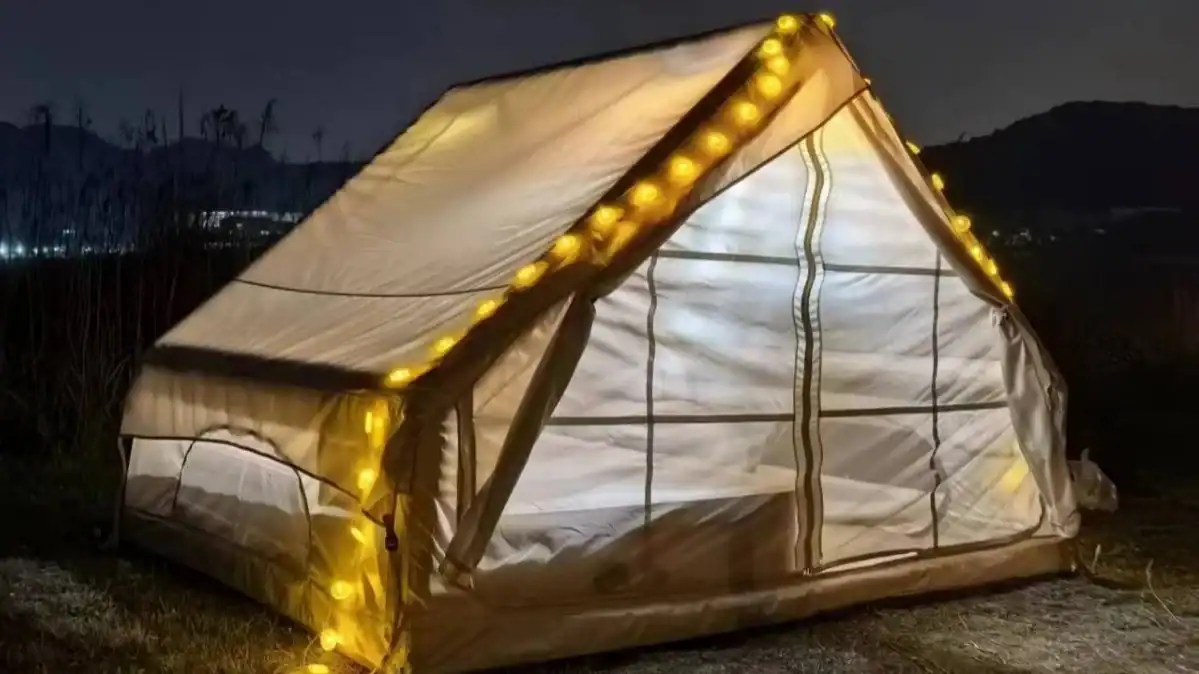
EU용 CE 마킹
자체 선언은 무료처럼 들리지만, 세관이 생산할 수 없는 기술 파일을 요구할 때까지입니다.
대부분의 소싱 가이드는 CE 마킹이 쉽다고 말할 것입니다. 라벨을 붙이고 선언에 서명하면 끝입니다. 이 조언은 관세 인상보다 더 많은 제품 출시를 망쳤습니다. 저는 2026년에 프랑스 유통업체가 르아브르에서 전체 컨테이너의 랜턴을 거부하는 것을 목격했는데, 브랜드 매니저가 정확히 그렇게 믿었기 때문입니다. 라벨은 있었지만 서류는 없었습니다. 세관이 3,200대를 압수하고 47일 동안 보류했으며, 구매자는 구매 주문서에 서명하기 전에 존재했어야 할 테스트 보고서를 급히 채워야 했습니다.
캠핑 조명에 대한 CE 마킹은 실제로 세 가지 별도의 EU 지침에서 비롯되며, 어떤 것이 적용되는지는 전적으로 조명이 무엇을 하는지에 달려 있습니다. 사양서에서 분류를 잘못하면 제품을 만든 것이 아니라 책임을 만든 것입니다.
-
- EMC 지침 (2014/30/EU): 전자 회로(LED 드라이버, 디머, 배터리 충전 컨트롤러)가 있는 모든 캠핑 조명은 이에 해당합니다. 테스트는 방사 및 전도 방출(EN 55015)과 정전기 방전 및 무선 주파수 간섭에 대한 내성(EN 61547)을 다룹니다. 무선 기능이 없는 기본 LED 랜턴의 경우 선전이나 닝보의 인증 연구소에서 약 €800-1,200의 비용이 듭니다. 비준수는 미묘하지 않습니다. 제대로 차폐되지 않은 드라이버는 주변 라디오를 방해하고 시장 감시에 즉시 플래그로 지정됩니다.
- 저전압 지침(2014/35/EU): LVD는 50V~1000V AC 또는 75V~1500V DC에서 작동하는 제품에 적용됩니다. 3.7V 리튬 전지를 사용하는 대부분의 USB 충전식 캠핑 라이트는 이 기준 이하이므로 LVD 평가가 필요하지 않습니다. 하지만 220V 벽면 충전기를 포함하거나 주전원에 직접 연결되는 랜턴을 설계하는 경우 LVD가 필수가 됩니다. 이 지점에서 많은 브랜드 매니저가 별도로 인증할 필요가 없는 AC 어댑터를 번들로 제공하여 불필요한 비용을 발생시킵니다. 공장의 기존 BOM에서 CE 마크가 있는 기성 충전기를 지정하고 중복 테스트 비용 ₩1,500을 절약하세요.
- 무선 장비 지침(2014/53/EU): 이 지침은 ₩1,200짜리 CE 프로젝트를 ₩4,000으로 만듭니다. 캠핑 라이트에 앱 제어용 Bluetooth 메시, WiFi 또는 의도적인 무선 송신기가 있는 경우 일반 EMC 지침 대신 RED가 적용됩니다. 기본 EMC 자체 선언과 달리 RED는 특정 무선 모듈에 대해 지정 기관 평가가 필요하며 테스트 범위는 불요 방출 및 스펙트럼 효율성(Bluetooth용 ETSI EN 300 328, 기타 2.4GHz 장치용 EN 300 440)으로 확장됩니다. 실험실 시간 3~4주와 SKU당 ₩2,500~₩4,000의 예산을 계획하세요. 하우징에 대한 공장의 일반 CE 인증서는 여기서 의미가 없습니다. 무선 모듈 자체에 자체 RED 적합성 문서가 필요하며 최종 조립품은 완전한 시스템으로서 복사 불요 방출 테스트를 통과해야 합니다.
대부분의 가이드가 놓치는 한 가지 운영상의 요점: 기술 파일은 작성하는 양식이 아닙니다. 회로도, 구성 요소 데이터시트가 포함된 BOM, 위험 평가, 테스트 보고서 및 생산 관리 계획을 포함하는 살아있는 문서입니다. 닝보에 있는 공장이 단위당 ₩0.03을 절약하기 위해 생산 중간에 커패시터 공급업체를 변경하면(그리고 그렇게 할 것입니다) 기술 파일이 부정확해집니다. 유럽 시장 감시 당국은 2023년 이후 공격적으로 변했습니다. 더 이상 라벨만 확인하는 것이 아닙니다. 기술 파일을 요청하고 구성 요소 수준 데이터를 상호 참조하고 있습니다.
샘플 승인 프로세스에는 공장이 선행 생산 샘플과 함께 전체 기술 구성 파일을 제출하도록 요구하는 조건이 포함되어야 합니다. 공급업체가 일관된 회로도와 구성 요소 목록을 생성할 수 없다면 인증서에 무엇이 적혀 있든 CE 마크 제품을 EU로 선적할 준비가 되지 않은 것입니다. ISO 9001 전자 부품의 품질 허용 오차는 직물 재봉과 다릅니다. EMC 특성이 다른 대체 전압 레귤레이터는 재테스트에서 실패할 수 있습니다. OEM 계약서에 PCBA의 구성 요소 대체는 업데이트된 테스트 데이터로 뒷받침되는 서면 승인이 필요하다고 명시하세요.
다음 공급업체 미팅을 위한 기준: 무선 기능이 없는 캠핑 랜턴의 적절히 실행된 CE 적합성 패키지(EMC 테스트, 기술 파일 준비, 유능한 컨설턴트가 검토한 적합성 선언 포함)는 ₩1,500~₩2,200의 비용과 2~3주의 일정 추가가 소요되어야 합니다. 공장에서 ₩300과 1주일이면 모든 것을 처리할 수 있다고 말한다면 라벨을 인쇄하고 아무도 확인하지 않길 바라는 것입니다. 그 도박은 통할 때까지 통합니다. 그리고 통하지 않을 때, 상자에 있는 브랜드 이름은 공장의 것이 아니라 귀하의 것입니다.
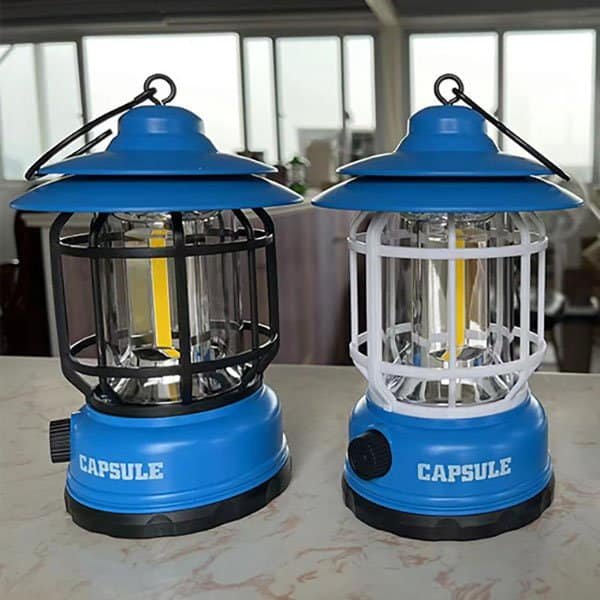
미국용 FCC
캠핑 랜턴에 Bluetooth를 추가하면 FCC 적합성 비용이 SKU당 ~₩1,200에서 ₩3,500 이상으로 증가합니다.
클라이언트의 ₩50K 선적물이 롱비치에서 적발된 후 닝보 공장 소유주에게 식탁 너머로 물어야 했던 질문이 있습니다: “FCC 실험실에 보낸 샘플과 생산 물량 사이에 엔지니어가 Bluetooth 모듈을 변경했습니까?” 침묵이 모든 것을 말해주었습니다. 선행 생산 샘플은 통과했습니다. 양산 유닛은 일치하지 않았습니다. 세관은 컨테이너를 3주간 보류했고 브랜드는 체선료와 재작업 비용으로 ₩12,000을 부담했습니다. 이것이 대부분의 브랜드 매니저가 예상하지 못하는 Part 15 지뢰밭입니다.
FCC Part 15는 미국에서 판매되는 전자 기기의 모든 무선 주파수 방출을 규제합니다. 캠핑 조명의 경우, 제품이 무선 신호를 송신하는지 여부에 따라 적합성 경로가 완전히 다른 두 가지 트랙으로 나뉩니다. 무선 기능이 없는 기본 LED 랜턴은 Subpart B에 따라 “의도치 않은 방사체”로 분류됩니다. Bluetooth 메시, WiFi 또는 간단한 원격 제어 기능이 있는 스마트 랜턴은 Subpart C에 따라 “의도적 방사체”로 분류됩니다. 테스트 비용, 일정 및 라벨 요구 사항은 전혀 동등하지 않습니다.
의도치 않은 방사체(무선 칩이 없는 SMD 또는 COB LED를 사용하는 표준 충전식 랜턴)의 경우 경로는 공급업체 적합성 선언(SDoC)입니다. “자체”라는 단어에도 불구하고 실험실을 건너뛸 수 없습니다. FCC 인정 실험실을 통해 방사 방출(30MHz~1GHz) 및 전도 방출(150kHz~30MHz)을 테스트해야 합니다. 비용은 SKU당 $800~$1,500입니다. 일정은 1~2주입니다. 테스트 보고서를 파일에 보관하고 제품에 FCC 로고를 부착합니다. 등록할 송신기가 없으므로 FCC ID 번호는 발급되지 않습니다.
-
- 의도치 않은 방사체(SDoC): SKU당 $800~$1,500, 1~2주, FCC 로고만, 테스트 보고서 파일 보관, 정부 제출 불필요.
- 의도적 방사체(FCC ID 인증): SKU당 $2,000~$5,000, 3~5주, FCC 인증 실험실(A2LA 또는 NVLAP) 사용 필수, 전체 기술 파일을 FCC에 제출, 영구 FCC ID 발급 및 제품 라벨에 인쇄.
의도적 방사체 경로는 브랜드가 출시 일정을 6주나 지연시키는 경우를 여러 번 목격한 부분입니다. Bluetooth(BLE), WiFi, Zigbee 또는 RF 원격 제어 기능이 있는 캠핑 조명은 Part 15 Subpart C에 따라 완전한 FCC ID 인증이 필요합니다. 실험실에서는 방사 스퓨리어스 방출, 전도 방출, 안테나 이득, 출력 전력 및 대역 가장자리 준수를 테스트합니다. 일반 중국 테스트 실험실 보고서는 사용할 수 없습니다. FCC는 MRA(상호인정협정) 프레임워크 하에 인증된 실험실 또는 미국에 소재한 실험실의 결과만 수용합니다. 테스트 실험실은 FCC의 전자 제출 시스템을 통해 상세한 신청 패키지를 제출합니다. 승인되면 FCC 장비 승인 데이터베이스에서 제품을 영구적으로 식별하는 승인자 코드와 FCC ID를 받습니다.
대부분의 공급업체 대화에서 생략되는 냉혹한 사실은 다음과 같습니다. FCC 테스트에 제출하는 장치는 실제 출하되는 장치와 동일해야 합니다. 동일한 PCB 개정판, 동일한 안테나 배치, 동일한 Bluetooth 칩셋, 라디오를 제어하는 동일한 펌웨어여야 합니다. 공장에서 샘플 승인 단계와 대량 생산 사이에 $0.40 Bluetooth 모듈을 $0.28 대안으로 교체하는 경우(저장성에서 발주된 4건의 개별 주문에서 확인된 시나리오), 귀하의 FCC
다음 공급업체 전화 통화를 위해 기록할 기준: Bluetooth가 있는 캠핑 랜턴의 경우 SKU당 최소 $3,500 예산 및 4주 최소 시간. 공장에서 다음을 얻을 수 있다고 말하면 FCC 인증 for an intentional radiator in under 2 weeks or under $2,000, they are either confusing SDoC with FCC ID certification, or they plan to skip the accredited lab entirely and hand you a report from a local Chinese testing house that US Customs will not recognize. I’ve seen both scenarios. The first costs time. The second costs a seized shipment.
UL / ETL 목록
Walmart and Ace Hardware won’t stock your lantern without a recognized NRTL mark.
A brand manager I consulted for landed shelf space at Ace Hardware for a rechargeable camping lantern. The purchase order was cut—$50K for the first run, FOB Ningbo. The container was staged at the port. Ace’s compliance team flagged the shipment: no UL 153 listing on file. The entire order went on hold. The brand ate $8,400 in warehousing fees over six weeks while a lab rushed a UL evaluation. The shelf reset window closed. The PO was cancelled. The lanterns sat in a 3PL for eight months, eventually liquidated at 40% of wholesale.
-
- Ace Hardware: Requires an NRTL mark on every electrical product submitted through their vendor portal. No UL or ETL file number means the system rejects the SKU before any buyer sees it. No workaround exists.
- Walmart: Mandates UL or ETL listing specifically for rechargeable lithium-ion lanterns and any product that plugs into a wall outlet. Their compliance portal flags uncertified submissions within 48 hours.
- Costco: Goes further than product-level listing—they require quarterly factory audit reports conducted by the NRTL itself. The factory, not just the product, must stay in good standing.
- Amazon: Does not require UL for initial listing approval. But a single customer safety complaint triggers an automatic document request. If you cannot produce an NRTL file within 7 days, the ASIN gets suppressed—no appeal, no grace period.
Skipping UL certification planning adds a minimum 4-6 weeks to your launch timeline. If that window pushes you past the retailer’s Q2 shelf reset, you are not late—you are irrelevant for 12 months. The shelf space goes to a competitor. The buyer moves to the next vendor. The $5,000-$12,000 you saved on testing costs you the entire season’s revenue. For a single camping lantern SKU on a $50K PO, a missed spring reset is rarely recoverable. Book the NRTL evaluation before you book the production run.
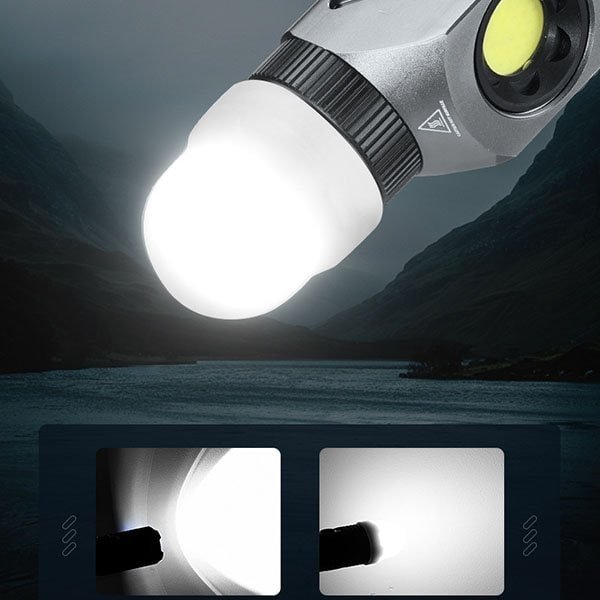
RoHS 및 REACH 준수
REACH isn’t a one-time certification — the SVHC list updates twice a year, and a compliant product in January can be non-compliant.
A brand manager I worked with had 3,200 rechargeable lanterns held at Rotterdam in 2026. The issue wasn’t performance or safety — the plastic housing contained DEHP at 0.3% by weight in a homogeneous material. The RoHS threshold is 0.1%. That single phthalate violation turned a $42,000 shipment into a storage-fee nightmare that took six weeks to resolve. The goods were eventually destroyed. No insurance payout. No recourse against the factory, because the purchase order didn’t specify RoHS compliance by material sub-component — it only referenced the finished product.
This is where most first-time outdoor brand managers get bitten. They assume their supplier handles compliance. They don’t. The supplier builds to your spec. If your spec doesn’t enumerate restricted substances by homogeneous material, you are the importer of record, and customs holds you liable.
RoHS 3 (Directive 2011/65/EU with amendments) restricts 10 substance groups in electrical and electronic equipment. For camping lights — whether a basic LED lantern or a Bluetooth-enabled headlamp — the entire product falls in scope. The 10 substances: lead, mercury, cadmium, hexavalent chromium, PBBs, PBDEs, DEHP, BBP, DBP, and DIBP. Each has a 0.1% threshold by weight in homogeneous material, except cadmium at 0.01%. The phrase ‘homogeneous material’ is the trapdoor. It means you test the solder separately from the PCB substrate, the wire insulation separately from the copper conductor, the plastic lens separately from the housing. One merged test report on the whole assembly doesn’t pass a RoHS audit.
REACH (Regulation EC 1907/2006) is the broader and more dangerous framework because it never stops expanding. As of 2026, the Substances of Very High Concern (SVHC) candidate list exceeds 240 entries and the European Chemicals Agency (ECHA) adds new ones every six months. REACH applies to all products sold in the EU — not just electronics — and its obligation isn’t simply ‘don’t contain SVHC above 0.1%.’ Article 33 mandates that you inform downstream customers and consumers upon request within 45 days. If a retailer asks whether your camping light contains a newly listed SVHC, silence is not a strategy. Non-response is a compliance failure.
In camping lights, the material hotspots that trigger RoHS and REACH failures cluster in predictable places. These aren’t theoretical — they show up in third-party lab reports from actual production runs.
-
- Solder joints on LED boards: Traditional tin-lead solder contains 37% lead. Even ‘lead-free’ SAC305 solder can pick up lead contamination from shared production lines. Every batch needs XRF screening.
- PVC wire insulation and cable jackets: Flexible PVC in USB charging cables and internal wiring commonly uses DEHP or DBP as plasticizers. The fix exists — TPE or phthalate-free PVC compounds — but costs approximately 18-25% more per meter.
- Plastic housing and lens covers: Flame-retardant ABS and polycarbonate often use brominated compounds (PBBs, PBDEs) that are banned under RoHS. Unbranded recycled plastic feedstock is the biggest risk — you don’t know what’s in it.
- Button cells and lithium-ion batteries: Mercury in button cells and cadmium in older battery chemistries remain problems in low-cost supply chains. Even if the cell is compliant, the spot-welded nickel tabs can introduce lead.
- Surface coatings and paints: Powder coating on aluminum lantern bodies and silk-screen ink on control panels can carry lead chromate pigments and restricted phthalates in the binder system.
On the sourcing side, there’s a tactical distinction that saves money. For RoHS, self-declaration is permitted under CE marking rules — you compile a technical file, maintain supplier declarations, and affix the CE mark. Third-party lab testing per SKU typically costs $350-600 for a full RoHS 10-substance screen. REACH SVHC screening for the full candidate list runs $800-1,200 per material family, and you need to budget for this annually because the list grows. Some brands try to save by testing once and filing the report. That works for 12 months max before a new SVHC addition invalidates your file.
The procurement playbook that works: write RoHS and REACH compliance into the sample approval phase, not after mass production. Request XRF screening data from your supplier before approving the pre-production sample. If the supplier can’t produce it, budget $2,000-3,000 for your own third-party lab run across the key material families — PCB assembly, plastics, cables, and coatings. That’s a fraction of what one seized container costs in demurrage and disposal fees.
Benchmark: if your camping light contains a rechargeable battery and any plastic component, the minimum compliance documentation package for EU market access should include a RoHS test report no older than 24 months, a REACH SVHC declaration updated within the last 6 months, and a material breakdown by homogeneous component — not by finished SKU. Missing any one of those three documents is what separates a routine customs clearance from a port seizure.
기타 인증: 배터리 UN38.3, IP 등급
A rechargeable camping light without UN38.3 test documentation is treated as undeclared dangerous goods—your shipment gets quarantined, not delivered.
Most brand managers I audit come into battery certification assuming CE and FCC cover everything. They don’t. Lithium-ion batteries—whether 18650 cells inside a lantern or a built-in pouch pack—trigger a separate regulatory track entirely. The two certifications that catch new buyers off guard are UN38.3 and the IP rating system. Skip either, and you’re not just dealing with a rejected sample—you’re looking at cargo holds, customs fines, or a product that fails on its first rainy trip.
UN38.3 is not optional if your camping light ships with a lithium battery. This is the UN Manual of Tests and Criteria, Section 38.3, covering eight specific tests: altitude simulation, thermal cycling, vibration, shock, external short circuit, impact/crush, overcharge, and forced discharge. Every battery cell and pack design needs its own test report from an accredited lab. A common rookie mistake: assuming the cell supplier’s UN38.3 certificate covers the finished battery pack. It doesn’t. The assembled pack—with its protection circuit, wiring, and enclosure—must be tested as a complete unit.
-
- Test lead time: 4 to 6 weeks at a certified lab like Intertek or SGS. Budget $800–$1,500 per battery design, not per SKU. If your lantern and headlamp use identical battery packs, one test report covers both.
- Shipping consequence: Without UN38.3, air freight carriers (IATA) and sea freight lines (IMDG Code) will reject your cargo. Your forwarder will demand the test summary document before booking. No document, no container loading.
- Sample approval trap:During the sample approval stage, ask the factory to include the UN38.3 test summary for the exact battery they installed. Suppliers have been known to swap battery suppliers between pre-production samples and mass production without updating the cert—and the container sat in Rotterdam for 17 days.
IP ratings are the other certification that gets treated like a marketing label instead of a compliance document. IP stands for Ingress Protection—the first digit is solid particle protection (dust), the second is liquid ingress (water). For camping lights, IPX4 means splash-resistant from any direction. IPX5 means it handles a water jet. IPX6 means powerful water jets. IPX7 means submersion up to 1 meter for 30 minutes. IP68—the one every brand wants on the box—means continuous submersion beyond 1 meter, with depth and duration specified by the manufacturer.
Here’s the insider distinction that spec sheets rarely explain: IPX4 is a five-minute lab test with a oscillating spray nozzle. It simulates rain, not a dropped lantern in a puddle. If your brand positioning claims ‘waterproof’ and your product carries IPX4, a failed customer return rate above 3% is predictable. For a lantern marketed to canoe trippers or coastal campers, IPX6 is the floor—not a premium feature. One North American buyer I sourced for learned this the hard way on a $50,000 FOB order: IPX4-rated ‘camping lights’ came back at 11% return rate because customers used them in actual rain, not lab-simulated mist.
IP testing costs $500–$1,200 per SKU at a certified lab and takes about 2–3 weeks. Some factories will offer an ‘in-house IP test report.’ Treat that as a quality tolerance check, not a compliance document. For retailers like REI or Decathlon, they’ll demand a third-party test report from an ISO 17025 accredited lab—no exceptions. The spec sheet on your sample approval form should specify not just ‘IPX6’ but the exact test standard: IEC 60529. If that standard code isn’t on the report cover page, you don’t have a real IP test.
One benchmark to write down: any rechargeable camping light with a lithium battery that ships to the EU or US market should carry, at minimum, CE + FCC + RoHS + UN38.3 + IPX5. That five-cert combo is the silent industry standard for a product that clears customs without discussion, passes retail compliance review in under two weeks, and keeps your return rate below 4%. If your factory can’t produce all five test reports during sample approval before you release the 30% deposit, find a different factory.
제품 테스트 방법: 일정 및 비용
Testing isn’t a final checkbox — it starts the moment your sample approval locks the design.
Most brand managers slot testing into the last 10 days before launch. That’s a $50,000 mistake I’ve seen too many times. When your pre-production sample doesn’t match the mass production run — different LED driver, different battery cell — you end up with a certificate for a product nobody received. If customs audits your shipment against the lab photo, your container gets red-flagged. The clock on certification needs to begin when your factory hands you the exact sample they’ll tool up for mass, not a hand-soldered golden unit.
Here’s the realistic timeline for a rechargeable camping lantern with Bluetooth, assuming your sample approval is complete and you’ve verified the bill of materials matches production.
-
-
- UN38.3 Battery Testing: 2–4 weeks. If you’re using a lithium-ion pack, this is non-negotiable for air freight and many retailers. Book the lab before your battery supplier even ships samples.
- FCC / CE EMC + Radio Testing: 5–7 weeks. An intentional radiator (BLE/WiFi) needs FCC Part 15C and RED in the EU. These can run in parallel if you send samples to two labs, but most brands don’t — expect at least 6 weeks serial.
- UL / ETL Listing: 4–6 weeks. This comes after basic safety testing because UL evaluates construction, not just radiated emissions. If you’re targeting Ace Hardware, Walmart, or Lowe’s, this isn’t optional — it’s listed right in their vendor agreement.
- RoHS/REACH Chemical Testing: 1–2 weeks per material group. You can shave time by submitting component datasheets from your suppliers, but the lab still needs to spot-check random housing, wire insulation, and solder.
- IP Rating Verification: 2–3 weeks if you want an official IPX4 or IPX5 certificate from a third-party lab. Many brands self-declare based on factory tests, but a third-party certificate adds a defensible layer if a customer dispute arises.
-
If you sequence these sequentially and one test fails, you’re easily at 14–18 weeks. Smart brand managers run FCC, CE, and UN38.3 in parallel, cutting the critical path to 8–10 weeks. Just know that any redesign — a changed PCB, different antenna layout — restarts the clock on radiated emissions testing.
Cost-wise, budget these ranges per SKU for a single rechargeable camping light with wireless and a lithium battery. These are based on actual quotes from accredited labs in Shenzhen and Ningbo in 2026, not vendor estimates.
-
- FCC Part 15C (Intentional Radiator): $2,000–$5,000 per SKU. Non-intentional (just LED driver) drops to $1,200–$2,000, but even a simple PWM dimming circuit sometimes shifts you into the intentional category if the lab deems it a digital device above the threshold.
- CE Marking (EMC + LVD + RED): Self-declaration costs zero in lab fees, but you need 30–50 hours of engineering time to compile the technical file and risk assessment. If you outsource to a notified body, expect $1,500–$3,000 for a basic lantern, more if it’s a smart light with app connectivity.
- UL 153 or 1598 Listing: $5,000–$10,000 per product family. ETL typically comes in 15–20% lower and is equally accepted by most US retailers. Factor in annual factory inspection fees of $1,500–$2,500 after listing.
- UN38.3 Battery Testing: $2,000–$3,000 per battery model. If you source a pre-certified pack, you pay $0 but your vendor’s certificate must exactly match the cell, configuration, and protection circuit in your production unit.
- RoHS / REACH: $500–$800 per homogeneous material group. A typical camping light with ABS housing, rubber button, and a PCB has 3–4 groups. Some labs bundle this into a package with FCC or CE for a discount.
| 인증 | Market | 요구사항 | Cost Estimate | 리드 타임 |
|---|---|---|---|---|
| FCC (Part 15) | 미국 | Mandatory for all electronic products; intentional radiators (Bluetooth/Wi-Fi) need FCC ID | $800 – $1,500 (non-radio); $2,000 – $5,000 (intentional radiator) | 3 – 4 weeks |
| CE Marking | European Union | Mandatory; includes EMC Directive, LVD, and RED for smart lights | $500 – $3,000 (self-declaration + testing); higher if notified body required | 2 – 4 weeks |
| UL / ETL 목록 | United States (retailers) | Voluntary but often mandatory for big-box retailers (Ace Hardware, Walmart) | $2,000 – $6,000+ per model | 4 – 6 weeks |
| RoHS & REACH | European Union | Mandatory material compliance for lead, mercury, cadmium, etc. | $500 – $1,500 per product (lab testing); supplier declarations may reduce cost | 1 – 2 weeks |
| UN38.3 (Batteries) | Global (air/sea transport) | Mandatory for lithium-ion or lithium-polymer battery packs | $300 – $600 per battery SKU | 2 – 3 weeks |
| IP Rating (e.g., IPX4, IP67) | Global (marketing/claim) | Voluntary; critical for waterproof/dustproof marketing claims | $800 – $2,000 per test level | 1 – 2 weeks |
결론
A certification mark on a product page means nothing without the lab report behind it. Customs authorities and retail buyers both know the difference. Before you commit to a purchase order, use this three-question filter with your supplier.
Can you send the complete technical file — not just the certificate — including the EMC test data and the LVD report? Has the battery already passed UN38.3 testing, or does that cost and timeline fall on my side? Is the IP rating backed by an accredited lab report, or is it an internal factory estimate? A single ‘no’ flags a supplier who expects you to carry the compliance risk. Vet these documents at the sample approval stage — not during the pre-shipment inspection, when the quality tolerance window has already closed. Sourcing partners with pre-certified factory networks handle this paperwork before you ever see a quote.
자주 묻는 질문
캠핑 조명이 EU에 필요한 인증은 무엇인가요?
EMC(전자파 적합성) 및 저전압 지침에 따른 CE 마킹은 필수입니다. 조명에 블루투스나 WiFi가 포함된 경우 무선기기 지침도 적용됩니다. 자체 선언이 가능하지만 기술 문서가 세관 검토를 통과해야 합니다.
미국 랜턴에 대해 FCC 인증이 필요한가요?
예, FCC Part 15는 필수입니다. 일반 LED 랜턴은 일반적으로 검증(Verification) 또는 적합성 선언(DoC)에 해당하지만, 블루투스를 추가하면 의도적 방사체로서 완전한 인증(Certification)을 받아야 합니다. 스마트 조명의 경우 규정 준수 비용이 약 1,200달러에서 3,500달러 이상으로 증가할 것으로 예상됩니다.
캠핑 조명에는 UL 등록이 필요한가요?
연방법은 UL 인증을 요구하지 않지만, Ace Hardware나 Walmart 같은 주요 미국 소매업체들은 종종 UL 또는 ETL과 같은 국가 공인 시험 기관(NRTL) 마크를 요구합니다. 제품 사양을 최종 확정하기 전에 소매업체의 요구 사항을 확인하세요.
UN38.3이 무엇이며 언제 필요한가요?
UN38.3은 리튬 배터리가 운송에 안전하다는 것을 인증합니다. 항공 또는 해상으로 운송되는 충전식 리튬 배터리가 있는 모든 캠핑 라이트는 이를 반드시 갖추어야 합니다. 배터리 공급업체는 선적 전에 유효한 테스트 요약을 제공해야 합니다.
기본 캠핑 랜턴에 대한 CE 마킹 비용은 얼마인가요?
비스마트 랜턴의 경우, 자체 선언 테스트 및 기술 문서 준비 비용은 일반적으로 1,000~2,000입니다. 무선 기능을 추가하면 비용과 노력이 크게 증가합니다. 전체 기능 세트와 대상 시장을 확정한 후에만 실험실 견적을 받으십시오.

 English
  Español
  Deutsch
  Français
  Português do Brasil
  Русский
  العربية
  한국어
한국어  日本語
日本語