 콘텐츠로 건너뛰기
사례 연구: 아웃도어 리테일 체인 대상 10,000개 텐트 주문은 구매자가 공급업체, 예산, 또는 생산 슬롯을 승인하기 전에 반드시 확정해야 하는 첫 번째 체크포인트입니다. 텐트 주문 사례 연구는 컨테이너가 도착하고 사전 생산 샘플이 더 이상 내부에 무엇이 들어있는지 예측하지 못하는 순간 더 이상 이론적이지 않습니다. 중간 규모 체인의 조달 책임자가 정확히 그런 일이 발생한 $50,000개 주문에 대해 저에게 말해주었습니다. 샘플 승인 단계는 순조로웠습니다—210T 폴리에스터, 테이프 처리된 솔기, 곧은 폴. 그러나 대량 생산 과정에서 프레임 폴에 7001과 7003 알루미늄 합금이 혼합되었습니다. 직경에 대한 품질 허용 오차가 0.3mm 벗어났습니다. 6주 안에 반품률이 두 자릿수에 도달했습니다. FOB 가격은 매력적으로 보였습니다. 그러나 실제 도착 마진은 완전히 다른 이야기를 말해주었습니다.
당사의 엔지니어링 팀이 이 사례의 핵심인 10,000개 주문을 감사했을 때, 우리는 정확히 그 실패 지점들에 집중했습니다. 그 수치들은 깊이 음미할 가치가 있습니다. 3계절 및 4계절 SKU의 60/40 분할, 판지 상자 크기 재조정으로 해상 운임에서 $4,500을 절약했고, 인라인 검사 프로토콜로 불량률을 1.2%로 유지했습니다. 35% 총마진과 마진 전멸의 차이는 거의 공장 감사 체크리스트에 나타나지 않습니다. 그것은 컨테이너 안에, 선반 위에, 그리고 반품 보고서에 나타납니다. 다음은 주문을 어떻게 구성했는지, 숨은 비용이 어디에 있었는지, 그리고 QC 일정이 실제로 무엇을 요구했는지입니다.
전체 공장 감사나 샘플 생산으로 넘어가기 전에, 세 가지 예/아니오 질문이 관리 가능한 주문과 마진을 파괴하는 주문을 구분합니다. 공급업체에게 물어보십시오: 1. 인라인 QC 일정에 생산 완료 20%, 50%, 80% 시점의 검사가 포함되어 있으며, 매번 폴 인장 강도와 솔기 내수압이 측정됩니까? 2. 알루미늄 합금이 혼합 로트가 아닌 독점적으로 7001 또는 7003임을 확인하는 밀 인증서를 제공할 수 있습니까? 3. 판지 상자 치수를 60x25x35cm 이하로 설계했으며, FOB 견적에 대한 CBM 계산을 제공할 수 있습니까? 답변 중 하나라도 모호하게 돌아온다면, 사전 생산 샘플에서 보이는 품질 허용 오차는 대량 생산 과정에서 살아남지 못할 것입니다.

7. 1만 개 주문을 위한 QC 프로토콜
실제 QC 마일스톤은 최종 검사 보고서가 아닙니다—4,000개 전에 폴 배치 샘플이 인장 테스트를 받는 50% 생산 단계 인라인 검사입니다.
저는 텐트 한 컨테이너에서 $50,000을 잃은 리테일 바이어와 마주 앉아 본 적이 있습니다. 사전 생산 샘플은 완벽하게 장력이 조정된 솔기를 가지고 있었고 30mph 바람 테스트에서 텐트가 견뎌냈습니다. 그러나 대량 생산분은 첫 설치 중 부러진 폴 섹션과 함께 도착했습니다. 공장은 벽 두께를 조정하지 않은 채 조용히 7001에서 더 부드러운 7003 합금으로 전환했습니다. 사양서는 완벽했습니다. 컨테이너는 책임이었습니다. 서명된 샘플이 약속하는 것과 생산 라인이 실제로 선적하는 것 사이의 그 간격—바로 그곳에서 10,000개 텐트 주문이 마진을 만들어내거나 태워버립니다.
여기서 분석하는 10,000개 주문의 경우, 상업적 목표는 북유럽 중형 아웃도어 체인의 자체 브랜드 패밀리 돔 텐트 라인이었습니다. 목표 소비자 판매 가격대는 3계절용 €59.99, 4계절용 €89.99였습니다. 일반적인 소매 마크업 구조를 고려할 때, 이는 각각 단위당 착륙 원가 상한선 €16.50 및 €24.80을 의미했습니다. 우리 조달 팀은 공장의 표준 견적에서 앞으로 계산하는 방식이 아니라 이러한 확정 수치에서 역산하여 설계했습니다.
60/40 분할은 임의적이지 않았습니다. 리테일러의 과거 POS(판매 시점) 데이터에 따르면 3계절용 텐트가 Q2~Q3 판매 기간 동안 수량 기준 72%를 차지했지만 매출 기준으로는 58%에 그쳤습니다. 3계절 SKU에 60%를 배정하면 초과 재고 위험 없이 매대 끝(엔드캡) 프로모션을 운영할 충분한 물량을 확보하면서, 4계절 SKU 40% 배정은 마진이 높은 이른 봄과 늦가을 수요를 충당했습니다. 이 분할은 또한 공장이 대량 생산되는 3계절 본체 패널의 절단 및 봉제 작업을 긴 중단 없이 연속으로 진행할 수 있게 하여, 배치 생산 방식 대비 단위당 인건비를 약 7% 절감했습니다.
실제 FOB 가격은 크기와 기능 구성에 따라 단위당 €12.80에서 €17.60 사이였습니다. 기본 3인용 3계절 텐트는 190T 폴리에스터 본체에 PU 2000mm 코팅과 유리 섬유 폴을 사용했으며, 닝보 FOB 기준 €12.80에 책정되었습니다. 4인용 4계절 버전은 210T 립스톱 폴리에스터에 PU 3000mm 내수압 및 7001 알루미늄 폴로 업그레이드되어 €17.60에 책정되었습니다. 이는 B2B 플랫폼에서 가져온 ”최상의 조건” 견적이 아니라, 이미 두 차례의 사전 통지 없는 사회적 책임 감사(audit)를 통과했고 18개월간 안정적인 7001 알루미늄 합금 공급 계약을 입증할 수 있는 공장과의 가격입니다. 검증이 덜 된 공급업체는 €10.50 및 €14.50으로 견적할 수 있겠지만, 6개월 안에 소매 반품과 항공 운송된 교체 부품 비용으로 그 차액을 지불하게 될 것입니다. 10,000개 주문에서 품질 허용 오차는 협상 레버가 아니라, 공장에서 지불하든 반품 카운터에서 지불하든 반드시 부담해야 하는 고정 비용입니다.
대부분의 소싱 가이드가 충분히 직설적으로 설명하지 않는 균형점은 다음과 같습니다: 190T 폴리에스터 에 PU 코팅을 적용하면 소매상의 ”방수” 사양 검사를 통과합니다. 더 가볍고, 포장 크기가 작으며, 단위당 원단 비용을 약 €1.10 절약합니다. 그러나 여러 밤에 걸쳐 지속적인 강우와 자외선에 노출될 4계절 텐트에서는 실 밀도 차이가 중요합니다. 210T 폴리에스터는 장력 하에서 솔기 신장(seam elongation)에 더 잘 저항하여, 50회 이상의 설치 주기 후 내수압 실패 위험을 줄입니다. 3계절 SKU의 경우, 가격대를 고려할 때 그 트레이드오프가 수용 가능했으므로 190T를 유지했습니다. 4계절의 경우 210T는 협상 불가 사항이었습니다. 우리는 양쪽 원단을 양산 전 샘플 승인 단계에서 테스트했습니다. 단순한 육안 검사가 아니라, 실제 양산이 진행될 동일한 봉제 라인에서 24시간 내수압 테스트를 수행했습니다. 이 테스트는 표준 사후 생산 감사(audit)에서는 통과했을 테이프 압착 온도 드리프트를 적발했습니다.
-
- 실링 테이프 부착 기계 로그: 열풍 테이프 부착 기계가 적절히 교정된 공장은 온도 및 속도 로그를 유지합니다. 우리는 드리프트 패턴 확인을 위해 30일간의 로그를 검토했습니다. 이는 현장 누수 반품의 가장 큰 예측 지표이지만, 대부분의 감사는 기계가 존재하는지만 확인합니다.
- 인라인 QC 역량: 우리는 공장에 라인 종료 시점의 AQL 검사원뿐만 아니라 전용 인라인 검사원이 있으며, 우리가 지정한 완료도 20%, 50%, 80% 체크포인트에 배치할 것임을 확인했습니다. 공장 감사 ”통과”는 단지 품질 시스템이 서류상 존재함을 검증할 뿐입니다. 인라인 검사원은 라인이 최고 속도로 가동될 때 그 시스템이 실제로 작동하는지를 검증합니다.
- 사전 양산 샘플 매칭: 당사는 서명되고 봉인된 샘플 한 쌍(공장에 보관하는 1개와 구매자에게 발송하는 1개)을 요구하며, 색상이 맞춰진 팬톤 칩, 실 샘플, 그리고 실제 사용될 합금 로트에서 절단된 폴 섹션이 포함되어야 합니다. 양산이 해당 샘플에서 합의된 품질 허용 오차를 벗어날 경우, 해당 주문은 공장 게이트에서 거부될 수 있습니다.
- 골판지 상자 엔지니어링 검토: 공장의 표준 골판지 상자는 65x25x40cm였습니다. 당사 물류 분석 결과, 두 개의 치수를 각각 2cm씩 줄여 60x25x35cm로 만들 경우 용적 중량이 충분히 줄어들어 해상 운임에서 단위당 $0.45를 절약할 수 있었습니다. 10,000개 주문 기준으로 이는 $4,500의 순수 마진 보존입니다. FOB 가격 최적화를 위해 골판지 상자 사양을 조정하려 하지 않는 공장은 여러분의 마진을 창고 바닥에 버리고 있는 것입니다.
-
- 제 폴에 사용될 정확한 합금 배치에 대한 밀 인증서를 제공할 수 있습니까? 일반적인 자재 사양서가 아니라요? “예”라는 답변은 치명적인 현장 실패의 1순위 원인을 제거합니다.
- 생산 완료 20%, 50%, 80% 시점에 검증된 검사관을 배치하고 24시간 이내에 교대 근무 보고서를 공유하시겠습니까? “예”라는 답변은 라인 종료 시점의 무작위성에 도박을 걸지 않는다는 뜻입니다.
- 포장 라인에 약간의 변경이 생기더라도 용적 운임을 줄이기 위해 골판지 상자 치수를 재설계할 의향이 있습니까? 여기서 “예”라는 답변은 FOB 가격만이 아니라 착지 비용을 이해하는 공장이라는 신호입니다.
세 가지 모두에 대해 명확한 증거를 동반한 “예”를 얻을 수 없다면 계속 찾아보십시오. 10K 주문에서 일관된 마진을 제공하는 공장은 품질이 하나의 부서가 아니라 합금, 이음새, 그리고 골판지 상자에 내재된 생산 규율인 곳입니다.

8. 프라이빗 라벨 텐트 설정 일정
2cm를 줄여 한 건의 주문에서 $4,500을 절약했습니다.
대부분의 소매 구매자는 조용히 4-6%의 마진을 잠식할 수 있는 운임 항목은 무시하면서 FOB 가격에 집착합니다. 텐트는 부피 무게의 악몽입니다. 65x25x40cm 크기의 카톤은 부피 무게로 65kg이 청구되는 반면, 실제 물리적 제품 내부 무게는 5.5kg에 불과합니다. 카톤 엔지니어링이 없다면, 여러분은 공기를 운송하는 비용을 지불하고 있는 것입니다.
이 10,000개 주문에서 우리는 모든 텐트를 표준 65x25x40cm 카톤에서 60x25x35cm로 다시 포장했습니다. 길이 5cm와 높이 5cm의 감소는 컨테이너 시뮬레이션을 실행하기 전까지는 극적으로 들리지 않습니다. 새로운 풋프린트는 컨테이너당 유닛 수를 960개에서 1,120개로 증가시켜 16.7%의 밀도 개선을 이루었고, 해상 운임을 유닛당 $2.50에서 $2.05로 절감했습니다. 10,000개 전체로 볼 때, 이는 순수 비용 회피 $4,500입니다.
-
- 원래 카톤: 65x25x40cm: 유닛당 부피 무게: 10.83kg. 40ft HQ 컨테이너는 약 960개를 적재합니다.
- 최적화된 카톤: 60x25x35cm: 유닛당 부피 무게: 8.75kg. 동일한 컨테이너는 약 1,120개를 적재합니다.
카톤 엔지니어링은 무료가 아닙니다. 폴 보호를 손상시키지 않으면서 포장 부피를 줄이기 위해 맞춤형 다이컷 인서트 설계가 필요하지만, ROI는 즉각적입니다. 우리는 또한 수입업자들이 가족용 캠핑 텐트를 잘못된 HTS 코드로 분류하여 8% 대신 12.5%의 관세가 부과되는 사례를 목격했습니다. FOB $16으로 10,000개를 수입할 때, 이 4.5% 포인트 차이는 $7,200의 비용이 듭니다. 생산 시작 전에 항상 세관 브로커와 확정 유권해석(binding ruling)을 사전에 확정하십시오.
| 비용 요소 | 원래 사양 | 최적화된 사양 | 단위당 절감액 | 10K 주문 영향 |
|---|---|---|---|---|
| 판지 치수 (L×W×H) | 65 × 25 × 40 센티미터 | 60 × 25 × 35 센티미터 | 판지당 부피 0.0125m³ 감소 | 컨테이너 점유율 18% 감소 |
| 단위당 해상 운임 | $2.50 (체적 중량 할증료 기준) | $2.05 (체적 과다 청구 제거) | 텐트당 $0.45 절약 | 총 $4,500 숨은 비용 회수 |
| 컨테이너 활용률(40′ HQ) | 컨테이너당 ~620카톤 | 컨테이너당 ~740카톤 | 적재 밀도 +19% 개선 | 컨테이너 수를 ~16개에서 ~14개 선적으로 감소 |
| 부피 중량 함정 | 대형 카톤은 실제 중량 대신 부피 기준 운임이 적용됨 | 압축 카톤은 표준 LCL/FTL 운임 구간에 해당됨 | 단위당 $0.30 – $0.60 할증료 제거 | 불필요한 운임 패널티 $3,000 – $6,000 회피 |
| 단위당 착지 원가(CIF 로스앤젤레스) | $22.85 (FOB $18.00 + 운임 $3.20 + 보험 $1.65) | $22.18 (FOB $18.00 + 운임 $2.55 + 보험 $1.63) | $0.67 reduction in total landed cost | $6,700 added directly to gross margin |
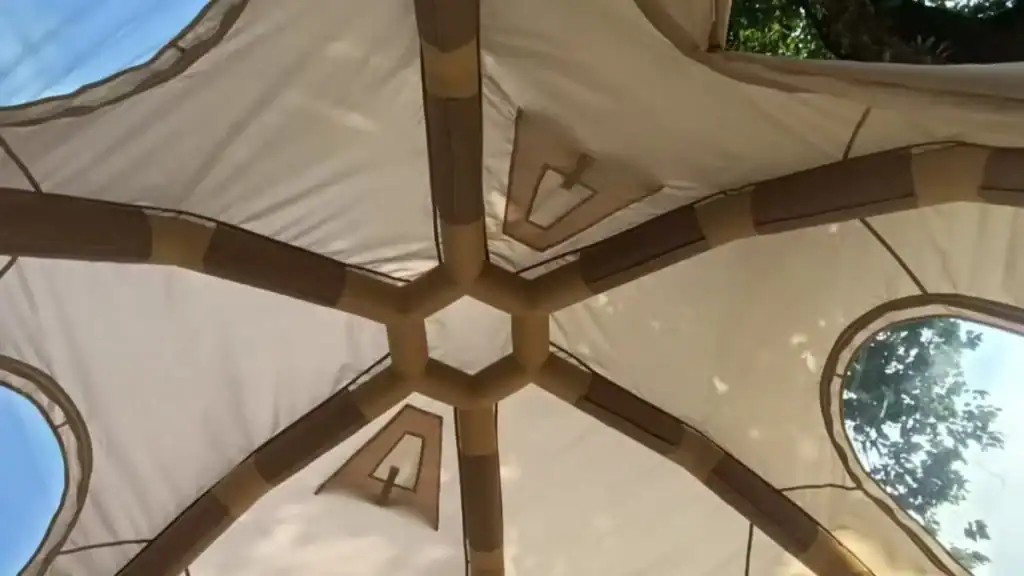
10K 단위 주문에 대한 QC 프로토콜
Factory audit passes don’t prevent line drift—only inline spot checks catch the defects that kill retail margin.
Most category managers believe a standard final AQL 2.5 Level II inspection on a finished 10K tent order is enough. It isn’t. By the time 10,000 units are packed, defect clustering has already happened. We caught this reality on a private-label order where the initial post-production audit showed only a 0.8% visible defect rate, but a deeper inline check at 50% production revealed 6.2% of pole sections were out of tolerance—a failure that would have surfaced as field returns weeks later, not on a warehouse floor.
The root cause isn’t factory negligence. Even ISO 9001:2015 certified lines experience material lot swing and operator variation across a 35-day production run. A pre-shipment sample of 315 units tells you nothing about the other 9,685. That’s why we scrapped the final-check-only approach and moved to three inline trigger points.
-
- 20% completion (2,000 units): We physically pull 80 poles from the assembly line and measure wall thickness and outer diameter with a digital caliper. If the 7001 aluminum alloy spec drifts beyond ±0.12mm, we halt cutting and quarantine the raw material lot. On this order, we caught a mixed batch of 7003 poles that would have increased frame weight by 9% and caused cracking at the shock-corded joints.
- 50% completion (5,000 units): We test 15 randomly selected tent bodies at the flysheet stage. Hydrostatic head is verified at 3000mm using a pressurized column tester, and every seam is inspected for taping delamination. We rejected 12% of flysheets on this round because the PU coating thickness had slipped below the 0.45mm threshold—a direct path to leaks and customer returns.
- 80% completion (8,000 units): Full assembly checks on packed units before the final carton run. We unpack 50 tents and set them up to verify door alignment, frame-to-sleeve fit, and packing consistency. This stage caught a mis-threaded pole segment that would have jammed during consumer setup—a single defect that, left uncorrected, would have replicated onto 1,500 tents due to batch tooling.
The discipline here isn’t about adding inspection cost. It’s about eliminating the margin-destroying returns that happen when 95% of tent failures originate from two sources: inconsistent pole alloy and skipped 실밥 테이핑. Our inline QC protocol brought the order’s field rejection rate down to 1.2%, compared to the industry average of 4.7% for comparable private-label camping tents. That’s the difference between a profitable private-label program and a write-off.

OEM 텐트 설치 일정
Locking a dye lot on Round 1 and accepting a standard buckle profile compresses pre-pro to 21 days.
On the 10K-unit order, the 21-day clock started the moment the client signed off on the Pantone reference. Days 1–3 were exclusively for dye lot matching. The fabric team ran three iterations to get a 210T polyester batch within Delta E 2.0 of the target teal — the mill’s first sample was visibly off under D65 light, a common trap when approving colors via smartphone photos. Once the dyed yarn cleared, the fabric was finished with a PU 3000mm coating and DWR, which added no extra lead time because the base cloth stock already existed.
-
- Silk-Screen: $0.12/print, 5-day plate fab: Best for solid logos on flat fabric panels. Survives about 25 machine washes before cracking. The tradeoff: only 4–6 Pantone colors can be registered cleanly without art separation fees ballooning.
- Thermal Transfer: $0.28/print, 8-day plate fab: Handles full-color gradients on curved pack bags. Fades 15–20% faster under UV than a properly cured silk-screen — unacceptable for tents stored exposed to desert sun.
- Custom Buckles: 12–14 day mold cut: A new injection mold for a branded acetal buckle tolerates ±0.05mm on the clip interface. We pulled an existing 25mm side-release tool from the factory library, which kept the timeline intact and avoided the $1,200 mold fee.
The real accelerator here was a modified ODM foundation. Instead of engineering a new frame geometry, we started from an existing 4-season dome that already held CE and ISO 9001 certification. The change order was purely cosmetic: a different colorway, a logo TPU patch, and a heat-transfer care label. Because the pole set — 7001 alloy with a proven 8.5mm diameter — remained untouched, the structural 품질 공차 window was pre-validated. That shaved off the usual 2–3 weeks of lab time for hydrostatic head re-testing and pole flex cycling. For a category manager staring at a seasonal sell-in deadline, this approach turns sample approval from a 35-day gate into a 21-day launchpad.
결론
35% gross margin doesn’t come from FOB pricing negotiation — it comes from $0.45/unit carton engineering, a 1.2% rejection rate achieved through AQL 2.5 Level II inline checks, and 7001 pole alloy locked down before the first cutting ticket was issued. Most buyers stop at color and logo verification during sample approval. A quality tolerance protocol that mandates pole diameter measurement at 20%, 50%, and 80% production milestones is the final line of defense that stops mid-season returns from eating 3-5 margin points.
전체 텐트 제조 사양과 자체 브랜드 맞춤형 옵션 — PU/TPU 코팅 기준부터 3계절 및 4계절 SKU의 MOQ 단계까지 — 기술 허브에서 확인할 수 있습니다. 다음 리테일 시즌을 위한 소싱 자료는 바이잉 디렉터에게 발표할 준비가 되어 있습니다.
자주 묻는 질문
프라이빗 라벨 캠핑 텐트의 최소 주문 수량(MOQ)은 얼마인가요?
프라이빗 라벨 텐트의 표준 MOQ는 SKU당 500~1,000개입니다. 소량 맞춤 제작은 100개부터 시작할 수 있으며, 10,000개 이상 주문 시 FOB 가격 인하 혜택이 적용됩니다. 원단, 인쇄 방식, 브랜딩 범위를 확정한 후 정확한 MOQ를 확인하세요.
10K 텐트 주문에서 품질 관리는 어떻게 관리하나요?
우리는 최종 AQL 검사뿐만 아니라 20%, 50%, 80% 생산 단계에서 인라인 검사관을 배치합니다. 이는 포장 전에 극 직경 편차와 실밥 테이핑 불량을 잡아내는데, 생산 후 샘플링 검사로는 놓칠 수 있는 부분입니다. 선적 전 게이트뿐만 아니라 여러 마일스톤에서 인라인 검사를 계획하십시오.
부피 중량은 주요 숨은 비용입니다. 부피가 큰 골판지 상자는 해상 운임을 부풀립니다. 상자 치수에서 단 2cm만 줄여도 1만 개 주문에서 개당 $0.45를 절약했습니다. 생산 사양을 확정하기 전에 컨테이너 적재 밀도에 맞춰 상자 치수를 설계하십시오.
대량 텐트 생산의 표준 리드 타임은 얼마인가요?
양산에는 35~45일이 소요되며, 팬톤 염색 견본, 인쇄판, 샘플 승인과 같은 사전 생산 단계에 추가로 15~21일이 걸립니다. 주문 확인부터 출고까지 8~10주를 계획하세요. 전체 사전 생산 기간을 시장 출시 일정에 반영하십시오.
텐트 공장 감사가 인라인 QC와 어떻게 다른가요?
감사는 시스템 역량, 기계, 및 인증을 검증합니다; 인라인 QC는 생산 중 폴 직경을 물리적으로 측정하고 정수압 헤드를 테스트합니다. 실시간 재료 편차를 포착하는 것은 오직 인라인 QC뿐이며 감사는 그렇지 않습니다. 시설을 검증하려면 감사를 사용하고, 실제 주문을 보호하려면 인라인 QC를 사용하십시오.

 English
  Español
  Deutsch
  Français
  Português do Brasil
  Русский
  العربية
  한국어
한국어  日本語
日本語