 콘텐츠로 건너뛰기
The problems with inflatable tent manufacturers rarely surface at 샘플 승인. They surface six weeks later, when a $50,000 order starts losing air on retail display floors and the valve welds that looked clean on the pre-production sample begin hissing in the field. By then the container has shipped, the deposit is gone, and the conversation has moved from 품질 관리 to damage control.
The gap between that pre-production sample and the mass production run is where the real audit happens. A sample is hand-built by a senior technician and gets ten times the attention of a line run. Under FOB pricing pressure, factories shave costs somewhere — a thinner beam fabric, a softer TPU compound, or a faster heat-seal cycle that saves 40 seconds per weld. None of these changes show up on the spec sheet; the quality tolerance just drifts until the tent starts failing on cold nights.
Set the baseline before you discuss MOQ or lead time. Write this down for your next supplier call: a 24-hour pressure-hold test with 90% minimum retention, a cold-chamber test at minus 10°C, and a 10,000-cycle sleeve abrasion test. A manufacturer that can produce those three reports understands failure modes. One that hesitates has just told you everything you need to know.
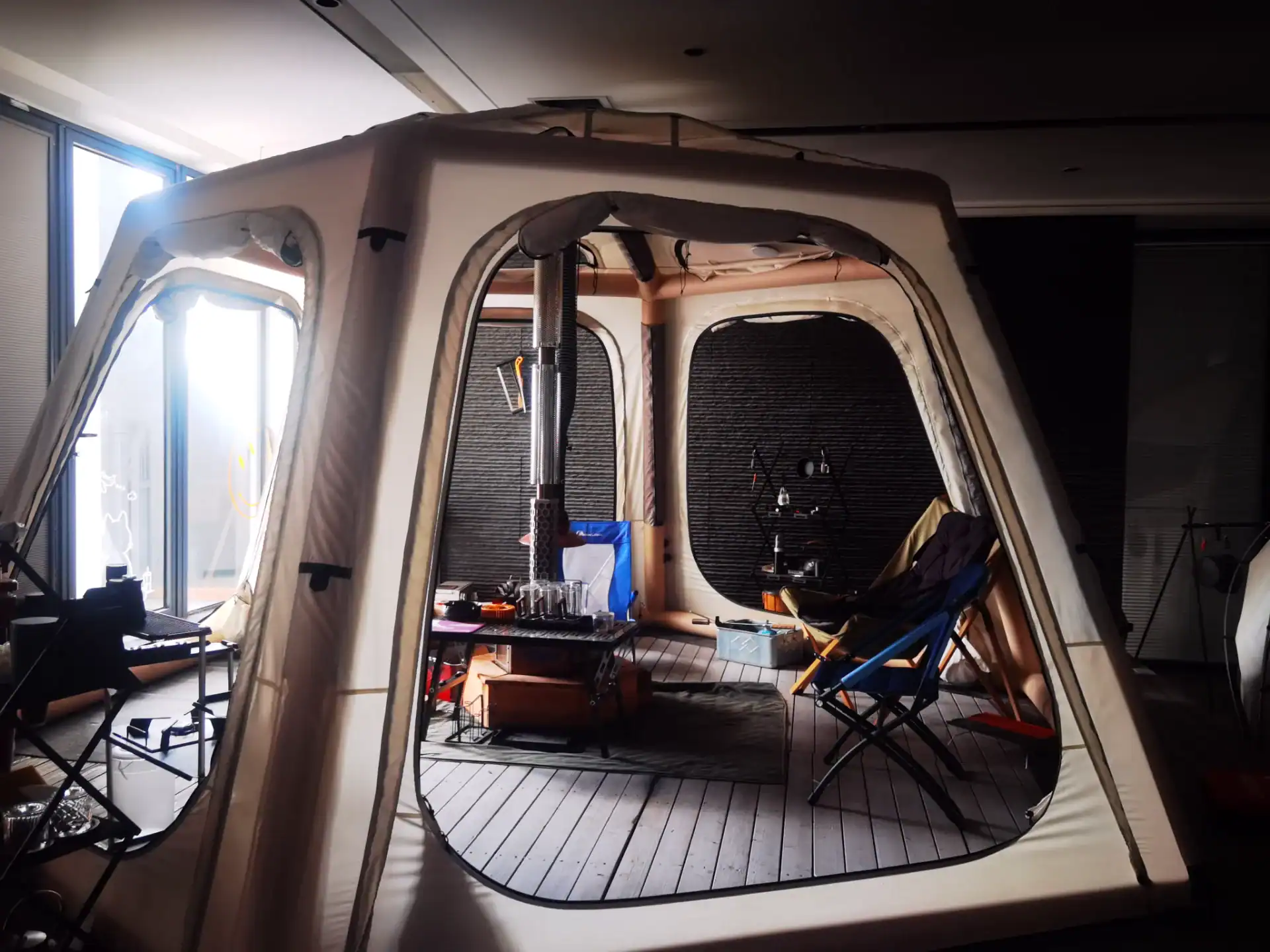
The Rain-on-Your-Face Moment: Inflatable Tent Reality
Most inflatable tent failures start with pressure habits and valve welds, not punctures.
The typical return pattern repeats: a tent that held fine on the lawn folds mid-way through the second night, a valve hisses, or a pinhole appears along a seam. Consumer reviews blame the tent. Competitor retail guides reference a 30% failure rate for inflatable tents, with most cases traced to pressure mistakes and valve weld defects rather than punctures.
The Failure Scenes That Trigger Returns
Midnight sagging is usually the first sign. The owner tops up the beam, hears a hiss, then finds a pinhole near a seam by morning. In colder weather, condensation drips off the beams onto sleepers — the rain-on-your-face moment that generates the worst reviews.
Why Owners Blame the Tent, Not Pressure Habits
A beam inflated to 10 PSI at 20°C drops to about 8 PSI at -10°C. The tent feels soft, so the camper adds air at midnight. Morning sun expands that air to 14 PSI. The over-pressure cracks a weld; the owner sees a leak and calls the tent defective.
- Temperature swing: Gas laws rule air beams. A drop from 20°C to -10°C pulls pressure from 10 PSI down to 8 PSI. The beam feels soft without losing air.
- Midnight top-up: Adding air at the coldest hour creates a 14 PSI peak in the morning. That spike cracks valve welds, not the beam fabric.
- Factory fix: A pressure-relief valve on the beam manifold vents the excess. Most consumer tents omit it; custom orders should not.
The Physical Laws Behind Most Defects
Valve welds fail first because they carry repeated flexing and pressure changes. Heat-sealed welds without a reinforcing patch around the valve flange crack under the stress. The solution is built before shipment: a molded flange seat, a pressure-relief valve, and a 24-hour pressure-hold test that requires 90% minimum retention.
Kelyland’s partner factories hold ISO 9001:2015 certification, and inspections run at every production stage. A network of 17 core strategic factories and 200+ manufacturing partners makes it possible to specify these failure-prevention details in a custom air tent order rather than hoping the container shows up with sound beams.
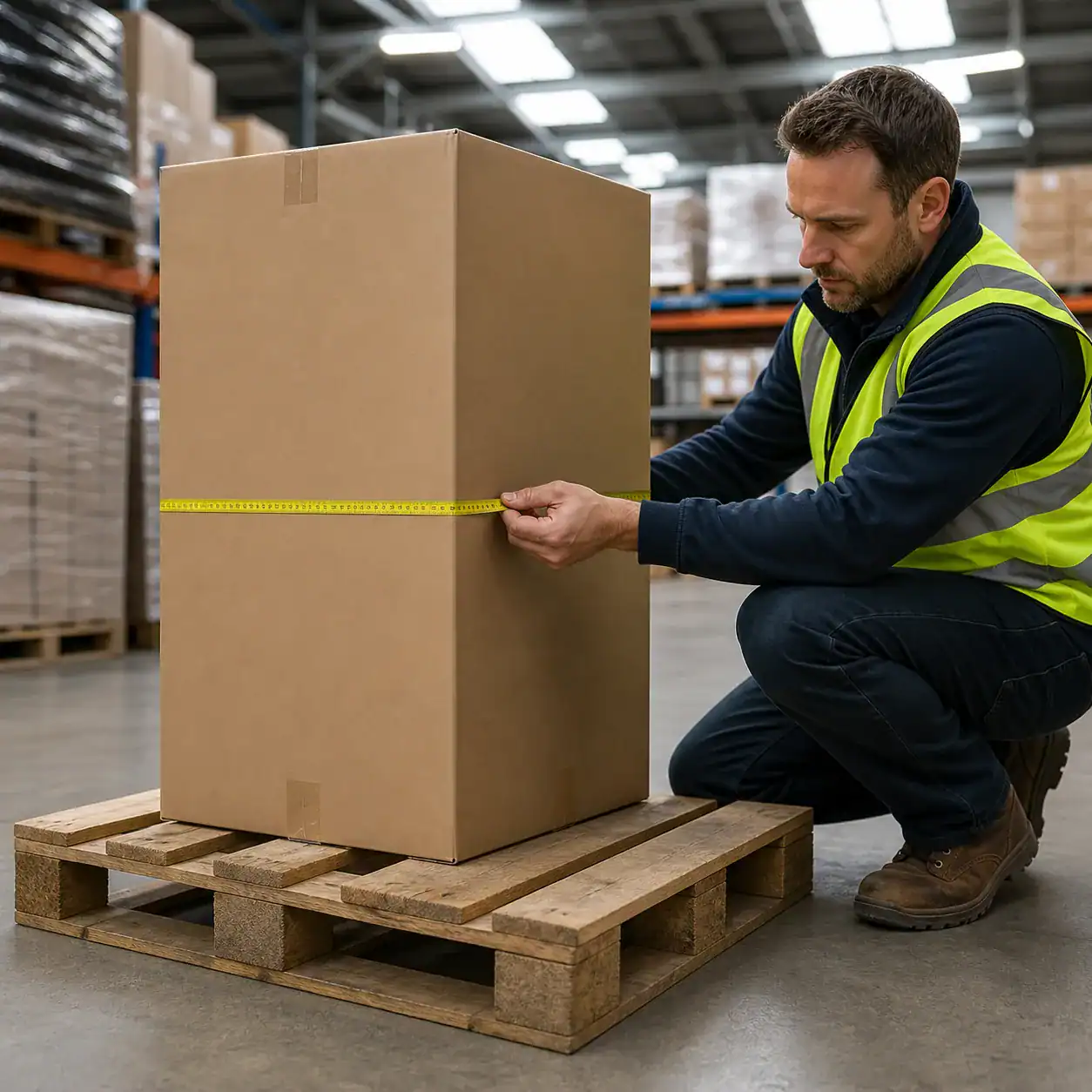
Beam Construction and the Valve Weak Point
Cold nights cause more valve weld failures than any manufacturing defect ever will.
Beam material choice decides how a tent survives the cold. At 20°C, a correctly inflated air beam runs about 10 PSI. Drop the temperature to -10°C and the same beam falls to about 8 PSI. A camper who tops up at midnight wakes to 14 PSI in morning sun — enough pressure to stress a valve weld past its limit. That is the physics behind most “deflated overnight” complaints.
TPU vs PVC Air Beam Behavior in Cold Weather
TPU stays flexible down to -10°C. PVC does not — it hardens, and every flex in cold wind transfers stress to the weld line. A factory cold-chamber test at -10°C exposes the difference before mass production. Kelyland’s tent factory partner in Ningbo runs both PVC and TPU air tube lines under ISO 9001:2015, so the material choice is a spec decision, not a supply constraint.
Why Valve Welds Crack
The valve flange is the most stressed point in an inflatable tent. Every temperature swing changes internal pressure, and the valve area absorbs that flex. Heat-sealed welds without a reinforcing patch fail first. A proper weld seats the valve in a molded flange with an extra welded patch around the base — the difference between a one-season failure and a tent that lasts 5–10 years.
Gooseneck Valves vs Flush-Mounted Valves
- Gooseneck: Extends away from the beam for easier pump access. More exposed during transport — side-loading can bend the neck or tear the weld. Suits user-friendly products where inflation frequency is high.
- Flush-mounted: Low profile and less prone to snagging, but needs a rigid molded seat so pressure doesn’t concentrate on a single weld point. Better for dense packed freight and rough handling.
The valve choice comes down to packaging and field-repair strategy. Gooseneck valves are easier for end users to reach with a pump. Flush-mounted valves survive freight better and sit protected under the sleeve. Specify valve style in the technical drawing — don’t leave it to the factory’s default.

Condensation: Why Cold Beams Drip on Sleepers
Condensation is a design problem, not a ventilation problem.
Water dripping from the ceiling at 2 AM generates more return requests than any other inflatable tent complaint — even when the fly is bone dry. Beam fabric has almost no thermal resistance. On a cool night the beam surface drops close to outside temperature while the tent interior stays warm and humid from breathing.
The beam becomes a cold-conductive channel. Once it crosses the dew point, moisture condenses along the full length and drips onto the sleeping area. The arc makes it worse — condensed water follows the curve and collects at the lowest point, which is usually directly above a sleeper’s face. Campers call it a leak. The fly never got wet.
Closed-Cell Foam Beam Wraps
The factory fix is insulation, not airflow. Wrapping the top 50 cm of each beam in closed-cell foam breaks the cold path before it reaches the inner surface. The strip goes on the arched section over the sleepers, not the full beam. That small change stops condensation where it forms. Most manufacturers skip it because it adds a step and a material — it is rarely offered unless the buyer puts it in the spec.
Breathable Liner as the Thermal Break
통기성 내피는 다른 접근 방식으로 이 문제를 해결합니다. 수면자와 냉각 배스 사이의 열적 단차를 형성하면서도 외부 커버를 통해 수증기는 배출시킵니다. 내부 내피가 있는 더블월 구조는 모든 맞춤형 인플레이터블 텐트 사양 체크리스트에 포함되어야 하며, 대량 생산 이후의 사후 조치가 아닌 시제품 단계에서 반드시 확인해야 할 핵심 항목입니다.
- 클로즈드 셀 폼 포장: 각 에어베드의 상단 50cm를 절연하여 차냉 도経로를 차단하고, 이슬꽃이 맺히거나 물방울이 떨어지는 것을 사전에 막습니다.
- 통기성 내피: 수면자와 에어베드 사이의 열적 단차를 형성하면서도 외부 커버를 통해 수증기를 배출시킵니다.
켈리랜드는 10단계 소싱 프로세스의 설계 및 샘플 승인 단계에서 이슬꽃 문제를 해결하며, 현장에서의 불량 사례가 발생한 후가 아닙니다. 닝보와 샤오싱의 캠핑 텐트 협력 공장들은 ISO 9001:2015 품질 관리 시스템을 갖추고 있어, 절연 공법은 대량 생산 시작 전 시제품 단계에서 검증됩니다.
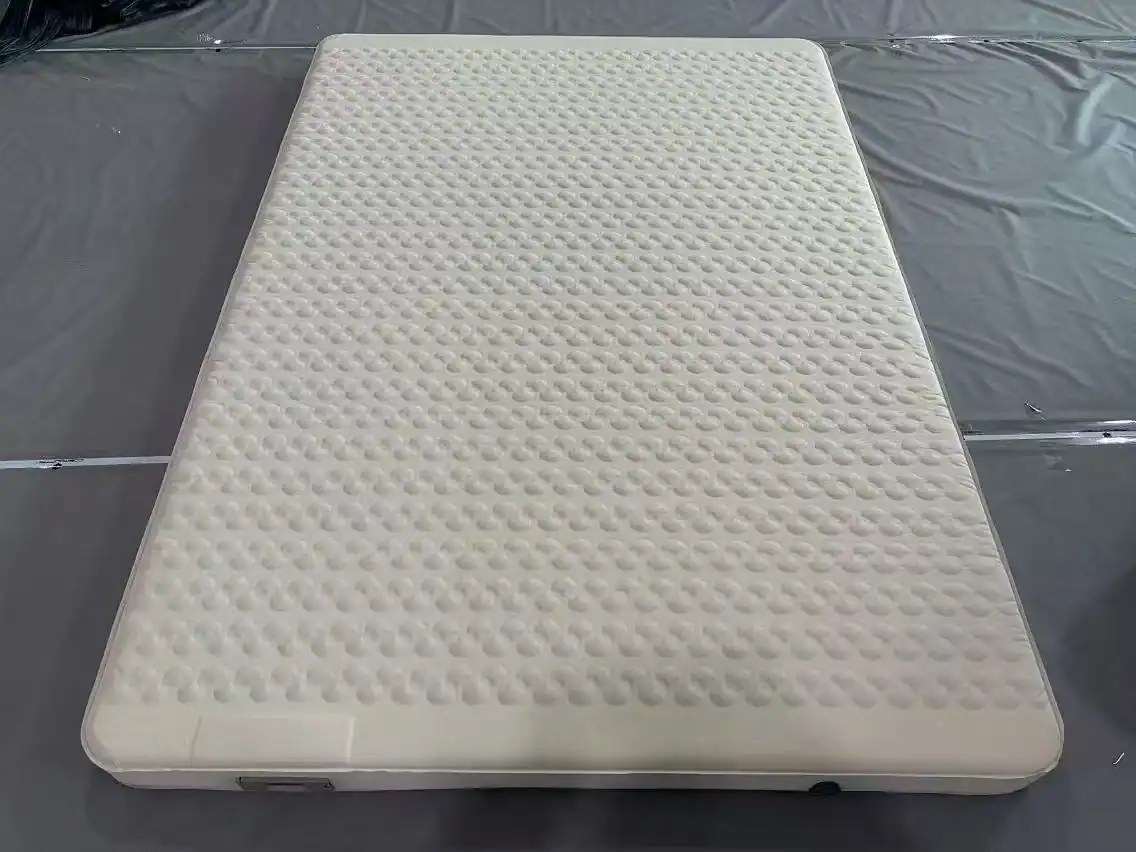
Zippers, Floors, and Anchor Points
과포장은 프레임 변형을 초래하고 지퍼 정렬을 어긋나게 하여, 30초 만에 체결되야 할 지퍼를 현장 수리가 필요한 문제로 만들 수 있습니다.
에어베드가 과도하게充气되면 아치가 평평해지고 도어 패널이 원래 위치에서 벗어납니다. 지퍼 레일이 맞물리지 않고 슬라이더가 끼어서, 구매자는 ‘불량 지퍼’ 반품을 요청합니다. 하지만 지퍼本身이 문제가 아니라 프레임 형상이 잘못되었던 것입니다. 에어 manifold의 압력 릴리프 밸브가 과포장 현상을 근본적으로 차단합니다.
도어 지퍼 응력 코너
지퍼 하단 모서리에 보강 테이프를 추가하는 데 드는 비용은 적지만, 가장 큰 응력이 집중되는 부위의 패브릭 신장을 방지합니다. 하단 모서리에서 지퍼가 끼는 현상은 보통 슬라이더 파손이 아니라 변형된 패브릭 때문입니다. 보강 테이프와 압력 릴리프 밸브를 동일한 사양선에 명시하지 않으면, 공장은 원가 절감을 위해 둘 중 하나를 생략할 수 있습니다.
bathtub 바닥 용접: 패브릭이 아닌 접합부를 점검하십시오
bathtub 바닥의 강도는 사이드월과의 용접 접합부 품질에 달려 있습니다. 전체 둘레에 걸쳐 연속적이고 균일한 용접 폭이 기본 기준입니다. 대부분의 ‘인플레이터블 텐트 누수 수리‘ 검색 결과는 바닥 패브릭의 구멍이 아니라 이 용접부에 기인합니다.
- 용접 검사: 바닥에서 벽까지 일정한 너비의 연속 용접을 요하며, 누락되거나 얇은 용접 부분은 부적합 처리합니다.
- 배수 간격: 문 바닥이 지퍼 라인에 물이 고이는 대신 지퍼 라인 너머로 물이 빠져나갈 수 있는지 확인합니다.
- 지퍼 바닥 밀폐: 지퍼 레일이 웅덩이 물 영역 내부가 아닌 바닥 용접 라인 위에 위치하는지 확인합니다.
가드아웃 루프: 하중 경로는 무엇보다 중요합니다
가드아웃 지점은 텐트에 가장 높은 풍하중을 받습니다. 일반 원단에 스티치만으로 붙인 루프는 몇 밤의 거친 바람에만 반복되어 찢어집니다. 보강 웨빙 패널을 뒷받침하는 바틱 처리된 루프를 지정하고, 각 루프를 에어 빔intersection 위에 배치하여 하중이 슬리브 원단만 말고 에어 빔 구조물로 전달되도록 해야 합니다.
이 세 가지 세부 사항이 성공적으로 판매되는 컨테이너와 리버스_chargeback을 유발하는 컨테이너를 가릅니다. Kelyland의 QC 플로우에서는 모든 생산 단계에 스티칭, 메커니즘, 전반적 준수성 검사가 포함됩니다.닝보 소재 핵심 텐트 공장은 연간 800,000대 규모로 ISO 9001:2015를 준수합니다. 이것이 발송되는 배치와 반품되는 배치의 차이입니다.

Factory Tests That Predict Real Field Life
24시간 동안 90% 압력 유지 기준은 공장 등급 에어 텐트와 소매용 일회용 텐트를 가르는 선입니다.
텐트는 시각 검사는 통과해도 밤 16일에 실패할 수 있습니다. 이것이 바로 풍선 텐트 Kelyland 네트워크 내 모든 24시간 압력 유지 테스트 단위 출고 전. 빔을 정격 PSI까지 공기 주입 후 아무것도 대지 않고 그대로 둡니다. 24시간 이후 압력이 90% 미만으로 떨어지면 밸브 용접 또는 이음 tape에 육안으로 확인 불가능한 미세 누출이 있는 것입니다.
-10°C 한랭챔버 테스트
온도 물리학은 보이지 않는 치명적 요인입니다. 20°C 공기 중 10 PSI 상태인 빔은 -10°C에서 약 8 PSI까지 하강합니다. 한밤중에 보충하면 아침에는 14 PSI로 오르게 되고, 이 급격한 압력 상승이 밸브 용접을 파괴합니다. Kelyland의 공장 네트워크에서는 TPU 빔을 -10°C 챔버에서 공기 주입 및 구부림 테스트하여 유연성이 유지되는지 확인합니다. PVC는 경화되어 용접부에 스트레스를 가하고 이 테스트에서 실패합니다.
슬리브 마모: 10,000회 마찰 사이클
현장의 대부분 핀홀은 찔림으로 시작되지 않습니다. 강풍 상태에서 에어 빔이 패브릭 슬리브 내부에서 펌핑되며, 15~20일 동안의 강한 바람 이후 슬리브 내측 이음 tape가 마모됩니다. 이것이 바로 Kelyland가 두꺼운 빔이 아닌 하중 지지 이음 sepanjang 고정된 마모 방지 스트립을 적용하고, 이를 10,000회 사이클 마찰 테스트로 검증하는 이유입니다. 이 테스트는 장기간 현장 사용 수명의.
TPU/PVC 슬리브 자외선 노화
자외선 노출은 슬리브 원단과 빔 재질 모두를 분해시킵니다. 폴리에스터와 TPU는 PVC와 다르게 노화되며, 그 결과는 색상 바램, 원단 부식, 또는 용접 부스러짐으로 나타납니다. Kelyland의 협력 공사는 고객이 주문한 정확한 원단-빔 조합에 대해 자외선 노화 테스트를 수행하며, 이로 인해 QC 보고서는 실험실 샘플이 아닌 실제 생산ロット와 일치합니다.
- 테스트 리포트 요청: exact 빔 PSI, 주변 온도, 시간 간격을 명시한 압력 유지 기록을 요구하십시오. 모호한 인증서는 테스트가 이루어지지 않았음을 의미합니다.
- 한랭 기후용 TPU 사양: PVC는 해변 텐트에는 적용될 수 있지만 -10°C 구부림 테스트에서는 실패합니다. 대량 생산 전에 제품 라인에서 필요한 소재를 반드시 확인하십시오.
- 방마 슬리브 요구: 고정식 마모 스트립과 10,000회 사이클 마모 리포트는 빔 슬리브가 핀홀 없이 바람에 견딜 수 있음을 보여주는 구체적인 증거입니다.
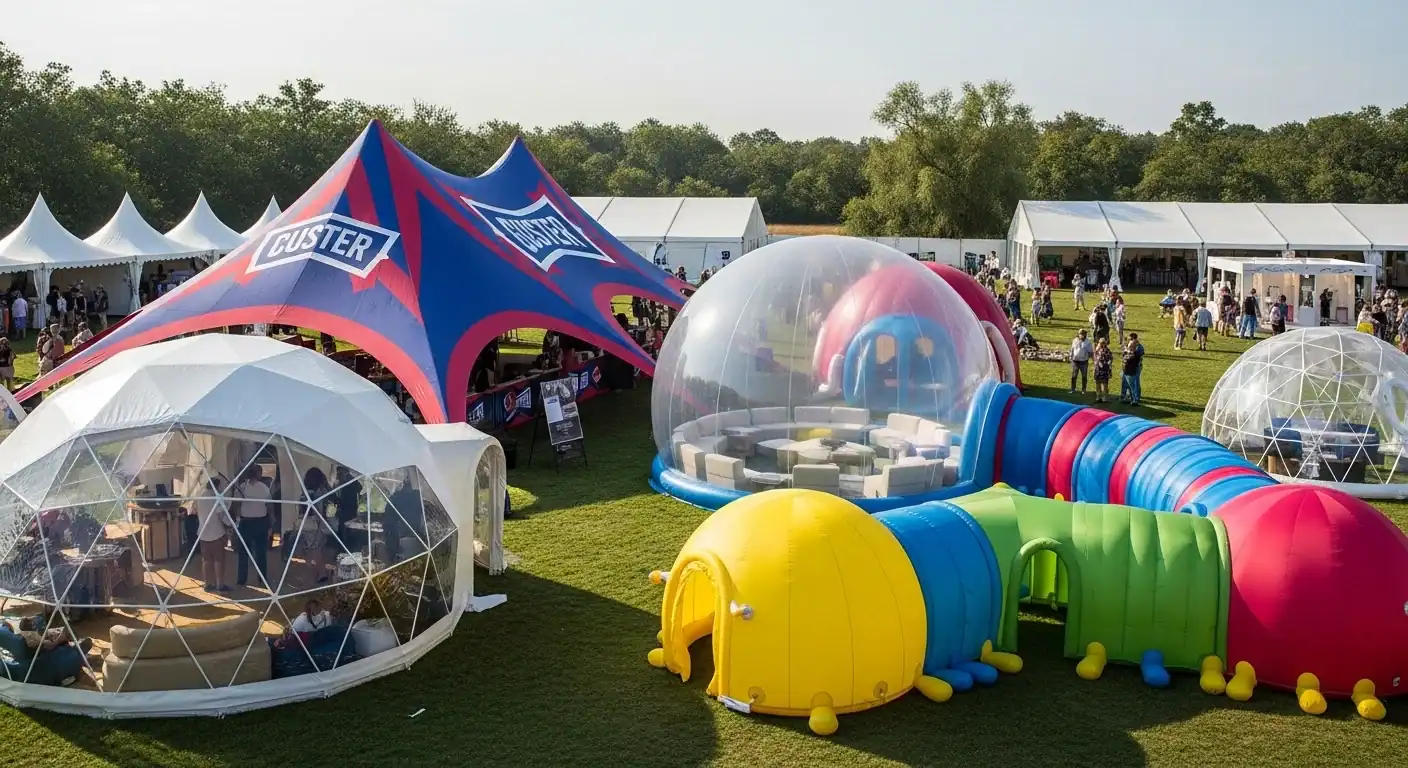
Sourcing Custom Inflatable Tents (OEM/ODM)
맞춤형 인플레이트 텐트 사양서에는 압력 방출 밸브와 내마모성 슬리브를 명시하세요.
소싱 시작 custom inflatable tent 실패 사례부터 시작합니다. 직물 샘플이 아닌, 밸브 용접 균열, 내부 슬리브 마모, 결로 현상 등은 샘플 제작 이전 설계와 자재 결정에 의해 확정됩니다. 소싱 관리자의 역할은 시제품 단계에서 이러한 결정 사항을 명확히 하는 것입니다.
설계, 시제품 제작 및 샘플 승인
OEM/ODM 시작은 기술 명세서에서 출발합니다: 빔 직경, 압력 등급, 원단 데니어, 코팅, 밸브 위치, 구 아웃 포인트. Kelyland의 공정은 수요 수집부터 설계 제안서 및 시제품 제작까지, 그리고 양산 전까지 이어집니다. 샘플 승인 여부 판단이 핵심이며, 이 단계에서 숨겨진 커스터마이징 비용도 드러납니다.
다음에 대해 문의하세요 선생산 샘플 슬리브 내부의 내마모성 웨어 스트립, pressure-relief valve 매니폴드에 장착된, 보강된 밸브 용접. 부분을 확인합니다. 샘플에 이러한 디테일이 없으면, 양산품에도 반드시 동일하게 적용됩니다.
재료 및 코팅 선택
빔 재질은 내구성을 좌우하는 가장 중요한 요소입니다. TPU는 -10°C에서도 유연성을 유지하지만, PVC는 저온에서 경화되어 용접부에 무리를 줍니다. 겨울 또는 고지대용 제품 라인에는 TPU를 지정하고 다음 냉동 시험 보고서를 요청하세요. 방수를 위해 PU 또는 실리콘 코팅 처리된 리프스탑 폴리에스터 플라이를 사용하고, 자외선 차단이 중요한 곳에는 블랙 코팅을 적용합니다.
MOQ, 납기일, QC 및 물류
Kelyland는 일부 인플레이터블 텐트 모델을 50~100개부터 시작하며, 일반적인 맞춤 제작 주문은 300~1,000개부터 가능합니다. 생산은 ISO 9001:2015 인증을 받은 17개 핵심 전략 공장 및 200개 이상의 협력 제조 파트너 네트워크에서 진행됩니다. 납기일은 평균 30~45일이며, 지불된 샘플 비용은 대량 주문 확정 시 환불해 드립니다.
24시간 압력 유지 시험(최소 90%)과 10,000회 사이클 슬리브 마모 시험을 요청하십시오. 선적 전 검사 보고서를 요청하고 컨테이너 출하 전 FOB 가격과 수출 서류를 명확히 하세요. 시험 데이터 제시를 주저하는 공급업체는 퇴짜를 맞을 충분한 이유를 제공하고 있습니다.
결론
대부분의 구매자는 내관통성을 중요시하지만, 전문가들은 슬리브 내부를 묻습니다. 바람 부는 밤에 빔이 솔기 테이프를 밀어대며, 15~20박 정도의 마찰 후 테이프가 닳고 핀홀이 생깁니다. 바느질로 고정된 내마모성 웨어 스트립은 불량률을 1% 이하로 유지해주는 공장 특유의 디테일입니다.
- TPU 빔과 압력 해제 밸브를 지정하십시오. PVC는 -10°C에서 경화되어 용접부에 무리를 줍니다.
- 24시간 압력 유지 테스트를 요구하십시오: 90% 최소 유지력, 예외 없음.
- 슬리브 마모가 대부분의 구멍 누출을 일으킵니다. 10,000회 마모 테스트를 요구하십시오.
- 유료 샘플은 확정 주문 시 환불되며, 표준 생산 리드타임은 30~45일입니다.
마지막 단계는 이러한 테스트를 계약서에 명시하는 것입니다.充气 텐트 컨셉을 Kelyland에 보내 무료 엔지니어링 검토를 받으세요 — 팀이 냉방 챔버 압력 테스트, 마모 방지 슬리브 구조, 그리고 50~100개부터 시작하는 소량 MOQ 시운전을 보여줄 수 있습니다. 컨테이너 선적 후가 아닌 샘플에 대한 QC 테스트 보고서를 요청하십시오.
자주 묻는 질문
팽창식 텐트는 바람이 많이 부는 조건에서 신뢰할 수 있나요?
네, 에어 빔이 올바르게 가압되고 텐트가 완전히 가이로 고정되었을 때 그렇습니다. 유연한 빔은 강성 폴보다 돌풍을 더 잘 흡수하지만, 공기압이 부족하면 슬리브가 마모될 수 있습니다. 바람 속에서 신뢰하기 전에 규격대로 가압하고 모든 가이 포인트를 고정하십시오.
에어 텐트는 얼마나 오래 사용할 수 있나요?
24시간 압력 유지 시험과 10,000회 슬리브 마모 시험을 실시하는 공장에서 만든 TPU 빔 텐트는 5~10년 사용할 수 있습니다. 약한 용접부를 가진 폴리우레탄 또는 PVC 빔. 생산에 들어가기 전에 공장에 시험 보고서를 요청하세요.
What causes an inflatable tent to deflate overnight?
A temperature drop is the most common cause, not a leak. Air pressure falls roughly 2 PSI when the temperature drops from 20°C to 0°C, so beams look soft by. Top up at bedtime and expect morning softness before suspecting a defect.
Can you repair a punctured air beam in the field?
Small punctures can be patched with the included repair kit, but valve weld failures usually require factory re-welding. If the seam tape inside the sleeve is worn through, the beam needs replacement, not. Carry a spare beam for trips beyond easy replacement.
Should I order spare valves and a pump with my inflatable tent?
Yes, because valve assemblies are the highest-wear component and a factory-matched spare valve saves customs delays and cross-brand fit issues. Order an extra pump only if your beam system uses a non-standard. Match the spare valve SKU to your exact beam spec.

 English
  Español
  Deutsch
  Français
  Português do Brasil
  Русский
  العربية
  한국어
한국어  日本語
日本語