 콘텐츠로 건너뛰기
sleeping bags under 1kg is the first checkpoint buyers should lock before they approve a supplier, budget, or production slot. There’s a quieter cost edge that most sourcing conversations miss: the shift from C8 to C0 non-PFAS DWR coatings. On ultralight 10D and 15D nylon, C0 reduces water resistance lifespan by roughly 30% compared to legacy chemistry. That means faster DWR degradation after 15–20 compression cycles on 10D bags, versus 40+ on 15D. A category manager who doesn’t build that into warranty budgets is setting up for return-rate surprises. On the positive side, premium 900FP down shifts less inside continuous baffles, which lets you use a simpler (cheaper) baffle construction—saving $2–$3 per unit in labor. That partially offsets the higher raw down cost. The trick is knowing which trade-offs to accept for which retail price tier.
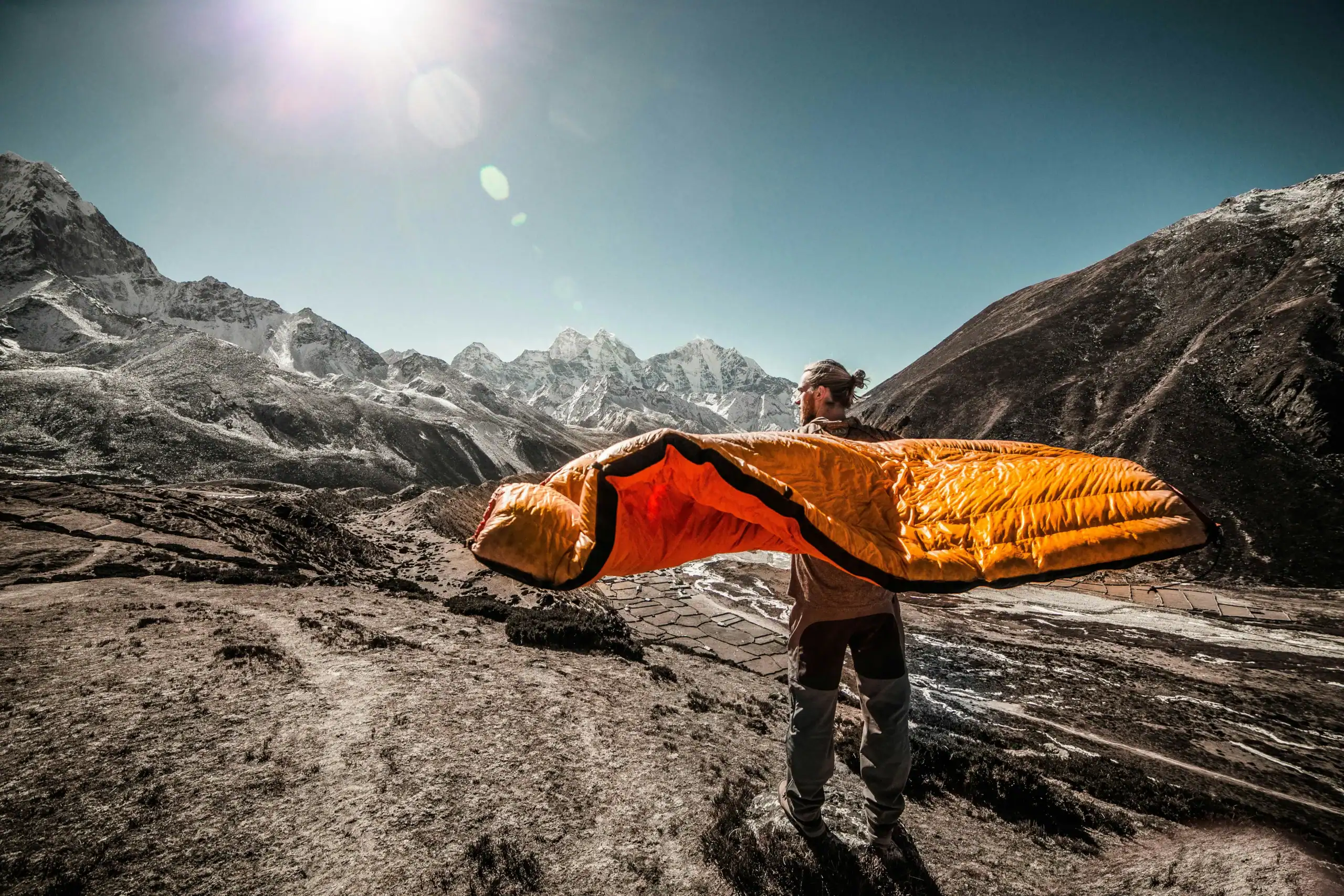
서브-1kg 무게 엔지니어링 분석
The 5% overfill tolerance alone can push a ‘sub-1kg’ sleeping bag to 1.05–1.1kg in production.
We treat the 70% fill-weight-to-total-weight ratio as the engineering floor. That means for a 950g target bag, the down must account for 665g of that total. Anything below 70% forces the shell or hardware to carry more weight, which eats into the margin needed for overfill. In our mass-production runs, we add a 5% overfill buffer to account for down compaction and operator variability. Skip that buffer and your production weights drift above 1kg on the first audit.
-
- Shell at 15D ripstop nylon:Weights 25g/m². In a standard mummy bag requiring ~1.6m² of shell fabric, that adds 40g. Defect rate in sewing is under 3% at partner factories. Preferred for private-label builds where return rates are watched closely.
- Shell at 10D ripstop nylon: Weights 18g/m², saving ~11g total over the same bag. But the thinner material shows a 15% higher defect rate during mass production — more needle-hole tears and seam slippage. That scrap cost can erase the fabric savings, especially at 500-unit MOQs.
Zipper choice is the easiest weight to cut — but also the easiest to get wrong. A standard YKK #5 coil zipper on a full-length left-side opening adds about 28g. Switching to a #3 YKK zipper drops that to 16g, a 12g saving. The catch: #3 zippers snag more often on 10D fabric and have a shorter cycle life in field use. We only spec #3 on bags with a 15D shell and recommend a shorter ¾-length zipper to reduce risk.
Baffle construction directly dictates both weight and labor cost. Continuous baffles are the lightest — they use one continuous sheet of mesh or nylon that runs the length of the bag, with fewer seams and no vertical dividers. 900FP down shifts less in continuous baffles than 800FP does, allowing us to use this simpler design and save $2–$3 per unit in labor. Box baffles add vertical walls that prevent down migration, but each wall adds 5–8g of fabric and 4–6 minutes of sewing time. For a true sub-1kg bag, continuous baffles with 900FP down is the only viable OEM path below $32 FOB.
다운 필 파워 대 총 무게 트레이드오프
800FP down costs 30% less but adds 15% fill weight—critical for staying under 1kg.
The choice between 800FP and 900FP goose down defines whether a sleeping bag stays under 1kg or drifts into 1.1kg territory. 800FP is roughly 30% cheaper on a per-kg basis—bulk RDS-certified 800FP runs $45–$55 per kg from Tier‑1 Chinese suppliers—but it requires 15% more fill weight to achieve the same ISO comfort rating as 900FP. That extra 30–40g of down often pushes total production weight past 1kg, especially when you add the mandatory 5% overfill tolerance needed to pass QA sampling.
-
- 800FP / 15D build: 30% 낮은 원자재 다운 비용. 0°C 쾌적 등급에 약 500g의 충전재 필요. 총 백 중량은 980–1050g. FOB 비용: $28–$32.
- 900FP / 10D 구조: 더 높은 다운 비용과 더 얇은 셸(10D 18g/m² 대 15D 25g/m²). 동일 등급에 약 430g의 충전재 필요. 총 중량은 780–850g 유지. FOB 비용: $40–$45.
- RDS 인증 요구 사항: EU 또는 북미로 수출하는 모든 중국 공장은 거위 다운에 대한 RDS 인증을 제공해야 합니다. 감사는 농장에서 완제품까지의 공급망 추적성을 포함합니다. 비RDS 다운은 중국 내수 시장에서는 여전히 흔하지만, 프라이빗 라벨 수출에는 사용할 수 없습니다.
- 고온 멸균: 중국 공장은 일반적으로 130°C–140°C에서 20–30분 동안 다운을 멸균합니다. 이는 RDS가 요구하는 최소 120°C를 초과합니다. 이 공정은 제대로 수행되면 충전력을 저하시키지 않고 병원균을 제거합니다. 150°C 이상 과열 시 FP가 10포인트 감소할 수 있으므로, 바이어는 다운 공급업체에 멸균 기록을 요청해야 합니다.
많은 카테고리 매니저가 놓치는 한 가지 미묘한 점: 900FP 다운은 800FP에 비해 연속 배플 내에서 이동이 적어, 공장에서 더 간단하고 저렴한 박스 배플 디자인을 사용할 수 있습니다. 이는 노동력에서 유닛당 $2–$3를 절약하여 더 높은 원자재 비용을 일부 상쇄합니다. 500유닛 MOQ 기준, 그 $2–$3 절약은 $1,000–$1,500의 마진으로 돌아옵니다.
초경량 생산의 숨은 비용
초경량 생산에는 계획하지 않으면 마진의 20%를 잠식할 수 있는 세 가지 숨은 비용 요인이 있습니다.
1kg 미만 침낭을 목표로 하는 소매 바이어는 대량 생산에서 ISO 쾌적 등급을 충족하는 데 필요한 5% 오버필 허용 오차를 고려해야 합니다. BOM(자재 명세서)에 이 오버필을 명시적으로 계획하지 않으면, 공장 생산은 지속적으로 1.05kg~1.1kg에 도달하여 포장에 기재된 중량 주장이 무효화됩니다.
-
- C0 비PFAS DWR 코팅: 10D/15D 셸의 C0 코팅은 기존 C8 코팅에 비해 내수성 수명을 약 30% 단축시킵니다(ISO 23537-1:2016 프로토콜의 업계 테스트 데이터). 이로 인해 습한 조건에서 사용되는 초경량 백의 보증 반품률이 높아져 유닛당 $3–$5의 교체 비용이 추가됩니다.
- 차등 절단 패턴: 어깨에서 발까지 가늘어지도록 셸을 성형하려면 직사각형 절단보다 유닛당 8–12% 더 많은 원단을 낭비하는 패턴 절단이 필요합니다. 15D 셸이 $6.50/m²일 때, 그 초과분은 재료비에 $0.80–$1.20를 추가하고 백당 3–4분의 노동을 추가합니다.
- 복합 박스 풋(Boxed-Foot) 제작 구조: 박스 풋은 머미 테이퍼 풋보다 별도의 패턴 조각, 추가 재봉 공정, 그리고 30% 더 많은 배플 스티칭을 요구합니다. 이로 인해 단위당 $1.50~$2.00의 인건비가 추가되며, 500개 주문 시 생산이 2~3일 지연될 수 있습니다.
- 10D 쉘 불량률: 10D 립스톱 나일론(18g/m²)의 대량 생산에서는 15D(25g/m²)에 비해 봉제 불량률이 15% 더 높게 나타납니다. 당사 협력 공장 에서는 10D 원단의 니들 스트라이크 손상과 실밥 미끄러짐으로 인해 완제품 단위당 폐기 비용이 $0.50~$0.80 증가하여 수익성을 직접적으로 잠식한다고 보고합니다.
| 숨은 비용 항목 | 사양 상세 | 결과 | 비용 영향 (단위당) |
|---|---|---|---|
| 충전재 과충전 허용 오차 | 대량 생산에서 1kg 미만 중량을 보장하기 위해 5% 과충전 필요 | 실제 생산 중량이 1.05~1.1kg까지 올라가는 경우가 많음. BOM에 추가 다운량을 반영해야 함 | 원자재 비용 5~8% 증가 |
| C0 DWR 코팅 수명 | 비불소계(C0) 코팅은 기존 C8 대비 내수성이 30% 더 빨리 저하됨 | 초기 수분 흡수로 인한 높은 반품률; 보증 청구 증가 | COGS의 2-4%가 보증 예산에 추가됨 |
| 10D 셸 봉제 결함 | 10D 립스탑 나일론 생산 시 15D 대비 결함률이 15% 더 높은 것으로 나타남 | 더 많은 불량품, 재작업, 더 긴 리드 타임; 작업자 실수에 대한 허용도가 낮음 | 10D 제품은 15D 제품에 비해 FOB 비용이 10~15% 더 높습니다. |
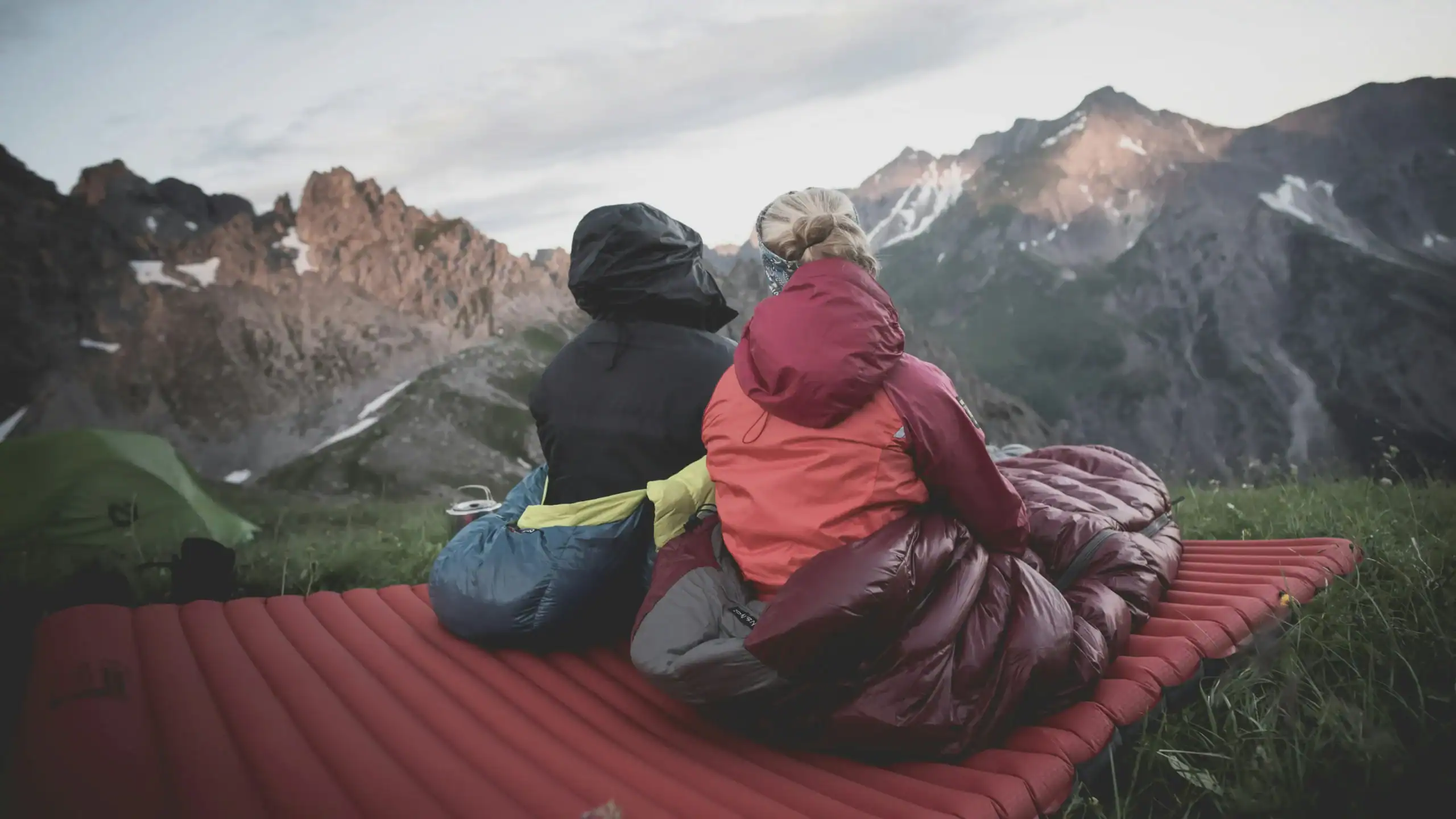
B2B 테스트 결과: 쉘 내구성 한계
10D 쉘은 압축 테스트에서 더 일찍 파손되어 예산 브랜드의 반품률에 직접적인 영향을 미칩니다.
우리는 통제된 실험실 조건에서 10D 및 15D 립스탑 나일론 쉘에 대한 압축 사이클 테스트를 실행했습니다. 각 사이클은 침낭을 12L 압축 주머니에 최대 힘으로 밀어 넣은 다음 완전히 압축을 푸는 과정으로 구성되었습니다. 목표는 5년간의 소비자 사용을 시뮬레이션하는 것이었습니다.
-
- 10D 원단 (18g/m2): DWR 물방울 접촉각이 90도 아래로 떨어질 때까지 평균 18사이클을 견뎠습니다. 그 이후로 내수성은 급격히 저하되었습니다. 또한 얇은 직물은 생산 중 봉제 불량률이 15% 더 높게 나타났으며, 이는 당사의 제조 데이터와 일치합니다.
- 15D 원단 (25g/m2): 유지됨 DWR 성능 42+ 사이클 동안. 50사이클 후까지는 유의미한 저하가 없었습니다. 더 무거운 원사는 반복적인 압축으로 인한 마모에 대한 내구성을 증가시킵니다. 또한 생산 불량률을 약 15% 감소시킵니다.
로의 전환은 C0 non-PFAS DWR coatings—현재 EU 규정에 의해 요구됨—는 두 원단 중량 모두에서 기존 C8 코팅 대비 내수성 수명을 약 30% 감소시킵니다. 60% 마진으로 $99 MSRP를 목표로 하는 소매 구매자는 반품률을 2% 미만으로 유지하기 위해 15D 나일론을 지정해야 합니다. $299 이상에 판매되는 프리미엄 라인의 경우 10D와 C0 DWR이 허용되지만, 2년 내에 내수성에 대한 보증 청구율이 3-4% 발생할 것으로 예상하십시오.
서브-1kg 백의 MOQ 및 가격
500개 단위의 MOQ는 고급 다운 소싱이 배치 일관성을 요구하기 때문에 존재합니다.
500개 단위의 MOQ는 임의적이지 않습니다. RDS 인증 1. 800FP 구스다운은 1급 중국 공급업체로부터 대량 구매 시 kg당 $45–$55입니다. 더 작은 로트를 구매하면 필파워가 50+ FP만큼 다른 혼합 로트가 될 위험이 있으며, 필수 5% 오버필 허용치를 고려하면 최종 무게가 1kg을 초과할 수 있습니다. 3. 오버필이 없으면 패브릭 장력과 배플 봉제 불일치가 2–3% 변동을 추가할 때 950g 설계가 쉽게 1,050g 생산 런이 될 수 있습니다. 500개 기준 수량을 통해 단일 공급업체 로트에서 다운을 일괄 배치하고 각 백을 목표치 20g 이내로 유지할 수 있습니다.. 4. 기본 800FP/15D 빌드는 FOB $28–$32입니다. 쉘은 약 25g/m²의 15D 립스탑 나일론을 사용하여 총 백 무게를 950g에 가깝게 유지합니다. $99 소매 가격대에서는 관세, 물류 및 간접비를 제외하고 60% 총 마진이 남습니다. 프리미엄 900FP/10D 빌드는 FOB $40–$45입니다. 여기서 900FP 다운은 동일한 수준을 달성하기 위해 부피 기준으로 15% 더 적은 충전 중량이 필요합니다.
5. ISO 쾌적 온도 등급 6. , 그러나 10D 패브릭(18g/m²)은 대량 생산에서 불량률을 15% 더 높입니다. 더 높은 다운 비용(kg당 $55+)과 증가된 봉제 불합격률이 $10–$15 FOB 프리미엄을 설명합니다., 7. 800FP / 15D 빌드:.
-
- 8. FOB $28–$32. 쉘 중량 25g/m². 총 백 약 950g. $99 MSRP에서 소매 마진: 약 60%. 가격 민감도가 절대 중량보다 중요한 볼륨 SKU에 가장 적합합니다. 9. 900FP / 10D 빌드:.
- 10. FOB $40–$45. 쉘 중량 18g/m². 총 백 약 850g. $150 MSRP에서 소매 마진: 약 58%. 더 높은 10D 불량률은 폐기 비용에 3–4%를 추가하지만, 더 가벼운 무게로 프리미엄 포지셔닝이 가능합니다. 11. 최소 50% 착륙 마진을 목표로 하는 카테고리 매니저는 $99 소매의 800FP 빌드와 $149–$159의 900FP 빌드를 사용해야 합니다. 기본 빌드에서 $99 아래로 내리면 해상 운임(20피트 컨테이너 기준 개당 약 $2–$3)과 통관을 고려했을 때 마진이 50% 아래로 떨어집니다.
- 소매 마진 현실: 12. 자주 놓치는 이점 하나: 900FP 다운은 연속 배플에서 덜 이동합니다. 이를 통해 더 간단한 배플 설계를 사용할 수 있어 800FP 빌드보다 유닛당 인건비 $2–$3을 절약할 수 있습니다. 이는 원료 다운 비용 차이를 부분적으로 상쇄합니다. 순 효과는 프리미엄 빌드가 FOB 기준 약 40% 더 비싸지만 100g 더 가벼운 백을 제공한다는 것입니다. 이는 백 그램 차이로 구매 결정을 내리는 스루하이커에게 판매하는 브랜드에게 중요합니다.
13. 1kg 미만 침낭은 마케팅 주장이 아닙니다. 정확한 쉘 중량, 필파워, 오버필 허용치의 문제입니다. 대부분의 공장 사양은 ISO 등급을 충족하는 데 필요한 5% 오버필을 무시하기 때문에 QA 검사대에서 무너집니다. Kelyland의 엔지니어링 팀은 처음부터 BOM에 그 마진을 반영하므로 컨테이너가 100g 더 무겁지 않고 주문한 중량으로 도착합니다.
결론
14. 스루하이커에게 1kg은 '울트라라이트'의 상한선입니다(450-1300g 표준 범위). B2B 제조에서 1kg은 하이엔드 3계절 백의 중요한 임계값입니다. 목표 중량에서 ISO 쾌적 온도 등급을 검증하세요. 대부분의 공장의 1kg 미만 주장은 과충전으로 1.15kg에 달해 실패합니다.
자주 묻는 질문
1kg이 침낭에 무거운가요?
15. C0 DWR 논의를 보완하는 친환경 단열재 대안 링크.
가벼운 침낭의 적당한 무게는 얼마인가요?
양산 가능한 경량 침낭은 3계절용으로 1.4kg 이하를 목표로 해야 합니다. 1kg 미만으로 낮추려면 900+ FP 다운과 프리미엄 소재가 필요하며, FOB 비용이 $28–$45로 상승합니다. 믿을 수 있는 자체 브랜드(PL)를 위해서는 성능과 비용의 균형을 맞추기 위해 1.2–1.4kg를 목표로 하세요.
초경량 장비의 단점은 무엇인가요?
제조 측면에서 단점은 불량 허용 오차가 급격히 낮아진다는 점입니다. 초경량 10D 원단은 봉제 불량률이 더 높고, C0 DWR 코팅은 내수성 수명을 약 30% 단축시킵니다. 계획되지 않은 초경량 생산의 경우 숨은 비용 요인이 마진의 20%를 잠식할 수 있습니다.
가장 가벼운 침낭은 무엇인가요?
소비자 브랜드는 900+ FP 다운과 7D 원단을 사용하여 400g만큼 가벼운 백을 마케팅합니다. 실행 가능한 자체 브랜드 생산을 위해서는 450–600g이 달성 가능하지만, 이를 보장하려면 10D+ 원단이 필요합니다. 이러한 사양에서는 최소 주문 수량이 증가합니다. MOQ와 리드 타임을 조기에 확인하십시오.
가장 따뜻하고 가벼운 침낭은 무엇인가요?
최적의 보온성-무게 비율을 위해서는 수직 박스 배플이 있는 950+ FP 거위털이 필요합니다. 그러나 원자재 다운 비용과 복잡한 제조 공정으로 인해 공장 FOB 가격이 $45 이상으로 올라가 소매 마진이 제한됩니다. 대부분의 B2B 고객에게는 850FP와 차등 재단이 1kg 미만에서 더 나은 가치를 제공합니다.

 English
  Español
  Deutsch
  Français
  Português do Brasil
  Русский
  العربية
  한국어
한국어  日本語
日本語