 콘텐츠로 건너뛰기
캠핑 테이블 소재는 바이어가 공급업체, 예산, 생산 슬롯을 승인하기 전에 반드시 확정해야 하는 첫 번째 체크포인트입니다. 사양서에는 분체 도장 강철이라고 적혀 있고, 하중 등급은 60kg입니다.. 컨테이너에 도착한 제품은 멀쩡해 보입니다. 6개월 후, 고객들이 모든 다리 용접 이음매에서 녹이 번지는 사진을 올리기 시작합니다. 샘플 승인을 외관 일치만으로 통과시켜 밀어붙인 그 $50K 주문은 다음 시즌 카테고리 마진 재난으로 변했습니다.
제품 페이지에 입력된 내용과 실제 야외 사용에서 살아남는 것 사이의 그 간격이 바로 캠핑 테이블 소재 소싱의 실제 작업이 이루어지는 곳입니다. 알루미늄은 녹이 슬지 않지만, 값싼 주조 코너는 경고 없이 부러집니다. 강철은 더 무거운 하중을 견디지만, 인산염 전처리를 건너뛰면 용접 스패터가 부식의 미세한 닻 역할을 합니다. 방수라고 표시된 목재 테이블 상판은 종종 종이 베니어를 덧댄 15mm MDF를 사용하는데, 비에 노출된 지 24시간 이내에 가장자리 팽창이 시작되고 이어서 박리가 발생합니다.
마케팅 주장이 아닌 고장 모드 데이터가 필요합니다. 양극 산화 처리 마감이 된 적절히 규격화된 알루미늄 압출재는 3시즌을 빨간 녹 하나 없이 견딥니다. 72시간 염수 분무 시험을 통과하는 강철 프레임은 현장에서 실패하고 <2% KPI 임계값을 초과하는 반품률을 유발하는 것보다 초기 비용이 더 저렴합니다.
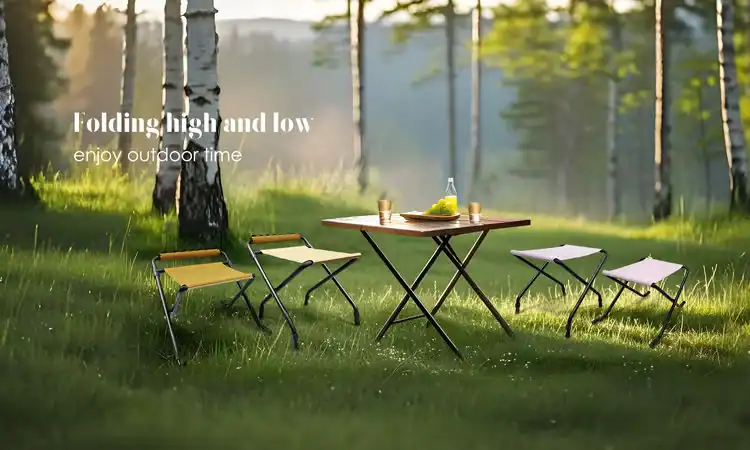
강철 캠핑 테이블 프레임이 용접 이음매에서 녹이 슬어나는 이유
분체 도장은 용접 스패터 지점에서 균열이 발생합니다.
강철 캠핑 테이블 프레임은 전시장에서는 튼튼해 보입니다. 매끄러운 분체 도장, 균일한 색상, 눈에 보이는 결함 없음. 6개월 후, 고객이 모든 용접 이음매에서 주황색-빨간색 녹이 흘러내리는 사진을 보냅니다. 프레임은 긁히거나 찌그러지지 않았습니다. 코팅은 가장 중요한 지점에서 그저 실패한 것입니다.
분체 도장 균열 문제
용접 스패터는 강철 표면에 미세한 돌출부와 요철을 남깁니다. 분체 도장은 이러한 요철 위로 흐르지만 돌출 지점에서는 더 얇은 막을 형성합니다. 접거나 운반하는 동안 기계적 굽힘 하에서 그 얇은 부분이 먼저 균열됩니다. 아침 이슬이나 가벼운 비의 수분이 틈새로 스며들어 맨 강철에 도달합니다.
공장이 인산염 전처리를 건너뛰었다면 강철과 코팅 사이에 보호 변환층이 없습니다. 붉은 녹은 몇 달이 아니라 몇 주 안에 시작됩니다. 부식은 손상되지 않은 분체 도장 아래에서 측면으로 퍼져 두 번째 시즌에 시트 형태로 박리를 일으킵니다.
인산염 처리 및 염수 분무 시험 규격 지정 방법
OEM 계약서에 명시하십시오: 모든 강철 프레임은 분체 도장 적용 전에 아연 또는 철 인산염 처리를 거쳐야 합니다. 그런 다음 용접 조립 샘플에 대해 ASTM B117(또는 이와 동등한 규격)에 따른 중성 염수 분무 시험을 요구하십시오.
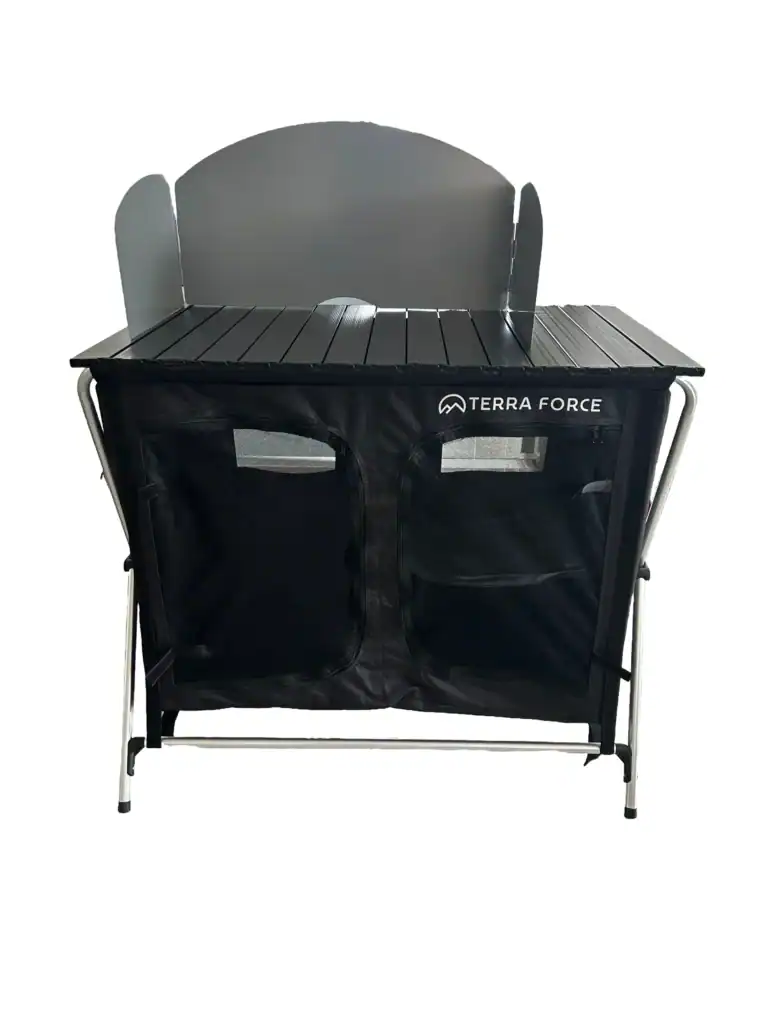

알루미늄 압출재: 녹이 슬지 않는 옵션이지만 합금 등급을 주의하세요
아노다이징 처리된 6061 압출재는 녹에 강합니다. 반면 주조 코너는 경고 없이 균열이 발생합니다.
캠핑 테이블에서 알루미늄 프레임 논쟁은 결국 한 가지 질문으로 귀결됩니다: 압출(extruded)인가, 주조(cast)인가? 아노다이징 처리된 6061 압출 프로파일은 부식 면역성과 예측 가능한 '휘어짐 후 파단' 파괴 모드를 제공합니다. 반면 값싼 알루미늄 주조 코너는 취성(脆性)이 강하고 결정립 구조가 불균일합니다. 반복 하중이 집중되는 접이식 힌지 지점에서 사전 변형 없이 균열이 발생합니다.
6061 압출 프로파일 vs 알루미늄 주조 코너
압출 6061 프로파일은 다이를 통과해 인발되어 균일한 결정립 구조를 형성하므로, 하중을 받으면 산산이 부서지는 대신 휘어집니다. 주조 코너는 용융 알루미늄을 금형에 부어 만드는 과정에서 내부 기공과 불균일한 냉각으로 응력 집중부가 발생합니다. 그 결과: 90kg 손님이 테이블에 기대면 시즌 중반에 다리 힌지가 부러집니다. Kelyland의 캠핑 테이블 협력 공장과 같은 우수한 OEM 네트워크는 최소 1.5mm 벽 두께와 아노다이징 마감을 기본 사양으로 하는 6061 압출 알루미늄을 사용합니다. 이는 녹을 완전히 제거하고 구조적 파괴 전에 육안으로 확인 가능한 경고 신호를 제공합니다.
-
- 압출 6061: 균일한 결정립, 파괴 전에 육안으로 휘어짐 확인 가능, 아노다이징 후 녹 없음. 주요 다리는 1.5mm 이상의 벽 두께 필요.
- 알루미늄 주조 코너: 취성이 강하고 내부 기공이 발생하기 쉬우며, 경고 없이 힌지 지점에서 균열이 발생합니다. 공급업체가 피로 사이클 데이터를 제공하는 경우에만 허용하십시오.
하중 용량 및 벽 두께 규칙
모든 주요 다리 압출재에 대해 최소 벽 두께 1.5mm를 설정하십시오. 그보다 얇으면 정격 하중에서 영구 변형이 발생할 위험이 있으며, 특히 지면이 고르지 않은 경우에 위험합니다. 압출 프로파일은 치명적인 파괴 전에 육안으로 휘어짐이 보여 사용자에게 경고 신호를 제공합니다. 주조 코너는 경고 없이 부러집니다. “헤비 듀티(heavy-duty)”로 마케팅되는 테이블의 경우 1.8mm 벽 두께와 각 다리-테이블 상판 연결부에 삼각형 측면 브레이스를 요구하십시오. 이 구조는 전단 응력을 대부분의 파손이 시작되는 힌지에서 분산시킵니다.
다리 잠금 장치 조립체는 코너 조인트 다음으로 가장 흔한 두 번째 파손 지점입니다. 신뢰할 수 있는 OEM 공급업체는 삼각형 측면 브레이스가 있는 다리 잠금 장치를 프로토타입으로 제작하고, 양산 승인 전에 10,000사이클 잠금 테스트와 정격 하중의 2배에 해당하는 단일 다리 정적 하중 테스트를 실시합니다. 공급업체가 해당 테스트 보고서를 제공할 수 없다면, 다리 잠금 장치는 테이블 상판보다 먼저 고장날 것입니다.
결론
불량 캠핑 테이블 배치의 실제 비용은 단가가 아닙니다. 첫 비가 오는 주말 이후 급증하는 반품률, 200건의 보증 클레임 처리로 인한 마진 잠식, 그리고 사용 중 고객의 테이블 다리가 휘어지면서 발생하는 브랜드 손상이 진짜 비용입니다. 이제 이를 방지하기 위한 공장 현장 사양을 확보했습니다: 강철에 인산염 전처리를 요구하고, 명시하십시오 압출 6061 알루미늄 1.5mm 벽 두께를 갖추어야 하며, PUR 엣지 밴딩과 24시간 침수 테스트 보고서가 없는 목재 테이블 상판은 거부하십시오.
- 다리 잠금 장치가 가장 먼저 고장납니다—인증된 10,000사이클 내구성 테스트를 요구하십시오.
이러한 검사를 건너뛰는 것은 입고 검사에서는 좋아 보이지만 정확히 계절별 재주문 시점인 6개월 후에 반품을 발생시키기 시작하는 테이블 배치를 수용하는 것을 의미합니다. 다음 단계는 간단합니다. 현재 공급업체 사양서를 이러한 자재 및 테스트 기준과 대조해 검토하십시오. 만약 귀하의 OEM 파트너 공급업체가 염수 분무 시험 보고서나 엣지 밴딩 기계 인증서를 보여줄 수 없다면, Kelyland Outdoors의 캠핑 테이블 라인과 같은 검증된 대안을 비교할 때입니다. 이 라인은 첫날부터 모든 생산 공정에 이러한 기준을 적용합니다.
자주 묻는 질문
알루미늄 캠핑 테이블은 녹이 슬지 않나요?
네, 양극산화 처리된 6061 알루미늄 압출재는 강철과 달리 완전히 녹에 강합니다.
캠핑 테이블에 가장 좋은 재질은 무엇인가요?
아노다이징 마감된 알루미늄 6061은 내식성, 경량(2.5–4.5kg), 그리고 30–50kg의 적재 용량 간에 최상의 균형을 제공합니다. 더 높은 적재 요구가 있다면, 강철 Q195/Q235가 50–80kg을 처리할 수 있습니다. 내구성을 원한다면 알루미늄을 선택하고, 엄격한 방청 사양을 적용할 수 있는 경우에만 강철을 선택하세요.
제 테이블 다리는 왜 한 시즌이 지나면 녹이 슬까요?
용접 스패터 지점에서 분체 코팅이 균열되어 수분이 노출된 강재에 도달할 수 있습니다. 공장에서 아연 인산염 전처리를 생략하면 한 시즌 이내에도 코팅 아래에서 녹이 발생합니다. OEM 계약서에 아연 인산염 처리와 48시간 중성 염수 분무 시험을 명시하십시오.
MDF는 야외 사용에 괜찮은가요?
아니요, 종이 베니어가 적용된 표준 15mm MDF는 비에 노출된 후 24~72시간 내에 가장자리가 부풀어 오릅니다. PUR 엣지 밴딩이 적용된 15~18mm 합판으로 업그레이드하면 현장 문제의 80%를 해결할 수 있습니다. 모든 야외 테이블 상판에는 PUR 엣지 밴딩이 적용된 합판을 지정하십시오.
접이식 캠핑 테이블은 얼마나 많은 무게를 견딜 수 있나요?
알루미늄 테이블은 일반적으로 30~50kg을 견디는 반면, 스틸 테이블은 50~80kg을 견딥니다. 그러나 다리 잠금 장치와 모서리 보강대가 테이블 상판보다 먼저 파손되므로, 1.5mm 이상의 압출 벽 두께와 삼각형 측면을 요구하십시오. 실제 안전성을 검증하기 위해 정격 하중의 2배에 해당하는 단일 다리 하중 테스트 보고서를 요청하십시오.

 English
  Español
  Deutsch
  Français
  Português do Brasil
  Русский
  العربية
  한국어
한국어  日本語
日本語