 콘텐츠로 건너뛰기
적중 챕터 1/6.
문제 예시: Vent Engineering: The Five Physical Fixes(Degradation Mode)
모델 링크를 먼저 수리하거나 생성을 다시 실행한 후 게시를 계속하세요.
글램핑 텐트 결로 방지 대책이 다음 항목에 포함되는 경우는 드뭅니다 샘플 승인 체크리스트 구매자가 벨 텐트 40동에 대한 $50,000 주문에 서명하기 전에 글램핑 텐트 결로 방지 대책이 샘플 승인 체크리스트에 포함되는 경우는 거의 없습니다. 생산 전 샘플은 쇼룸 조명 아래에서 완벽해 보였습니다. 팽팽한 캔버스, 깔끔한 실밥, 카탈로그에 실을 준비가 된 상태였습니다. 그러나 습한 강변 초원에서 사흘 밤을 보낸 후 양산 제품은 다르게 움직였습니다. 따뜻한 숨결이 차가운 원단에 닿자 물방울이 내부 실밥을 따라 맺혔고, 결국 이불 위로 떨어졌습니다.
벨 텐트 내부의 결로는 봉제 불량이 아닙니다. 물리학의 문제입니다. 습한 내부 공기는 차가운 단층 원단 표면에 닿는 순간 이슬점에 도달합니다. 따라서 해결책은 생산 시작 전에 캔버스 사양, 환기 배치, 품질 허용 오차에 엔지니어링으로 반영되어야 합니다. 최저 FOB 가격을 쫓는 구매자들은 공장이 텐트당 80센트를 아끼기 위해 환기 메시를 다운그레이드한 경우를 자주 발견합니다. 그 80센트가 조용한 밤을 환불 요청으로 바꾸는 것입니다.
이 벤치마크를 다음 공급업체 미팅에 가져가십시오. 글램핑 텐트는 습한 밤 조건에서 결로를 관리하기 위해 바닥 면적의 약 2%에 해당하는 개방형 환기 면적이 필요합니다. 그 이하에서는 캔버스가 아무리 통기성이 좋다고 주장해도 수분이 쌓입니다. 공장이 테크팩에서 그 수치를 확인할 수 없다면, 글램핑 텐트 결로 방지 대책은 그저 날씨 운에 불과합니다.
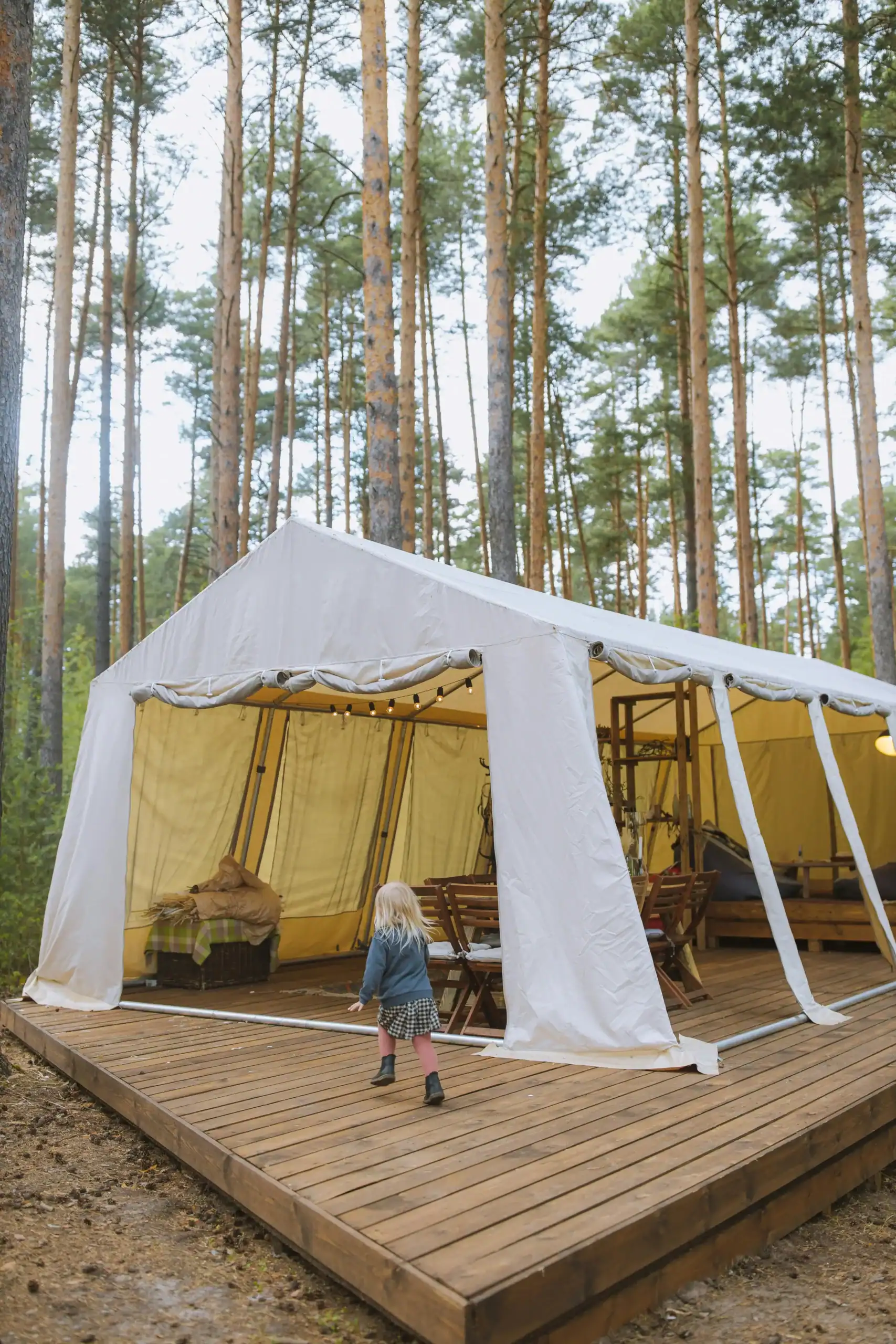
천장의 물이 누수가 아닌 이유
3,000mm PU 플라이가 빗물을 차단합니다.
맑고 추운 밤, 글램핑 운영자가 벨 텐트에 들어서자 천장에 물방울이 맺혀 있습니다. 첫 전화는 항상 똑같습니다. “플라이에서 물이 샜어요.” 하지만 코팅을 벗겨내고 내수압을 확인해 보면 사양은 보통 문제없습니다. 원단은 새지 않았습니다. 텐트 내부의 공기가 새었던 것입니다.
노점 물리학: 숨겨진 원인
따뜻한 공기는 찬 공기보다 더 많은 수분을 보유합니다. 숙박객은 밤새 습한 공기를 내뱉고, 빗물을 차단하도록 밀폐된 텐트는 그 수증기가 빠져나갈 곳이 없습니다. 따뜻하고 습한 공기가 차가운 플라이에 닿으면 노점 이하로 냉각되어 액체로 변합니다. 8°C의 밤에는, 환기되지 않은 단층 글램핑 텐트 내부가 20분 이내에 결로 지점에 도달할 수 있습니다.
코팅의 함정
Kelyland 핵심 공장 네트워크 내부의 사오싱 글램핑 텐트 공장—ISO 9001:2015 인증 하에 연간 약 30만 개의 텐트를 생산하는 시설—에서 샘플 승인서에는 PU 코팅의 내수압이 기록됩니다. 그러나 수증기 투과율은 보통 기록되지 않습니다. 바로 이 서류상의 공백 때문에 결로 불만이 샘플링 단계를 통과하여 유료 고객에게까지 도달하는 것입니다. 벨 텐트의 OEM 결로 해결책에는 사양서에 이 두 번째 수치가 필요합니다.
렌탈 사업 영향
- 건조 부담: 글램핑 텐트의 결로를 회전율을 망치기 전에 차단하세요. 밤새 결로가 발생하는 단층 텐트는 다음 예약 전에 하루 종일 통풍이 필요합니다. 이를 건너뛰면 연속 렌탈 시 내부가 축축해지고, 침구에 곰팡이 냄새가 배며, 곰팡이 번식이 가속화됩니다.
- 리뷰 위험: “천장에서 물이 침대 위로 떨어졌어요.” 고객은 이를 누수로 읽습니다. 그들은 노점이 무엇인지 알지 못하고 관심도 없습니다. 노점 리뷰는 원단 사양이 아니라 숙소를 따라갑니다.
- 보증 분쟁: 텐트 제조사는 결로를 제조 결함이 아닌 환경적 요인으로 분류합니다. 공장이 이를 보상해 주기를 기대하지 마세요. 서면으로 작성된 결로 관리 사양이 없으면 렌탈 운영자가 재통풍, 청소, 조기 교체 비용을 흡수하게 됩니다.
글램핑 텐트의 결로 해결책은 결코 더 높은 내수압이 아닙니다. 그 수치는 원단이 빗물을 얼마나 잘 흘려보내는지를 측정하지만, 결로는 내부에서 외부로 수분을 밀어냅니다. 실제 통제 수단은 통풍구 위치, 이너 텐트 설계, 그리고 텐트가 실제로 사용되는 기후에서 수증기 투과성을 기준으로 선택된 플라이 원단입니다. 샘플 승인 시 원단 투습성 비교를 실행하고 통풍구 레이아웃을 고정하는 구매자는—비 사양만 고정하는 대신—건조하게 잠에서 깨어나는 고객을 얻게 됩니다. 그것이 다음 주문에서 중요한 사양입니다.
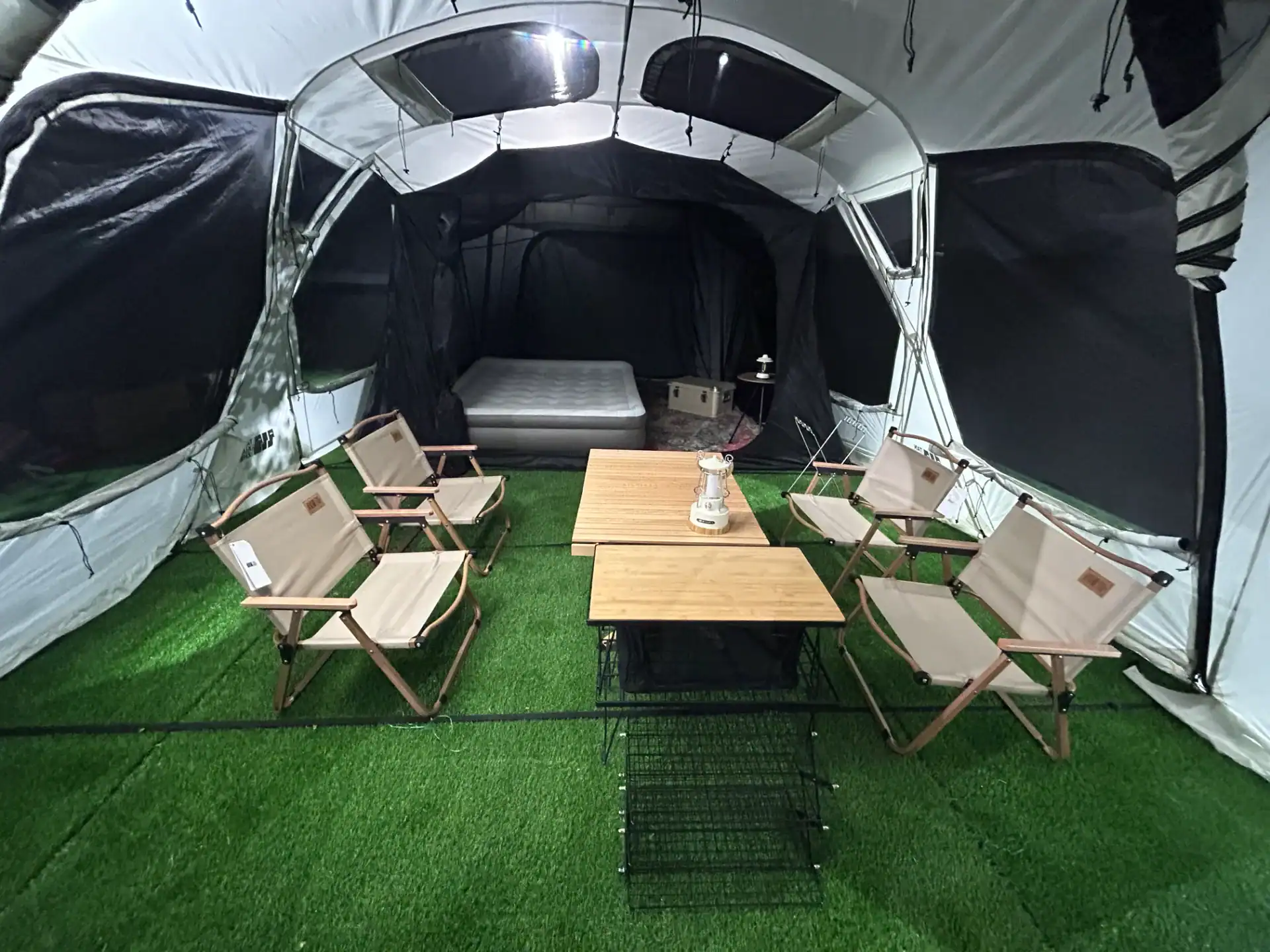
원단 솔루션: 폴리코튼 vs 코팅 폴리에스터
단일 벽 텐트에서는 방수 등급보다 통기성 수치가 더 중요합니다. 그러나 대부분의 공급업체는 이를 자진해서 알려주지 않습니다.
두 개의 벨 텐트가 나란히 놓여 있습니다. 같은 실루엣, 같은 지퍼 트랙, 비슷한 FOB 가격. 차이는 서늘하고 습한 밤, 두 사람이 안에 있을 때만 드러납니다. 한쪽 벽은 건조하게 유지됩니다. 다른 쪽은 천장에 결로가 맺혀 새벽이 되면 침낭 위로 물방울이 떨어집니다.
그 결과는 이미 원단 선택 단계에서, 봉제 라인에 도달하기 훨씬 전에 확정되었습니다. OEM 벨 텐트의 경우 결로 해결책은 첫 번째 게스트 리뷰가 아닌 서면 사양에 포함되어야 합니다.
느낄 수 있는 통기성 격차
코팅되지 않은 폴리-코튼 TC 원단은 500-800 g/m²/24h의 통기성을 보입니다. PU 코팅 폴리에스터는 100-300 g/m²/24h로 떨어집니다. 단일 벽 텐트에서 이 차이는 결로가 천장에 맺히는지, 침낭에 스며드는지를 결정합니다.
코팅된 폴리에스터 벽은 수분을 가장 차가운 내부 표면, 즉 자는 사람의 머리 위 천장으로 밀어냅니다. TC 원단은 직조를 통해 수증기를 빠져나가게 하여 통풍구를 하나도 열지 않아도 내부를 더 건조하게 유지합니다.
공장 코팅 선택이 중요한 이유
코팅은 소재 업그레이드가 아니라 제조상의 선택입니다. 공장은 다음 사양을 충족하기 위해 PU를 적용합니다. 내수압 사양(1500mm, 3000mm, 5000mm)을 맞추기 위해서입니다. 각 층은 수분 전달을 차단합니다. 내수압이나 MVTR을 명시하지 않고 “방수 폴리에스터”라고만 견적하는 공급업체는 결로 문제를 해결하지 못한 것입니다.
- 두 가지 수치를 요청하세요: g/m²/24h 단위의 MVTR과 내수압 동일한 시료에서 테스트된 mm 단위의 내수압을 요청하세요. 코팅 원단에 대한 통기성 테스트 보고서가 없나요? 그렇다면 위험 신호로 간주하세요.
- 절충점: 5000mm PU 코팅 플라이시트는 비를 막아주지만 내부에 수분을 가둡니다. 두 사람과 장작 난로가 있는 글램핑 텐트에서는 난로가 식는 순간 갇혀 있던 수증기가 응결됩니다.
단일벽 vs 이중벽 트레이드오프
이중벽 텐트는 코팅 처리된 폴리에스터를 사용하는데, 내부 통기성 안감이 취침자를 결로 발생 구역으로부터 떨어뜨려 놓기 때문이다. 플라이시트는 물방울이 맺히지만 내부 텐트는 건조하게 유지된다. 단일벽 디자인(벨 텐트, 유르트, 난방 텐트)은 완충 장치가 없다. 원단 자체가 통기 기능을 수행해야 한다.
단일벽 벨 텐트의 경우 실질적인 사양은 210gsm이다. 모든 샘플 요청 시 해당 수치를 기재하시오.
통풍 엔지니어링: 다섯 가지 물리적 해결책
환기구를 닫으면 결로 현상은 다음에 달려 있다 원단의 통기성. Coated polyester blocks rain but traps vapor inside. Cotton and TC blends let moisture pass through the weave, so they stay drier overnight. Nylon packs light, yet you have to coat it for weather, and that coating puts the vapor problem right back. Settle the fabric before you design the vents.
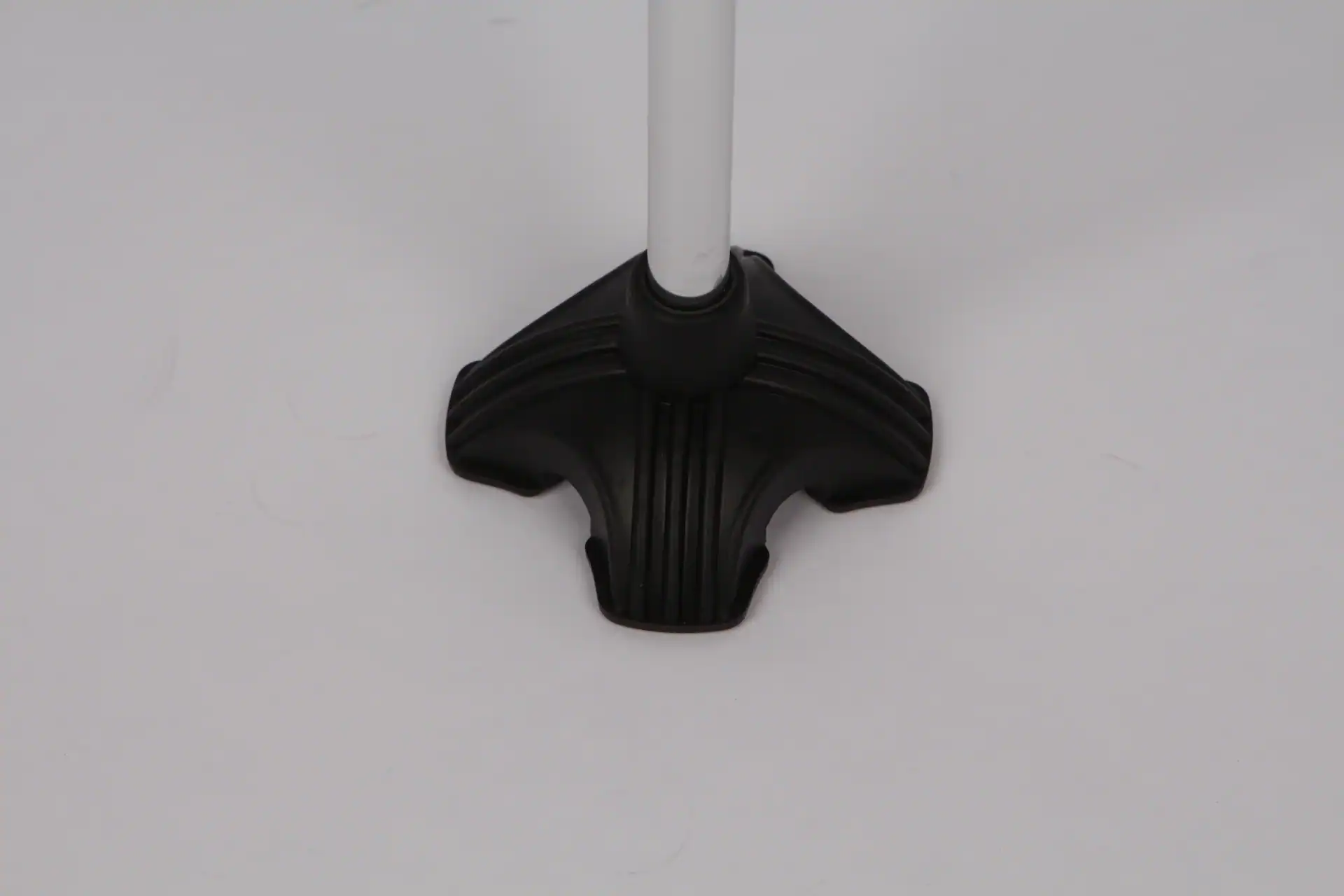
공장 환기 설비
Forget more mesh — five production modifications create the controlled airflow path that actually works.
Most buyers ask for more mesh when a tent feels stuffy. Mesh is not the fix. Extra vent panels still trap humid air if the design has no defined entrance and exit path. Directional ventilation comes down to five production changes: a roof opening, a lower mesh kick screen, a suspended inner mesh layer, TPU film patching, and sealed perforations at the seam lines. Sample approval locks those five into the written sewing instructions.
The Five Modifications That Redirect Airflow
- Roof opening: Cut at the highest point of the tent body so hot, humid air exits at the peak. The edge gets a rolled hem and a reinforcing stitch. A raw cut fails after repeated pack-and-unpack cycles.
- Mesh kick screen: Install it on the lower door or foot wall. It pulls cool air in at floor level without putting a draft across the sleeping zone. Standard production runs of 300-1,000 pieces handle this height change without a new pattern.
- Suspended mesh layer: Hang an inner panel below the roof opening so it catches condensation drips before they reach the sleeping bag. Heat still escapes through the top. This layer adds one internal seam line, so it goes into the written sewing instructions, not just the design sketch.
- TPU film patching works where mesh gets removed but the fabric panel stays. The film seals the stitch rows and keeps the waterproof rating intact. Tolerance here is tight. The patch has to sit flat, with zero lifting at the edges.
- Taping perforations: every needle hole around the roof opening and kick screen gets 1. 심 테이프. A single hole is nearly invisible. The combined leak path shows up in the first rain. The tape must cover the full stitch row, clean, no bubbles, no wrinkles.
None of these five modifications happen on a standard assembly line. If the sample approval doesn’t carry a revised sewing instruction, the production team defaults to the existing vent pattern. Kelyland’s Camping Tent & Tarp factory in Ningbo, Zhejiang, handles this through an ISO 9001:2015 workflow. The change gets documented in the work instructions, a mid-production inspection verifies the stitch placement, and the 30-45 day production lead time stays intact. Small custom runs, some starting at 50-100 pieces, get the same treatment as bulk orders.
The Benchmark for Your Next Supplier Call
Ask the supplier for a smoke-pen test video at sample approval. The clip should show air entering through the lower kick screen and exiting through the roof opening in one visible path. No video, no proof. The ventilation spec stays unverified, no matter how many square meters of mesh the quote lists. The test takes five minutes and beats any material spec sheet.
결론
Condensation control is a system of airflow, seam sealing, and pitch tension, not a single fabric spec. A tent that can’t breathe will drip on bedding, no matter how good the FOB pricing looked at the quote stage. In a 12-week rental season, skipping these checks means guest-facing failures by week three. The replacement bill never appears in the original quote.
- Specify a vented peak and a seam-taped canopy in the sample approval, not just the floor material.
- Before you release the first production run, lock down the stitching tolerance and seam tape spec in writing. If you don’t, the line will drift by 3–5 mm by day three — and that’s where condensation paths start forming inside the tent. A 0.5 mm gap in the seam tape is enough to create a moisture bridge.
- Pitch the tent under full tension for the pre-shipment inspection. A sagging panel traps still air, and still air breeds condensation. That’s the quickest way to know if your factory actually tensioned the canvas or just stuffed it in a bag.
Before you sign the next bell tent PO, sit down with your supplier and run through the condensation checklist — not over email, face-to-face. Ask for the fabric’s MVTR (moisture vapor transmission rate) in writing, not just a “breathable cotton” label. Then compare FOB pricing from two factories that build the same vented canvas construction. Last step: inspect your existing rental tents at the seams and peak vent. That one hour of field work tells you which supplier actually controls moisture, and which one just cuts canvas.

 English
  Español
  Deutsch
  Français
  Português do Brasil
  Русский
  العربية
  한국어
한국어  日本語
日本語