 跳到内容

If your inflatable tent return rate has climbed past what your margin can absorb, there’s one question worth asking behind closed doors: why did the pre-production sample hold air all weekend while the $50,000 production run leaked by the second campout? The standard supplier answer — handling damage or user error — is usually wrong. The real gap sits between sample approval and the quality tolerance of the mass production line.
For inflatable tents, roughly 67% of sourcing complaints trace back to material and welding defects. When those two areas fail, the seams delaminate under pressure, the coating peels, and the valve seat leaks. That’s why the fix isn’t a cheaper bill of materials — it’s a QC protocol that catches those specific failures before a container leaves the factory. The supplier who cuts your return rate offers the lowest total cost, not necessarily the lowest FOB pricing.
The process change that moves the needle is simple: run a 24-hour pressure-drop test on every air beam, not just one pre-production sample. That single step caught leak failures before shipping and cut one retail line’s return rate from 8.6% to 2.1% — a 75% reduction. The case below shows the material upgrade that made it stick, and the supplier QC checklist that keeps it repeatable.
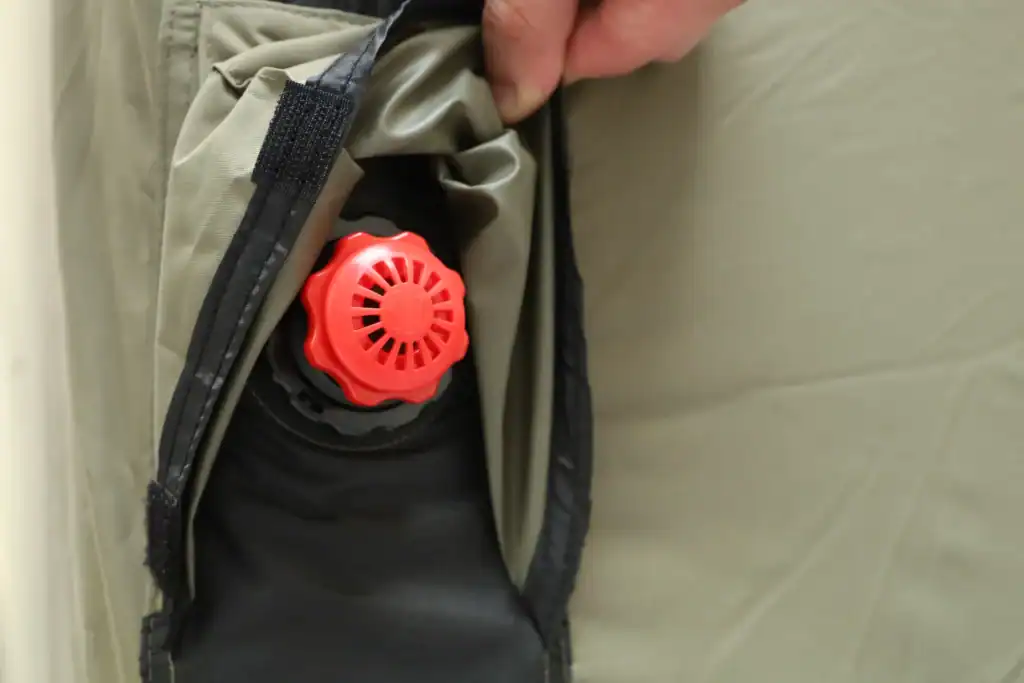
Background: Retailer Facing Rising Returns on Inflatable Tents
A 75% return-rate cut started with the exact same problem every retailer hits: inflated product promises meeting an under-spec supply chain.
A mid-sized outdoor retailer had been selling inflatable tents for two seasons. The line covered family dome tents and glamping-style shelters priced for weekend campers in North America and Europe. Target users were families with children, which meant the tent had to be simple to inflate, hold air overnight, and survive a stray branch or a dropped chair without collapsing.
The concept was right. Sales volume grew steadily as inflatable tents became a practical alternative to pole-based models. The problem was operational. The retailer was absorbing return costs, shipping damage claims, and negative reviews that started to drag down the category’s overall margin.
Return rate before changes
The return rate for the inflatable tent line ran at 8.6% across the first season. That is well above the typical outdoor gear single-digit threshold and roughly double what most retailers consider acceptable for large seasonal items. Most returned units were not buyers changing their minds. The tents came back with leaks, failed air beams, or coating damage that appeared after a handful of uses.
Для менеджера по цепочкам поставок номер 8.6% составлял лишь часть затрат. Каждая доставка товара взамен влекла за собой расходы на фрахт, проверку, возвращение на склад и решение о ремонте. На палатке с сезонным сроком реализации многие из этих единиц приходилось списывать, а не перепродавать. Категория всё ещё росла, но уровень возвратов тихо размывал маржу, ради которой этот рост и затевался.
Problem: What Was Actually Failing
Жалобы на inflatable tent sourcing по номеру 67% ведут начало к дефектам материала или сварки, а не к ошибкам в конструкции.
Когда команда контроля качества ретейлера разложила уровень возвратов 8.6% по категориям дефектов, доминировали три вида отказа. Ни один из них не был случайной поломкой. Все три восходили к производственным переменным, которые должны были быть выявлены во время заводской инспекции. Причина неудачи крылась не в конструкции палатки — она была в разрыве между одобренным образцом и серийным запуском.
Отказы швов пневмобаллонов
Пневмобаллоны — это структурный каркас надувной палатки, обычно формируемый RF-сваркой или термосваркой трубчатого материала из TPU или ПВХ. Если температура или давление при сварке отклоняются в ходе длинного производственного цикла, молекулярная связь формируется неполно. Баллон держит воздух при заводском тестировании, но начинает пропускать после повторных циклов накачки. Производственные линии, сертифицированные по ISO 9001:2015, документируют параметры сварки для каждой партии точно именно поэтому повторяемость сварных швов контролирует уровень отказов по швам.
Fabric Coating Delamination
Второй кластер отказов пришёлся на навес и пол. В исходном техническом задании использовалась 150 г/м² оксфордская полиэстеровая ткань с ПУ-покрытием. Под воздействием ультрафиолета и влаги покрытие отделялось от основы, образуя видимое отслаивание и просачивание воды сквозь стены палатки. Покупатели воспринимали делиamination как явный производственный брак. Корневая причина скрывалась в процессе ламинирования на текстильной фабрике, а не на линии сборки палаток.
Утечки клапанов в точке надувания
Третий вид отказа проявлялся как медленная потеря воздуха вокруг клапана надувания. Фланец клапанаbonding in the beam wall, making it the highest-stress joint on the tent. A poorly seated flange leaks gradually — enough that a tent sags overnight. A customer who wakes up at 2 a.m. in a collapsing tent doesn’t wait for the trip to end. The return lands within days, and that buyer doesn’t reorder.
У всех трёх видов отказа была одна корневая причина: они были невидимы на этапе одобрения образца и проявлялись только после повторного использования в полевых условиях. Обнаружение утечек требует 24-часового теста на падение давления, а не быстрой проверки надуванием. Прочность сцепления покрытия требует теста на отрыв, а не визуального осмотра. Ликвидация этого разрыва требует улучшения материала и иного протокола контроля качества для каждой производственной партии.
Solution: Material Upgrade and Supplier Process Changes
24-часовой тест на падение давления выявлял утечки до того, как клиенты надували палатку.
Исправление началось с понимания реальности материалов: 150 г/м² оксфорд — это компромисс ради экономии, а не стандарт долговечности. Он истирается на полу после многократных расстановок, а его покрытие разрушается под воздействием УФ-излучения и скопления влаги. Обновлённая версия использует 650 г/м² ПВХ брезент как для пола, так и для навеса. Это примерно в четыре раза больше массы материала, с пластифицированной поверхностью, которая гораздо лучше выдерживает трение о ground и воздействие дождя.
Пол и навес из ПВХ брезента
Пол принимает наибольшую нагрузку в семейной палатке, продаваемой в розницу. Острые камни, гравий, многократное складывание — лёгкий оксфорд быстро изнашивается от всего этого. ПВХ брезент сопротивляется такому износу и дольше остаётся водонепроницаемым. Навес тоже выигрывает: тяжёлый ПВХ отводит воду, а не даёт ей просачиваться через покрытие. Основной завод палаток Kelyland в Нинбо, Чжэцзян, выпускает эту спецификацию материала под контролем производства по ISO 9001.
Пневмобаллоны из TPU 0.7 мм с усиленными сварными швами
Air beam seam failures rarely start as punctures. The weld line gives way after repeated inflation cycles, especially when the material is too thin. 0.7mm TPU gives the weld more material to grip, and the reinforced weld pass increases the bonding surface. That combination prevents the slow leaks customers report after a season of weekend use.
24-Hour Air Retention Test on Every Beam
The most effective change was also the simplest to miss. The supplier added a 24-hour pressure-drop test to 100% of the air beams. Each beam inflates to working pressure, sits for 24 hours, and gets checked for pressure loss. Anything that fails the tolerance is pulled before final assembly. Leak failures get caught at the factory gate instead of in a customer’s yard.
-
- Материал: 150 g/m² Oxford replaced with 650 g/m² PVC tarpaulin for floor and canopy.
- Air beams: Switched to 0.7mm TPU with reinforced welds to extend seam fatigue life.
- QC protocol: 24-hour pressure-drop test added to 100% of production beams.
The sourcing lesson: 67% of inflatable tent complaints trace back to material or welding defects. That matches the failure pattern here. Fabric and welds were the problem, so material and QC upgrades delivered the largest return. Spending on accessories or packaging would not have moved the return rate.
| Change Area | Before | После | Ключевое преимущество |
|---|---|---|---|
| Floor & Canopy Fabric | 150 g/m² Oxford fabric | 650 g/m² PVC tarpaulin | Eliminates coating delamination and floor punctures; far higher tear and weather resistance |
| Air Beam Construction | Standard thin-wall TPU/PVC beams with basic welds | 0.7mm TPU with reinforced welds | Prevents air beam seam failures; maintains structural integrity under repeated inflation cycles |
| Quality Control Protocol | Visual inspection and random sample testing | 24-hour air retention pressure-drop test on every batch | Catches valve and weld leaks before shipping, reducing consumer-facing failures at the source |
Результаты
From 8.6% returns to 2.1% — the category went from a margin leak to a profit driver in one season.
The headline result — 8.6% returns down to 2.1% — is a 75% reduction in inflatable tent returns. That shift moved the line from a margin drag to a growth product. The mechanism was simple: the supplier added a 24-hour pressure-drop test on every air beam, catching leak failures before shipping rather than after the end consumer inflated the tent at a campsite.
Return Rate: 8.6% → 2.1%
-
- Return rate: Dropped from 8.6% to 2.1% — a 75% reduction in claims within one sales season.
- Primary failure source: Material and welding defects account for roughly two-thirds of inflatable tent sourcing complaints. The 24-hour retention test targets both.
- Cost shift: Leak detection moved from the end consumer to pre-shipment, eliminating the most expensive failure moment in the supply chain.
The same QC structure that produced these results is standard practice at Kelyland Outdoors’ partner factories — a network that includes dedicated tent production in Ningbo with 800,000 units of annual capacity and ISO 9001:2015 certification. Inspections run at every production stage, with reports available on request.
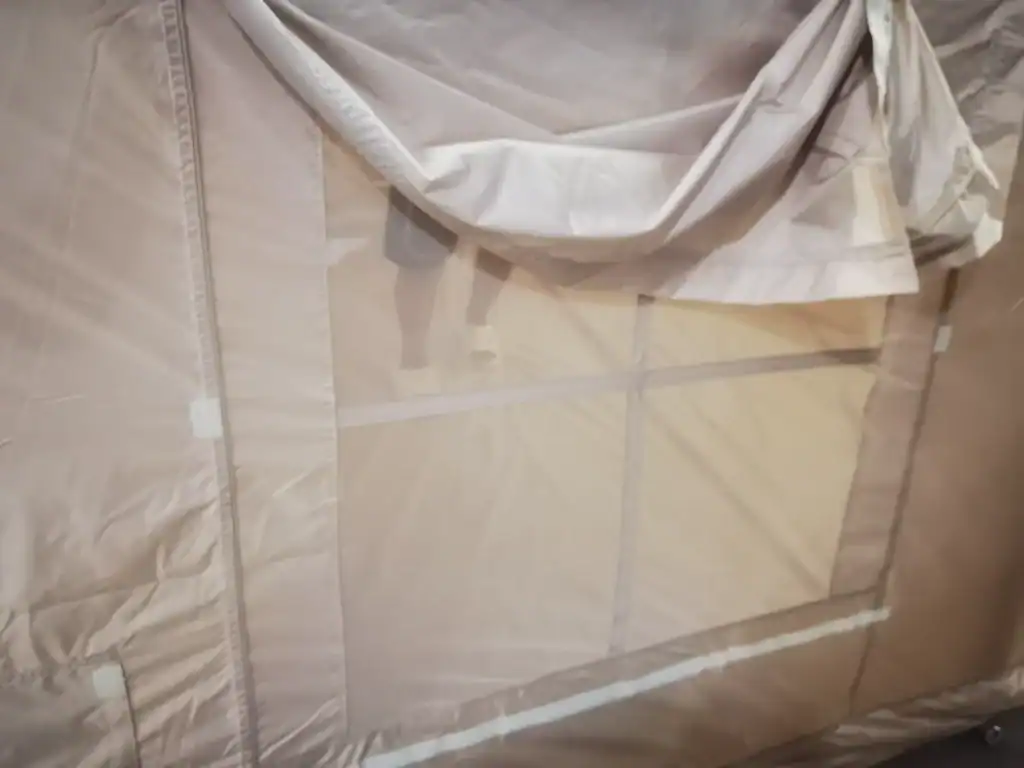
Net Promoter Score Improvement
NPS рос благодаря снижению доли возвратов. Когда проблемы с удержанием воздуха перестают доминировать в жалобах, разговор с клиентами меняется — от требований возврата средств после ночи с сдутым спальником до вопросов об установке и хранении. Это снижает нагрузку на поддержку и позитивно отражается как на NPS, так и на оценках после покупки.
Влияние на объем повторных заказов
Экономическая целесообразность обусловила повторный заказ. При уровне возвратов 8,6% доля категории в марже снижалась настолько, что для комитета по закупкам эта линейка выглядела маржинально сомнительной. При снижении до 2,1% покупатель согласовал крупный заказ на следующий сезон и зафиксировал усовершенствованную спецификацию. Уровень возвратов ниже 3% меняет внутренний разговор с управления рисками на планирование масштабирования.
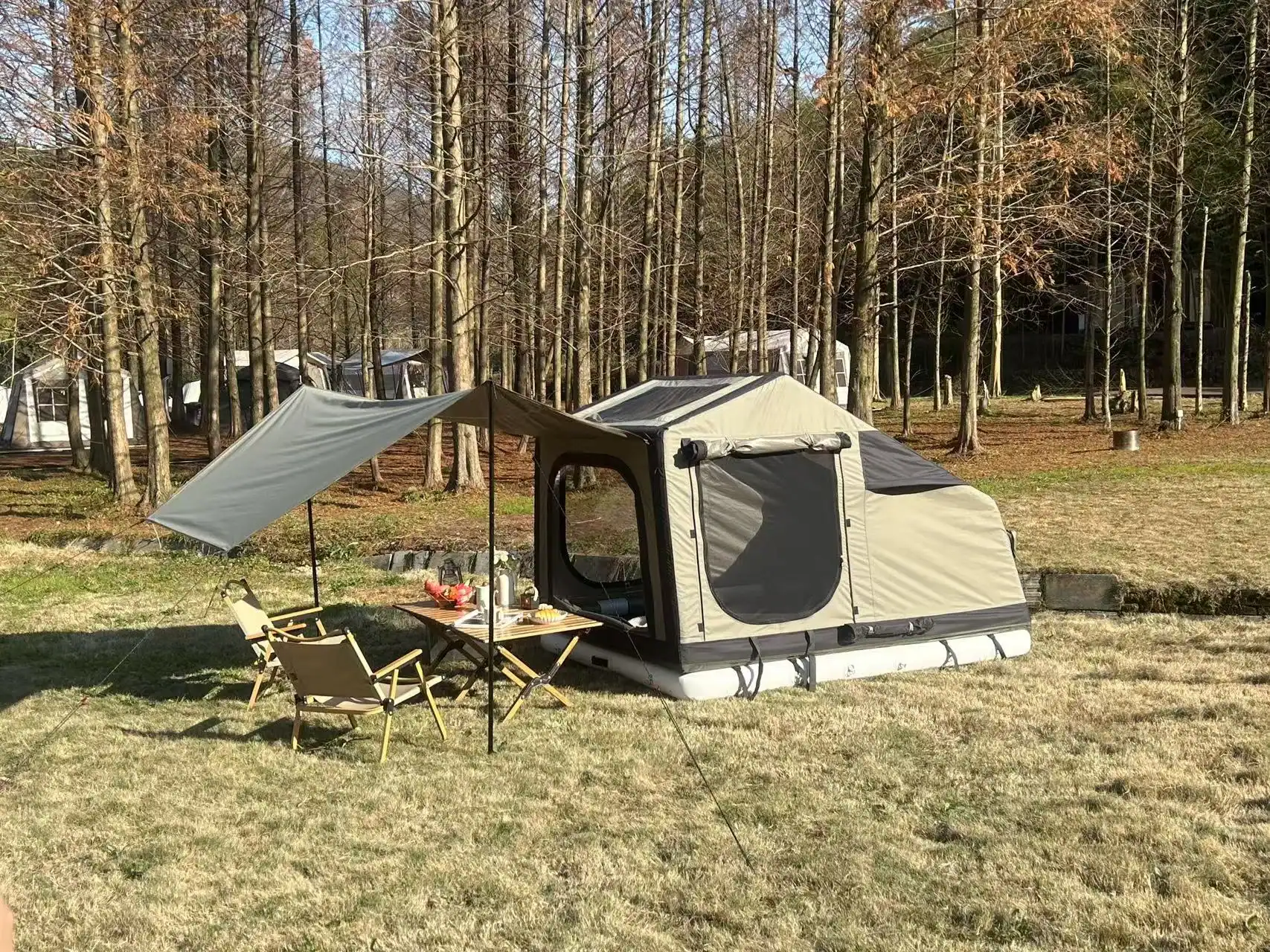
Lessons for Importers and Supply Chain Teams
Тест на падение давления в течение 24 часов для каждого баллона снизил долю возвратов надувных палаток с 8,6% до 2,1%.
Структура затрат надувной палатки четко показывает, где сосредоточен риск возвратов. В типовом списке материалов 45% приходится на материалы, 30% — на сварку, и 25% — на аксессуары. Когда цена в коммерческом предложении заметно ниже рыночной, экономия почти всегда достигается за счет первых двух позиций.
Дешевая пленка или ткань с меньшей плотностью экономит копейки с единицы, но приводит к расслоению покрытия и разрушению швов. Аксессуары, такие как клапаны и молнии, видны и их легко проверить. Качество материалов и надежность сварных швов остаются скрытыми до тех пор, пока покупатель не накачает палатку, — именно в этот момент они и дают сбой.
Одобрение образца ≠ одобрение производства
A предпроизводственный образец собирается вручную старшим техником, обычно в течение дня. Единицы с конвейера изготавливаются на высокоскоростной сварочной машине с ежедневным планом выпуска. Разрыв между этими двумя реальностями и породил исходный уровень возвратов 8,6%. Одобрение образца подтверждает замысел дизайна, но не гарантирует стабильность производства.
Решением этой проблемы стало 24-часовое тестирование на удержание воздуха для каждого произведенного баллона. Каждому баллону придается давление, выдерживается 24 часа, после чего проверяется падение давления. Утечки, которые могли быть обнаружены только в саду у покупателя, теперь выявляются на заводе.
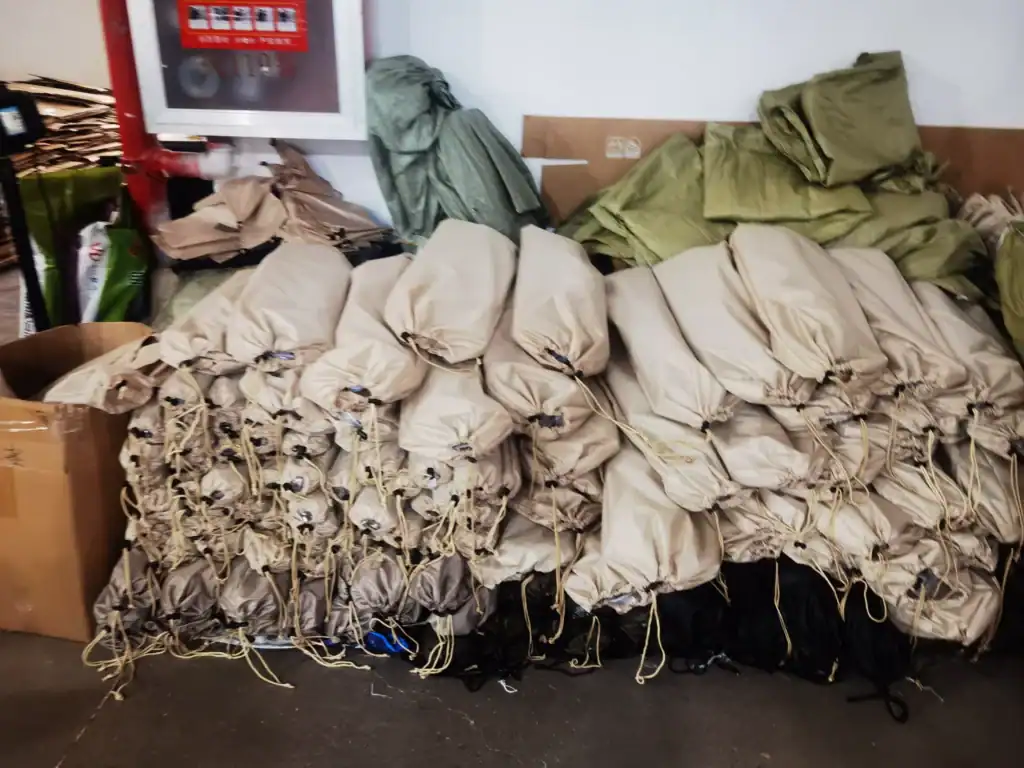
Направляйте бюджет на инспекцию туда, где сосредоточен риск
Из жалоб на поставку надувных палаток 67% связаны с дефектами материалов или сварки. Это дает очевидное руководство к действию: проверять материалы на входе и баллоны после сварки, а не распылять один и тот же бюджет тонким слоем по всем постам.
-
- Входной контроль материалов: Проверяйте вес ткани и толщину покрытия в соответствии с таблицей спецификаций перед резкой. Партійні сертифікати мають значення лише тоді, коли їх фізично перевіряють.
- Post-weld: Run the 24-hour pressure-drop test on a sample from every beam batch. Random sampling misses intermittent failures.
- Финальный аудит: Inspect one unit per carton, not one per container, when the order exceeds 1,000 pieces.
ISO 9001:2015 partner factories run inspections at every production stage and provide reports on request. Use that reporting layer to confirm the 24-hour test was actually performed for each batch. If the supplier cannot produce the pressure-drop log, treat the test as not done.
How to Run a Similar Material Upgrade Project
A material upgrade alone won’t lower the inflatable tent return rate.
Step 1: Baseline your current return reasons
Pull return data from the last 12-18 months and sort by failure mode. For inflatable tents, 67% of sourcing complaints trace back to material or welding defects, so valve leaks and packaging damage rarely justify a full material change. That baseline split decides whether you spend the budget on heavier fabric or on weld process controls.
Set a threshold: if seam or coating failures account for most returns, proceed to the upgrade. If not, fix the actual cause first.
Step 2: Define material and test specifications
Write exact material specs before contacting suppliers. Using 150 g/m² Oxford fabric for a floor that gets packed wet is a common mistake; 650 g/m² PVC tarpaulin offers far better abrasion and water resistance. For the air beams, switch to 0.7mm TPU with reinforced welds, and specify a maximum pressure drop over 24 hours.
-
- Floor/canopy: 650 g/m² PVC tarpaulin with coated finish.
- Air beam: 0.7mm TPU, reinforced weld seams.
- QC gate: 24-hour air retention test on every beam before packing.
Step 3: Run a pilot batch before full production
A single sample tent can hide production variables. Run a pilot batch of at least 50-100 pieces, the MOQ threshold some Kelyland Outdoors lines use, and have the partner factory follow the same welding temperature and QC steps as mass production. ISO 9001:2015 certified plants will document those settings and provide inspection reports at each stage.
Step 4: Track after-sales data for one season
Compare return rates after the season. The 24-hour pressure-drop test catches leak failures before shipping, so the first noticeable drop should appear in seam and leak returns. Track three months after the last shipment, not immediately after delivery, to give users time to set the tent up in the field.
| Шаг | Core Actions | Quality Control Focus | Success Metric |
|---|---|---|---|
| Step 1: Baseline Your Current Return Reasons | Audit return data, warranty claims, and customer feedback; categorize failures by seam, coating, and valve defects. | Prioritize material and welding defects, which drive 67% of inflatable tent sourcing complaints. | Accurate baseline return rate and ranked root-cause list |
| Step 2: Define Material & Test Specifications | Upgrade to 650 g/m² PVC tarpaulin for floor and canopy; switch air beams to 0.7mm TPU with reinforced welds. | Add a 24-hour air retention pressure-drop test on every beam before shipping. | Finalized spec sheet; production line matches approved samples |
| Step 3: Run a Pilot Batch Before Full Production | Produce a pilot lot on the exact production line and tooling; compare output against approved samples. | Inspect weld seams, valve seating, and fabric coating adhesion at each production stage. | Pilot defect rate below 2%; sample-to-production consistency confirmed |
| Step 4: Track After-Sales Data for One Season | Monitor return rate, Net Promoter Score, and reorder volume across a full retail season. | Require monthly supplier reporting and corrective-action follow-ups for any defect trend. | Return rate reduced from 8.6% to 2.1%; higher NPS and repeat order volume |
Заключение
An 8.6% return rate on inflatable tents was draining margin long before complaints reached the category desk. The fix required upgrading to 650 g/m² PVC tarpaulin for the floor and canopy, switching air beams to 0.7mm TPU, and running a 24-hour pressure-drop test on every batch. That combination treated the two root causes — material and welding defects — and cut the return rate to 2.1%.
- Return rate dropped from 8.6% to 2.1% after the material and QC upgrade.
Часто задаваемые вопросы
What causes high inflatable tent return rates?
Большинство возвратов связано с разрывом швов воздушной камеры, отслоением покрытия ткани и утечками в зоне клапана при накачивании. Дефекты материалов и сварных швов составляют 67% от всех жалоб на качество поставок, поэтому устраните их до начала перепроектирования продукта. Начните с классификации причин возврата по типам отказов.
How did Kelyland cut inflatable tent returns?
Из-за низкого качества кейсы с браком снижали рентабельность с 8,61 до 2,11 TP3T. Переход на ПВХ-тarpaulin плотностью 650 г/м², TPU-взморщенные баллоны толщиной 0,7 мм и 24-часовой контроль герметичности на каждой партии решил проблему. Ключ — в качестве материалов и проверки. Применяйте те же улучшения в своей линейке.
Какой контроль качества следует добавить для надувных палаток?
Add a 24-hour air retention test to every batch and inspect welds at each production stage. That catches valve and seam leaks before customers inflate the tent, which is where most returns start. Hold the pilot batch to the same test standard.
Из каких материалов изготавливают надувные палатки, чтобы снизить количество возвратов?
Switching to 650 g/m² PVC tarpaulin for floor and canopy and 0.7mm TPU air beams with reinforced welds directly reduces returns. Budget about 45% of cost to materials and 30% to welding to. Confirm material spec matches production, not just the sample.
Как ритейлеру начать проект по обновлению материалов?
Start by baselining your return reasons, then define material and test specs, run a pilot batch, and track after-sales data for one season. Inspection frequency matters, so sample quality must match production-line quality before. Start with a pilot batch before full production.

 English
 Español
 Deutsch
 Français
 Português do Brasil
 Русский
 العربية
 한국어
 日本語