 跳到内容
跳到内容 
Соответствие требованиям REACH в ЕС — это первый контрольный пункт, который покупатели должны проверить, прежде чем утвердить поставщика, бюджет или производственную слоту. Контейнер с палатками стоимостью 50 000 евро проходит через Роттердам за два дня или хранится на таможенном складе семнадцать дней. Соответствие REACH меняет баланс. Но не так, как думают большинство команд по снабжению. Проблема не в знании регламента. Это разрыв между предпроизводственным образцом и тем, что оказывается в контейнере. Нарушение происходит в одном конкретном моменте: фабрика меняет поставщика PU-покрытия между утверждением образца и массовым производством. Одна партия содержит DMFa на уровне 0,6%. Законный лимит — 0,3%. Вся партия блокируется. Образец, прошедший визуальный осмотр, ничего не значит, если никто не провел химический анализ на уровне партии производственной ткани.
Пошлина в 12% на HS 6306.22 привлекает внимание. Но не должна. Реальные затраты бьют сильнее. Демередж составляет от 50 до 80 евро в день, пока таможня ждет недостающие отчеты об испытаниях. Физический досмотр добавляет от 300 до 800 евро за осмотр. Отдельный поддон сдвигает классификацию с 6306.22 на 6306.29, что ведет к штрафу за ретроактивную пошлину в 15% на всю партию. Менеджеры цепочек поставок, которые рассматривают это как контролируемые статьи, по-другому договариваются о цене FOB. Стоимость контейнера не является окончательной до завершения таможенной очистки.HS 6306.22
Прежде чем следующий контейнер покинет фабрику, три вопроса с ответами «да/нет» определяют разницу между чистой таможенной очисткой и задержкой на границе. Первый: предоставил ли ваш поставщик отчет о соответствии REACH, датированный последними 12 месяцами, в котором указаны конкретная партия ткани и партия PU-покрытия? Не общий сертификат соответствия. Второй: разбивает ли коммерческий инвойс корпус палатки, сумку для переноски и поддон на отдельные позиции с собственными описаниями материалов? Третий: может ли поставщик письменно подтвердить, что никакое PU-покрытие, содержащее DMFa, не было заменено между предпроизводственным образцом и производственной партией? Получите три «да». Если меньше — вы рискуете контейнером, который стоит 65 евро в день, просто стоя на месте.
Понимание правил импорта в ЕС для кемпинговых палаток
Общий сертификат ‘Соответствует REACH’ без отчета лабораторных испытаний с указанием конкретных веществ и методов тестирования юридически бесполезен на таможне ЕС.
Спросите это перед переводом задатка: “Покажите мне отчет тестирования EN 14362-1:2012 для этой конкретной партии ткани, включая результат DMFa для полиуретанового покрытия”. Я видел, как покупатель потерял партию на €50 000 в Роттердаме. Папка соответствия фабрики состояла из одной страницы: “REACH пройден”. Ни разбивки по веществам. Таможня задержала контейнер на 11 дней. Демередж съел €880, прежде чем товар был реэкспортирован. Поставщик тестировал основную полиэстеровую ткань. Покрытие не тестировал. Это различие — вся суть.
Прежде чем углубляться в соответствие на уровне веществ, разберитесь с вопросом маркировки CE. Это самый устойчивый миф в импорте палаток. Большинство кемпинговых палаток для взрослых не требуют маркировки CE. Директива по общей безопасности продукции 2001/95/EC регулирует стандартные палатки. Она не обязывает наносить логотип CE. Требуется документальное подтверждение, что продукт безопасен для предполагаемого использования. Единственные палатки, подпадающие под обязательство маркировки CE, — это детские палатки или игровые палатки, подпадающие под Директиву по безопасности игрушек 2009/48/EC. Если ваш поставщик ставит логотип CE на каждую палатку и считает это достаточным, он демонстрирует невежество, а не соответствие.
-
-
- Стандартная кемпинговая палатка для взрослых: применяется GPSD. Маркировка CE не требуется. Соответствие подтверждается техническим файлом, содержащим проектные спецификации, отчеты испытаний материалов и декларацию соответствия, а не логотипом на сумке для переноски.
- Для детской палатки вступает в силу Директива по безопасности игрушек. Маркировка CE не является опциональной. Потребуется тестирование EN 71 на механические опасности, воспламеняемость и миграцию определенных элементов. Маркировка как взрослого кемпингового снаряжения для обхода этих правил является мошенничеством, и рыночный надзор ЕС это выявит.Маркировка CE
- Добавьте в палатку светильник или встроенный насос — и вы столкнетесь с тремя директивами. Директива по низковольтному оборудованию (LVD) и Электромагнитная совместимость (EMC) добавляются сверху. Каждый компонент с питанием требует собственного пути обеспечения соответствия CE. Одна палатка может задействовать несколько директив, каждая из которых требует отдельного подтверждения.
-
REACH — это область, где многие менеджеры цепочек поставок становятся слишком самоуверенными. Более 200 веществ ограничены. Для палаток реальный риск лежит в двух местах: красильная ванна и полиуретановое водоотталкивающее покрытие. Если ваш поставщик не может предоставить отчеты тестирования для обоих, вы ставите свою партию на удачу. В 2026 году выборочные проверки ЕС выявили 12,1% китайских тканей с полиуретановым покрытием, превышающих порог DMFa. Это один из восьми контейнеров, прибывающих с химической проблемой. Это число не является аномалией; это результат того, что низкие цены FOB вводят дешевые полиуретановые составы в цепочку поставок.
-
- Азокрасители могут остаться незамеченными, если не быть внимательным. Приложение XVII к REACH, пункт 43, ограничивает 22 канцерогенных ароматических амина до 30 ppm (0,003%) в текстиле, контактирующем с кожей в течение любого времени. Это касается всех окрашенных компонентов: корпуса палатки, сетки, сумки для переноски, рукавов для оттяжек. Тестирование проводится по EN 14362-1:2012. Разные партии красителя требуют отдельных испытаний. Лаборатория может предложить перекрестную аргументацию, но таможня не примет ее без убедительных хроматографических данных.
- DMFa — растворитель, используемый в ПУ-покрытиях, классифицируется как репротоксикант категории 2. REACH Приложение XVII, пункт 72 ограничивает его содержание до 0,3% (3000 мг/кг). В ходе выборочных проверок 2026 года, показавших 12% нарушений, большинство случаев пришлось на тенты и подстилки для палаток. Закономерность: поставщики используют дешёвый ПУ для достижения агрессивных целевых показателей FOB. Экономия нескольких центов на покрытии с риском ареста контейнера — азартная игра, которая не окупается.
- Ограничения по формальдегиду застают многих врасплох. REACH Приложение XVII, пункт 72 устанавливает лимиты для текстильных изделий: 75 мг/кг для предметов прямого контакта с кожей, 300 мг/кг для остальных. Внутренний спальный отсек палатки относится к более строгой категории. Испытания проводятся по EN ISO 14184-1:2011 на свободный и гидролизованный формальдегид. Убедитесь, что ваш поставщик знает, какой порог применяется к подкладке, а не только к тенту.
- Фталаты (DEHP, DBP, BBP, DIBP) ограничены до ≤0,11% каждый согласно REACH Приложение XVII, пункт 51. Это затрагивает ПВХ-окна, виниловые нашивки, ПВХ-покрытие для сетчатых полов. Слишком много палаточных окон до сих пор используют ПВХ, смягчённый фталатами. Причина — стоимость: альтернативные пластификаторы стоят дороже.
Запишите это для следующего звонка поставщику: попросите отчёт об испытаниях, в котором явно указаны EN 14362-1:2012 для азокрасителей, и отдельный ГХ-МС отчёт по содержанию DMFa в ПУ-покрытии. Оба отчёта должны быть датированы последними 12 месяцами и привязаны к конкретному коду конструкции ткани вашей производственной партии. Если поставщик тянет время, предоставляет трёхлетний отчёт или присылает общий “сертификат REACH”, не указывающий отдельные аналиты, — эта фабрика никогда не проходила реальную таможенную проверку ЕС. Это ваш сигнал: требуйте сторонние испытания до утверждения образца или ищите партнёра, который относится к соблюдению требований как к производственному параметру, а не как к запоздалой мысли.

Шаг 1: Предпроизводственное соответствие
Общий сертификат REACH не пройдёт таможню — только отчёты об испытаниях конкретных материалов от аккредитованной лаборатории.
Партия кемпинговых палаток на €50 000 пролежала в Роттердаме три недели, потому что импортёр доверился одностраничному “письму о соответствии REACH” от поставщика. В письме не были указаны ни конкретные материалы, ни методы испытаний, ни номер аккредитации лаборатории. Таможня немедленно заблокировала груз. Только демерредж съел €1 120 до того, как покупатель узнал о проблеме. Проверка соответствия до производства — не галочка; это единственная точка отказа, которая отделяет чистую таможенную очистку от застрявшего контейнера.
Вам нужен отчёт об испытаниях REACH, в котором указаны точная партия ткани, партия ПУ- или силиконового покрытия и состав красителя, используемые в вашей производственной партии. Не шаблонный сертификат, скачанный из чужого заказа. В отчёте должны быть ссылки на EN 14362-1:2012 для азокрасителей и EN 14362-3 для формальдегида. Если лаборатория не аккредитована по ISO 17025, этот отчёт — туалетная бумага для таможни ЕС.
-
- Азокрасители — 22 ограниченных ароматических амина — лимит до 30 ppm (0,003%) на каждый амин. Самая частая точка отказа в окрашенных полиэфирных и нейлоновых тканях для палаток. Одна плохая партия красителя загрязняет всю производственную партию. Метод испытаний: EN 14362-1:2012.
- DMFa (диметилфумарат): ≤0,3% (3 000 мг/кг). Это антиплесневый агент в ПУ-водоотталкивающих покрытиях. Рыночный надзор ЕС в 2026 году выявил DMFa в 12% протестированных китайских текстильных изделий с ПУ-покрытием. Если ваш тент имеет ПУ-покрытие, тестируйте его отдельно от основной ткани.
- Лимиты формальдегида: ≤75 мг/кг для тканей, соприкасающихся с кожей, ≤300 мг/кг для компонентов, которые не соприкасаются. Средства от сминания на хлопково-смесовых тканях для палаток часто повышают эти показатели. Испытания по EN ISO 14184-1.
- Фталаты (DEHP, DBP, BBP, DIBP): ≤0,11% от общей массы по весу. Обычными источниками являются напечатанные логотипы, окна из ПВХ или синтетическая кожаная отделка. Тепло ускоряет миграцию этих смягчителей из пластика. Тестирование согласно EN 14372.
Вам не нужно запрашивать отчёт REACH. Тестирование начинается на этапе утверждения образца, до начала производства. Команда контроля качества Kelyland отправляет точные отрезки ткани, образцы покрытий и партии красителей, которые пойдут в ваш заказ, в лаборатории SGS или TÜV в Нинбо и Шанхае. Материал, который они тестируют, — это материал, который вы получаете. Никакой подмены между чистым лабораторным образцом и содержимым контейнера.
Координация с лабораторией происходит поэтапно. Отдел контроля качества извлекает пробы из поступающих рулонов ткани на фабрике, запечатывает их в защищённые от вскрытия пакеты с номерами партий и отправляет курьером в аккредитованную лабораторию. В итоговом отчёте указаны эти коды прослеживаемости партий. Когда таможенный инспектор в Роттердаме или Гамбурге просит вас доказать, что тест применим к данному товару, вы сопоставляете номер партии из отчёта с номером в коммерческом инвойсе и упаковочном листе. Именно это принимают контролирующие органы. Отчёт без привязки к партии — просто бумага.
Вот ловушка, в которую попадает много покупателей. Если у вашего тента-навеса есть логотип, нанесённый трафаретной печатью, то пластизольные чернила являются носителем фталатов. Бренды часто легко проходят тестирование ткани, а затем напечатанный логотип не проходит REACH, потому что никто не тестировал чернила. Протокол Kelyland добавляет тестирование чернил как отдельный пункт в лабораторной заявке. Заложите на это дополнительные 180–250 евро. Это намного дешевле, чем перепечатывать 3000 навесов.
Пропуск этого шага — не теория. Несоответствующая партия задерживается в порту ЕС на 10–14 дней, пока лаборатории за ваш счёт проводят повторные тесты. Демередж составляет 50–80 евро за контейнер в день. Если тест подтверждает нарушение, товар уничтожается (за ваш счёт) или реэкспортируется в страну не входящую в ЕС (всё ещё за ваш счёт). Для 40-футового контейнера HQ с 1200 палатками по цене 28 евро FOB каждая, общий убыток превышает 36 000 евро. И это ещё до ущерба бренду — ваш розничный покупатель смотрит на пустые полки в пик сезона.
Шаг 2: Документация для таможни
Неправильный код ТН ВЭД обходится вам в 15% штрафа в дополнение к пошлине в 12% — проверьте это до отправки контейнера.
Даже опытные менеджеры по цепочкам поставок допускают ошибки в документации. Они принимают код ТН ВЭД от фабрики за чистую монету. Шесть месяцев спустя таможня налагает задним числом пошлины. Три документа уберегут вас от этой проблемы: правильная классификация ТН ВЭД, правильно оформленная декларация соответствия поставщика (SDoC) и коммерческий инвойс, соответствующий обоим.
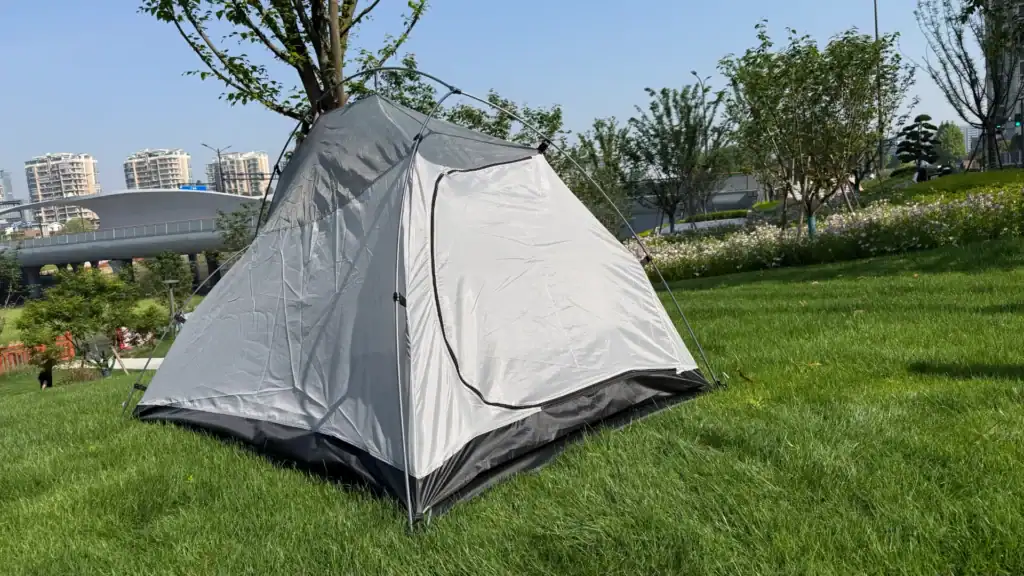
Палатки с синтетическим верхом по умолчанию относятся к коду ТН ВЭД 6306.22. Он охватывает полиэстер, нейлон, оксфорд. Пошлина режима наибольшего благоприятствования: 12% адвалорная. Если положить отдельный пол внутрь того же полиэтиленового пакета, классификация переходит на 6306.29. Таможня Германии и Нидерландов неоднократно обращала внимание на это различие в 2026 году. Ошибётесь — и вы заплатите 15% штрафа от заявленной стоимости плюс задним числом пошлины.
-
-
- 6306.22: Палатки из синтетических волокон. Пошлина РНБ 12%. Это охватывает около 90% стандартных кемпинговых палаток: палатки-автоматы, купольные, туннельные, туристические модели из полиэстера или нейлона.
- 6306.29: Палатки из других текстильных материалов. Та же ставка 12%, но применяется, когда пол (настил) является отдельным текстильным элементом. Если ваш SKU включает корпус палатки плюс съемное защитное основание, перед подачей декларации подтвердите этот код у таможенного брокера.
- 9406 (Сборные строения): Применяется, если конструкция превышает 20 кв. м и предназначена для полустационарной установки. Некоторые большие глэмпинг-юрты подпадают под эту категорию. Получите обязательное тарифное консультационное заключение. Не гадайте.
-
Тарифные преференции могут обнулить эти 12%. В рамках ВСП+ товары, происходящие из стран-бенефициаров, ввозятся с пошлиной 0% при наличии действительного сертификата происхождения формы А. Загвоздка: форма А должна быть выдана торгово-промышленной палатой страны-экспортера, а не фабрикой. “Сертификат происхождения” на бланке поставщика, напечатанный им, не имеет силы для таможни ЕС.
Декларация соответствия поставщика — это документ, который фактически обеспечивает движение вашего контейнера через Роттердам. Применение Директивы по общей безопасности продукции (GPSD) требует, чтобы в ней были ссылки на конкретные протоколы испытаний, а не общее заявление о ‘соответствии REACH’. Действительная ДСП содержит номер модели продукта, стандарты EN, по которым проводились испытания, название лаборатории и номер отчета, а также должность подписавшего лица. Таможня перепроверяет каждую строку. Если вы укажете EN 14362-1 для азокрасителей в ДСП, но предоставите отчет о ткани палатки со ссылкой на другой стандарт, ваш контейнер задержится на 3-6 дней.
-
- ДСП должна напрямую соответствовать позициям счета-фактуры — номеру модели продукта, точному стандарту испытаний (EN 14362-1:2012 для азокрасителей), названию лаборатории и номеру отчета, а также дате испытаний. Протоколы испытаний старше 12 месяцев вызывают подозрения у таможни.
- Одна из главных причин отказа: ДСП подписана менеджером по качеству фабрики, чьи полномочия невозможно проверить. Подписавшее лицо должно быть идентифицируемо. Укажите его должность и печать компании. Если таможенный инспектор не может подтвердить, что это лицо уполномочено представлять компанию, документ отклоняется сразу.
Ваш коммерческий счет-фактура должен содержать три дополнительных элемента помимо основных: разбивку стоимости по позициям с указанием цены за единицу и общей суммы по каждому SKU; заявление о стране происхождения, соответствующее вашей форме А или EUR.1; и явное заявление о заявленной тарифной преференции. Претендуете на GSP+ со ставкой 0%? В счете-фактуре должно быть точно указано: ‘Заявлено преференциальное происхождение по ВСП+ — ссылка на форму А: [номер]’. Пропустите эту строку, и таможня по умолчанию применит ставку РНБ 12%. Задним числом это не исправить.
Укажите код ТН ВЭД в коммерческом счете-фактуре рядом с каждой строкой товара. Это устраняет неоднозначность. Таможенные инспекторы Роттердама оформляют груз примерно за 1,5 рабочих дня, когда видят код ТН ВЭД, заявленную стоимость и происхождение в одном документе, который соответствует упаковочному листу. Одно несоответствие в поле затягивает процесс минимум до 10 дней — при 50–80 евро за день простоя за 40-футовый контейнер.
Шаг 3: Отгрузка и логистика
40-футовый контейнер HQ вмещает 68 куб. м — но плохая упаковка снижает этот объем до 55 куб. м, добавляя 0,80–1,20 евро за палатку в виде мертвого фрахта.
Supply chain managers default to FOB because the per-unit price looks clean. That instinct costs money. Under FOB Ningbo or Shanghai, the moment the container crosses the ship’s rail, you own the customs clearance risk, duty payment, and every port-side delay. Rotterdam flags the shipment for a REACH physical inspection—€300 to €800 in exam fees, 3 to 6 extra days—and those costs are yours, not the supplier’s. The clean per-unit price evaporates the first time you pay €800 in inspection fees and three days of demurrage.
DDP flips the whole picture. The supplier clears EU customs, pays the 12% ad valorem duty, and delivers to your warehouse. Yes, the invoice is higher. But the nightmare scenario of a demurrage clock ticking on a Friday afternoon while you scramble for a missing SDoC vanishes. For your first container into the EU, sending it DDP to your 3PL kills the biggest cause of unplanned logistics spend: document gaps surfacing at the terminal.
-
- FOB gives you the lowest supplier price. The moment cargo loads, all customs risk, duty, and port charges become your problem. You need a forwarder who knows EU tent import docs cold. Otherwise, don’t touch it.
- DAP means the supplier covers freight to your named destination, but you still handle import clearance and duty. This middle ground works when you control your broker but want the supplier accountable for transit damage.
- DDP: The supplier delivers duty-paid. The invoice runs 18 to 25 percent higher, but they carry every customs risk. Container held? Their headache, not your demurrage bill. Recommended for first EU shipments under €50K.
The cubic meter math on tent shipments is brutal, and factory sales reps rarely volunteer the real numbers. Camping tents in retail packaging, especially pop-up or automatic models with rigid frames, trap air. A 40-foot high-cube container has 68 CBM of theoretical capacity. Without pallet optimization, you pack 55 CBM and ship mostly empty space. That missing 13 CBM tacks about €0.80 to €1.20 of extra freight onto every single tent in the load.
You fix this with engineering, not just better stacking. Fold-frame tents can compress 15 to 20 percent beyond factory specs, if you reconfigure the folding pattern during sample approval and confirm no crease damage to the PU coating after 72 hours compressed. Pallet height must hit the container’s 2.69-meter interior ceiling. Don’t stop at a comfortable 1.8 meters because the warehouse crew doesn’t want to lift higher. Every lost vertical centimeter across 24 pallets compounds into real money.
Rotterdam can clear a tent container in a day and a half, no physical exam, if every document lands before the vessel docks. That’s the clean run. Once customs pulls it for inspection, brace for 3 to 6 extra days. A basic scan costs around €300. A full strip-down, weighing, and repack runs double that. Then demurrage kicks in at €50 to €80 per day once the free storage window closes (usually 3 to 5 days for standard boxes). A 10-day hold burns €350 to €560 in demurrage alone, plus the trucking reschedule fees you can’t dodge.
Build clearance costs into your freight budget. Don’t treat them as a surprise. Set aside €500 to €1,200 per container for customs brokerage, potential exams, and terminal handling at any major EU gate. For outdoor gear sourced from Pakistan or the Philippines, use GSP+. File the Form A before the shipment leaves. The standard 12% duty on a €40,000 load drops to nothing. That €4,800 in saved duty pays for your entire compliance testing program on the next order cycle.GSP+
In 2026, a buyer I knew ran three high-cube containers on FOB terms with sloppy pallet packing and a mismatched commercial invoice. Customs brokered each container 8 to 12 days late because the HS code breakdown didn’t line up with the invoice line items. The bill for three shipments: €3,200 in demurrage, €2,400 in exam fees, and about €1,700 in wasted freight from dead cube. That’s €7,300 of pure waste. You could land 200 extra tents for that money.FOB terms

Реальные проблемы и как их избежать
A missing test report turns a 2-day clearance into 14 days of demurrage and a €5,000 bill.
March 2026, Maasvlakte terminal. A 40-footer with 1,200 polyester camping tents sits at berth 87. Arrived Tuesday. Still no release by Friday. Dutch customs flagged it for a document check. The commercial invoice said “PU-coated tent fabric.” The packing list said nothing about a REACH dossier. No lab report. No supplier declaration of conformity. Missing: a test certificate showing the PU coating contained less than 0.3% dimethylformamide according to REACH Annex XVII Entry 76. The container sat 11 extra days. Demurrage: €770. Storage: €1,430. Margin lost before the tents even hit the warehouse: €4,200.REACH complianceDemurrage
In 12 years of supplier audits across a dozen countries, the Rotterdam hold isn’t a one-off. The paperwork failure was preventable at pre-production. The factory had shipped to Europe before. They figured a generic “REACH compliant” note on the invoice would clear. It didn’t. Two months earlier, Romanian authorities held 800 tents at Constanța for 9 days. The azo dye test covered the flysheet but missed the inner tent mesh. Same root cause. Different port. Same bill.аудитах поставщиков
-
-
- The supplier handed over a single-page “REACH certificate” that listed no specific materials, no CAS numbers, no test method references. EU customs officers are trained to reject blanket statements like that. What works is a lab report from SGS, TÜV, or Intertek that names each textile component—flysheet, inner tent, groundsheet, carry bag—and shows results against EN 14362-1:2012 (azo dyes) and the DMFa threshold of 0.3% per Annex XVII Entry 76.
- What it cost: A Rotterdam hold racked up €5,200 in demurrage and storage fees. Customs added a €650 exam charge after flagging a physical check. The buyer’s delivery window to a key retail account slammed shut. Those tents missed spring camping season by three weeks. Total damage, including clearance markdowns: roughly €18,000 on a €50,000 FOB order.FOB
- Here’s what should have happened before the container left Ningbo. The buyer needed one PDF, labeled with the container number, containing three things: (1) the EN 14362-1 test report for all textile components, (2) a Supplier’s Declaration of Conformity signed by the factory QC manager, and (3) a commercial invoice clearly stating HS code 6306.22. Have these ready to send within 2 hours of a customs request. If not, the system escalates. And you already saw what that costs.
-
Most sourcing guides skip the messy part: what happens when customs physically inspects your shipment. About 8-12% of textile containers entering Rotterdam or Hamburg get flagged at random. You can’t dodge the lottery. Speed of response is the only lever you control.
-
- First document customs demands: your commercial invoice. It needs a line-item breakdown: tent body, poles, pegs, carry bag. Each with its own value. A consolidated single line that just says “tents” looks like you’re hiding something. Customs officers verify that declared per-unit value aligns with the HS code classification. If you listed the groundsheet separately but declared everything under 6306.22, expect a conversation you don’t want.
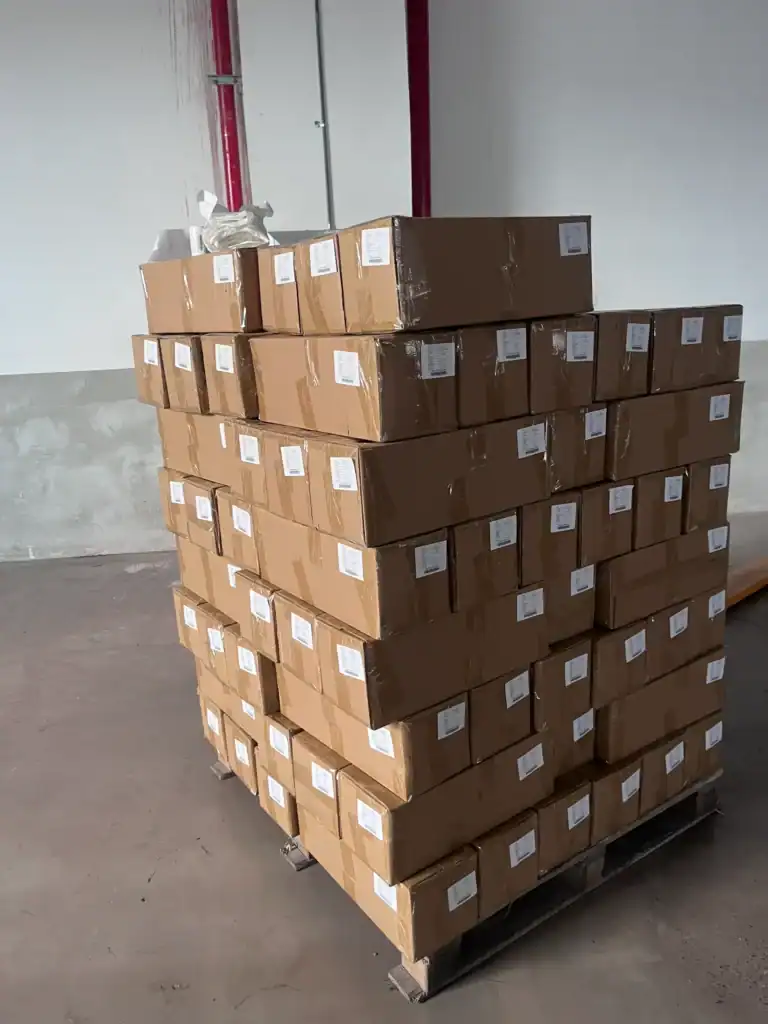
- Then within 2 hours: a packing list with carton-level detail. Not “100 cartons.” Show carton dimensions, weight per carton, and exactly which SKU lives in each carton. When customs decides to pull 3 boxes for physical inspection, they need to locate them fast. A vague packing list forces the examiner to grab random cartons. If those cartons happen to contain your promotional tents with non-compliant print ink, you just created a problem that didn’t need to exist.
- Within 4 hours: REACH test reports for every textile component. One report per material family. Flysheet. Inner tent. Groundsheet. Carry bag. If the inner tent mesh came from a different mill than the flysheet, it needs its own azo dye test. Same for the carry bag. The excuse I hear most from suppliers: “the carry bag is just an accessory, it doesn’t need testing.” That’s wrong. Market surveillance authorities in Germany and Sweden have issued RAPEX alerts specifically for non-compliant carry bags on tents that otherwise passed REACH. Don’t let a $2 carry bag sink your entire container.
- Within 24 hours, the Supplier’s Declaration of Conformity (SDoC) needs to be in your hands. It must name the EU importer, list the applied harmonised standards (GPSD 2001/95/EC is the baseline for camping tents), and carry a signature from someone at the exporting company with actual legal authority. A salesperson’s signature without documented quality responsibility? Worthless. Customs has bounced SDoCs on that technicality more than once.
- Within 48 hours, you need the bill of lading and certificate of origin. If you’re claiming GSP+ preferential duty rates, get the Form A validated by the exporting country’s chamber of commerce before the shipment arrives. Post-arrival Form A submissions face a 60% rejection rate at EU ports, and the 12% MFN duty rate applies retroactively on rejected claims.
Amateurs email these documents one by one as customs asks, dragging the process out over a week. Pros prepare a single ‘Customs Response Pack’ before the container leaves the factory gate and keep clearance inside the 1.5-day average. A buyer in Düsseldorf learned this. On their next shipment, they cleared Rotterdam in 38 hours. No inspection. No demurrage. No margin erosion.
One page separates a 2-day clearance from a 14-day hold. Add a ‘Product Description and Compliance Summary’ to your customs pack. Plain English, not regulatory jargon. Include a photo, the intended adult use case (explicitly stating ‘not a children’s toy’ to avoid Toy Safety Directive reclassification), the HS code justification with TARIC reference, and a bullet list of every test standard applied. That single page answers the five questions officers would otherwise dig through 40 pages of lab reports to find. No supplier will prepare this page unprompted. You request it, then verify every line against the lab reports yourself. If your sourcing partner can’t produce this within 24 hours, find another partner.
Посттаможенный контроль: текущее соответствие требованиям
Clearance is not the finish line.
Three brands in the last 18 months got RAPEX notifications because they treated REACH compliance as a one-time checkbox. The tents cleared Rotterdam without inspection. Six months later, a German market surveillance authority bought a unit off Amazon, sent it to a lab, and found D
That’s what post-clearance risk actually looks like. The GPSD puts a continuing obligation on the ‘economic operator’—you, the brand or importer on the customs declaration. Compliance isn’t static. It degrades the second your supplier changes a single input material without telling you.
Change your fabric mill, dye house, or coating supplier? The REACH certificate you already have becomes legally worthless for the new production run. An SGS test report dated March 2026 covering polyester oxford from Mill A does not cover polyester oxford from Mill B — even when the fabric spec sheet looks identical. The lab tested a specific lot with a specific chemical fingerprint. Different mills use different dye precursors, coating formulations, and finishing agents. Documented cases exist where two mills in the same industrial park in Shaoxing produced fabric that looked identical to the naked eye but one lot contained restricted azo colorants at 45 ppm while the other tested clean.
-
- Switching dye houses? Each color variant needs a fresh EN 14362-1 azo test. Plan for 5–7 working days at an ISO 17025 accredited lab and about US$180–250 per color, per test. No bridging argument survives scrutiny when the dye source changes. This isn’t negotiable.
- Change your coating supplier? You’ll need new GC-MS screening for DMFa (EU limit 0.3%) and phthalates if the coating contains plasticizers. A 2026 enforcement project found 12% of Chinese PU-coated textiles exceeded the DMFa limit. The lab report must name the specific coating batch, not just the fabric article.
- Sourced the carry bag or accessories from a new mill? Under REACH, the carry bag is a separate textile article. It needs its own test report. A tent body certificate won’t cover it. Shipments have been stopped at Antwerp when the carry bag fabric failed, even though the tent body passed.
- Update the Supplier’s Declaration of Conformity with every new production batch. Archive each lab report by batch number, PO number, and production date range. EU market surveillance authorities can demand these records up to 10 years after the product was last placed on the market.
EU market surveillance isn’t theoretical. Under Regulation (EU) 2019/1020, each member state’s authority can inspect products already on the market — unannounced, in warehouses, at retail, and online. They buy products anonymously, send them to accredited labs, and compare results against the documentation you filed at import. A mismatch between the physical product and your declared test reports triggers three consequences simultaneously: a RAPEX alert notifying all 27 member states within 48 hours; a mandatory corrective action order (recall, withdrawal, or destruction at your cost); and a fine that varies by jurisdiction but in Germany can reach €100,000 per non-compliant SKU under ProdSG.
REACH Article 33 applies to your brand, no exceptions. If any tent component contains a Substance of Very High Concern (SVHC) above 0.1% weight-by-weight, and the candidate list updates twice a year, you must inform the consumer within 45 days of their request. Small brands don’t get a de minimis exemption. New SVHC additions have zero grace period. If a substance hits the candidate list in June 2026 and your tent contains it, you’re obligated from that date. Doesn’t matter when you manufactured the goods.
Doing nothing? The costs aren’t theoretical. A single RAPEX notification costs a brand €15,000–€45,000 in direct recall logistics, lab fees, legal counsel, before counting lost sales, Amazon account suspension, or damaged distributor relationships. A UK-based brand lost a three-year contract with a Dutch retail chain when a spot check on their glamping tent found formaldehyde at 120 mg/kg. EU limit for skin-contact textiles: 75 mg/kg. The factory had switched to a cheaper anti-wrinkle finishing agent. The brand owner found out when the recall letter arrived. The contract was worth €280,000 annually. The lab test that would
The practical protocol is simple. Costs less than a day of demurrage at Rotterdam. For every production run, verify the material supply chain hasn’t changed since the last certified test. If it has, order a new test before the goods ship. File the results with your customs broker and your internal compliance records. Designate one person in your organization, or one contact at your sourcing partner, to track SVHC candidate list updates on the ECHA website every January and July. This isn’t legal advice. This is how the importers who never appear on RAPEX operate.
Заключение
A container clears Rotterdam in 2 working days. Another sits for 14. The difference? Never the product. It’s the paperwork. Missing a REACH test report for a PU-coated flysheet triggers €300–800 in physical examination fees, €50–80 per day demurrage, and if the HS code is wrong, a 15% penalty on the declared value. The steps in this guide are the only thing standing between your shipment and that invoice.
For supply chain managers sourcing from China, the fastest path to compliant clearance is a factory that already manages REACH testing through SGS or TÜV as part of pre-production, not as an afterthought. Review the EU-compliant tent range to see fabric specs, coating data, and certification documents available before mass production begins.sourcing from China

Часто задаваемые вопросы
Нужен ли мне отдельный тест REACH для сумки для переноски палатки?
Да, сумка для переноски является отдельным изделием согласно REACH и требует собственного отчета об испытаниях для конкретного материала, если только ткань сумки не идентична уже протестированному компоненту палатки. Таможня рассматривает её как отдельный SKU для документации REACH.
Что если моя палатка обработана репеллентом от насекомых? Применяется ли Регламент о биоцидных продуктах?
Да, палатка, продаваемая с репеллентными свойствами, становится обработанным изделием в соответствии с Регламентом о биоцидных продуктах. Активное вещество должно быть одобрено в ЕС и соответствующим образом маркировано. Перед импортом проверьте статус одобрения активного вещества у вашего поставщика.
Может ли один тест REACH охватывать разные цвета палаток?
Нет, разные цвета ванн часто используют различные составы красителей, которые могут содержать ограниченные химические вещества, такие как азокрасители. Для каждого варианта цвета должен быть свой лабораторный отчет REACH. Запросите отдельный отчет о тестировании для каждой цветовой гаммы.
Каковы импортные пошлины ЕС на палатки в 2026 году?
Стандартная ставка пошлины ЕС для синтетических палаток по коду ТН ВЭД 6306.22 составляет 121 TP3T, но она может быть снижена в соответствии с преференциальными торговыми соглашениями. Ставки для хлопка. Уточните точную ставку пошлины, используя окончательный код ТН ВЭД и торговый статус вашей страны происхождения.
Какой код ТН ВЭД мне следует использовать для палатки для глэмпинга?
Используйте 6306.29 для палаток для глэмпинга, изготовленных из хлопка, холста или других несинтетических текстильных материалов. Если внешняя ткань синтетическая, классифицируйте под кодом 6306.22. Пусть ваша фабрика предоставит разбивку материалов, чтобы подтвердить правильный 6-значный код.

 English
  Español
  Deutsch
  Français
  Português do Brasil
  Русский
  العربية
  한국어
한국어  日本語
日本語