 跳到内容
跳到内容 
Тематическое исследование OEM-производителя надувных палаток — это первый контрольный пункт, который покупатели должны зафиксировать, прежде чем одобрить поставщика, бюджет или производственный слот. Оператор на линии сварки ТПУ в Нинбо следит за манометром в течение восьми часов, прежде чем подписать партию воздушных балок. Он ищет падение более чем на 0,5 фунта на квадратный дюйм за этот период — всё, что меньше, означает, что через сварочный узел прошли микроскопические отверстия. Этот конкретный тест не фигурирует ни в одной презентации, но именно поэтому данное тематическое исследование OEM-производителя надувных палаток имеет значение для любого, кто планирует запуск частной марки кастомной надувной глэмпинг-палатки. Категорийная команда Discovery на собственном горьком опыте убедилась, что утверждение предпроизводственного образца и серийное производство могут расходиться так, как не покажет ни одна фотография или котировка цен FOB.
Заказ $50K едва не сорвался, потому что первый прототип выглядел безупречно в шоуруме, но вышел из строя после цикла надувания в холодную погоду. Исправление заключалось не в изменении материала — а в замедлении скорости сварки и добавлении охлаждающего приспособления, которое удерживало каждый шов при контролируемой температуре в течение двенадцати секунд после сварки. Именно такая деталь процесса отличает надёжного китайского производителя кастомных надувных палаток от того, кто отправляет возвраты. Для розничных категорийных менеджеров, оценивающих OEM-партнёров для быстро устанавливаемых кемпинговых палаток, настоящий вопрос не в том, есть ли у фабрики сертификат ISO 9001 — у большинства он есть — а в том, проводят ли они тест на падение давления воздуха на каждой отдельной балке перед сборкой.
Выбор партнёра и совместная работа над дизайном
3 фабрики из 17 попали в шорт-лист — специалисты по сварке ТПУ прошли 12-часовой тест на удержание давления.
Категорийный менеджер Discovery пришёл с чёткой проблемой: палатки с каркасом из дуг съедали бюджет на гарантийные выплаты. Сломанные дуги были самой частой причиной претензий по их предыдущей линии семейных палаток. Техническое задание предусматривало надувную альтернативу, которая устанавливается менее чем за 5 минут и выдерживает три сезона семейного использования. Первым шагом был выбор правильного производственного партнёра.
Шорт-лист из 17 основных фабрик
Закупочный агент поддерживает сеть из 17 основных стратегических фабрик и более 200 производственных партнёров. Для этого проекта поиск сузился до фабрик, специализирующихся на палатках и надувных матрасах из ТПУ. В шорт-лист прошли три кандидата: фабрика глэмпинг-палаток в Шаосине (годовой объём 300 000 единиц, ISO 9001), фабрика кемпинговых палаток в Нинбо (800 000 единиц, ISO 9001) и фабрика надувных матрасов в Сянъяне (2,5 миллиона единиц, сертификаты ISO 9001 и ETL). Каждая должна была подтвердить подтверждённый опыт работы с высокочастотной сваркой ТПУ воздушных балок.
От концептуальных эскизов до 3D-визуализаций
Discovery предоставил нарисованные от руки концептуальные эскизы четырёхместной глэмпинг-палатки с высотой в коньке 2,5 м и интегрированным навесом. Закупочная команда преобразовала их в 3D-рендеры в CAD в течение двух недель, скорректировав геометрию плана для повышения устойчивости к ветровым нагрузкам. Вместе с рендерами были отправлены образцы ткани — рипстоп-полиэстер 210T в трёх цветовых вариантах, каждый с образцом блэкаут-покрытия, пришитым к карточке на уголке, чтобы бренд мог ощутить разницу в светонепроницаемости.
Материальные решения, которые имели значение
Ткань верха остановилась на рипстоп-полиэстере 210T с блэкаут-покрытием. Это покрытие оказалось полезным не только для тех, кто любит поспать подольше — внутренние испытания показали, что оно снижает деградацию ТПУ-балок под воздействием УФ-излучения на 40% по сравнению с необработанной тканью. Это было важно для австралийского рынка Discovery и рынка западного побережья США, где интенсивное солнечное воздействие может сделать ТПУ хрупким в течение 18 месяцев. Сами воздушные балки были изготовлены из ТПУ толщиной 0,5 мм — такая толщина балансирует между весом и устойчивостью к проколам.
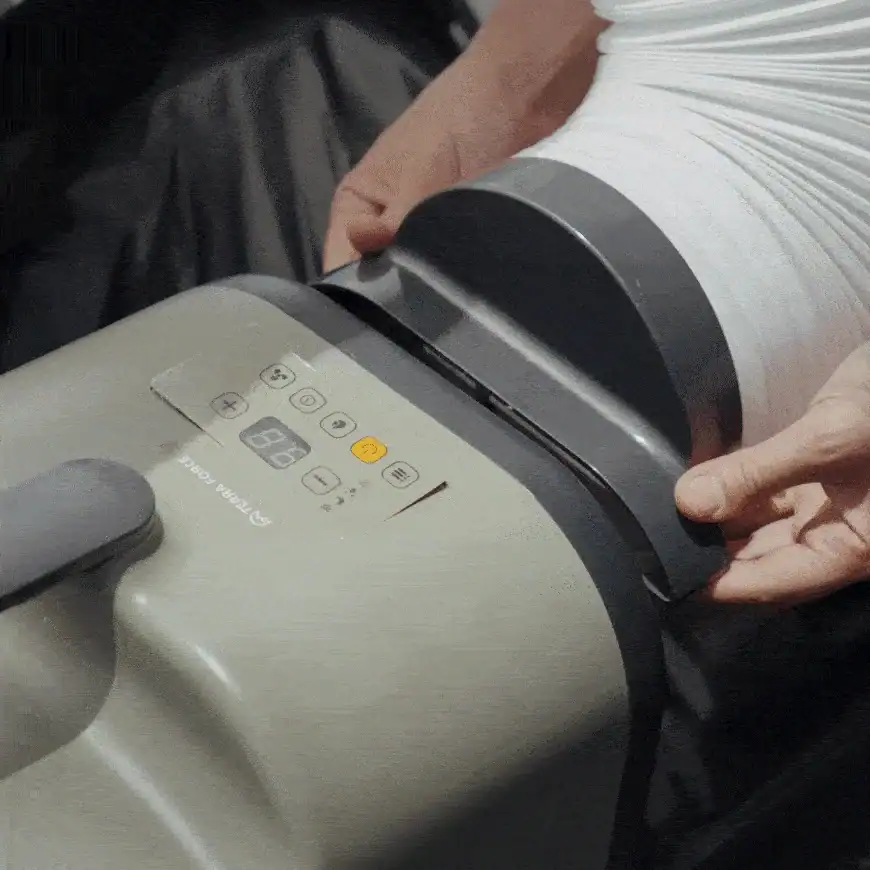
Настоящее понимание пришло из процесса сварки. Ранние прототипы показали утечку воздуха в воздушных камерах при -10°C. Корень проблемы был связан со скоростью сварки — балки, сваренные слишком быстро, имели микроскопические отверстия, невидимые при первоначальном надувании, но обнаруживаемые после 8 часов постоянного давления. Решением на фабрике стало создание охлаждающего приспособления после сварки, которое замедляло скорость охлаждения, а также обязательный 12-часовой тест удержания давления при 0,8 фунта на квадратный дюйм перед сборкой. Только фабрика в Шаосине имела достаточно площади и мощностей для проведения этого теста в масштабе, поэтому именно она получила заказ.
Протокол создания образцов и тестирования
Первый прототип не прошёл испытание при -10°C.
Продуктовая команда Discovery имела чёткую цель: надувная глэмпинг-палатка, способная выдерживать семейный кемпинг в холодную погоду, сильный ветер и прямые солнечные лучи. Торговый агент отобрал три фабрики, специализирующиеся на ТПУ, из сети из 17 ключевых стратегических партнёров — все сертифицированы по ISO 9001:2015. Выбранная фабрика в Шаосине производила глэмпинг-палатки с 2019 года, с годовым объёмом производства 300 000 единиц.
Отказ первого прототипа: утечка воздуха в камерах при -10°C
Первый прототип выглядел хорошо на столе. Но когда команда контроля качества надула его и снизила температуру до -10°C в холодильной камере, воздушные камеры потеряли давление через четыре часа. Корень проблемы был не в самой ТПУ-плёнке, а в скорости сварки. При стандартной скорости производственной линии сварочная головка RF двигалась слишком быстро, чтобы ТПУ полностью сплавился при низких температурах, создавая микроскопические отверстия, невидимые невооружённым глазом.
Эти отверстия проявлялись только после восьми часов постоянного напряжения от надувания. Визуальный осмотр при комнатной температуре ничего не выявлял. Инженеры фабрики перепроектировали сварочный пост в течение шести дней: они добавили охлаждающее приспособление после сварки, которое удерживало каждый шов под контролируемым давлением дополнительные 45 секунд, а затем внедрили обязательный 12-часовой тест удержания давления, прежде чем любая балка отправлялась на сборку.
Лабораторные испытания третьей стороной: водонепроницаемость, устойчивость к УФ-излучению, прочность швов
Серийное производство и контроль качества
Встроенный контроль выявил отклонение цвета на второй неделе, что сэкономило полный перезапуск производства.
Переход от одобрения образцов к массовому производству — это момент, где большинство OEM-проектов проходят своё первое настоящее испытание. Для линейки надувных палаток Discovery это испытание наступило рано. На второй неделе производства команда встроенного контроля обнаружила отклонение цвета на напечатанных панелях корпуса палатки. Утверждённый эталон Pantone требовал конкретного оттенка графитово-серого. То, что сошло с первого печатного прогона, было заметно теплее — ближе к тёмно-оливковому при естественном освещении.
Корень проблемы был связан с несоответствием партии красителя на ткацкой фабрике. Руководитель контроля качества на фабрике остановил линию печати в течение двух часов после обнаружения. Панели ещё не были раскроены или сшиты. Торговый агент напрямую связался с фабрикой, чтобы пересогласовать формулу красителя, и исправленная ткань прибыла на пятый день простоя. Общие потери производственного времени: три дня. Сравните это с тем, что происходит, когда такая проблема остаётся незамеченной до финальной сборки — вы смотрите на выбрасывание сотен готовых палаток и сдвиг графика на четыре недели.
Испытание на падение давления воздуха на уровне партии
Целостность воздушных балок в надувной палатке не подлежит обсуждению. Одна точечная утечка в сварном шве превращает преимущество быстрой установки в гарантийный случай. Производственный протокол для этого проекта требовал на уровне партии испытаний на падение давления воздуха на каждом 200-м экземпляре палатки, взятом с производственной линии.
-
- Критерии приёмки: Каждая палатка надувается до 12 PSI и выдерживается в течение 24 часов в среде со стабильной температурой (20 °C ± 2 °C). Порог прохождения — менее 0,5 PSI общей потери давления за этот период.
- Достигнутый процент прохождения: По всем трём заказам на поставку, суммарно 8 000 единиц, испытания на уровне партий показали процент прохождения 99,41%. Возникшие отказы были отслежены до двух конкретных операторов сварки, которые не откалибровали свои контроллеры температуры после смены.
Результаты и ключевые показатели
Отгружено 8 000 единиц.
Массовое производство велось по трём отдельным заказам на поставку в течение 6 месяцев. Первый заказ охватывал 2 500 единиц для первоначального розничного запуска в Северной Америке. Второй и третий заказы — 3 000 и 2 500 единиц соответственно — были инициированы данными о продажах за первые две недели на полках.
Доля брака: как удержали 0,31%
Встроенная станция контроля качества на заводе выявила отклонение цвета в светонепроницаемом покрытии на второй неделе производства. Это был дрейф температуры красильной ванны, из-за которого оттенок сместился на 1,5 Delta E — заметно только при контролируемом освещении. Поражённая партия из 420 корпусов палаток была помещена на карантин и переработана до того, как какие-либо изделия попали на финальную сборку.
Это единственное вмешательство предотвратило то, что могло стать полным отклонением контейнера в пункте назначения. Итоговая доля дефектов в 0,31% была связана с незначительными проблемами подрезки ниток на бегунках молний, а не с конструктивными или воздухонепроницаемыми отказами.
60-дневный срок выполнения был соблюдён для весеннего розничного сезона
Первый заказ был размещён 15 января с крайним сроком поставки 15 марта — пик весенней смены ассортимента у продавцов снаряжения для активного отдыха на рынке США. Стандартный срок выполнения для надувных палаток с нестандартными TPU-балками составляет около 45 дней только на закупку материалов.
Агент по закупкам предварительно заказал запас TPU-плёнки до окончательного утверждения образца, сделав ставку на направление дизайна после того, как второй прототип прошёл испытания. Испытание в холодной камере. Этот шаг сократил срок закупки с 18 дней до 7.
“Самая простая в установке палатка, которую я когда-либо ставил”
Уроки для розничных категорийных менеджеров из этого OEM-партнёрства
Разница между хорошим OEM-партнёром и отличным видна в деталях, о которых никто и не додумается попросить.
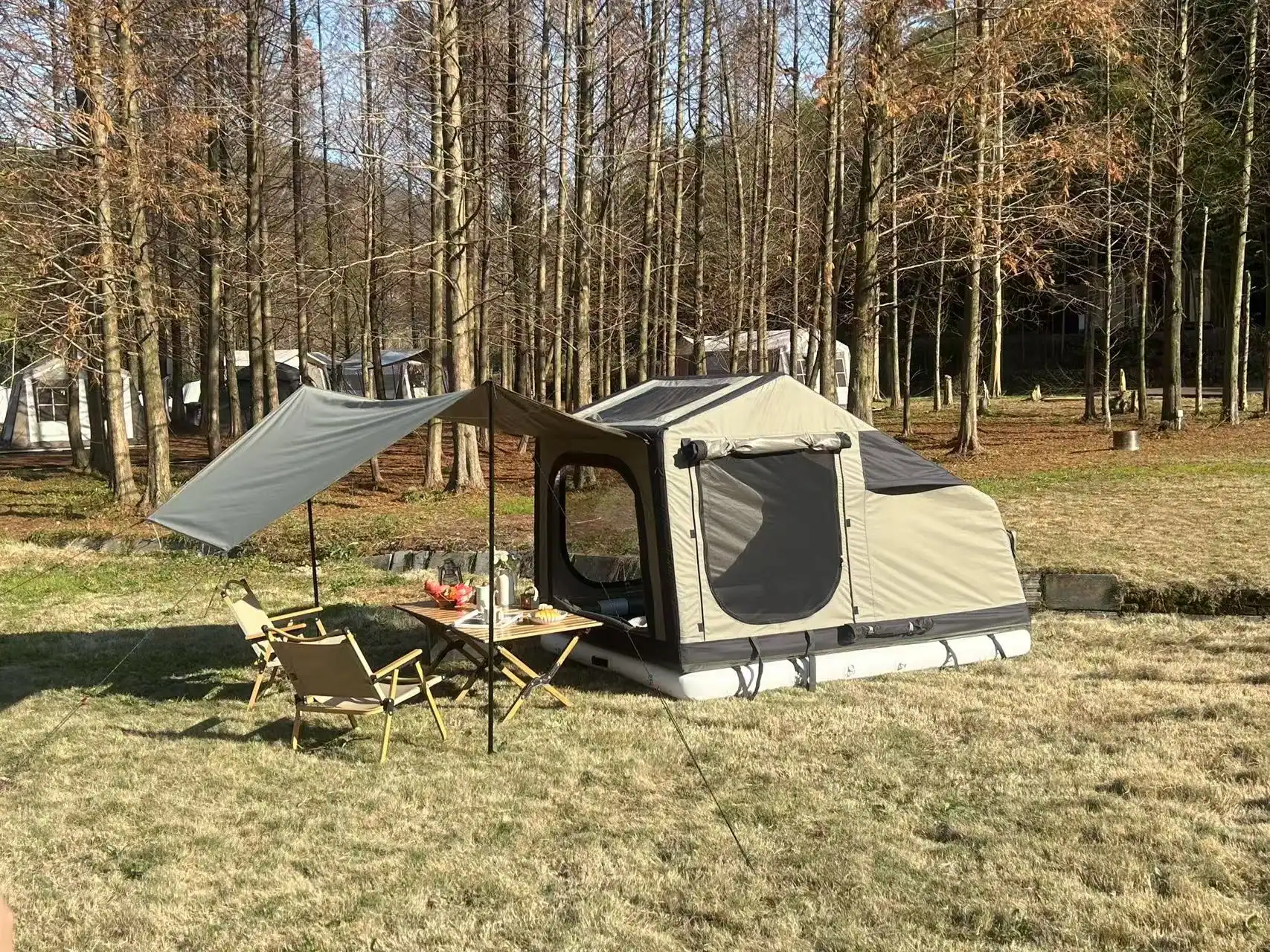
Команда категории Discovery пришла в Kelyland Outdoors с явным пробелом в своём ассортименте глэмпинга. Им нужна была семейная надувная палатка, которую можно установить менее чем за 5 минут, вмещающая до 6 человек и способная пережить такую погоду, из-за которой палатки со стеклопластиковыми дугами отправляются на преждевременную пенсию. Целевая розничная цена означала, что им нужен производитель нестандартных надувных палаток в Китае, способный обеспечить и стоимость, и долговечность, не экономя на материалах.
Start with a Technical Spec Sheet, Not Just a Reference Photo
Discovery sent over a competitor’s product photo and asked ‘can you do this?’ The sourcing team pushed back. Instead, they worked through Kelyland’s demand collection process — step one of their 10-step service flow — to define exact parameters: floor area, peak height, packed weight under 25 kg, and a target hydrostatic head of 3,000 mm for the flysheet. That spec sheet became the contract anchor. Every sample revision was measured against it.
The material choices locked in early: 210T ripstop polyester with blackout coating for the body, paired with 0.5 mm TPU-воздушными балками. The blackout coating turned out to be critical — internal testing later showed it reduced UV degradation of the TPU by roughly 40% compared to uncoated fabric, which mattered for Discovery’s Australian market where sun exposure is relentless.
Always Test the Air System After a 24-Hour Deflation Cycle in a Cold Chamber
The first prototype passed the standard inflation test at room temperature. Then someone suggested leaving it inflated for 8 hours before checking pressure loss. That’s when they found microscopic pinholes in the TPU welds — invisible at first inspection but leaking after sustained stress. The root cause was welding speed set too high on the production line.
The fix required two changes: adding a post-weld cooling jig to let each seam stabilize before handling, and implementing a mandatory 12-hour holding test at full pressure before any beam moved to assembly. Discovery also insisted on testing at -10°C after seeing how air chamber leakage rates changed in cold conditions. That thermal cycle test became part of every batch QC check going forward.
Negotiate MOQ Flexibility by Sharing Your Projected Volume
“Standard MOQs for custom inflatable tents typically land between 300-1,000 pieces per model,” as noted in Kelyland’s commercial terms. But Discovery needed lower initial commitment for their first season while planning significant growth year two.
“Instead of just asking for lower MOQ on the first PO alone,” Discovery shared their full 18-month forecast broken down by color variant and region. That projection gave Kelyland enough confidence to start production at 500 units per SKU rather than requiring the standard higher minimums upfront.” The factory knew reorders were coming — and they did.
Заключение
The Discovery case study shows what separates a successful inflatable tent OEM launch from a costly mistake. The difference wasn’t in the concept sketches or the FOB pricing—it was in catching the microscopic pinholes that only appeared after an 8-hour inflation hold and mandating a post-weld cooling jig. That’s the final 10% of execution that most buyers miss until their first warranty claim arrives.
-
- TPU air beams need a post-weld cooling jig and a 12-hour holding test to catch invisible pinholes.
- Blackout coating on the tent body reduces UV degradation of TPU by roughly 40%.
- Require the factory to stock an extra 3% spare air beams for your warranty period.
- A cold-chamber deflation cycle at -10°C should be part of every sample approval protocol.
Before you commit to your next custom inflatable tent manufacturer China, review your sample approval checklist against these five testing milestones. If your current partner can’t demonstrate a documented air pressure decay test with batch-level pass/fail records, you’re carrying risk that should be on their side of the table. Browse the inflatable tent production specs and quality control protocols on the product page to see how these standards translate into a finished unit ready for retail shelves.
Часто задаваемые вопросы
What was the defect rate for Discovery’s inflatable tent order?
The defect rate was 0.3% across 8,000 units shipped over three purchase orders. This was achieved through batch-level air pressure decay testing and inline inspection catching a color deviation early. Request a factory’s defect rate history before committing to a large order.
Какой MOQ я могу ожидать для индивидуальной надувной палатки?
Kelyland Outdoors предлагает гибкие минимальные объемы заказа, начиная с 50–100 единиц для определенных товаров, при этом стандартные модели обычно варьируются от 300 до 1 000 единиц. Для кейса Discovery бренд договорился о гибкости, поделившись 18-месячным прогнозом. Поделитесь своим годовым прогнозом объемов, чтобы согласовать более низкие первоначальные минимальные объемы заказа.
How long did production lead time take for Discovery’s tents?
The standard lead time is 30–45 days, and Discovery’s 8,000-unit order was completed in 60 days to meet the peak spring retail season. Actual lead time depends on order complexity. Confirm lead time with the factory after finalizing specs and seasonal timing.
Каким испытаниям подверглись прототипы надувной палатки?
Первый прототип вышел из строя при -10°C из-за утечки воздуха из воздушной камеры, что потребовало быстрого изменения конструкции. Финальные образцы прошли сторонние испытания на водонепроницаемость (3000 мм вод. ст.), стойкость к УФ-излучению, прочность швов и 14-дневные полевые испытания. Всегда требуйте проверки сдувания в холодильной камере перед утверждением производственных образцов.
Как компания Kelyland Outdoors обеспечивает качество при массовом производстве?
Встроенный контроль выявил отклонение цвета на 2-й неделе, что предотвратило полный перезапуск производства. Фабрики соблюдают стандарты ISO 9001:2015, с испытаниями на падение давления воздуха на уровне партии и предотгрузочными проверками для всех заказов. Запросите отчёты о проверках и сертификаты аудита фабрики перед размещением заказа.

 English
  Español
  Deutsch
  Français
  Português do Brasil
  Русский
  العربية
  한국어
한국어  日本語
日本語