 跳到内容
跳到内容 
Надувные палатки с постоянной подачей воздуха — это первый контрольный пункт, который покупатель должен зафиксировать до утверждения поставщика, бюджета или производственного слота. Вопрос “нужна ли надувным палаткам постоянная подача воздуха” переходит из теоретического в срочный, когда покупатель видит 12%-ный уровень возврата по заказу на глэмпинг на 50 000 долларов. 48 часов — вот сколько правильно герметизированная TPU-воздушная балка должна держать давление выше 7 PSI без подкачки. Падение ниже этого порога — и палатка всё ещё стоит, но конструкция становится мягче, двери провисают, а на крыше скапливается дождевая вода. Предсерийный образец держал давление три полных дня. Массовая партия не продержалась и одной ночи. Разница сводилась к допуску по качеству посадочного места клапана, который никто не внёс в документы об утверждении образца.
Большинству современных палаток с воздушными балками постоянная подача воздуха вообще не нужна. Это герметичные системы — многокамерная конструкция с обратными клапанами, рассчитанная на удержание давления в течение дней, а не часов. Но эта конструкция работает только в том случае, если производственные спецификации совпадают со спецификациями образца. Когда цена FOB сжимает заводскую маржу, соблазн заменить прокладку клапана на чуть более мягкую или сделать стенку трубки тоньше вполне реален. Эти микрорешения накапливаются по всему контейнеру из 200 единиц. Смещение допуска на 0,2 мм в посадочном месте прокладки не выявляется при визуальном осмотре. Оно проявляется через три месяца, когда конечные покупатели в 2 часа ночи снова накачивают свою палатку.
Разница между палаткой, которая держит давление три дня фестиваля, и той, что требует насоса каждое утро, обычно не в том, работает ли концепция воздушных балок. Дело в том, что происходит между утверждением образца и финальной отгрузкой — дрейф спецификаций, который не выявляет ни один аудит, если кто-то точно не знает, какой именно миллиметр измерять. Именно эту нить распутывает данная статья, а финальные 10% — деталь, которую пропускает большинство руководств по закупкам, — это то, как зафиксировать производственный допуск в контракте до того, как будет сварена первая трубка.
Как работают воздушные балки
Воздушные балки выходят из строя молча, если вы указали неправильный тип клапана для климата вашего целевого рынка.
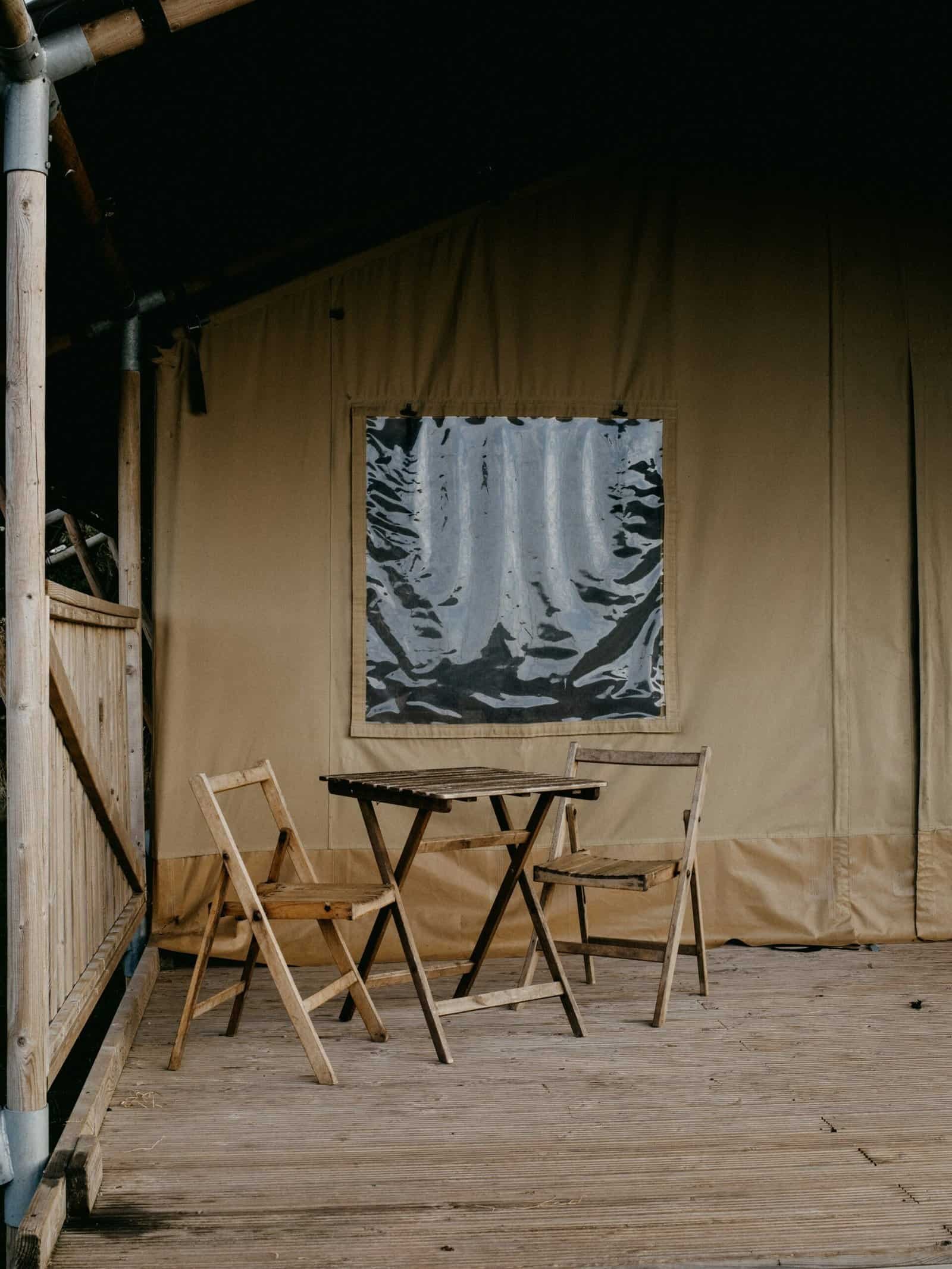
Сердце современной надувной палатки — это не просто баллон. Это сегментированный сосуд давления. Когда вы получаете спецификацию от завода OEM по производству надувных палаток с сертификацией ISO 9001, вы заметите, что конструкция представляет собой не одну трубу. Она разделена на несколько отдельных камер, обычно от трёх до пяти на арку. Такая конструкция — это продуманная стратегия резервирования, а не производственное упрощение. Я видел, как процессы утверждения образцов срывались из-за того, что покупатель не осознавал, что система обратных клапанов определяет весь пользовательский опыт.
Настоящая инженерия заключается в интерфейсе клапанов. Качественная многокамерная система использует последовательные обратные клапаны. Когда вы нагнетаете воздух в главный вход, он не просто заполняет один большой мешок. Он проходит через первичную камеру, а затем щёлкает, переходя во вторичную и третичную секции. Клапан между каждой секцией — это механический затвор. Он открывается под положительным давлением со стороны насоса, но герметично закрывается, предотвращая обратный поток. Это означает, что прокол в одной камере не спустит всю балку. Повреждённая секция может стать мягкой, но соседние камеры остаются жёсткими, удерживая палатку стоящей. Для менеджера по цепочке поставок это напрямую влияет на процент возвратов.
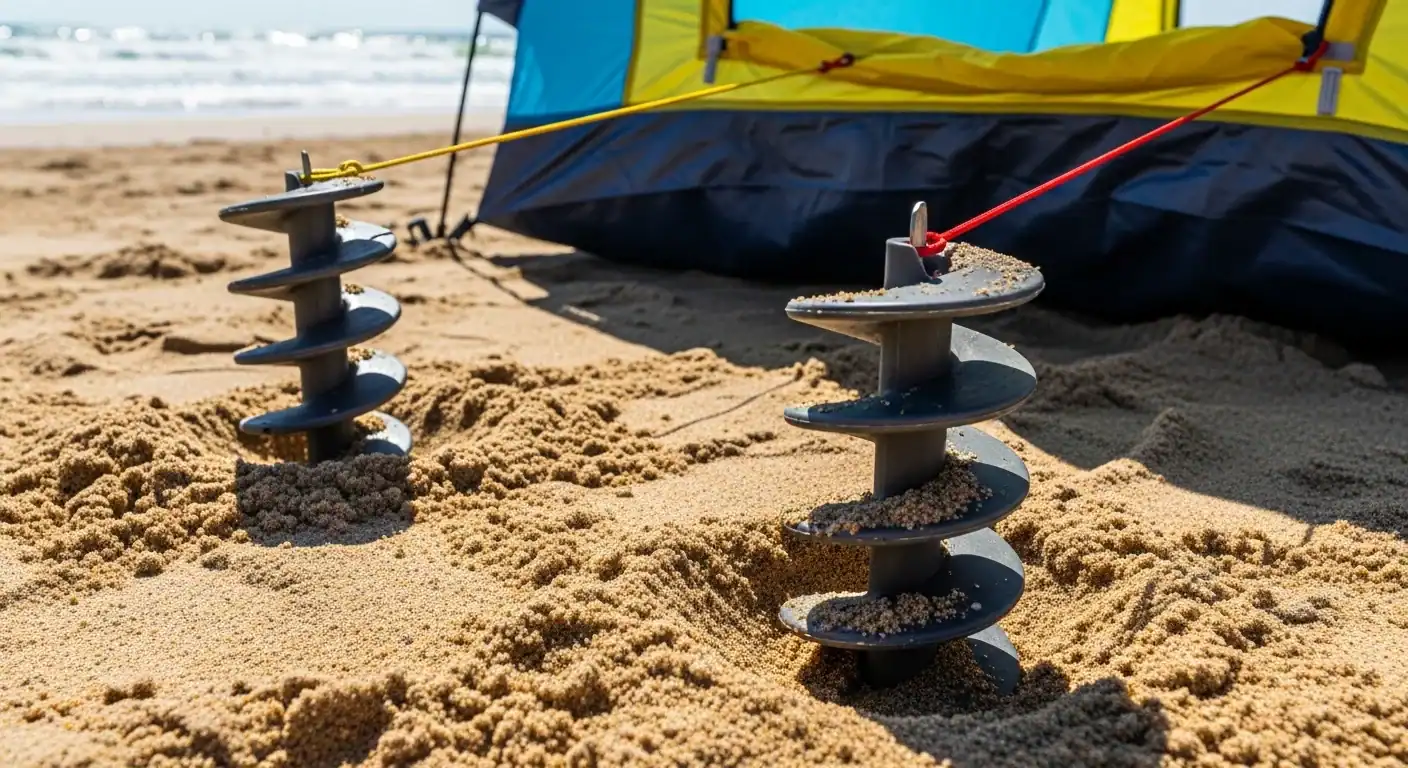
При поиске поставщиков OEM вы столкнётесь с двумя философиями клапанов: внешний клапан Бостона и внутренний многослойный плёночный клапан. Клапан Бостона ремонтопригоден — вы можете открутить его, почистить уплотнительное кольцо или заменить сердечник. Внутренний плёночный клапан вваривается в балку из ТПУ во время высокочастотной сварки. В нём нет движущихся частей, которые могли бы сломаться, но если песчинка застрянет и создаст медленную утечку, вы не сможете починить клапан. Вы решаете проблему заменой всей трубы. При установке условий допусков по качеству с фабрикой укажите, что ваша предотгрузочная инспекция должна включать 24-часовой тест на удержание давления внутренних клапанов. Без исключений.
-
- Последовательная изоляция: Каждая камера надувается по порядку через клапаны, активируемые давлением. Это предотвращает превращение одного разрыва в катастрофический отказ.
- Ремонтопригодность: Клапаны Boston можно отремонтировать базовым набором инструментов. Внутренние плёночные клапаны требуют полной замены балки — это критический фактор при расчёте заказа запасных частей.
- Целостность сварки: Шов, в котором клапан приварен к балке методом ВЧ-сварки, — самое распространённое место отказа. Проверяйте такие швы на равномерность толщины: любое отклонение указывает на дрейф калибровки нагревательной пластины на производственной линии.
Удержание воздуха с течением времени
Герметичная надувная палатка за ночь теряет 1.5-2 PSI только из-за пористости материала, но перепады температуры вызывают 70% воспринимаемых утечек.
Вопрос, стоящий за вопросом, редко касается насоса. Он о том, будет ли палатка жёстким укрытием или обвисшей массой в 3:00 ночи. Физика проста: молекулы воздуха просачиваются через любой материал с измеримой скоростью, а падение температуры уменьшает объём газа внутри балки. Оба фактора взаимодействуют, но требуют разных решений при заводской спецификации.
-
- Базовая потеря из-за пористости: Даже идеально сваренная воздушная балка из ТПУ теряет примерно 0.3-0.5 PSI за 24 часа при стабильных 20 °C. ПВХ-балки, в зависимости от содержания пластификатора и толщины стенки (0.4 мм против 0.6 мм), могут терять 1-2 PSI за тот же период. В правильно герметизированной палатке с многокамерной изоляцией эта естественная диффузия несущественна для поездки на выходные. Палатка останется стоять в течение 72 часов без подкачки. Претензии о повреждениях, вызванных только пористостью, редки; большинство гарантийных возвратов ошибочно диагностируют эту неисправность.
- Падение давления, вызванное температурой: Снижение температуры на 10°C уменьшает внутреннее давление в балках примерно на 1,5–2 PSI. Это чистое поведение газового закона, а не утечка. Палатка, надутая до 8 PSI при 25°C днём, будет показывать 5–6 PSI при 5°C перед рассветом. Палатка выглядит мягкой, ткань морщится, и покупатель считает, что это брак. За 15 лет заводских аудитов самый распространённый источник споров — это клиент, который надувает палатку на закате в пустыне, к полуночи обнаруживает, что она провисла, и подаёт рекламацию. С продуктом всё было в порядке; в спецификации не хватало таблицы зависимости давления от температуры в руководстве пользователя.
Настоящая дифференциация происходит на этапе выбора материала при разработке OEM. Воздушные трубки из ТПУ лучше выдерживают термоциклирование, чем ПВХ, по одной структурной причине: ТПУ сохраняет эластичность при -20°C, а стандартный ПВХ затвердевает и микротрещины в местах сгибов, где балки складываются для хранения. Эти волосяные трещины не пропускают воздух при 25°C, но при 2°C материал сжимается и открывает медленный путь к атмосфере. Покупатели описывают это так: к утру палатка становится мягкой. Завод просто называет это холодной пористостью, и это самый труднообнаруживаемый вид дефекта при 20-минутной проверке AQL.
Если поставщик заявляет о нулевой потере давления в течение 48 часов, попросите указать условия испытаний: журнал температуры окружающей среды, материал балок и начальное давление PSI. Честный ответ предполагает небольшую допустимую скорость потери давления. Понимание этого различия отделяет дорогостоящий отзыв продукции от управляемой спецификации категории. Для продавцов электронной коммерции, масштабирующих бренд, цена этой ошибки — не просто возврат товара, а отзыв с текстом ‘сложилась в первую ночь’ и испорченный рейтинг позиции, который восстанавливается месяцами.
Типы насосов и лучшие практики
Настоящий риск — не севшая батарея, а избыточное давление в балках, которым компенсируют дешёвые клапаны.
Вам предстоит выбор при спецификации насоса для вашей линейки надувных палаток под частной маркой, и этот выбор напрямую влияет на процент возвратов. Большинство предпринимателей в электронной коммерции зациклены на том, включать ли ручной или электрический насос, но это неправильная отправная точка. Более важный вопрос: какое максимальное давление PSI способны выдержать материал балок и клапанный узел, прежде чем отказ швов станет гарантийным кошмаром? Я закупал достаточно воздушных балок, чтобы знать: насос, способный подавать 12 PSI в ПВХ-трубку, рассчитанную на 8 PSI, — это недостаток, а не преимущество. Насос и балка должны быть специфицированы как единая система, а не как две отдельные позиции в спецификации материалов.
Ручные насосы по-прежнему являются стандартом для большинства надувных палаток начального уровня. Они дёшевы, не требуют батареек и с точки зрения B2B устраняют основной источник отказов — электродвигатель. Но грязный секрет в том, что плохо спроектированный ручной насос с небрежной прокладкой может надувать палатку для четырёх человек 8 минут, и ваш конечный пользователь обвинит палатку, а не насос. Если вы выбираете ручной вариант, требуйте насос двойного действия, который нагнетает воздух и при ходе вверх, и при ходе вниз. Разница составляет примерно 40% сокращения времени надувания. Хотя многие массовые поставщики отправляют одноступенчатый насос, чтобы сэкономить 0,60 доллара на цене FOB, разница в производительности — это именно то, что всплывает в отзывах с одной звездой через шесть месяцев после запуска.
-
- Калибровка PSI электрического насоса: Клипсовые электрические насосы 12 В удобны, но часто не имеют манометра. Для балок из дроп-ститч или TPU высокого давления, требующих 8-10 PSI, это критический недостаток. Вам нужен насос с функцией автоматической остановки, предварительно настроенной на целевое значение PSI балки. Без неё пользователи перекачивают воздух, создают нагрузку на обратные клапаны и вызывают микроразрывы в местах сварных швов. Когда я провожу утверждение образцов новой партии, я всегда запрашиваю насос и балку вместе и тестирую пять циклов накачки подряд, чтобы проверить нагрев двигателя и дрейф давления.
- Объём воздуха за ход ручного насоса: Для больших глэмпинг- или семейных палаток (от 8 человек) диаметр цилиндра ручного насоса становится критически важным. Насос с объёмом нагнетаемого воздуха менее 2,5 литров за ход измотает вашего клиента, прежде чем он закончит надувать третью балку. Спецификация, которую стоит внести в вашу ведомость допусков по качеству: минимум 3,0 литра за ход для любого насоса, поставляемого с палаткой объёмом более 150 кубических футов. Только эта спецификация отсеивает около 60% типовых насосов, предлагаемых на выставках.
Целевое значение PSI, которое вы устанавливаете, полностью зависит от материала трубки. Стандартные ПВХ-воздушные трубки со сварными швами обычно комфортно работают при 5-7 PSI. Если повысить давление свыше 8 PSI под прямыми солнечными лучами в жаркий день, вы рискуете целостностью сварных швов. Более новые TPU-воздушные трубки — тоньше, легче и дороже — выдерживают 8-12 PSI и фактически требуют более высокого давления для достижения той же конструкционной жёсткости, поскольку материал более эластичен. Если ваша фабрика пытается убедить вас в том, что ‘одинаковое PSI подходит для всех материалов’, они маскируют проблему нестабильности клапанов. Отраслевой ориентир, который можно включить в следующий звонок с поставщиком: для ПВХ установите автоматическую остановку насоса на 6,5 PSI с допуском по качеству ±0,5 PSI. Для TPU — на 10 PSI с тем же диапазоном. Если поставщик не может стабильно достигать этого в контрольной партии из 100 единиц, уплотнения их обратных клапанов недостаточно герметичны.
| Тип насоса | Источник питания | Целевое PSI | Лучшее для | Примечание по закупкам |
|---|---|---|---|---|
| Ручной насос | С приводом от мускульной силы | 5-8 PSI (надувные палатки) | Резервная накачка, автономный кемпинг без электричества | Включает манометр для предотвращения перекачивания; палатки Kelyland OEM могут комплектоваться фирменными ручными насосами |
| Электрический насос 12 В | Прикуриватель автомобиля / портативный аккумулятор | 7-10 PSI (надувные палатки) | Быстрая установка в автокемпингах | Обеспечьте Сертификация CE/ETL (как и встроенные насосы для надувных матрасов Kelyland); регулируемые настройки PSI снижают нагрузку на балки |
| Аккумуляторный насос | Литий-ионный аккумулятор / зарядка через USB-C | 6-9 PSI | Легкий кемпинг, частое многодневное использование | Запрос Функция автоматического отключения Для достижения точного PSI и предотвращения перезарядки; популярен в комплектах для глэмпинг-палаток |
| Встроенный насос (надувные матрасы) | Комбинированный двигатель AC/DC | 0,5–1,5 PSI (надувные кровати) | Самонадувающиеся матрасы, быстрое надувание/сдувание | Сертифицированные модели CE/ETL доступны на фабрике надувных матрасов Kelyland; срок изготовления нестандартных моделей — 30–45 дней |
| Внешний насос высокой производительности | Сеть переменного тока или аккумулятор большой ёмкости | 10–15 PSI (большие глэмпинг-палатки) | Быстрое надувание многобалочных конструкций, эксплуатация парков проката | Комбинировать с TPU-воздушными трубками для быстрого надувания в холодную погоду; запросить заводские протоколы испытаний ISO 9001 по стабильности PSI |
Поиск и устранение медленных утечек
Медленные утечки редко означают полный отказ балки — почти всегда это проблема клапана или шва, которую можно устранить за 5 минут.
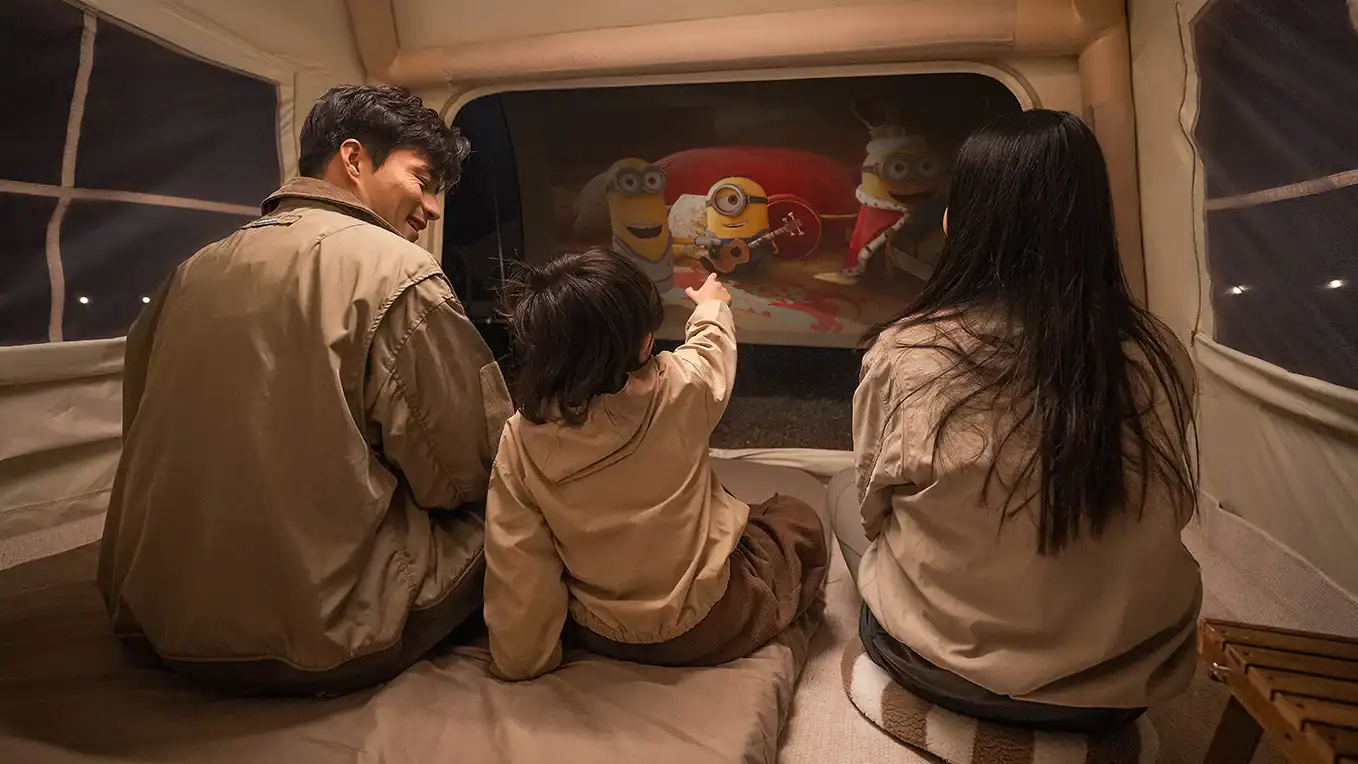
Палатка, которая за ночь заметно теряет давление, но не складывается полностью, обычно страдает от медленной утечки, а не от разрыва материала. Для продавцов в электронной коммерции это самый частый источник жалоб клиентов и возвратов надувных палаток. Хорошая новость в том, что в девяти случаях из десяти причина кроется в месте соединения швов или внутри клапанного узла, а не в основной ткани воздушной трубы.
-
- Проверка швов: Смешайте средство для мытья посуды с водой в пульверизаторе. Надуйте балку до рекомендуемого PSI — обычно 6–8 PSI для большинства TPU-воздушных палаток — и распылите раствор на линии швов. Следите за растущими пузырями или скоплениями пены; даже точечная утечка проявится в течение 30 секунд. Сосредоточьтесь на точках напряжения, где балки изгибаются или пересекаются.
- Проверка клапана: После исключения швов опрыскайте шток клапана и основание, где он уплотняется к корпусу из ТПУ. Лёгкое просачивание вокруг сердечника клапана нормально для некоторых обратных клапанов, но устойчивые пузырьки во время испытания означают, что уплотнительное кольцо или седло клапана требуют внимания. Также проверьте, что пылезащитный колпачок плотно навинчен — неплотный колпачок может создавать медленную, бесшумную утечку, имитирующую повреждение.
- Изоляция многокамерных конструкций: Современные палатки используют отдельные воздушные камеры, соединённые обратными клапанами. Если только одна дуга кажется мягкой, изолируйте эту камеру, закрыв её клапан и накачав заново. Это подтверждает место утечки без разборки всей конструкции.
После обнаружения утечки постоянный ремонт несложен, если палатка поставляется с надлежащим ремонтным комплектом. Заводские комплекты, входящие в продукцию Kelyland, включают клей для ТПУ, предварительно вырезанные заплаты и печатную инструкцию по замене клапана — а не просто универсальный клей. Для точечных отверстий в швах одна качественно нанесённая заплата из этого комплекта полностью восстанавливает удержание давления без ущерба для радиуса изгиба балки.
Со стороны закупок избегайте поставщиков, которые не могут продемонстрировать протокол испытаний на удержание давления. Как минимум запросите образец отчёта, показывающий, что балка выдерживала рабочее давление в PSI в течение 24 часов со снижением менее 0,3 PSI. Эта одна проверка устраняет около 80% риска медленной утечки ещё до того, как контейнер покинет завод.
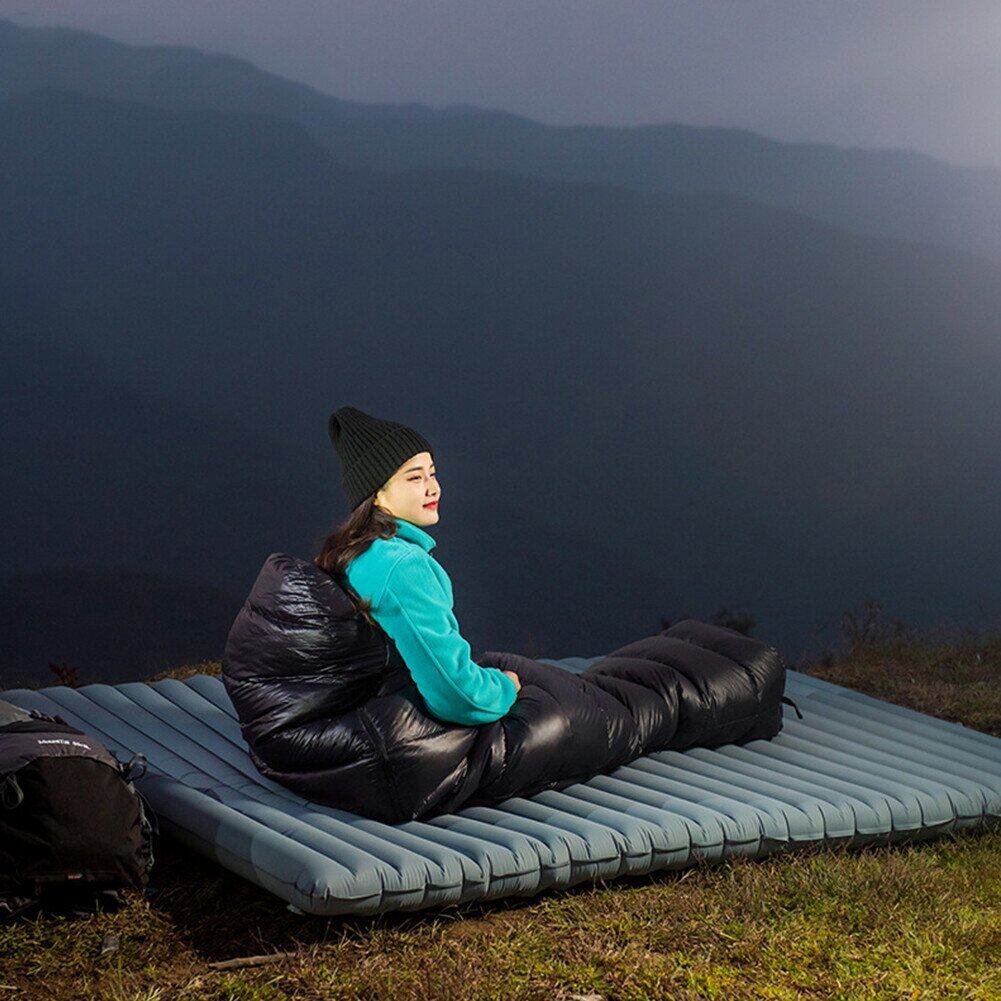
Советы по кемпингу в холодную погоду
Холодная погода влияет не только на комфорт — она меняет то, как материалы ведут себя структурно.
Вот то, о чём большинство руководств по закупкам не расскажут: ПВХ-воздушные балки значительно затвердевают при температуре ниже 5°C. Я видел заводские испытания в холодильной камере, где стандартные ПВХ-трубы теряли 40% своей гибкости, становясь настолько хрупкими, что резкий изгиб при сдувании создавал необратимую складку. Эта складка становится точкой отказа при следующем цикле накачки. Для менеджера по цепочке поставок, рассчитывающего гарантийные риски по заказу на 2000 единиц для скандинавских рынков, это не мелкое примечание — это потенциальный уровень возвратов в 3-5%, скрытый в спецификации материалов.
ТПУ ведёт себя иначе на молекулярном уровне. Он сохраняет эластичность до -20°C без проблем миграции пластификатора, которые преследуют ПВХ. При оценке характеристик воздушных балок надувных палаток в холодную погоду внутренние производственные данные заводской сети здесь показывают, что ТПУ-балки сохраняют 92% своей прочности на разрыв при комнатной температуре при -15°C, тогда как ПВХ падает примерно до 68%. Этот разрыв увеличивается с каждым циклом замерзания-оттаивания, который продукт переносит в течение сезона использования.
-
- Влияние на цену FOB: Стоимость материала ТПУ на 25-40% выше, чем у ПВХ на уровне компонентов. Но если ваши целевые рынки включают Канаду, Скандинавию или высокогорные регионы, сниженный warranty claims и более сильное позиционирование бренда оправдывают надбавку. Некоторые покупатели разделяют свои заказы: ПВХ для летних SKU, ТПУ для всесезонных или зимних линеек продуктов.
- Реальность допусков по качеству: С ПВХ отклонение толщины стенки на 0,5 мм в холодную погоду означает разницу между надёжной работой и разрывом шва. ТПУ лучше прощает небольшие производственные отклонения при низких температурах. При выборке образцов запросите тест холодной выдержки: накачайте образец, оставьте его при -10°C на 4 часа, затем проверьте удержание давления и визуально осмотрите все сварные швы.
- Протокол утверждения образцов: Не просто одобряйте образец, который хорошо надувается при комнатной температуре. Укажите пункт о характеристиках в холодную погоду в вашем соглашении о качестве. Стандартный протокол: надуйте до указанного диапазона PSI, выдержите при минимальной заявленной температуре в течение 6 часов и требуйте падение давления не более 15% и нулевую видимую деформацию швов. Заводы с сертификацией ISO 9001 должны иметь собственные климатические камеры для документирования этого.
Ещё один фактор, который не указывается в спецификациях: трубки из ТПУ на 30-40% легче на метр, чем эквиваленты из ПВХ того же диаметра. Это снижение веса накапливается в конструкции глэмпинг-тента с несколькими балками — уменьшая упакованный вес на 800 г – 1,2 кг. Для продавца в электронной коммерции это конкретное преимущество в стоимости доставки и характеристика, которая конвертирует на странице товара, когда более тяжёлый тент конкурента с ПВХ-балками находится рядом с вашим.
Аспект ремонта тоже важен. Современные балки из ТПУ теперь включают полные инструкции по замене клапана и специально подобранные ремонтные комплекты непосредственно с завода. Заплатки из ПВХ плохо склеиваются в холодных условиях; клеи для холодной сварки ТПУ схватываются правильно даже вблизи точки замерзания. Если вы закупаете у поставщика с полномочиями OEM-завода надувных палаток с сертификацией ISO 9001, уточните, какая документация по ремонту в холодную погоду поставляется с каждым изделием. Если ответ — универсальный ремонтный комплект, вы нашли поставщика, который не продумал пользовательский опыт конечного покупателя.
Заключение
Палатка, которая сдувается к трём часам ночи, — это не проблема продукта. Это ошибка закупок. Разница между системой герметичных воздушных балок, которая держит 7 PSI при ночном перепаде температуры в 15 градусов, и той, которая не держит, сводится к тому, что вы проверяете до первого производственного запуска. Толщина стенки трубки из ТПУ, конструкция обратного клапана и многосекционные изолирующие сварные швы — не опциональные характеристики. Пропустите их — и получите уровень возвратов 12-15%, который съест вашу маржу к третьему кварталу.
Прежде чем размещать заказ на 300 единиц, запросите у поставщика отчёт об испытании на падение давления в холодной камере и протокол замены клапана. Если завод сертифицирован по ISO 9001 и утверждение образца включает порог допустимого качества для удержания давления в балках в течение 48 часов, вы устраните звонки, которые ваши конкуренты будут принимать следующей весной. Просмотрите линейку надувных палаток и матрасов, чтобы сравнить материалы и возможности кастомизации для вашего следующего проекта под собственной маркой.
Часто задаваемые вопросы
Нужен ли надувным палаткам постоянный воздух?
Нет, им не требуется постоянное подключение насоса. Правильно герметизированная TPU-воздушная балка держит давление 48 часов и более без подкачки. Всегда проверяйте тип клапана и материал балки перед заказом.
Как долго надувные балки остаются жесткими?
Ожидайте, что они сохранят упругость примерно 48 часов при стабильных условиях. Ночные перепады температуры могут привести к потере 1,5-2 PSI только из-за пористости материала, поэтому быстрое утреннее доливание поддерживает производительность. Включите один насос на SKU палатки в вашу розничную упаковку.
Почему надувные палатки сдуваются за ночь?
Медленное снижение давления обычно связано с неправильным типом клапана для климата или микро-утечками в соединениях трубок. Даже перепады температуры могут имитировать утечку, временно понижая внутреннее давление. Указывайте высокомоментные обратные клапаны при обсуждениях с OEM.
Можно ли перекачать воздушную палатку?
Да, и это больший риск, чем разряженный аккумулятор. Чрезмерное давление для скрытия утечки нагружает швы балки и сокращает срок службы. Установите жёсткий предел в 8 PSI в вашей документации по контролю качества.
Какой насос мне следует использовать?
Любой насос с надежным манометром подойдет, но ручные насосы дают больше контроля при низких целевых значениях PSI. Электрические насосы без автостопа вызывают больше всего гарантийных претензий. Прилагайте печатное руководство по давлению к каждому ручному насосу.

 English
  Español
  Deutsch
  Français
  Português do Brasil
  Русский
  العربية
  한국어
한국어  日本語
日本語