 跳到内容
跳到内容 
Первый признак проблем с сертификацией надувных палаток 2026 года обычно заключается не в лабораторном отчете. Это уведомление о задержке на таможне через три недели после того, как груз должен был поступить на распределительный центр. Менеджер бренда распаковывает контейнер на 50 000 долларов с премиальными надувными палатками, сверяет цену FOB с фактурной стоимостью и видит, что все документы по утверждению образцов оформлены — а затем покупатель в Калифорнии запрашивает сертификат CPA I-84. Вот тут и проявляется пробел. Предпроизводственный образец прошел проверку, потому что в испытательную лабораторию отправили только ткань корпуса. Термопластичные полиуретановые воздушные балки — та часть, которая делает палатку надувной, — никогда не оценивались отдельно по пересмотренной версии EN 5912 2026 года. Внезапно контейнер, стоящий в порту, накапливает плату за простой, а маржа на всю производственную партию сокращается до нуля.
После управления аудитами поставщиков в 12 странах повторяющийся урок очевиден: нормативная база для надувных конструкций фрагментируется по регионам, материалам и методам испытаний. Версия EN 5912 2026 года теперь требует индивидуальной классификации пожарной безопасности для термопластичных воздушных балок в отличие от внешнего текстиля. Параллельно в Северной Америке усиливается правоприменительная практика CPSC в отношении взаимодействия CPA I-84 и ASTM F3431-21. Партнер по закупкам, который рассматривает сертификацию как погоню за документами, пропустит эти изменения. Те, с кем стоит работать, с первого дня встраивают логику сертификации в план контроля качества — потому что экономия 0,50 доллара за палатку на огнезащитном покрытии сработает только в том случае, если выбор смолы и процесс сварки пройдут нужную батарею сторонних тестов. Ниже приведен трехпунктный контрольный список, который отсекает лишнее, чтобы вы могли задать каждому поставщику вопросы, которые отличают линию, готовую к 2026 году, от катастрофы с застрявшим на таможне грузом.
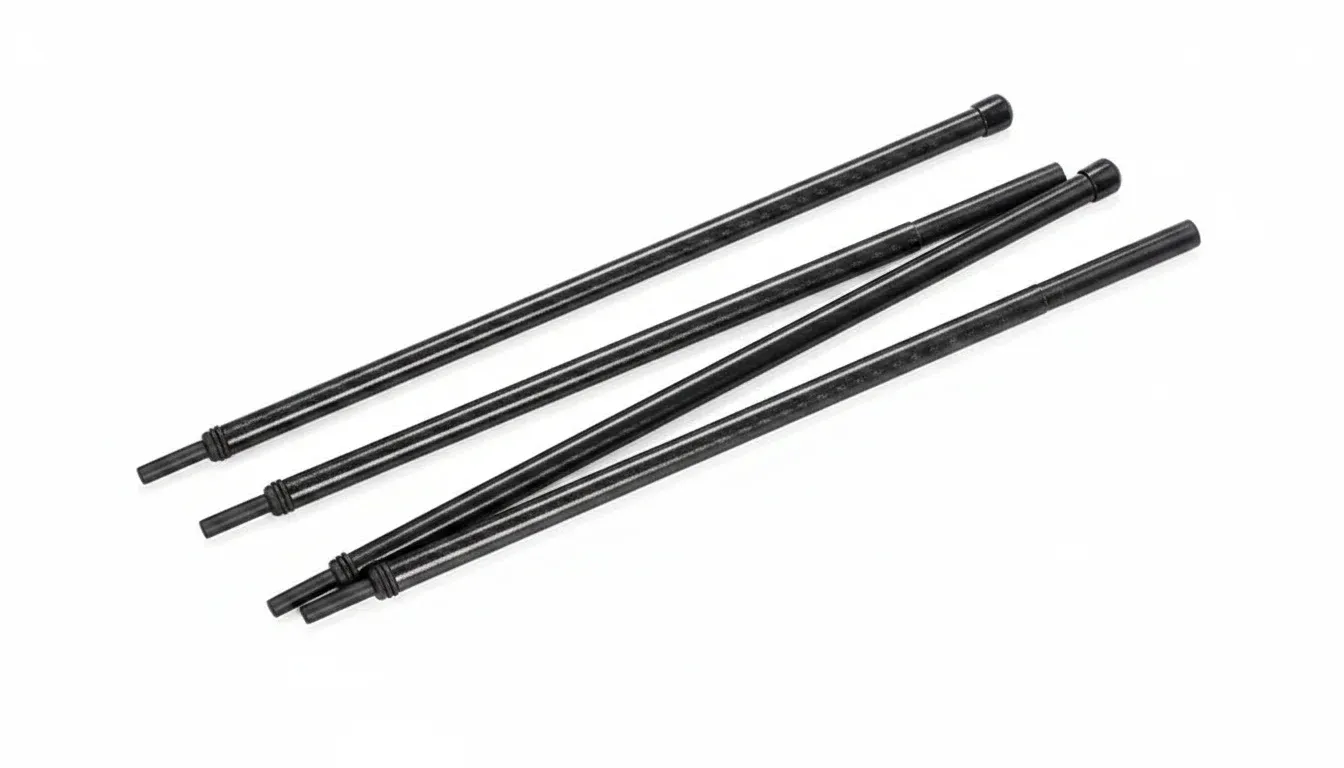
Маркировка CE для надувных палаток: какие директивы применяются
Большинство импортеров неправильно классифицируют надувные палатки и инициируют ненужные химические испытания.
Только в 2026 году я видел, как контейнеры двух брендов были задержаны в Роттердаме, потому что они задекларировали свою надувную палатку по старому маршруту GPSD, когда уже вступила в силу обновленная GPSR. Проблема классификации начинается с фундаментального вопроса: является ли палатка с воздушными балками ‘палаткой’ в нормативном смысле или же ‘конструкцией’? Европейские таможенные органы не заботятся о том, как вы называете это в маркетинге. Их волнует код гармонизированного стандарта, на который ссылается ваш DoC.
-
-
- СИЗ (Регламент 2016/425): Применяется ТОЛЬКО в случае, если палатка продаётся как защитное средство от конкретных опасностей — например, военное укрытие с защитой от осколков. Стандартные кемпинговые надувные палатки сюда НЕ попадают. Оформление как СИЗ для рекреационной палатки запускает обязательную аудиторскую цепочку, которая вам не нужна.
- GPSR (Регламент 2023/988) — бывший GPSD: Это общий регламент безопасности, который вступил в полную силу в декабре 2026 года и применяется к большинству кемпинговых надувных палаток. Он требует документа по оценке рисков, маркировки для отслеживания и уполномоченного представителя, учреждённого в ЕС, если ваша компания-бренд находится за пределами блока. Ключевое изменение 2026 года: GPSR теперь прямо ссылается на EN 5912 по горючести текстиля, что делает протокол испытаний обязательным, а не добровольным.
- Регламент по строительным изделиям (CPR): Применяется к крупным полустационарным глэмпинг-сооружениям, предназначенным для проживания более 30 дней подряд. Если ваше изделие — купольная палатка из брезента на 4 сезона с портом для дровяной печи и вы продаёте её для круглогодичного проживания, это запускает CPR. Для надувной палатки на выходные это неправильная категория.
-
Правильный путь для 99% кемпинговых надувных палаток в 2026 году — GPSR с EN 5912 в качестве эталонного стандарта горючести. Если ваш уполномоченный представитель подаёт документы по неверному регламенту, техническое досье будет отклонено на этапе документальной проверки. Это означает, что ваш груз FOB будет стоять на таможенном складе, пока вы платите €85/час консультанту по соответствию за переписывание того, что должно было быть верным с первого дня.
Пересмотр EN 5912 в 2026 году ввёл то, что застаёт врасплох начинающих импортёров: отдельную классификацию пожарной опасности для материала воздушной балки и для ткани корпуса. Термопластичный полиуретан (ТПУ), используемый в воздушных балках, горит не так, как полиэстеровая оксфордская ткань. По обновлённому стандарту оба материала должны испытываться отдельно и получать свой собственный класс. Палатка может пройти по ткани корпуса, но провалиться по материалу балки, если состав ТПУ содержит дешёвые пластификаторы, действующие как ускорители горения.
-
- EN 5912 Класс 1: Отсутствие распространения пламени, отсутствие горящих капель. Требуется большинством крупных европейских ритейлеров, включая Decathlon и Globetrotter. Воздушные балки из ТПУ достигают этого без антипиреновых покрытий, если базовая смола — первичный ТПУ на основе полиэстера, а не переработанный ПВХ-смесевой материал, который некоторые заводы заменяют для экономии €0,30/метр.
- EN 5912 Класс 2: Допускается ограниченное распространение пламени, без горящих обломков. Приемлемо для брендов прямых продаж потребителям, не реализуемых через традиционные розничные магазины. Риск заключается в том, что некоторые государства-члены ЕС — в частности, Франция и Швеция — имеют местные нормативные акты, которые отменяют требования Класса 2 и требуют Класс 1 для любого ‘обитаемого временного сооружения’.
- EN 5912 Класс 3: Неудача. Продукт не может быть маркирован знаком CE для кемпингового использования. Партия из 800 единиц получила Класс 3, потому что завод использовал ПУ покрытие с бромированным антипиреном, который деградировал во время хранения, создавая непредсказуемое поведение при горении.
Практическое следствие обновления 2026 года простое: теперь вы предоставляете два отчета об испытаниях EN 5912 в вашем техническом файле, а не один. Лаборатории, такие как SGS и TÜV Rheinland, берут примерно €600-800 за образец материала для тестирования EN 5912. Если вы тестируете только ткань корпуса, а вашего импортера проверяют, вся Декларация соответствия становится недействительной.
Сам технический файл должен содержать шесть ключевых элементов, чтобы пройти проверку рыночного надзора. Описание продукта с фотографиями и разобранными схемами воздушной балки. Полные отчеты об испытаниях EN 5912 как для ткани корпуса, так и для материала балки, датированные последними 12 месяцами. Оценка риска, охватывающая точки защемления на механизмах клапанов и риск удушья для детей до 36 месяцев (требуется в соответствии с Приложением I к GPSR). План контроля качества производства, показывающий проверки в процессе на станции сварки ТПУ. Декларация соответствия, подписанная уполномоченным представителем в ЕС — не заводом, не вашим брендом, если у вас нет юридического лица в ЕС. И записи о прослеживаемости партий, связывающие каждую производственную партию с сертификатами на сырье. Отсутствие любого из этих элементов дает национальному органу основания для выдачи распоряжения об изъятии.
Одна из тактик экономии средств, которую я использую с менеджерами брендов, нацеленными на несколько рынков ЕС: подготовить технический файл один раз в рамках GPSR с EN 5912 Класс 1 в качестве базового уровня, затем добавить страновые приложения для Франции (дополнительный тест на эмиссию формальдегида для пола) и Германии (требования к знаку GS при продаже через Bauhaus или аналогичные сети DIY). Создание единого файла с модульными приложениями стоит около €2 500 на консультации по соответствию по сравнению с €4 000–5 000, если вы обрабатываете каждый рынок как отдельный проект. Инвестиции на начальном этапе в правильную классификацию избегают гораздо больших затрат, связанных с тем, что 40-футовый контейнер стоит на таможне 18 дней, пока ваше окно розничного запуска закрывается.
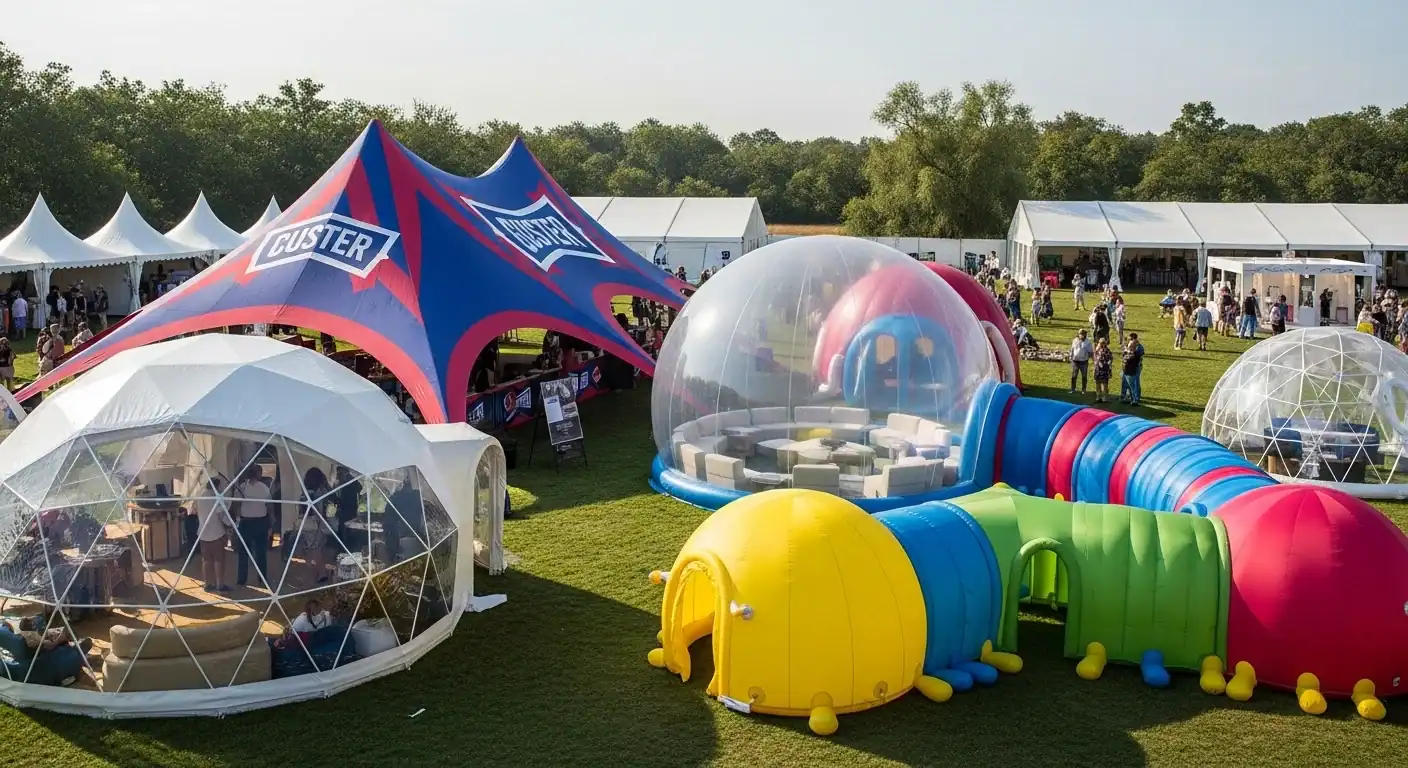
Требования по огнестойкости в США и на международном уровне
В 2026 году вашу воздушную балку и ткань корпуса следует тестировать по разным классам огнестойкости, но большинство импортеров этого не требуют.
Если вы продаете в Калифорнии, Нью-Йорке или Массачусетсе, CPA I-84 не является опциональным. Это требование на уровне штата, которое фактически устанавливает рыночный стандарт для всей страны. Тест использует стандартный метод ‘маленького открытого пламени’ для измерения длины обугливания на сложенных или слоистых текстильных материалах. Для надувных конструкций состав полимера полностью меняет путь соответствия. ПВХ воздушные балки почти всегда требуют дополнительных антипиреновых покрытий для прохождения теста, что добавляет примерно $0,40–$0,60 за палатку в затраты на химическую обработку, увеличивает вес и со временем снижает УФ-стабильность. ТПУ воздушные балки отличаются. Их собственное плавление — они капают от пламени, а не поддерживают воспламенение — часто позволяет пройти CPA I-84 без этих дополнительных покрытий. Если ваш поставщик не знает об этой разнице, вы, вероятно, добавляете ненужные затраты в спецификацию материалов.
-
-
- ПВХ воздушные балки: Обычно требует добавления химических антипиренов для соблюдения ограничений по длине обугливания. Это увеличивает вес, стоимость и может изменить тактильные ощущения ткани и прочность сварных швов.
- Воздушные балки из TPU: Термопластичный полиуретан часто проходит CPA I-84 только за счет физического поведения плавления и каплеобразования. Использование необработанного TPU устраняет химическую переменную и один из слоев затрат в производстве.
-
Выбор между NFPA 701 и ASTM F3431-21 сводится к тому, кто подписывает заказ на покупку. NFPA 701 — более общий кодекс для текстиля и пленок; он измеряет распространение пламени. ASTM F3431-21 — это специальный стандарт для ‘мягкостенных укрытий’, то есть для надувных палаток. Геометрия испытаний и источник зажигания различаются. ASTM использует ориентацию горелки, имитирующую реальный сценарий неправильного использования, например, когда спальный мешок прижат к стенке палатки. Если вы предлагаете продукт покупателю из крупной розничной сети, они будут вникать в это. Я видел, как категорийные менеджеры в больших магазинах отклоняли целые контейнеры, потому что в лабораторном отчете было указано ‘NFPA 701’, а не ‘ASTM F3431-21’. Для бренда, запускающегося в 2026 году, запланируйте бюджет на оба теста. Это даст вам гибкость в дистрибуции и покажет отделам закупок, что вы знаете специфические правила безопасности для данной категории.
-
-
- NFPA 701: Общий тест на воспламеняемость текстиля. Часто принимается в качестве базового уровня продавцами товаров общего назначения, но становится недостаточным для специализированных магазинов outdoor, требующих актуальных стандартов для палаток.
- ASTM F3431-21: Точный стандарт для кемпинговых палаток. Обязателен для многих крупных североамериканских розничных сетей. Непроведение этого конкретного метода может привести к возврату продукции на ваш склад за ваш счет.
-
Канадский CAN/ULC-S109 и австралийский AS 1530.3 часто объединяют как ‘похожие на европейские’, и это предположение приводит к задержкам контейнеров на таможне. CAN/ULC-S109 оценивает высоту и скорость распространения пламени на большой панели и строг в отношении ускоренного распространения огня. AS 1530.3 использует калориметр конического типа или источник зажигания для измерения ‘индекса воспламеняемости’, часто наряду с оценкой токсичности. Протоколы кондиционирования образцов также различаются. Распространенная ошибка брендов — считать, что их сертификация EN в ЕС автоматически распространяется на эти рынки. Обычно это не так. Надежным сигналом проверки заводских аудитах, является способность поставщика предоставить действительные протоколы испытаний от сертифицированной лаборатории именно для S109 и AS 1530.3, а не просто общий ‘пройдено’ в техническом файле. Это указывает на реальный опыт глобальной дистрибуции.
-
- Канадский (CAN/ULC-S109): Оценивает скорость распространения пламени. Требует отдельного кондиционирования. Прямо исключает материалы с высокими показателями быстрого распространения, даже если общее тепловыделение низкое.
- Австралийский стандарт (AS 1530.3): Измеряет ‘индекс воспламеняемости’ с помощью калориметра. Часто оценивается вместе с показателями токсичности. Требует, чтобы образцы ткани выдерживали определенные испытания на зажигание от пилотного источника, отличные от североамериканских или европейских методов.
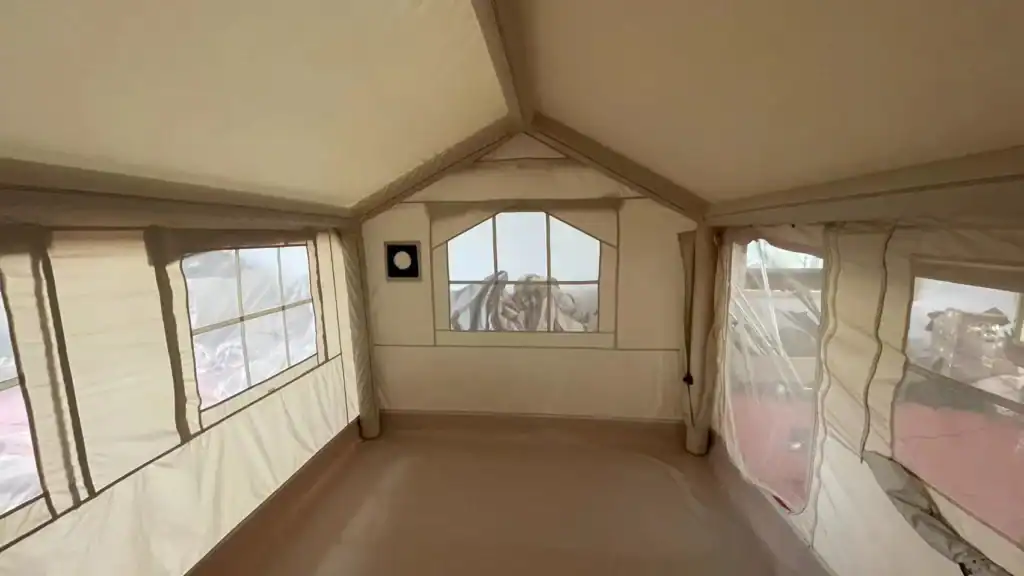
ISO 9001:2015 и аудиты производственных процессов
Сертификат ISO на стене ничего не значит, если фабрика не может показать вам свой журнал испытаний под давлением в процессе производства.
Большинство бренд-менеджеров относятся к ISO 9001:2015 как к бинарному флажку — фабрика либо имеет его, либо нет. Это полностью упускает суть. Стандарт не сертифицирует качество продукта; он сертифицирует, что у фабрики есть документированный, воспроизводимый процесс контроля качества. На предприятии по сварке ТПУ, изготавливающем надувные палатки, это различие имеет значение, потому что виды отказов обусловлены процессом: холодная сварка, смещенный шов, неправильно отожженное седло клапана. Фабрика может иметь сертификат ISO 9001 и все равно поставлять брак, если параметры ее процесса установлены неправильно. На самом деле вы покупаете с сертификацией отслеживаемость — возможность получить запись партии для палатки #A2741 и точно увидеть, какой оператор сваривал балку 3, при какой температуре, в какой день и прошла ли эта балка испытание на падение давления.
Основная фабрика палаток Kelyland в Нинбо работает по СМК, которая напрямую соответствует конкретным рискам надувного продукта. Документированные процедуры включают проверку толщины поступающей пленки ТПУ (0,4–0,6 мм в зависимости от диаметра балки), калиброванные настройки высокочастотной сварочной машины для каждого SKU и определенные критерии приемки для визуального контроля сварных швов — отсутствие пузырей диаметром более 1,5 мм, отсутствие расслоения кромки более чем на 2 мм от линии шва. Эти пороговые значения не являются общими; они были разработаны на основе данных годового производства в 800 000 единиц и уточнены совместно с несколькими брендовыми партнерами, включая Ace Hardware и Lucid.
-
- Испытание на падение давления сварного шва: Каждая производственная партия проходит герметичный тест на надувание, при котором воздушные балки нагнетаются до 1,5-кратного номинального рабочего давления (обычно 7–10 PSI для надувных кемпинговых изделий, поэтому испытания проводятся при 10,5–15 PSI) и выдерживаются в течение 4 часов. Потеря давления не должна превышать 3%, чтобы партия прошла проверку. Отдельные участки шва, показывающие образование пузырей, маркируются, разрезаются для анализа поперечного сечения, а температура и время выдержки сварочной машины перекалибруются.
- Испытание клапана на циклический срок службы: Клапаны надувных палаток — особенно высокопоточные клапаны бостонского типа, используемые в моделях для глэмпинга, — извлекаются из каждой партии полости пресс-формы и подвергаются 500 циклам открытия-закрытия на пневматическом испытательном стенде. Допустимая утечка после циклирования составляет менее 0,2 PSI падения за 30 минут. Клапаны, не прошедшие это испытание, вызывают полный карантин полости пресс-формы и отчет о корректирующих действиях поставщика (SCAR).
- Адгезия покрытия ткани (тест решетчатых надрезов): Для палаток, в которых используется ткань кузова с полиуретановым покрытием, завод проводит ASTM D3359 испытание на адгезию методом решётчатого надреза на поступающих рулонах ткани. Если расслоение покрытия превышает 51% площади сетки, весь рулон бракуется и возвращается на текстильную фабрику. Это предотвращает отказы швов молний и жалобы на шелушение ещё до начала производства.
Третья часть этого раздела — какие сторонние аудиторские фирмы имеют значение — это то, где, как я вижу, бренд-менеджеры совершают дорогостоящую ошибку. Они запрашивают ‘аудит SGS’, как будто это стандартная услуга. Это не так. SGS, Bureau Veritas и TÜV Rheinland принимаются крупными европейскими розничными продавцами (Decathlon, Globetrotter, AS Adventure), но каждый предлагает совершенно разные объёмы аудита. Аудит социального соответствия SGS (SMETA 4 pillars) стоит около 2500 евро и проверяет рабочее время, заработную плату и безопасность. Он ничего не говорит о качестве сварки. Технический аудит Bureau Veritas (оценка возможностей завода) стоит 3000–4500 евро и оценивает журналы калибровки оборудования, отслеживаемость сырья и контрольные точки качества в процессе — это тот, который на самом деле предсказывает, будут ли балки вашей палатки держать воздух на кемпинге в Провансе. TÜV Rheinland предлагает комбинированный аудит системы менеджмента качества, который специально проверяет глубину внедрения ISO 9001, — именно это такие розничные продавцы, как Ace Hardware, используют для обхода избыточной квалификации поставщиков.
Вот что меняет экономику для бренд-менеджеров: фабрика палаток Kelyland в Нинбо имеет сертификат социального соответствия BSCI в дополнение к ISO 9001:2015. Такая двойная сертификация означает, что европейские розничные продавцы, которые обычно требуют отдельный социальный аудит перед включением нового поставщика, могут ускорить утверждение, используя существующий сертификат BSCI. Только экономия на затратах на аудит — примерно 2500 евро — может компенсировать бюджет на разработку образцов для нового артикула надувной палатки. В сочетании с годовым объёмом производства фабрики в 800 000 единиц и установленными процедурами отслеживаемости материалов набор сертификатов функционирует как практический инструмент доступа к рынку, а не как декоративная рамка на стене.
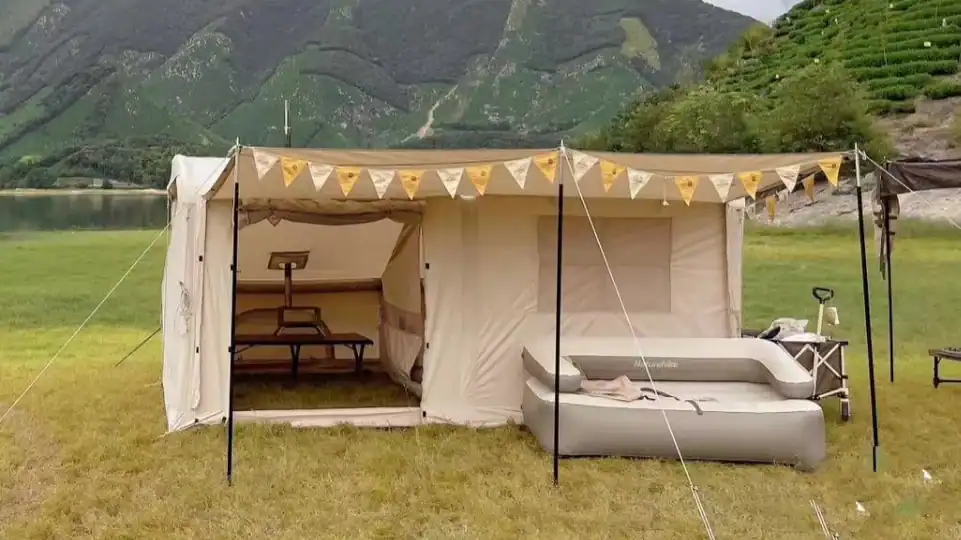
Получение сертификатов через вашего партнера по закупкам
Большинство импортёров переплачивают за сертификацию, потому что тестируют неправильную комбинацию материалов.
Клиенты, которые понесли убытки на заказе в 50 000 евро, обычно рассказывают одну и ту же историю: предпроизводственный образец прошёл лабораторные испытания, но прибывший контейнер провалил случайную таможенную проверку. Фабрика заменила ткань кузова на более дешёвый рулон с другой фабрики, никому не сообщив. Партнёр по sourcing, который управляет документацией по конкретным партиям, предотвращает это, фиксируя спецификацию материалов до начала раскроя.
Протоколы испытаний для конкретных партий — не просто приятное дополнение. Это единственное доказательство, которое команда по соблюдению требований европейского розничного продавца примет, когда поставка будет отмечена в рамках GPSR. Основная фабрика палаток в Нинбо ведёт библиотеку сохранённых образцов для каждой производственной партии, сопоставленную с цифровой записью испытаний. Если немецкая лаборатория задаст вопрос о результате теста на распространение пламени для поставки ноября 2026 года, точный образец и отчёт сторонней организации будут доступны в течение 24 часов.
-
-
- Внутренняя предварительная проверка: Перед отправкой тканей в SGS или Bureau Veritas фабрика проводит вертикальный тест на горение в процессе на каждом поступающем рулоне ткани. Ткани, которые находятся вблизи границы класса 1 по EN 5912, немедленно изолируются. Это выявляет 80% проблем до проведения платного внешнего аудита, экономя 300–600 евро на повторных тестах на артикул.
- Отчёты на уровне компонентов: Пересмотр EN 5912 в 2026 году требует отдельной классификации по огнестойкости для TPU-балки и ткани кузова. Правильный пакет отчётов по партии содержит шесть документов: тест на горение ткани кузова, тест на плавление/каплеобразование TPU-балки, журнал давления разрыва сварного шва, сертификат циклического срока службы клапана, проверку SVHC по REACH для нанесённых логотипов и итоговую сводку соответствия сборки требованиям GPSR.
- Обход аудита розничного продавца: Завод палаток в Нинбо имеет сертификацию BSCI по социальному соответствию и ИСО 9001:2015. Когда Ace Hardware или Lucid отправляют стороннюю аудиторскую группу, завод предоставляет эти существующие сертификаты вместе с пакетом тестов партии. В течение трех лет подряд это исключило необходимость отдельного социального аудита, сократив типичный 3-недельный цикл одобрения до 5 рабочих дней.
-
Время выхода на рынок еще больше сокращается, если базовая конструкция уже предварительно сертифицирована. Завод глэмпинг-палаток в Шаосине поддерживает три предварительно одобренные надувные платформы: 4-сезонный купол с конструкцией из балок ТПУ, рассчитанный на ветер до 50 км/ч, легкий двухместный рюкзачный свод и роскошная палатка-шатер с интегрированным навесом. Каждая платформа имеет существующие сертификаты CE, CPA I-84 и AS 1530.3 для комбинации основная ткань-балка-пол.
Начало с предварительно сертифицированной основы означает, что вы настраиваете видимые поверхности — окрашиваете корпус из оксфорда в ваш фирменный Pantone, добавляете ваш логотип, выбираете предпочтительный материал пола — не затрагивая сертифицированные структурные элементы. Это полностью пропускает первоначальный цикл сертификации в 4-6 недель. Недавний клиент из европейского бренда прошел путь от подписанного дизайн-брифа до отгрузки FOB за 42 дня, выбрав предварительно сертифицированную камеру и изменив только цвет внешнего тента и конфигурацию упаковки.
Для нового SKU надувной палатки, созданного с нуля, бюджет лабораторных сборов делится на три уровня. Базовое соответствие для распространения только в ЕС стоит примерно $1,800-$2,400. Это покрывает испытания на горение EN 5912 для обоих текстильных компонентов, тест на давление шва по методологии ISO 5912 и базовый скрининг REACH для пяти материалов с самым высоким риском.
-
- Уровень 1 — только ЕС: $1,800-$2,400. Тесты ткани и балок EN 5912, тест на разрыв шва, ограниченный скрининг REACH. 3-4 недели в SGS Shanghai или TÜV Rheinland Ningbo.
- Уровень 2 — ЕС + Северная Америка: $3,800-$5,200. Добавляет CPA I-84 для регистрации в Калифорнии, NFPA 701 или ASTM F3431-21 по спецификации розничного продавца, и полный скрининг REACH Приложение XVII + список кандидатов SVHC (224 вещества по состоянию на июнь 2026 года). 5-7 недель.
- Уровень 3 — Глобальный мульти-ритейлер: $6,500-$9,000. Добавляет CAN/ULC-S109 для соответствия Canadian Tire и MEC, AS 1530.3 для австралийских сетей, полное исследование миграции фталатов из ПВХ/ТПУ, и аудит социального соответствия на заводе, если покупательский ритейлер требует отдельный отчет. 8-10 недель.
Одна из затрат, которую упускают большинство новичков-импортеров: этап одобрения образца требует собственного бюджета на тестирование. Если предпроизводственный образец попадает в лабораторию и терпит неудачу, первый раунд тестирования пропадает. Заложите бюджет как минимум на один цикл повторного тестирования. На практике, при использовании предварительно сертифицированной базовой конструкции, процент успешного прохождения первого раза превышает 90%, и бюджет на повторное тестирование остается неиспользованным.
Скрытая стоимость пропуска управления сертификацией конкретной партии — это инвентарь, который невозможно продать на целевом рынке. Три месяца складских сборов в Роттердаме, пока задержанный отчет о тестировании поступает из лаборатории, сжигает примерно $1,200 на контейнер. Хуже того: единичный сбой CPA I-84, выявленный калифорнийским дистрибьютором, вызывает обязательное уведомление об отзыве всем розничным продавцам в штате. Прямые затраты на отзыв для заказа из 2000 надувных палаток начинаются с $18,000 на обратную логистику и утилизацию, не считая ущерба отношениям с отделом соответствия розничного продавца.
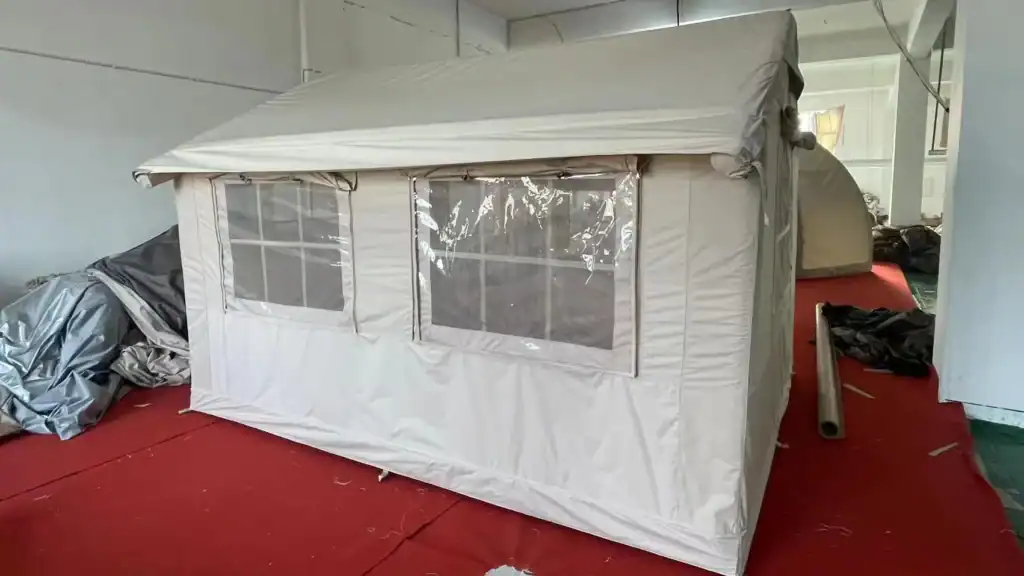
Заключение
Обеспечение сертификации надувных палаток в 2026 году — это не бумажная работа, это механизм, который отделяет запуск бренда от конфискации контейнера. Разрыв между прохождением лабораторных испытаний и устойчивым прохождением производства сужается только тогда, когда завод относится к воздушной балке и ткани корпуса как к двум различным трекам соответствия, а не к одному общему тесту на горение. При объеме в 3000 единиц это различие может сместить вашу цену FOB на $1,200–$1,800 только из-за решений по химии антипиренов.
Во время следующего звонка поставщику запросите сводку испытаний по EN 5912:2026 с отдельными разделами для термопластичной балки и текстильной оболочки, а также номер партии утверждения образца, привязанный к этим отчетам. Если завод колеблется, вы нашли слабое место в своем контроле качества еще до того, как сварена первая труба. Для партнера, у которого уже есть предварительно сертифицированные базовые конструкции и протоколы SGS для партий, встроенные в процесс, изучите доступные сейчас решения надувных палаток.
Часто задаваемые вопросы
Нужна ли маркировка CE для надувных палаток?
Да, надувные палатки, продаваемые в ЕС, обычно подпадают под директивы GPSD или PPE в зависимости от использования. Неправильная классификация может привести к ненужным химическим испытаниям и задержкам на таможне. Подтвердите применимую директиву на раннем этапе, чтобы избежать расходов на повторное тестирование.
Какой стандарт пожарной безопасности США применяется к надувным палаткам?
Большинство розничных продавцов требуют CPAI-84 для тканей палаток, в то время как некоторые штаты также принимают NFPA 701 для более крупных конструкций. Ваши воздушные балки и ткань корпуса могут потребовать разных отчетов о испытаниях на огнестойкость, поэтому планируйте. Планируйте отдельные испытания на огнестойкость для материалов воздушных балок и корпуса палатки.
Достаточно ли ISO 9001 для завода по производству палаток?
ISO 9001:2015 подтверждает систему менеджмента качества, но не гарантирует конкретную прочность сварных швов или швов. Для надувных палаток запрашивайте протоколы внутрипроизводственных испытаний, такие как испытания сварных швов на давление. Требуйте журналы проверок давления швов и циклов клапанов, а не только сертификат ISO.
Может ли мой партнер по закупкам предоставить отчеты о тестировании на уровне партий?
Да, такой компетентный партнер, как Kelyland, может предоставить отчеты о партионной огнестойкости и соответствии материалов из своей сети сертифицированных по ISO фабрик, часто еще до отгрузки. Настаивайте на включении отчетов на уровне партий в ваш план контроля качества.
Сколько стоит сертификация новой надувной палатки?
Типичные лабораторные бюджеты для нового SKU надувной палатки составляют от $1,500 до $5,000, покрывая испытания на огонь, химические и физические испытания. Затраты варьируются в зависимости от требований рынка назначения и количества протестированных слоёв материала. Бюджетные затраты на тестирование после определения целевых рыночных нормативов.

 English
  Español
  Deutsch
  Français
  Português do Brasil
  Русский
  العربية
  한국어
한국어  日本語
日本語