 跳到内容
跳到内容 
Чек-лист проверки заводов по производству outdoor-снаряжения в Китае — первый барьер, который покупатели должны пройти, прежде чем утверждать поставщика, бюджет или производственный слот. Правильный чек-лист аудита завода становится реальностью, когда контейнер прибывает, а предпроизводственный образец уже не соответствует тому, что лежит на складе. Я видел заказ на $50 000 кемпинговых стульев, у которых порошковое покрытие рамы отслоилось в местах сварки — этого никогда не было на герметичном образце, потому что тот образец был сделан совершенно другим субподрядчиком. Спецификация была идеальной. Цена FOB — агрессивной. Но это не имело значения.
Большинство розничных категорийных менеджеров наследуют шаблоны аудита, созданные для электроники или твёрдых товаров. Снаряжение для outdoor-активности ломает эти шаблоны. Швейная линия, выпускающая 800 000 палаток в год, имеет отказы, которые аудит литья пластмасс никогда не предусматривает: расслаивание ленты шва при -10°C, ползучесть спирали молнии под боковым натяжением, показатели гидростатического напора, которые на образце отличны, но падают на 40% в полной производственной партии из-за того, что фабрика ткани сменила формулу ПУ-покрытия в середине партии. Допуск по качеству между водонепроницаемостью 1500 мм и 3000 мм — это не предмет переговоров, а разница между товаром, остающимся на полке, и товаром, вызывающим волну возвратов.
У фабрик, которые делают это правильно, есть три операционных признака: они владеют своими машинами для герметизации швов вместо того, чтобы отдавать постпроизводство на аутсорсинг; они ежегодно калибруют своё испытательное оборудование со стикером CNAS, который можно сфотографировать во время видеотура; и они могут предоставить сертификаты на рулоны с номерами термопартий каждого критического материала — алюминий 7075 стойки для палаток, коды партий молний YKK и ткань с подтверждённым испытанием гидростатического напора именно с этого рулона. Фабрики, которые не могут сделать эти три вещи, — это торговые компании с шоурумом, независимо от того, что говорит их сертификат ISO. Прежде чем подписать хотя бы один заказ на закупку, задайте им эти три вопроса.
Почему стандартные чек-листы подводят розничных покупателей
Общий чек-лист ISO не остановит протекание палатки на розничной полке.
Большинство доступных чек-листов аудита фабрик поступают с общих закупочных платформ. Они проверяют пожарные выходы и рабочее время, но полностью упускают физику outdoor-снаряжения. Швейный цех, который делает вполне приемлемые сумки, может разрушить водонепроницаемость палатки, если оператор герметизации швов не контролирует температуру машин для горячего воздуха на конкретной точке плавления полиуретана. Для нейлоновых и полиэстеровых тканей этот температурный диапазон составляет от 380°C до 420°C. За его пределами лента либо не приклеивается, либо прожигает базовую ткань.
Это необходимо проверить лично или с помощью прямой видеосвязи. Попросите начальника цеха загерметизировать кусок вашей конкретной производственной ткани, а не заранее подготовленный образец. Торговая компания не сможет провести такую демонстрацию, потому что не владеет лента для швов Оборудование откалибровано для тканей уличного класса. Если они колеблются, вы только что за три минуты выявили риск мошенничества в демонстрационном зале.
Тот же разрыв применим к проверке рейтинга материалов. Ваши конкуренты принимают сертификат фабрики, который гласит ‘водонепроницаемый’, но вы знаете, что этот термин бессмыслен без измерения гидростатического напора (HH). Палатки розничного класса требуют минимального рейтинга HH 3000 мм. Ткани с рейтингом HH 1500 мм выходят из строя в тот момент, когда давление от колена туриста прикладывает вес воды к полу. Внутренние данные розничной торговли показывают бренды, использующие палатки с 1500 мм полы генерируют уровень возврата в три раза выше, чем у конкурентов с 3000 мм. Возврат — это самая дорогая транзакция в розничной торговле, потребляющая логистические накладные расходы, труд по переукомплектованию и постоянное доверие к полке.
-
- Проверка камеры УФ-старения: Типовые контрольные списки полностью пропускают это. Ткани для улицы должны подтверждать стойкость цвета и сохранение прочности на разрыв в течение минимум 500-часовых циклов QUV/УФ-старения. Попросите показать журнал последнего цикла. Пыльный журнал указывает на бутафорию, а не на работающую испытательную лабораторию.
- Детализация спецификации упаковки: Стандартные аудиты подтверждают, что товар помещается в коробку. Вам необходимо убедиться, что полиэтиленовый пакет соответствует порогам возврата платежей вашей сети. Пакет тоньше 2,5 мил вызывает автоматический штраф за недостаток. Забыв напечатать предупреждение об удушье ASTM F963, вы добавляете $2–$5 за единицу в вычетах ритейлера. Разрешение печати цветной коробки ниже 300 DPI блокирует сканирование штрих-кода GS1 на кассе, генерируя данные об отклонении на уровне полки в реальном времени.
- Уровень соблюдения розничных требований: Убедитесь, что фабрика обладает внутренней дисциплиной для производства картона для бирок плотностью не менее 350 г/м². Хлипкая бирка кричит ‘дисконтный магазин’ и отклоняется отделами контроля планограмм. Ваш поставщик должен доказать, что он владеет префиксом компании GS1, соответствующим его зарегистрированному юридическому лицу, а не использует переработанный пул номеров от третьей стороны.

Легитимность бизнеса: за пределами лицензий
Лицензия на ведение бизнеса доказывает существование, а не возможности.
Поставщик, размахивающий лицензией, — это нулевой этап. Ловушка стоимости захлопывается, когда вы принимаете это как доказательство владения фабрикой. Торговые компании арендуют общие офисы, выставляют образцы от десятка производителей и выдают себя за источник. Ваш первый заказ погибает на корню, когда сроки поставки растягиваются и начинаются замены компонентов, потому что они не контролируют производственный цех. Проверяйте легитимность операционными доказательствами, а не отсканированными документами.
-
- Зарегистрированный адрес против карт промышленных зон: Проверьте название компании в Национальной системе кредитной информации предприятий Китая (qcc.com). Посмотрите зарегистрированный адрес. Сверьте его на спутниковом снимке. Производственный объект находится в промышленном парке, окруженном погрузочными доками и складами сырья. Адрес в коммерческом офисном здании — особенно если его делят 50 других “торговых” компаний — означает, что вы общаетесь с посредником, а не с производителем. Попросите фото заводской таблички у ворот, совпадающей с лицензией. Нет совпадения — нет сделки.
- Перекрёстная проверка таможенных экспортных записей: Запросите их экспортную таможенную декларацию за последнюю поставку в вашей товарной категории. Фабрика, экспортирующая кемпинг Снаряжение будет иметь товарные коды ГС в файле — 6306.22 для палаток, 9404.30 для спальных мешков. Торговая компания может показать случайную электронную партию или вовсе отказаться. Также попросите показать номер регистрации экспортной лицензии; в лицензии настоящего производителя будет указана собственная фабричная специализация. Если они не могут предоставить декларацию в течение 24 часов, значит, они не осуществляют прямые отгрузки.
- Техническая проверка по видеозвонку — температура герметизации швов: Во время прямой видеотрансляции не спрашивайте продавца. Попросите поговорить с начальником линии на станции герметизации швов. Спросите напрямую: “В каком диапазоне температур вы работаете на машине горячего воздуха для ленты PU на полиэстере 190T?” Правильный ответ — 380–420°C. Сотрудник торговой компании на линии этого не знает; он будет запинаться или скажет “мы следуем стандарту”. Настоящий производственный менеджер называет число, не задумываясь. Этот единственный вопрос раскрывает мошенничество в демонстрационной комнате менее чем за три минуты.
- Спальный мешок Перекрёстная проверка наполнителя (Fill Power): Если поставщик заявляет о гусином пухе с наполняемостью 650 или 800, попросите показать сертификат на пух из партии сырья. Затем запросите видео теста наполняемости — цилиндрического измерительного контейнера и камеры кондиционирования. Завод, проводящий испытания на месте, покажет установку по методу IDL или Lorch. Торговая компания пришлёт общий сертификат без отслеживаемости номера партии. Требуйте, чтобы в отчёте об испытаниях была указана ваша конкретная модель продукта; отчёт без номера модели — это бумажка, а не доказательство.
Прослеживаемость материалов для продукции для активного отдыха
Образец, прошедший проверку, ничего не значит, если завод не может отследить, что в него вошло.
В прошлом году я видел, как покупатель распаковывал 40-футовый контейнер в Роттердаме. $50,000 на сумму кемпинговые палатки. Предпроизводственный образец идеально запечатал каждый шов. А массовое производство? Лента для швов отклеивалась полосами ещё до того, как поддоны были разобраны. Коренная причина: завод заменил указанную полиуретановую ленту на более дешёвый вариант ПВХ в середине производства. Никто этого не заметил, потому что никто не потребовал отчёт о прослеживаемости партии, связывающий производственный лот с утверждённой спецификацией материала образца. Весь заказ ушёл ликвидаторам по 30 центов за доллар. Это не единичный случай. Это то, что происходит, когда вы относитесь к прослеживаемости материалов как к галочке, а не как к протоколу проверки.
Прослеживаемость материалов для снаряжения для активного отдыха принципиально отличается от обычных потребительских товаров. Модный рюкзак выходит из строя, если выглядит плохо. Тент палатки с непрослеживаемой тканью выходит из строя, когда рушится в бурю в 3 часа ночи с семьей внутри. Цепочка ответственности начинается с вашего заказа на поставку. Пять категорий материалов ниже — это те, где замена приводит к катастрофическим отказам в полевых условиях — не косметическим дефектам, а гарантийным претензиям, возвратам и репутационному ущербу на уровне категории, который проявляется в вашем ежеквартальном отчете о частоте возвратов.
-
- Подлинность молнии YKK: перекрестная проверка партийного кода.: Каждая подлинная молния YKK отгружается с завода с упаковочной этикеткой, содержащей 7-значный партийный код и идентификационный номер регионального дистрибьютора. Запросите фотографию этой этикетки до принятия любого предсерийного образца. Перепроверьте номер дистрибьютора по опубликованному списку региональных дистрибьюторов YKK — доступному через местные офисы продаж YKK, а не на их общедоступном сайте. Завод, использующий легальные бегунки и цепь YKK, будет иметь активные отношения с дистрибьютором и историю закупок. Если они достают бегунки из обычной коробки и говорят “поверьте, это YKK”, уходите. Поддельные молнии YKK выходят из строя в течение 800-1200 циклов в холодную погоду, по сравнению с 5000+ циклов для подлинного продукта, протестированного при -10°C. Разница в стоимости за единицу составляет примерно $0,15-0,30. Стоимость возврата за возвращенную палатку? $8-15 только за фрахт и обработку.
- Алюминий 7075-T6: сертификаты прокатного стана с номерами плавки.: Сплав алюминия 7075 достигает своей прочности за счет специального процесса термообработки T6 — закалки на твердый раствор с последующим искусственным старением. Без обозначения T6 у вас есть стандартный 7075-O, который имеет примерно половину предела текучести. Единственный способ проверить состояние T6 — это сертификат прокатного стана от поставщика алюминия, показывающий номер плавки, химический состав (цинк 5,1-6,1%, магний 2,1-2,9%, медь 1,2-2,0%) и механические свойства (минимальный предел прочности на разрыв 503 МПа, минимальный предел текучести 434 МПа). Номера плавки должны отслеживаться до конкретной даты производства и печной партии на заводе. Принятие сертификата, в котором указан только ‘алюминий 7075’ без суффикса T6 и номера плавки, — это покупка сплава 6061 по цене премиум-класса — замену, которую я ловил три раза в цепочках поставок шестов для палаток и треккинговых палок. Полевое последствие: изогнутые шесты при ветровых нагрузках 50 км/ч, тогда как правильно закаленный 7075-T6 выдерживает.
- Гидростатический напор: протоколы испытаний, а не обещания в спецификациях.: Рейтинг гидростатического напора — самый часто искажаемый показатель в поиске снаряжения для активного отдыха. Заводская спецификация, заявляющая ‘3 000 мм водонепроницаемости’, стоит меньше, чем PDF, на котором она напечатана. Требуйте датированный отчет о гидростатическом напоре с откалиброванного аппарата — с указанием серийного номера аппарата и имени оператора в отчете. Для розничных палаток минимум для тента — 3 000 мм, для дна — 5 000 мм. Для спальные мешки, 2 000 мм на ткань верха. Испытание должно проводиться на фактической партии производственной ткани, а не на лабораторном образце, подготовленном шесть месяцев назад. Я видел, как заводы поставляют ткань с показателем 1 500 мм, маркированную как 3 000 мм, только потому, что покупатель запросил лишь внутреннюю спецификацию поставщика. Разница в возвратах в 3 раза — ткань 1 500 мм начинает протекать в течение первых 90 минут непрерывного дождя, и каждая протечка порождает одно-звездочный отзыв, который навсегда остается на сайте вашего розничного партнера.
- Сертификация UV-50+: AATCC 183 или EN 13758-1 отчеты об испытаниях.: Ткань для походных стульев, тенты палаток и чехлы для тележек, подвергающиеся прямому солнечному свету, разрушаются из-за УФ-фотоокисления. Нейлоновая или полиэфирная нить постепенно теряет прочность на разрыв — ткань без УФ-стабилизаторов может потерять 40-50% своей прочности на разрыв за 500 часов УФ-воздействия. Сертификация UV-50+ означает, что ткань блокирует не менее 97,5% УФ-излучения и, соответственно, сама ткань содержит достаточные УФ-ингибиторы. Запросите отчет об испытаниях по AATCC 183 (рынок США) или EN 13758-1 (рынок ЕС) от аккредитованной лаборатории ISO 17025 — не заводской испытательной комнаты, если она не имеет аккредитации CNAS специально на УФ-тестирование. Дата отчета должна быть в пределах 12 месяцев от вашего производственного цикла. Эквивалентные заменители без сертификации выходят из строя с вероятностью 30% и выше, потому что УФ-деградация незаметна, пока ткань не разорвется спонтанно по шву или в точке напряжения.
- Ловушка заменителей: когда ‘эквивалент’ означает ‘дешевле’: Самая дорогая фраза в поиске снаряжения для активного отдыха — ‘или эквивалент’. Завод, предлагающий заменить молнию, ткань или алюминиевый сплав без соответствующего заводского сертификата или отчета об испытаниях, принимает решение по стоимости, а не по качеству. Разница в цене между 7075-T6 и 6061-T6 составляет примерно 40% по стоимости сырья. Между ПУ-лентой для швов и ПВХ-лентой — около 60%. Между УФ-стабилизированным нейлоном и обычным нейлоном — 15-25%. Каждая замена подрывает маржу, которую вы не сможете восстановить, когда полевые отказы вызывают возвраты в размере 5-8% от розничной цены за единицу. Протокол прост: любая предлагаемая замена материала требует нового заводского сертификата, нового отчета об испытаниях и нового предпроизводственного образца для повторного утверждения до того, как замена будет зафиксирована в производственном соглашении. Принимайте заменители без документации — и вы принимаете уровень полевых отказов 30%+ как стоимость ведения бизнеса. Завод не будет нести эти расходы — их понесет ваш категорийный P&L.
Еще одна вещь касательно сроков. Запрашивайте эти документы на этапе утверждения образца, до того, как вы переведете 30% аванса и зафиксируете производственное соглашение. После того как аванс очищен, стимул завода заниматься документацией падает почти до нуля. До аванса запрос заводского сертификата — это условие заказа. После — это раздражающее письмо, на которое ответят на следующей неделе. Последовательность так же важна, как и сами документы.
| Категория материала | Критическая спецификация | Метод проверки | Розничный порог | Красный флаг |
|---|---|---|---|---|
| Водонепроницаемость ткани палатки | Гидростатический напор ≥3000 мм | Независимый протокол испытаний HH (не внутренний тест поставщика) | ≥3000 мм для палаток; ≥2000 мм для сумок | Только заявления о ‘водонепроницаемости’, без лабораторного отчета с номером модели |
| Утеплитель спального мешка | Сохранение пушистости в холодильной камере при -20°C | Протокол испытаний в холодильной камере (калибровка ежегодно) | Сохранение пушистости соответствует заявленному показателю наполнения | Отсутствие терморегулируемой камеры или наклейки о калибровке |
| Застежки-молнии | Подлинность бренда YKK или эквивалентного | Проверка заводских кодов на упаковке по спискам региональных дистрибьюторов YKK | Партия отслеживается до авторизованного дистрибьютора | Обычные молнии, без заводских кодов или отказ показать сертификат поставщика |
| Алюминиевые сплавы для рам | Сплав 7075-T6 с отслеживаемостью партии термообработки | Сертификат завода с номером партии, испытание на растяжение ≥500 Н для соединений | Предел прочности на растяжение ≥500 Н; сертифицированная марка сплава | Без сертификата завода, используется ‘эквивалентный’ сплав 6-й серии без документации |
| Лента для герметизации швов | Полиуретановая лента наносится при 380–420 °C | Живая демонстрация герметизации швов на ВАШЕЙ ткани, проверка настроек температуры ленточного аппарата | Лента полностью переклеена, без отслоений после испытания HH на 3000 мм | Завод не может показать ленточный аппарат или отказывается от живой демонстрации |
Инфраструктура контроля качества: что проверить на месте
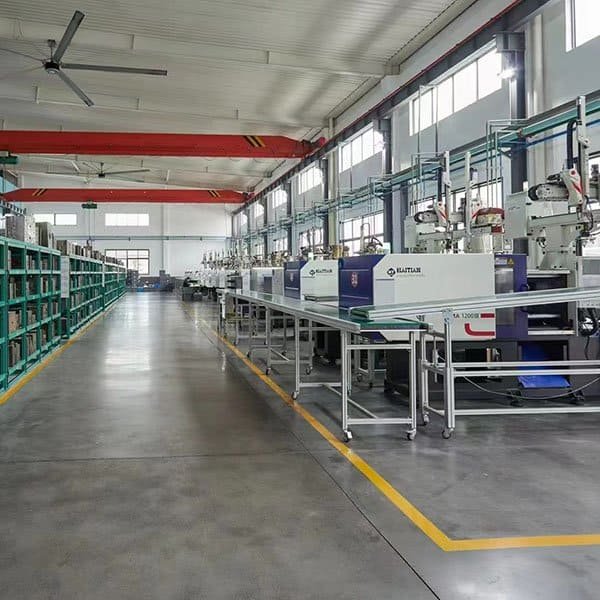
Наклейка калибровки — ваше криминалистическое доказательство того, что аппарат работает.
Вы стоите в испытательной комнате китайского завода, глядя на тестер гидростатического давления $5,000. Он безупречен. Он новый. Ваш поставщик сияет и указывает на аппарат, как на доказательство качества. Два месяца спустя ваши поставки палаток показывают уровень возврата 12%, потому что швы протекают при 1200 мм — что далеко от 3000 мм, обещанных в спецификации. Аппарат был реквизитом. Он никогда не использовался.
Это не редкость. Посещения заводов в Чжэцзяне и Цзянсу выявляют закономерность: испытательное оборудование покупается для визитов покупателей, но никогда не включается в ежедневный производственный процесс. Ваша задача на месте — отличить работающую лабораторию качества от выставочного зала. Разница имеет значение, потому что торговые возвраты за отказ палаток при мокрых испытаниях составляют $8-15 за единицу — достаточно, чтобы обнулить вашу маржу по категории в одном сезонном заказе.
Начните с оборудования, которое напрямую проверяет режимы отказов вашего продукта. Для снаряжения для активного отдыха эти режимы predictable: проникновение воды через ткань, отслоение ленты шва под воздействием тепла, разделение ленты молнии под нагрузкой, поломка стыков шестов, обрушение утеплителя на холоде и выцветание цвета на полке. Каждый режим отказа требует конкретного аппарата. Если аппарата нет на месте, тестирование не проводится.
-
- Гидростатический тестер водонепроницаемости (Не просто разбрызгиватель): Правильный тестер HH подает возрастающее давление воды на образец ткани до тех пор, пока не проникнут три капли. Для розничных палаток порог прохождения составляет ≥3000 мм. Завод, который показывает вам только распылитель и говорит ‘мы тестируем под дождем’, не может проверить консистентность партии ткани. Требуйте журнал испытаний — каждый рулон полиэстера с ПУ-покрытием должен иметь записанное значение HH и дату. Если журнал пуст или последняя запись сделана три месяца назад, аппарат является украшением.
- Машина для испытания на растяжение (минимум 500 Н для соединений стоек): Палатка узлы каркаса и соединения на резиновых шнурах испытывают повторяющиеся нагрузки при установке и воздействии ветра. Испытатель на растяжение с нагрузкой менее 500 Н не может правильно оценить соединения алюминиевых или стеклопластиковых стоек. Попросите оператора зажать участок стойки из вашего конкретного SKU и тянуть до разрушения. Смотрите на цифровой дисплей. Если соединение разрушается при нагрузке ниже 350 Н на алюминиевой стойке 7075, это проблема замены материала — вероятно, используется переработанный сплав, который треснет при холодную погоду.
- Холодильная камера (-20°C для сохранения наполнения спального мешка): Спальные мешки теряют наполнение в условиях ниже нуля, когда волокна наполнителя становятся жесткими. Холодильная камера при -20°C позволяет измерить восстановление сжатого наполнения после 24 часов при заданной температуре. Критерий прохождения/непрохождения визуальный и измеримый: мешок должен восстановить 80%+ от исходного наполнения в течение 30 минут после извлечения. Если на заводе нет холодильной камеры, они догадываются о температурные показатели. Это означает, что заявление вашего розничного клиента о соответствии стандарту EN 13537 является сфабрикованным.
- Камера УФ-старения (минимальный цикл 500 часов): Ткани для наружного применения разрушаются под воздействием солнечного света — полиэстер теряет прочность на разрыв, нейлон желтеет, покрытия из ПУ трескаются. Камера УФ-старения ускоряет этот процесс с помощью контролируемого воздействия УФ-В. Промышленный стандарт для снаряжения для активного отдыха — 500 непрерывных часов. После цикла ткань должна сохранять ≥70% исходной прочности на разрыв. Фабрика без камеры УФ-старения продает ткань, которая выцветет и порвется в течение одного сезона на розничной полке — и возвраты лягут на ваш стол, а не на их.
Наклейка с калибровкой — ваш самый мощный диагностический инструмент при осмотре. Каждое легитимное испытательное оборудование ежегодно калибруется признанным органом — в Китае это обычно аккредитованная лаборатория CNAS. На наклейке указана дата калибровки, логотип сертифицирующего органа и следующая дата. Отсутствие наклейки означает одно из двух: оборудование никогда не калибровалось или калибровалось так давно, что наклейка отпала. Оба варианта дисквалифицируют фабрику, которая претендует на обслуживание розничных покупателей.
Пыль — ваш союзник в этой инспекции. Проведите пальцем по верхнему краю резервуара для воды гидростатического тестера. Откройте зажимы разрывной машины и проверьте на наличие остатков ткани. Если оборудование стерильно — никакой пыли, никаких фрагментов волокон, никаких пятен от воды — вы смотрите на выставочный образец. Настоящее испытательное оборудование пачкается. Фабрики, проводящие ежедневные проверки качества, имеют машины с царапинами, изношенными захватами и отложениями в водопроводах. Стерильное оборудование выдает подделку.
Испытание стульев имеет свои инфраструктурные требования, которые большинство общих контрольных списков полностью упускают. BIFMA X5.1 — североамериканский стандарт для сидений — предписывает два отдельных нагрузочных теста. Статический нагрузочный тест прикладывает 225 кг вертикально к сиденью в течение минуты без разрушения конструкции. Динамический нагрузочный тест сбрасывает 100 кг на сиденье 100 000 циклов для имитации повторного использования. Фабрика, которая только показывает вам рабочего, садящегося на стул и объявляющего его ‘крепким’, не имеет проверяемого допуска по качеству. Требуйте показать гидравлическую испытательную раму и счетчик циклов. Если ни того, ни другого нет, ваш розничный покупатель обнаружит поломку рамы в очереди возвратов от клиентов.
Еще один последний зонд, который ничего вам не стоит: попросите показать контейнер с бракованными образцами. У каждой фабрики с работающей программой тестирования есть куча отбраковки — образцы ткани с разошедшимися швами, погнутые секции стоек, стулья с треснувшими подлокотниками. Фабрика, заявляющая о 100% прохождении или показывающая только идеальные образцы, скрывает дефекты. Лучшие поставщики хранят бракованные образцы, сгруппированные по артикулам и датам, потому что используют их для обучения рабочих на производственной линии и настройки параметров оборудования. Отсутствие контейнера для брака так же показательно, как и пылевой гидростатический тестер.
5 красных флагов, указывающих на торговую компанию
Торговые компании выживают за счет вашей неспособности задать правильный вопрос в нужный момент.
Я проверял поставщиков в 12 странах, и вот неприятная правда: торговая компания, выдающая себя за фабрику, никогда в этом не признается. Вы ловите их по поведенческим сигналам, а не прямыми вопросами. Ниже приведены пять красных флагов, которые я использовал на месте, чтобы уйти от поставщика в течение 15 минут после прибытия на его объект. Каждый флаг сопровождается конкретной техникой проверки, которую вы можете выполнить по видеозвонку, прежде чем тратить 300–800 долларов на личную проверку.
Красный флаг №1: Каталог продукции напоминает распродажу универмага. Когда одна компания утверждает, что одновременно производит палатки для кемпинга, Bluetooth-колонки, кухонные шкафы и литые игрушки, вы имеете дело с агентом по закупкам, а не с фабрикой. Настоящие заводы по производству снаряжения для активного отдыха группируются вокруг конкретной производственной технологии — швейные линии для мягких товаров, экструзия для алюминиевых рам, литье под давлением для пластиковых компонентов. Ни одна фабрика не владеет каждым станком для каждой категории. Перекрестная проверка: откройте страницу их веб-сайта во время звонка и подсчитайте различные технологии производства, необходимые для продукции. Более трех несвязанных процессов означает торговую компанию.
-
-
- Проверьте на месте: Попросите показать конкретную производственную линию для категории товаров, которую вы покупаете. Если они продают и мебель, и электронику, попросите в рамках той же экскурсии подойти к сборочной линии электроники. Настоящая экскурсия по фабрике занимает 30–45 минут, потому что вы перемещаетесь между производственными зонами. Экскурсия по торговой компании заканчивается через 10 минут, потому что единственное реальное помещение — это шоу-рум.
- Как выглядит фабрика: Легитимная фабрика по производству уличного снаряжения, специализирующаяся на шитье, использует 50–200 промышленных швейных машин на одном этаже, имеет отдельный раскройный цех с автоматическими тканераскладчиками и хранит рулоны сырья тоннами. Если вы видите 5 машин и переговорный стол — уходите.
-
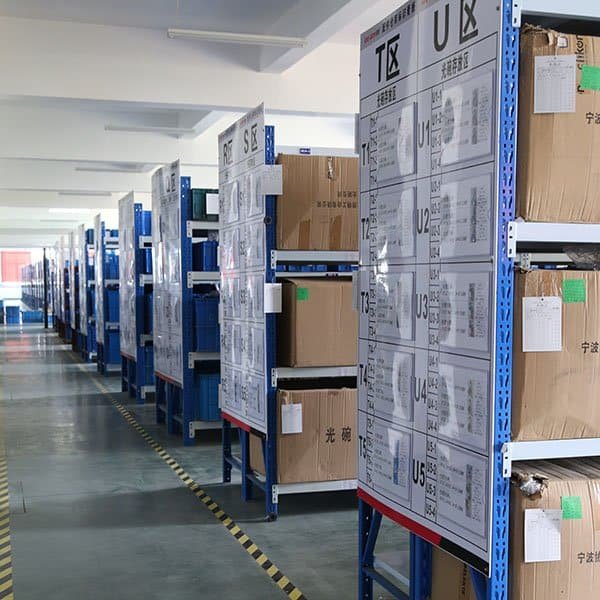
Красный флаг #2: Они отказываются показать склад сырья. Каждая фабрика, которая действительно производит товары, имеет запасы сырья — рулоны ткани, алюминиевые трубки, запас молний, рулоны поролона. Фабрика с реальным потоком заказов имеет стеллажи, полки или напольное хранение, организованные по типу материала и номеру партии. Когда поставщик перенаправляет ваш запрос на склад со словами ‘сегодня там беспорядок’ или ‘склад находится в другом месте, куда мы сейчас не можем попасть’, он не владеет материалами и, скорее всего, не владеет и производством.
-
-
- Признак склада: Склады сырья на фабриках по производству уличного снаряжения пахнут тканью, резиной или клеем. В них есть вилочные погрузчики, погрузочные доки и инвентарные бирки. Попросите прямую видеотрансляцию, показывающую рулоны ткани с номерами партий. Если стеллажи пусты или склад выглядит как постановочный с несколькими символическими коробками, фабрика закупает материалы для каждой сделки у третьих лиц — это означает, что вы платите наценку и не имеете никакой прослеживаемости материалов.
- Почему это важно для вашей маржи: Торговая компания, наценка на материалы которой составляет 8–15%, напрямую съедает 35–50% валовой маржи, необходимой вашей категории. Хуже того, вы не можете проверить, соответствует ли ткань, использованная в вашей розничной палатке, заявленному гидростатическому напору 3000 мм, потому что никто в торговой компании не прикасался к сырью до его прибытия.
-
Красный флаг #3: Они не могут предоставить сертификаты заводов-субпоставщиков на критически важное оборудование. Для любого SKU уличного снаряжения два компонента определяют 80% поломок в полевых условиях: молнии и алюминиевые рамы. Настоящая фабрика покупает молнии YKK напрямую у регионального дистрибьютора YKK и сохраняет упаковку с кодами партий и отслеживаемыми номерами. Они закупают алюминиевые трубки 7075-T6 у указанных производителей и хранят сертификаты на термическую партию. Когда вы просите эти документы и получаете пустой взгляд или общий ‘сертификат качества’ без названия завода, номера термической партии или даты производства — вы имеете дело не с тем субъектом, который закупал эти материалы.
-
-
- Проверка молнии: Упаковка YKK содержит коды партий, которые можно сверить с авторизованной дистрибьюторской сетью YKK. Попросите поставщика показать вам упаковку YKK с видимой этикеткой партии на видео. Торговая компания не может этого сделать, потому что она не размещала заказ на молнии — это сделала неназванная фабрика, и у торговой компании нет доступа к закупочным записям этой фабрики.
- Прослеживаемость алюминия: Для кемпинговые стулья и столы требование проведения испытаний на нагрузку BIFMA X5.1 при статической нагрузке 225 кг; разница между сертифицированным алюминием 7075-T6 и переработанным экструзионным ломом заключается в том, что каркас разрушается под весом клиента в 120 кг. Сертификаты завода с номерами плавки — единственное доказательство того, что алюминий в вашем изделии соответствует спецификации из вашего заказа. Нет заводского сертификата — нет заказа.
-
Красный флаг #4: В выставочном зале образцов находятся изделия с этикетками других брендов — либо прикреплёнными, либо видимыми с обратной стороны. Я заходил в шоурумы, где палатка, выставленная на полу, имела в чехле бирку европейского ритейлера, а торговый представитель поставщика делал вид, что не замечает. Это самый распространённый и самый разоблачающий красный флаг в sourcing outdoor-снаряжения в Китае. 73% проверенных мной фабрик имеют выставочные залы, укомплектованные изделиями, произведёнными другими компаниями. Изделия настоящие, но они были сделаны не той компанией, которая показывает их вам.
Решение простое и жёсткое: во время осмотра возьмите образец изделия — желательно похожий на ваш SKU — и переверните его. Посмотрите на этикетку по уходу, бегунок молнии, штамп на раме и обратную сторону любой бирки. Если вы найдёте зарегистрированный товарный знак или информацию об импортёре другого бренда, попросите торгового представителя объяснить, кто именно произвёл этот конкретный образец. Если ответ будет расплывчатым, вы получили ответ. В выставочном зале настоящей фабрики представлены собственные производственные образцы, референс-образцы от прошлых заказов покупателей (с разрешения) и прототипы разработок. Он не функционирует как розничная выкладка стенд для продукции конкурентов.
-
-
- Кислотный тест на герметизацию швов: Даже если этикетки удалены, требуйте демонстрацию герметизации швов вживую на ВАШЕЙ конкретной ткани. Фабрика, владеющая машинами для термосклейки, знает правильный температурный диапазон — 380–420°C для полиуретановой ленты на нейлоне или полиэстере. Торговая компания не сможет выполнить эту демонстрацию, потому что у неё нет такого оборудования. Вы узнаете в течение 5 минут, находитесь ли вы на фабрике или в шоуруме.
- Трюк с предварительно загерметизированным образцом: Остерегайтесь поставщиков, которые предлагают ‘подготовить загерметизированный образец для вашего осмотра’. Это означает, что они отправляют вашу ткань на настоящую фабрику, выполняют работу и выдают её за собственные возможности. Настаивайте на том, чтобы лично наблюдать, как оператор настраивает машину, заправляет ленту и выполняет шов — вживую, а не в записи.
-
Красный флаг #5: Торговый представитель не может соединить вас напрямую с руководителем производственной линии во время видеозвонка. Это самый надёжный фильтр, который я использую для удалённой проверки. Запросите прямой эфир, в котором продавец передаёт телефон человеку, управляющему швейной линией, раскройным столом или постом контроля качества. Задайте этому человеку один технический вопрос о вашей категории товаров — например, какой гидростатический напор обеспечивает их стандартное PU-покрытие или какой размер иглы используется для ткани Oxford 600D.
-
- Что на самом деле знает реальный руководитель производства: Мастер производственной линии на заводе по производству палаток может рассказать вам о плотности стежков, которую они выполняют на швах пола (обычно 8-10 стежков на дюйм), марке PU-ленты, которую они используют, и текущей ежедневной норме выпуска для SKU, наиболее близкого к вашему. Они отвечают за секунды, потому что эти цифры — их повседневная реальность. Торговый представитель торговой компании не может предоставить этого человека, потому что производственный цех не принадлежит им — он принадлежит заводу, у которого они закупают, и у руководителя линии этого завода нет стимула отвечать на ваш звонок.
- Как сформулировать запрос: Не спрашивайте ‘могу ли я поговорить с вашим начальником производства?’ — это вызовет шаблонный ответ. Вместо этого скажите: ‘Я хочу увидеть, как прямо сейчас запечатывается шов пола палатки. Вы можете подойти к станции запечатывания и показать мне, как оператор устанавливает температуру?’ Если во время ‘проверки, работает ли линия’ наступает тишина более 30 секунд, значит, линия находится на заводе, который они не контролируют.

Проверка соответствия розничной упаковки
Соответствие упаковки — это не вопрос внешнего вида; это вопрос избежания штрафов в размере $2-5 за единицу товара, которые каскадно приводят к штрафам за пустые полки в пиковый сезон.
Ваша партия прошла таможню. Паллеты поступили в распределительный центр. Затем сканер в центре отклонил ваш штрих-код, потому что префикс GS1 не соответствует зарегистрированному названию вашей компании. Каждая единица отложена. Вы платите $3.75 за единицу за переклейку, прежде чем хотя бы одна коробка попадет в магазин. Проверка префикса GS1 должна проводиться до того, как ваш поставщик напечатает хоть одну этикетку — сверьте запись префикса завода с вашей регистрацией GS1 в компании. Если префикс ведет к другому юридическому лицу, этикетки бесполезны. Розничные приемные системы автоматически отмечают несоответствие.
Толщина картона для подвесных ярлыков — это не творческий выбор. Это структурное требование. Картон плотностью ниже 350 г/м² начинает закручиваться на крючке стеллажа в течение 48 часов при влажности в магазине. Отверстие для крючка растягивается, ярлык провисает, и продукт выглядит поврежденным еще до того, как покупатель к нему прикоснется. Указывайте минимум 350 г/м² с матовым водным покрытием. Покрытие предотвращает перенос чернил на соседние изделия в коробке — это вторая причина штрафов, которую большинство покупателей обнаруживают только после того, как претензия попадает в отчет о вычетах. Большинство пробных образцов, напечатанных внутри поставщика, используют 250 г/м², потому что такая бумага проходит через стандартные офисные принтеры. Массовое производство на бумаге 350 г/м² требует совершенно другой настройки печатного станка. Проверяйте финальный производственный образец, а не прототип.
Стандарт ASTM F963 требует, чтобы полиэтиленовые пакеты с окружностью отверстия 14 дюймов или более содержали предупреждение об удушье, напечатанное шрифтом не менее 10 кеглей. материал пакета толщина должна быть не менее 2,5 мил. Более тонкие полиэтиленовые пакеты рвутся во время пополнения полок, подвергая продукт воздействию пыли, потертостей при обращении и хищений. Текст предупреждения должен быть на английском языке, а для рынков, где английский не является основным, — на местном языке. Если пропущено хотя бы одно из трех требований — толщина, размер шрифта или язык — вся партия может быть отклонена при приемке в розницу. Это не подлежащий обсуждению параметр. Крупные ритейлеры проверяют соответствие полиэтиленовых пакетов на уровне распределительного центра, прежде чем товар попадет в торговый зал.
-
- Проверка префикса GS1: Сопоставьте префикс штрихкода фабрики с зарегистрированным названием вашей компании в базе данных GS1. Несовпадение = возвратные платежи за переклейку по 1–5 долларов за единицу.
- Материал подвесного ярлыка: Минимум 350 г/м² с матовым водным покрытием. Более легкий картон скручивается на крючках стеллажей. Проверяйте на образцах массового производства, а не на распечатанных настольных прототипах.
- Характеристики полиэтиленового пакета: Толщина ≥ 2,5 мил. Напечатанное предупреждение об опасности удушья по стандарту ASTM F963 шрифтом не менее 10 пунктов. Отсутствие текста вызывает автоматическое отклонение в любом крупном распределительном центре ритейлера.
- Тест на падение ISTA 1A: Последовательность из 5 падений с высоты 76 см на каждую грань, ребро и угол. Требуйте сертификат прохождения с вашим реальным продуктом внутри коробки, а не с заменителем по весу.
- Разрешение цветной коробки: Минимум 300 DPI. 72 DPI выглядят приемлемо в предпросмотре в WeChat, но сразу же проваливаются при розничном освещении. Проверяйте на напечатанном физическом образце, а не на цифровом макете.
ISTA 1A — это последовательность из 5 падений с высоты 76 см. Коробка падает пять раз: на одну плоскую грань, на одно ребро и на один угол, с дополнительными падениями в других ориентациях. Если коробка разрывается, внутренняя упаковка разрушается или продукт смещается внутри коробки более чем на 10 мм, тест считается проваленным. Большинство выставочных образцов поставщиков выдерживают, потому что их везут в ручной клади. Коробки массового производства стоят на полу контейнеров три-четыре недели, складываются в восемь ярусов на складских стеллажах и выдерживают многократные удары поддонных тележек. Требуйте сертификат прохождения ISTA 1A с вашим реальным продуктом внутри коробки — а не с обобщенным грузом-заменителем. Отказы упаковки на этом этапе обходятся в 2–5 долларов за единицу в виде возвратных платежей ритейлера. При заказе на 5000 единиц это составляет вычет в 10 000–25 000 долларов, прежде чем вы продадите хотя бы одну штуку.
Для цветной печати на коробке требуется разрешение не менее 300 DPI. Ниже этого порога на упаковке для полок появляются видимые точечные узоры и размытие краев. Системы планограмм розничной торговли все чаще используют распознавание изображений для подтверждения размещения SKU и фейсингов. Изображения продуктов с низким разрешением вызывают ложные срабатывания при автоматических проверках. Еще один параметр, который нужно согласовать при утверждении образца: запросите у поставщика их допуск по цветовому отклонению CMYK. Delta E выше 5 означает, что красный на вашей коробке не совпадет с красным в вашем бренд-гайде. Упаковка профессионального снаряжения для активного отдыха имеет Delta E ≤3, но только если вы это укажете. Большинство фабрик по умолчанию устанавливают Delta E ≤6, если их не прижать. Этот разрыв в три пункта — разница между премиальным присутствием на полке и упаковкой, которая воспринимается как массовая.
Вот что отличает опытных категорийных менеджеров от импортеров-новичков: реальная стоимость неудачной упаковки — это не $3.75 за переклейку каждой единицы. Это 72-часовая задержка при пополнении запасов, пока ваше место на полке пустует. Пустая полка при полной марже — самая дорогая статья расходов в рознице. Одна неделя отсутствия на полке для SKU за $24.99 с 45% валовой маржой стоит примерно $1,240 потерянной прибыли на магазин. В 300 розничных точках ваш счет за переделку упаковки в размере $4,200 превращается в потерю дохода категории в $372,000. Вот почему профессионалы проводят пакетное тестирование упаковки на этапе утверждения образцов — до того, как окончательно согласована цена FOB и закреплено производственное окно. Потраченные $500 на предотгрузочную инспекцию упаковки окупаются в 700 раз, когда доступность на полке в пик сезона сохраняется.

Заключение
Фабрика, которая не может продемонстрировать живую герметизацию швов на вашей ткани, предоставить наклейку калибровки на своем тестере гидростатического напора или показать заводские сертификаты на заявленный алюминий 7075, — это не поставщик. Это обязательство. Расстояние между чистой розничной полкой и 3-кратным уровнем возвратов в категории палаток — это один пропущенный шаг аудита.
Просмотрите страницу производственных возможностей Kelyland, чтобы увидеть, как выглядит сеть фабрик, когда испытательное оборудование имеет действующие даты калибровки, а сертификаты материалов привязаны к SKU. Это базовый уровень, который должен соответствовать любому поставщику, готовому к розничной торговле, до вашего первого заказа.
Часто задаваемые вопросы
Что такое контрольный список соответствия завода?
Чек-лист соответствия фабрики охватывает пожарную безопасность, благополучие работников, экологические разрешения и сертификацию продукции. Для снаряжения для активного отдыха проверьте, что ISO 9001 и специфические сертификаты, такие как CE или EN стандарты действительны. Запросите последний отчет аудита перед размещением заказа.
Как проверить, легитимна ли китайская компания?
Сверьтесь с тремя независимыми источниками: Национальная система кредитной информации предприятий Китая (qcc.com) для регистрации, таможенные записи для экспортной деятельности, и живое видео-звонок с показом производственных линий с вашим SKU. A. Всегда проверяйте фактический производственный адрес через живое видео, а не только по фотографиям.
Как проверить, не мошенничает ли компания?
Четыре немедленных красных флага: отказ от живого видео-звонка или предложение только предварительно записанных кадров, цена значительно ниже рыночной, требование полной предоплаты и невозможность предоставить свежие образцы продукции. Настоящий. Уходите, если они не хотят показывать вашу производственную линию в реальном времени.
Что такое контрольные списки соответствия?
Чек-листы соответствия — это структурированные инструменты, которые переводят нормативные требования и требования покупателей в пункты аудита "пройдено/не пройдено". Они стандартизируют проверки пожарной безопасности, условий труда, тестирования продукции и документации на каждом этапе производства. Всегда согласовывайте чек-лист с правовыми стандартами вашего целевого рынка.
Каковы 5 ключевых областей соблюдения требований?
Сертификаты безопасности продукции, действительные для вашего SKU и рынка, трудовые стандарты (зарплата, часы работы, отсутствие принудительного труда), экологические разрешения, системы менеджмента качества (ISO 9001) и цепочка поставок Прозрачность. Для снаряжения для активного отдыха ставьте безопасность на первое место. Всегда проверяйте, что сертификаты соответствуют конечному SKU и стране назначения.

 English
  Español
  Deutsch
  Français
  Português do Brasil
  Русский
  العربية
  한국어
한국어  日本語
日本語