 跳到内容
跳到内容 
Износостойкость палатки-раскладушки — это первый рубеж, который должен защитить покупатель, прежде чем согласовать поставщика, бюджет или производственную квоту. Большинство руководств по закупкам говорят вам судить о палатке-раскладушке по весу ткани и покрытию. Этот совет упускает, где эти палатки на самом деле выходят из строя. Износостойкость палатки-раскладушки скрывается в шарнирных соединениях, кончиках дуг, молниях и швах — компонентах, которые сгибаются при каждой сборке и разборке. Классический провал: покупатель одобряет предварительный образец, подписывает заказ на $50K, а массовая партия приходит с однозаклёпочными ABS-шарнирами, которые трескаются к третьей стоянке.
Разрыв между одобрением образца и массовой отправкой редко бывает проблемой ткани. Это проблема допусков компонентов. Шарнирная форма меняется на более дешёвого поставщика. Молния меняется с #5 обратновитой на #3 витую. Кончики стеклянноволоконных дуг поставляются не capped. Каждая небольшая деталь экономит центы на вашей FOB-цене, но одновременно увеличивает процент возвратов по гарантии. Большинство ремонтного контента в сети говорит вам склеить сломанные кусочки обратно. Он лечит симптом, потому что не контролирует производственный процесс.
Настоящее решение происходит до начала производства, а не после возврата. Запишите каждую потенциальную ошибку: double-lock hubs с металлическим удерживающим штифтом, capped pole tips, bar-tacked stress points, taped bathtub floor — и свяжите эти спецификации с каждой единицей в контейнере. Запросите данные по cycle-test и предпосылочную инспекцию на exact components. Тогда палатки, которые возвращаются, станут исключением, а не вашей складской запасой.
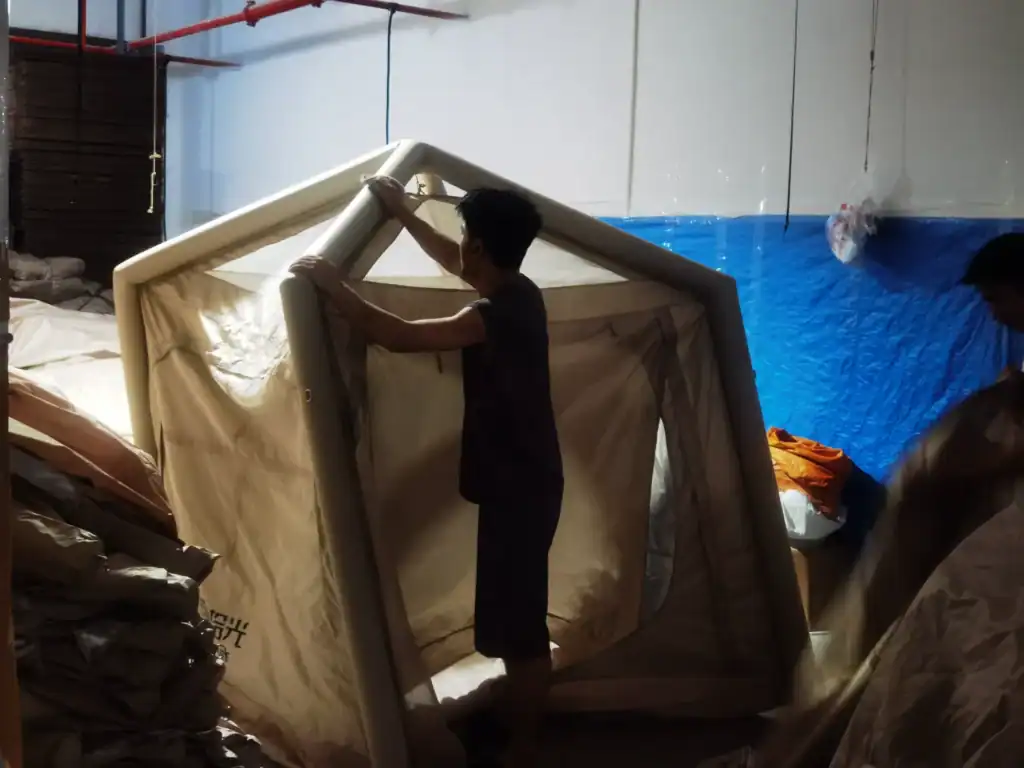
Отказ #1: Заваливание Шарнирного Соединения
Номер.
Представьте стандартный стык купольной палатки: пластиковый узел из АБС-пластика с одной пластиковой защёпкой, охватывающей стекловолоконный дугу. Каждое установка и разборка сгибает эту защёпку. На холоде, при грубом разбивке лагеря или если семья относится к палатке как к игрушке, трещина образуется быстрее. Засцепка ломается, дуга вырывается, и укрытие рушится в самый неудачный момент.
Почему одинарная защёпка выходит из строя
Одна защёпка концентрирует всю натяжную нагрузку на одном маленьком пластиковом участке. Вторичной опоры нет. Когда дуга изгибается, сила передаётся напрямую на защёпку, а не распределяется по корпусу узла. Это инженерный просчёт. Временные полевые починки клеем и лентой не восстанавливают исходную траекторию нагрузки.
Решение с двойной блокировкой узла
Узел с двойной блокировкой размещает внутри корпуса из АБС-пластика металлический фиксационный штифт. Штифт не даёт дуге выпасть, а дополнительная нейлоновая лента распределяет натяжную силу по всей конструкции узла. По данным внутренних сравнительных испытаний, эта конструкция снижает отказы узла на 90% по сравнению с узлами на одной защёпке.
Контекст производства имеет значение. Основной завод палаток и тентов в Нинбо, сертифицированный по ISO 9001:2015, CE и BSCI, выпускающий 800 000 единиц в год, задаёт узел с двойной блокировкой для моделей купольных палаток быстрого монтажа.
-
- Траектория нагрузки: Одинарная защёпка把所有力集中在一个塑料点上. Двойная блокировка распределяет силу через штифт и ленту по корпусу узла.
- Failure mode: Одинарная защёпка трескается, затем дуга отделяется. Двойная блокировка сохраняет удержание даже при трещине в корпусе из АБС-пластика.
- Итог по гарантии: Одинарная защёпка создаёт возвраты, расходы на доставку и refund. Двойная блокировка предотвращает выход узла из строя как причину возврата.
Покупатель, проверяющий поставщика палаток быстрого монтажа, должен задать один прямой вопрос: что удерживает дугу в узле? Если ответ — одна пластиковая защёпка, требуйте модернизированный дизайн узла или уходите. Снижение наиболее частого отказа купольной палатки быстрого монтажа на 90% напрямую ведёт к меньшему числу гарантийных случаев и более здоровой марже.
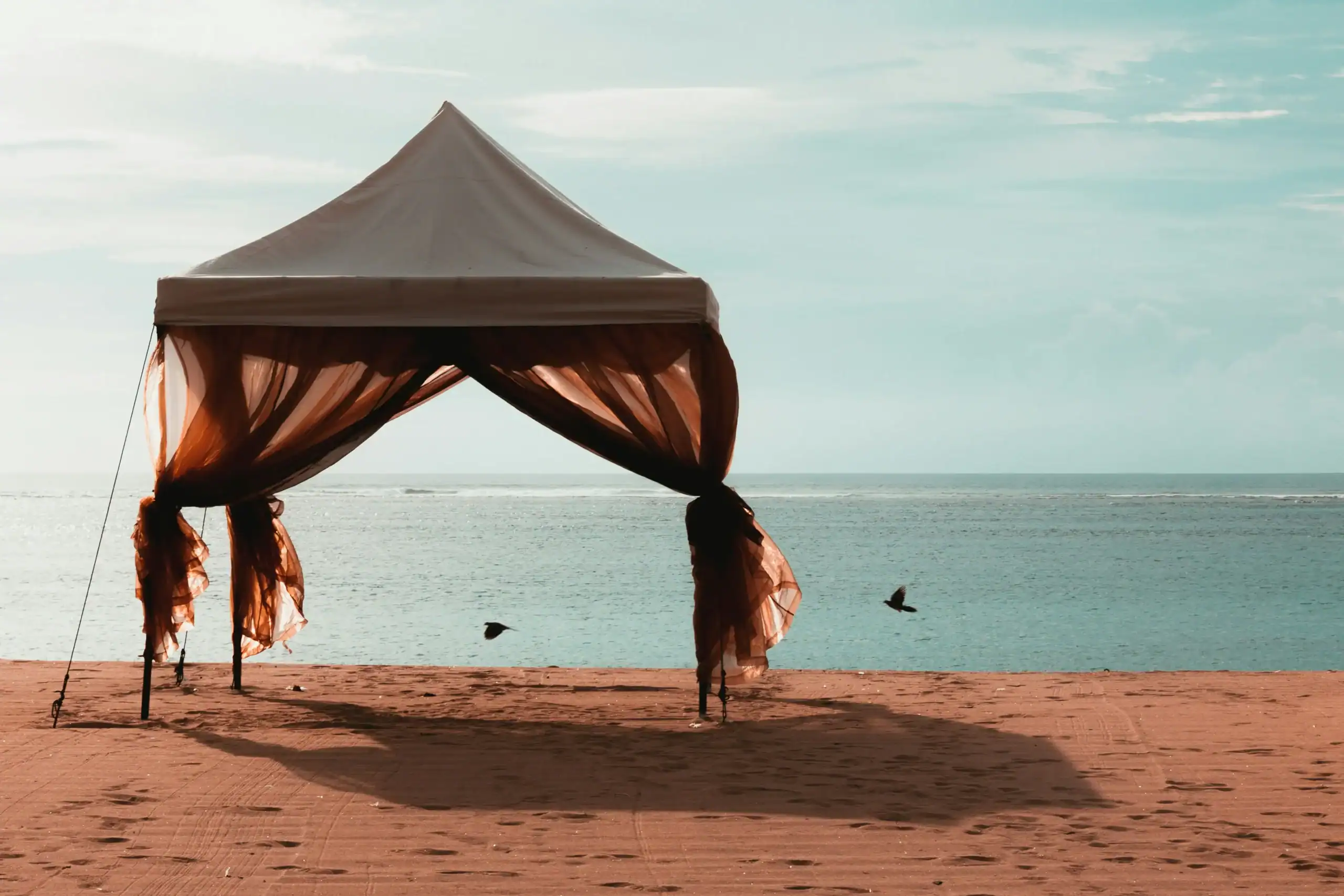
Отказ #2: Пробокодил Ткань Установки
Незащёлкнутые концы дуг — это копьё, направленное на ваш верхний тент.
Свободные концы дуг в самых нагруженных углах — слабое место. Когда наконечник из стекловолокна или алюминия остаётся открытым внутри рукава, каждый порыв ветра и движение при установке бьют этим концом по летнему тенту или полу. Давление концентрируется на пятне меньше ногтя. Ткань не выдерживает, разрыв идёт вдоль шва — и вам достаётся гарантийный возврат: себестоимость единицы, доставка и доверие бренда.
Это прокол редко виден на фото образца. Он проявляется через недели, когда шатёр быстрого развёртывания уже сложил, упаковали и вновь расставили dozen раз. Большинство покупателей назовут это грубой эксплуатацией. Но это не так. Сырой конец дуги, касающийся ткани — конструктивный просчёт, который завод решил отгрузить как есть.
Зафиксируйте эти три исправления в производственном договоре
-
- Резиновые колпачки на каждом конце дуги: Формованные колпачки или погружное покрытие на каждом наконечнике. Колпачок — это первая линия защиты: нет колпачка = открытый наконечник.
- Укреплённые угловые латки: Дополнительный слой оксфорда или рипстоп в каждом углу, где рукав дуги соединяется с хабом. Латка распределяет нагрузку до того, как ткань начнёт рваться.
- Несущий веб-ремень в точках крепления к хабу: Ремни из веб-ленты распределяют усилие натяжения на более широкую площадь, поэтому дуга никогда не давит напрямую на летний тент.
Проверяйте это при утверждении образца: соберите палатку, затем проведите рукой по внутреннюю сторону каждого угла и рукава дуги. Твёрдая точка, которая давит на ткань — даже слегка — это начинающийся прокол. Быстрая проверка рукой устраняет дефект, который иначе достался бы вашим клиентам.
Основной завод палаток Kelyland в Нинбо — сертифицирован по ISO 9001:2015, CE и BSCI, годовой выпуск 800 000 палаток — закладывает эту защиту прямо в производственную спецификацию. Осмотр проходит на каждом этапе: от закупки материалов и кроя до сборки каркаса и отгрузки. Запросите фото с проверками колпачков и угловых латок. Поставщик, который не может их задокументировать, отгружает заведомо рискованный проколами товар.
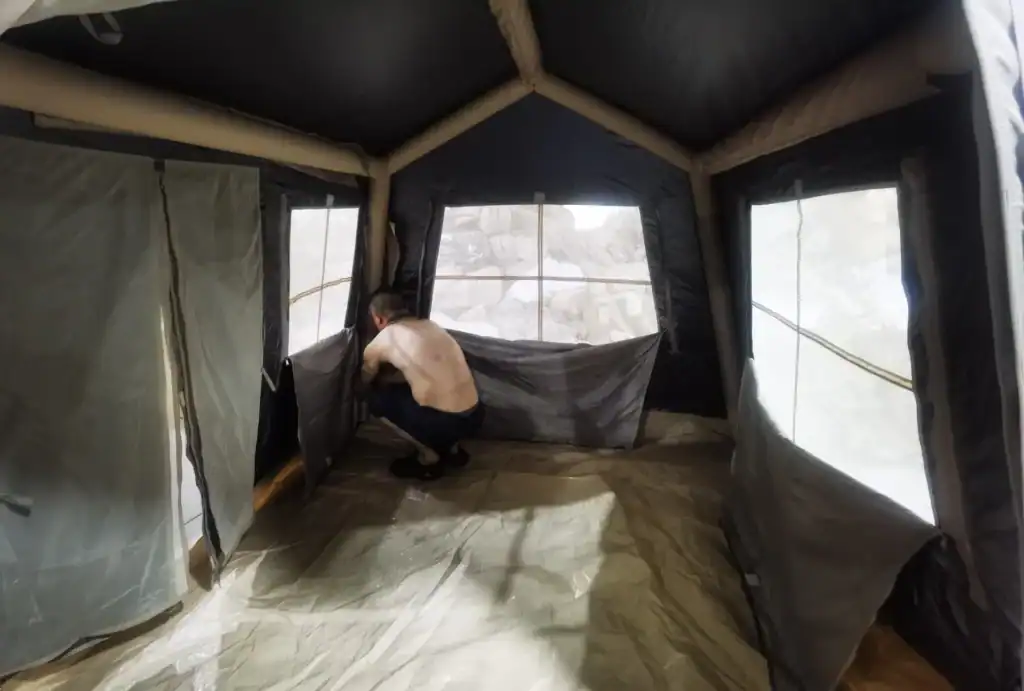
Отказ #3: Заваливание Молнии и Заваливание
Разъединённая молния превращает отличную палатку в возврат.
Последовательность отказа предсказуема. Песок или пыль проникает в дорожку спиральной молнии #3, пользователь тянет бегунок под углом, зубья разъединяются, входная дверь больше не закрывается. Сама палатка в порядке. Клиент оформляет её как сломанную. Это превращается в возврат, chargeback и удар по рейтингу товара из-за компонента, обновление которого стоит копейки.
Спиральные молнии #3 используют более мелкие зубья и одинарный строчный шов ленты. Заводы указывают их на бюджетных палатках, потому что они дёшевы. На песке или пыльных тропах они заклинивают. Продольное натяжение — тяга бегунка вбок вместо прямого хода по дорожке — именно то, что растаскивает спираль.
Характеристики молний, выдерживающих условия кемпинга
Указывайте молнии с обратной катушкой или формованными зубцами. Увеличенный профиль зубцов выталкивает грязь, а не удерживает её. Конструкция с обратной катушкой обеспечивает расположение катушки снаружи бегунка, поэтому песку меньше мест для накопления. Двойная строчка ленты и тканевая защитная планка над направляющей. Эти три изменения устраняют большинство возвратов, связанных с молниями.
-
- Бегунки молний: Индивидуальные формы, цвета и материалы для соответствия фирменному стилю.
- Ограничители: Metal or plastic stops positioned for consistent open and close endpoints.
- Tape: Brand-matched colors or printed branding along the tape itself.
- Guard flap: Color-matched to the tent body, covering the full zipper track.
Kelyland locks zipper specs during sample approval. The core tent factory in Ningbo — ISO 9001:2015, CE, and BSCI certified — runs stitching inspections at sewing-stage checkpoints, so the upgraded zipper gets verified before mass production, not caught later during a pre-shipment audit.
Отказ #4: Заваливание Ткань Установки
Fabric tears are a stitching problem before they are a material problem.
Tears in pop-up tents follow a predictable route: pole sleeve ends, floor corners, and guyline attachment loops. These points carry dynamic load every time the tent flexes in wind, shifts during setup, or gets packed while the frame is under tension. A single-stitch seam at any of these locations is a planned failure.
Stitching Decides the Tear Point
Fabric panels rarely fail first. The seam does. When a factory runs a single line of stitching along a pole sleeve, the thread absorbs the full load. One sharp gust, and the needle holes elongate into a rip. Bar-tacking changes that calculation by spreading force across a wider area.
-
- Bar-tacking: A dense zigzag reinforcement placed at pole sleeves, guyline loops, and floor corners distributes dynamic load instead of concentrating it on one seam line.
- Double-stitched main seams: Two parallel stitch lines mean a broken thread does not become an instant tear; the second line holds the panel until the tent can be repaired.
- Ткань ripstop: Рисунок ткани ripstop предотвращает разрыв при проколе. Без него зацепление в 5 мм на углу превращается в прореху длиной 40 см всего за одну ветреную ночь.
- Проверка швов по стандартам QC: Основной завод палаток и тентов Kelyland в Нинбо, сертифицированный по ISO 9001:2015 и CE, выпускающий 800 000 единиц в год, проводит проверку качества швов на нескольких этапах производства, а не только при финальном контроле.
Перед запуском массового производства обязательно запросите у поставщика образец предпроизводственной партии и обратите внимание на рисунок усиления в петлях для дуг и растяжек. Если поставщик не может показать усиленные швы в местах крепления дуг и мест, куда крепятся растянки, будьте готовы к тому, что первая партия уйдет с рекламациями по гарантии. Это бьет по вашей марже.

Отказ #5: Заваливание Герметичности
Палатка может пройти тест водонепроницаемости покрытия ткани, но все равно протечь в первую дождливую ночь.
В складные палатки вода попадает не через панельки из ткани, а через проколы от иголки, не проклеенные швы и углы дна. Каждое отверстие от строчной иглы нарушает водоотталкивающий слой точно в этом месте. Если шов не проклеен, палатка будет просачиваться водой в первый сильный дождь, независимо от заявленных характеристик пропитки ткани.
Где реально начинаются протечки
Проколы от иголки — классическая точка отказа. Швейная игла оставляет сотни микроотверстий на каждый метр шва, каждое из них — это микроканал для воды. Поэтому палатка может пройти тест на гидро статическое давление по сырой ткани, но начать течь уже после сборки. Проблема не в ткани, а в конструкции шва.
Углы дна выходят из строя тем же путем, особенно в моделях с плоским дном, где пол встречается со стеной под прямым углом. Вода скапливается вдоль строчной линии и находит ближайшее отверстие от иголки. Пол типа «ванна» — когда материал пола поднят на несколько дюймов вверх по стене, — располагает шов выше уровня скапливающейся воды.
Характеристики водонепроницаемости, которые нужно требовать
-
- Гидростатический напор 3000 мм на тенте: Минимальный показатель для палатки, которая должна сохранять сухость внутри даже в реальную непогоду. При меньших значениях уже при умеренном дожде возможна передача влаги.
- С PU-покрытием высоту пола-«ванны»: Покрытие пола и поднятые бортики, которые защищают от грунтовых вод и брызг, удерживая воду ниже критической линии шва.
- Проклейка швов на fly и полу: Лента заклеивает игральные проколы на каждом критическом шве. Без нее результаты водного столба на тканевых панелях не имеют значения.
- Отчет о тесте водного столба и образец дождевого теста: Запросите оба отчета перед массовым производством. Дождевой тест выявляет утечки на уровне сборки, которые не показывает тест ткани.
Основной завод Kelyland по производству палаток и тентов в Нинбо — сертифицирован по ISO 9001:2015, CE и BSCI, выпускает 800 000 палаток ежегодно — проводит инспекции на этапах раскроя, шитья и сборки каркаса, затем снова перед отправкой. Именно на этапе шитья выявляются отказы проклейки швов, а не после того, как контейнер прибудет на ваш склад.
Пропустите отчет о водном столбе и образец дождевого теста, и первое подтверждение утечки палатки придет в виде возврата клиента спустя недели после отправления контейнера с порта. Для бренда, отслеживающего уровень возвратов ниже 2%, герметизация швов — это то, где достигается или теряется эта цель.
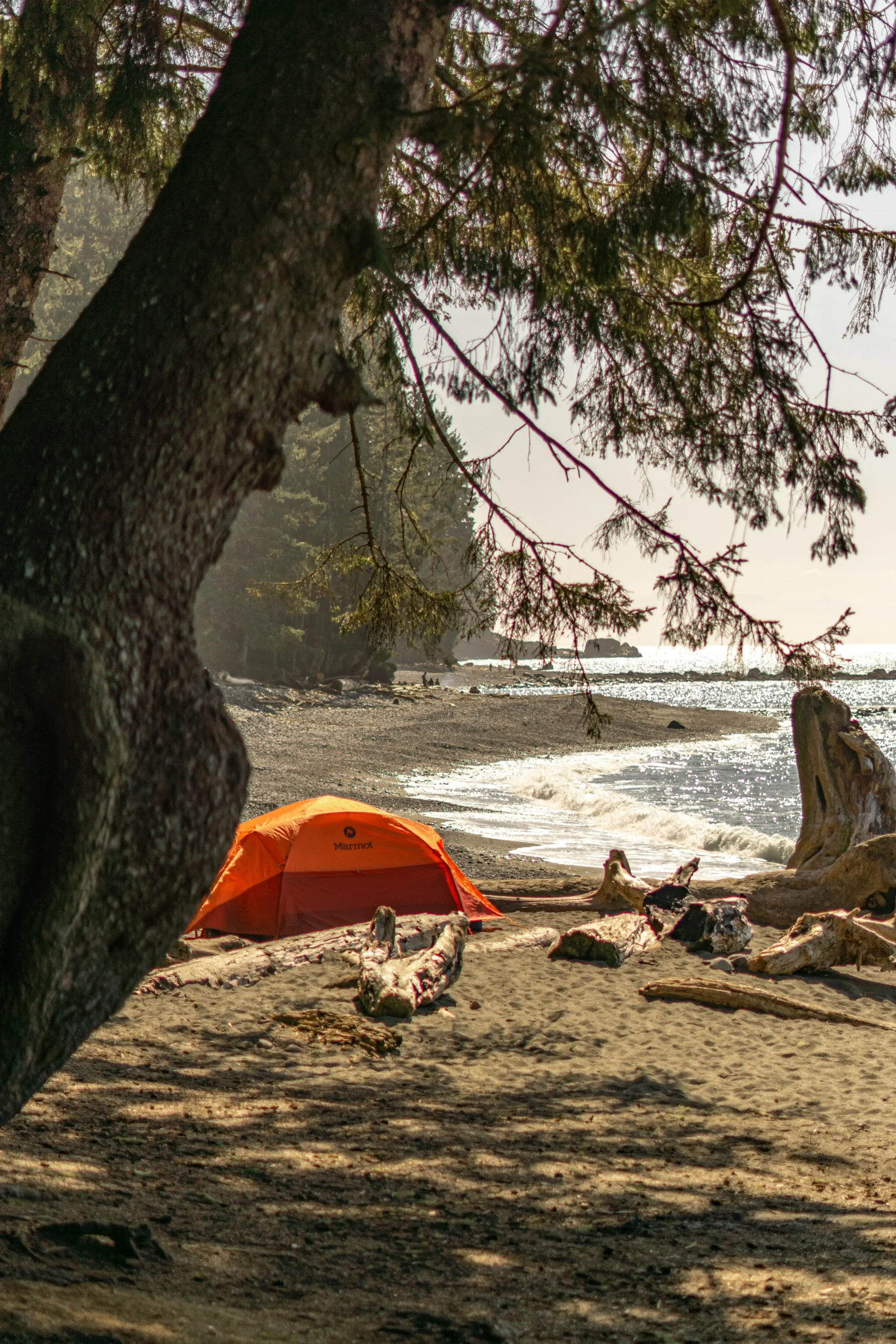
Как инженеры Kelyland проектируют палатки для долговечности
Долговечность — это процесс, а не компонент.
Палатка быстрого раскрытия Долговечность определяется не на столе финальной инспекции. Она закладывается тем, какой завод собирает каркас, как проверяется ткань перед раскроем и действует ли ОТК как контрольная точка или формальность. Kelyland управляет 17 ключевыми стратегическими заводами и более чем 200 производственными партнерами, при этом линия палаток сосредоточена в одном специализированном хабe.
Стандарт нинбоского завода
Основной завод по производству палаток и тентов в Нинбо выпускает 800 000 палаток ежегодно при сертификации ISO 9001:2015, CE и BSCI. Этот набор сертификатов имеет значение. ISO 9001:2015 требует документированных и воспроизводимых процессов; BSCI охватывает социальную ответственность; CE касается безопасности продукции. Завод, обладающий всеми тремя сертификатами, имеет меньше возможностей скрыть дефекты при аудите покупателем.
Пять контрольных этапов перед отправкой
ОТК проходит через пять этапов: закупка материалов, раскрой, шитье, сборка каркаса и предотправочная проверка. Этап контроля материалов выявляет некачественные дуги или ткань ниже спецификации до того, как они станут готовой палаткой. Этап предотправочной проверки проверяет готовое изделие по сравнению с утвержденным образцом. Пропуск любого из них — это ставка уровня возвратов против вашей маржинальности.
-
- Material sourcing: Материалы уровня outdoor проходят проверку на прочность и устойчивость к погодным условиям до начала раскроя.
- Раскрой: Совпадение панелей и припуски на швы проверяются, чтобы детали точно соответствовали утверждённому лекалу.
- Пошив: Плотность строчки и размещение усиливающих элементов проверяются на контрольных точках, а не только после свёртки в рулон.
- Перед отгрузкой: Финальный контроль качества подтверждает, что каждая единица продукции соответствует утвержденному образцу перед отгрузкой.
Сроки и минимальный объем заказа для приватной торговой марки
Путь OEM/ODM охватывает десять этапов: от сбора требований до постпродажной поддержки. Стандартное производство занимает 30–45 дней после утверждения образца. Минимальный заказ на стандартные палатки-поп-ап с индивидуальной маркировкой составляет от 300 до 1000 штук; для отдельных артикулов порог начинается от 50–100 штук. Это означает, что запуск собственной торговой марки можно протестировать в объеме, не требующем складских запасов промышленного масштаба.
Начните свою настройку сегодня
Техническое задание, описывающее виды отказов, позволяет отсечь производителей стандартной продукции еще до того, как вы потратите доллар на образцы.
Начните с задания, построенного вокруг предотвращения отказов, а не только с указания цветов и размещения логотипа. Укажите целевую плотность ткани, статический гидростатический напор, размер молнии, материал дуг, требуемое количество циклов испытаний люльки и ваш текущий процент брака. Последняя цифра сообщает фабрике точно, какую проблему вы хотите решить.
Что отправить фабрике
-
-
- Целевая плотность ткани: Укажите денатур и покрытие для верха и дна. Фабрике нужны конкретные цифры, а не расплывчатые описания.
- Гидростатическое давление: Укажите минимальный показатель водонепроницаемости, например 3000 мм для верха. Это задает базовый уровень для проклейки швов и покрытия дна.
- Размер молнии: Укажите спецификацию, например #5 сreverse-витком, и запросите двойную прострочку ленты. Это предотвратит засорение песком и грязью до того, как товар попадет к клиентам.
- Материал дуг: Стекловолокно дешевле, но более гибкое. Алюминий лучше сохраняет форму при многократных циклах сборки-разборки.
- Требование к испытанию люльки на циклы: Укажите минимальное количество циклов установки/разборки. Назовите двойной замок втулки конструкцию, если вам нужна металлическая фиксирующая шпилька плюс нейлоновый ремень.
-
Основной палаточный завод Kelyland в Нинбо обладает сертификацией ISO 9001:2015, CE и BSCI и производит 800 000 палаток в год. Параметры долговечности из технического задания напрямую попадают на контрольные точки производства, не размываясь при передаче между отделами.
Заставьте Поставщика Подтвердить Это
-
- Испытание цикла работы втулки: Уточните, сколько циклов установки и разборки выдержала втулка. Двойной замок втулки снижает риск ее отказа на 90% по сравнению с результатами внутренних сравнительных тестов.
- Испытание на вырыв кончика дуги: Убедитесь, что крышечки на концах дуг надежно держатся под нагрузкой и не могут проткнуть верхнюю ткань при укладке.
- Испытание молнии на 10 000 циклов: Запросите количество циклов. Спиральная молния #3 заклинивает задолго до того, как спиральная молния с обратным бегунком #5 достигнет такого количества.
- Отчет о водонепроницаемости: Требуйте результат гидростатического испытания, а не маркетинговое заявление. 3000 мм на верхней ткани, цельное («ванночное») днище и проклеенные швы предотвращают протечки уже в первую ночь.
- Фотографии предотгрузочного контроля качества: Проверьте качество строчек, сборки втулок и траектории движения молний по результатам финального QC-контроля перед отправкой контейнера.
Стандартный минимальный заказ на палатки-раскладушки с индивидуальной настройкой составляет от 300 до 1 000 единиц; для отдельных артикулов — от 50 до 100 шт. Срок производства: 30–45 дней после утверждения образца. Стоимость образцов возвращается при размещении оптового заказа. Фабрика, которая документально подтверждает эти тесты, доказывает надёжность процессов. Фабрика, которая колеблется, говорит о многом другом.
Заключение
Палатки-раскладушки выходят из строя не случайно. Ломается крепление, заедают молнии, протекают швы — всё это следствие конкретных инженерных решений на этапе производства. Выбор двойных замковых креплений, заглушек на концах дуг, молний с обратной спиралью #5 и проклеенных стыкованных днищ — это разница между изделием, которое переживёт сезон, и тем, что вернётся по гарантии.
-
- Одинарные ABS-крепления — причина большинства поломок палаток-раскладушек; двойные металлические замковые крепления снижают риск поломки креплений на 90%.
- Перед утверждением производственного образца запрашивайте заглушки на концах дуг, усиленные угловые накладки и укреплённые строчкой места повышенной нагрузки.
- Укажите гидростатический напор верхнего тента 3000 мм, проклеенные швы и стыкованное днище, чтобы исключить возвраты из-за протечек в первую ночь.
- Стандартный минимальный заказ на палатки-раскладушки с индивидуальной настройкой составляет от 300 до 1 000 шт.; выбранные артикулы Kelyland — от 50 до 100 шт. при сроках 30–45 дней.
Перед тем как давать бриф следующему поставщику, извлеките данные по возвратам из вашей последней партии палаток-раскладушек и сопоставьте их со спецификациями выше. Отправьте фабрике список требований: двойные замковые крепления, молнии с обратной спиралью #5 и гидростатический напор 3000 мм на верхнем тенте, а также запросите отчёты об циклических испытаниях вместе с образцом. Именно так вы отличите низкий уровень возвратов от сезона с массовыми рекламациями.
Часто задаваемые вопросы
Какие проблемы чаще всего возникают с насадными палатками и как их решить?
Наиболее частые неисправности — поломка шарниров хабов, проколы наконечниками дуг, заедания молний и разрывы швов. Исправить ситуацию можно с помощью двухзамкового хаба, наконечников дуг с защитными колпачками и реверсивной молнии #5 с планкой-защитой. Обрати внимание на эти четыре пункта при оценке спецификации OEM-изготовителя.
Можно ли восстановить сломанный коннектор каркаса тента-трансформера в полевых условиях?
Полевое восстановление является временным: очистите сломанный пластик, заклейте или зафиксируйте узел и усильте соединение распоркой. Конструкция может выдержать одну поездку, но сочленение не будет долговечным. Для коммерческих парков и проката обязательно имейте запасной комплект ступиц.
Как предотвратить повреждение ткани острым наконечником дуги поп-ап палатки?
Зашкурьте все острые края, накройте концы резиновыми колпачками и добавьте усиленную тканевую накладку или ленту в области проёма для штока. Для OEM-решения требуйте наличия колпачков на концах штырей. Сделайте колпачки на штоках стандартной спецификацией для вашего персонализированного тента.
Какие молнии должны использоваться в прочных быстрораскладываемых палатках?
Используйте молнию с обратной спиралью или формованными зубьями #5 с двойной строчкой на тесьме и защитным клапаном. Молния #3 легче, но не выдержит частого использования в полевых условиях на палатке семейного размера. Укажите комплектацию #5 в вашем техническом задании.
Каков минимальный объем заказа на кастомные раздвижные палатки из Китая?
Стандартные разворачивающиеся палатки под заказ требуют объем от 300 до 1 000 штук, однако для отдельных артикулов Kelyland минимальный заказ может начинаться от 50–100 штук. Срок изготовления обычно составляет 30–45 дней в зависимости от уровня кастомизации и объема партии. Запросите точный MOQ для каждого артикула после согласования ваших спецификаций.

 English
  Español
  Deutsch
  Français
  Português do Brasil
  Русский
  العربية
  한국어
한국어  日本語
日本語