 跳到内容
跳到内容 
Поиск соответствующих требованиям палаток для младенцев и детей раннего возраста — это критический этап, который отделяет успешную линейку продуктов от контейнера с конфискованными товарами на таможне США. Многие импортеры сосредотачиваются на таких функциях, как мини-бассейны или рейтинги УФ-защиты, но упускают из виду обязательные юридические требования. Один неудачный тест на свинец, фталаты или отсутствие Сертификата на детскую продукцию (CPC) может сделать недействительной целую партию, что приводит к значительным финансовым потерям и ущербу для бренда.
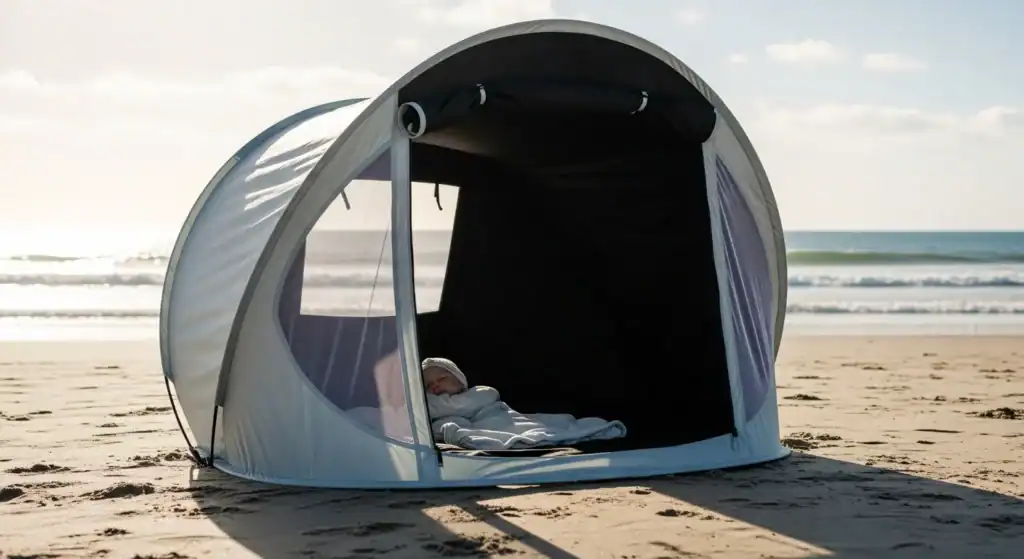
Это руководство служит техническим контрольным списком для оценки вашей цепочки поставок. Мы анализируем обязательные документы CPC, необходимые для импорта в США, разбираем тесты безопасности материалов и оцениваем критические конструктивные особенности, такие как вентиляция для предотвращения перегрева и системы крепления для устойчивости к ветру. Мы также изучаем инженерные решения популярной функции мини-бассейна, чтобы отличить надежный дизайн от потенциальной ответственности.
Соответствие требованиям: Имеет ли ваш инвентарь сертификаты CPC и CPSC?
С момента введения обязательного контроля, отсутствие Сертификата на детскую продукцию (CPC) от аккредитованной CPSC лаборатории — это не риск нарушения требований, а прямой путь к конфискации партии и исключению с рынка США.
Продажа детских и младенческих палаток на рынке США требует строгого соблюдения федеральных правил безопасности, установленных Комиссией по безопасности потребительских товаров (CPSC). Все товары, предназначенные для сна младенцев, должны соответствовать Правилам для продуктов для сна младенцев, чтобы быть легально импортированными и проданными. Это не рекомендация, а юридическое требование. Как производители, так и импортеры обязаны получить Сертификат на детскую продукцию (CPC) на каждый товар, который должен быть выдан аккредитованной CPSC сторонней лабораторией, подтверждающей соответствие каждому требуемому стандарту безопасности.
| Фактор соответствия | Риск несоответствующего инвентаря | Инвентарь, соответствующий требованиям CPSC (стандарт Kelyland) |
|---|---|---|
| Сертификация продукции | Отсутствие детского сертификата на продукцию (CPC). | CPC, выданный аккредитованной CPSC сторонней лабораторией для каждой партии. |
| Испытания на безопасность | Непроверенные материалы и конструкция. | Проходит структурные и материальные испытания по Правилам для детских спальных принадлежностей (16 CFR 1236). |
| Прослеживаемость и маркировка | Отсутствующие или временные маркировочные этикетки. | Постоянная маркировочная этикетка с датой изготовления и кодами партии. |
Ключевые стандарты безопасности для детских спальных принадлежностей
Правила для детских спальных принадлежностей (16 CFR 1236) определяют требования к конструкции и материалам, направленные на снижение известных рисков в среде сна младенцев. Продукты должны проходить испытания на структурную целостность, чтобы доказать, что они являются отдельно стоящими и устойчивыми. Правила также прямо запрещают определенные материалы, такие как подушки с рыхлым наполнителем, которые представляют опасность удушья. Поскольку обязательное соответствие стало отраслевым стандартом в 2026 году, CPSC активно отзывает несоответствующую продукцию, что делает сертифицированные запасы основным требованием для любого серьезного розничного продавца или владельца бренда.
Обязательная маркировка и прослеживаемость
Правильная маркировка является критически важным компонентом соответствия требованиям CPSC. Она обеспечивает эффективное отслеживание продукции и облегчает отзыв, если после выхода на рынок будет обнаружена проблема безопасности. Каждый соответствующий продукт должен иметь постоянную маркировочную этикетку, прикрепленную к нему. Эта этикетка содержит основные данные, такие как дата изготовления и информация о партии, что позволяет регулирующим органам, партнерам по цепочке поставок и потребителям мгновенно идентифицировать конкретные производственные партии.
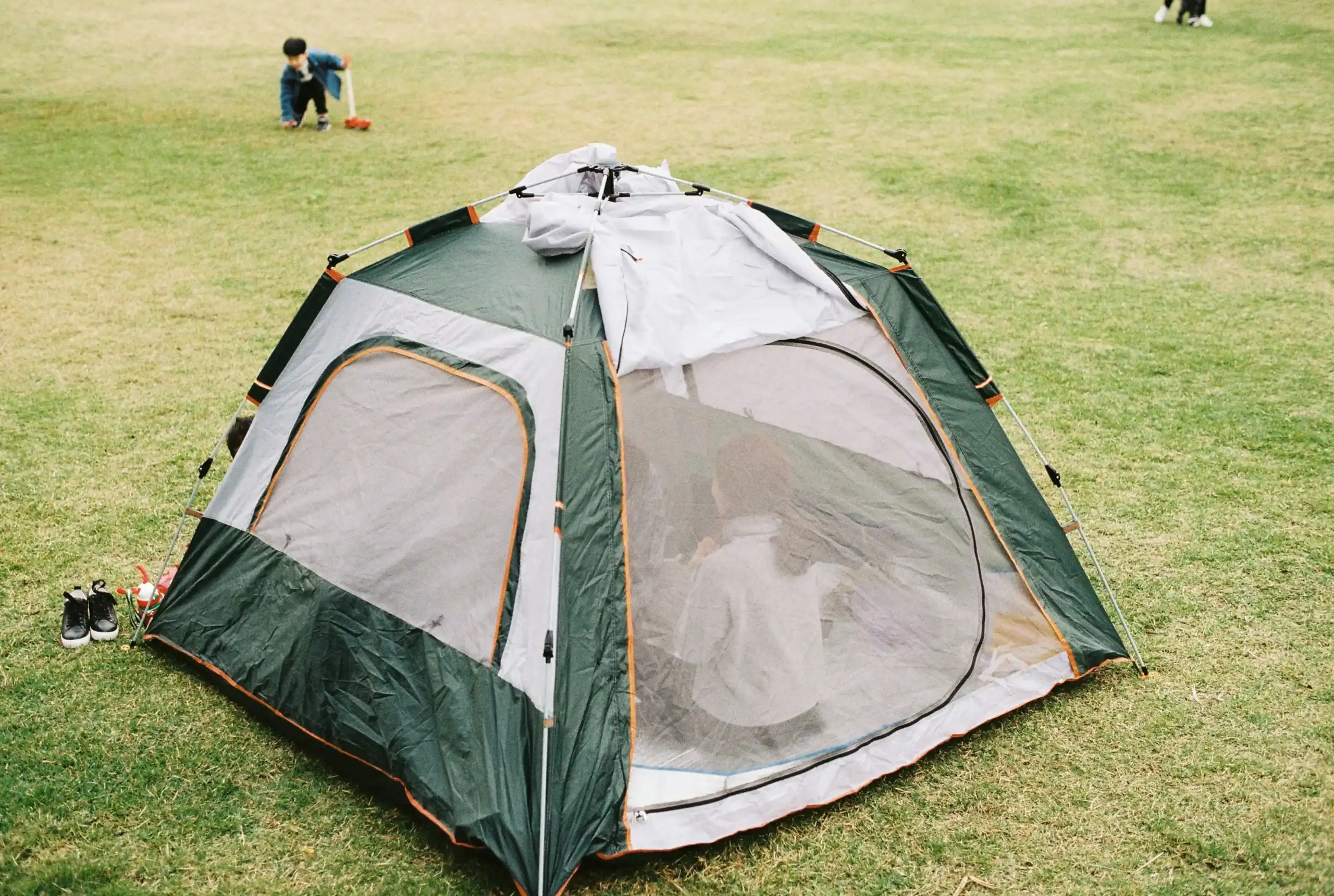
Функция мини-бассейна: Это маркетинговая уловка или обязательная опция?
Встроенный мини-бассейн превратился из маркетинговой новинки в стандартную многофункциональную особенность, которая стимулирует потребительский спрос, сочетая защиту от ультрафиолета с практичной игровой зоной для регулирования температуры.
Эволюция от новинки до стандартной особенности
То, что начиналось как уникальная функция продаж, стало стандартным компонентом на рынке пляжных палаток для детей. Мини-бассейн больше не является уловкой, а функциональной частью дизайна, объединяющей UPF 50+ солнцезащитный тент, закрытое игровое пространство и мелкий бассейн для плескания в одном продукте. Эта эволюция отражает прямой ответ на практические потребности родителей, создавая многофункциональное решение, упрощающее уход за младенцем на открытом воздухе в одном портативном блоке.
Практические преимущества для родителей и младенцев
Эта функция обеспечивает ощутимые преимущества как для безопасности, так и для комфорта. Она создает контролируемую среду для игр с водой под присмотром, что важно для помощи младенцу в регулировании температуры тела в теплые дни. Вместо того чтобы просто блокировать солнце, палатка становится активной частью поддержания прохлады и комфорта ребенка. Закрытое пространство также предлагает безопасную зону для сенсорного развития и игр.
- Безопасные игры с водой: Позволяет контролируемое и ограниченное плескание вдали от открытой воды.
- Регулирование температуры: Помогает поддерживать прохладу у младенцев в жару, снижая риск перегрева.
- Сенсорная стимуляция: Обеспечивает закрытую и стимулирующую среду для раннего развития через игру.
Рыночное внедрение и ценностное предложение
Широкое рыночное внедрение и стабильно положительные отзывы клиентов подтверждают полезность этой функции. Высокий потребительский спрос теперь позиционирует мини-бассейн как обязательный элемент, а не просто дополнение. Для розничных продавцов это стало основным ценностным предложением и ключевым отличием в переполненной категории солнцезащитных тентов для младенцев. Продукты без этой интегрированной функции все чаще рассматриваются потребителями как неполноценные, ищущие практичное и универсальное снаряжение для своих детей на открытом воздухе.
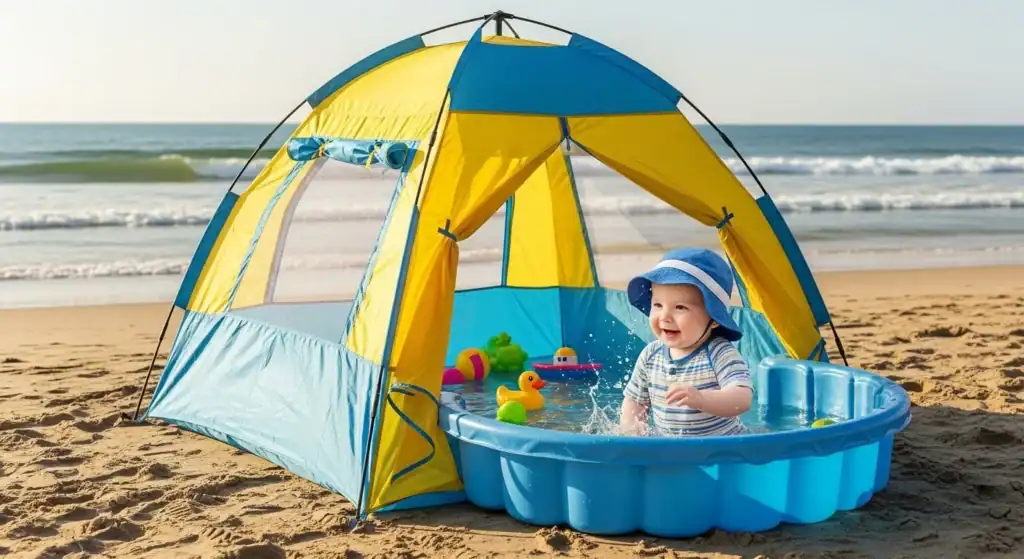
Легко находите премиальные и индивидуальные палатки

Вентиляция: Как избежать перегрева в детских коконах?
Правильная вентиляция в детских коконах больше не является второстепенной функцией; это критическое требование безопасности, продиктованное рекомендациями по безопасному сну, напрямую влияющее на жизнеспособность продукта и его положение на рынке.
Перегрев является значительной проблемой безопасности для младенцев, и дизайн коконов для сна и пляжных тентов развивается, чтобы напрямую решить эту проблему. Фокус сместился с простого комфорта на инженерную безопасность, сделав вентиляцию основной технической характеристикой. К 2026 году производители, которые не внедрят продвинутые механизмы воздушного потока, не просто теряют долю рынка — они создают ответственность.
Дышащие материалы и особенности дизайна
Промышленность теперь отдает приоритет материалам и конструкциям, которые гарантируют постоянный воздушный поток. Старый подход с использованием тяжелых утепленных тканей устарел. Стандартная практика включает использование легких дышащих текстильных материалов, таких как полиэстер 190T, в сочетании с панелями из высокоплотной сетки B3 No-See-Um для максимальной поперечной вентиляции. Эти современные конструкции часто включают регулируемые вентиляционные клапаны, дающие родителям прямой контроль над потоком воздуха в зависимости от окружающих условий. Многие текущие продукты также совместимы с небольшими внешними вентиляторами для дополнительного активного циркулирования при необходимости.
| Особенности дизайна | Устаревший дизайн (до 2022 года) | Современный стандарт безопасности (2026) |
|---|---|---|
| Основная ткань | Тяжелые утепленные ткани с сеткой низкой плотности. | Легкий полиэстер/нейлон, панели из сетки B3 No-See-Um. |
| Контроль воздушного потока | Фиксированные минимальные вентиляционные отверстия с ограниченной функциональностью. | Регулируемые вентиляционные клапаны и большие застегивающиеся на молнию сетчатые окна. |
| Механизм охлаждения | Только пассивный; полностью зависит от температуры окружающей среды. | Интегрированные пассивные и активные системы (например, совместимость с вентилятором). |
Оптимальные условия в помещении и установка
Вентиляционные характеристики коляски эффективны только при правильной организации окружающей среды. Поэтому в инструкциях к продукту теперь указаны строгие параметры эксплуатации. Отраслевые рекомендации неизменно советуют поддерживать температуру в помещении в пределах 68–72°F (20–22°C). Пользователям настоятельно рекомендуется обеспечивать активный поток воздуха вокруг коляски и избегать размещения ее у стен, тяжелых штор или других препятствий, которые могут создавать застойные участки теплого воздуха. Четкие инструкции по установке больше не являются второстепенными; они являются ключевым компонентом для максимального использования встроенных механизмов безопасности продукта.
Нормативы безопасности и дифференциация на рынке
Пристальное внимание к рекомендациям по безопасному сну со стороны регулирующих органов превратило вентиляцию из простой функции в ключевой фактор конкурентного преимущества. Улучшенный поток воздуха — это прямой инженерный ответ на снижение риска перегрева, известного фактора риска СВДС. Инновации в продуктах теперь выходят за рамки пассивных сетчатых панелей в сторону интегрированных систем, которые сочетают пассивную воздухопроницаемость и функции, поддерживающие активное охлаждение. На этом рынке продавцы, демонстрирующие превосходные конструкции вентиляции и четко сообщающие о результатах испытаний на безопасность, завоевывают доверие и укрепляют свои позиции.
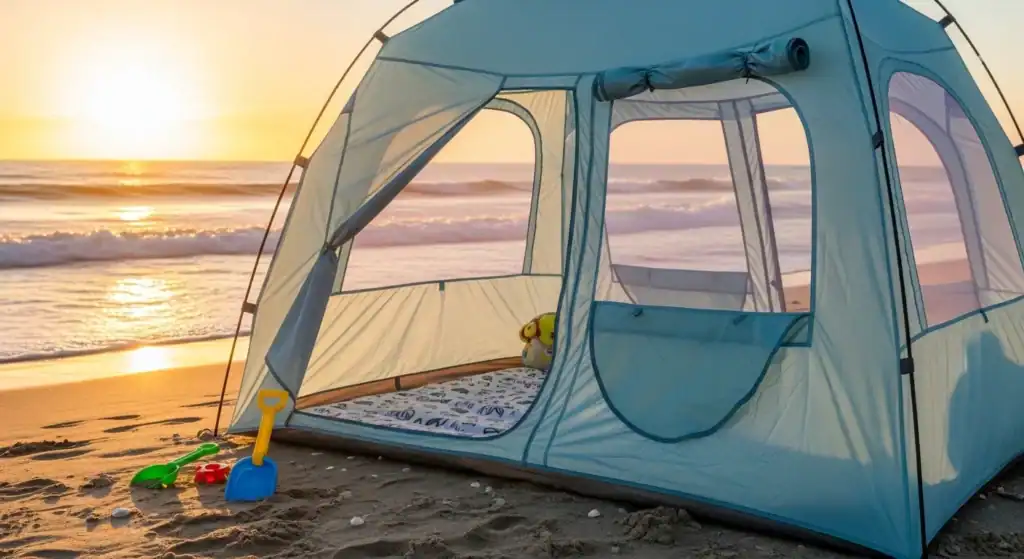
Устойчивость: Как закрепить легкие палатки при морском бризе?
Крепление легковесные палатки в рыхлом песке заключается не в поиске одного идеального колышка, а в применении комбинированной стратегии: специального снаряжения, распределения веса и правильного аэродинамического позиционирования.
Легковесные детские палатки удобны, но их большая площадь поверхности и малая масса делают их уязвимыми для прибрежных ветров. Стандартные колышки для палаток, предназначенные для твердой почвы, бесполезны в рыхлом подвижном песке, так как не могут создать достаточное трение для удержания. Успешная стратегия закрепления опирается на оборудование и методы, специально адаптированные для этой нестабильной среды.
Специализированное анкерное оборудование для песка
Специализированное снаряжение разработано для максимального сцепления с песком за счет увеличения площади поверхности или глубины. Это оборудование напрямую противодействует силам подъема и бокового волочения, которые ветер оказывает на палаточная ткань, создавая надежное крепление там, где традиционные методы не работают.
- Песчаные спирали вкручиваются глубоко в песок, используя свою штопорообразную форму, чтобы задействовать большой объем уплотненного песка под поверхностью. Это обеспечивает отличное сопротивление вертикальному выдергиванию из оттяжек.
- Длинные, широкие пляжные колья принципиально отличаются от грунтовых кольев. Их увеличенная длина и ширина обеспечивают гораздо большую площадь поверхности, создавая трение, необходимое для удержания в рыхлой почве.
- Трещоточные системы интегрированные с оттяжками, позволяют достигать и поддерживать высокое натяжение. Эта натяжка критически важна для предотвращения захвата ветром и хлопанья ткани палатки, что многократно увеличивает нагрузку на якоря.
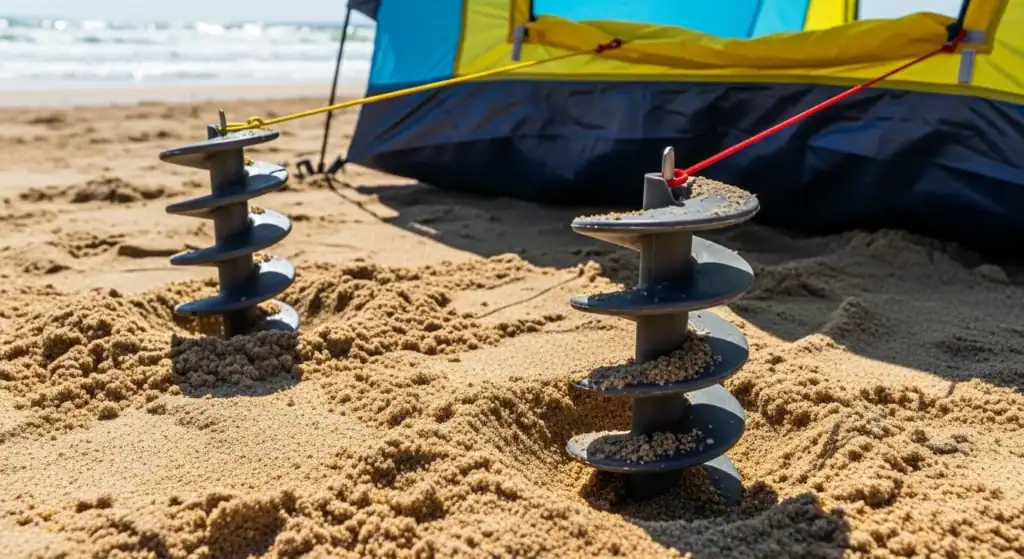
Якоря для палаток Kelyland Outdoors в использовании на песчаном пляже, демонстрирующие надежную установку для кемпинга на побережье.
Методы якорения на основе веса и природные методы
Когда грунт обеспечивает минимальное сцепление, вес становится самым надежным якорем. Этот подход использует массу для противодействия ветровым нагрузкам, либо с помощью специальных контейнеров, либо используя природные материалы на месте. Этот метод часто используется для дополнения систем на кольях для обеспечения избыточности.
- Наполняемые мешки с песком являются распространенным решением. Прикрепление мешков, наполненных песком, к углам палатки и оттяжкам создает тяжелые, устойчивые точки крепления, которые просто установить и убрать.
- Большой емкости для воды или специальные бочки для воды работают так же, как мешки с песком. Их основное преимущество в том, что их можно наполнить на месте и опорожнить перед упаковкой, уменьшая переносимый вес.
- Решения DIY Включает закапывание таких объектов, как коряги, бревна или крупные камни. Вы обвязываете растяжки вокруг закопанного предмета, используя вес песка сверху, чтобы создать мощный, неподвижный якорь.
Стратегическая установка и ориентация палатки
Лучшее оборудование неэффективно без правильной техники установки. То, как вы размещаете, ориентируете и закрепляете палатку, напрямую влияет на ее способность противостоять ветру и общую устойчивость. Небольшие корректировки в технике могут стать решающим фактором между надежным укрытием и разрушенным.
- Расположите палатку самым узким и аэродинамичным профилем навстречу преобладающему ветру. Это минимизирует площадь поверхности, подверженную прямым порывам, снижая общую ветровую нагрузку на конструкцию.
- Всегда втыкайте колышки в песок под углом 45 градусов, направляя их от палатки. Такая ориентация максимально увеличивает их сопротивление вытягивающему усилию растяжек.
- Закапывайте якоря глубоко. Рыхлый песок требует установки якорей гораздо глубже, чем в почве — минимальная глубина в 12 дюймов часто необходима, чтобы достичь более плотных слоев и обеспечить действительно надежную фиксацию.
Безопасность материалов: Тестирование на фталаты и свинец?
Обязательное стороннее тестирование на такие вещества, как свинец и фталаты, — это не просто лучшая практика, а обязательное юридическое требование для продажи детских товаров на рынке США.
Нормативная база: Закон CPSIA и правила CPSC
Kelyland Outdoors гарантирует, что все продукты, предназначенные для маленьких детей, соответствуют строгим федеральным нормам, установленным Законом о повышении безопасности потребительских товаров (CPSIA). Соблюдение этих правил является обязательной частью нашего производственного процесса и процесса закупок, а не дополнительной опцией. Комиссия по безопасности потребительских товаров (CPSC) обеспечивает соблюдение этих стандартов посредством обязательного лабораторного тестирования третьими сторонами. Мы напрямую координируем работу с лабораториями, аккредитованными CPSC, для управления всеми необходимыми сертификатами, гарантируя соответствие вашей линейки продуктов требованиям с первого производственного цикла.
| Вещество / Требование | Предельно допустимый уровень (CPSIA) | Протокол Kelyland Outdoors |
|---|---|---|
| Общее содержание свинца | ≤ 100 частей на миллион (ppm) | Требовать от поставщиков отчеты о тестировании сырья; проверять в лабораториях, аккредитованных CPSC. |
| Определенные фталаты | Концентрация ≤ 0,11% | Обязательное использование соответствующих материалов; предоставление стороннего подтверждения по запросу. |
| Сертификационный документ | Сертификат на детскую продукцию (CPC) | Управление полным процессом тестирования, необходимым для получения действительного CPC для импорта в США. |
Обязательные химические ограничения: фталаты и свинец
Мы строго контролируем состав материалов, чтобы обеспечить его значительное снижение по сравнению с законодательными пределами для вредных веществ. Наши партнерские заводы обязаны закупать материалы, соответствующие этим стандартам безопасности, с самого начала производства. Это включает обеспечение того, чтобы общее содержание свинца в любой доступной части не превышало 100 частей на миллион (ppm), а содержание определенных фталатов было ограничено концентрацией не более 0,11%. По запросу мы предоставляем полные отчеты об испытаниях от наших партнеров по цепочке поставок, которые подтверждают соблюдение этих химических ограничений, обеспечивая четкий бумажный след для ваших записей о соответствии.
Сторонняя сертификация и цепочка поставок
Для обеспечения беспристрастности и соответствия все необходимые испытания на безопасность проводятся независимыми лабораториями, одобренными CPSC. Этот шаг предоставляет брендам официальные сертификаты, необходимые для доступа на рынок, и создает важное доверие потребителей. Kelyland Outdoors может управлять всем процессом стороннего тестирования от вашего имени, используя наши связи с аккредитованными лабораториями, чтобы гарантировать, что результаты испытаний являются действительными, признанными и предоставляются эффективно. Этот процесс является основой для создания Сертификата на детскую продукцию (CPC), документа, требуемого таможней и крупными розничными продавцами перед продажей вашего продукта.
Заключение
Выбор пляжной палатки для младенца включает не только защиту от солнца. Приоритет материалов, сертифицированных CPSC, эффективной вентиляции для предотвращения перегрева и устойчивой конструкции обеспечивает безопасность младенца. Эти детали отличают надежный, соответствующий рынку продукт от потенциальной ответственности.
Для розничных продавцов и владельцев брендов проверка этих стандартов безопасности и соответствия необходима для построения доверия клиентов. Если вам нужен производственный партнер для разработки полностью соответствующей требованиям пляжной палатки для младенцев, наша команда может помочь вам с уверенностью найти источники.
Часто задаваемые вопросы
Требуется ли для пляжных палаток для младенцев Сертификат на детскую продукцию (CPC) для импорта в США?
Да, Сертификат на детскую продукцию (CPC) является обязательным федеральным требованием для импорта пляжных палаток для младенцев в Соединенные Штаты. Этот сертификат, выданный сторонней лабораторией, принятой CPSC, подтверждает, что продукт соответствует всем применимым правилам безопасности, включая Правила для детских спальных изделий (16 CFR 1236). Это не подлежащий обсуждению стандарт для выхода на рынок.
Как вы обеспечиваете, чтобы функция мини-бассейна не протекала и не рвалась во время использования?
Мы обеспечиваем долговечность мини-бассейна с помощью многостороннего подхода. Вкладыш бассейна изготовлен из высокоплотного, устойчивого к проколам ПВХ с термосварными швами для создания водонепроницаемого соединения. Каждый блок проходит строгое 24-часовое тестирование на надув и заполнение водой на заводе, чтобы гарантировать отсутствие утечек или падения давления перед упаковкой.
Проверяется ли ткань на наличие вредных химических веществ, таких как фталаты и тяжелые металлы?
Безусловно. В рамках обязательного процесса сертификации CPC все материалы проходят комплексное стороннее лабораторное тестирование. Это включает проверку полного спектра вредных веществ в соответствии с требованиями CPSC, таких как свинец, тяжелые металлы и определенные фталаты. Мы гарантируем, что все ткани и компоненты сертифицированы как нетоксичные и безопасные для младенцев.
Какова наилучшая конструкция вентиляции для предотвращения перегрева младенцев внутри?
Оптимальная конструкция для предотвращения перегрева предполагает создание перекрестной вентиляции. Наши палатки оснащены большими сетчатыми окнами как минимум с трех сторон с откидными чехлами. Это позволяет родителям регулировать поток воздуха в зависимости от направления солнца и ветра. Такая конструкция в сочетании с легкой тканью с рейтингом UPF 50+, отражающей тепло, обеспечивает прохладную и безопасную среду для младенца.
Могут ли эти легкие детские палатки выдерживать внезапные порывы ветра на пляже?
Да, они спроектированы для устойчивости в пляжных условиях. Каждая палатка включает многоточечную систему крепления с внешними песчаными карманами, которые можно наполнить для значительного веса и устойчивости. Мы также предоставляем грунтовые колышки для более твердой местности. Гибкий стеклопластиковый каркас предназначен для изгиба под порывами ветра, а не для поломки, а низкопрофильная куполообразная форма сама по себе более аэродинамична.
Предлагаете ли вы варианты индивидуального брендирования для розничных продавцов детских товаров?
Да, мы предлагаем комплексные услуги OEM/ODM для наших розничных партнеров. Варианты кастомизации включают печать логотипа на палатке и сумке для переноски, разработку индивидуальных цветовых решений ткани в соответствии с вашим брендом и создание индивидуальной розничной упаковки. Пожалуйста, свяжитесь с нашей командой B2B-продаж, чтобы обсудить требования к вашему проекту и минимальные объемы заказа (MOQ).

 English
  Español
  Deutsch
  Français
  Português do Brasil
  Русский
  العربية
  한국어
한국어  日本語
日本語