 跳到内容
跳到内容 
Когда вы оцениваете двухместный спальный мешок по сравнению с одноместным для вашей следующей линейки продукции, вопрос не только в пространстве или комфорте — дело в том, выдерживает ли история с теплом проверку. Двухместный мешок, который не может сравниться по утеплению с двумя одноместными, — это убийца маржи. Возвраты накапливаются, сроки сезонных поставок срываются, и ваш бренд страдает.
Вот данные, которые имеют значение: хорошо спроектированный двухместный мешок с наполнителем из пуха 650 fill и правильными перегородками может соответствовать комфорту двух одноместных мешковс заявленной температурой на 10-15°F ниже. Это не маркетинг. Это физика. Два человека, использующие двухместный мешок с температурой 30°F, уменьшают соотношение площади поверхности к объёму и устраняют холодный зазор между ними. Эффективное тепло приближается к 20-25°F на человека.
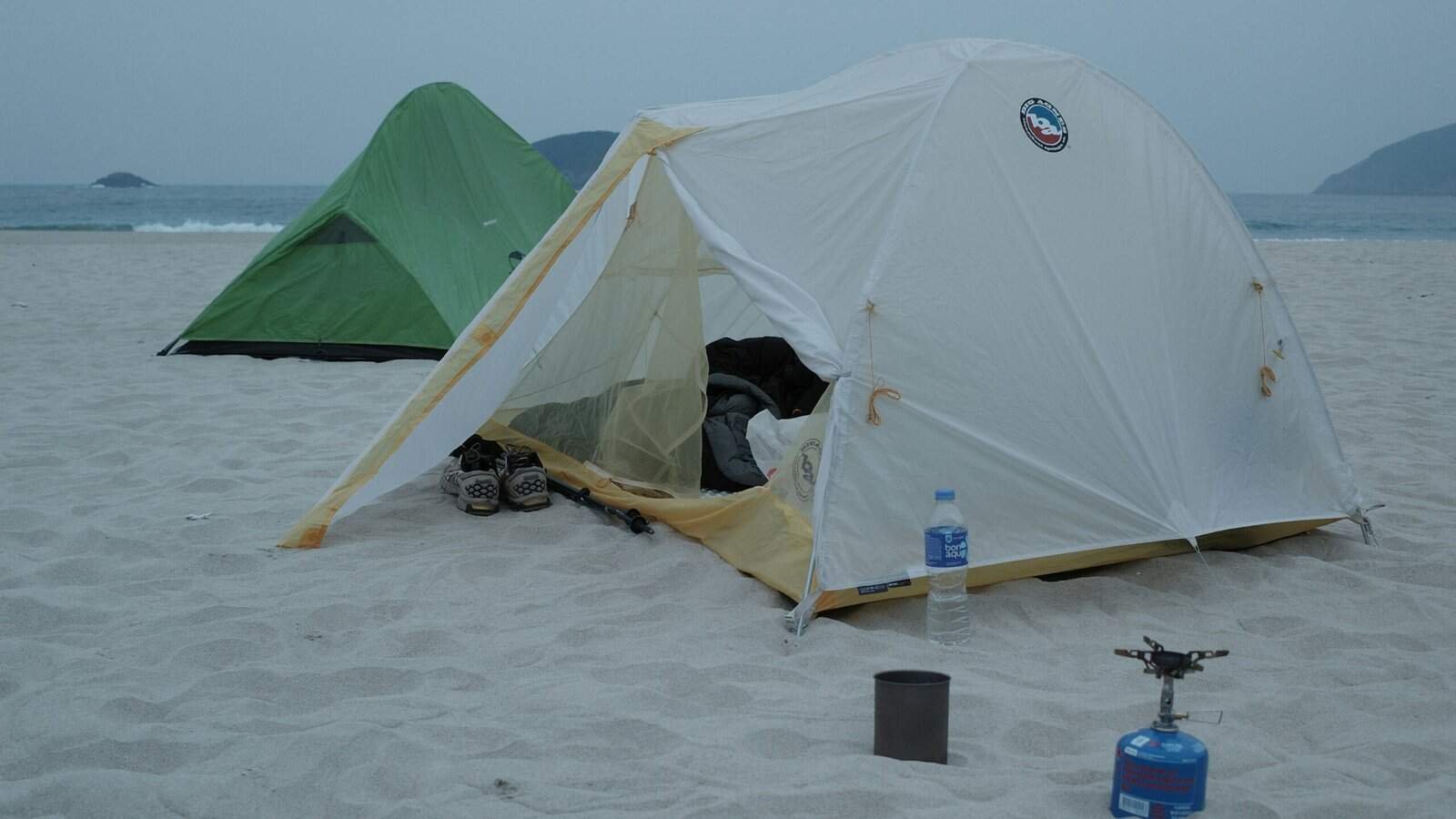
Сторона затрат — вот где большинство менеджеров брендов упускают возможность. Стоимость материалов для индивидуального двухместного мешка при минимальном объёме заказа (MOQ) 500 единиц составляет $18-22, по сравнению с $12-14 для одноместного с идентичным наполнителем и оболочкой. Это на 15-20% выше себестоимости, но розничная цена может иметь наценку 40%+. Расчёт маржи в пользу двухместного мешка — если инженерия обеспечивает тепло. King Solomon от Big Agnes доказывает, что это возможно: предел 20°F при весе 3 фунта 14 унций с использованием пуха 650 fill. Это ориентир, который OEM-партнёр должен соответствовать или превзойти.
Риск реален. Большинство OEM-двухместных мешков выходят из строя не из-за пуха, а из-за конструкции перегородок. Сквозные перегородки экономят $1.50 за единицу, но создают холодные зоны, которые убивают сохранение тепла через несколько сезонов. Завод Kelyland по производству спальных мешков в Чжэньцзяне — сертифицирован по ISO 9001 и BSCI, 1,5 миллиона единиц в год — делает полноценные коробчатые перегородки стандартом. Эта одна деталь устраняет миграцию пуха и сохраняет заявленную температуру истинной в течение многих лет. Это спецификация, которая отличает линейку, за которую вы можете стоять, от той, что порождает письма о возврате.
Это введение обрамляет техническое и деловое обоснование добавления двухместного спального мешка в ваш ассортимент. Следующие разделы разбирают данные тестов утепления, реальные производственные затраты, критерии оценки фабрики и дизайнерские решения, которые превращают товар массового спроса в определяющий бренд героический продукт.
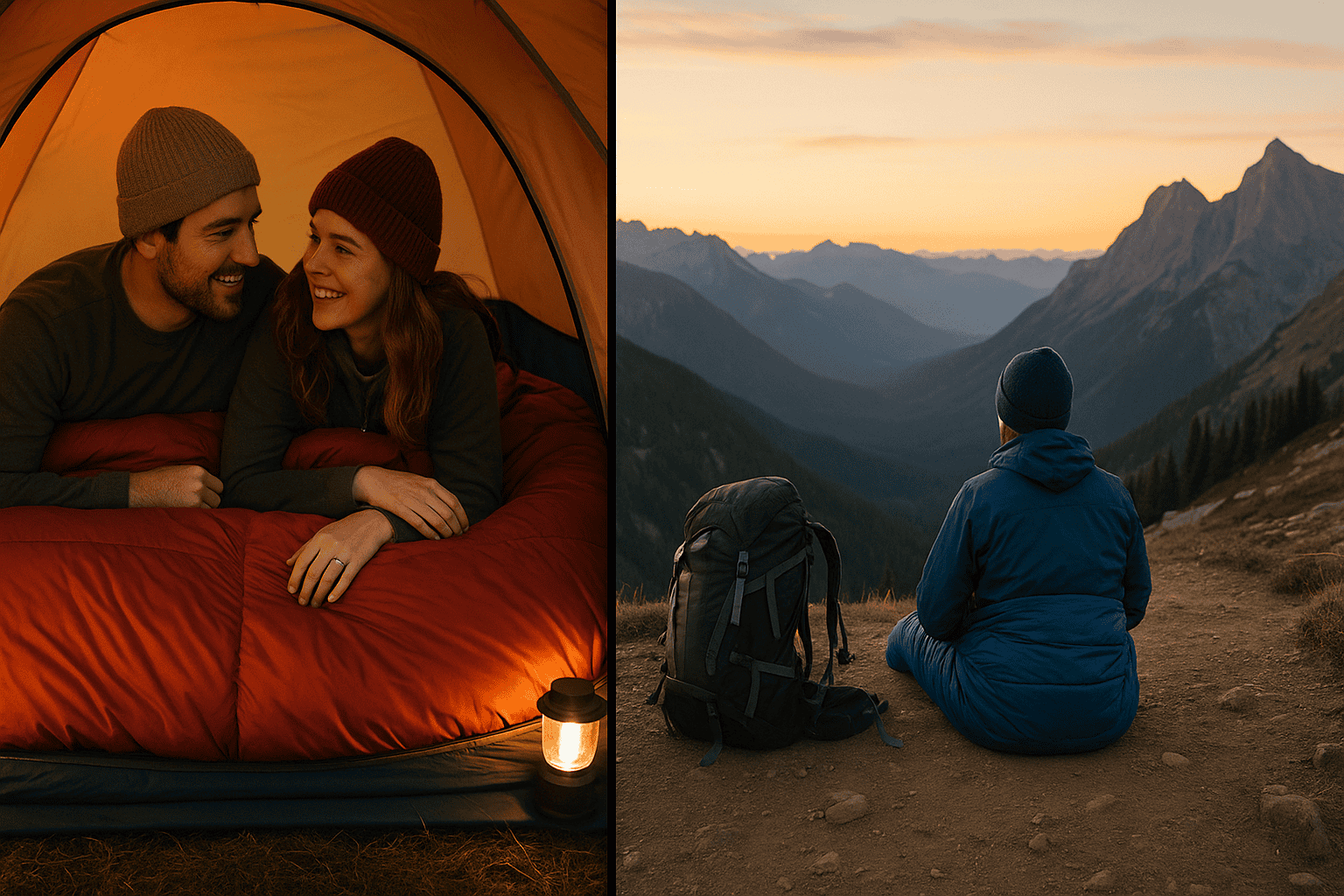
Почему большинство двухместных спальных мешков теряют тепло: разрыв в конструкции перегородок
Сквозные перегородки создают мёртвые зоны.
Конструкция перегородок является наиболее упускаемым фактором производительности двуспальных спальных мешков. Сквозное шитьё соединяет внутреннюю и внешнюю оболочки через равные промежутки, сжимая утеплитель почти до нуля на каждом шве. В двуспальном мешке, где два тела двигаются и создают точки давления, эти тонкие зоны становятся постоянными каналами потери тепла. В результате мешок может показывать -7°C на холодной плите, но ощущаться как +2°C после нескольких ночей реального использования — особенно после стирки, когда пух комкуется и смещается.
-
- Режимы отказа сквозного шитья: Тонкие зоны на каждом шве (утеплитель сжат до <5 мм). Заявленный температурный рейтинг снижается на 10–15°F после многократного сжатия и стирки. Миграция пуха создаёт постоянные холодные пятна в течение двух сезонов.
- Преимущество коробчатых перегородок: Полные вертикальные тканевые стенки предотвращают миграцию пуха и поддерживают постоянную высоту ворса 20–30 мм по всему мешку. Это добавляет примерно $1.50 за единицу в трудозатратах, но устраняет холодные пятна и сохраняет заявленное тепло более пяти лет использования.
Большинство OEM-фабрик по умолчанию используют сквозное шитьё, потому что это быстрее и дешевле. Они знают, что средний покупатель не заметит разницы в тепле, пока не начнутся возвраты. Именно поэтому конструкция перегородок — первый тест на технические возможности фабрики. Фабрика спальных мешков в Чжэньцзяне, сотрудничающая с Kelyland Outdoors, использует коробчатые перегородки как стандарт по умолчанию, а не платное обновление. Если поставщик не может показать вам фото поперечного сечения своих швов перегородок или уходит от вопроса, ваш продукт будет терять тепло с первого дня.
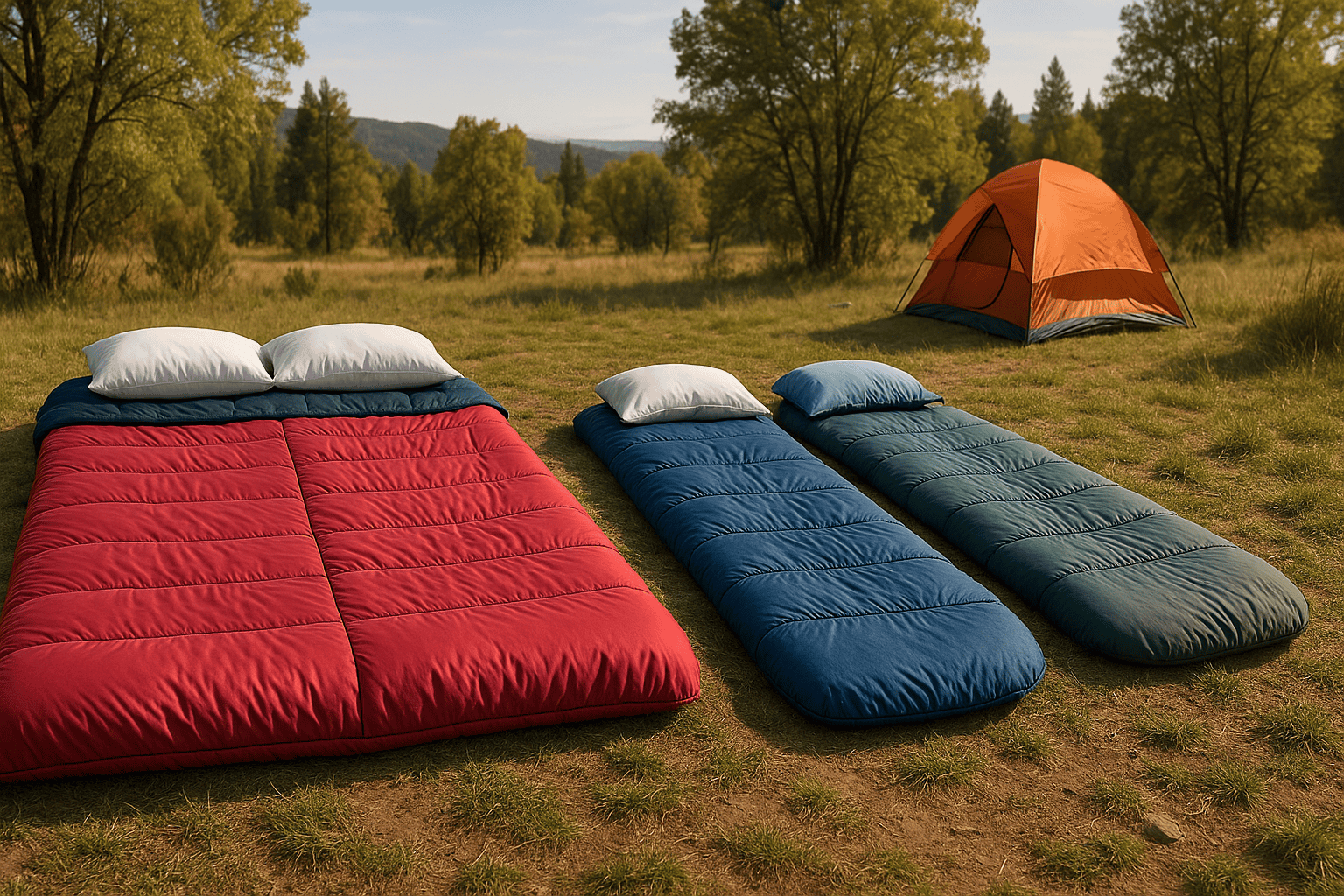
Реальный анализ затрат: производство двухместного и одноместного спального мешка
Стоимость двуспального мешка примерно на 60% выше, чем односпального, но розничная наценка превышает 40%.
Разница в стоимости материалов между двуспальным и односпальным спальным мешком не линейна. Двуспальный использует примерно на 30% больше ткани оболочки и на 50% больше наполнителя из пуха, чем односпальный аналогичного температурного рейтинга. Для двуспального мешка с наполнением 650 fill down при MOQ 500 штук оболочка и наполнитель вместе составляют примерно $16–19 от общей заводской стоимости в $18–22. Аналогичный односпальный мешок стоит $12–14. Добавленные ткань и пух являются основными факторами стоимости.
-
- Ткань оболочки: Двуспальный требует примерно на 30% больше рипстоп-нейлона (примерно на $2.50–3.00 за единицу больше, чем односпальный).
- Наполнение из пуха: Двуспальный использует примерно на 50% больше пуха 650 fill down (примерно на $3.00–4.00 за единицу больше).
- Застёжка-молния/фурнитура: Две двусторонние молнии YKK добавляют примерно $1.50–2.00 по сравнению с одной молнией односпального мешка. Это незначительно по сравнению с наполнителем и тканью.
- Трудозатраты: Стоимость труда практически идентична — оба требуют одинакового количества швов перегородок и финишных операций. Это сохраняет общую благоприятную экономику для двуспального мешка.
Поскольку трудозатраты не масштабируются с размером, увеличение себестоимости единицы для двуспального спальника составляет всего 50–60% по сравнению с односпальным, однако розничная цена может устанавливаться с наценкой более 40%. Для бренд-менеджеров это означает более высокую маржу на единицу и дифференцированную линейку продуктов. Скрытые затраты, за которыми стоит следить — качество молнии: двойные двухсторонние молнии от поставщика первого уровня, такого как YKK, могут добавить $3–5, если не обговорено заранее. Наша фабрика в Чжэньцзяне закупает фурнитуру оптом, чтобы удержать эти дополнительные затраты в пределах $2.
| Компонент затрат | Двухместный спальный мешок | Односпальный спальный мешок | Разница в стоимости | Анализ маржи |
|---|---|---|---|---|
| Ткань оболочки и наполнитель (пух 650 FP) | $18 – $22 за единицу | $12 – $14 за единицу | +$6 – $8 (на 40-50% больше) | Розничная наценка >40% оправдана |
| Конструкция перегородок (коробчатые стенки) | +$1.50 за единицу (по умолчанию) | $0 – $1.50 за единицу (опционально) | +$0 – $1.50 | Устраняет холодные зоны, продлевает срок службы пуха на 5+ лет |
| Молнии (двойные YKK двусторонние) | +$3 – $5 за единицу | $1.50 – $3 / единица | +$1.50 – $2 | Kelyland поглощает затраты через оптовые контракты |
| Труд и сборка | ~$5 – $7 / единица | ~$4 – $6 / единица | +$1 – $2 | Минимальное увеличение; двуспальный мешок на 15-20% выше по общему показателю |
| Общая цена с завода (MOQ 500 шт.) | $25 – $32 / единица | $18 – $22 за единицу | +$7 – $10 | Розничная цена может превышать $100 против одиночного $60-70 |
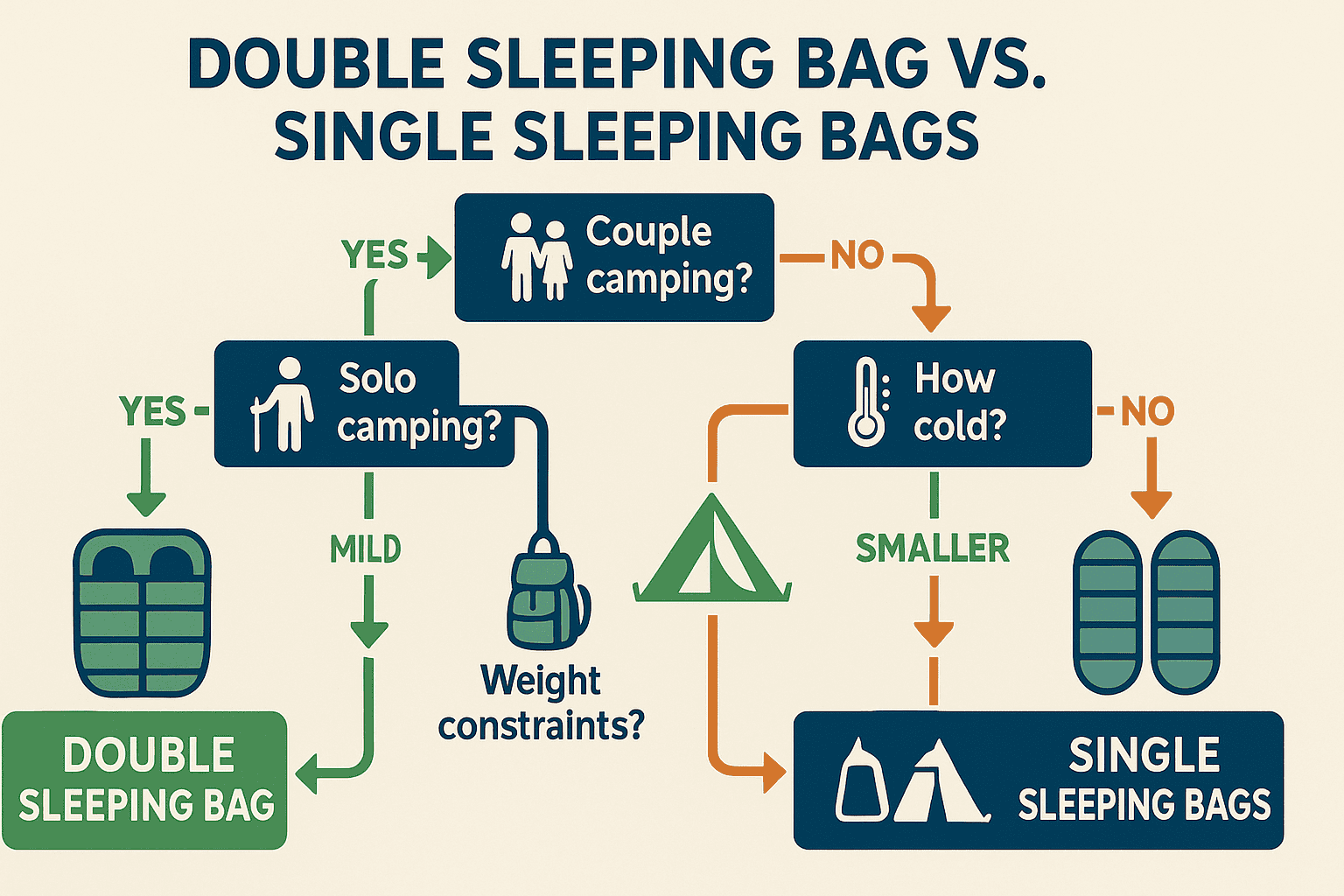
Пуховой vs синтетический наполнитель в двухместных спальных мешках: сравнение сохранения тепла
Наполнитель из гусиного пуха с наполняемостью 700+ легче упаковывается; 200 г/м² полого волокна сохраняет 80% теплоизоляции во влажном состоянии.
Если ваш бренд ориентирован на туристов, которые ставят во главу угла вес и компактность, гусиный пух с наполняемостью 700+ становится явным победителем — двуспальный мешок Big Agnes King Solomon достигает температуры -6°C при весе всего 1,7 кг с наполняемостью 650. Но не весь пух одинаков: соотношение пуха и пера 90/10 с этичным sourcing может повысить соотношение тепла и веса на 15% по сравнению со стандартной смесью 80/20. Обратная сторона? Пух стоит примерно на 40–50% дороже за мешок в сырье и теряет почти всю изоляцию при намокании.
Для кемпинга с автомобилем или влажных условий полое волокно 200 г/м² синтетический наполнитель является практичным выбором. Он сохраняет около 80% изоляционных свойств во влажном состоянии, быстрее сохнет и устойчив к комкованию. Примерно при вдвое меньшей стоимости материала по сравнению с премиальным пухом, он защищает маржу в более дешевых линейках. Недостаток: больший объем в упаковке и на 20–30% меньший эффективный срок службы до заметного ухудшения упругости.
-
- Гусиный пух (700+ наполняемости, соотношение 90/10): Превосходная упругость и сжимаемость: двуспальный мешок для -6°C может весить менее 1,8 кг. Лучшее соотношение тепла и веса. Требует перегородок с боковыми стенками для предотвращения холодных зон — Завод Kelyland в Чжэньцзяне использует это по умолчанию, добавляя $1,50 на труд, но продлевая сохранение пуха более чем на 5 лет. Медленное долгосрочное ухудшение. Риск: нулевая производительность во влажном состоянии; необходимо использовать с водонепроницаемым чехлом и сумкой для хранения.
- Синтетика (200 г/м² полое волокно): Надежен во влажных условиях: сохраняет 80% изоляции во влажном состоянии. Дешевле в приобретении — снижает себестоимость единицы на $6–8 по сравнению с сопоставимым пухом. Подходит для брендов семейных/автокемпингов. Недостаток: тяжелее (добавляет 1–2 фунта для того же температурного рейтинга), больше объем упаковки и заметная потеря объема пуха после 3–4 сезонов интенсивного использования.
- Производственная ловушка, которой следует избегать: Многие OEM-производители используют прошивные перегородки для снижения затрат, создавая тонкие зоны утечки тепла. В двойных спальниках это катастрофично — зазор между двумя спящими действует как тепловой короткий путь. Только фабрики с коробчатыми перегородками (как у партнера Kelyland в ISO 9001 Чжэньцзяне) обеспечивают стабильное тепло на протяжении многих лет. Всегда запрашивайте тепловизионное изображение шва перегородки перед одобрением производства.
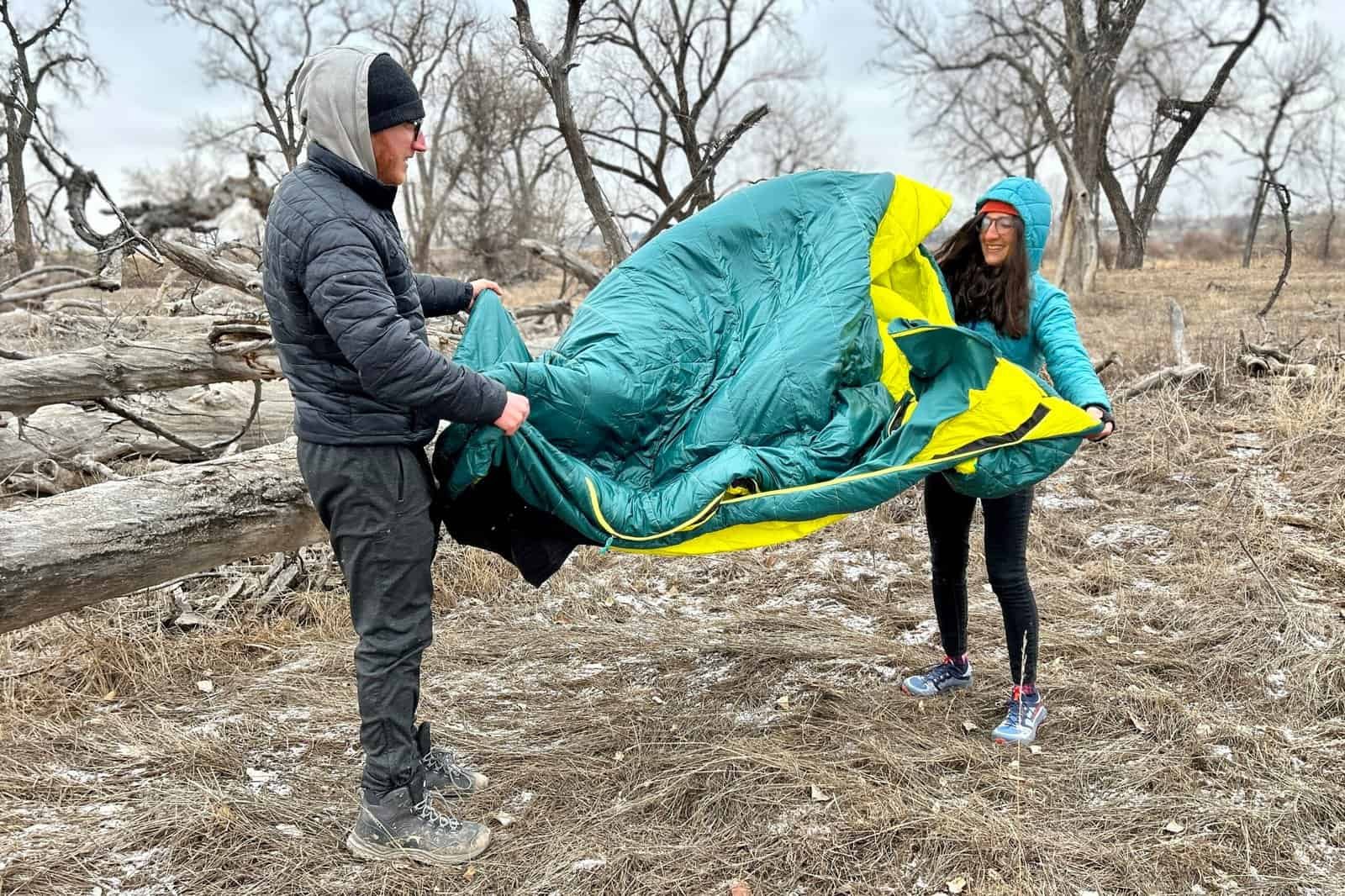
Как проверить фабрику для двухместных спальных мешков (без риска обжечься)
Большинство фабрик двойных спальных мешков экономят на конструкции перегородок.
Двойной спальный мешок, который в лаборатории показывает тепло, может выйти из строя в полевых условиях, если фабрика пропускает критически важные производственные проверки. Основная причина отказа — миграция пуха, создающая холодные зоны, вызванная прошивными перегородками, которые стоят на $1,50 меньше за единицу, но разрушают целостность изоляции через пять лет. Проверка фабрики означает требование конкретных доказательств на трех этапах: тест материалов, промежуточная сборка и финальный образец.
-
- Отчет лабораторного теста (ASTM F3340 – двойная конфигурация): Большинство поставщиков предоставляют результаты тестов с одного спальника и утверждают, что они применимы к двойному. Требуйте отчет, проведенный на реальной геометрии двойного спальника. ASTM F3340 для двойного спальника обычно показывает прирост эффективного тепла на 10–15°F за счет общего тепла тела при правильной конструкции перегородок. Без этого отчета вы не сможете проверить расширение рейтинга EN 13537.
- Фотодокументация швов перегородок на 360°: Запросите фотографии с меткой времени каждого шва перегородки во время производства. В частности, ищите коробчатую конструкцию с вертикальными перегородками, предотвращающими смещение пуха. Фабрика-партнер Kelyland в Чжэньцзяне, производящая 1,5 миллиона единиц в год, требует такую документацию по умолчанию. Если фабрика не может предоставить фотографии швов, считайте, что они используют прошивную конструкцию — дефект, ведущий к холодным зонам и уровню дефектов выше 2%.
- Пре-производственный образец с тепловизионной съемкой: Термическое изображение мешка при контролируемом температурном градиенте сразу выявляет холодные зоны. Мешок должен показывать равномерное распределение тепла по всей поверхности, особенно вокруг молнии и отсека для ног. Этот тест стоит менее $200, но выявляет смещённые перегородки, которые не обнаружить ни в одной спецификации.
- Документация по соответствию (Выход на рынок ЕС): Для распространения в ЕС завод должен предоставить маркировку CE, декларацию соответствия со ссылкой на EN 13537 (тепловые испытания) и соответствие REACH для наполнителей. Завод-партнёр Kelyland предоставляет все три документа в стандартном комплекте. Без них ваш контейнер застрянет на таможне — планируйте дополнительные 2–3 недели на оформление в порту или штраф в размере 15%.
Индивидуальный брендинг, превращающий двухместный спальный мешок в героический продукт
Брендирование внутри мешка создаёт запоминаемость, которой никогда не добиться одним логотипом.
-
- Размещение логотипа, стимулирующее повторные покупки: Уберите логотип только с внешней стороны. Поместите его на внутренний чехол для подушки — это первое, что видит пара, просыпаясь. Это создаёт эмоциональную привязку. Также нанесите логотип на бегунки молний и внутреннюю сторону компрессионного мешка. Прирост стоимости: менее $0,30 за мешок для кастомных бегунков.
- Индивидуальный внутренний чехол для подушки с брендированным сообщением: Добавьте внутренний отсек на молнии внутри мешка для хранения небольшой подушки. Напечатайте на отсеке короткий совет по уходу или историю бренда. Этот отсек также служит карманом для ценностей. Дополнительные затраты на ткань и молнию: ~$0,80 за единицу. Ваша маржа сохраняется, когда мешок продаётся в рознице с наценкой 40%+ относительно обычного.
- Соответствующий вкладыш и компактный мешок для хранения как походная подушка: Предложите соответствующий хлопковый или шёлковый вкладыш, который можно стирать в машине. Спроектируйте мешок для хранения так, чтобы его можно было вывернуть наизнанку, набить одеждой и получить подушку размером 15×20 дюймов. Вкладыш стоит $1,20 за единицу, мешок с индивидуальной печатью — $0,30. Вместе — менее $1,50 за единицу. Это функциональное улучшение снижает вашу стоимость ODM в восприятии ценности.
- Нишевые семейные модели: особенности дизайна для детей и взрослых: Для семейного двуспального мешка разделите оболочку на две температурные зоны при необходимости. Детские мешки Требуют меньшей длины (120 см против 190 см), меньшего веса наполнителя и детских защитных чехлов на молнии. Взрослые двуспальные спальники должны превышать 180 см в длину и использовать двусторонние молнии YKK #10. Ткань может быть той же 210T рипстоп-полиэстер, но детские модели выигрывают от более яркого внутреннего цвета для видимости утром. Избегайте перегородок взрослого размера в детских спальниках — вы тратите наполнитель и вес впустую.
Заключение
Преимущество в тепле двуспального спальника реально — но только когда конструкция перегородок и характеристики наполнителя соответствуют обещанию. A Пух 650 fill Спальник с перегородками коробчатой конструкции удерживает тепло на 10-15°F теплее, чем два отдельных односпальных мешка, а наценка в 40% делает его высокоценным SKU для брендов, которые могут проверить детали производства.
Ознакомьтесь с характеристиками и политикой образцов кастомных двуспальных спальников на странице продукта Kelyland. Сертификация ISO 9001 фабрики в Чжэньцзяне и годовой объем производства в 1,5 млн единиц дают вам надежную основу для вашей следующей линейки продуктов.
Часто задаваемые вопросы
Двойной спальный мешок — это хорошая идея?
Да, двуспальный спальный мешок может быть хорошей идеей, если используется общее тепло тела и конструкция перегородок надежна. Ключевое условие — использование полных коробчатых перегородок для предотвращения. Проверьте тип перегородок перед закупкой двуспального мешка для вашей линейки.
Двойные спальные мешки теплее?
Хорошо спроектированный двуспальный спальный мешок может быть таким же тёплым, как два одноместных мешка с температурным рейтингом ниже на 10–15°F благодаря уменьшенной площади поверхности и общему теплу тела. Но тепло зависит от. Приобретайте с фабрики, которая использует полные коробчатые перегородки для обеспечения заявленных характеристик.
Какой тип спального мешка самый теплый?
Спальные мешки с наполнителем из гусиного пуха с показателем наполнения 700+ обеспечивают наилучшее соотношение тепла и веса в сухих условиях. Для влажных или сырых сред используйте синтетические мешки с полыми волокнами плотностью 200 г/м², которые сохраняют тепло. Выбирайте наполнитель в зависимости от климата вашего района, а не только по цифрам в спецификации.
Не слишком ли тепло 2.5 тога для 21 градуса?
Рейтинги TOG являются стандартными для одеял, а не для спальных мешков – спальные мешки используют рейтинги комфорта EN/ISO. Если речь идет о вкладыше или стёганом одеяле для спального мешка, 2,5 TOG (примерно комфорт при 10–12°C) подходит. Всегда используйте температурный рейтинг спального мешка, а не TOG, при подборе.
Какие спальные мешки самые теплые?
Самые теплые спальные мешки используют гусиный пух высокой наполняющей способности (700+) с полными боковыми перегородками и низким температурным рейтингом (например, -20°F). Для надежности во влажной среде используются премиальные синтетические наполнители, такие как 200 г/м² полое волокно. Подбирайте наполнитель и конструкцию в соответствии с типичными погодными условиями вашего рынка.

 English
  Español
  Deutsch
  Français
  Português do Brasil
  Русский
  العربية
  한국어
한국어  日本語
日本語