 跳到内容
跳到内容 
Исследование случая в цепочке поставок — это первый контрольный пункт, который покупатели должны зафиксировать перед утверждением поставщика, бюджета или производственного слота. Обычно вы замечаете это в торговом зале, а не на заводском полу. Менеджер бренда (назовем его тем, кто утвердил ассортимент) открывает коробку из последнего контейнера и видит это. Шест для палатки кажется неправильным на ощупь. Легче. Тоньше. Он сверяет спецификацию с предпроизводственным образцом, который получил его одобрение три месяца назад. В образце были алюминиевые шесты 8,5 мм. То, что он держит сейчас, — это в лучшем случае сталь 7,9 мм. Цена FOB не изменилась, но продукт изменился. Заказ на $50K стал обязательством. Именно этот сценарий — разрыв между утвержденным образцом и серийным производством — самая дорогостоящая проблема в цепочке поставок снаряжения для активного отдыха. И она почти всегда незаметна до момента прибытия груза.
Это исследование цепочки поставок отслеживает, как европейский бренд снаряжения для активного отдыха полностью устранил этот разрыв в пяти категориях продуктов. Бренд перешел от зависимости от одной фабрики (где пропущенная настройка станка или сокращение процедуры утверждения образца могли провалить целый сезон) к сети из нескольких фабрик, управляемой выделенным координатором по закупкам. Последующие цифры стоит записать. Себестоимость единицы товара с учетом доставки снизилась на 30%. Своевременность поставок достигла 98%. Уровень дефектов оставался ниже 2% в течение трех лет подряд. Для менеджера бренда, чей KPI — поддержание стабильного качества при наращивании объемов, это тот ориентир, на который вы ссылаетесь в следующем разговоре с поставщиком.

Препятствие в цепочке поставок: сезонные скачки спроса подорвали маржу
Сезонный спрос разрушил их однофабричную модель — надбавки за фрахт в 22% и потеря места на розничных полках.
Европейский бренд снаряжения для активного отдыха рос на 40% год к году в течение двух сезонов, но их успех столкнулся со стеной. Они полагались на единственную фабрику палаток в Чжэцзяне, которая не могла масштабироваться в летний пик. Годовой уровень задержек достиг 15%, и для спасения дат выкладки на полки они потратили 22% от общей стоимости отгрузки на авиафрахт. Только этот премиальный фрахт уничтожил маржу на их самом продаваемом SKU 4-местной палатки.
-
- Уровень задержек 15%: Поставщик пропустил 3 из 20 пиковых окон контейнерных отгрузок, что привело к штрафам за задержку и возвратам от крупного европейского ритейлера.
- Надбавка за фрахт 22%: Авиафрахт для экстренных поставок стоил $3,20 за единицу по сравнению с морским фрахтом по $0,42 — премия в 660%, которая уничтожила маржу категории.
- Потеря розничного партнера: После двух подряд дефицитов в Q3 ритейлер исключил линейку палаток бренда из ассортимента, что обошлось в $180,000 предполагаемого годового дохода.
Зависимость от одной фабрики является коренной причиной. Когда одно предприятие владеет всей вашей производственной линией для категории, любой сбой — нехватка сырья, текучка кадров, поломка оборудования — напрямую отражается на вашем отчете о прибылях и убытках. У бренда не было резервной линии, ни второй сертифицированной фабрики, ни возможности консолидации между категориями, чтобы смягчить всплеск.
Проверка китайских фабрик: как избежать ловушки качества на $15 000
Одна плохая фабрика может стоить вам $15,000 в виде возвратов и потерянных розничных контрактов.
Один бренд, с которым мы работали, чуть не заключил сделку с фабрикой, которая утверждала, что имеет сертификацию ISO 9001:2015. Во время нашей выездной проверки мы обнаружили, что срок действия сертификата истек 11 месяцев назад, в их внутренней лаборатории не было штангенциркулей для проверки толщины ткани, а ПВХ, который они планировали для надувного матраса, имел толщину 0,35 мм — значительно ниже 0,5 мм, необходимых для прохождения европейских тестов REACH на миграцию химических веществ. Этот единственный дефект материала привел бы к полному возврату контейнера с расходами на фрахт и утилизацию в размере $15,000.
-
- Проверка соответствия ISO 9001: Не принимайте PDF. Проверьте номер сертификата в базе данных органа, выдавшего его. Ищите текущую область действия — многие фабрики имеют сертификат, который покрывает только ту продуктовую линейку, которую они больше не производят.
- Риск некачественного ПВХ: Для надувных изделий ПВХ толщиной 0,35 мм часто не проходит по пределам содержания фталатов REACH. Наши партнеры используют минимальную толщину стенки 0,5 мм и проводят независимые лабораторные испытания каждой партии. Типичный уровень отбраковки для непроверенных фабрик по этому тесту составляет 12%.
- Метод проклейки швов: Более дешевые фабрики используют ленту холодного нанесения, которая расслаивается после 20 термических циклов. Надлежащая проверка гарантирует, что фабрика использует горячевоздушную проклейку швов с регистрацией температуры за каждую смену. Одна пропущенная калибровка — и уровень возврата из-за отказа швов достигает 8%.
- Требование к собственной лаборатории: Каждая квалифицированная фабрика должна иметь калиброванный толщиномер, тестер на растяжение и тестер гидростатического напора. Если они передают весь контроль качества на аутсорсинг, вы теряете прослеживаемость. Партнерская сеть Kelyland поддерживает уровень несоответствия <1%, потому что каждая фабрика имеет свою собственную лабораторию.
Контрольный список не ограничивается оборудованием. Мы также настаиваем на звонках трем прошлым клиентам — не тем, кого вам предлагает фабрика, а тем, кого вы находите через отраслевые контакты. Один из таких отзывов показал, что фабрика пять раз за один сезон отгрузила партии с несовпадающими цветами, потому что не применяла единый стандарт Pantone в производственных циклах. Поэтому наличие выделенного менеджера проекта, который контролирует единый файл вышивки и одну партию окраски на всех фабриках, является обязательным условием для консистентности частной марки.
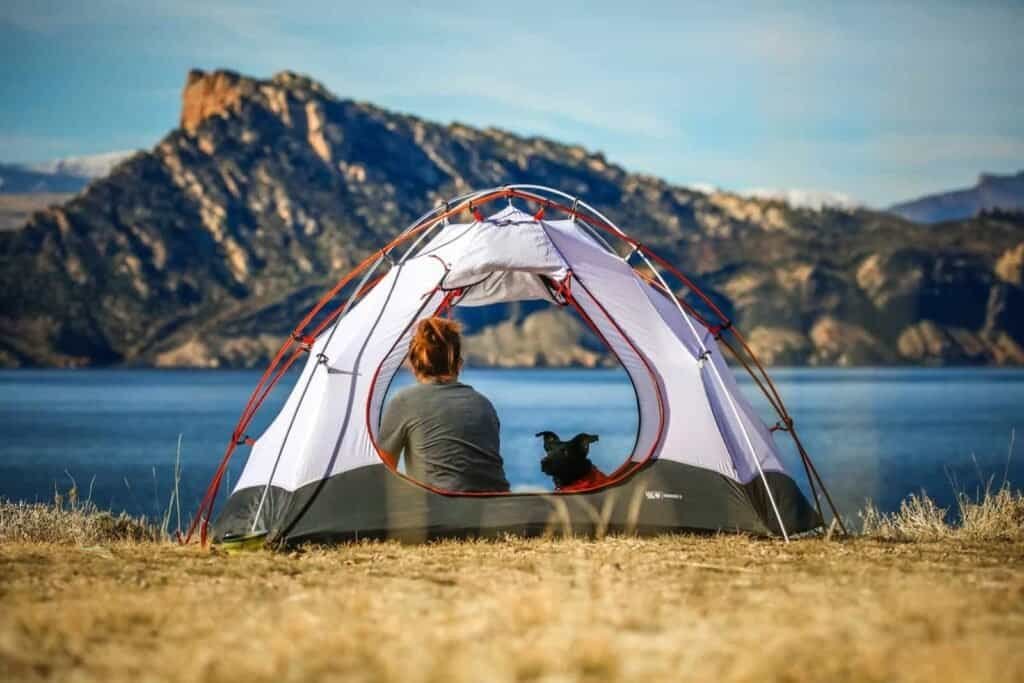
Многофабричный поиск поставщиков: секрет 30-дневного производства
Три фабрики, один файл спецификации, 30-дневный срок поставки — так вы укладываетесь в дедлайн розничного ритейлера.
Одна фабрика палаток, работающая на 85% мощности в пиковый сезон, означает, что ваш заказ откладывается. Это узкое место, убивающее маржу. Вместо этого разделите линейку продуктов по специализированным фабрикам: палатки из Нинбо (годовая мощность 800 000 единиц, ISO 9001), спальные мешки из Чжэньцзяна (1,5 млн единиц, CE/BSCI/ISO) и стулья из Цзиньхуа (1,5 млн единиц, ISO 9001). Каждая фабрика сосредоточена на том, что делает лучше всего, и параллельные производственные циклы сокращают общий срок с 60 дней до 30–45.
-
- Синхронизация спецификаций: Выделенный менеджер проекта выдает один эталон Pantone для окраски ткани и один файл вышивки для логотипов на всех трех фабриках. Никаких разношерстных цветов, никакого несоответствия строчек. Один и тот же допуск по качеству применяется к каждому SKU — подтверждается отчетами о предотгрузочной инспекции по каждой партии.
- Объединение минимальных объемов заказа по категориям: Вместо того чтобы заказывать 1000 палаток для достижения минимального объема одной фабрики, вы комбинируете 300 палаток, 300 спальных мешков и 400 стульев. Тот же порог в 1000 единиц достигается без затоваривания одной категории. Заказы ткани снижаются с 1000 метров на цвет до 500 метров за счет объединения спроса по сети, сокращая риск по остаткам до 40%.
Когда европейский бренд применил эту модель, они устранили 15%-ный ежегодный уровень задержек, который стоил им крупного розничного партнера. Выделенный координатор отслеживал прогресс каждой фабрики в рамках 45-дневного окна, консолидируя готовую продукцию в полные контейнеры, чтобы избежать дорогостоящих авиаперевозок. Результат: 98% своевременных поставок и снижение стоимости единицы товара на 30% (с учетом всех затрат на доставку).
Кастомизация без компромиссов: OEM/ODM в действии
Эксклюзивный брендинг не требует огромных партий — он требует правильной сети фабрик и единого центра управления.
Бренд добился полной рыночной дифференциации в рамках 45-дневного цикла разработки, указав фирменный цвет порошкового покрытия на деталях каркаса, индивидуально сотканные этикетки, вшитые в каждый спальный мешок и стул, и эксклюзивный геометрический принт на ткани тента палаток. Выделенный менеджер проекта контролировал единый стандарт Pantone для окраски на трех фабриках, устраняя разношерстные несоответствия, которые губят большинство линий частных марок.
-
- Стоимость оснастки: Единовременно $800 за пресс-форму для регистрации рисунка и оснастку для кронштейнов каркаса. Без повторной амортизации — плата полностью возвращается после отгрузки основного заказа.
- График создания образцов: Первый физический образец готов через 10 дней после утверждения дизайна. Два цикла доработок завершены в течение 45-дневного окна. Плата за образец (материалы + работа) возвращается при размещении производственного заказа.
- Гибкость MOQ: Заказы от 50–100 штук на SKU для первого запуска, с увеличением до 300–1000 на повторных заказах. Объединяя количества палаток, сумок и стульев по нескольким категориям, бренд выполнил минимальный объем фабрики, не перегружая ни одну отдельную линию.
Результат: линейка продуктов, которая обеспечила розничную цену на 25% выше, чем альтернативы на общем рынке. Розничные партнеры бренда могли указать на порошковое покрытие и эксклюзивный принт как обоснование премиальной цены — и цепочка поставок поставила каждую единицу с уровнем брака менее 2% в течение трех последовательных сезонов.

Реальные результаты: 98% своевременных поставок и увеличение маржи на 35%
Три показателя, которые изменили стратегию поиска поставщиков бренда.
В первый полный сезон в рамках мульти-фабричной сети, Бренд зафиксировал 98% своевременных отгрузок по всем пяти SKU. Стоимость единицы товара с учётом доставки снизилась на 30%, что увеличило валовую прибыль на 35% — не за счёт повышения розничных цен, а за счёт устранения премиального фрахта в размере 0,82 доллара за единицу, который съедал прибыль.
-
- Консолидация отгрузок: Смешивание палаток с компактными спальными мешками в полных контейнерах оптимизировало использование кубатуры, сократив морской фрахт на 0,82 доллара за единицу. Это единственное изменение обеспечило почти треть общего снижения затрат.
- Стабильность качества: При предотгрузочную инспекцию уровне брака ниже 2% на протяжении трёх лет подрядбренд перестал терять маржу на возвратах и chargebacks (возвратных платежах).
Как резюмировал руководитель закупок бренда: ‘Команда перешла от постоянного тушения пожаров в каждом сезонном запуске к предсказуемым, основанным на данных циклам. Впервые они смогли зафиксировать дату поступления на полку и действительно её достичь’.
Заключение
Кейс показывает, что переход от зависимости от одного завода к скоординированной многофабричной сети с централизованным управлением проектами снизил стоимость единицы с учётом доставки на 30% и обеспечил своевременную доставку на уровне 98% по пяти SKU. Уровень брака оставался ниже 2% в течение трёх лет, потому что каждая партия проходила предотгрузочный осмотр с полными отчётами QC — процедура, которую пропускает большинство generic-поставщиков.
Когда вы будете рассматривать следующее коммерческое предложение поставщика, спросите о процессе утверждения образцов и допусках по качеству для нескольких производственных партий. Единая точка отказа в этих двух областях может свести на нет любую экономию от цены FOB. Стремитесь к поставщику, чья сеть поддерживает уровень прохождения предотгрузочного осмотра при первой проверке выше 98%. Это число станет вашим ориентиром для каждого переговорного процесса по закупкам.
Часто задаваемые вопросы
Как вы обеспечиваете стабильное качество при работе с несколькими китайскими фабриками?
Компания Kelyland гарантирует качество, требуя от всех 17 основных заводов соблюдения стандартов ISO 9001:2015 и проводя независимые предотгрузочные проверки каждой партии. Они предоставляют полные отчеты контроля качества по каждому этапу производства, a. Всегда запрашивайте отчеты о контроле качества и записи проверок третьей стороной перед отгрузкой.
Каков минимальный объем заказа для фирменного походного снаряжения из Китая?
MOQ зависит от продукта; некоторые товары начинаются от 50–100 штук, в то время как стандартные модели варьируются от 300 до 1000 штук. Условия гибкие для оптовых заказов и постоянных клиентов. Подтвердите MOQ после окончательного согласования уровня кастомизации и категории продукта.
Сколько времени занимает полный цикл от закупки до доставки для туристического снаряжения?
Стандартный срок производства составляет 30–45 дней, затем добавляется доставка и таможенное оформление. Полный цикл для продукции с индивидуальным брендом обычно занимает 8–12 недель в зависимости от сложности и объема. Планируйте 8–12 недель; уточните сроки во время утверждения образца.
Как управлять логистикой, когда разные категории товаров имеют разные сроки производства?
Kelyland управляет этим, объединяя межкатегорийные отправки в один контейнер, снижая затраты и оформляя таможенные документы за вас. Они координируют графики по своей сети фабрик, чтобы вы получали одну поставку. Воспользуйтесь единым партнером для согласования сроков выполнения и избегания частичных отправок.
Какие сертификаты должен иметь поставщик туристического снаряжения для рынков ЕС и Северной Америки?
Для рынков ЕС необходима маркировка CE; для Северной Америки — электрические изделия требуют сертификации ETL или UL. Стратегические заводы Kelyland имеют ISO 9001, CE, BSCI и сертификаты по конкретным продуктам, например EN1860 для грилей. Перед закупками проверьте требуемые сертификаты по каждой категории товара.

 English
  Español
  Deutsch
  Français
  Português do Brasil
  Русский
  العربية
  한국어
한국어  日本語
日本語