 跳到内容
跳到内容 
Безопасность детского спального мешка решается на заводе в 6000 милях от вашего распределительного центра — обычно через три недели после утверждения образца и внесения депозита. Этот разрыв между утверждением и загрузкой контейнера — место, где отклонение спецификации убивает тепловые характеристики. Обхват плеч увеличивается. Плотность наполнителя уменьшается. Эластичность воротника от сквозняков ослабевает на полсантиметра. Каждая корректировка экономит фабрике центы за единицу. Вместе они превращают мешок, рассчитанный на 0°C, в такой, который не справляется при 8°C. Покупатель заметил это на заказе в $50 000 штук в прошлом сезоне. Предсерийный образец был плотным — 200 г/м² полого волокна, правильный обхват капюшона, плотный воротник. Массовое производство выглядело идентично. Те же цвета, те же принты, та же упаковка. Обхват плеч был на 35% больше, а упругость исчезла в течение трех часов.
Физика неумолима. Взрослый мешок вмещает около 200 литров внутреннего объема воздуха. Тело 10-летнего ребенка вытесняет примерно 100 литров. Оставшиеся 100 литров — не просто пустое пространство, это меха. Каждый раз, когда ребенок поворачивается, 4–6 литров теплого воздуха выкачиваются наружу, а холодный воздух втягивается через ножной отсек. Чистый эффект: падение эффективной температуры на 3–5°C в час. Мешок, который в начале ночи кажется комфортным при 5°C, к 2 часам ночи оставляет ребенка опасно холодным. Соотношение площади поверхности к объему усугубляет ситуацию. Тело ребенка теряет тепло в 1,3 раза быстрее, чем тело взрослого. Сочетание этого с oversized мешком дает конвекционные теплопотери, которые не сможет компенсировать никакая плотность наполнителя. Исправление этого на уровне фабрики стоит около $1,80 за единицу — правильно спроектированный воротник от сквозняков и уменьшение обхвата капюшона на 35%. Большинство уменьшенных взрослых выкроек пропускают и то, и другое. Это не ошибка дизайна. Это разрыв в допусках качества, который готов стать процентом возвратов.
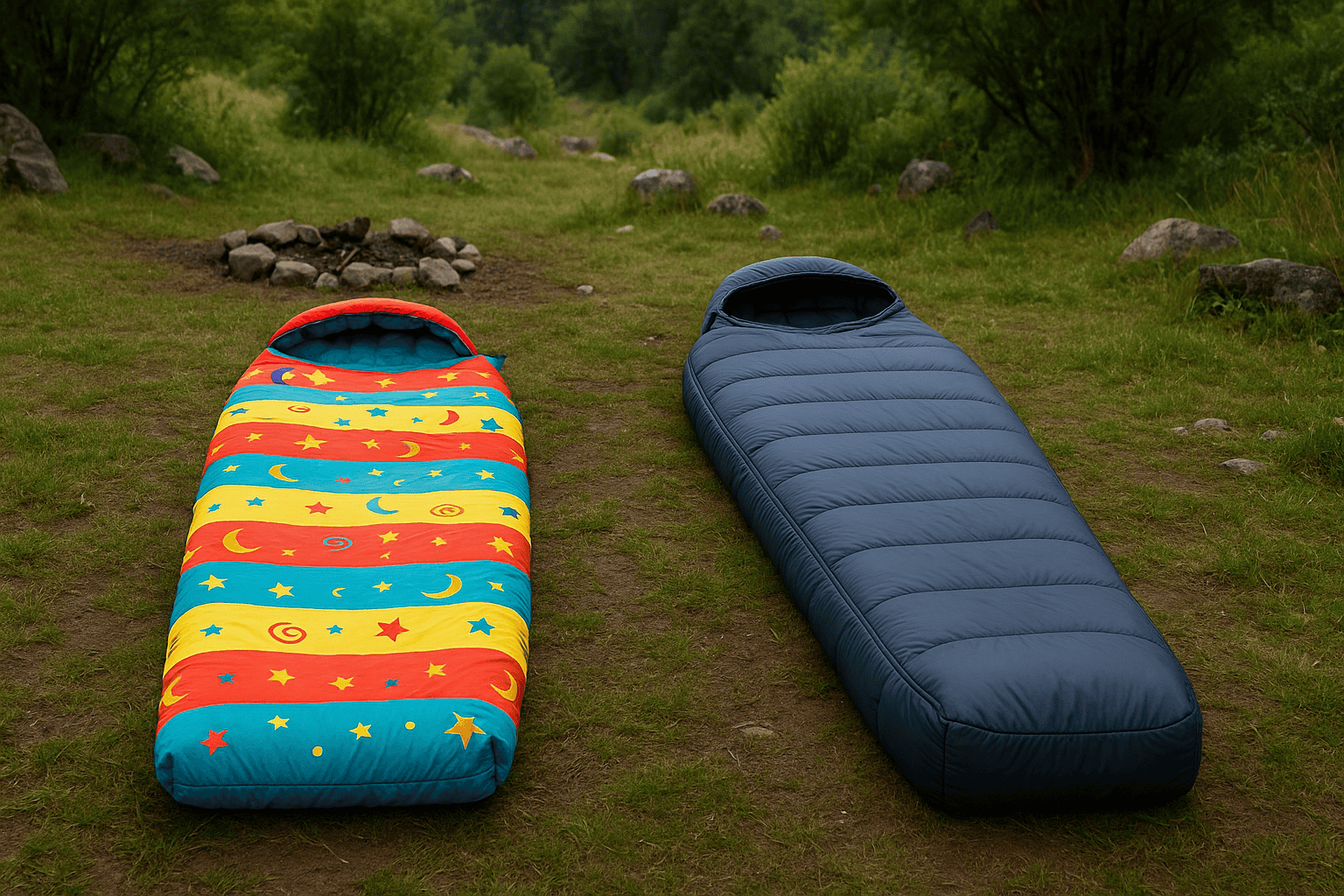
Мертвый воздух — почему слишком много места быстрее охлаждает ребенка
Взрослый мешок на 200 литров на ребенке объемом 100 литров создает тепловой баланс на 100 литров, который физика не проигнорирует.
Тепловая проблема начинается с несоответствия объема, которое большинство покупателей не оценивают количественно. Взрослый спальный мешок-мумия вмещает примерно 200 литров внутреннего воздушного пространства. Тело 10-летнего ребенка вытесняет около 100 литров. Остается 100 литров мертвого воздуха, который детский метаболизм должен нагреть — и не может. Ребенок выделяет, возможно, 60–70 Вт тепла в покое. Взрослый генерирует 90–100 Вт. Попросите нагреватель мощностью 70 Вт согреть 200 литров воздуха при температуре окружающей среды 5°C — и математика провалится до полуночи.
Конвективные потери тепла внутри слишком большого спального мешка следуют простому циклу: тело нагревает прилегающий воздух, теплый воздух поднимается к отверстию капюшона, более холодный воздух врывается через секцию для ног и боковые зазоры, чтобы заменить его. В правильно подогнанном мешке воздушная прослойка между телом и оболочкой остается толщиной менее 15 мм — достаточно тонкой, чтобы естественная конвекция прекратилась, и запертый воздух действовал как статический изолятор. Когда этот зазор увеличивается до 50 мм и более из-за того, что мешок слишком широкий, конвекция переходит в полную циркуляцию. Воздух не стоит на месте. Он движется. А движущийся воздух против холодной ткани оболочки отводит тепло в 5–10 раз быстрее, чем неподвижный.
Эффект мехов разового движения превращается в тепловую утечку. Каждый раз, когда ребенок переворачивается внутри взрослого мешка, движение сжимает одну сторону мешка и расширяет другую. Один переворот вытесняет от 4 до 6 литров нагретого воздуха через капюшон и плечевые зазоры. Холодный окружающий воздух врывается через секцию для ног и швы молнии, чтобы выровнять давление. Внутренние тестовые данные показывают снижение эффективной температуры микроклимата на 3–5°C в час при нормальном движении во сне. За 7-часовую ночь мешок, который начинался с комфортной температуры 5°C, к 3 часам ночи создает условия, эквивалентные -10°C. Ребенок просыпается дрожа, и родитель обвиняет температурный рейтинг мешка. Рейтинг был в порядке. Неудача была в подгонке.
Дети теряют тепло быстрее, чем взрослые, по причине, не имеющей ничего общего с дизайном мешка, а всё связанной с геометрией. У 10-летнего ребенка отношение площади поверхности к объему примерно в 1,3 раза выше, чем у взрослого. Больше поверхности кожи на единицу массы тела означает больше радиационного и конвективного теплообмена с окружающим воздухом. Вот почему ребенок чувствует холод в условиях, которые взрослый считает комфортными — тело буквально отдает тепло с более высокой пропорциональной скоростью. Поместите этого ребенка в слишком большой мешок с избыточным мертвым воздушным пространством, и физика усугубляется: более высокое отношение площади поверхности к объему ускоряет теплопотери, в то время как увеличенная полость требует большего общего тепла для поддержания любой заданной температуры.
-
- Разница в объеме: Взрослый мешок ~200 л внутреннего объема против вытеснения тела ребенка ~100 л. 100 л мертвого воздуха действуют как тепловой сток, который ребенок не может преодолеть.
- Вытеснение мехом: 4–6 л теплого воздуха выкачивается за каждое движение. Потеря температуры 3–5°C в час в нормальных условиях сна.
- Отношение площади поверхности к объему: У 10-летнего ребенка это значение в 1,3 раза выше, чем у взрослого. Более быстрая пропорциональная потеря тепла даже без учета подгонки мешка.
- Исправление OEM: Обхват плеч ограничен детским размером +8 см, не масштабируется с взрослых выкроек. Воротник, встроенный на заводском уровне, добавляет $1.80/единица.
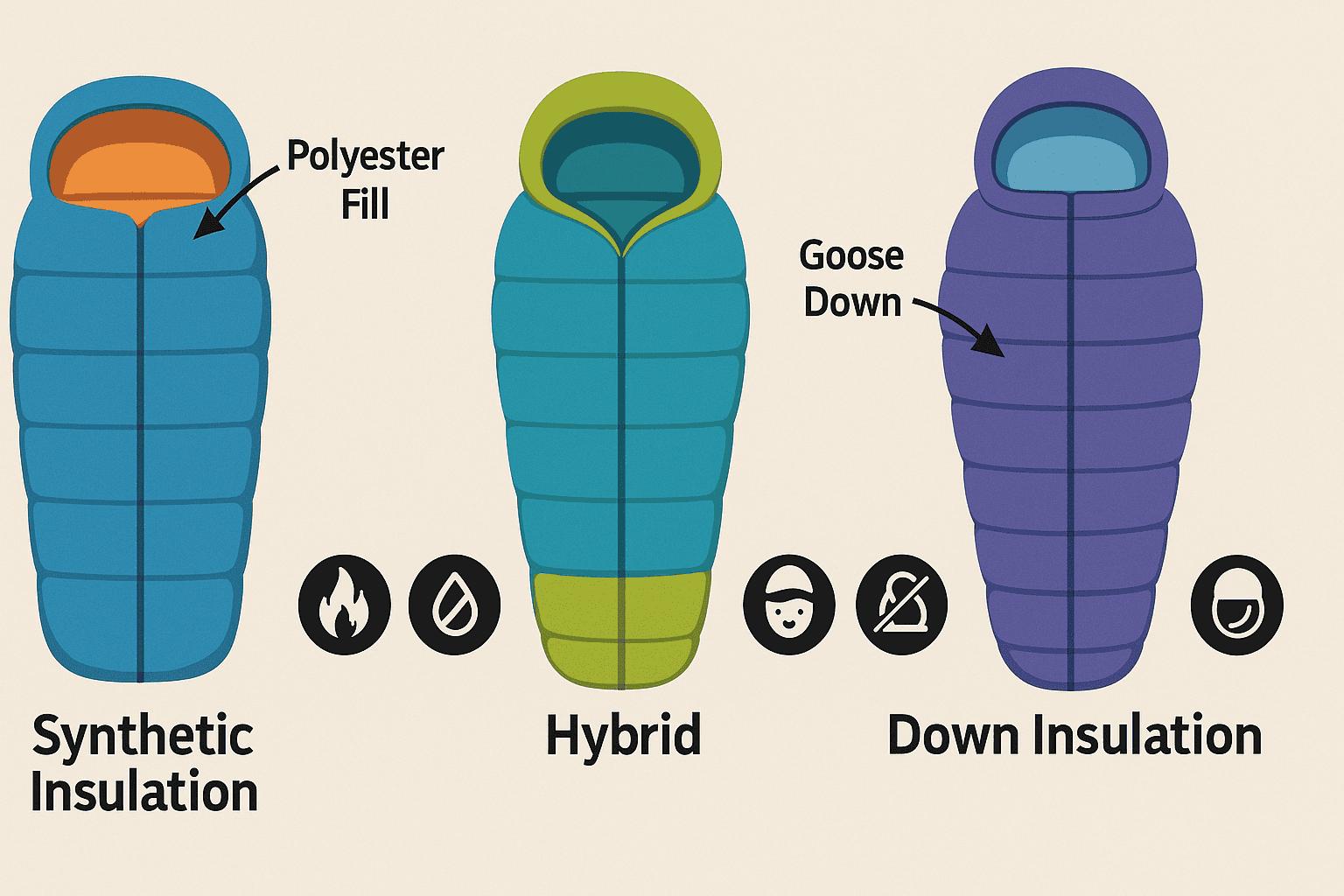
Влага и потеря упругости — скрытая опасность синтетического наполнителя
Синтетический наполнитель достигает предела производительности при внутренней влажности 60% — именно та среда, которую создает на ребенке слишком большой взрослый капюшон.
Индустрия рекламирует синтетический утеплитель как влагостойкий по сравнению с пухом. Этот маркетинг замалчивает жесткое ограничение материала: полое полиэфирное волокно теряет структурный объем, когда микроклимат внутри мешка превышает 60% относительной влажности. При 65% деградация объема достигает 25–30% за ночь. При 70% волокна сжимаются настолько, что мешок фактически теряет один полный сезонный температурный рейтинг — мешок с температурой 0°C работает как мешок с температурой 10°C. Это не постепенный процесс. Это пороговый отказ, и происходит он быстро, как только дыхание ребенка насыщает мертвый воздух, запертый внутри огромного взрослого капюшона.
-
-
- 50% Внутренняя влажность: Безопасная зона. Полое волокно сохраняет полную извитость и воздухозадерживающую структуру. Сохранение объема выше 95% в течение 8-часового цикла сна.
- 60% Внутренняя влажность: Точка перегиба. Покрытие волокна начинает впитывать влагу. Потеря объема ускоряется примерно на 3–4% за каждый дополнительный процент влажности.
- 65% Внутренняя влажность: Задокументированная зона коллапса объема. Независимые лабораторные испытания показывают снижение термического сопротивления на 25–30% в течение 6 часов. Наклон манекена EN 13537 не проходит повторное тестирование.
- 70%+ Внутренняя влажность: Катастрофично. Волокна необратимо сплющиваются до высыхания. Эффективный температурный рейтинг падает на 8–10°C. Следуют возвраты, списания и единичные негативные отзывы.
-
Что делает это особенно опасным для детей: соотношение площади поверхности к объёму у 10-летнего ребёнка в 1,3 раза выше, чем у взрослого. Они быстрее излучают тепло, что вызывает дрожь, которая ускоряет частоту дыхания, насыщая спальник влагой. Цикл замыкается в течение двух часов. Взрослый в таком же спальнике имеет достаточную массу тела, чтобы компенсировать скачок влажности. Ребёнок — нет.
Когда покупатель заказывает детский спальник, первый вопрос к фабрике — не о весе наполнителя, а о целевом микроклимате внутри. Если выкройка не включает механический вентиляционный клапан, спальник выйдет из строя в полевых условиях, независимо от того, сколько граммов полого волокна запихано в перегородки. Спецификация плотности наполнителя — 200–300 г/м² для молодёжных спальников — верна только при влажности ниже 50%. Без воротника от сквозняков это значение становится фикцией к полуночи.
Чрезмерно большой взрослый капюшон работает как конденсационная камера. У правильно подогнанного взрослого пользователя отверстие капюшона расположено близко к лицу, и выдыхаемый воздух выходит через затяжку шнура. У ребёнка внутри взрослого спальника капюшон зияет — голова занимает, возможно, 40% доступного объёма. Тёплый влажный воздух ударяется о холодную внутреннюю ткань и сразу конденсируется. Этот конденсат стекает обратно в плечевые перегородки и впитывается в наполнитель. Капюшон превращается из утеплителя в насос для влаги.
Простое измерение выявляет проблему: окружность отверстия взрослого капюшона составляет 70–80 см. Ребёнку нужно 45–52 см для правильной герметизации. Этот избыток в 35% — не просто лишняя ткань, а зазор в 25–30 см вокруг шеи и плеч, где каждый выдох не выводит влагу, а циркулирует её. Умножьте это на ночную частоту дыхания ребёнка в 18–22 вдоха в минуту, каждый выдох с влажностью почти 100% при температуре около 34°C, и вы получите влажностный двигатель, работающий внутри спальника всю ночь.
Инженерное решение — не просто уменьшенный капюшон. Уменьшенное отверстие без воротника от сквозняков всё равно задерживает влагу внутри тела спальника — просто ближе к груди ребёнка. Воротник от сквозняков работает как односторонний клапан: он прилегает к шее и плечам с помощью эластичного шнура, создавая физический барьер, который направляет выдыхаемый воздух вверх и наружу через отверстие капюшона, одновременно не давая тёплому сухому воздуху в области торса выходить. Он разделяет зону дыхания и зону сна.
-
- Материал воротника от сквозняков: Тот же наполнитель из полого волокна, что и тело спальника, заключённый в дышащий подклад. Размещается внутри на уровне плеч с эластичным шнуром и фиксатором, доступным снаружи спальника.
- Отвод влаги: Воротник заставляет выдыхаемый воздух выходить через отверстие капюшона, а не циркулировать вниз в грудную и ножную перегородки. Внутренние тесты влажности показывают, что правильно подобранный воротник поддерживает ≤50% относительной влажности в области туловища, даже когда внутри капюшона достигается 70%+.
- Влияние на стоимость: Добавление внутреннего воротника-заслонки к заводским спецификациям увеличивает стоимость примерно на 1,80 доллара за единицу на заводском уровне. Для заказа на 1000 единиц это составляет 1800 долларов, чтобы устранить главную причину негативных отзывов в детских спальных мешках. Снижение уровня возвратов само по себе оправдывает это в течение первого сезона.
- Проверка утверждения образца: Запросите предсерийный образец с установленным воротником-заслонкой и укажите допустимое качество: воротник должен прилегать к шее детского манекена с окружностью менее 2 см зазора при легком натяжении эластичной ленты. Если фабрика отправляет без проверки этого, отклоните образец.
Стоимость воротника-заслонки в 1,80 доллара за единицу становится незначительной по сравнению с альтернативой. Один сезон возвратов клиентов из-за жалоб на холодный сон съедает маржу быстрее, чем любые переговоры с фабрикой о цене могут её восстановить. Воротник — это не улучшение, это минимально жизнеспособная спецификация для детского спального мешка, который сохраняет свой рейтинг EN 13537 в реальных условиях влажности. Пропустите это, и температурный рейтинг, напечатанный на бирке, будет лабораторной фантазией.
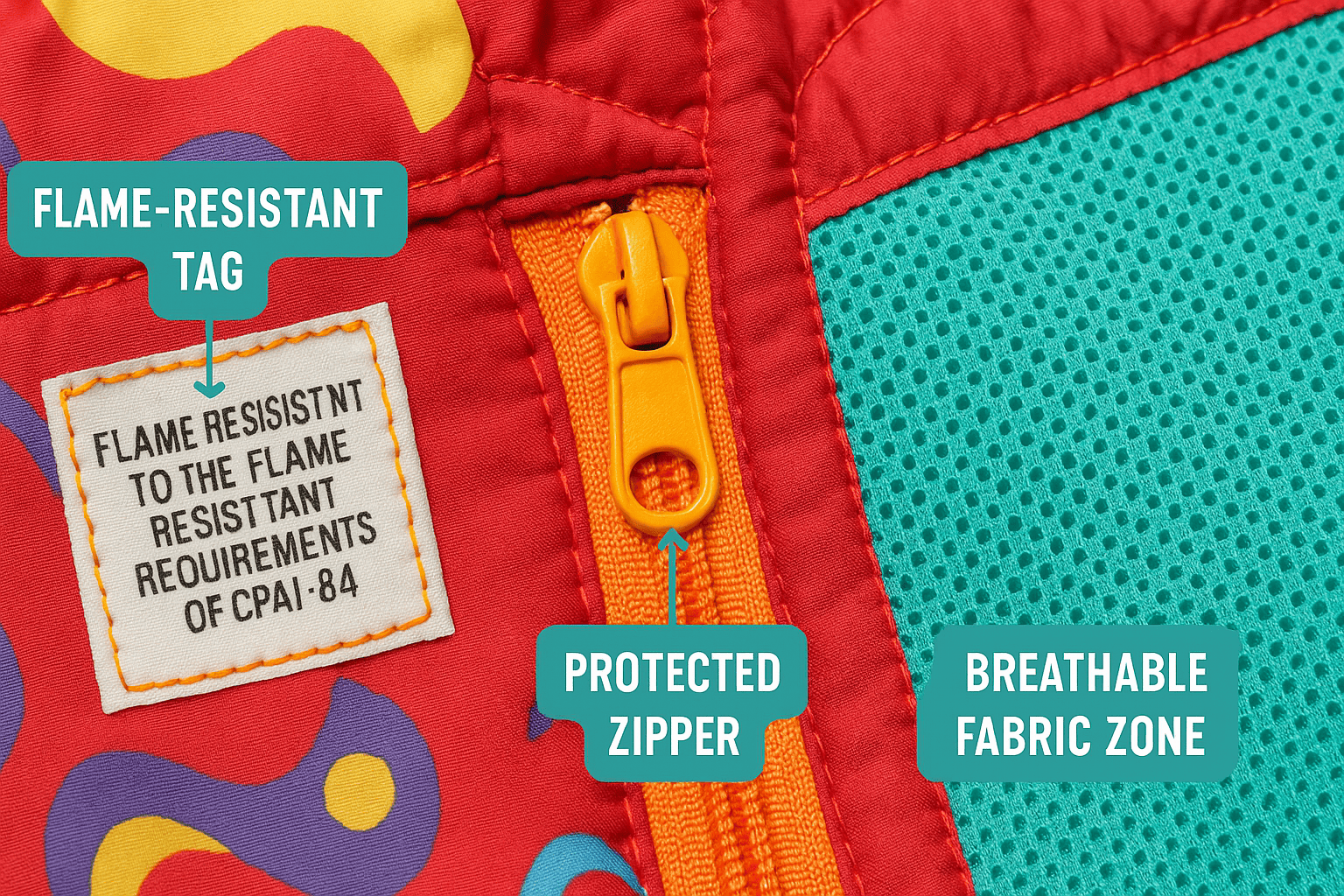
Спецификация OEM детского мешка — не просто уменьшение размеров
Уменьшенные взрослые выкройки не соответствуют EN 13537 на 15–20%; обхват плеч — это переменная, которая убивает рейтинг.
Срезание 20–30 см длины взрослого спального мешка и наклеивание ярлыка ‘Junior’ — это грязный трюк индустрии. Тепловой манекен не заботится о длине. Он измеряет тепловой поток в плечах, туловище и ножном отсеке. Для 10-летнего ребёнка с обхватом плеч 78 см правильная внутренняя окружность спального мешка составляет 86 см — размер ребёнка плюс ровно 8 см механического пространства. Уменьшенная взрослая выкройка обычно даёт 96–102 см в плечах. Эти лишние 10–16 см мёртвого воздуха регистрируются как на 15–20% более высокий коэффициент теплопотери в тесте холодной камеры EN 13537, что означает, что спальный мешок, который должен был иметь рейтинг до -5°C, работает ближе к +2°C.
Исправление не только размерное. Оно структурное. Уменьшение окружности отверстия капюшона на 35% по сравнению с взрослым размером предотвращает эффект дымохода, когда тёплый воздух поднимается прямо из лицевого отверстия. Добавление внутреннего воротника-заслонки — простой трубки из того же полого волокнистого наполнителя, закрывающейся эластичным шнурком и фиксатором-бочонком — стоит 1,80 доллара за единицу на заводском уровне. Этот воротник герметизирует плечевой зазор и перенаправляет выдыхаемый воздух в сторону, не давая ему конденсироваться внутри спального мешка. Внутренняя влажность остаётся ниже 50% за ночь. Синтетическое полое волокно плотностью 200–300 г/м² сохраняет 90%+ объёма в этом диапазоне влажности. При влажности выше 60% тот же наполнитель теряет 25–30% своего объёма, снижая эффективный температурный рейтинг на 8–10°C.
-
- Обхват плеч: Измерение тела ребёнка + максимум 8 см. Это не рекомендация — это переменная, которую использует манекен EN 13537 для расчёта термического сопротивления. Превысьте её, и сертифицированный рейтинг спальника станет недействительным.
- Окружность капюшона: На 35% меньше, чем взрослый эквивалент. В сочетании с внутренним заслонкой для сквозняков (эластичный шнурок + фиксатор-бочонок) это направляет влагу наружу, а не задерживает её. Без этого конденсат скапливается на внутренней стороне оболочки, и влажность превышает порог в 60% в течение 2–3 часов.
- Плотность наполнителя и оболочка: Полый волокнистый наполнитель плотностью 200–300 г/м² обеспечивает правильное соотношение тепла и веса для массы тела ребёнка. Оболочка из 20D ripstop нейлона с DWR защищает от грунтовой влаги и конденсата в палатке. Сертификация OEKO-TEX Class I для подкладки обязательна для розничной продажи в ЕС — Class II (взрослый стандарт) будет заблокирован на таможне для любого продукта, продаваемого для детей до 12 лет.
Ещё одна характеристика, отличающая соответствующий стандартам детский спальник от уменьшенной взрослой модели: обхват ножного отсека. Взрослые спальники оставляют 35–40 см мёртвого пространства у ног ребёнка. Эта мёртвая зона отводит тепло от конечностей за счёт теплопроводности. Правильно спроектированный детский ножной отсек сужается, соответствуя длине стопы ребёнка плюс 5 см, обеспечивая контакт ног с утеплённой оболочкой, а не плавание в холодном воздушном кармане. Когда вы передаёте эти спецификации на фабрику, конструктор выкроек поймёт в течение 30 секунд, понимаете ли вы инженерию или просто просите спальник поменьше.
| Параметр дизайна | Спецификация для детей | Почему это важно (неудача при игнорировании) | Дополнительная стоимость за единицу | Kelyland OEM Standard |
|---|---|---|---|---|
| Обхват плеч | Измерение тела ребёнка + максимум 8 см | Предотвращает эффект мехов; избыточный объём взрослого спальника выдувает 4–6 л тёплого воздуха за каждое движение, снижая эффективную температуру на 3–5°C в час | Н/Д (корректировка выкройки) | Индивидуальная выкройка под каждый размер; Тест на манекене EN 13537 Показывает термическое сопротивление в пределах зоны комфорта — а не разрыв в 15–20%, наблюдаемый в уменьшенных взрослых конструкциях |
| Окружность отверстия капюшона | На 35% меньше, чем у взрослого капюшона | Чрезмерно большие капюшоны задерживают выдыхаемую влагу, повышая внутреннюю влажность выше 60% и снижая синтетический наполнитель до 30% за ночь | Н/Д (корректировка выкройки) | Точно уменьшенная окружность; в сочетании с защитным воротником для выведения дыхания и поддержания влажности ≤50% |
| Внутренний защитный воротник | Эластичный шнурок с фиксатором, встроенный у шеи | Без него теплый воздух уходит, а холодный проникает; компонент за $1.80 предотвращает конвективный контур, вызывающий потерю эффективного рейтинга на 10°C | +$1.80 | Стандартно для всех детских спальных мешков; регулируется, Ткани, сертифицированные по OEKO-TEX |
| Плотность наполнителя | Синтетическое полое волокно 200–300 г/м² | У детей более высокое соотношение площади поверхности к объему (1.3× взрослого) ускоряет радиационное охлаждение; наполнитель низкой плотности не может поддерживать достаточную пушистость, особенно когда влажность превышает 60% | Разница в стоимости материала незначительна при MOQ 100 | 200–300 г/м² полое волокно с проверенным сохранением пушистости при влажности 60%+; пух и наполнители низкой плотности не используются в спальных мешках для молодежи |
| Ткань оболочки | 20D ripstop нейлон с DWR | Более тонкие, не ripstop оболочки рискуют порваться при движении ребенка; отсутствие DWR позволяет внешней влаге проникать, еще больше снижая пушистость | Входит в базовую комплектацию | 20D ripstop нейлон, с покрытием DWR, доступен в окраске по Pantone для дифференциации бренда |
| Сертификация подкладки | Сертифицировано OEKO-TEX Class I (прямой контакт с кожей) | Нормы ЕС требуют Class I для детских товаров; несертифицированные подкладки рискуют отзывом продукции и ущербом бренду | Входит в базовую комплектацию | Все подкладки детских спальных мешков имеют сертификат OEKO-TEX Class I; сертификационные документы прилагаются к поставке |
| Мелкосерийное тестирование | MOQ 50 единиц, срок выполнения 30–45 дней | Позволяет розничным покупателям оценить сезонные продажи и отзывы клиентов без чрезмерного обязательства по запасам | Наценка за низкий МОЗ уже учтена | Поддерживается МОЗ в 50 единиц; производство в Завод, сертифицированный по ISO 9001 с полной маркировкой EN 13537 и соответствующими подвесными бирками |
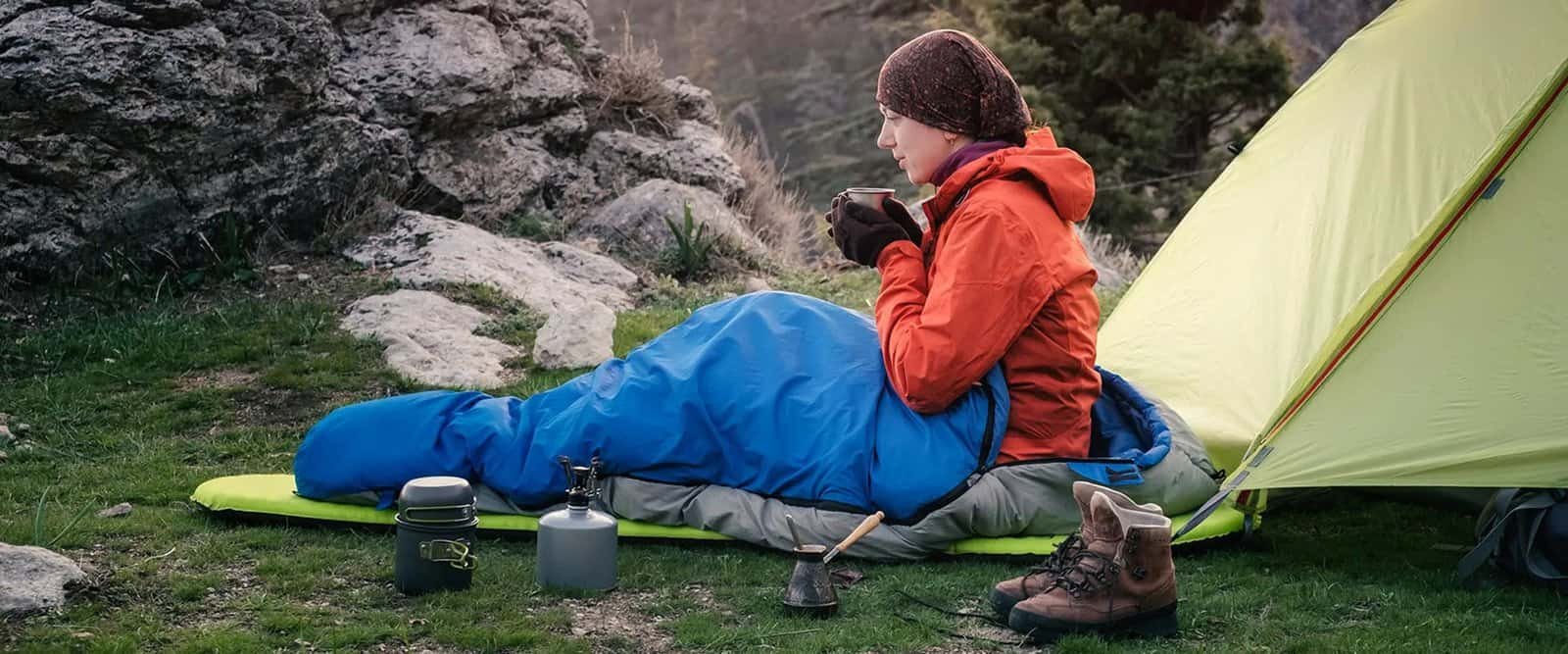
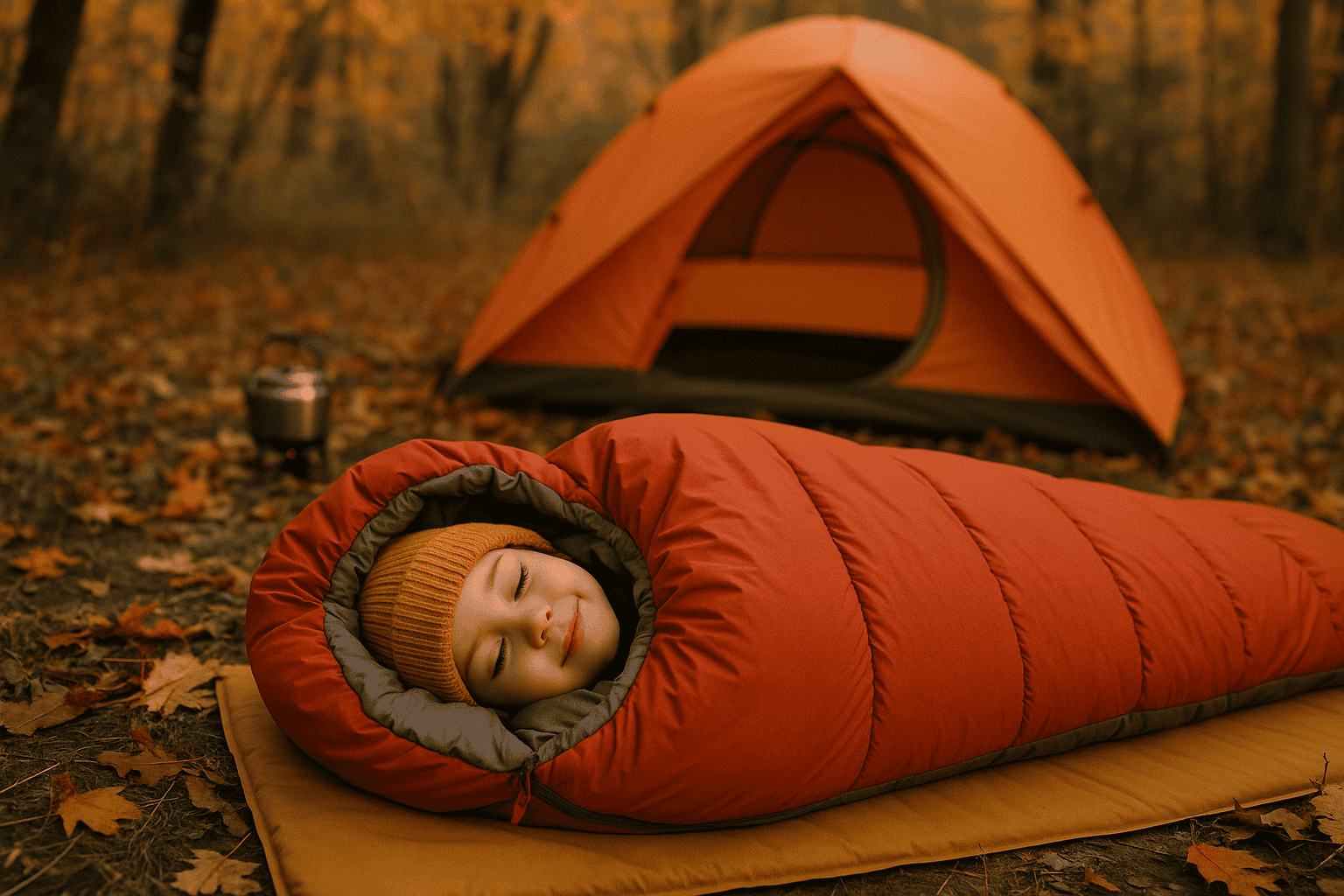
Гибкость кастомизации — ткани, принты и соответствие требованиям безопасности для розницы
OEKO-TEX Класс II не пройдет европейскую розничную проверку для детского спального мешка.
Каждое руководство по закупкам советует указывать сертифицированную ткань OEKO-TEX и двигаться дальше. Этот совет неполный — а в категории для детей он опасен. OEKO-TEX имеет четыре класса продукции. Класс I охватывает изделия, предназначенные для младенцев и детей ясельного возраста до 36 месяцев, с самыми строгими ограничениями по формальдегиду, тяжелым металлам и фталатам. Ребенок, спящий в мешке 8 часов с лицом, прижатым к подкладке, создает длительный контакт с кожей и вдыхание, которое Класс II (стандарт для взрослых) не учитывает. Если ваш мешок подходит детям от 4 до 10 лет, Органы надзора за рынком ЕС все равно ожидают Класс I, так как продукт продается для детей. Поставщики, которые указывают сертификацию Класса II, чтобы сэкономить 0,40 доллара за ярд на ткани подкладки, готовят вас к отзыву продукции.
-
-
- OEKO-TEX Класс I (обязательно): pH от 4,0 до 7,5, формальдегид менее 16 ppm, отсутствие обнаруживаемых ариламинов. Применяется к любому спальному мешку, продаваемому для возраста 0–12 лет в соответствии с интерпретацией Общего регламента безопасности продукции ЕС.
- Класс II (распространенная ловушка): Допускает pH до 9,0 и более высокие пороги экстрагируемых тяжелых металлов. Часто предлагается ткацкими фабриками как ‘сертифицированный OEKO-TEX’ без указания класса. Запросите номер сертификата и проверьте его на oeko-tex.com перед утверждением образца.
- Протокол предварительной стирки ткани: Даже ткань Класса I может содержать остаточные шлихтующие агенты с ткацкого станка. Одна горячая предварительная стирка перед раскроем снижает поверхностную химию ниже порога обнаружения. Добавляет 0,15 доллара за единицу и устраняет первую причину жалоб на раздражение кожи в первых производственных партиях.
-
Цифровая печать на подкладках спальных мешков — это то, где большинство брендов увлекаются индивидуализацией и упускают риск для материалов. Сольвентные цифровые чернила могут содержать циклогексанон и другие летучие органические соединения, которые выделяют газы внутри закрытого спального мешка при температуре тела. Метаболическая скорость ребенка выше, чем у взрослого — они производят больше тепла на килограмм веса тела — что ускоряет выделение ЛОС из напечатанной ткани. Решение — указание водных пигментных цифровых чернил с сертификацией OEKO-TEX Eco Passport. Эти чернила связываются с тканью на молекулярном уровне, не оставляя остатков растворителя. Компромисс: водные чернила имеют более узкий цветовой охват Pantone, поэтому неоновые и насыщенные цвета требуют дополнительного прохода печати, что увеличивает стоимость примерно на 0,30 доллара за погонный метр.
-
-
- Тестирование миграции чернил: Запросите результаты теста на миграцию по EN 71-3 конкретно для напечатанной области. Это измеряет выщелачивание тяжелых металлов, когда напечатанная ткань контактирует с синтетическим имитатором пота — что напрямую актуально для ребенка, спящего на напечатанной подкладке.
- Спецификация долговечности печати: Стойкость к истиранию — более 500 циклов по тесту Мартиндейла без видимого ухудшения печати. Цифровые принты на щеточных полиэстеровых подкладках могут расслаиваться после 50 стирок, если температура отверждения краски в производстве отклонялась на 5°C.
- Допуски по качеству для брендированных вкладышей: Отклонение цвета по Delta E ≤ 2,0 между предпроизводственным образцом и массовой партией. Если больше — фирменный цвет вашего бренда будет меняться от партии к партии. Включайте это в производственный договор, а не только в форму утверждения образца.
-
Маркировка соответствия — это этап, который отличает готовую к розничной продаже партию от контейнера, застрявшего на таможне. EN 13537 требует определенного формата этикетки с указанием температурного рейтинга: комфортная, предельная и экстремальная температуры, расположенные в стандартной пирамиде или горизонтальной полосе с заданными размерами шрифта. Ошибка в формате этикетки — и ваш продукт не проходит проверку в порту ЕС, даже если тепловые характеристики идеальны. Один британский покупатель, с которым я работал, потерял три недели пикового летнего сезона продаж, потому что его партия из 2000 детских спальников прибыла с этикетками, на которых не была указана комфортная температура в градусах Цельсия — на этикетке были только градусы Фаренгейта. Всю партию пришлось перемаркировать на складе в Великобритании по цене £0,85 за единицу плюс расходы на хранение.
Стоимость такой ошибки быстро растет. Несоответствующая этикетка превращает ваш детский спальник по цене FOB $28 в единицу с учетом переупаковки, затрат на складское хранение и упущенного окна продаж в $31,50 за единицу. При сезонном заказе на 5000 единиц ошибка в спецификации этикетки на $0,15 превращается в операционные потери в $17 500. Файл этикетки следует проверять на соответствие последней версии формата этикетки EN 13537/ISO 23537 на этапе утверждения образца, а не полагаться на стандартный шаблон фабрики. Запросите фото этикетки, вшитой в производственный образец, а не только цифровой макет, потому что расположение шва может скрыть критическую информацию о рейтинге.
-
- Требования к этикетке по EN 13537: Комфортная, предельная и экстремальная температуры, указанные в градусах Цельсия со стандартным графическим изображением пирамиды. Минимальная высота шрифта для цифр температуры — 2,5 мм. Символы ухода по ISO 3758 размещаются на той же этикетке или на соседнем ярлыке в пределах 5 см.
- Страна происхождения и состав волокон: Требуется таможней США (19 CFR 134) и Регламентом ЕС 1007/2011. Отсутствие маркировки происхождения приводит к задержке на таможне, а не к вежливому запросу. Процентное содержание волокон по весу с допуском ±3%.
- Отслеживание кода партии: Напечатайте шестизначный буквенно-цифровой код партии на этикетке по уходу. Если после продажи возникнет дефект — отказ шва у воротника, расхождение ленты молнии — вы сможете изолировать пораженную производственную партию до конкретной недели и смены фабрики, а не отзывать весь инвентарь сезона.
Заключение
Детский спальник, прошедший сертификацию EN 13537, — это не результат уменьшенной выкройки, а продукт фабрики, которая понимает, почему допуск по обхвату плеч +8 см важен и как плохо закрепленный воротник может сместиться на 2 см при шитье и потерять свою влагоотводящую функцию. Физика не прощает shortcuts. Покупатель, который приносит на переговоры с поставщиком спецификацию, описанную в этой статье, пропускает шесть месяцев итераций образцов и тех полевых отказов, которые порождают отзывы с одной звездой и чарджбэки.
Следующий шаг очевиден. Возьмите молодежный спальник из вашей текущей линейки, измерьте обхват плеч и окружность капюшона по указанным выше спецификациям. Если цифры не совпадают — или ваш текущий поставщик не может сказать вам плотность наполнителя в г/м² или порог влажности, при котором сохранение объема падает ниже 85%, — пора найти партнера, который может. Просмотрите коллекцию спальников Kelyland, чтобы увидеть, как детские конфигурации с рейтингом EN строятся с первого стежка, а не дорабатываются после неудачного теста.
Часто задаваемые вопросы
Могут ли дети безопасно использовать спальный мешок взрослого размера?
Нет. Чрезмерно большой внутренний объем работает как меха, выкачивая теплый воздух и втягивая холодный при каждом переворачивании, что снижает эффективную температуру на 3–5°C в час.
Какой размер спального мешка нужен 10-летнему ребенку?
Сумка с обхватом плеч примерно на 8 см больше фактического обхвата плеч ребенка, обычно в диапазоне 120–130 см, исключает мертвый воздух, который ускоряет охлаждение. Избегайте уменьшенных размеров. Запрашивайте таблицы размеров на основе протоколов измерений EN 13537 при закупках.
Почему мой ребенок постоянно просыпается замерзшим во взрослом спальном мешке?
Конвективная потеря тепла из несоразмерно большого пространства действует как насос — каждое движение выталкивает 4–6 литров теплого воздуха и втягивает холодный воздух через отсек для ног, а также влагу от дыхания. Противодутьевой воротник и правильно подогнанный капюшон блокируют два основных пути потери тепла.
Какой температурный рейтинг должен быть у детского спальника?
Выберите рейтинг комфорта как минимум на 5°C выше ожидаемой ночной температуры, потому что более высокое соотношение площади поверхности к объему у детей ускоряет радиационное охлаждение. Для типичного автокемпинга мешок с комфортом +5°C является безопасным базовым уровнем, а затем соотнесите рейтинг с реальными условиями, а не с взрослыми таблицами.
Как узнать, подходит ли спальный мешок ребенку?
Измерьте обхват плеч ребенка в самой широкой точке; внутренний обхват спального мешка должен быть примерно на 8 см больше, чтобы сохранить объем, не создавая мертвого воздуха. Капюшон должен плотно прилегать. Хорошая посадка означает отсутствие слишком большого капюшона и облегающий, не стесняющий движений корпус.

 English
  Español
  Deutsch
  Français
  Português do Brasil
  Русский
  العربية
  한국어
한국어  日本語
日本語