 跳到内容
跳到内容 
походная кровать для тех, кто спит на боку, — это первый контрольный пункт, который покупатели должны зафиксировать, прежде чем утвердить поставщика, бюджет или производственный слот.
Походная кровать для тех, кто спит на боку вопрос на самом деле не в том, какая категория продукта выигрывает на бумаге. Он в том, какая внутренняя структура — геометрия балки, прочность ткани на разрыв, сплав рамы — действительно решает проблему распределения давления в масштабе. Один покупатель, который обжёгся на заказе $50K, как-то рассказал мне, что его предпроизводственный образец выглядел идеально в выставочном зале. Поставленный товар mass production run дал идентичные размеры, но другой комфорт, потому что материал балки был заменён с TPU на PVC без обновления спецификации.
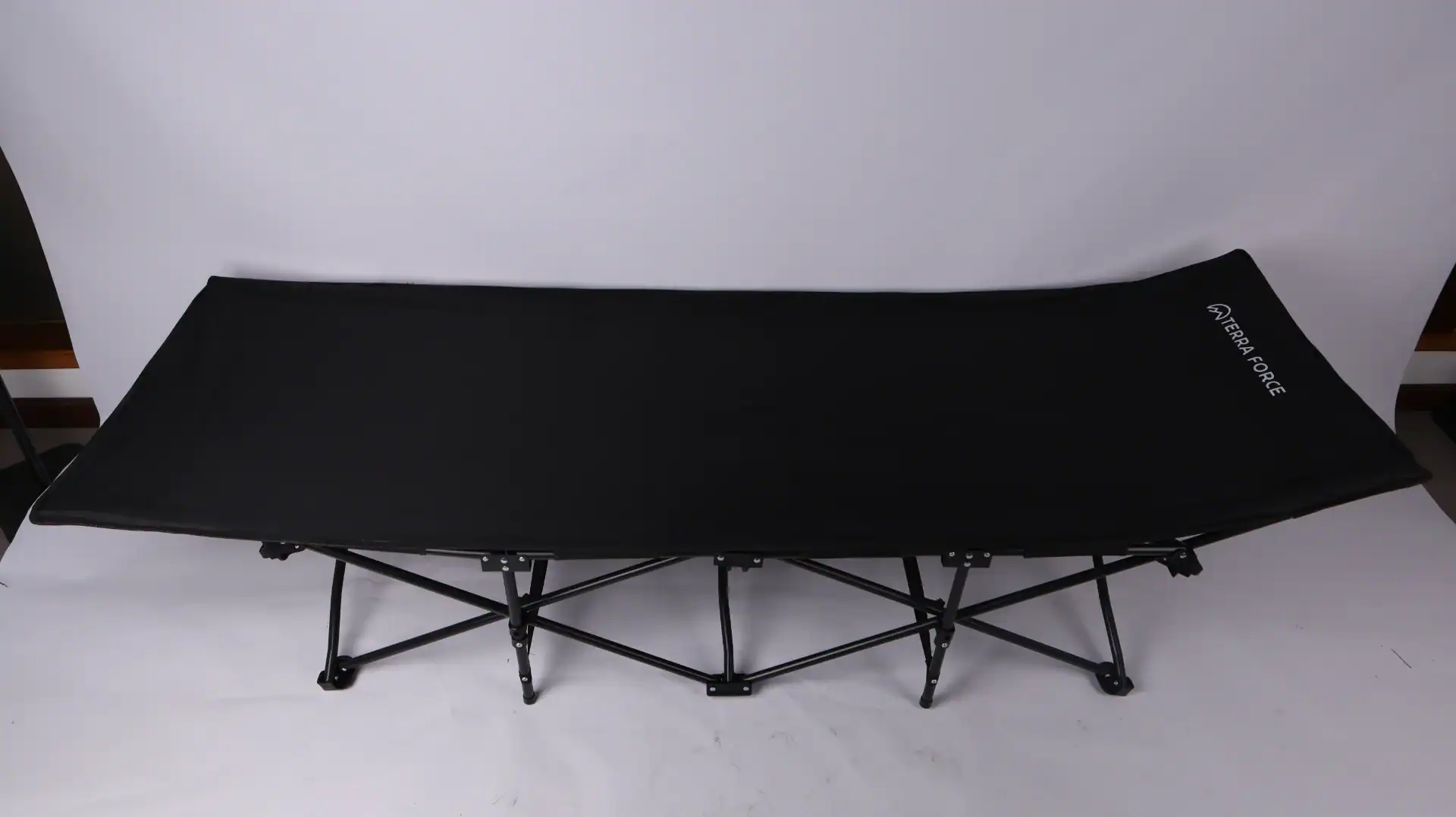
Почему спящие на боку испытывают трудности с походными спальными системами
Большая часть дискомфорта у спящих на боку сводится к одному числу: 30 мм рт. ст.
Люди, спящие на боку, концентрируют примерно 40% веса тела на бедре и плече. Когда поверхность для сна создаёт более 30 мм рт. ст. контактного давления в этих точках, капиллярный кровоток сужается, вызывая классическое онемение бедра на рассвете. Тугая ткань походной кровати может достигать 40–50 мм рт. ст. на бедре, а недостаточно надутый надувной матрас создаёт С-образный изгиб позвоночника из-за эффекта гамака. Понимание этих цифр — первый фильтр при оценке любого походного спального продукта.
Порог дискомфорта в 30 мм рт. ст.
Контактное давление выше 30 мм рт. ст. ограничивает капиллярный поток и вызывает болевые сигналы. Этот порог взят из клинических исследований картирования давления, и это показатель, который ваша инженерная команда должна требовать от любого поставщика спальных поверхностей.
Эффект гамака в недорогих надувных матрасах
Недорогие ПВХ-матрасы с пружинными балками провисают в середине, когда вес бедра спящего на боку концентрируется в одной точке. Это создаёт сгибание поясницы и будит туристов с тугоподвижностью нижней части спины — категория #1 в негативных отзывах на Amazon для бюджетных надувных матрасов.

Конструкция надувного матраса: как структура балок влияет на спящих на боку
Drop-stitch TPU обеспечивает прочность на разрыв 5000 Н/м — ПВХ-балки со спиральной конструкцией выходят из строя на бедре.
Большинство спящих на боку просыпаются с онемевшим бедром на стандартной походной кровати, потому что тугая ткань создаёт 40–50 мм рт. ст. контактного давления. Это на 10–20 мм рт. ст. выше порога ограничения капиллярного потока в 30 мм рт. ст. Проблема не в раме — а в структуре балок внутри матраса. На рынке доминируют три внутренние геометрии: спиральная, двутавровая и drop-stitch. Каждая создаёт различный профиль давления на бедре и плече.
Спираль против двутавра против drop-stitch: данные о давлении
ПВХ-матрасы со спиральными балками используют вертикальные воздушные колонны, разделённые сварными швами. Когда бедро спящего на боку давит вниз, воздух перемещается между спиралями, создавая локальные пики давления, которые часто превышают 40 мм рт. ст. Они самые дешёвые в производстве, но дают самый высокий процент возвратов из-за жалоб на комфорт.
Конструкция с двутавровыми балками (ПВХ или TPU) использует горизонтальные воздушные каналы, идущие по длине матраса. Это улучшает равномерность по сравнению со спиральными конструкциями, но балки всё равно прогибаются под сосредоточенной нагрузкой — человек весом 150 фунтов, спящий на боку, может деформировать двутавровую балку на 15–20%, уменьшая эффективную толщину на бедре.
Конструкция drop-stitch TPU принципиально иная. Тысячи полиэфирных нитей соединяют верхнюю и нижнюю панели на фиксированном расстоянии, удерживая их параллельно даже при высоком давлении. При рабочем давлении 15 фунтов на кв. дюйм ткань drop-stitch от Kelyland достигает прочности на разрыв 5000 Н/м — достаточно для поддержания ровной поверхности при любом весе спящего до 250+ фунтов. Результат: контактное давление остаётся ниже 30 мм рт. ст. во всех зонах тела.
Drop-stitch TPU: технические характеристики для закупок
При закупке надувных матрасов drop-stitch для вашего бренда проверяйте три параметра: прочность ткани на разрыв (минимум 5000 Н/м), номинальное рабочее давление (15 фунтов на кв. дюйм) и данные циклических испытаний. Внутреннее исследование Kelyland зафиксировало более 50 000 циклов надувания без расслоения или образования утечек — это примерно пять сезонов регулярного использования по выходным.
Идеальная высота матраса для спящих на боку — 10–12 дюймов. Ниже 10 дюймов даже drop-stitch проминается до основания, когда тяжёлый спящий поворачивается на бок. Выше 12 дюймов становится проблемой устойчивость — более высокие профили покачиваются при движении и требуют более высокого давления накачки для сохранения жёсткости.
Рекомендуемая толщина и настройки давления
-
- 100–150 фунтов: Матрас 10 дюймов при 8–10 фунтах на квадратный дюйм.
- 150–200 фунтов: Матрас 12 дюймов при 10–12 фунтах на квадратный дюйм.
- 200–250 фунтов: Матрас 12 дюймов при 12–15 фунтах на квадратный дюйм.
- 250+ фунтов: Матрас 12+ дюймов при полном номинальном давлении.
Эти параметры настраиваются через ODM-партнерства. Фабричная сеть Kelyland в Сянъяне, провинция Хубэй — сертифицированная по ISO 9001 с соответствием CE/ETL — может регулировать плотность нитей, толщину панелей и размещение клапанов, чтобы соответствовать вашим целевым диапазонам веса и характеристикам жесткости.
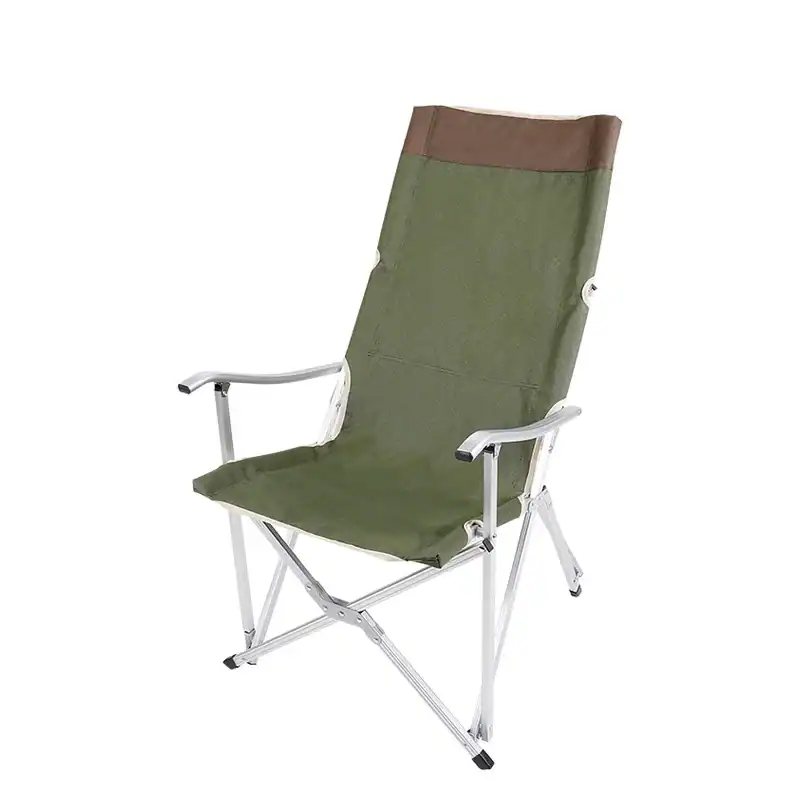
Конструкция походной кровати: геометрия рамы и мягкие верхние панели
Геометрия рамы кровати и мягкий верхний матрас определяют, проснется ли спящий на боку отдохнувшим или с затекшим телом.
Основное преимущество походной кровати — приподнятая, устойчивая поверхность для сна. Это важно для туристов с проблемами подвижности или для тех, кто хочет избежать влаги от земли. Но оборотная сторона — туго натянутая ткань, создающая профиль давления, который не следует игнорировать тем, кто спит на боку.
Стальные и алюминиевые рамы: вес против грузоподъемности
Материал рамы определяет две самые важные характеристики для вашей линейки продукции: допустимую нагрузку и компактность при упаковке. Сталь выигрывает по грузоподъемности и стоимости. Алюминий выигрывает по весу и объему в упакованном виде.
Что выбрать? Практическое руководство по принятию решения
Позиция вашего бренда на рынке определяет, какая система для сна станет лучшей по марже и проценту возвратов.
Если ваш бренд ориентирован на любителей кемпинга премиум-класса, готовых платить за комфорт, явным победителем станет надувной матрас из ТПУ с дроп-ститч конструкцией. Балочная структура устраняет эффект гамака, который вызывает возвраты в бюджетных линейках. Для покупателей начального уровня или ориентированных на ценность, мягкая раскладушка по более низкой цене по-прежнему охватывает сегмент спящих на боку, не требуя премиальных материалов.
Матрица решений для спящих на боку
Данные разделяют продукты на три категории. ТПУ-матрас с дроп-ститч получает 9/10 по комфорту и долговечности. Мягкая раскладушка с двухдюймовым поролоновым топпером получает 7/10 — приемлемо для умеренного сна на боку, но не идеально при хронических болях в бедре. Надувные матрасы с пружинами получают 5/10; они конкурируют только по цене и дают самый высокий процент возвратов.
Характеристики против цены: чему отдать приоритет
Всегда prioritизируйте структуру балок над материалом поверхности. Ворсистый ПВХ-верх кажется плюшевым, но ничего не решает в распределении давления. TPU-сердечник с drop-stitch технологией обязателен для премиального продукта для тех, кто спит на боку. Более дешёвые затраты на производство проявляются в процентах возвратов в течение одного сезона — обычно около 8-го месяца, когда балки катушек проседают или шов ПВХ даёт течь.
-
- Надувной матрас из TPU с drop-stitch технологией: $XX–$XX за единицу при MOQ 50–100, лучший комфорт на унцию, минимальный риск возвратов для люксового позиционирования.
- Кровать-раскладушка с мягкой обивкой (стальная рама + пенный топпер): $XX–$XX за единицу при MOQ 300–500, отлично подходит для бюджетных линеек, ориентированных на умеренных любителей сна на боку с проблемами мобильности.
- Надувная кровать с ПВХ и катушками: $XX–$XX за единицу, самая низкая первоначальная стоимость, но самый высокий процент возвратов из-за жалоб на точки давления и отказы швов.
“Разработка индивидуальных систем сна для вашего бренда”
“Kelyland Outdoors предлагает OEM/ODM кастомизация в обеих категориях — от выбора материалов и структуры балок до систем накачки и дизайна упаковки. MOQ начинается от 50–100 штук для отдельных позиций, со стандартным сроком производства 30–45 дней. Один индивидуальный drop-stitch матрас клиента стал ‘топ-продавцом’ на Amazon в Северной Америке после того, как Kelyland разработала плотность и толщину балок под целевой диапазон веса спящего клиента”.
| Сценарий | Лучший выбор | Ключевые характеристики | Почему это работает |
|---|---|---|---|
| Комфорт для сна на боку — приоритет | Надувной матрас из TPU с drop-stitch технологией | Толщина 10–12 дюймов; 15 фунтов на кв. дюйм; прочность на разрыв 5000 Н/м | Регулируемая жёсткость устраняет точки давления >30 мм рт. ст. |
| Требуется приподнятое положение для сна и высокая грузоподъёмность | С мягкой прокладкой Кемпинговая кроватка (Стальной каркас) | Грузоподъёмность 300–500 фунтов; поролоновая накладка 2 дюйма снижает давление на бёдра до ~35 мм рт. ст. | Устойчивая приподнятая платформа для пользователей с ограниченной подвижностью |
| Бюджетная начальная линейка продукции | Надувная кровать с пружинным блоком или стандартная койка | Минимальный объём заказа от 50–100 шт.; срок поставки 30–45 дней | Самая низкая первоначальная стоимость, но более высокий риск возвратов из-за дискомфорта |
| Премиальное / люксовое позиционирование бренда | Надувной матрас из ТПУ с Drop-Stitch технологией + индивидуальная система насоса | Насос с сертификацией CE/ETL; индивидуальное окрашивание и упаковка | Отличается инженерными решениями и данными о комфорте |
| Линия сверхлёгкого туристического снаряжения | Раскладушка с алюминиевой рамой (250–300 фунтов) | Вес раскладушки 5–8 фунтов; размер в упаковке <4 куб. футов | Минимальный объём в упаковке с приподнятой спальной поверхностью |
Заключение
Данные очевидны: надувные матрасы из ТПУ с технологией drop-stitch превосходят стандартные туристические раскладушки и пружинные надувные матрасы по комфорту для спящих на боку, в то время как раскладушки с мягкой подкладкой представляют собой жизнеспособный бюджетный вариант. Решение вашего бренда зависит от соответствия технических характеристик болевым точкам целевых клиентов и ценовому позиционированию.
-
- ТПУ с технологией drop-stitch обеспечивает равномерное распределение давления под бедром.
- Ткань раскладушки без подкладки превышает порог дискомфорта в 30 мм рт. ст.
- Раскладушка с подкладкой и поролоновым топпером соответствует комфорту пружинного надувного матраса.
Изучите подробные технические характеристики продукции Kelyland, чтобы оценить, насколько инженерные решения сопоставимы с предложением вашего текущего поставщика. Тематическое исследование воздушных балок из ТПУ документирует более 50 000 циклов накачивания при рабочем давлении 15 фунтов/кв. дюйм — этот показатель стоит проверить на соответствие допускам по качеству любого потенциального завода до утверждения образцов.
Часто задаваемые вопросы
Что лучше для боли в спине: походная раскладушка или надувной матрас?
Надувные матрасы с регулируемой жёсткостью, особенно модели из ТПУ с технологией drop-stitch, обеспечивают лучшее выравнивание позвоночника для людей с болями в спине. Плоская тканевая поверхность стандартной раскладушки может создавать эффект гамака, что приводит к смещению позвоночника. При болях в спине отдавайте приоритет регулируемой жёсткости, а не поддержке каркаса.
Можно ли использовать походную раскладушку с туристическим ковриком, чтобы улучшить комфорт сна на боку?
Да, добавление поролоновой подкладки толщиной 1–2 дюйма на раскладушку может уменьшить точки давления в области бедра и плеча. Однако подкладка может смещаться или сжиматься неравномерно на натянутой поверхности. Проверьте толщину подкладки в соответствии с шириной ваших бёдер, прежде чем остановиться на такой конфигурации.
Сколько веса может выдержать обычная походная кровать?
Стандартные раскладушки выдерживают 250–300 фунтов, в то время как модели повышенной прочности — до 500 фунтов. Всегда проверяйте материал рамы: сталь выдерживает более высокие нагрузки, чем алюминий, при той же толщине. Сверяйте допустимую нагрузку со средним весом тела вашего целевого рынка.
Какая толщина надувного матраса лучше всего подходит для тех, кто спит на боку?
Минимум 10 дюймов; 12 дюймов идеально подходит для большинства спящих на боку, чтобы предотвратить контакт бедра с землей. Более толстые матрасы (18–22 дюйма) могут быть нестабильными и их труднее надувать. Окончательные условия следует подтверждать в соответствии с точной спецификацией товара и условиями заказа.

 English
  Español
  Deutsch
  Français
  Português do Brasil
  Русский
  العربية
  한국어
한국어  日本語
日本語